
Falstaff Winery - 4 Stars
One of Würzburg's oldest charitable wine estates, Bürgerspital zum Heiligen Geist has shaped Franconian viticulture for centuries from its address on Theaterstraße..

Pearl is the En Primeur Club membership app — saves, bookings, and concierge access live there. Same editors, same standards.
- Address
- Theaterstraße 19, 97070 Würzburg
- Phone
- +49 931 3503441
- Website
- buergerspital.de
- Directions
- Get directions
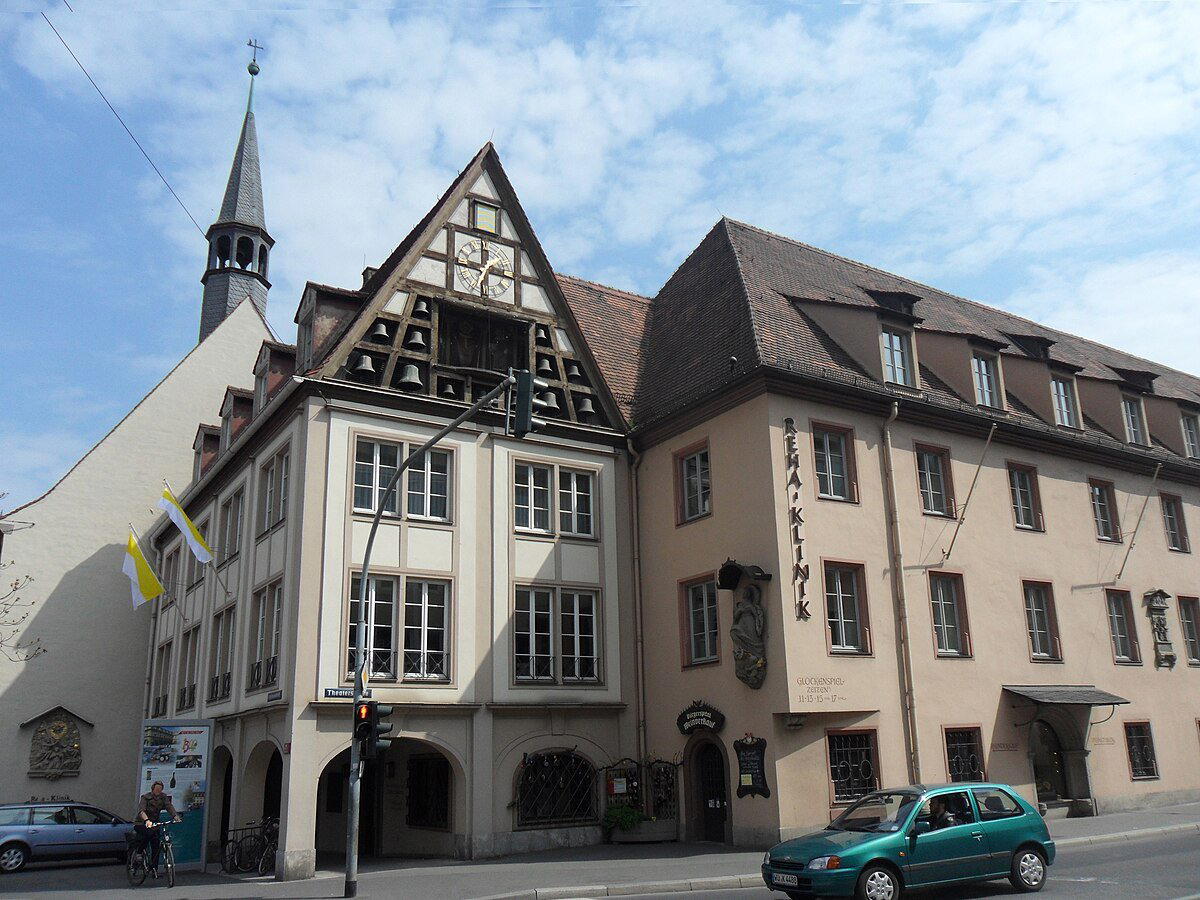
Franconian Stone and the Wines That Carry It
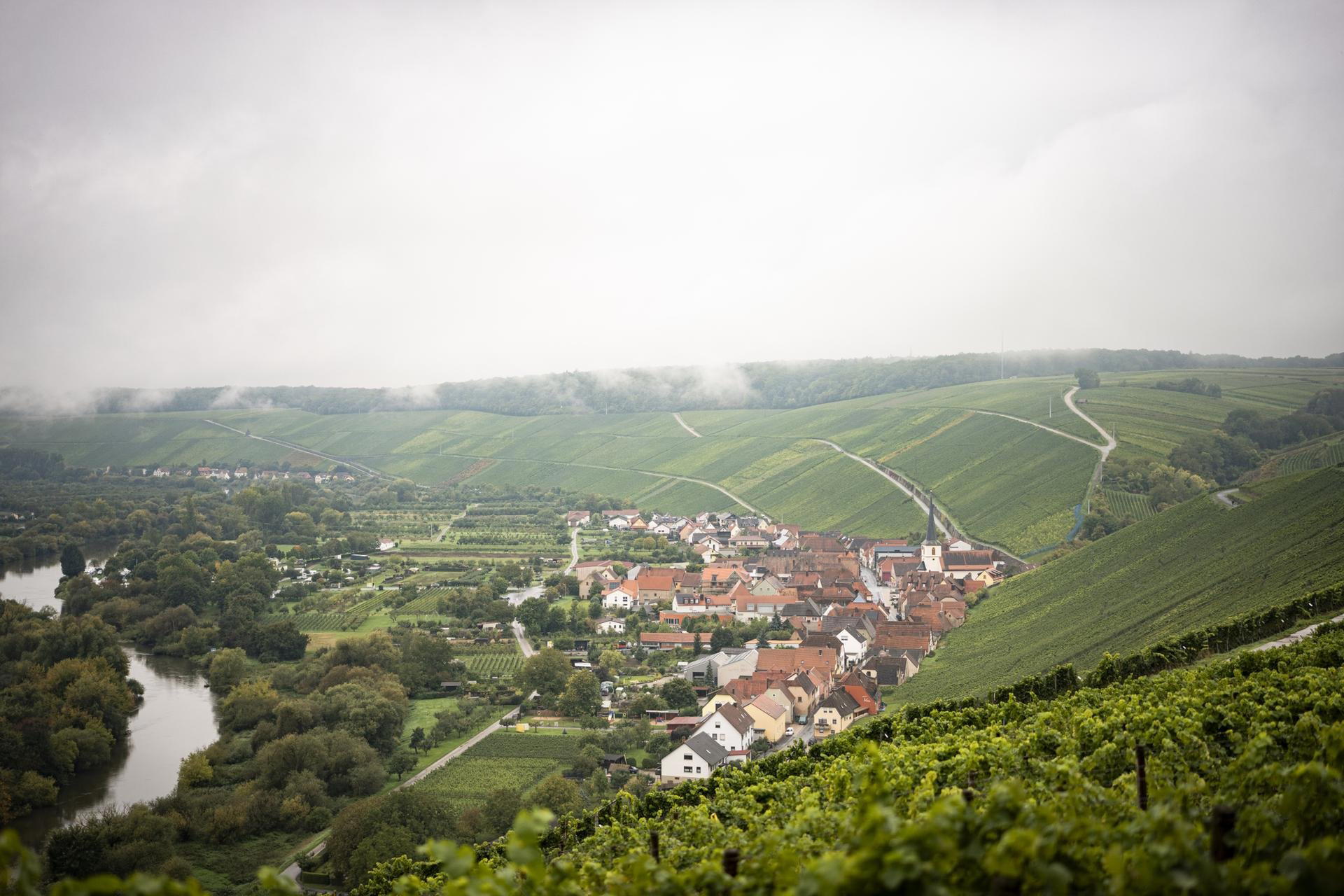
Approaching the old quarter of Würzburg along Theaterstraße, the civic weight of the city makes itself felt before you reach any particular address. The sandstone facades, the Main river curving below the Marienberg Fortress, the memory of a place that has been producing wine longer than most European appellations have had formal names — all of it conditions how you read what comes next. Bürgerspital zum Heiligen Geist, the charitable wine estate whose address sits at number 19, belongs to this context entirely. It is not a winery that arrived in Franconia; it is, in a meaningful sense, part of what Franconia became.
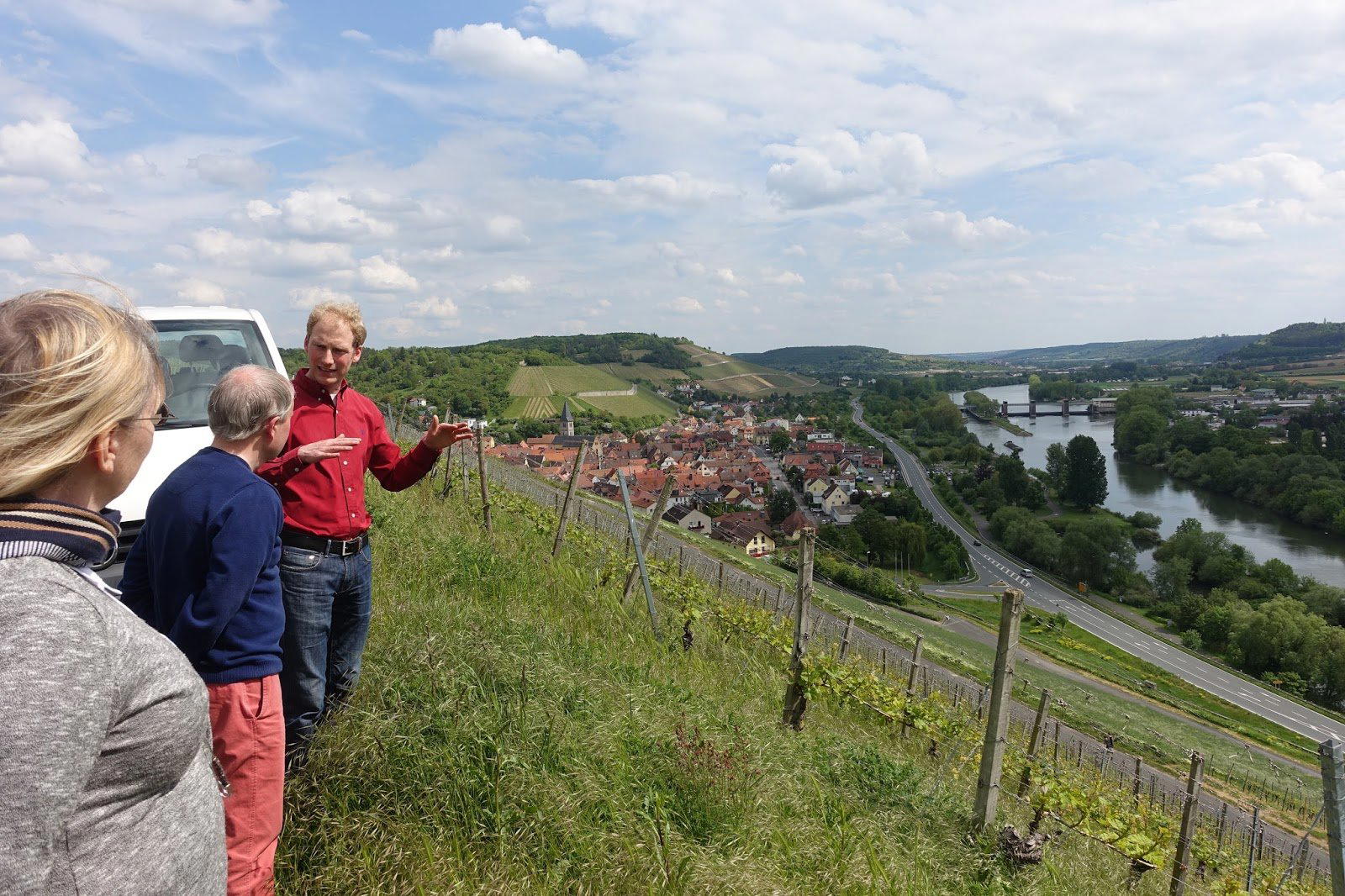
Franconian wine has always been defined by a specific argument between geology and climate. The region's Muschelkalk (shell limestone), Buntsandstein (red sandstone), and Keuper (gypsum-bearing marl) soils each pull Silvaner and Riesling in different directions. Silvaner on Muschelkalk delivers mineral restraint and a savouriness that no amount of winemaking intervention can engineer from a different subsoil. Riesling on the steep south-facing slopes above the Main acquires a tautness that separates it clearly from Rhine or Mosel expressions. What the Bürgerspital estate represents, assessed against this geological backdrop, is a portfolio assembled across those soil types over centuries, giving it a breadth of terroir access that younger or smaller estates can rarely replicate.
Where Institutional Scale Meets Vineyard Specificity
Franconia's charitable wine estates occupy a category unto themselves within German viticulture. Alongside Weingut Juliusspital, Bürgerspital is one of two major hospital foundations in Würzburg whose winemaking history stretches back to medieval endowments. This is not a detail to brush past: the founding logic of these estates, in which vineyard income funds the care of the poor and sick, shaped how their landholdings were assembled and managed. The parcels were accumulated not for prestige alone but for longevity, which means the estate's vineyard portfolio reflects centuries of selection for reliable, high-quality land rather than speculative acquisitions driven by market fashion.
For comparative context, consider the scale contrast with a focused boutique operation like Weingut Clemens Busch in Pünderich or the biodynamic precision of Weingut Battenfeld-Spanier in Hohen-Sülzen. Those estates operate with a tightness of focus that suits their scale. Bürgerspital's argument is different: that a large, well-managed estate with deeply rooted vineyard history can express terroir across multiple sites and grape varieties with consistency, year after year.
In Germany's premium wine tier, where estates like Weingut Dr. Bürklin-Wolf in Wachenheim an der Weinstraße and Weingut Bassermann-Jordan in Deidesheim have built reputations across multiple decades, Prestige-level recognition functions as a signal that the estate is operating at the upper end of its regional category, not simply coasting on history.
Silvaner as the Regional Argument
Franconia's most consequential grape is Silvaner, and any serious engagement with the region runs through that variety. Whereas Riesling dominates the wine press globally, and Pinot Noir (Spätburgunder) has gained traction in the German quality conversation, Silvaner remains Franconia's most distinctive contribution to European viticulture. It is a grape that rewards geology over winemaking showmanship: on thin Muschelkalk soils with low yields, it produces wines of mineral tension and savoury depth that have no close equivalent elsewhere. On heavier, more fertile ground, it flatters and softens, making it unforgiving in its honesty about site.
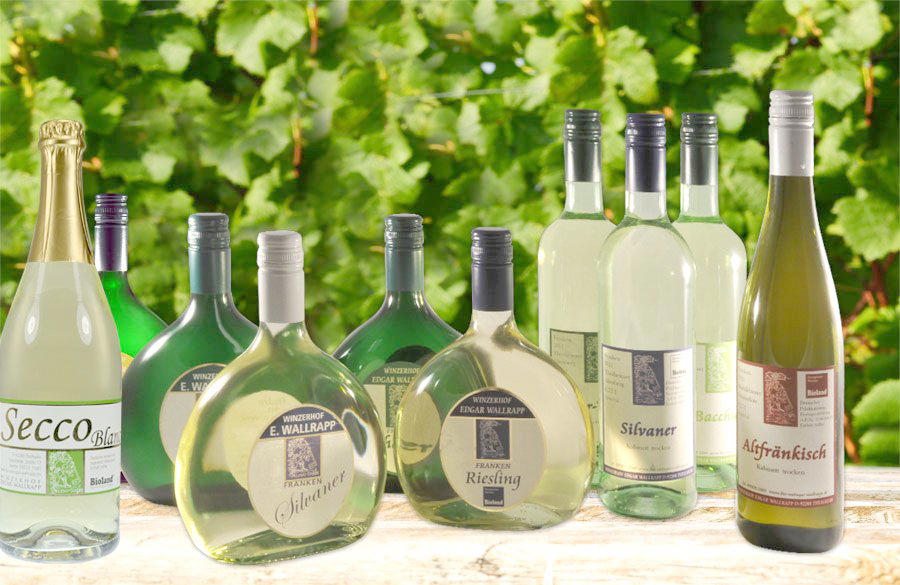
This is the central terroir argument that Bürgerspital prosecutes across its vineyard holdings. The estate's access to named Franconian sites, accumulated over generations, gives its Silvaner wines the raw material to make that argument concretely rather than theoretically. The Bocksbeutel — the flat, flask-shaped bottle that Franconia mandated for its quality wines as far back as the eighteenth century, signals that regional specificity the moment it appears on a table. It is a format designed not for export convenience but for local identity, which tells you something about how seriously the region takes its own distinctiveness.
For reference points outside Franconia, the closest parallels in terms of institutional age and charitable foundation structure are the great Burgundy hospices, while in terms of German regional identity, the model echoes the monastic estates of the Rheingau, including Kloster Eberbach in Eltville, where a similar logic of religious or civic endowment produced landholdings of unusual coherence and longevity.
The Würzburg Context and How to Approach It
Würzburg functions as the administrative and cultural centre of Franconian wine. The city's wine estates are not peripheral to its identity: they are woven into its economics, its architecture, and its civic institutions in ways that most wine towns can no longer claim. Arriving by train from Frankfurt takes roughly two hours; from Munich, closer to two and a half. The estate's address on Theaterstraße places it within the city's historic core, walkable from the Residenz palace and the old town centre.
Visitors planning a Franconian wine itinerary would logically use Würzburg as a base and move outward. The combination of Bürgerspital and Juliusspital within the city gives a clear north star for understanding the charitable estate model before exploring other regional producers. For context on how Franconia's Silvaner and Riesling traditions compare with the Rheingau's approach, Weingut Georg Breuer in Rüdesheim am Rhein and Weingut Allendorf in Oestrich-Winkel offer a useful comparison. For the Mosel's limestone-and-slate argument, Weingut Fritz Haag in Brauneberg, Weingut Grans-Fassian in Leiwen, and Weingut Heymann-Löwenstein in Winningen each represent a different facet of how German cool-climate viticulture expresses itself when geology drives the conversation. For those widening their scope to the Pfalz, Weingut A. Christmann in Neustadt an der Weinstraße provides a biodynamic counterpoint to Franconia's more classically rooted approach.
For restaurant recommendations within the city, our full Würzburg restaurants guide covers the dining context alongside the wine culture.
Planning a Visit
Bürgerspital zum Heiligen Geist operates from Theaterstraße 19 in central Würzburg, a short walk from the main rail station and the Residenz. Given that the estate holds historical significance alongside its wine production, visitors often combine a tasting with the wider civic and architectural programme the city offers. The late spring through harvest period (broadly May through October) tends to align leading with vineyard activity and the rhythm of Franconian wine events, though the estate's position as a civic institution means it functions year-round in ways that purely agricultural operations may not. Booking specifics and current opening arrangements are best confirmed directly with the estate, as operating formats at this scale are subject to seasonal and institutional variation.
Comparable Spots, Quickly
Comparable venues nearby, for context on price, style, and recognition.
| Venue | Cuisine | Price | Awards | Notes |
|---|---|---|---|---|
| Weingut Bürgerspital zum Heiligen GeistThis venue — the venue you are viewing | Riesling, Silvaner | Not listed | Falstaff Winery - 4 Stars | Not listed |
| Weingut Juliusspital | Silvaner, Riesling | $20–30 | Falstaff Winery - 4 Stars | Würzburg center |
| Walter Scott Wines | Winery | Not listed | Not listed | Salem |
| Bethel Heights Vineyard | Pinot Noir, Chardonnay | Not listed | Not listed | Eola-Amity Hills |
| Weingut Rainer Sauer | Silvaner, Müller-Thurgau | Not listed | Falstaff Winery - 4 Stars | Escherndorf |
| Weingut Graf Neipperg | Lemberger, Riesling | Not listed | Falstaff Winery - 5 Stars | Schwaigern |
Recognition history
Dated appearances from independent guides and award organizations, with the underlying list record or original source where available.
Falstaff Winery - 4 Stars
Falstaff
Continue exploring
More in Würzburg
Wineries in Würzburg
Browse all →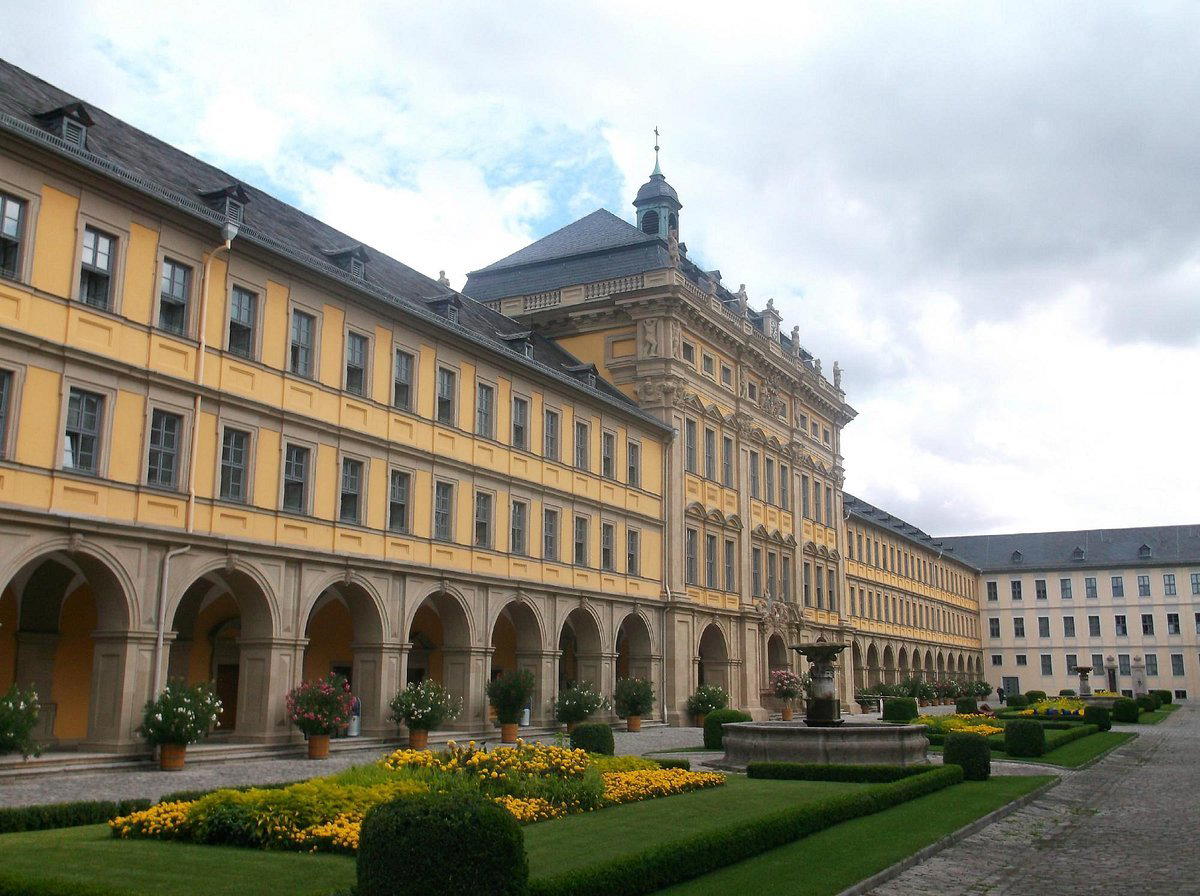

Restaurants in Würzburg
Browse all →
Details
- Historic
- Classic
- Elegant
- Rustic
- Wine Education
- Special Occasion
- Historic Building
- Estate Grounds
- Sustainable
- Vineyard
- Riesling
- Silvaner
- Müller Thurgau
- Bacchus
- Pinot Blanc
- Pinot Gris
- Pinot Noir
- Still White
- Still Red
- Cave Tasting
- German
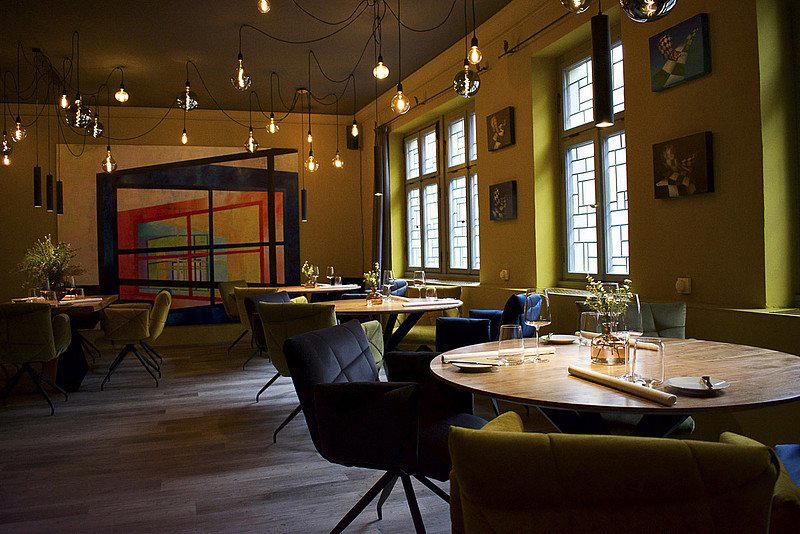
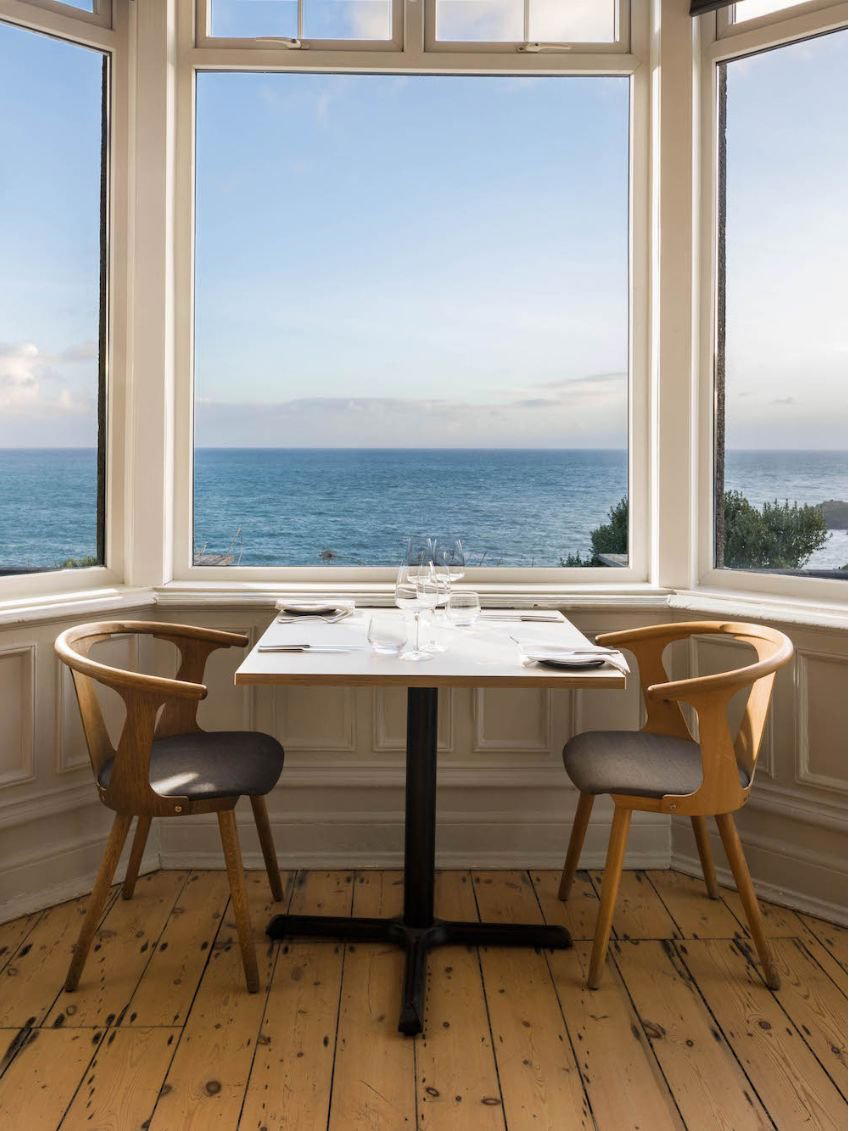
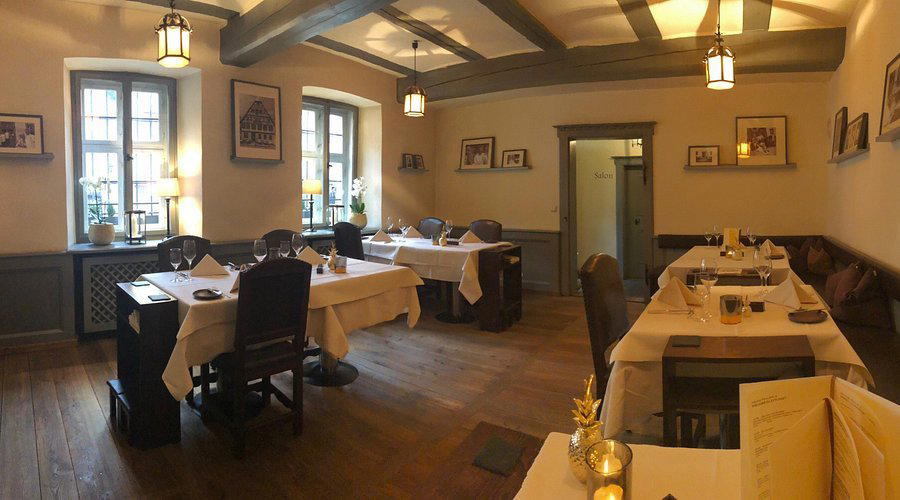
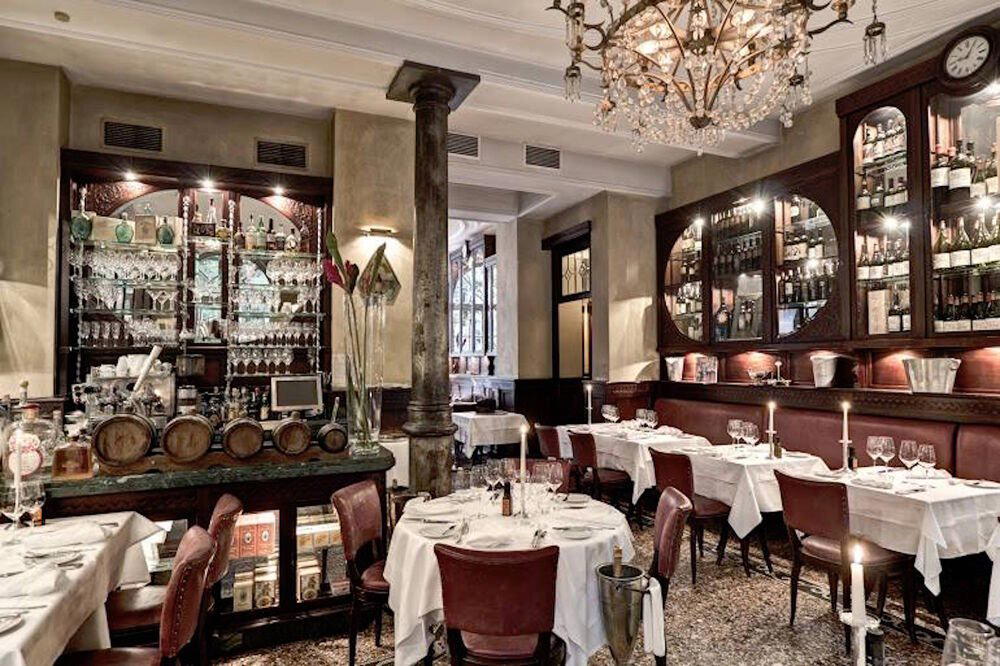
Historic Gothic architecture with vaulted ceilings in a labyrinth of nine rooms creating an elegant, timeless atmosphere.