Jacquart
Jacquart's German operation in Grafschaft represents the Champagne house's presence on the Rhine, carrying the label's 1962 origins into a contemporary context. The address sits within easy reach of several of Germany's most established wine regions, making it a reference point for Champagne in a country more associated with Riesling and Pinot Noir.

Pearl is the En Primeur Club membership app, where members save venues, book tables and use the concierge.
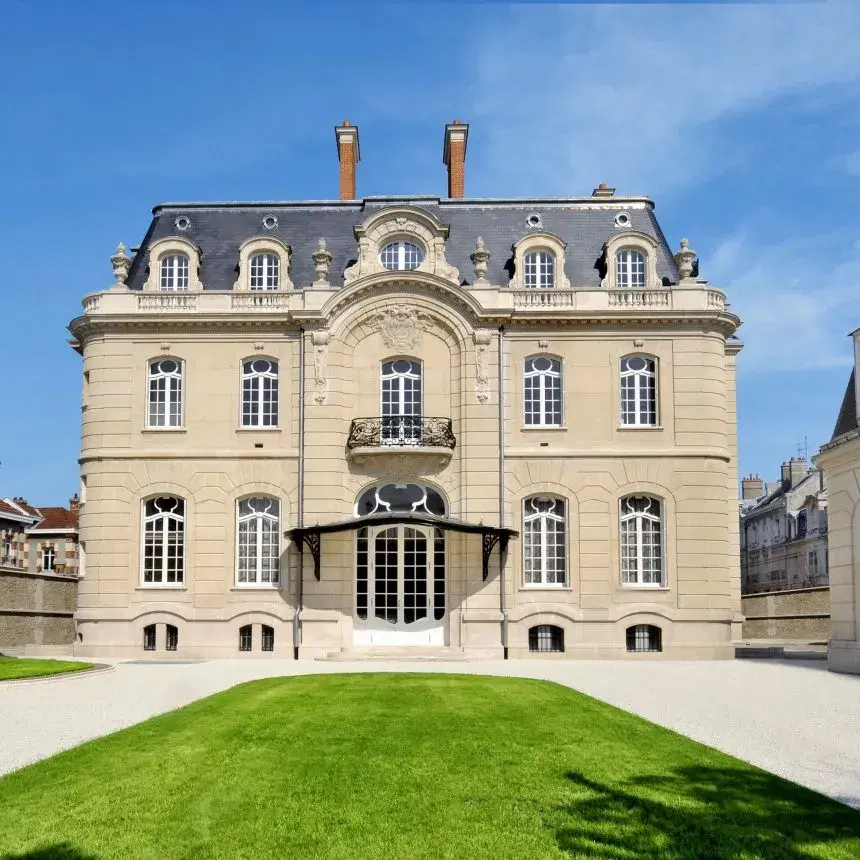
Champagne on the Rhine: What Jacquart's Grafschaft Address Tells You About the Brand
The geography of wine distribution rarely gets discussed alongside the wine itself, but it tells you a great deal about how a house positions its identity. Jacquart, a Champagne co-operative with roots going back to 1962, chose Grafschaft in the German Rhineland-Palatinate corridor as the base for its German operation. That choice is not incidental. Germany is one of the most wine-literate consumer markets in Europe, and operating here means competing for attention not just against other Champagne labels but against the deep domestic tradition of Riesling from the Mosel and Rheingau, Pinot Noir from the Pfalz, and the centuries-old institutional wineries like Kloster Eberbach in Eltville. A Champagne house establishing a formal German presence is making a deliberate argument: that its wines belong in the same conversation as the country's finest bottles.
Floriane Eznack and the Craft of Champagne Assemblage
In Champagne, the winemaker's role is structurally different from what it means in a single-appellation still wine region. The craft is not about expressing a single terroir through minimal intervention; it is about constructing a wine from dozens, sometimes hundreds, of base wines drawn from across the region's crus, then holding reserve wines over multiple years to maintain stylistic continuity. Floriane Eznack, Jacquart's cellar master, works within that discipline. Her role at the German entity connects the Grafschaft address directly to the production logic in Reims, where the house blends wines from Montagne de Reims, Côte des Blancs, and Vallée de la Marne, each sub-region contributing distinct structural characteristics to the final cuvée.
This is a markedly different proposition from what you encounter at a single-estate German producer like Weingut A. Christmann in Neustadt an der Weinstraße or Weingut Battenfeld-Spanier in Hohen-Sülzen, where the winemaker's relationship to specific parcels and soils defines the wine. Jacquart's argument is instead about the sophistication of blending as a form of terroir translation, treating the full Champagne appellation as the terroir and Eznack's palate as the instrument that interprets it across vintages.
The Terroir Argument: Why Champagne's Chalk Matters in Context
Understanding what Jacquart brings to a German market requires some fluency with Champagne's physical geography. The region sits on one of the world's most unusual geological formations: a thick belt of Cretaceous chalk that runs beneath the vineyards and acts as both a water reservoir during dry summers and a reflective surface that moderates vine temperatures. That chalk, combined with the region's northerly latitude, produces grapes with naturally high acidity and relatively modest sugar levels. The winemaker's job is to transform that raw material, through secondary fermentation in bottle and extended lees ageing, into wines with both tension and texture.
The chalk-driven mineral character that Champagne's advocates describe is a function of that geology, not a marketing construction. When placed alongside the slate soils of the Mosel that shape producers like Weingut Fritz Haag in Brauneberg or Weingut Clemens Busch in Pünderich, or the red sandstone and limestone soils that define Weingut Georg Breuer in Rüdesheim am Rhein, Champagne's chalk expresses itself in a distinctly different idiom. German wine drinkers, already attuned to how soil type shapes a glass, are well positioned to appreciate that distinction.
Jacquart in the German Market: A House With 1962 Credentials
Jacquart's founding in 1962 places it in the post-war period when several Champagne co-operatives consolidated grower resources to compete with the grandes maisons. That origin as a grower co-operative means the house has access to vineyards across multiple Champagne villages, with members holding parcels on classified crus. The 1962 start date gives Jacquart over six decades of assemblage records, reserve wine libraries, and stylistic calibration, all of which feed into what Eznack works with today.
In the German market, that depth of production history is meaningful. German fine wine buyers, whether sourcing from domestic estates like Weingut Bassermann-Jordan in Deidesheim or Weingut Bürgerspital zum Heiligen Geist in Würzburg, are accustomed to houses with institutional histories that stretch back generations.
Champagne's commercial tier is often discussed in terms of the grandes maisons (Moët, Krug, Bollinger) versus grower Champagne, but Jacquart operates in a middle register that is frequently underexamined. Co-operative Champagne at the prestige level combines grower vineyard access with the technical resources of a house operation. That middle-ground position means Jacquart competes on quality metrics rather than simply on either the artisan-grower narrative or the luxury brand infrastructure of the grandes maisons.
It is a credential that points toward the upper portion of the co-operative tier, in a different register from the single-estate German producers in Grafschaft's surrounding regions, but also distinct from the volume-driven non-vintage Champagne that dominates supermarket shelves. For buyers comparing across categories, Jacquart's rating functions as a reliable sorting mechanism. For broader reference points in the German premium wine market, our full Grafschaft guide covers what else the region offers at comparable quality levels.
How to Approach Jacquart
Given that Jacquart's Grafschaft address is a distribution and commercial entity rather than a visitor-facing production facility, the practical question for most readers is how to engage with the wines rather than the address itself. Floriane Eznack's position as cellar master provides continuity across the range, and the house's 1962 founding means there are reserve wine stocks of meaningful depth informing the current releases.
For those building a broader picture of prestige-level European wine production, the comparison set is instructive: Weingut Allendorf in Oestrich-Winkel, Weingut Heymann-Löwenstein in Winningen, and Weingut Grans-Fassian in Leiwen each represent the domestic tradition that Jacquart's German presence sits alongside. The contrast between Champagne's chalk-driven assemblage approach and the Mosel's site-specific slate expression is one of the more instructive comparisons available to a wine buyer operating in this region. Further afield, Weingut Dr. Bürklin-Wolf in Wachenheim an der Weinstraße and Aberlour or Accendo Cellars in St. Helena show how different regional traditions handle prestige-level production in their own idioms, providing useful comparative coordinates for the serious buyer.
Comparison Snapshot
Comparable venues nearby, for context on price, style, and recognition.
| Venue | Cuisine | Price | Awards | Notes |
|---|---|---|---|---|
| JacquartThis venue (the venue you are viewing) | Chardonnay, Pinot Noir | Not listed | Not listed | Not listed |
| Weingut Joh. Jos. Prüm | Riesling | Not listed | Falstaff Winery - Listed | Bernkastel-Wehlen |
| Weingut Nik Weis – St. Urbans-Hof | Riesling | Not listed | Falstaff Winery - 4 Stars | Leiwen |
| Weingut Clemens Busch | Riesling, Pinot Noir | Not listed | Falstaff Winery - 5 Stars | Pünderich |
| Evening Land Vineyards | Winery | $30–50 | Not listed | Salem |
| Weingut Carl Loewen | Riesling, Pinot Blanc | $50–100 | Falstaff Winery - 4 Stars | Leiwen |
Continue exploring
More in Grafschaft
Wineries in Grafschaft
All wineries in Grafschaft →
Bars in Grafschaft
Browse all →
Restaurants in Grafschaft
Browse all →
Details
- Elegant
- Sophisticated
- Special Occasion
- Wine Education
- Panoramic View
- Sustainable
- Vineyard
- Chardonnay
- Pinot Noir
- Pinot Meunier
- Sparkling
- Tasting Room
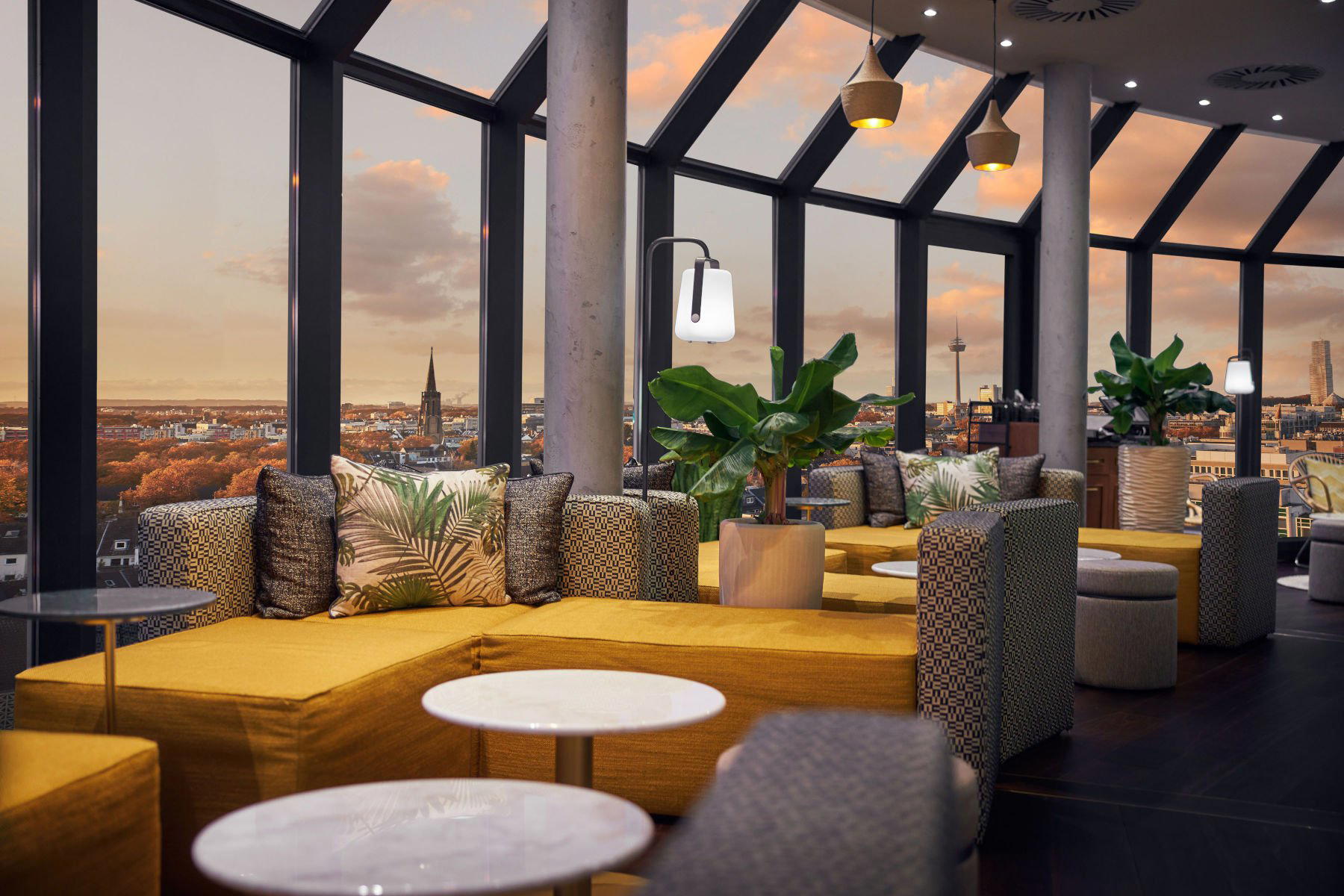
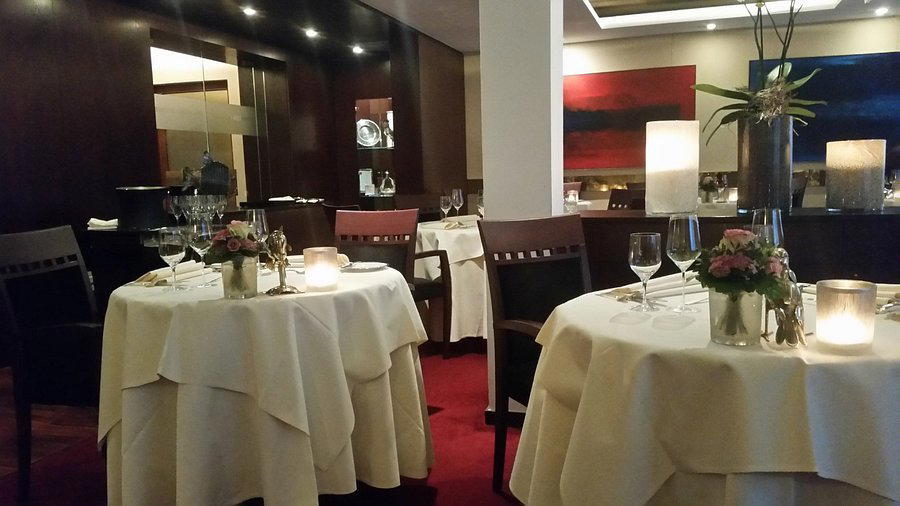
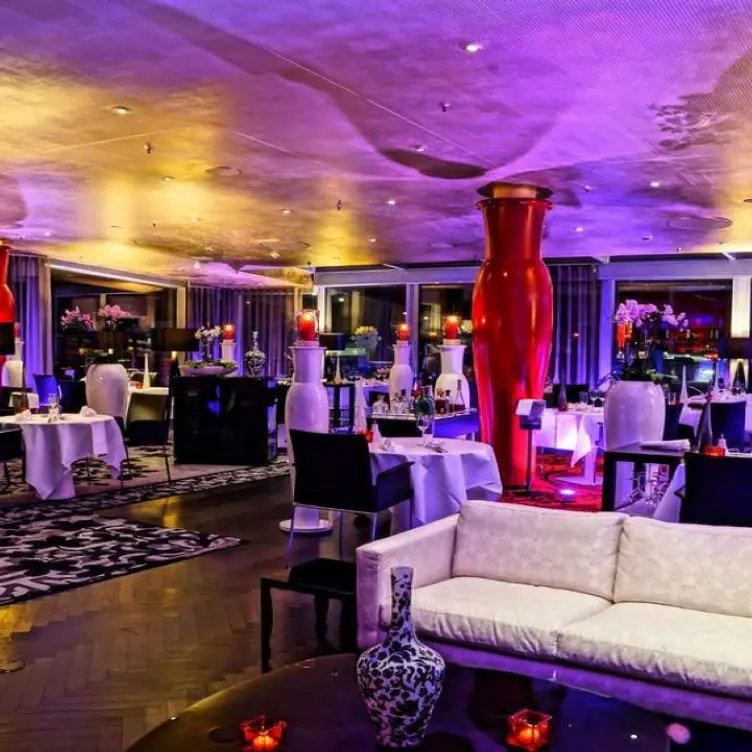
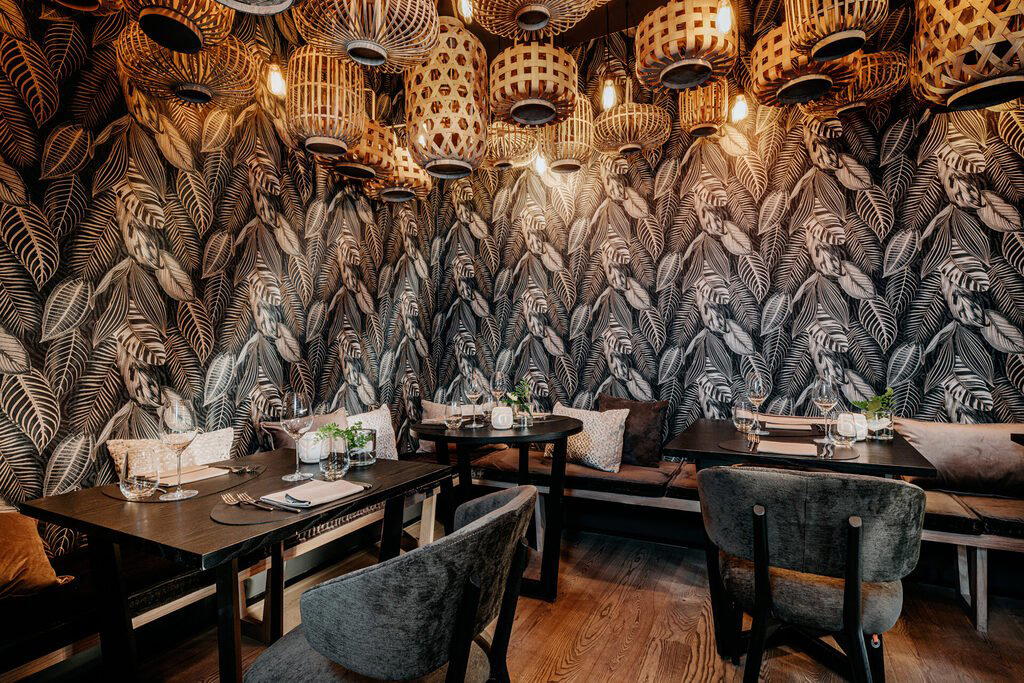
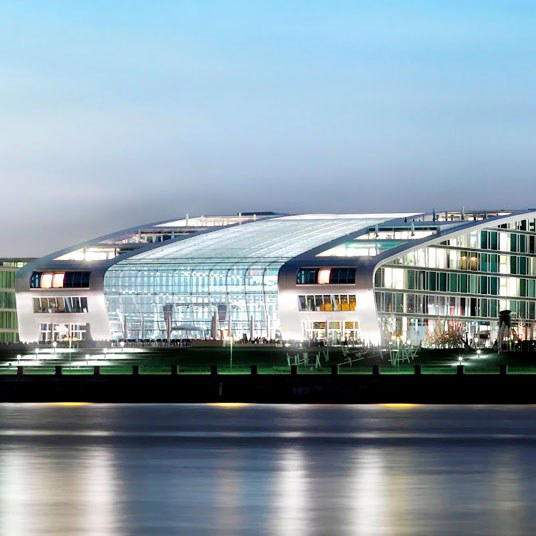
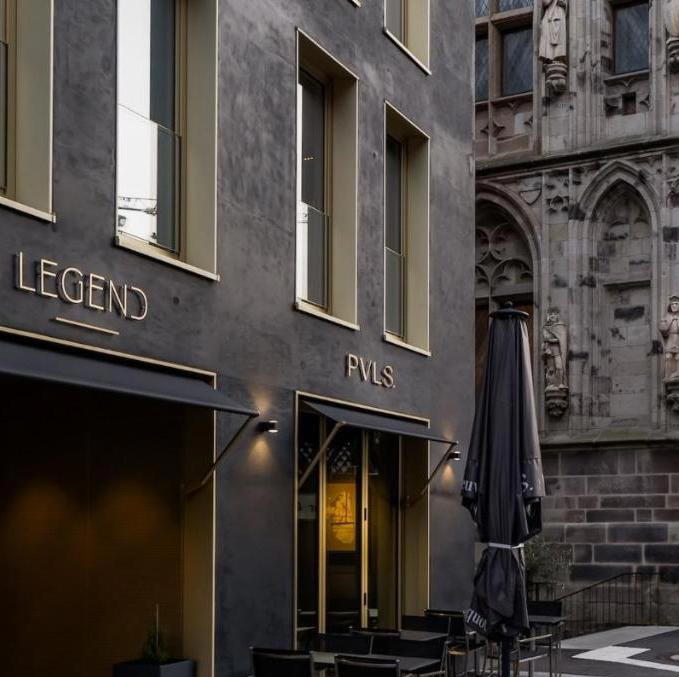
Majestic modern tasting room blending contemporary and classical design with welcoming impressive atmosphere.