Steinheuers Restaurant





2 Michelin Stars · La Liste Top Restaurants · Star Wine List
Our verdict
A double Michelin-starred address in the Ahr Valley, Steinheuers Restaurant holds its ground in the classical French tradition while operating well outside Germany's major dining capitals. A La Liste score of 90 points in 2026, and a position on Opinionated About Dining's Classical European ranking, it represents the serious end of fine dining in the Rhineland's spa-town circuit.

Pearl is the En Primeur Club membership app — saves, bookings, and concierge access live there. Same editors, same standards.
- Address
- Landskroner Str. 110, 53474 Bad Neuenahr-Ahrweiler, Germany
- Phone
- +49 2641 94860
- Website
- steinheuers.de
- Directions
- Get directions
- Booking
- Book on the venue's website
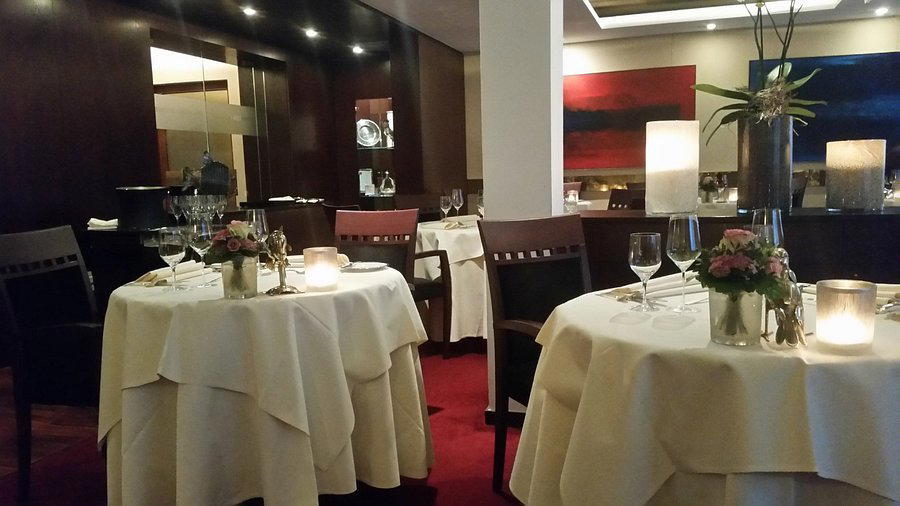
Classical French Cooking in Germany's Wine Country
The Ahr Valley has always occupied an odd position in Germany's fine dining geography. Too far from Cologne to be considered urban, too serious about its table to be dismissed as provincial, the region around Bad Neuenahr-Ahrweiler sits at the intersection of spa-town tradition and Pinot Noir country. The Ahr's red wines, produced from vineyards that climb steep slate slopes above the river, have long attracted a knowing wine-and-food traveller. The dining rooms that serve them well are fewer than you might expect, which makes the concentration of culinary ambition here more noticeable when you encounter it.
Steinheuers Restaurant, on Landskroner Strasse, addresses that gap directly. The address functions as both restaurant and hotel, a format common among Germany's top-tier destination restaurants, where the logic is simple: if you're driving an hour or more for dinner, you may as well stay the night. The combination places it in a similar operational category to Schwarzwaldstube in Baiersbronn and Waldhotel Sonnora in Dreis, both of which anchor hotel properties in German wine country and carry comparable Michelin recognition. It is not the format of a city restaurant competing on convenience; it is the format of a destination that asks you to commit.
Where the French Tradition Holds Its Line
Within Germany's top-tier restaurant scene, there is a visible split between properties working in the classical French idiom and those pushing toward modern European or creative formats. Vendôme in Bergisch Gladbach and Aqua in Wolfsburg both occupy the €€€€ tier but lean toward creative or contemporary inflections. CODA Dessert Dining in Berlin goes further still, reconfiguring the tasting menu format entirely. Steinheuers sits in a different camp: the cuisine type is listed as Classic French, and the awards record suggests that position has been maintained with discipline over multiple years.
That consistency matters in a category where classical technique can easily slide into either stagnation or superficial modernisation. The editorial tension in European fine dining has been running for two decades: how much of the classical French foundation do you preserve, and how much do you renegotiate? The most credible answers tend to come from restaurants that have thought carefully about which techniques carry real weight and which are merely conventional. A Michelin two-star rating held across both 2024 and 2025, combined with an Opinionated About Dining Classical in Europe ranking that moved from Recommended in 2023 to a numbered position of 363rd in 2025, suggests a kitchen that is doing something legible to multiple critical frameworks simultaneously.
La Liste, which aggregates global restaurant rankings and critical sources into a composite score, placed Steinheuers at 91 points in 2025 and 90 points in 2026. The slight movement downward is worth noting without over-reading it: La Liste's methodology is sensitive to aggregate press coverage and booking data, and a one-point shift at this level does not indicate a directional change. What the score does confirm is that the restaurant operates in the upper tier of European classical dining, a peer group that includes addresses well beyond Germany's borders.
The Rhineland Setting as Context, Not Backdrop
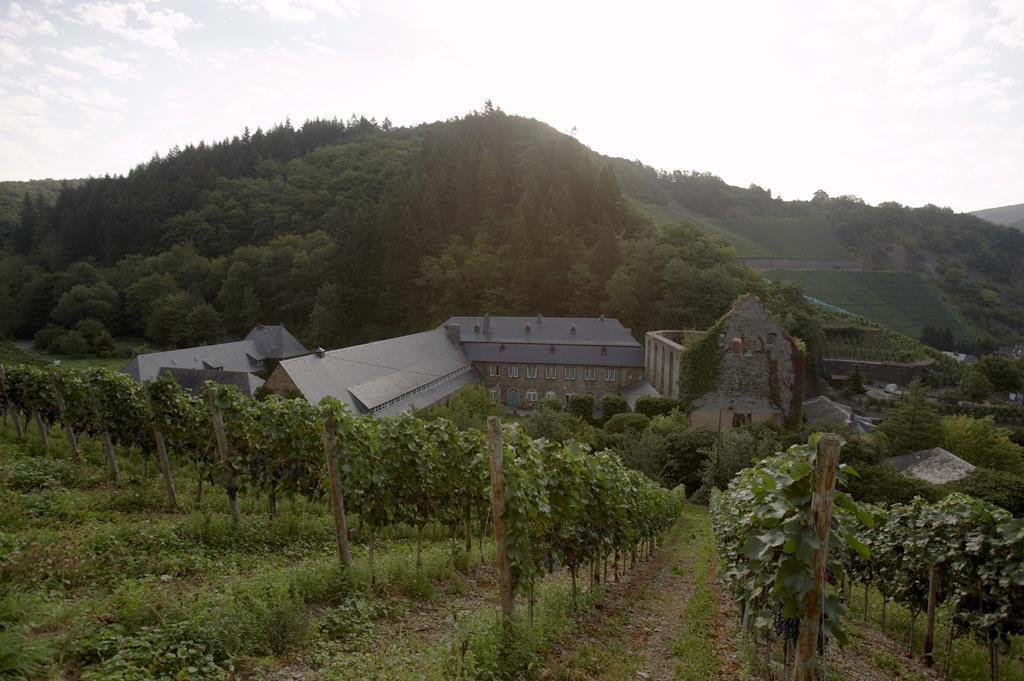
The physical approach to a restaurant shapes the meal before the first course arrives. Bad Neuenahr-Ahrweiler is a spa town with a specific character: thermal baths, a casino, and the kind of understated wealth that accumulates in places where German professionals have taken cures for a century. The Ahr wine region surrounding it produces Spätburgunder (Pinot Noir) from volcanic and slate soils that generate wines with more structural tension than those from the warmer Rhine regions further south. For a kitchen working in the classical French idiom, proximity to these wines is not incidental. Classical French cooking and Pinot Noir have a long and well-documented relationship, and the ability to source regionally within that pairing is an asset the kitchen can draw on without importing anything exotic.
The Star Wine List recognition, published in October 2025, adds another data point. The White Star designation signals that the wine program has been evaluated and found credible by specialist reviewers, which in a region with serious indigenous production is a meaningful credential. For guests arriving primarily for the wine, the Ahr Valley's cellar depth is the draw; for those arriving for the food, the wine program functions as amplification.
Reading the Awards Record Carefully
Michelin's two-star rating is a specific claim. One star indicates a kitchen worth a stop; two stars indicate a kitchen worth a detour. The language matters because it encodes a travel expectation: this is not a restaurant you visit because it is convenient. The two-star status held in both 2024 and 2025 at Steinheuers means Michelin's inspectors have visited across at least two annual cycles and found the quality consistent, which is harder to sustain than an initial award. Consistency at this level, maintained under the dual credit of Hans Stefan Steinheuer and Christian Binder, speaks to a kitchen with stable leadership rather than a project in flux.
The Opinionated About Dining (OAD) ranking is worth reading alongside the Michelin data. OAD polls a community of serious diners and critics rather than employing anonymous inspectors, and its Classical in Europe list specifically tracks restaurants working in the tradition rather than departing from it. A numbered ranking of 363rd across Europe in 2025 places Steinheuers within a global conversation about classical cooking at a moment when that conversation has shrunk considerably. The number of restaurants in Europe seriously committed to this tradition, at this price point and execution level, is smaller than it was twenty years ago. Appearing on that list at all is an indicator of relevance within a narrowing field.
For comparison, Waterside Inn in Bray and Cheval Blanc by Peter Knogl in Basel both occupy the classical French category at comparable price tiers in Western Europe.
Bad Neuenahr-Ahrweiler Beyond the Restaurant
A destination restaurant works well when the surrounding area can justify the trip on its own terms. The Ahr Valley does this in several ways. The wine infrastructure around the river supports cellar visits and wine tourism at a level that makes a two-night stay coherent rather than forced. The region was severely affected by catastrophic flooding in July 2021, and much of the subsequent recovery has been documented publicly; a visit now carries the additional dimension of witnessing a wine region and community in active reconstruction, which changes the experience of being there.
For those building a longer itinerary, Restaurant Brogsitter at Historisches Gasthaus Sanct Peter offers a different register within the same town, and Steinheuers Landgasthof Poststuben operates as a more accessible sibling address under the same name. Our full Bad Neuenahr-Ahrweiler restaurants guide covers the broader dining picture, and separate guides cover hotels, bars, wineries, and experiences in the area.
For those using this visit as an anchor for a wider German fine dining trip, comparable two-star addresses in the region include Schanz in Piesport along the Moselle, JAN in Munich, Restaurant Haerlin in Hamburg, and ES:SENZ in Grassau, each representing a different regional expression within the upper tier of German gastronomy.
Reservations at addresses of this calibre operate on advance booking logic: the further out you plan, the more options you have. The €€€€ price range aligns with the two-star tier across Germany and western Europe, where tasting menu formats typically run from roughly €150 upward per person before wine. The hotel component means accommodation can be coordinated directly with the dinner reservation, simplifying the logistics of a destination visit.
Frequently asked questions
Is Steinheuers Restaurant a family-friendly restaurant?
A two-Michelin-star kitchen running classical French menus at the €€€€ price point is structured around a formal dining experience rather than a casual family outing. That does not exclude older children with an interest in serious food, but the setting is a considered choice for adults seeking a destination meal in the Ahr Valley.
Is Steinheuers Restaurant better for a quiet night or a lively one?
Classical French cooking at two Michelin stars — and rated 90 points by La Liste in 2026 — places Steinheuers firmly in the quiet, focused dining register. Expect a room that prioritises conversation and attention to the plate over ambient energy. It rewards the kind of evening where the meal is the event.
What kind of recognition has Steinheuers Restaurant received?
Steinheuers Restaurant has received recognition including: Steinheuers Restaurant is a restaurant venue.without_translation_and hotel in Bad Neuenahr-Ahrweiler, Germany. It was published on Star Wine List on October 14, 2025 and is a White Star.; La Liste Top Restaurants (2026): 90pts; Opinionated ….
What do people recommend at Steinheuers Restaurant?
Specific dish recommendations are not documented here, and the kitchen operates under two chefs — Hans Stefan Steinheuer and Christian Binder — whose classical French approach has held two Michelin stars since at least 2024. Opinionated About Dining has ranked it among Europe's notable classical venues; the tasting menu format is the standard way to experience the kitchen's full range.
Style and Standing
| Venue | Cuisine | Price | Awards |
|---|---|---|---|
| Steinheuers RestaurantThis venue — the venue you are viewing | Classic German Fine Dining | $100–150 | 2 Michelin Stars · La Liste Top Restaurants |
| Schwarzwaldstube | French, Classic French | Not listed | Michelin 3 Star |
| Aqua | Contemporary German, Italian/Japanese, Creative | Not listed | Michelin 3 Star |
| CODA Dessert Dining | Creative | Not listed | Michelin 2 Star |
| Tantris | Modern French, French Contemporary | Not listed | Michelin 2 Star |
| Vendôme | Modern European, Creative | Not listed | Michelin 2 Star |
Recognition history
Dated appearances from independent guides and award organizations, with the underlying list record or original source where available.
Michelin 2 Stars
Michelin
La Liste Top Restaurants
La Liste
Star Wine List
Star Wine List
Falstaff Restaurant - 95 Falstaff Points
Falstaff
Opinionated About Dining Classical in Europe Ranked #363
Opinionated About Dining
Full recognition history (9 entries)
La Liste Top Restaurants
La Liste
Michelin 2 Stars
Michelin
Michelin 2 Stars
Michelin
Opinionated About Dining Classical in Europe Recommended
Opinionated About Dining
Continue exploring
More in Bad Neuenahr-Ahrweiler
Restaurants in Bad Neuenahr-Ahrweiler
Browse all →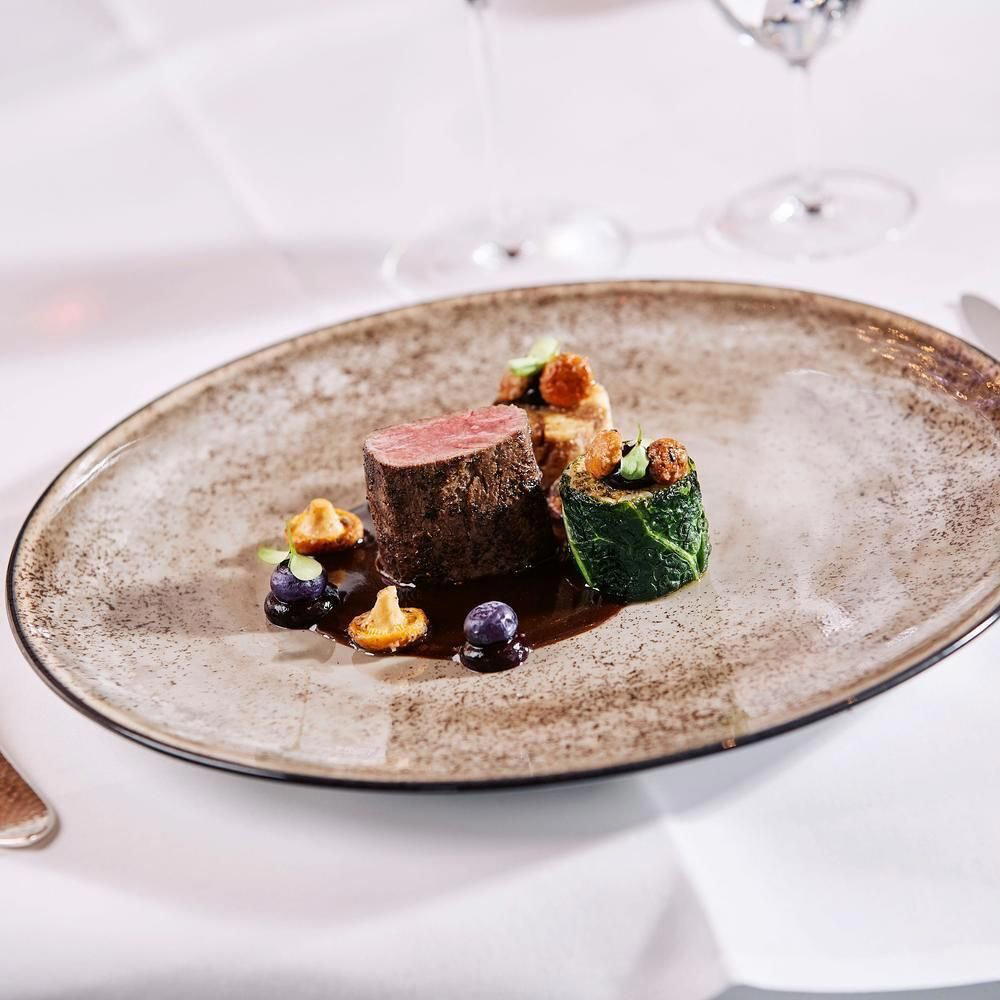
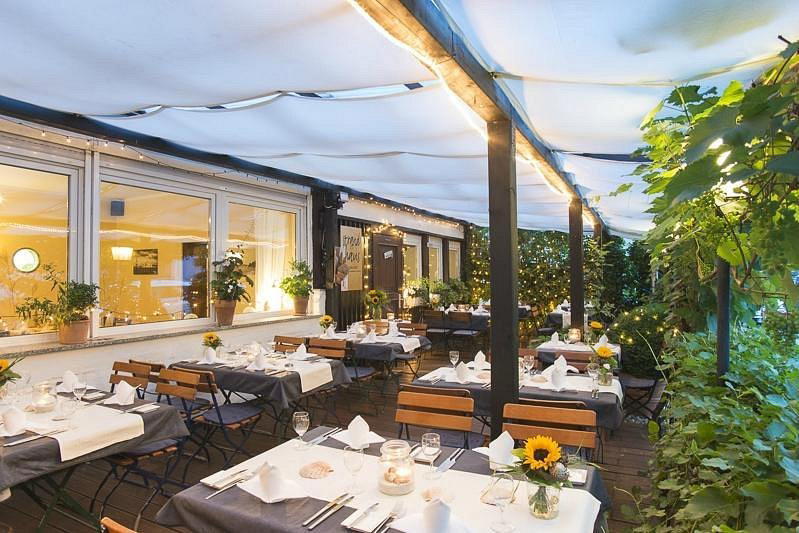
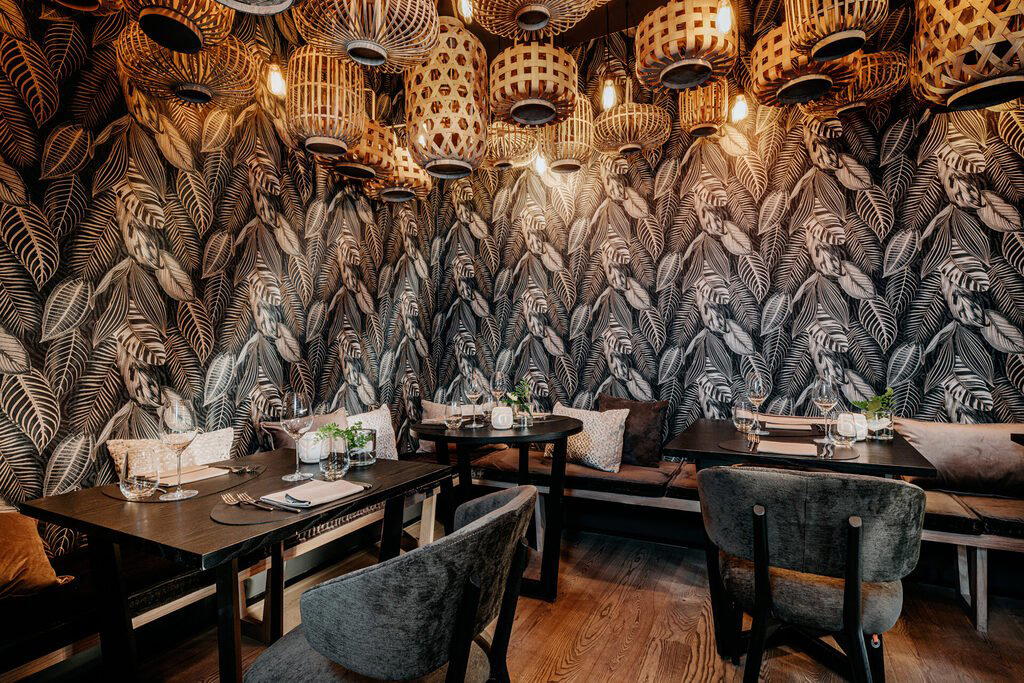
Bars in Bad Neuenahr-Ahrweiler
Browse all →
Hotels in Bad Neuenahr-Ahrweiler
Browse all →

Details
- Elegant
- Sophisticated
- Intimate
- Classic
- Date Night
- Special Occasion
- Historic Building
- Extensive Wine List
- Sommelier Led
- Local Sourcing
- A La Carte
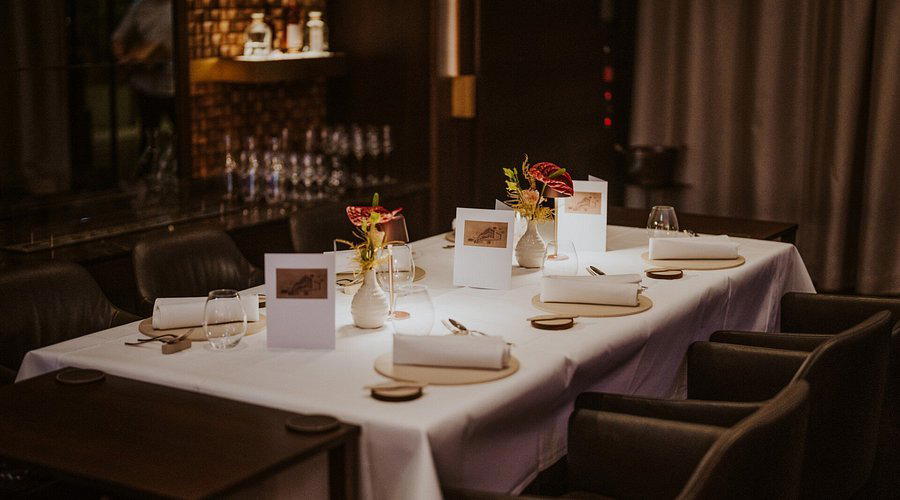
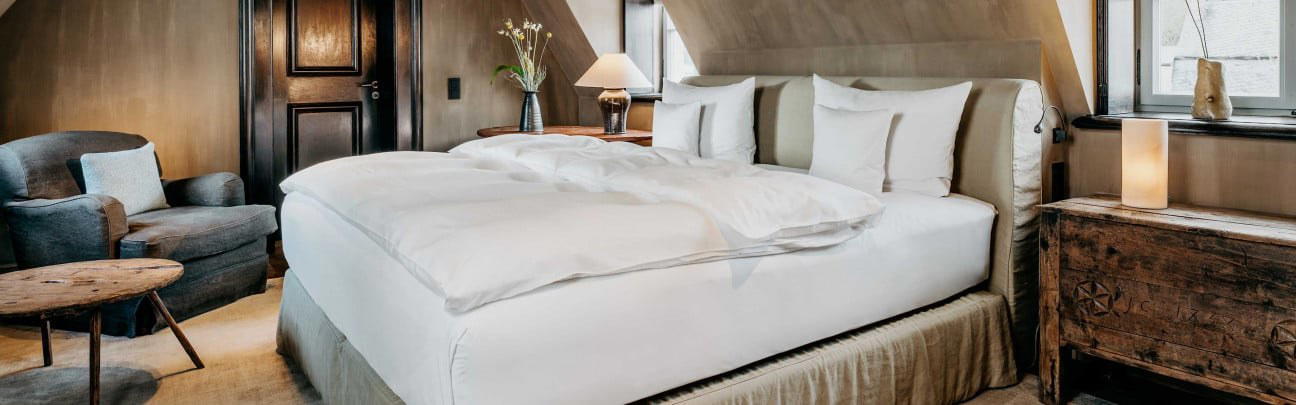
Ornate and elegant dining space with kind, warm atmosphere, professional service, and feel-good ambiance as described in guest reviews.