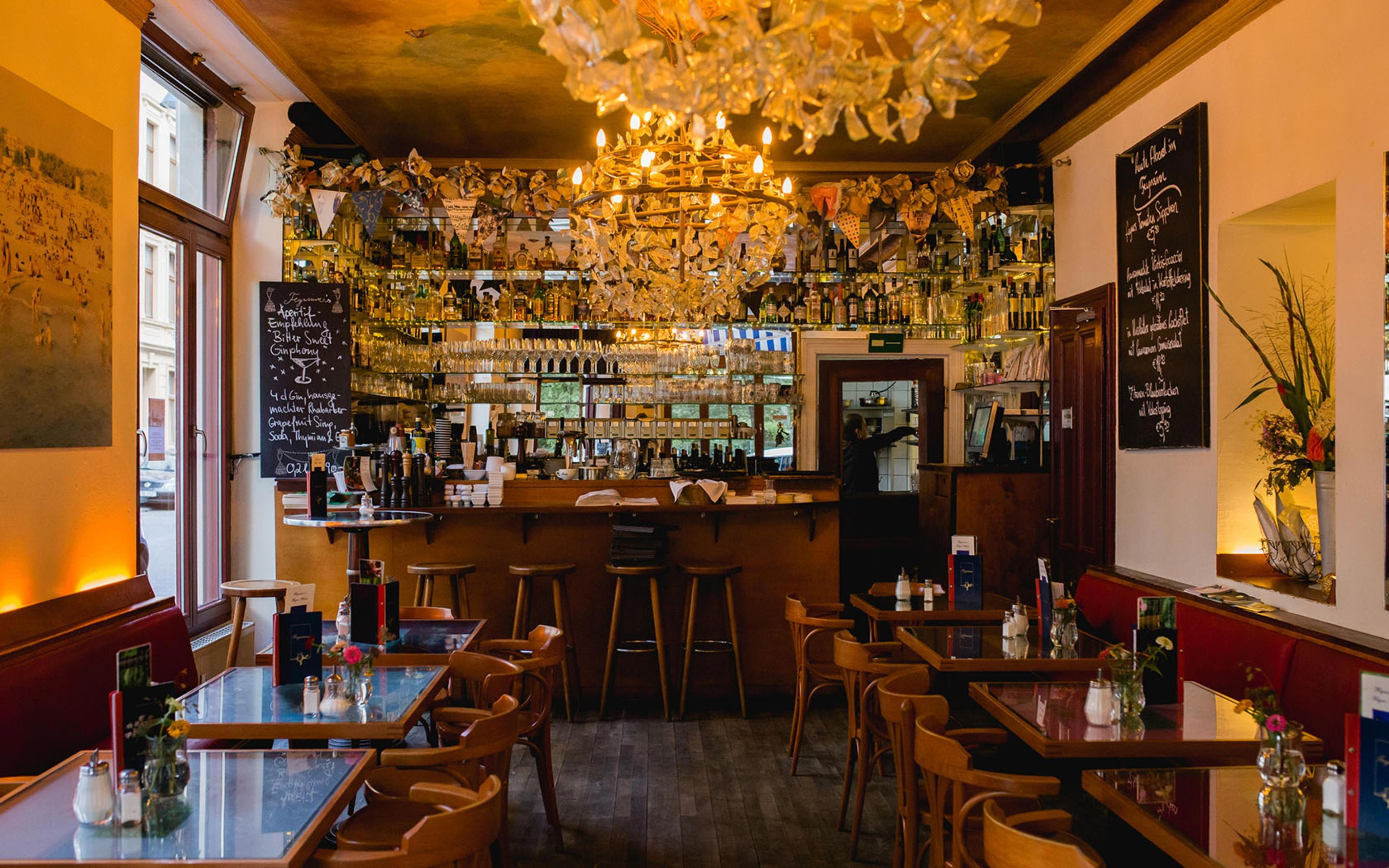
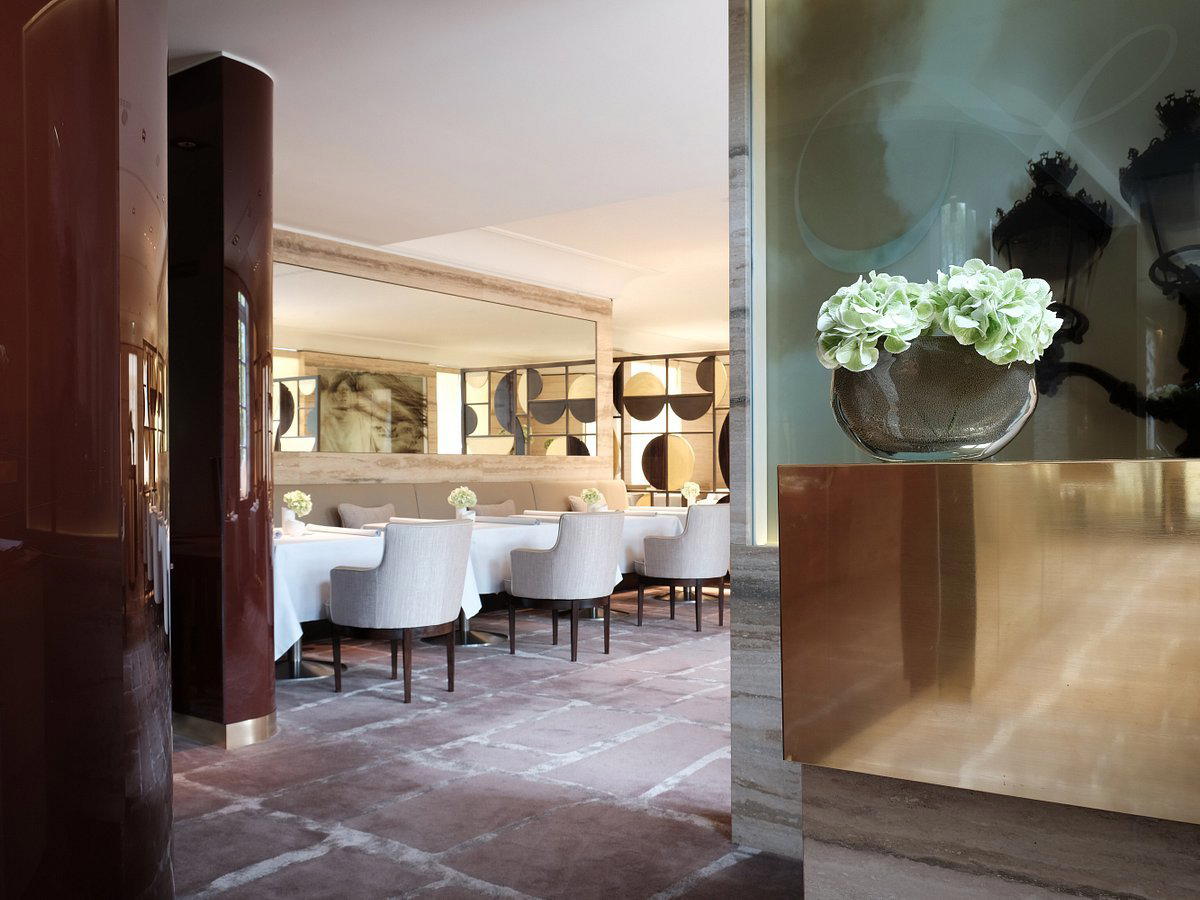
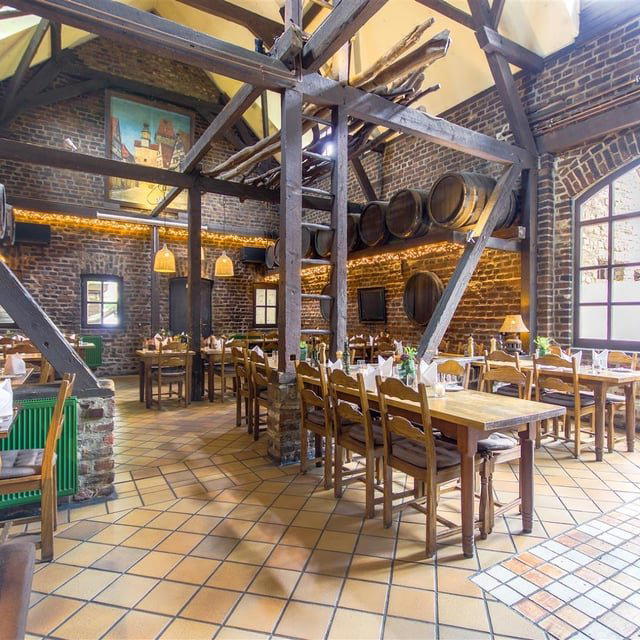
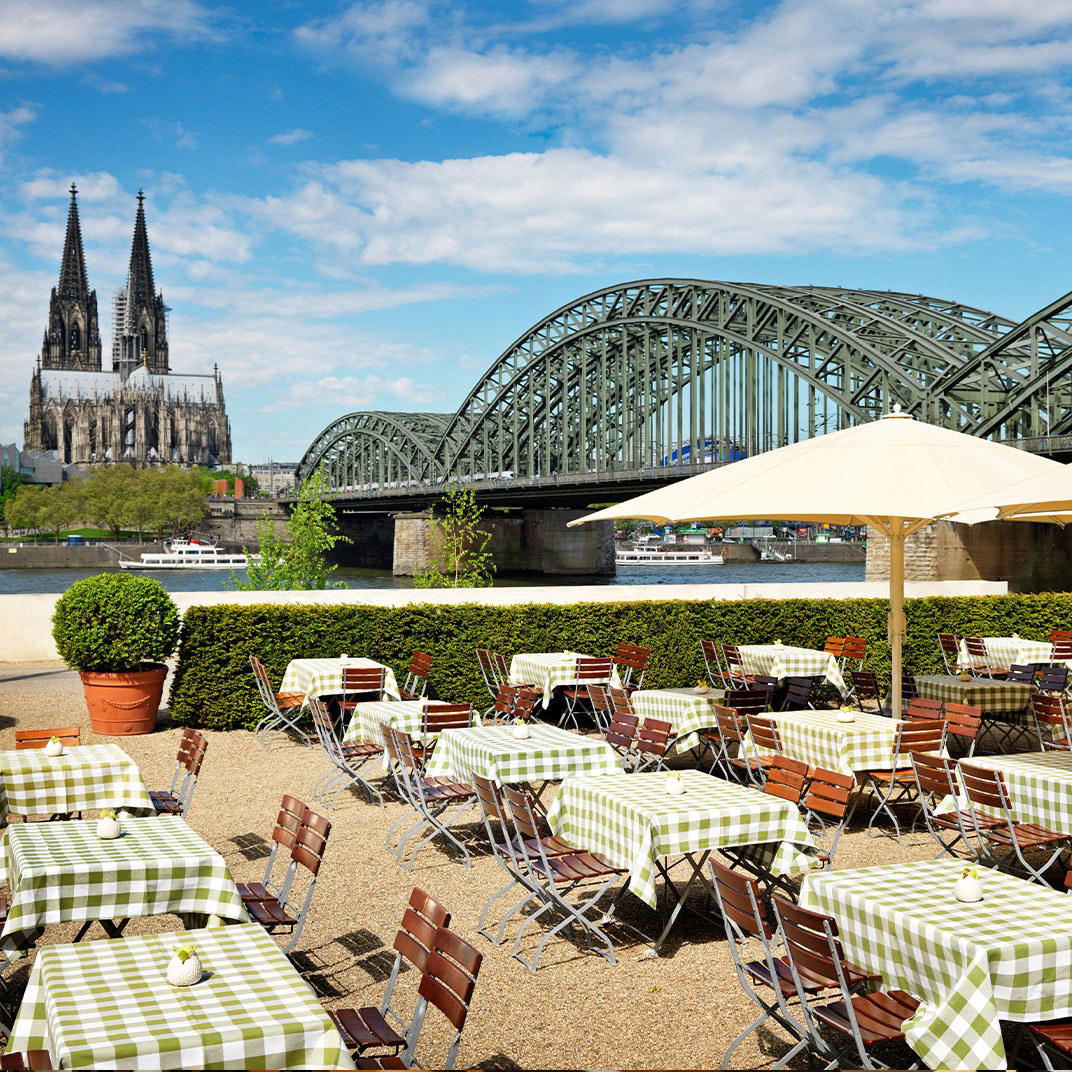
SÜNNER Distillery operates from a historic address in Cologne's Kalk district. The distillery sits within a brewing and distilling tradition that predates the modern craft spirits movement by well over a century, making its Kalk location as much a historical document as a production site.

Pearl is the En Primeur Club membership app — saves, bookings, and concierge access live there. Same editors, same standards.
- Address
- Kalker Hauptstrasse 260/262, 51103 Cologne
- Website
- brauwelt-koeln.de
- Directions
- Get directions
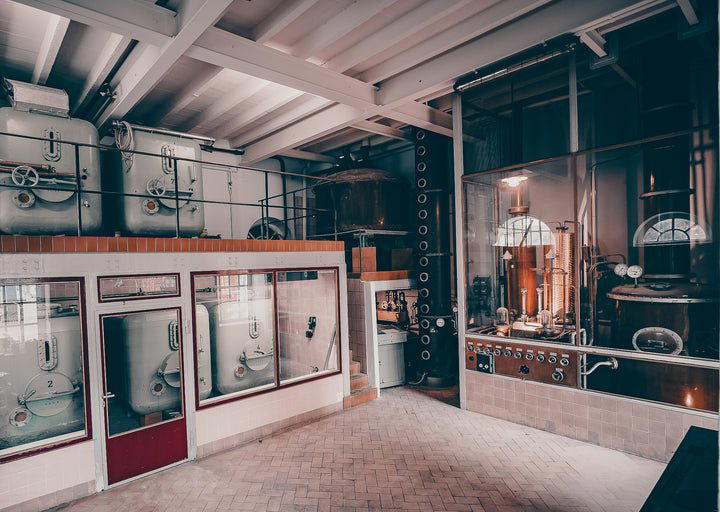
Kalk's Industrial Past, Bottled
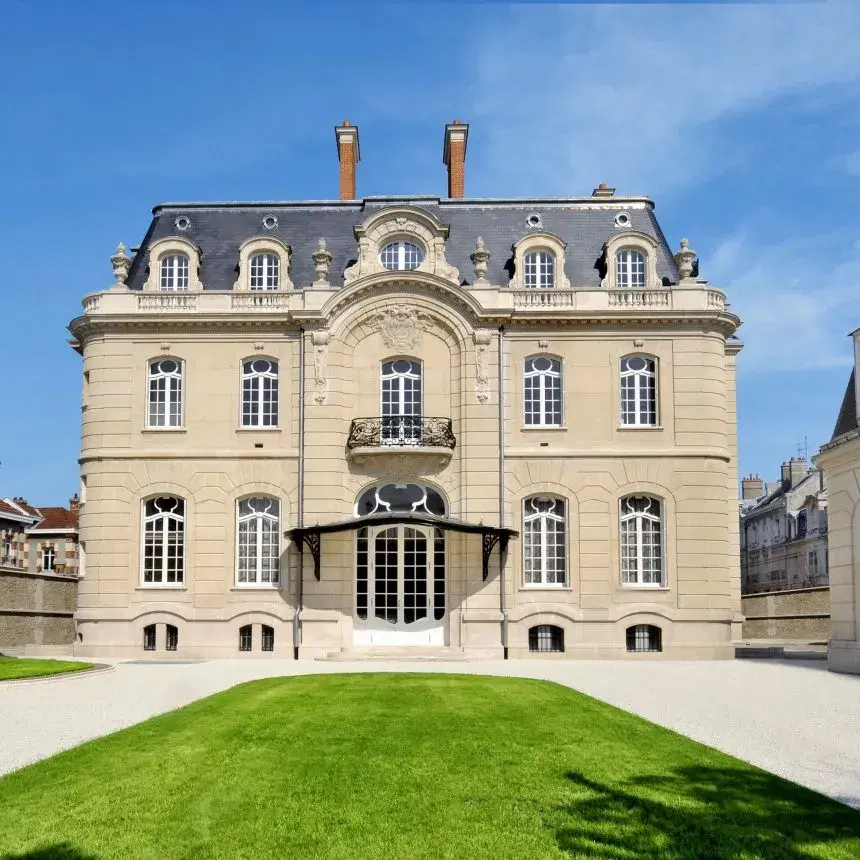
The eastern bank of the Rhine, specifically the Kalk neighbourhood, tells a different Cologne story than the cathedral quarter. This was industrial Cologne: chemical works, heavy manufacturing, workers' housing built fast and close together. SÜNNER has occupied Kalker Hauptstrasse 260/262 long enough that the building and the district have grown into each other, and any visit begins with the weight of that context. The streets around the distillery are quieter now than in Kalk's peak industrial decades, but the physical fabric of the neighbourhood — wide former factory blocks, the particular scale of buildings designed for production rather than commerce — gives the approach a quality that newer craft distilleries in repurposed shipping containers elsewhere in Europe cannot manufacture. This is what genuine industrial heritage looks like from the inside rather than the outside.
Where SÜNNER Sits in Germany's Spirits Hierarchy
Germany's premium spirits sector has been reconfiguring steadily, with a growing number of producers positioning themselves against Scotch and French cognac rather than the domestic Korn and Obstbrand traditions. A handful of German distilleries have broken through into international recognition formats that treat provenance and process seriously. For context, reaching that tier alongside producers from established European and international spirits regions is not a given for any German distillery, regardless of local reputation or longevity. The award is the clearest available credential, and it functions as a positioning signal: this is a producer being assessed against an international standard, not a regional novelty.
That kind of recognition connects SÜNNER to a broader pattern in German premium drinks. Across wine, producers such as Weingut Dr. Bürklin-Wolf in Wachenheim, Weingut Battenfeld-Spanier in Hohen-Sülzen, and Weingut Clemens Busch in Pünderich have spent years demonstrating that German terroir-driven production competes credibly at the top of international rankings. The same ambition, applied to distilling rather than viticulture, is what SÜNNER's 2025 award formalises.
Terroir Expression in a Distillery Context
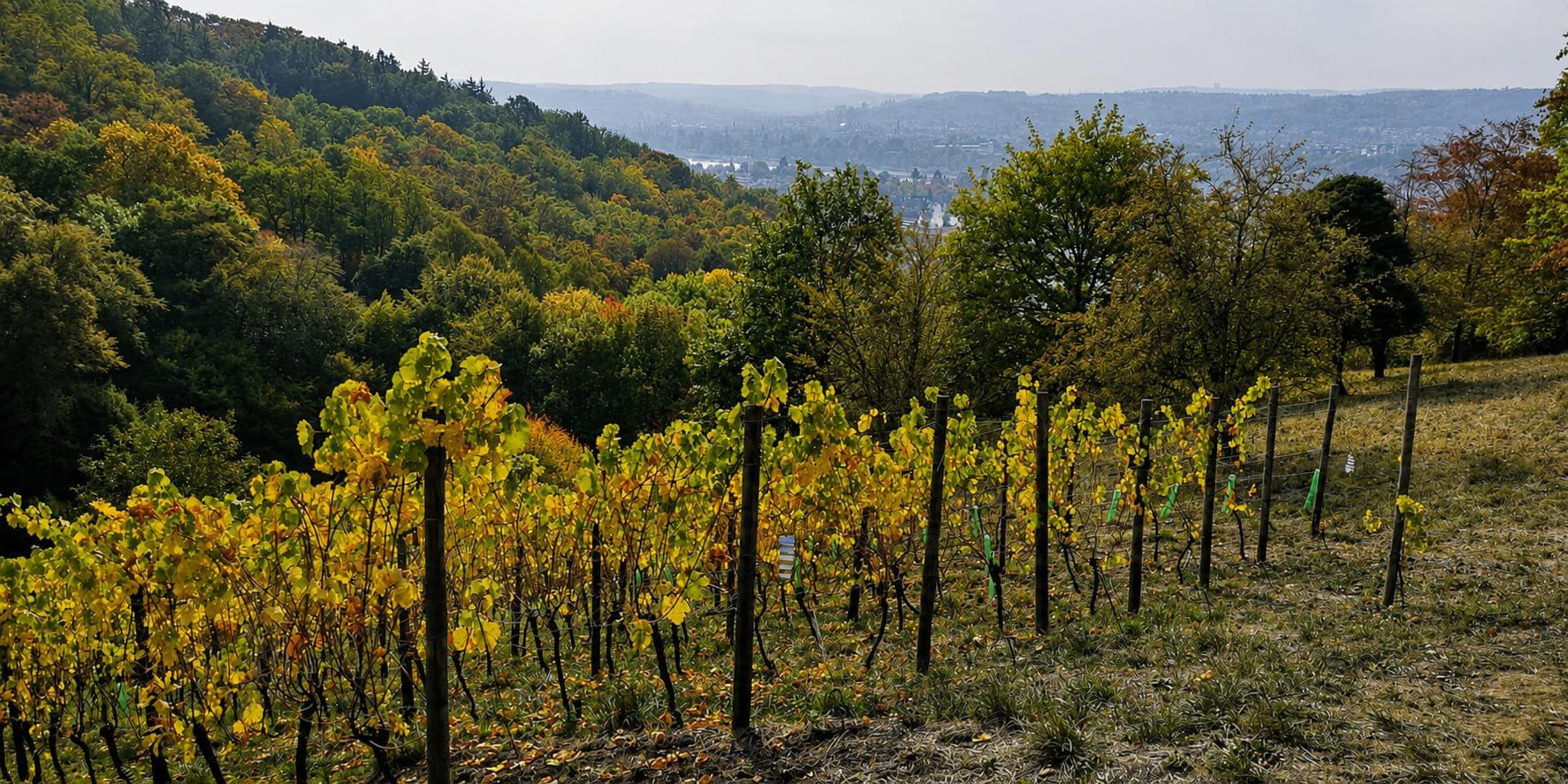
The terroir argument is more complicated for distilleries than for wineries, where the grape-to-glass chain is short and local grain, water, and botanical sourcing translates into a more direct sense of place. Germany's Rhine corridor, where Cologne sits, has distinct agricultural character: the water geology of the Rhineland, the availability of locally grown grains, and centuries of brewing and distilling practice that shaped what production looked like before industrialisation homogenised both processes. SÜNNER's long presence in Cologne means its identity is bound up with that specific geography, not as marketing positioning but as direct historical fact. The same attention to regional sourcing and process integrity that drives the wine estates of the Mosel and Pfalz, producers like Weingut Fritz Haag in Brauneberg or Weingut Grans-Fassian in Leiwen, finds a parallel in how distilleries of genuine standing express their location through production choices rather than label copy.
For visitors who have spent time at German wine estates, Kloster Eberbach in Eltville, say, or Weingut Georg Breuer in Rüdesheim, the SÜNNER visit offers a different register of the same German drinks-production story. Where wine estates communicate terroir through soil type and clone selection, a historic urban distillery communicates it through decades of accumulated practice, local water chemistry, and the kind of craft institutional memory that only longevity produces. That is a less photogenic argument than a Mosel hillside, but it is a legitimate one.
The Distillery Alongside Germany's Broader Drinks Map
Cologne sits at an interesting intersection for anyone building a serious drinks-focused itinerary through Germany. The Rhine corridor connects it northward toward the Mittelrhein and southward toward the Rheingau, Pfalz, and Mosel wine regions. Producers including Weingut A. Christmann in Neustadt an der Weinstraße, Weingut Bassermann-Jordan in Deidesheim, Weingut Allendorf in Oestrich-Winkel, Weingut Bürgerspital zum Heiligen Geist in Würzburg, and Weingut Heymann-Löwenstein in Winningen are all within reasonable drive time of Cologne, making a multi-day German drinks circuit a practical option. Adding a SÜNNER visit in Cologne gives such an itinerary a distillery counterpoint that the wine-only route lacks. The city also serves international visitors well as a routing hub: Cologne Bonn Airport connects to most European capitals, making it a logical start or end point for a Rhine Valley drinks tour that extends as far south as the Pfalz.
For those whose reference points sit outside Germany, the parallel might be drawn with Scotch distilleries that have accumulated similar institutional credibility over time, though the production traditions differ substantially. Aberlour in Aberlour operates with a comparable weight of accumulated production history, and the comparison is useful for calibrating expectations: SÜNNER is a producer whose claim rests on depth of practice, not on recent reinvention.
Planning a Visit
The distillery is at Kalker Hauptstrasse 260/262, in Kalk, east of Cologne's main tourist corridor. Kalk is accessible by tram and urban rail from the city centre, and the neighbourhood has enough independent food and drink activity to support a half-day visit without needing to return immediately to central Cologne. For anyone building a broader Cologne food and drinks itinerary, our full Cologne restaurants guide maps the city's current scene across categories. Those extending the trip to the United States and interested in producer parallels with a similar allocation-and-prestige dynamic might consider Accendo Cellars in St.
How It Stacks Up
| Venue | Price | Awards |
|---|---|---|
| SÜNNER DistilleryThis venue — the venue you are viewing | Not listed | Not listed |
| Lingua Franca | $50–100 | Not listed |
| Kloster Eberbach | $20–30 | Not listed |
| Weingut A. Christmann | Not listed | Falstaff Winery - 5 Stars |
| Weingut Allendorf | $20–30 | Falstaff Winery - 3 Stars |
Continue exploring