Vendôme





2 Michelin Stars · World's 50 Best #47 · La Liste Top Restaurants
Our verdict
Vendôme at Althoff Grandhotel Schloss Bensberg has held a place in the World's 50 Best Restaurants for over a decade and carries two Michelin stars under chef Joachim Wissler. The restaurant's Modern European tasting format runs Wednesday through Sunday evenings in a grand hotel setting outside Cologne, ranking 54th in Europe on Opinionated About Dining's 2025 list. For serious diners in the region, it represents the apex of the local fine dining tier.

Pearl is the En Primeur Club membership app — saves, bookings, and concierge access live there. Same editors, same standards.
- Address
- Althoff Grandhotel Schloss Bensberg, Kadettenstraße, 51429 Bergisch Gladbach, Germany
- Phone
- +49 2204 42906
- Hours
- Mon–Tue ClosedWed–Sun 7–9 p.m.
- Website
- althoffcollection.com
- Directions
- Get directions
- Booking
- Book on the venue's website
The menu
What to order
- Carabinero special
- Lechtal trout sagohachi
- Portuguese red mullet
- Kyushu Wagyu beef
- Blue lobster with melon and gazpacho
- Bavarian trout
The Setting and What It Signals
Approaching Schloss Bensberg on the eastern edge of the Bergisches Land, the baroque palace silhouette above the Cologne basin delivers something hotel restaurants rarely manage: a sense that the building itself has earned the meal inside. The Althoff Grandhotel occupies a seventeenth-century electoral palace, and Vendôme sits within it not as an amenity but as a destination in its own right. Grand hotel fine dining in Germany tends to divide into two camps: rooms that trade on their address without culinary ambition, and rooms where the kitchen's track record stands independent of the architecture. Vendôme belongs to the second category, backed by a sustained presence in the World's 50 Best Restaurants across nine consecutive years from 2008 to 2017, peaking at number ten in 2013.
Vendôme does not compete against local Bergisch Gladbach dining options like Dröppelminna or Restaurant Schote, both of which serve the city's everyday fine dining appetite at a lower price tier. The correct frame is the small cluster of German restaurants that have maintained international recognition over multiple decades: venues like Schwarzwaldstube in Baiersbronn, Aqua in Wolfsburg, and Waldhotel Sonnora in Dreis. Within that cohort, Vendôme's current two Michelin stars and a ranking of 54th in Europe on Opinionated About Dining's 2025 list represent sustained presence rather than a decline — the restaurant holds a 95-point score on La Liste's 2026 rankings, down one point from 96 in 2025, a marginal shift that keeps it firmly in the upper tier of German fine dining.
The Ritual of the Evening
The format here follows the logic of the European grand tasting: an extended evening built around sequence, pacing, and the gradual accumulation of flavour and texture decisions. Vendôme operates on a compressed weekly calendar — closed Monday and Tuesday, open Wednesday through Sunday for dinner only, with service running from 7 to 9 pm. That window is narrow by the standards of hotels that run restaurant services across multiple daily sittings, and it signals something deliberate. The kitchen is not operating as a hotel dining room filling hours; it is running a single-service format where every element of the meal can be executed at the same level.
In the broader pattern of German fine dining, this kind of compressed-service model has become a marker of seriousness. Restaurants at the two- and three-star level increasingly consolidate around evening-only or single-sitting formats because the labour and sourcing demands of high-complexity tasting menus do not scale across multiple services without compromise. Vendôme's schedule fits that logic, and guests arriving for a Thursday or Saturday dinner should expect the full arc of a meal that is designed to take time. The pace is part of the content.
Chef Joachim Wissler's presence at Vendôme spans decades, which places it in a different generational context from newer entrants to the German fine dining tier like CODA Dessert Dining in Berlin or ES:SENZ in Grassau. Wissler's approach falls within the Modern European creative tradition: technically grounded, ingredient-led, and resistant to the kind of conceptual novelty that dates quickly. The restaurant's classification as Modern European and Creative reflects a kitchen that builds from classical European foundations and extends them through contemporary technique, rather than one that imports external culinary references as its primary register.
How This Fits Into the Regional Picture
Bergisch Gladbach itself is not a dining destination in the way that Düsseldorf or Cologne are. The city lacks the restaurant density of its larger neighbours, and most visitors arrive specifically for Vendôme rather than as part of a broader regional dining circuit. That singularity shapes the experience: the hotel provides accommodation, and the combination of a stay and dinner at Vendôme is the standard format for guests travelling from outside the immediate area. For an overview of what else the city offers across categories, the full Bergisch Gladbach restaurants guide covers the range, and the hotels guide covers accommodation options if staying outside the Althoff property.
Within the local fine dining tier, Diepeschrather Mühle represents the region's German fine dining tradition at a more accessible price point, and it sits within a different competitive set. Vendôme's €€€€ pricing puts it at the top of the local bracket and aligns it with two-star restaurants across Germany rather than with regional alternatives. Guests comparing it to international Modern European creative restaurants in the Alps or Central Europe, Schloss Schauenstein in Fürstenau or Hiša Franko in Kobarid, for instance, will find Vendôme operating within the same format discipline and price register, with the hotel-castle setting as its particular environmental context.
Reading the Awards Trajectory
The awards history deserves direct analysis rather than celebration. Vendôme's World's 50 Best trajectory from 2008 to 2017, nine consecutive years, including a peak ranking of tenth in 2013, represents a period of genuine international prominence that few German restaurants have matched. The subsequent exit from that list and the current two-star rather than three-star Michelin position might read as retreat. A more accurate reading is category migration: the World's 50 Best rankings have shifted significantly in methodology and geography over the past decade, and German restaurants broadly have found less representation in that list's later iterations regardless of their culinary standing. The more stable indicators are Michelin and La Liste, where Vendôme maintains consistent recognition. A 95-point La Liste score in 2026 and OAD's ranking of 54th in Europe in 2025 (up from 47th in 2024, noting the list's year-to-year variation) indicate a kitchen that continues to operate at a level that the major European critical frameworks recognise.
For comparison, JAN in Munich and Restaurant Haerlin in Hamburg each occupy adjacent positions in the German fine dining tier, and placing Vendôme alongside them clarifies where it sits: not at the absolute apex of the national three-star tier, but among the sustained two-star operations with genuine international standing. Schanz in Piesport offers another point of comparison within this cohort.
Planning the Visit
Vendôme operates at the Althoff Grandhotel Schloss Bensberg on Kadettenstraße in Bergisch Gladbach, approximately 20 kilometres east of Cologne's city centre. The address places it outside the urban core, which means most international visitors will either stay at the hotel or arrange transportation from Cologne for the evening. Given the service window of 7 to 9 pm and the expected duration of a full tasting menu, returning to Cologne after dinner is feasible but requires planning. Booking demand at two-star restaurants with this level of OAD and La Liste recognition typically runs several weeks ahead, and the limited four-day-per-week service schedule compresses availability further. The restaurant is closed Monday and Tuesday, and Sunday through Saturday dinner are the only sessions available. For those exploring the area further, the Bergisch Gladbach bars guide, wineries guide, and experiences guide provide additional context for extending a stay in the region.
What to Eat at Vendôme
Vendôme does not publish a fixed menu that changes predictably by season in a way that can be described in advance with confidence. The kitchen's classification as Modern European and Creative, Wissler's long tenure, and the two-star level of execution collectively point toward a tasting format built around precision and sequence. At this price tier and format type in Germany, the structure typically involves multiple courses with the kitchen setting the order and the guest choosing supplementary options such as wine pairing or alternative courses. The awards record, particularly the OAD ranking, which draws heavily on the votes of frequent fine-dining travellers rather than institutional critics, suggests the kitchen's strengths lie in technique and coherence across a long meal rather than in single showpiece dishes. Guests looking for specific current menu details should confirm directly with the restaurant at the time of booking, as menu compositions at this level change with sourcing and season.
Frequently asked questions
What price level is Vendôme?
Pricing at Vendôme is listed as €€€€.
A Lean Comparison
| Venue | Cuisine | Price | Awards | Notes |
|---|---|---|---|---|
| VendômeThis venue — the venue you are viewing | Modern German Haute Cuisine | $200–300 | 2 Michelin Stars · World's 50 Best #47 | Not listed |
| Restaurant Schote | Modern German Fine Dining | $150–200 | 1 Michelin Star · Relais Chateaux Award | German Modern |
| Diepeschrather Mühle | Modern German Fine Dining | $100–150 | Relais Chateaux Award | German Fine Dining |
| Dröppelminna | Fine French Cuisine | $50–100 | Michelin Plate | German |
Recognition history
Dated appearances from independent guides and award organizations, with the underlying list record or original source where available.
Michelin 2 Stars
Michelin
World's 50 Best Restaurants #47
World's 50 Best
La Liste Top Restaurants
La Liste
Falstaff Restaurant - 95 Falstaff Points
Falstaff
Opinionated About Dining Top Restaurants in Europe Ranked #84
Opinionated About Dining
Full recognition history (20 entries)
La Liste Top Restaurants
La Liste
Michelin 2 Stars
Michelin
Opinionated About Dining Top Restaurants in Europe Ranked #54
Opinionated About Dining
Michelin 2 Stars
Michelin
Opinionated About Dining Top Restaurants in Europe Ranked #47
Opinionated About Dining
Opinionated About Dining Top New Restaurants in Europe Ranked #46
Opinionated About Dining
World's 50 Best Restaurants #35
World's 50 Best
World's 50 Best Restaurants #30
World's 50 Best
World's 50 Best Restaurants #12
World's 50 Best
World's 50 Best Restaurants #10
World's 50 Best
World's 50 Best Restaurants #23
World's 50 Best
World's 50 Best Restaurants #21
World's 50 Best
World's 50 Best Restaurants #22
World's 50 Best
World's 50 Best Restaurants #25
World's 50 Best
World's 50 Best Restaurants #34
World's 50 Best
Continue exploring
More in Bergisch Gladbach
Restaurants in Bergisch Gladbach
Browse all →
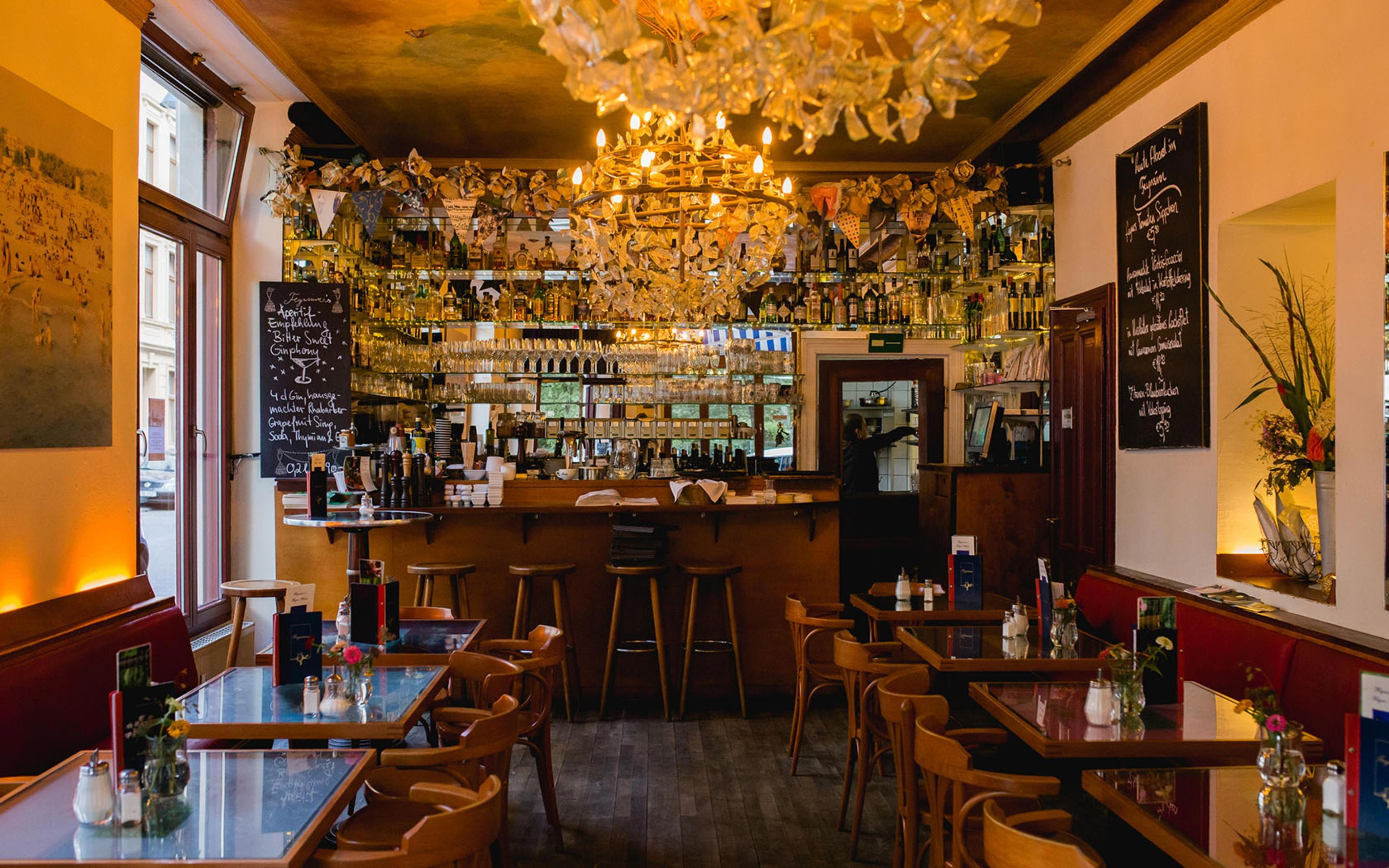
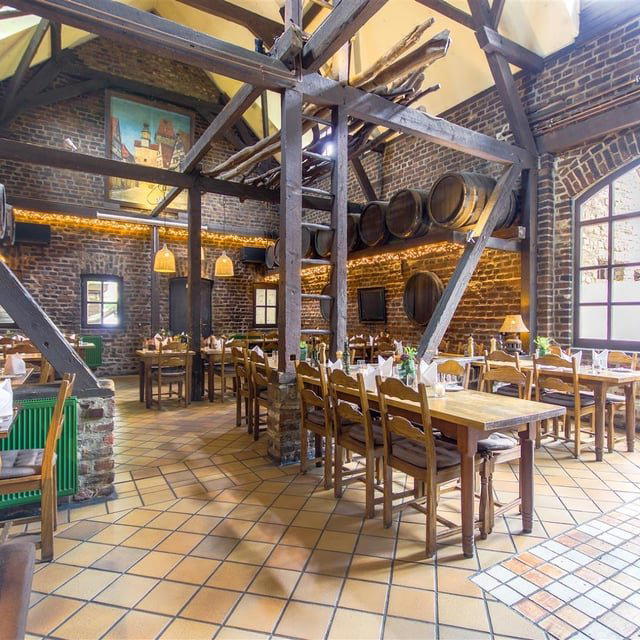
Bars in Bergisch Gladbach
Browse all →
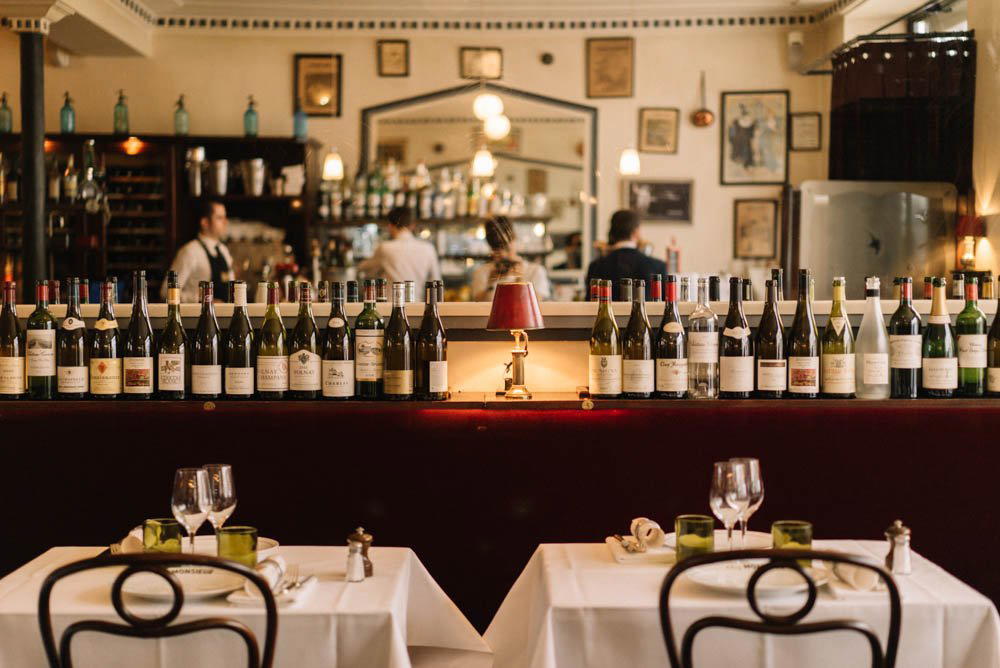
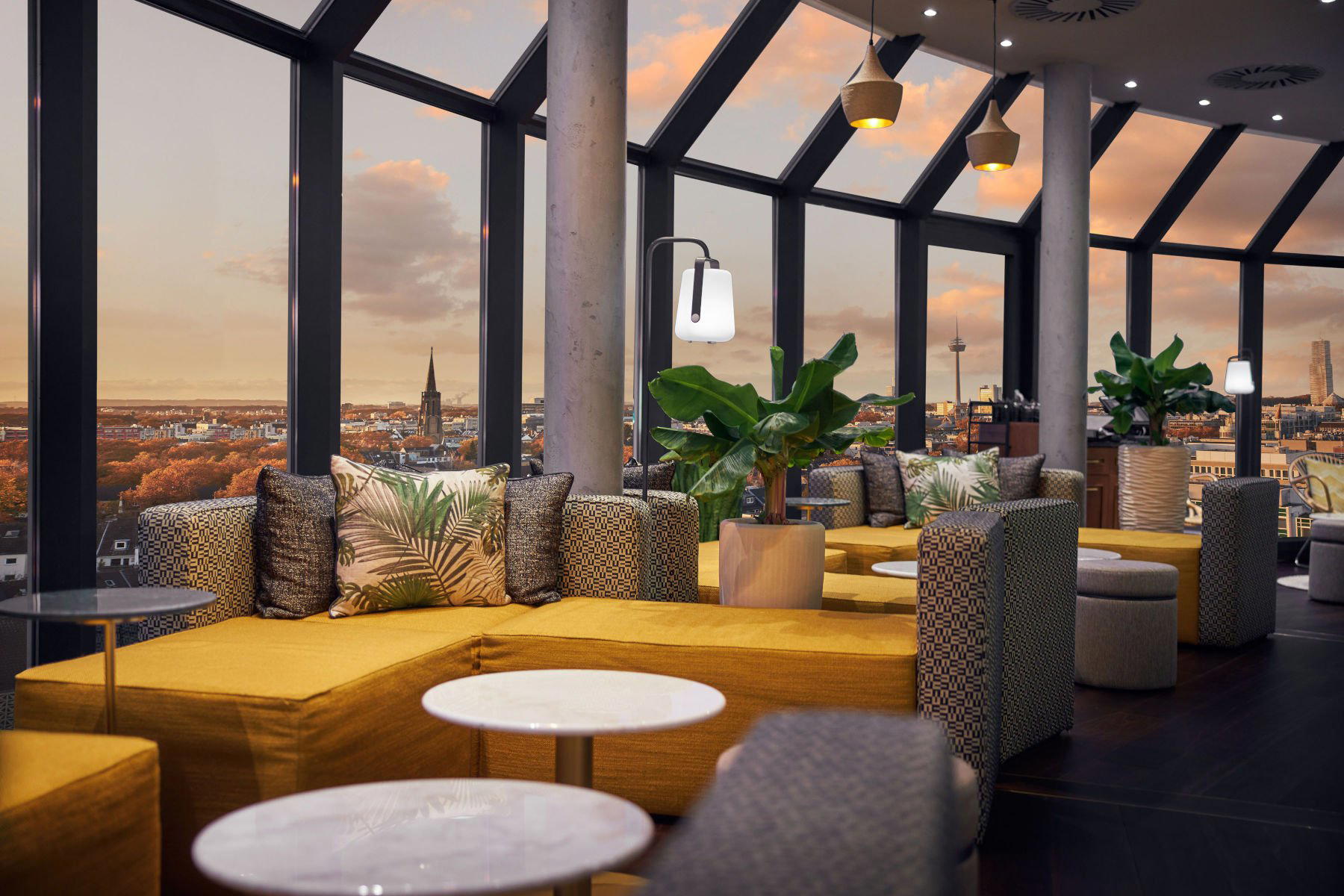
Hotels in Bergisch Gladbach
Browse all →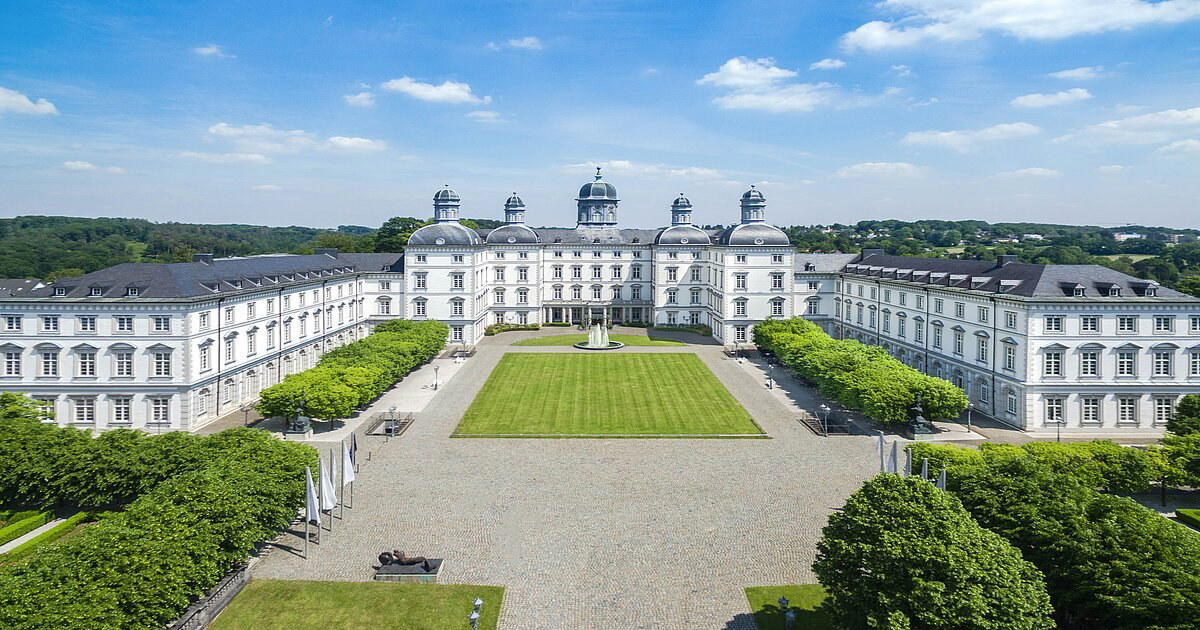

Details
- Elegant
- Sophisticated
- Modern
- Intimate
- Special Occasion
- Celebration
- Date Night
- Historic Building
- Design Destination
- Hotel Restaurant
- Open Kitchen
- Extensive Wine List
- Sommelier Led
- Local Sourcing
- Tasting Menu
- Set Menu
- German Riesling
- Wine Pairing
- Vegetarian Friendly
- Vegan Options
- Gluten Free Options
Current opening hours
- Monday
- Closed
- Tuesday
- Closed
- Wednesday
- 7–9 p.m.
- Thursday
- 7–9 p.m.
- Friday
- 7–9 p.m.
- Saturday
- 7–9 p.m.
- Sunday
- 7–9 p.m.
Hours can change for holidays and private events. Last verified .
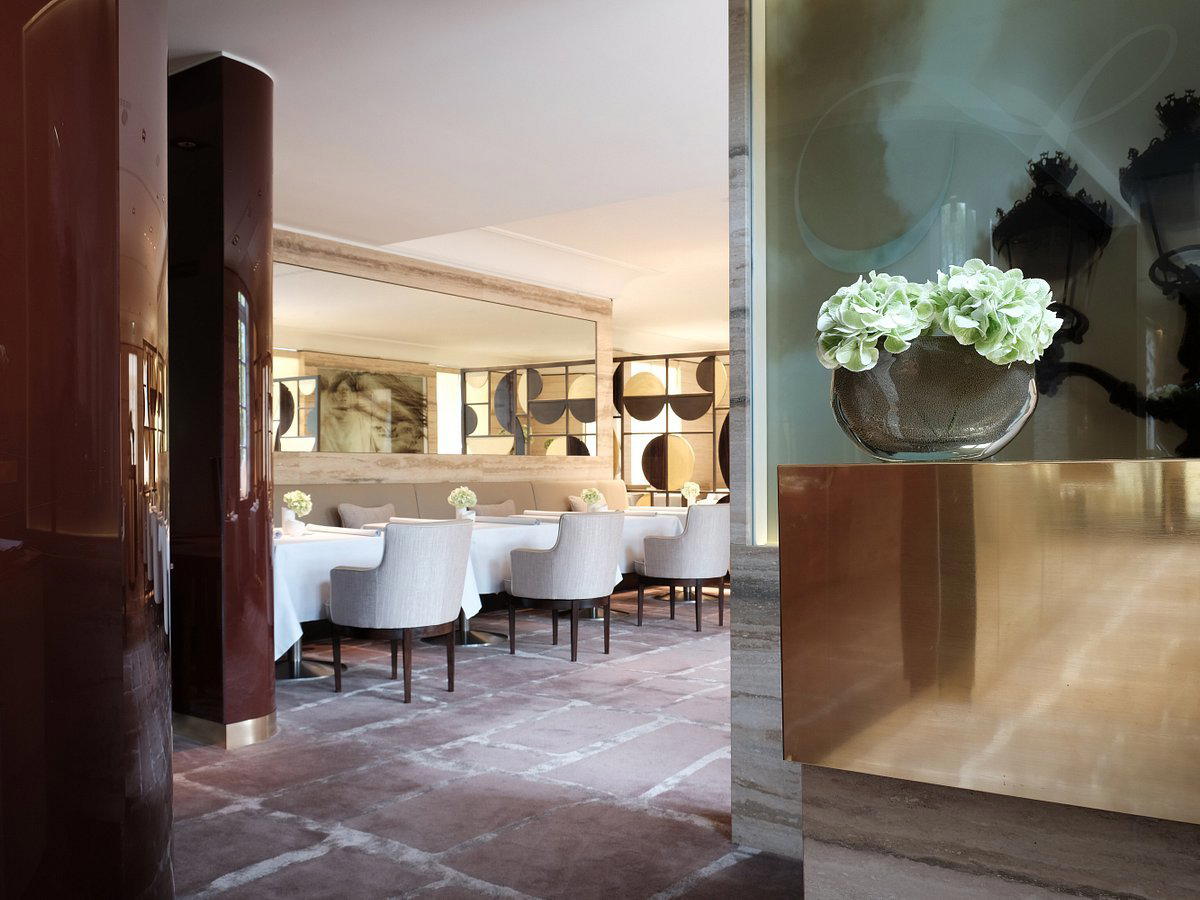
Light, airy, and spacious dining room with modern mint-green swivel chairs, understated elegant décor, excellent lighting, and no background music—creating a refined atmosphere focused entirely on the culinary experience.