Weingut J.J. Adeneuer

Falstaff Winery - 4 Stars
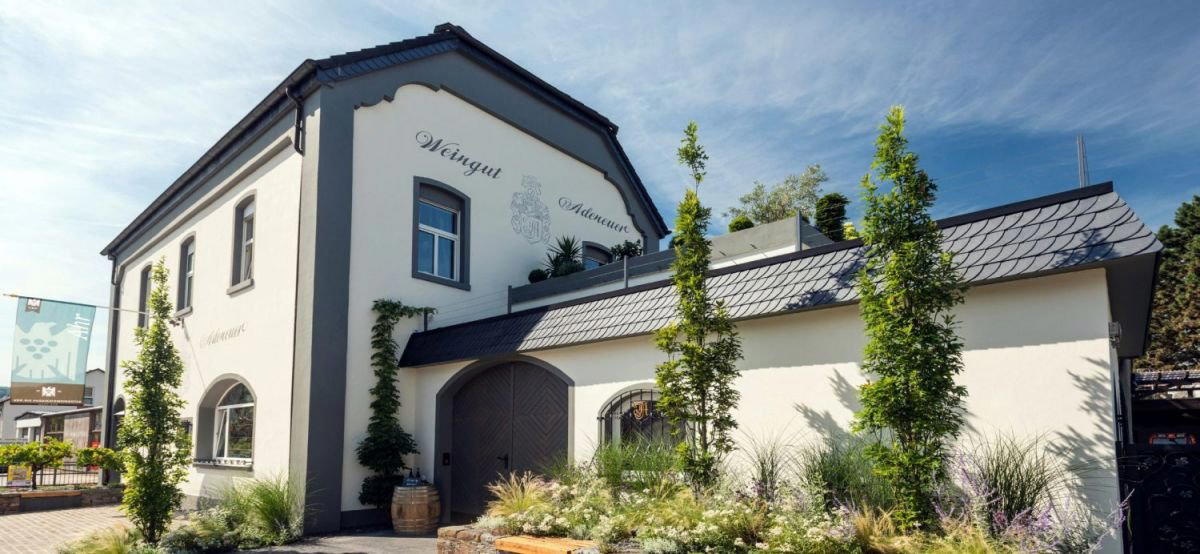
Weingut J.J. Adeneuer operates from the volcanic slate soils of the Ahr Valley, one of Germany's most northerly red wine regions and one of its most geologically distinctive. Bad Neuenahr-Ahrweiler serves as both address and context: a spa town where winemaking runs as deep as the river that carved the valley.
The Ahr Valley and What the Slate Actually Does
Germany's wine identity abroad is still largely Riesling and the Mosel, but the Ahr tells a different story with different grapes. This narrow valley south of Bonn cuts through volcanic basalt and blue-grey slate in a way that concentrates heat, extends ripening seasons, and produces Spätburgunder, Pinot Noir, at a latitude that would seem to forbid it. The Ahr is not a secondary wine region that happens to make red wine; it is a specialist zone where the geology actively shapes the grape in ways that distinguish Ahr Pinot from both its Burgundian counterparts and from German examples grown on warmer soils further south. Understanding that premise is the entry point for understanding what Weingut J.J. Adeneuer represents within it.
Slate retains heat during the day and releases it slowly overnight, compressing the temperature differential that would otherwise halt ripening at this latitude. The mineral compounds in weathered volcanic rock move into vine roots over decades, and the result in the glass tends toward a structural tension, fruit present but contained, acidity integrated rather than dominant, that differs from the softer expression you get from loam or sand-heavy soils. Ahr producers working from the valley's steeper, slate-dominant parcels have long argued that the terroir produces something irreducible: a signature that persists across vintages even as winemaking approaches shift.
Bad Neuenahr-Ahrweiler: A Spa Town with a Serious Cellar District
The town itself sits at the point where the Ahr widens slightly before meeting the Rhine corridor, and it carries the layered character of German spa resorts, thermal baths, pedestrian streets, a certain unhurried tempo, alongside a wine culture that predates the tourism infrastructure by centuries. Max-Planck-Straße 8, the estate's address, places it within the town rather than on a remote hillside, which is characteristic of how Ahr producers tend to operate: the cellar and winery close to the village, the vineyards running steeply above.
The town is accessible by rail from Bonn and Cologne, with the Ahrweiler station serving regional lines. Visitors combining a winery visit with the broader valley should plan for the Rotweinwanderweg, the red wine hiking trail that connects vineyards across the Ahr, though the trail's condition and access points are best confirmed locally. For a wider guide to eating and drinking in the area, the EP Club Bad Neuenahr-Ahrweiler guide maps the town's broader hospitality offer.
Where Adeneuer Sits in the Ahr Producer Hierarchy
Ahr Valley supports a relatively concentrated community of serious producers, which makes peer positioning more legible than in larger, more diffuse regions. In a region where Spätburgunder is the dominant red and where the margin between a workmanlike and a serious producer is often a matter of parcel selection and cellar discipline, that kind of sustained recognition carries weight.
For comparison across German wine regions, the peer frame extends beyond the Ahr. Producers working from geologically distinctive German terroirs, Weingut Clemens Busch in Pünderich, operating from steep Mosel slate, or Weingut Heymann-Löwenstein in Winningen, also on volcanic Mosel terroir, occupy a comparable position in their own valleys: small-to-medium estates where the argument for the wine rests explicitly on place rather than on winemaking intervention or brand scale. The Weingut Fritz Haag in Brauneberg offers another Mosel reference point for estates where generational continuity and site specificity define the product.
Pfalz estates working at a similar prestige tier include Weingut A. Christmann in Neustadt an der Weinstraße, Weingut Bassermann-Jordan in Deidesheim, and Weingut Dr. Bürklin-Wolf in Wachenheim an der Weinstraße, all operating with Riesling as their primary credential rather than Pinot, which underlines how the Ahr operates in a distinct grape and soil category from most of its German peers. Weingut Battenfeld-Spanier in Hohen-Sülzen offers a rheinhessen reference point for biodynamic-leaning estates at a comparable award tier.
Rheingau estates such as Kloster Eberbach in Eltville, Weingut Georg Breuer in Rüdesheim am Rhein, and Weingut Allendorf in Oestrich-Winkel operate from a more internationally familiar German wine profile, and the contrast with an Ahr Spätburgunder specialist is instructive: the Rheingau's identity is built on Riesling's range from dry to Trockenbeerenauslese, while the Ahr's argument rests almost entirely on what a single red grape does in a single narrow valley. Franken's Weingut Bürgerspital zum Heiligen Geist in Würzburg and Mosel's Weingut Grans-Fassian in Leiwen round out a picture of the German estate wine scene across its main regional characters.
For readers whose frame of reference extends beyond Germany entirely, the international comparison point for slate-driven terroir expression in red wine is not Burgundy, despite the shared grape, but perhaps closer to the mineral-structured end of the northern Rhône, the argument that geology speaks through the grape more directly than winemaking technique, and that the wine's interest is inseparable from its address.
Approaching a Visit
Estate visits to Ahr producers typically operate through prior arrangement rather than open-door tastings, and this applies broadly across the valley's serious cellars. Contacting Weingut J.J. Adeneuer directly is the appropriate first step, and the estate's address at Max-Planck-Straße 8 in Bad Neuenahr-Ahrweiler provides the reference point for planning.
The valley's compact geography means that a serious visitor can cover two or three estates in a day without significant travel time between them, and the town's hotel and restaurant offer, covered in the EP Club Bad Neuenahr-Ahrweiler guide, is sufficient for an overnight stay. Spring and autumn visits align with both the winemaking calendar and the valley's hiking season, which brings its own crowd dynamics worth accounting for in planning.
For those building a broader itinerary across German wine regions, Adeneuer and the Ahr function as a counterpoint rather than a continuation of a Riesling-focused trip. The grape is different, the soil is different, and the case for the wine rests on a different set of premises. That contrast is the reason to include it.
Frequently asked questions
What's the atmosphere like at Weingut J.J. Adeneuer?
Adeneuer operates as a working family estate on Max-Planck-Straße in Bad Neuenahr-Ahrweiler, which shapes the tone: purposeful and producer-focused rather than hospitality-led. Visits are arranged directly rather than walk-in, so expect a cellar-and-conversation format common to serious Ahr producers. The setting reflects the valley itself, compact, serious, and unhurried.
What awards has Weingut J.J. Adeneuer received?
Weingut J.J.
What wines should I try at Weingut J.J. Adeneuer?
The valley's steep, south-facing plots produce Pinot Noir with a mineral structure uncommon elsewhere in Germany. Any pre-arranged tasting should prioritise the estate's single-vineyard expressions to understand what the slate actually contributes.
Where is Weingut J.J. Adeneuer in Bad Neuenahr-Ahrweiler?
Weingut J.J. Adeneuer is located at Max-Planck-Straße 8, 53474 Bad Neuenahr-Ahrweiler, Bad Neuenahr-Ahrweiler.
What's the standout thing about Weingut J.J. Adeneuer?
What distinguishes the estate is its specific argument for Ahr terroir: Spätburgunder shaped by volcanic slate rather than the limestone or sandstone bases found in Germany's other red wine regions. That geological specificity is the house's clearest identity.
How hard is it to get in to Weingut J.J. Adeneuer?
Access follows the standard Ahr model: prior arrangement is required, and the estate does not operate open-door tastings. Contact should be made well in advance, particularly during harvest season when producer availability narrows across the valley.
Why does Weingut J.J. Adeneuer matter within the broader German fine wine scene?
Bad Neuenahr-Ahrweiler sits at the northern edge of viable Pinot Noir cultivation in Europe, which makes the quality achieved on slate soils here a genuinely instructive case for terroir. Within the Ahr's concentrated producer community, Adeneuer's consistent recognition anchors its position in the valley's top tier.
In Context: Similar Options
Comparable venues nearby, for context on price, style, and recognition.
| Venue | Cuisine | Price | Awards | Notes |
|---|---|---|---|---|
| Weingut J.J. AdeneuerThis venue (the venue you are viewing) | Pinot Noir, Frühburgunder | Not listed | Falstaff Winery - 4 Stars | Not listed |
| Weingut Carl Loewen | Riesling, Pinot Blanc | $50–100 | Falstaff Winery - 4 Stars | Leiwen |
| Weingut Reichsgraf von Kesselstatt | Riesling, Weissburgunder | Not listed | Falstaff Winery - 3 Stars | Trier |
| Jacquart | Chardonnay, Pinot Noir | Not listed | Not listed | Grafschaft |
| Evening Land Vineyards | Winery | $30–50 | Not listed | Salem |
| Weingut Friedrich Becker | Pinot Noir, Chardonnay | Not listed | Falstaff Winery - 5 Stars | Schweigen-Rechtenbach |
Recognition history
Dated appearances from independent guides and award organizations, with the underlying list record or original source where available.
Falstaff Winery - 4 Stars
Falstaff
Enquire about visiting Weingut J.J. Adeneuer or buying its wine
Visits to Weingut J.J. Adeneuer are usually kept for the estate's regular buyers and the wine trade. Tell us when you would like to go and a little about how you buy, and we put the request to the estate and reply to you by email. For buying, we source directly from the producer or from a licensed seller we know and vouch for, and tell you the route before you pay.
Continue exploring
More in Bad Neuenahr-Ahrweiler
Wineries in Bad Neuenahr-Ahrweiler
All wineries in Bad Neuenahr-Ahrweiler →
Bars in Bad Neuenahr-Ahrweiler
Browse all →
Restaurants in Bad Neuenahr-Ahrweiler
All restaurants in Bad Neuenahr-Ahrweiler →
Details
- Classic
- Rustic
- Intimate
- Scenic
- Wine Education
- Solo Exploration
- Vineyard Tour
- Estate Grounds
- Historic Building
- Sustainable
- Vineyard
- Mountain
- Pinot Noir
- Frühburgunder
- Weißburgunder
- Still Red
- Cave Tasting
- Barrel Room
- German
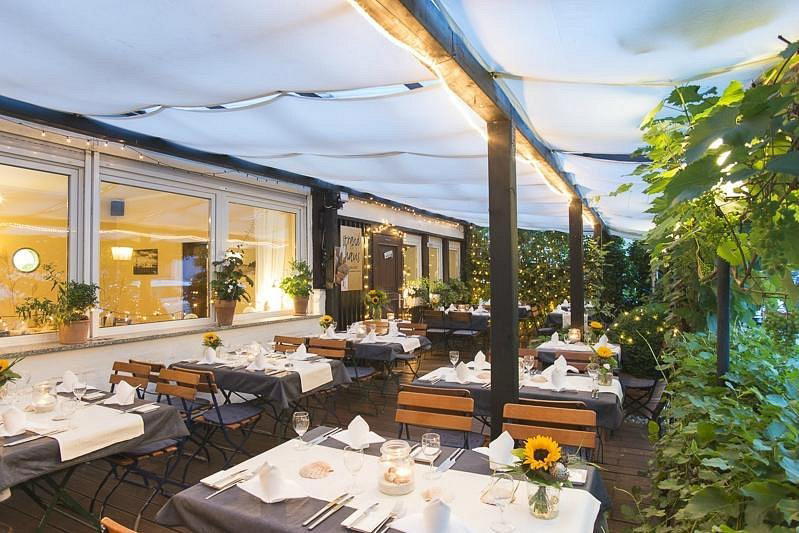
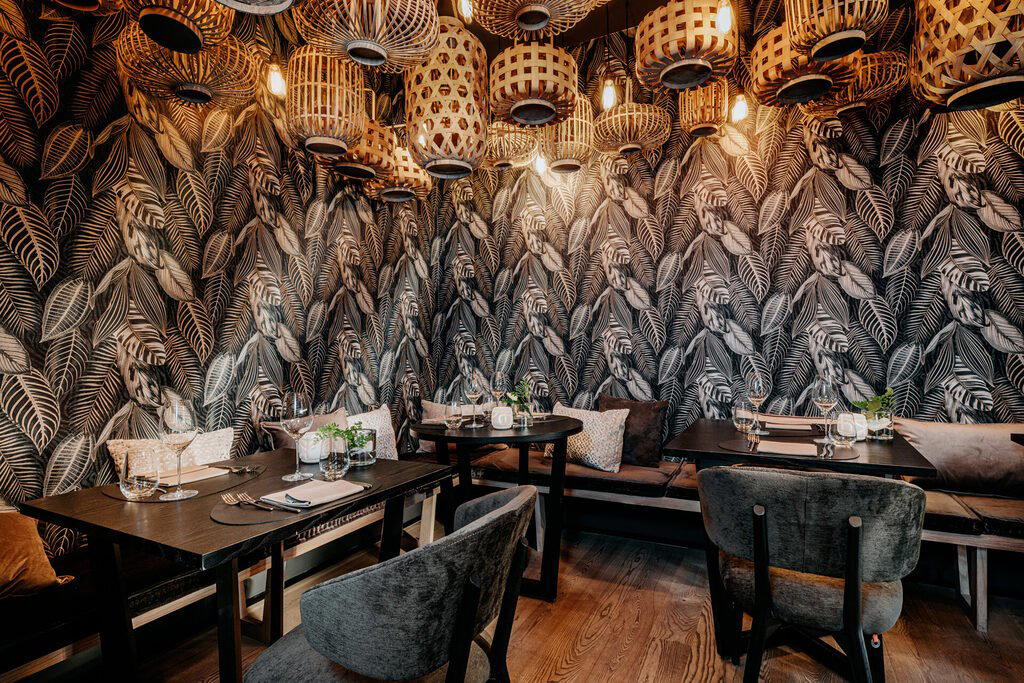
Traditional family winery with a classic, rustic atmosphere focused on purist Pinot Noir production in the scenic Ahr Valley.