
Falstaff Bar - 91 Falstaff Points
Bar Botanik gives Cologne’s cocktail map a quieter reference point south of the cathedral zone, set at Kaygasse 2 in the city’s inner districts. With no published awards, chef credit, drinks list, price band, or booking policy in the available record, the useful reading is contextual: judge it against Cologne’s split between Kölsch houses, neighbourhood bars, and more composed cocktail rooms.

Pearl is the En Primeur Club membership app — saves, bookings, and concierge access live there. Same editors, same standards.
- Address
- Kaygasse 2, 50676 Köln, Germany
- Phone
- +49 221 20080
- Hours
- Mon 12–10 AMTue–Fri 5 PM–1 AMSat 12 PM–1 AMSun 12 PM–12 AM
- Website
- wasserturm-hotel-cologne.com
- Directions
- Get directions
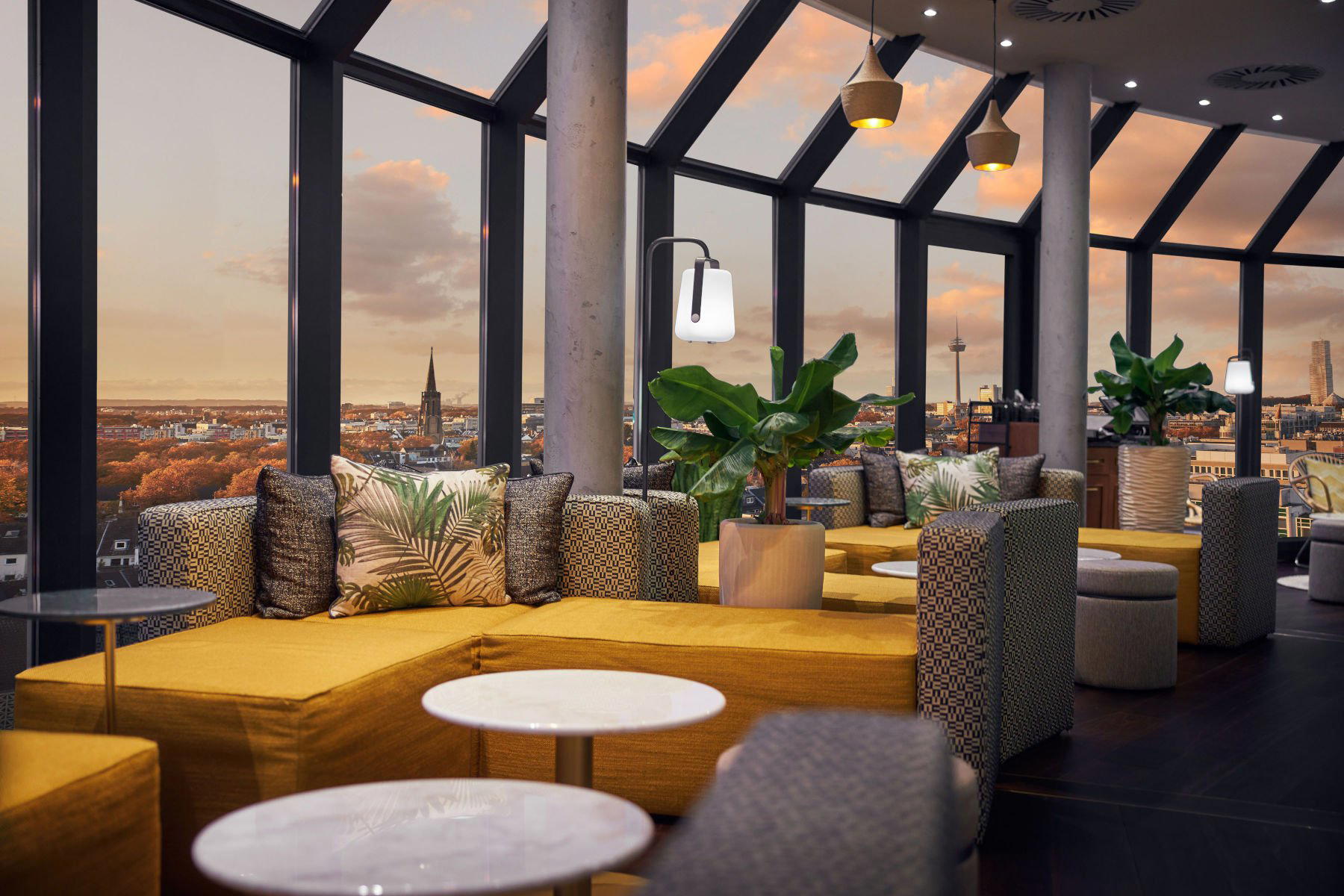
Kaygasse, after the cathedral crowds thin out
Kaygasse sits in the older southern part of central Cologne, where the city changes register. The postcard traffic around the Dom and the Rhine gives way to narrower streets, residential edges, church squares, and the kind of evening movement that belongs less to sightseeing than to people choosing where to drink after work or after dinner. That matters for a cocktail bar. Cologne’s drinking culture has long been shaped by Kölsch service, brewery rooms, and informal neighbourhood counters, so a bar with a botanical identity enters a city conversation that is not built around spectacle first. The premise signals a slower drinking rhythm: mixed drinks, controlled aromatics, and a room where the glass rather than the beer tray sets the pace.
Bar Botanik is recorded at Kaygasse 2, 50676 Köln, Germany, and the available venue data does not list a public phone number, website, opening hours, price range, awards, bartender credit, cuisine type, or signature drink. That absence should not be treated as a blank canvas for invention. It makes the editorial task more precise. The bar belongs to a Cologne category where location and format carry more weight than trophy language: a cocktail address in a city better known internationally for breweries, carnival, Roman-German history, and direct hospitality than for heavily publicised bar programmes. Readers comparing it with Brewery Päffgen or Biergarten Rathenauplatz Veedelstreff are not choosing between near-identical nights out. They are choosing between Cologne’s communal beer culture and a more composed cocktail setting.
The cocktail programme, read through Cologne’s drinking habits
A botanical bar name tends to point toward herbs, roots, citrus, bitters, florals, and spirits that reward restraint rather than volume. In German cities, cocktail bars have increasingly moved away from novelty lists and toward disciplined programmes that ask guests to think in terms of base spirit, acidity, dilution, texture, and aroma. Cologne has a smaller visible cocktail circuit than Berlin, Hamburg, or Munich, but that makes its distinctions clearer. A bar on Kaygasse competes not only with other mixed-drink rooms, but also with the gravitational pull of Kölsch: quick rounds, familiar houses, and social drinking built around repetition.
That contrast is useful. At a brewery, the ritual is collective and almost automatic; at a cocktail counter, the guest gives the bartender more information and waits for a constructed drink. The city’s stronger beer tradition means a cocktail programme has to justify the change in tempo. This is where botanical framing can work: it gives the menu a readable grammar without requiring the bar to mimic the high-concept hotel lounges of larger capitals. For a wider Cologne comparison, Bar Rix and Barracuda Bar - Köln sit inside the same broader city question: which Cologne bars are shaping an evening around mixed drinks rather than brewery rhythm, and which are simply offering cocktails as an accessory to a general night out?
The lack of published awards in the record is also a useful signal. Awards can help map peer sets, but their absence forces a more practical reading: location, repeatability, clarity of concept, and suitability for the night in question. In Germany, the nationally recognised cocktail addresses often trade on long-running reputation, visible bar leadership, or international lists. Cologne’s smaller rooms tend to rely more on local memory and word of mouth. A drinker expecting the ceremony associated with Le Lion Bar de Paris in Hamburg, the classic-American reference points of Stagger Lee in Berlin, or the old-school Munich confidence of Schuman's Bar in Munich should treat Cologne differently. The city’s bar pleasures are usually more conversational, less ceremonious, and more closely tied to neighbourhood movement.
Atmosphere before biography
No chef, founder, bartender, or owner biography is included in the available venue data, and that is not a problem. Cocktail writing often overweights personality when the better question is how a room behaves. A botanical concept asks for balance: enough atmosphere to slow the night down, enough technical seriousness to make the drink feel considered, and enough ease that the guest does not feel trapped in a performance. On Kaygasse, the likely audience is mixed by geography alone: Cologne residents moving through the southern centre, hotel guests walking away from the busier axes, and visitors who have already done the brewery circuit and want a quieter second act.
Cologne’s bar culture rewards informality, so a rigidly theatrical cocktail room can feel out of step here. The stronger fit is a bar that understands why people drink in Cologne in the first place: conversation, pace, and proximity. That is why the physical address matters more than a decorative adjective. Kaygasse places the venue within reach of the centre without placing it directly in the cathedral-and-station stream. For planning a night, that means it can work as a focused stop rather than an all-evening destination, especially if dinner or a first beer happens nearby. For broader mapping, Our full Cologne restaurants guide gives the stronger context: Cologne is easier to understand by neighbourhood sequence than by isolated address chasing.
How it compares with Germany’s cocktail cities
Germany’s cocktail geography is uneven in productive ways. Berlin has volume, late hours, and a deep specialist bench. Hamburg has the country’s strongest old-new bar dialogue, where maritime wealth, hotel drinking, and modern cocktail craft meet. Munich carries a polished classical streak, while Frankfurt often reads more international because of finance, hotels, and airport traffic. Cologne sits apart. It is socially open, locally loyal, and less interested in announcing refinement. That creates a different test for any serious cocktail room: can it build precision without sounding imported?
Bar Botanik should be read inside that tension. Instead, it belongs to the city-level question of how Cologne’s drinking scene is widening beyond breweries without rejecting them. A reader who likes the format of The Parlour in Frankfurt on the Main or Mona Lisa Bar in Frankfurt may be looking for a more cocktail-led evening; a reader who gravitates toward Wyno Weinbar in Düsseldorf may care more about conversation, pacing, and the feel of a smaller room than about list-making prestige. Cologne can absorb both instincts, but it rarely rewards checklist drinking.
International comparisons should stay disciplined. A bar such as Café La Trova in Miami operates in a different climate, cultural register, and performance tradition, where music, Cuban-American hospitality, and bar theatre are part of the format. Cologne’s register is drier, more local, and less declarative. That does not make it lesser; it makes the reader’s criteria different. Look for whether the room lets the drink lead without forcing a theme too hard, whether the service can translate the menu for guests moving from beer into cocktails, and whether the pace suits the neighbourhood rather than imitating a capital-city script.
Planning a night around Kaygasse
The confirmed practical anchor is the address: Kaygasse 2, 50676 Köln, Germany. Check current hours through a live map or direct listing before setting out, especially early in the week, when independent bars in German cities can run shorter schedules than weekend guests expect. If a reservation channel appears on a current listing, use it; if not, treat arrival time as the main planning tool and avoid assuming late-night availability.
The bar makes the most sense after dinner in the southern centre or as a switch in mood after one of Cologne’s brewery rooms. That sequence plays to the city rather than fighting it: Kölsch first if the group wants noise and speed, then cocktails if the night needs focus. Visitors staying near the central station or cathedral area should allow time to move south through the inner city rather than treating the address as part of the immediate Dom cluster. With no listed price band, budget expectations should be set against contemporary urban cocktail pricing rather than brewery beer pricing.
Who should choose it
This is the Cologne bar to consider when the question is not “Where is the loudest night?” but “Where can the evening narrow to drinks and conversation?” That makes it better suited to guests who are comfortable asking staff for guidance than to visitors who need a fully pre-researched signature order. It is also a sensible counterpoint for travellers who have already spent time in brewery culture and want to see how Cologne handles a quieter cocktail grammar.
For EP Club readers, the main value is not trophy hunting. It is calibration. Cologne is a city where drinking traditions remain deeply local, and a cocktail bar has to earn attention by fitting into that fabric rather than floating above it. Bar Botanik’s Kaygasse address places it within that fabric, close enough to the centre to be practical and removed enough from the obvious tourist stream to change the tone of the night. Until more public data appears on awards, menu, pricing, and hours, the strongest recommendation is situational: use it for a composed cocktail stop in central Cologne, and judge it by how clearly the drinks, pacing, and room answer the city around them.
Recognition history
Dated appearances from independent guides and award organizations, with the underlying list record or original source where available.
Falstaff Bar - 91 Falstaff Points
Falstaff
Continue exploring
More in Cologne
Bars in Cologne
Browse all →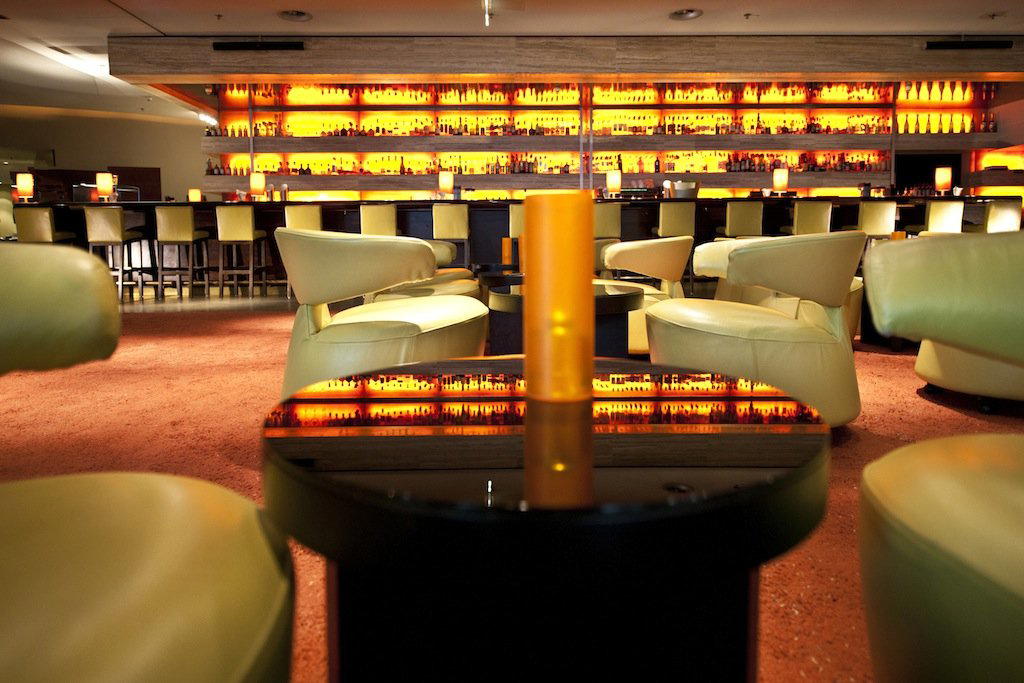
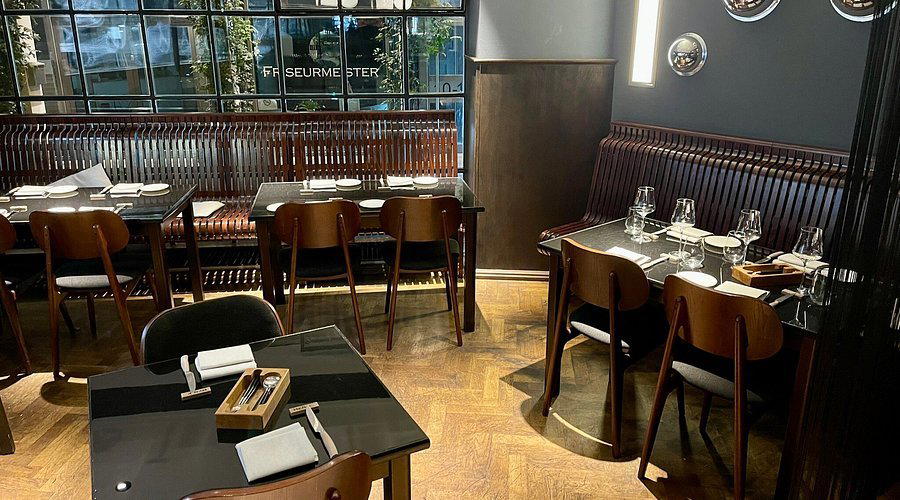
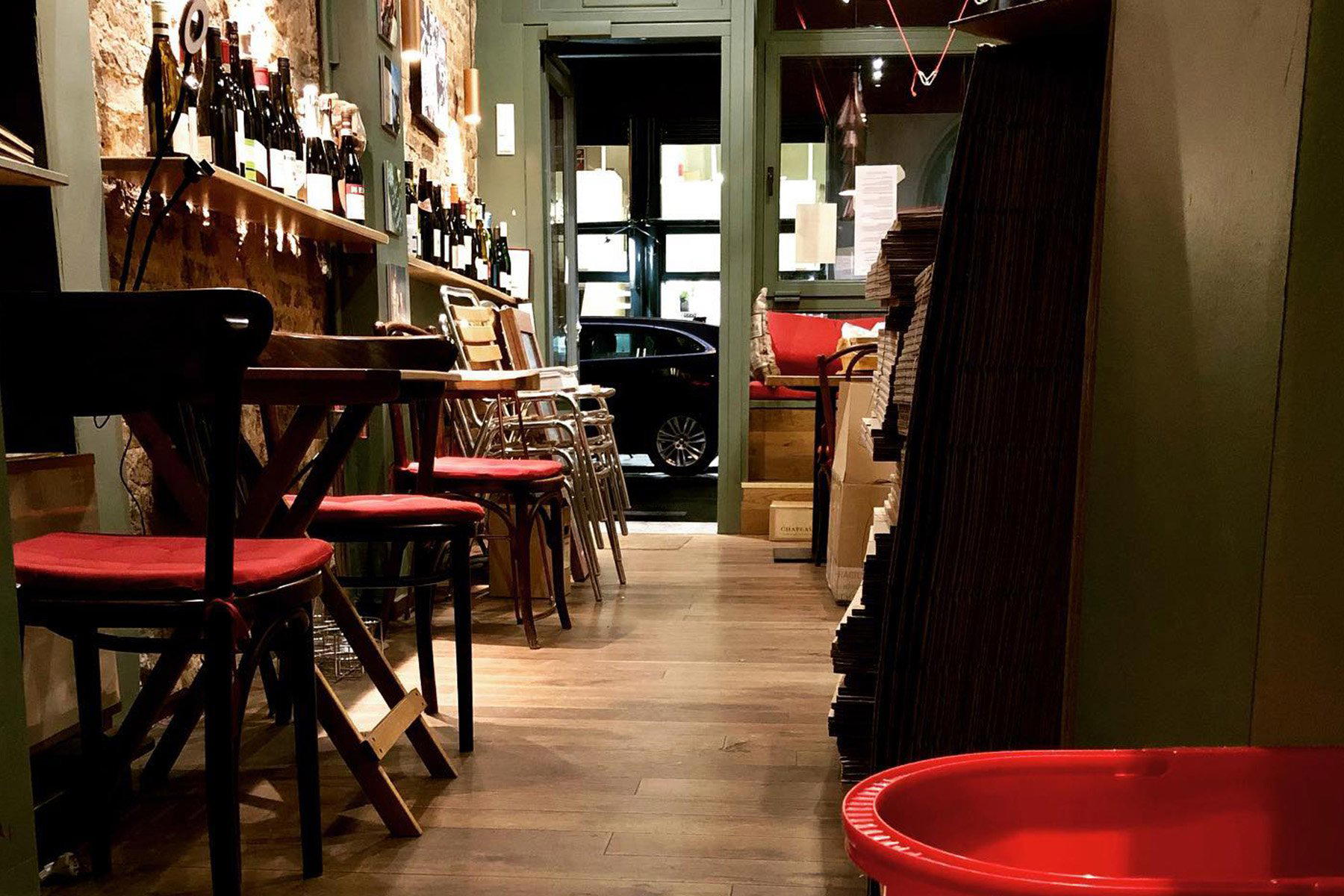
Restaurants in Cologne
Browse all →
Hotels in Cologne
Browse all →
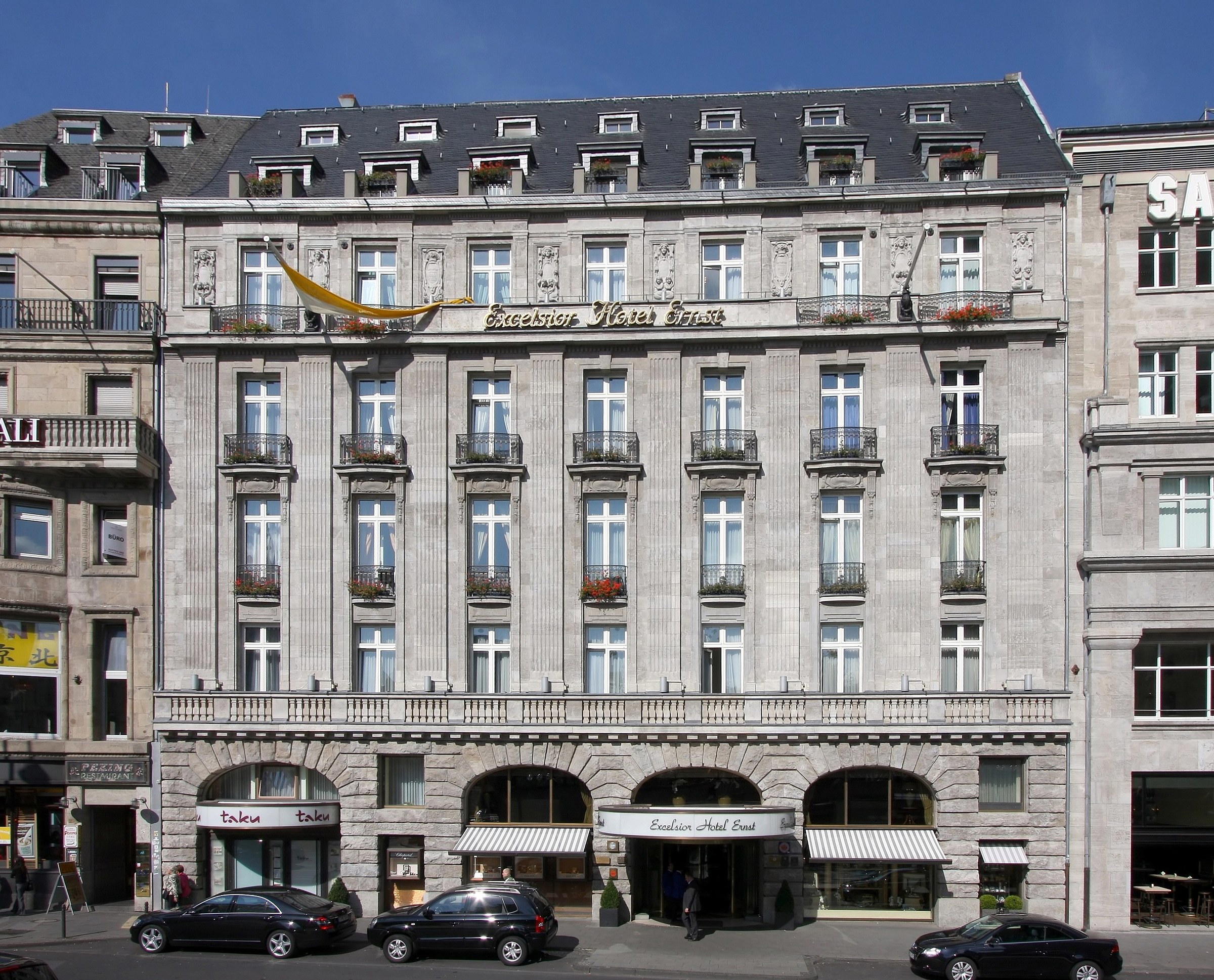
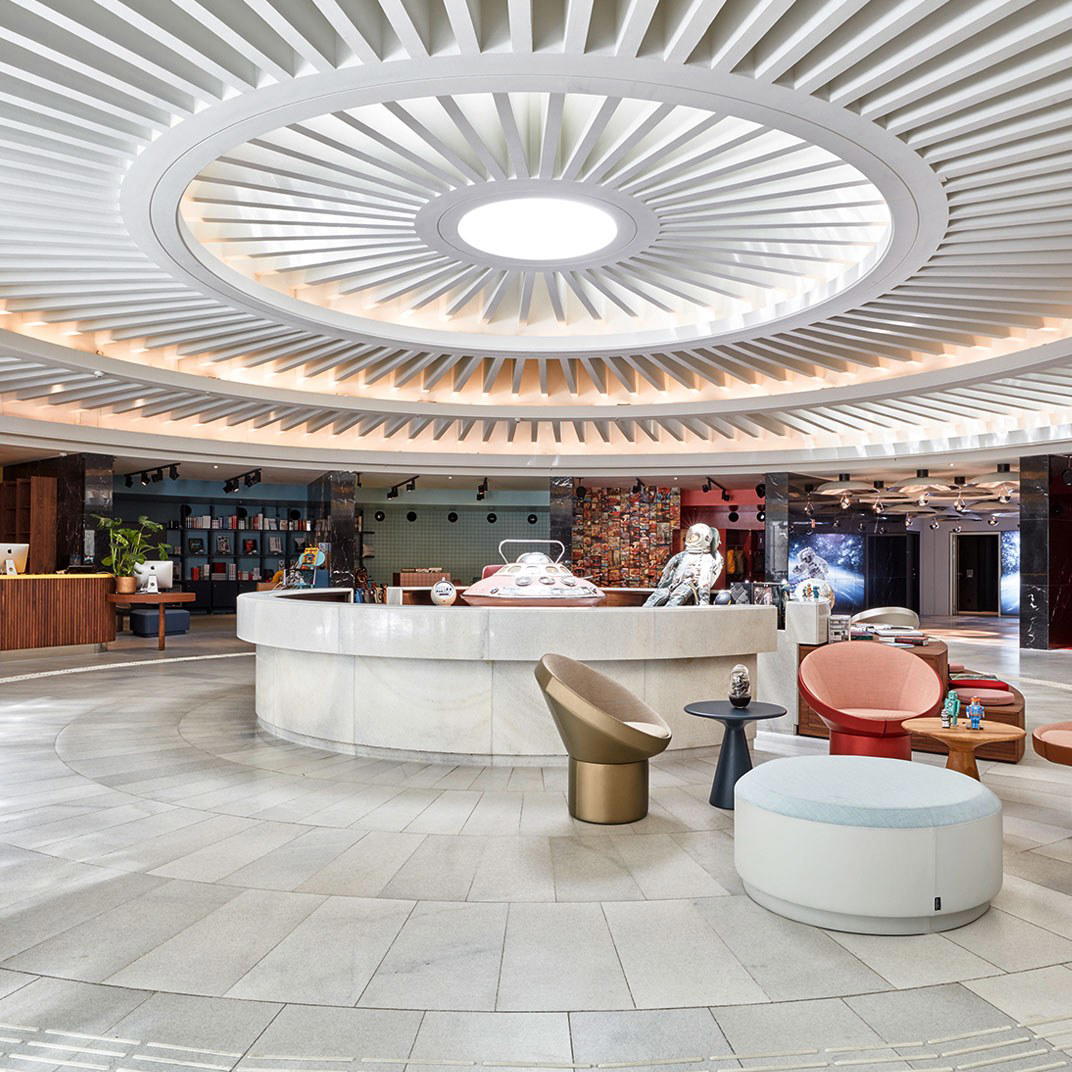
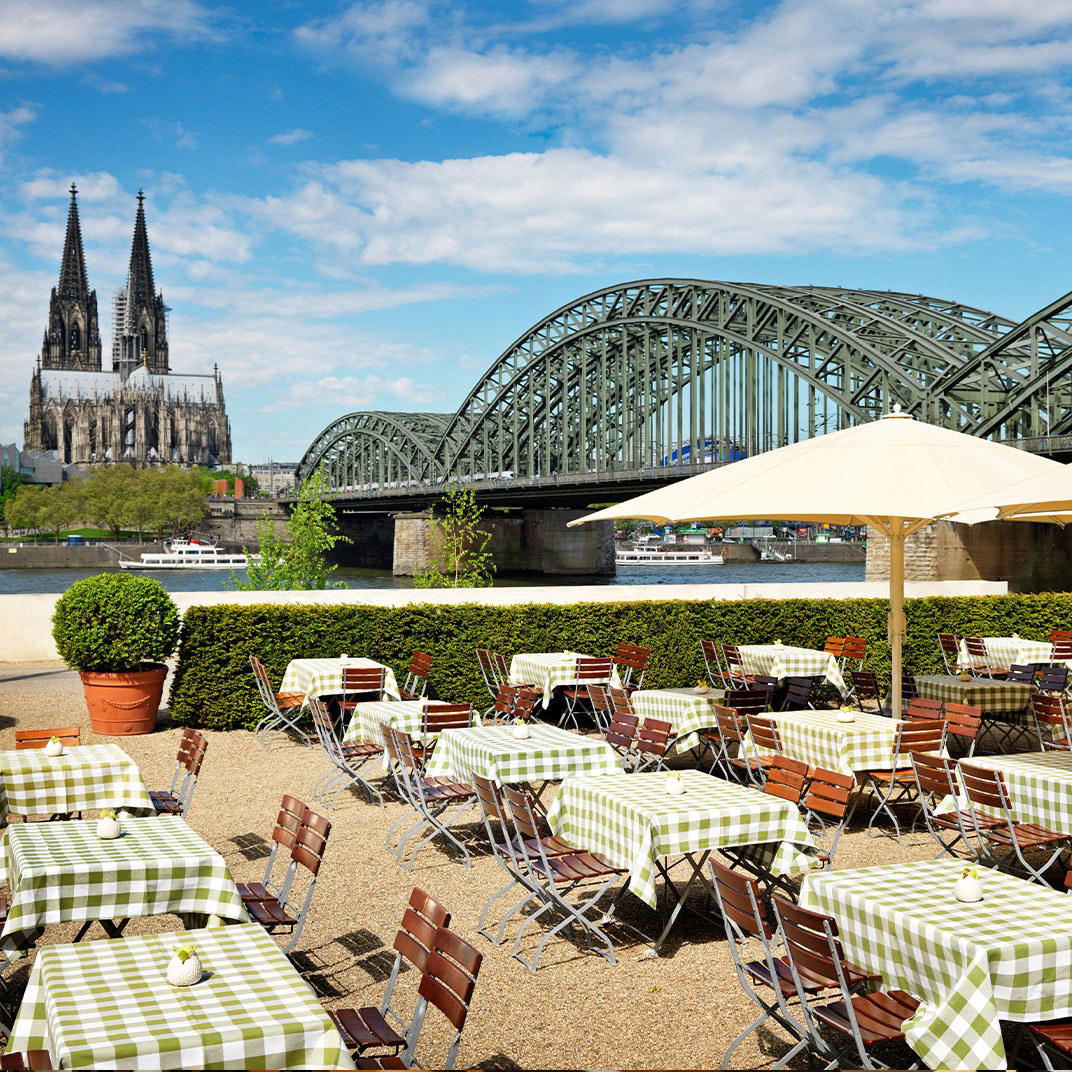
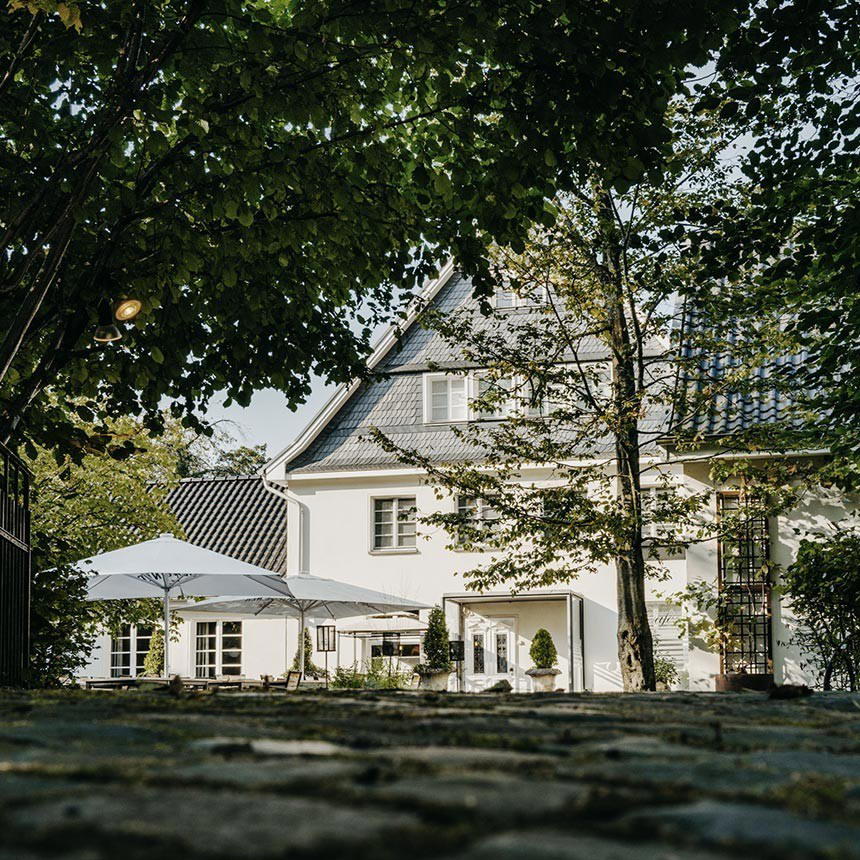

Details
- Modern
- Scenic
- Cozy
- Elegant
- Sophisticated
- After Work
- Late Night
- Group Outing
- Celebration
- Special Occasion
- Private Event
- Rooftop
- Terrace
- Panoramic View
- Historic Building
- Design Destination
- Hotel Bar
- Lounge Seating
- Outdoor Terrace
- Private Rooms
- Craft Cocktails
- Classic Cocktails
- Gin
- Low Abv
- Zero Proof
- Skyline
- Garden
Current opening hours
- Monday
- 12–10 AM
- Tuesday
- 5 PM–1 AM
- Wednesday
- 5 PM–1 AM
- Thursday
- 5 PM–1 AM
- Friday
- 5 PM–1 AM
- Saturday
- 12 PM–1 AM
- Sunday
- 12 PM–12 AM
Hours can change for holidays and private events. Last verified .
A lush, secret-garden-style rooftop setting with warm woods, leather, natural textiles, greenery, and cool lounge music from live DJs.