
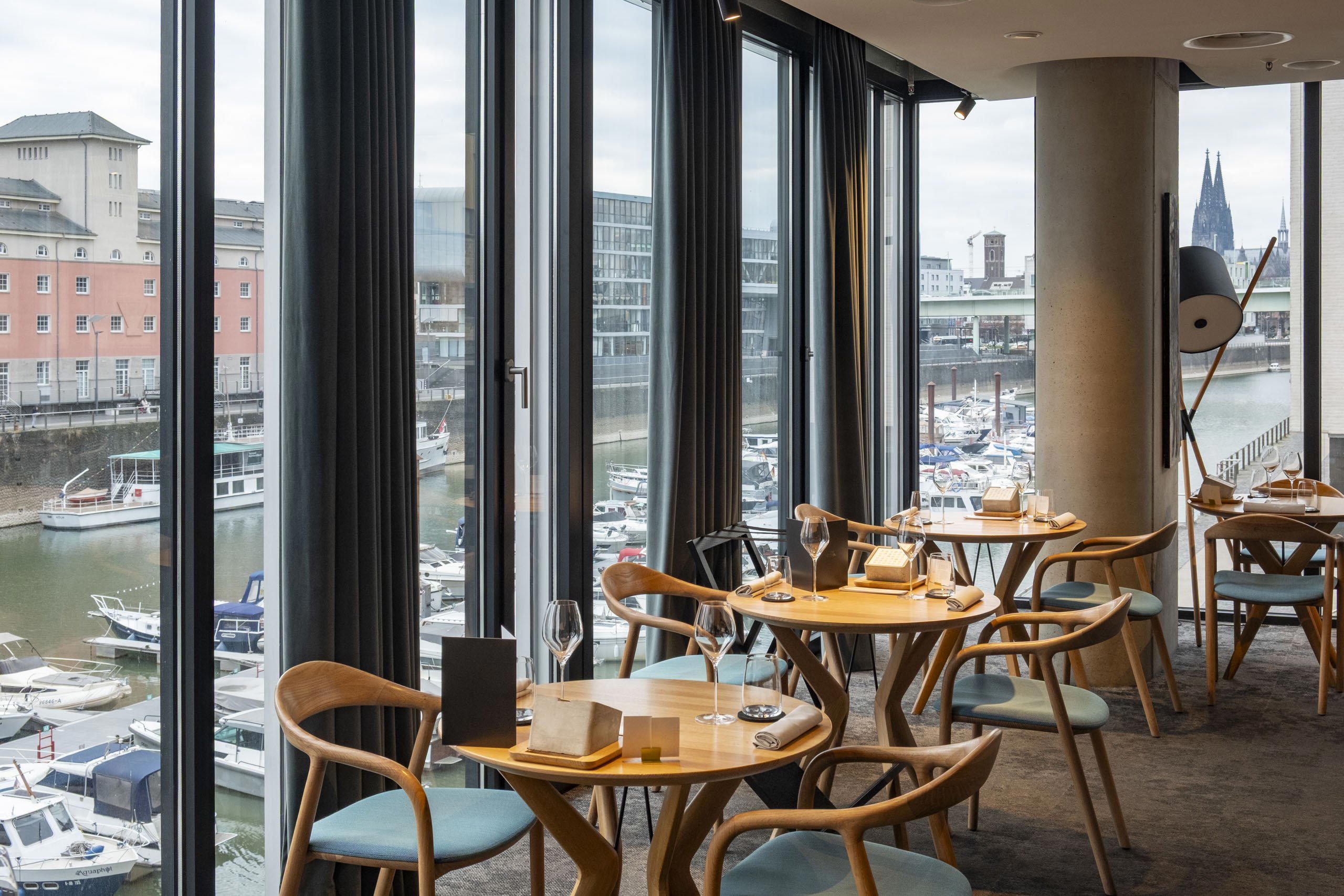
THE QVEST occupies a converted nineteenth-century registry building in Cologne's Gereonskloster quarter, positioning itself in the smaller, design-led tier of the city's independent hotel scene. Its approach to guest experience prioritises considered space and material detail over grand-hotel ceremony. For travellers who treat the room as part of the destination rather than a functional base, it belongs in the shortlist alongside the city's more established addresses.
Pearl is the En Primeur Club membership app — saves, bookings, and concierge access live there. Same editors, same standards.
- Address
- Gereonskloster 12, 50670 Köln, Germany
- Phone
- +49 221 2785780
- Website
- qvest-hotel.com
- Directions
- Get directions
 Saves & bookings on Pearl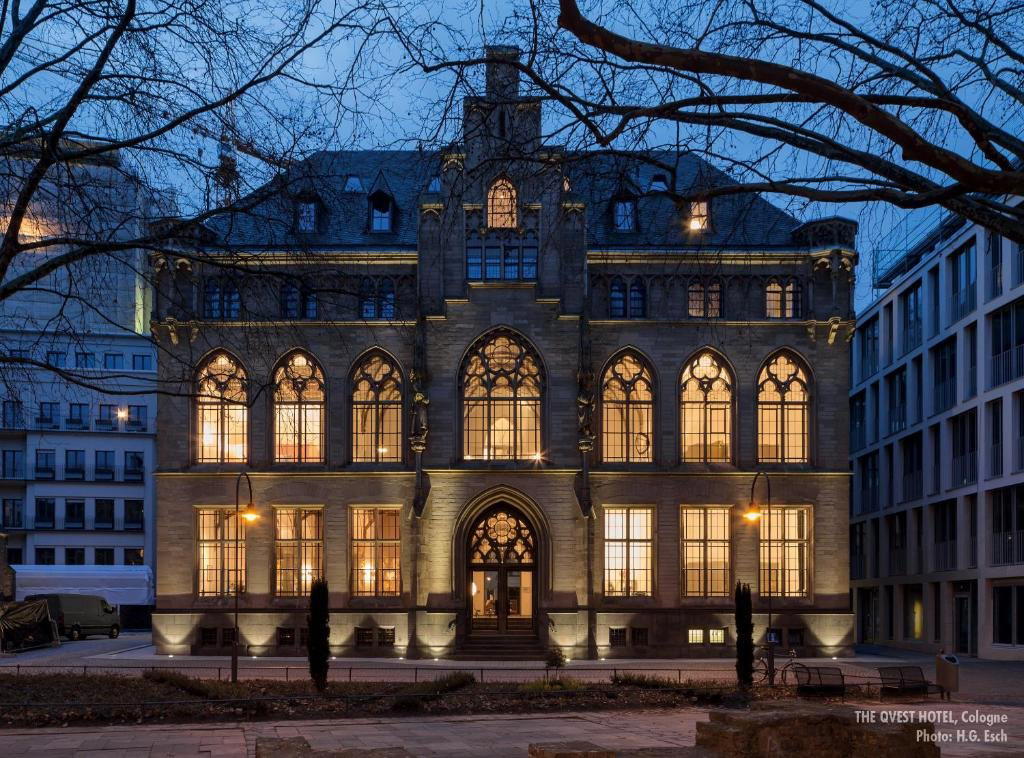
Where the Building Speaks Before the Staff Does
Cologne's hotel market includes both grand riverside properties and newer design-conscious independents in repurposed civic and commercial buildings. THE QVEST, at Gereonskloster 12 in the northern edge of the old city, belongs emphatically to the second category. The building is a converted nineteenth-century archive and registry house, and the kind of architectural bones that give a property its character before a single piece of furniture is selected. Arriving on foot through the neighbourhood, the transition from Cologne's dense street grid into the building's quieter, more considered interior is itself part of the experience.
That neighbourhood context matters. Gereonskloster sits close to the early Christian church of St. Gereon, one of Cologne's twelve Romanesque basilicas, in a district that reads as residential and unshowy by Cologne standards. It is not the Domplatte, and deliberately so. Guests arriving expecting the ceremonial bustle of a major hotel address on the Rhine will recalibrate quickly; those arriving specifically because they wanted distance from that register will feel the logic immediately. In Germany's independent hotel tier, this kind of location choice is rarely accidental.
Service as Architecture: The Guest Experience Model
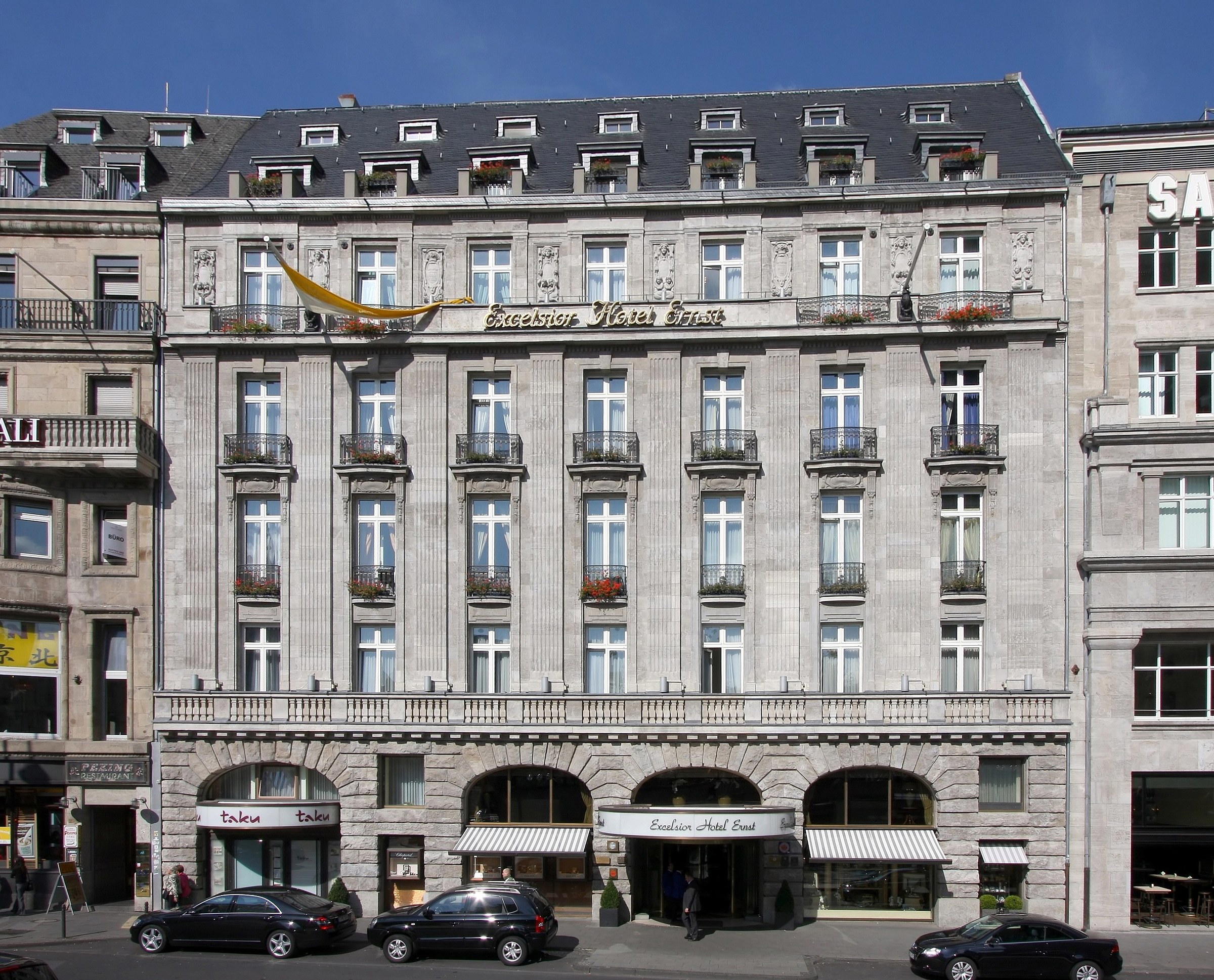
The hospitality model at design-led independents like THE QVEST tends to shift the weight of the guest experience away from formal service hierarchies and toward the property itself as host. This is a distinct philosophy from the grande dame approach practised at, say, the Excelsior Hotel Ernst, where staff numbers, ceremony, and institutional memory are the primary currency. At properties operating in the boutique-to-small-design-hotel tier, anticipatory service becomes less about choreographed tableside ritual and more about spatial intelligence: rooms configured to reduce friction, transitions between public and private areas that feel unhurried, and a front-of-house culture that runs at a lower temperature without becoming indifferent.
This model works when the physical environment carries its share of the load. A converted archive building, if handled with editorial restraint rather than developer optimism, can do exactly that. The challenge for any such property is consistency: the same guest who finds the minimal-ceremony approach refreshing on arrival can find it under-resourced if something goes wrong. The properties in this tier that sustain reputations over time tend to be those where the team is small enough to know returning guests by name, and where the informality is backed by genuine operational depth rather than aesthetic posturing.
For comparison within Cologne's independent tier, the The Qvest Hideaway represents the same property group's extension of that philosophy into a smaller, more private format. The Wasserturm Hotel Cologne, Curio Collection by Hilton occupies a different position, with a chain affiliation that brings standardisation the independents deliberately avoid.
Cologne's Design Hotel Tier in Broader Context
Germany has developed a credible independent hotel culture across its mid-sized cities, partly because the country's federal structure distributes cultural investment broadly rather than concentrating it in a single capital. Cologne, as the largest city in North Rhine-Westphalia and home to major trade fairs including Art Cologne and the furniture fair IMM, generates a consistent demand from a design-literate, commercially sophisticated traveller cohort. That audience tends to seek hotels that reflect the visual intelligence it applies professionally, which has driven the growth of properties that compete on concept and material quality rather than room count or loyalty programme integration.
The hotel operates in that context. It is a property that signals something to its guest about how they like to travel, in the same way that a booking at the Hotel de Rome in Berlin or the Bülow Palais in Dresden does: the building's history and the renovation's sensibility are part of the offer. Among Germany's broader portfolio of character-driven hotels, the range extends from spa-focused retreats like Das Kranzbach Hotel in Kranzbach and Schloss Elmau in Elmau to resort properties such as Althoff Seehotel Überfahrt in Rottach-Egern and Hotel Bareiss in Baiersbronn.
Planning a Stay: What to Know Before You Book
Gereonskloster 12 is walkable from Cologne's main train station (Hauptbahnhof) in under twenty minutes, and the city's U-Bahn and tram network places the property within a short ride of the Dom, the museum quarter along the Rhine, and the Belgian Quarter's dense concentration of independent restaurants and bars.
For travellers calibrating where the hotel sits against the larger European independent hotel market, useful reference points include the Fairmont Hotel Vier Jahreszeiten in Hamburg on the traditional end, and smaller, more removed properties like Landhaus Stricker on Sylt or BUDERSAND Hotel in Hörnum on the intimate-retreat end. The hotel occupies city-centre territory with boutique ambitions, a combination that suits travellers who want to be inside the urban fabric rather than insulated from it. Visitors who prefer the full-service buffer of a major hotel group may find more comfort at Breidenbacher Hof in nearby Düsseldorf or at Kempinski Hotel Berchtesgaden for a different German register altogether.
Hotel Ketschauer Hof in Deidesheim, Esplanade Saarbrücken, LA MAISON in Saarlouis, Luisenhöhe in Horben, Gut Steinbach in Reit im Winkl, and Der Öschberghof in Donaueschingen. The Fifth Avenue Hotel in New York City, Aman New York, Aman Venice, and Mandarin Oriental Munich offer instructive calibration points across price tier and service philosophy.
What It’s Closest To
Comparable venues nearby, for context on price, style, and recognition.
| Venue | Cuisine | Price | Awards | Notes |
|---|---|---|---|---|
| THE QVESTThis venue — the venue you are viewing | Neo-Gothic heritage boutique with contemporary design integration | $$$$ | 4-Star | Not listed |
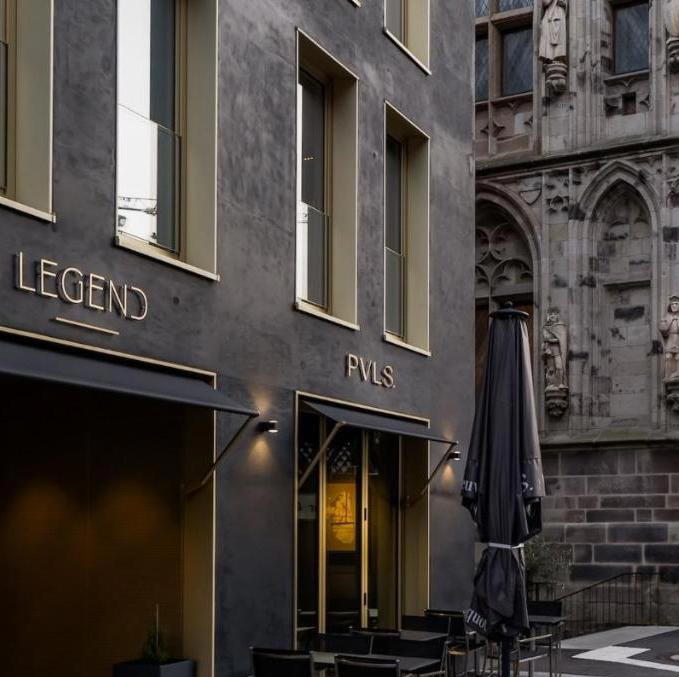
| Legend Hotel, Cologne | Contemporary boutique blending modern architecture with historic Cologne context | $$$ | 4-Star | Altstadt/Nord |
| 25hours Hotel The Circle | Repurposed historic Brutalist rotunda with retro-futuristic interiors | $$$ | 4-Star | Altstadt/Nord |
| Althoff Dom Hotel | Luxury grand hotel in a historic landmark building at the foot of Cologne Cathedral. | $$$$ | 5-Star | Altstadt |
| The Qvest Hideaway | Neo-Gothic historic building with contemporary design refuge | $$$$ | 4-Star | Altstadt/Nord |
| Urban Loft Cologne | Urban loft-style hotel with artist-inspired design and central location near Cologne Cathedral. | $$$ | 4-Star | Altstadt/Nord |
Recognition history
Dated appearances from independent guides and award organizations, with the underlying list record or original source where available.
Michelin Selected
Michelin
Continue exploring
More in Cologne
Hotels in Cologne
Browse all →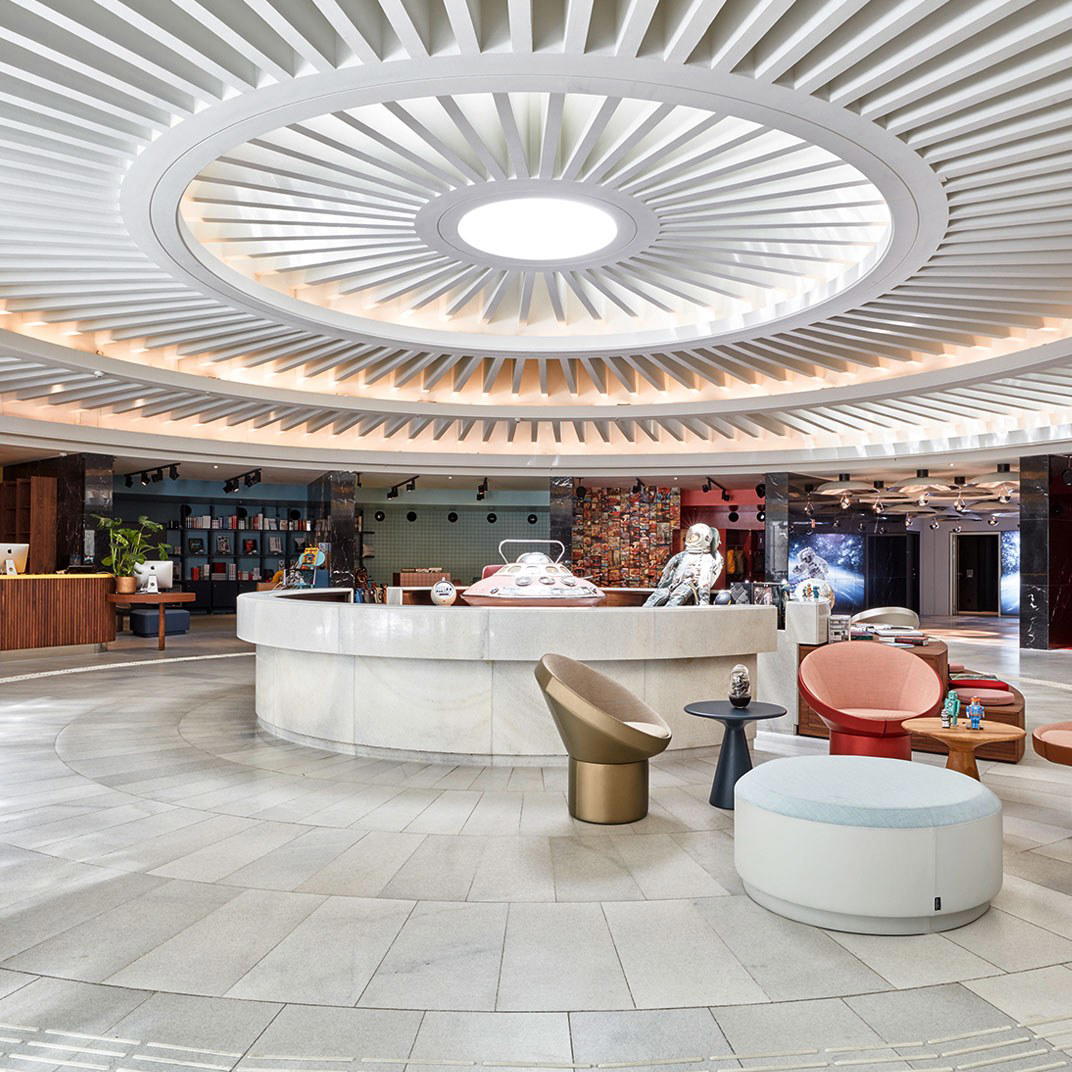
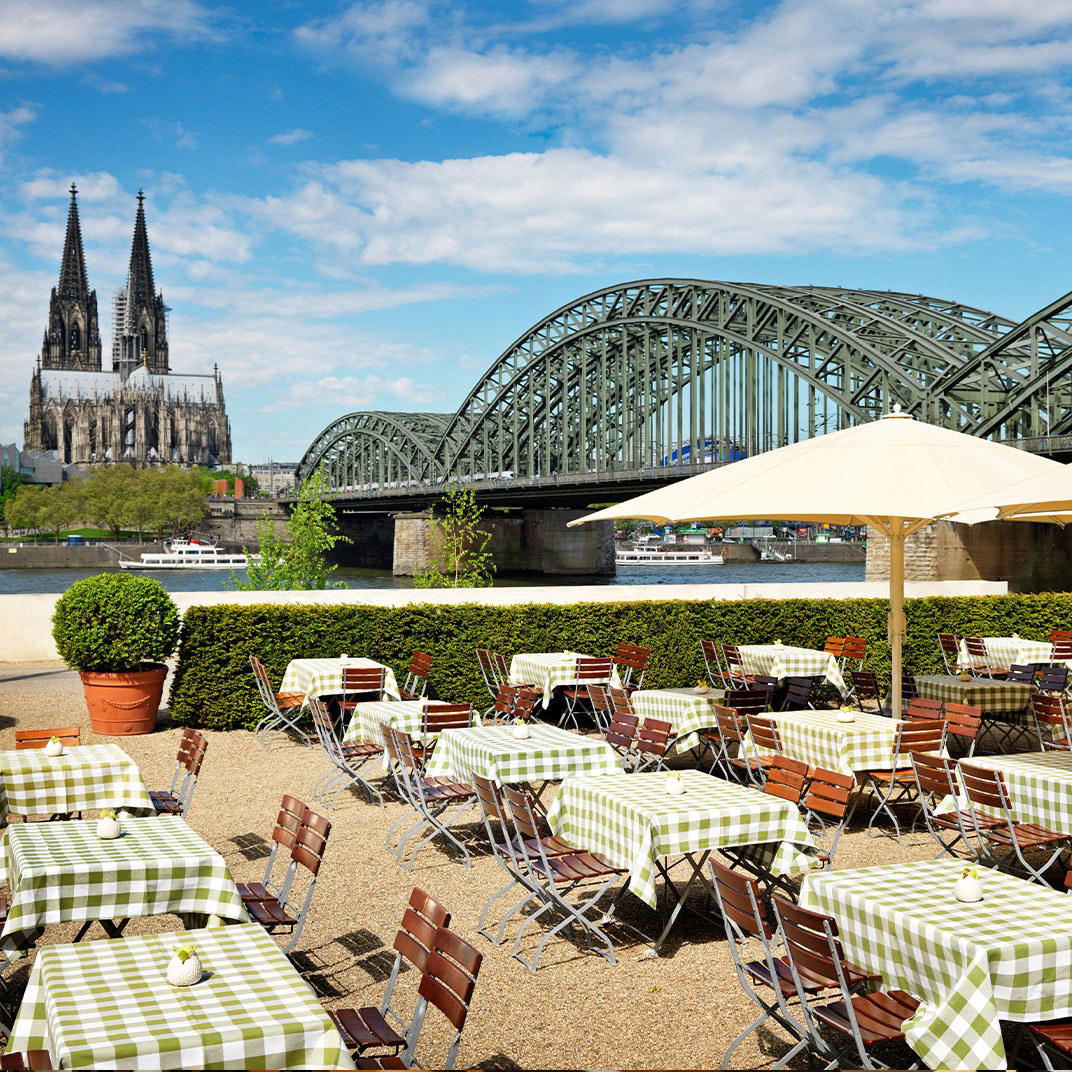
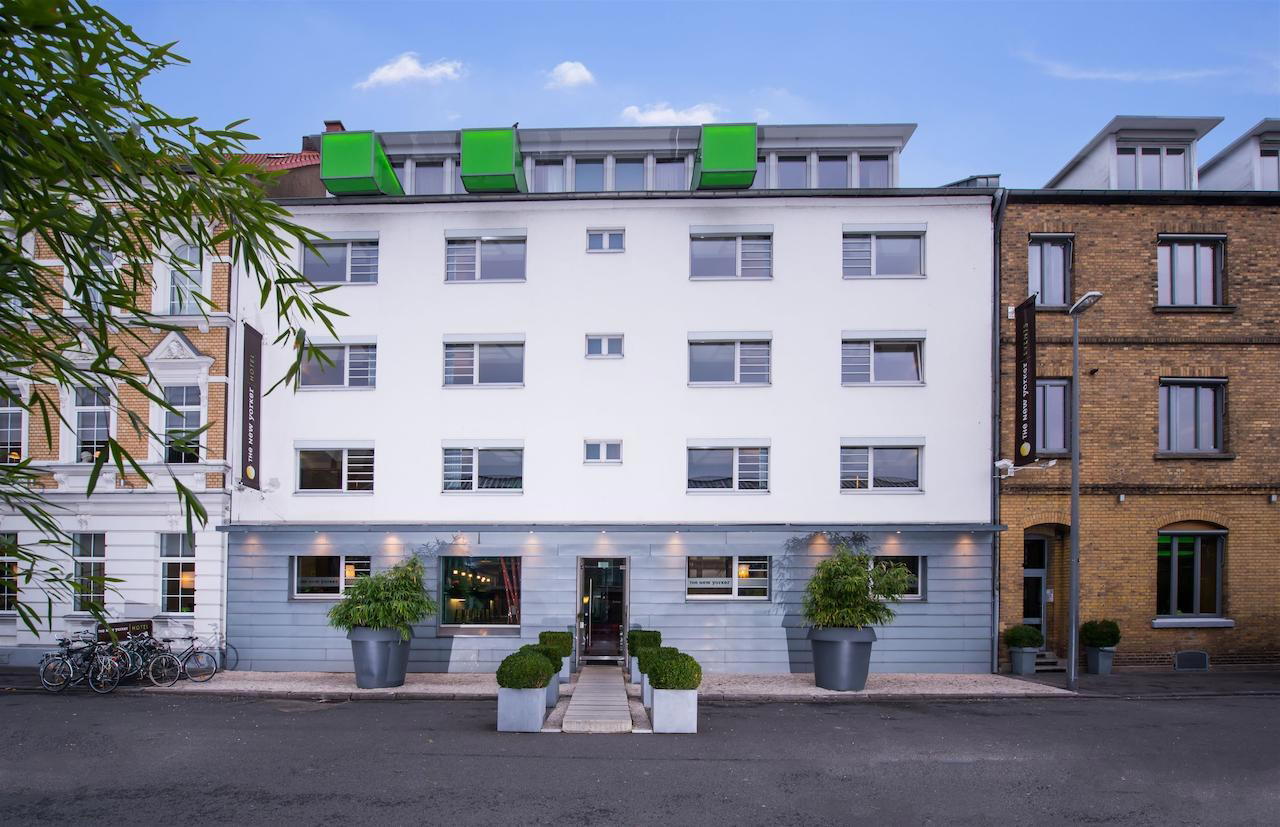
Bars in Cologne
Browse all →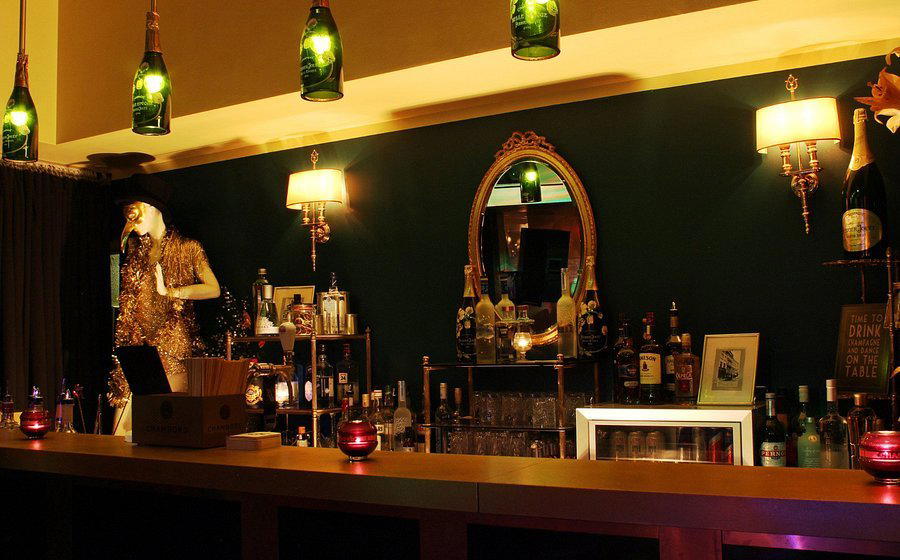
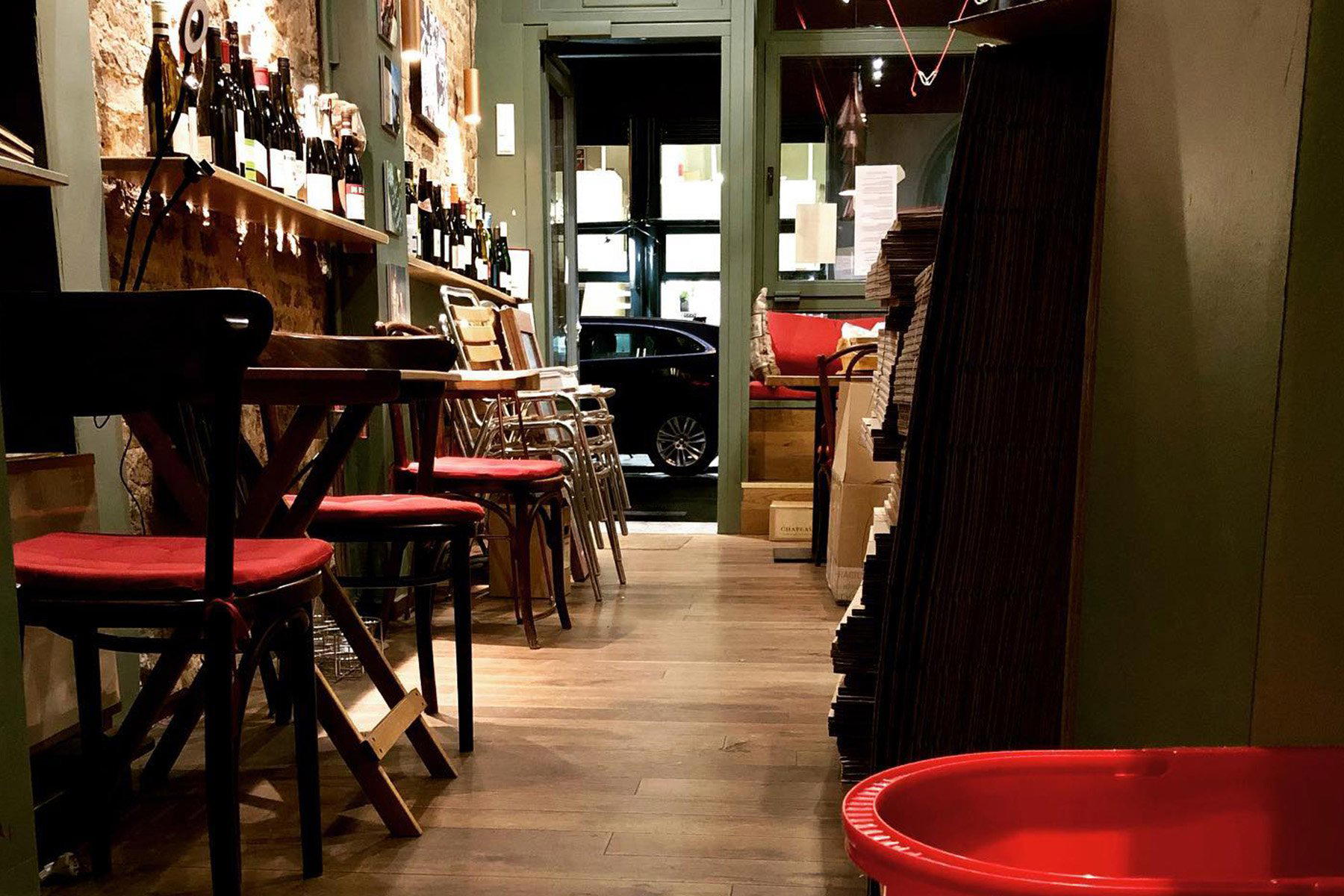

Restaurants in Cologne
Browse all →

At a Glance
- Modern
- Elegant
- Intimate
- Sophisticated
- Romantic Getaway
- Anniversary
- Weekend Escape
- Historic Building
- Design Destination
- Terrace
- Wi Fi
- Room Service
- Concierge
- Street Scene
- Wi Fi
- Room Service
- Concierge
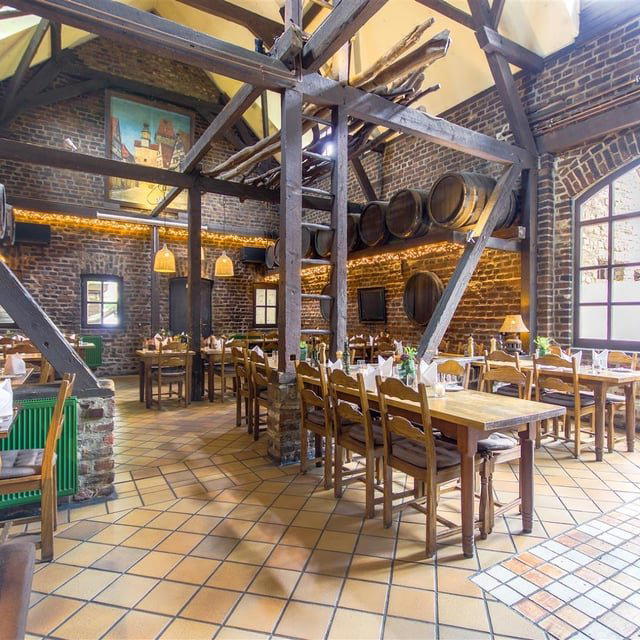
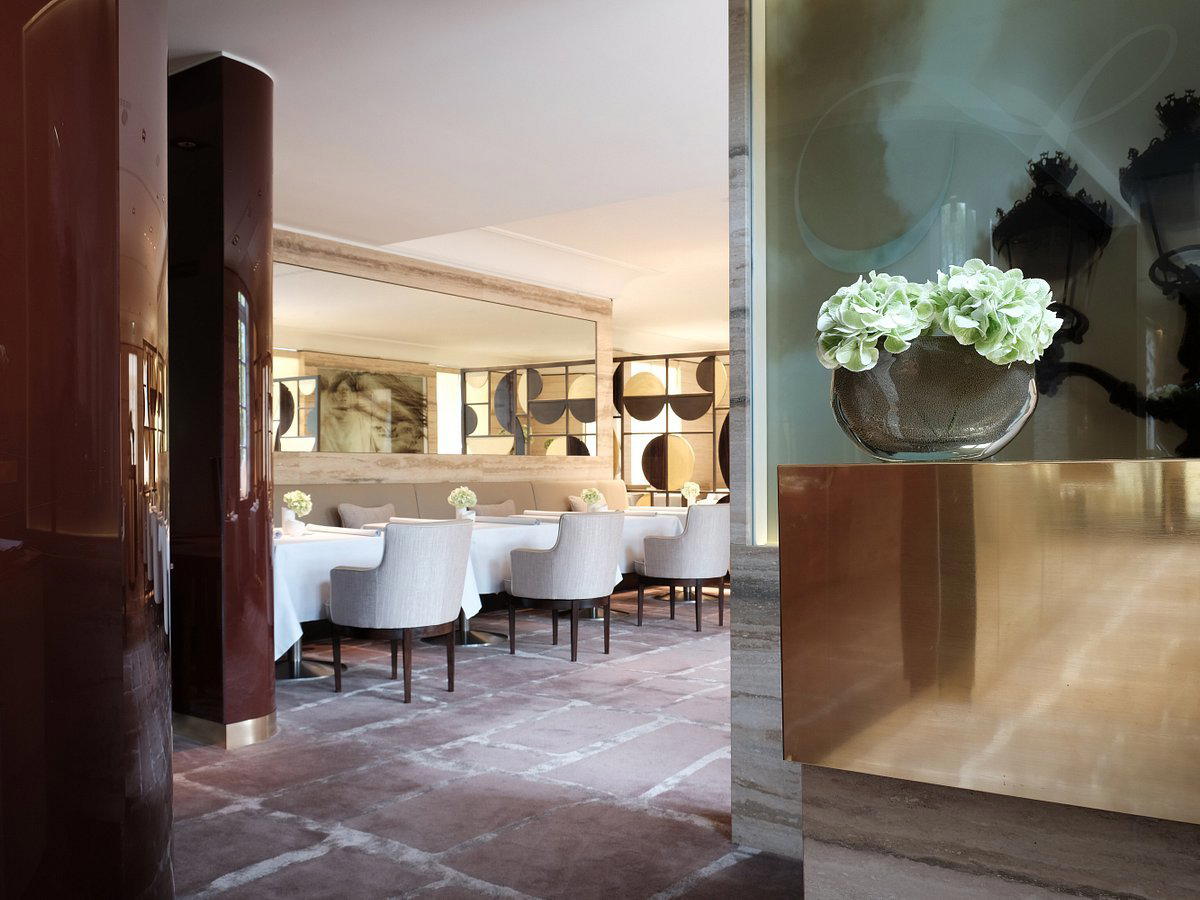
Intimate and serene atmosphere blending historic neo-Gothic grandeur with contemporary art, natural light from Gothic windows, and cozy design.