
Set in a neo-Gothic building in Cologne's Old Town, The Qvest Hideaway occupies a distinct position among the city's design-led stays: architecture with genuine historical weight, interiors curated around art and photography, and an address that places guests within reach of the city's most significant landmarks. For travellers who treat the hotel as part of the cultural programme, it warrants serious consideration.
Pearl is the En Primeur Club membership app — saves, bookings, and concierge access live there. Same editors, same standards.
- Address
- Gereonskloster 12, Cologne 50670, Germany
- Website
- marriott.com
- Directions
- Get directions
 Saves & bookings on Pearl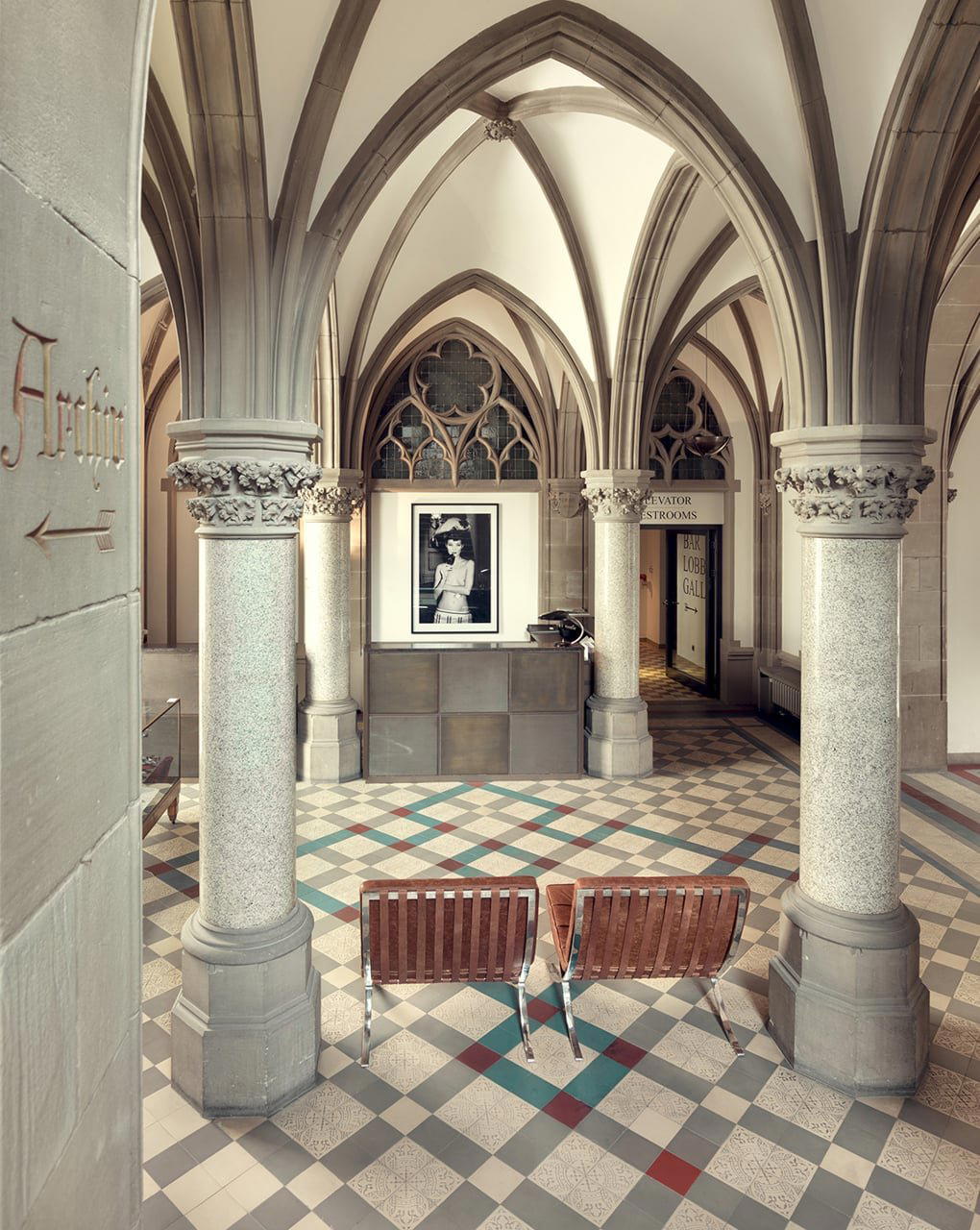
A Gothic Address in a City That Takes Architecture Seriously
Cologne's relationship with its built environment is not incidental. The city spent decades rebuilding after wartime destruction, and the decisions made during that reconstruction, what to restore, what to rebuild, what to reimagine, shaped a centre where medieval fabric and postwar pragmatism sit side by side. In that context, a hotel that occupies a genuinely neo-Gothic structure in the Old Town is not offering mere aesthetic charm; it is placing its guests inside one of the more considered layers of the city's architectural record.
Gereonskloster 12 sits close to the Romanesque church of St. Gereon, one of twelve such churches that define Cologne's pre-war religious geography and still anchor the Old Town's character. That proximity is not coincidental. The cluster of Romanesque churches forms a loose arc around the cathedral quarter, and properties within that arc occupy particularly historically textured ground in the city. The Qvest Hideaway's address puts guests within that arc, within walking distance of the cathedral, the Museum Ludwig, and the Hohenzollern Bridge, the full weight of Cologne's cultural infrastructure, accessible on foot.
Design as Content, Not Decoration
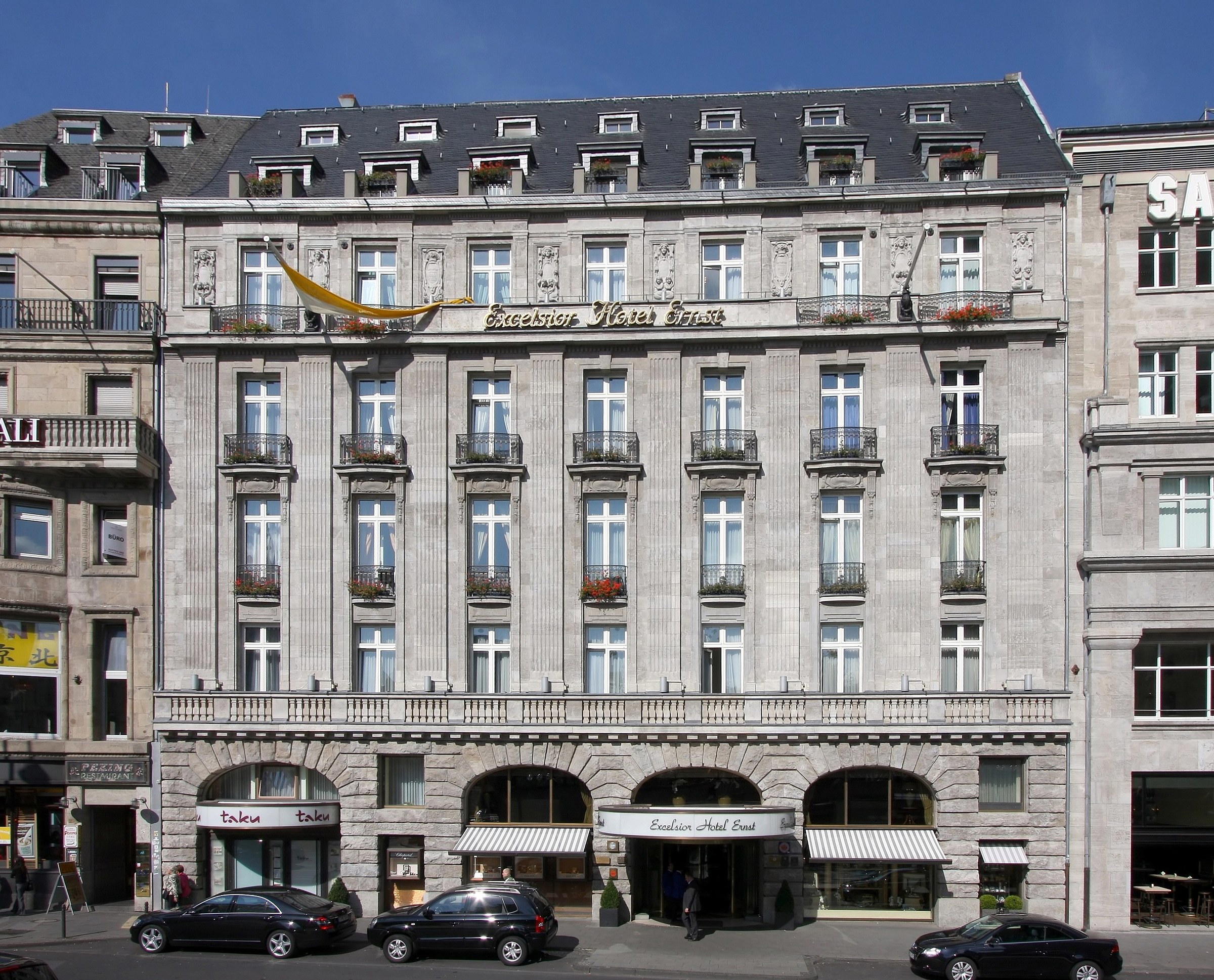
Among Cologne's higher-end stays, design positioning varies considerably. The Excelsior Hotel Ernst operates in the grand-hotel tradition, with classical interiors that foreground heritage service over curatorial intent. The Wasserturm Hotel Cologne, Curio Collection by Hilton takes its identity from adaptive reuse of a nineteenth-century water tower, with the circular floor plates shaping every room. THE QVEST, the larger sibling property, has built a reputation around design-hotel credentials in a more expansive format.
The Qvest Hideaway occupies a smaller, more concentrated tier within that comparable set. The neo-Gothic shell is the framework, and what sits inside it, described as museum-worthy art and photography alongside considered interior design, positions the property closer to a curated cultural space than to a conventional room inventory. This is a meaningful distinction in how a city like Cologne, home to Art Cologne and a deep gallery infrastructure, calibrates what design hospitality should mean.
German design hotels have generally split between the maximalist collector's-den approach and something quieter and more methodical. Properties that take photography and art seriously as collection rather than decoration tend to attract a specific type of traveller: one who reads the work on the walls with the same attention they give to the architecture framing it. The Qvest Hideaway's curatorial approach signals clearly which side of that divide it occupies.
The Old Town Address and What It Delivers
Staying in Cologne's Old Town is a decision that has practical implications beyond the romantic. The neighbourhood is compact, and on foot a guest can reach the cathedral in under ten minutes, the Chocolate Museum on the Rheinauhafen in fifteen, and the galleries of the Museum Ludwig in a similar interval. The Romanesque churches within the arc, St. Gereon, Great St. Martin, St. Aposteln, are each worth time, and the walking route between them maps comfortably to a morning.
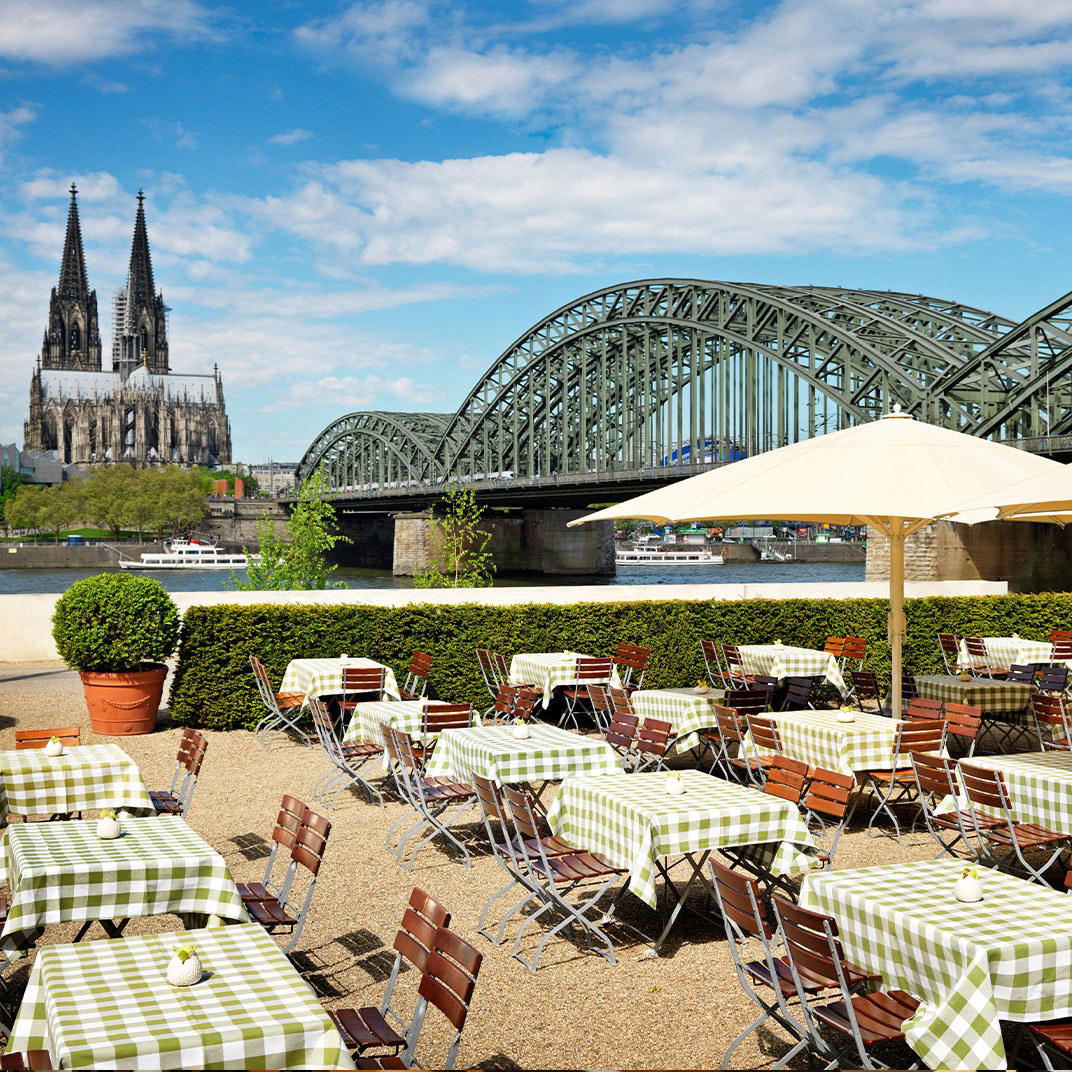
For guests arriving by rail, Cologne Hauptbahnhof sits directly beside the cathedral, which means the station-to-hotel walk is also a walk past one of Europe's largest Gothic cathedrals at street level, a more useful orientation than any map. The Rhine itself is reachable on foot from the Old Town, and the Hohenzollern Bridge, its padlocks and pedestrian deck, provides one of the city's better vantage points looking back toward the cathedral and the old city skyline.
This matters for a property that positions itself around architecture and design: the surrounding area functions as an extension of what the building promises.
Where The Qvest Hideaway Sits in the Wider German Hotel Conversation
Travellers comparing design-led hotels across Germany have a considered set to work through. In Bavaria, Mandarin Oriental Munich and Schloss Elmau Luxury Spa Retreat & Cultural Hideaway in Elmau operate at the upper tier of the market with different premises, urban grand-hotel and alpine cultural retreat respectively. Further afield, Fairmont Hotel Vier Jahreszeiten in Hamburg and Hotel de Rome in Berlin draw on adaptive reuse and historical architecture as their core identity credentials, as does Bülow Palais in Dresden.
Within that landscape, a neo-Gothic property in Cologne's Old Town with a deliberate art-and-photography curatorial programme occupies a smaller, more specialist niche. It is not competing with the full-service resort offerings of Hotel Bareiss in Baiersbronn or Althoff Seehotel Überfahrt in Rottach-Egern, nor with the wellness-led retreats such as Das Kranzbach Hotel & Wellness Retreat in Kranzbach or Luisenhöhe in Horben. The comparison set is tighter: design-forward, architecturally grounded, urban, and aimed at guests for whom the physical environment of a hotel is part of the intellectual programme of a trip.
Planning a Stay
The property's address, Gereonskloster 12, Cologne 50670, places it in the heart of the Old Town, within the Romanesque church arc and a short walk from the cathedral quarter. Given the curated, boutique scale of the Hideaway, room availability is limited by design rather than demand management, and guests with firm travel dates should plan bookings well in advance. Art Cologne, held annually in the spring, draws significant demand across the city's design and cultural properties, and the period around it compresses availability across the tier the Hideaway occupies.
Just the Basics
Comparable venues nearby, for context on price, style, and recognition.
| Venue | Price | Notes |
|---|---|---|
| The Qvest HideawayThis venue — the venue you are viewing | $$$$ | Not listed |
| Urban Loft Cologne | $$$ | Altstadt/Nord, Urban loft-style hotel with artist-inspired design and central location near Cologne Cathedral. |
| THE QVEST | $$$$ | Altstadt/Nord, Neo-Gothic heritage boutique with contemporary design integration |
| Hyatt Regency Köln | $$$$ | Deutz, Contemporary luxury with modern elegance; established 1988, renovated 2011-2012 with Hirsch Bedner Associates design. |
| Wasserturm Hotel Cologne, Curio Collection by Hilton | $$$ | Altstadt/Süd, Industrial heritage conversion with contemporary luxury positioning; a repurposed 19th-century water tower transformed into a design-forward boutique hotel. |
| Althoff Dom Hotel | $$$$ | Altstadt, Luxury grand hotel in a historic landmark building at the foot of Cologne Cathedral. |
Recognition history
Dated appearances from independent guides and award organizations, with the underlying list record or original source where available.
Design Hotels Member
Design Hotels
Continue exploring
More in Cologne
Hotels in Cologne
Browse all →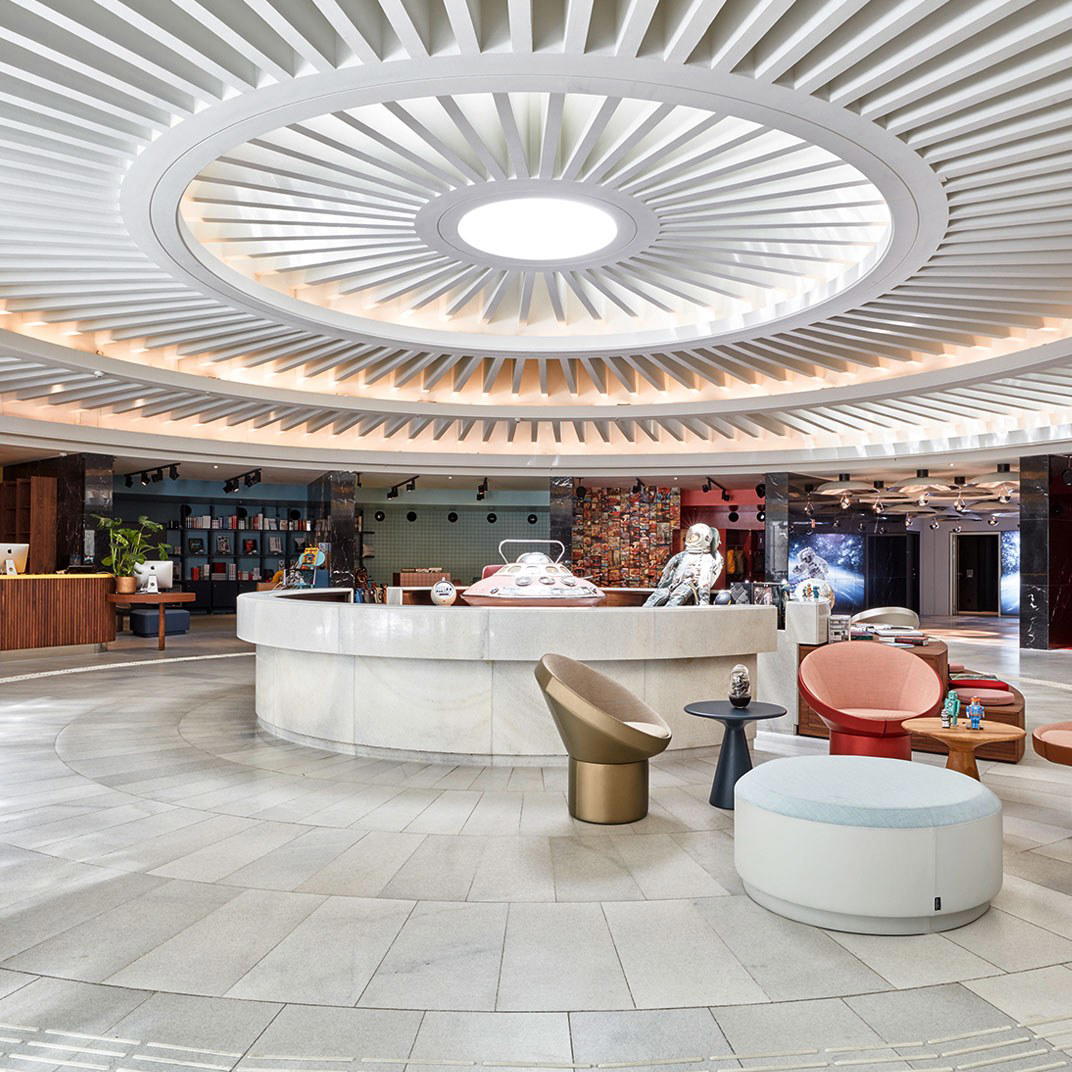
Bars in Cologne
Browse all →

Restaurants in Cologne
Browse all →

At a Glance
- Quiet
- Modern
- Elegant
- Intimate
- Romantic Getaway
- Weekend Escape
- Historic Building
- Design Destination
- Wi Fi
- Room Service
- Concierge
- Restaurant
- Bar
- Wi Fi
- Room Service
- Concierge
- Restaurant
- Bar
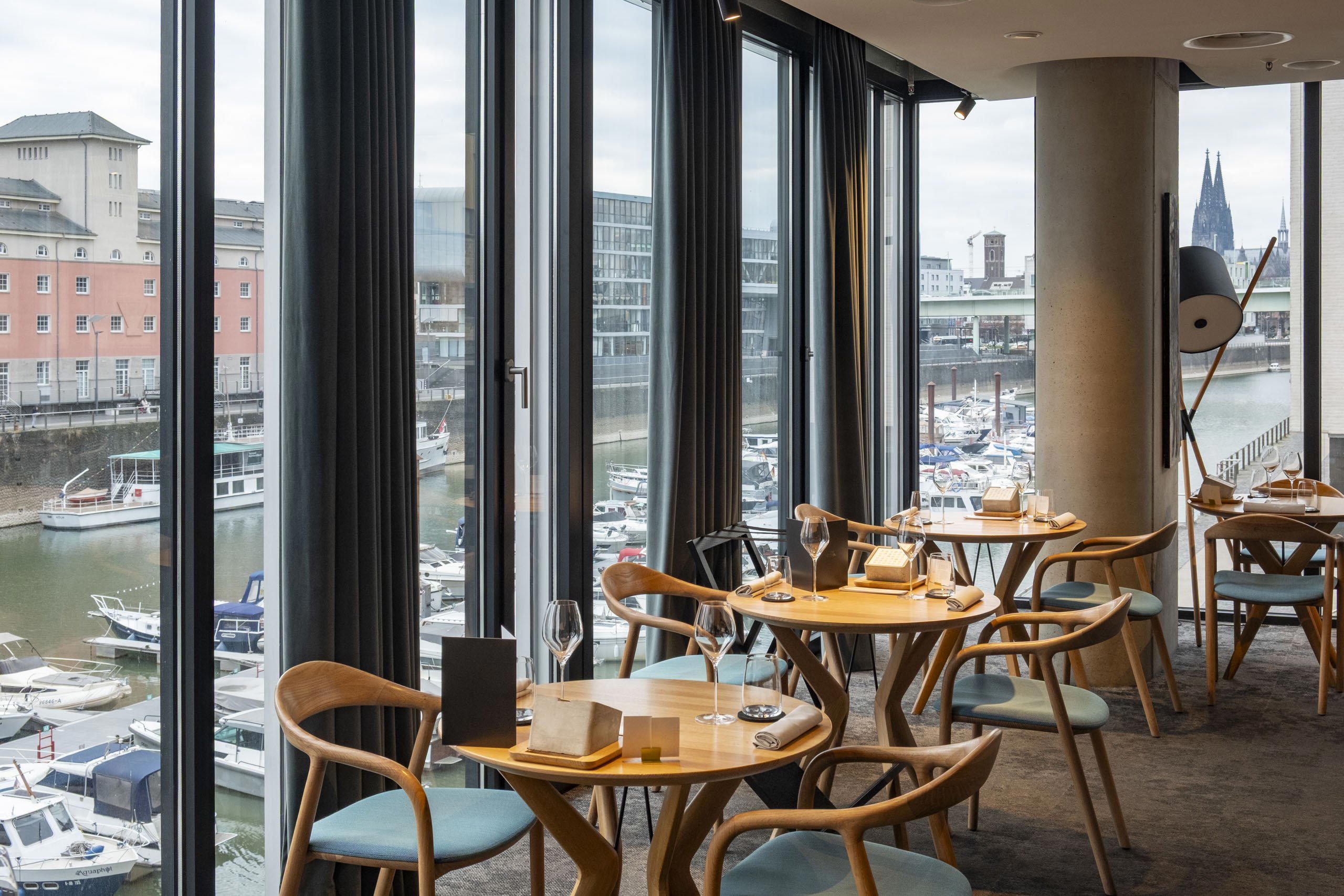
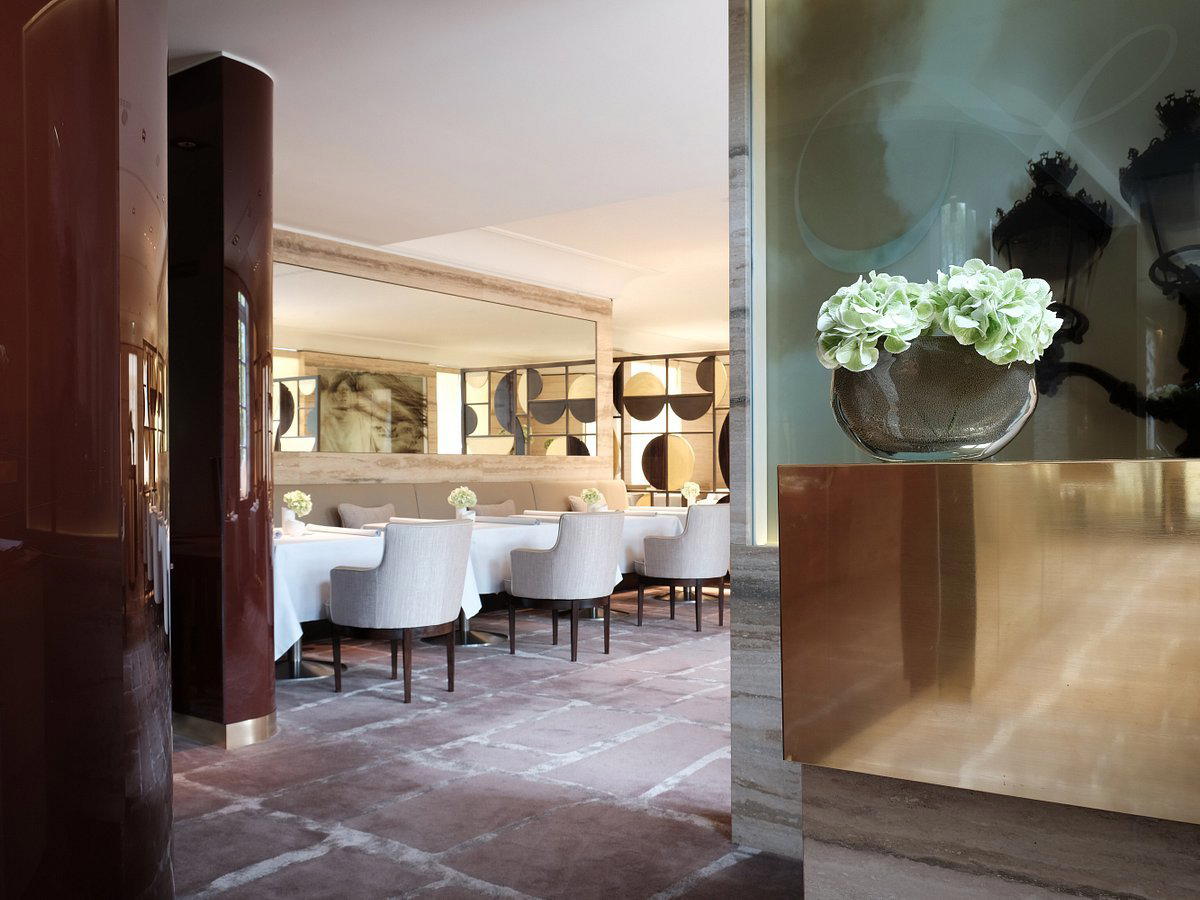
Stylish and tranquil atmosphere with natural light from Gothic windows, high ceilings, minimalist yet elegant design, and inviting public spaces like the stylish library.