1 Michelin Star · We're Smart World 3 Radishes
Our verdict
Taku brings precise Asian cooking to the shadow of Cologne's Cathedral, holding a Michelin star and ranked among Europe's and Japan's notable restaurant lists by Opinionated About Dining. Chef Takuya Satosushi leads a menu that draws on Asian technique while incorporating regional German ingredients, placing it in a small tier of fine-dining restaurants in Cologne that operate outside the French-modern mainstream.

Pearl is the En Primeur Club membership app, where members save venues, book tables and use the concierge.
Asian Fine Dining in the Cathedral Quarter
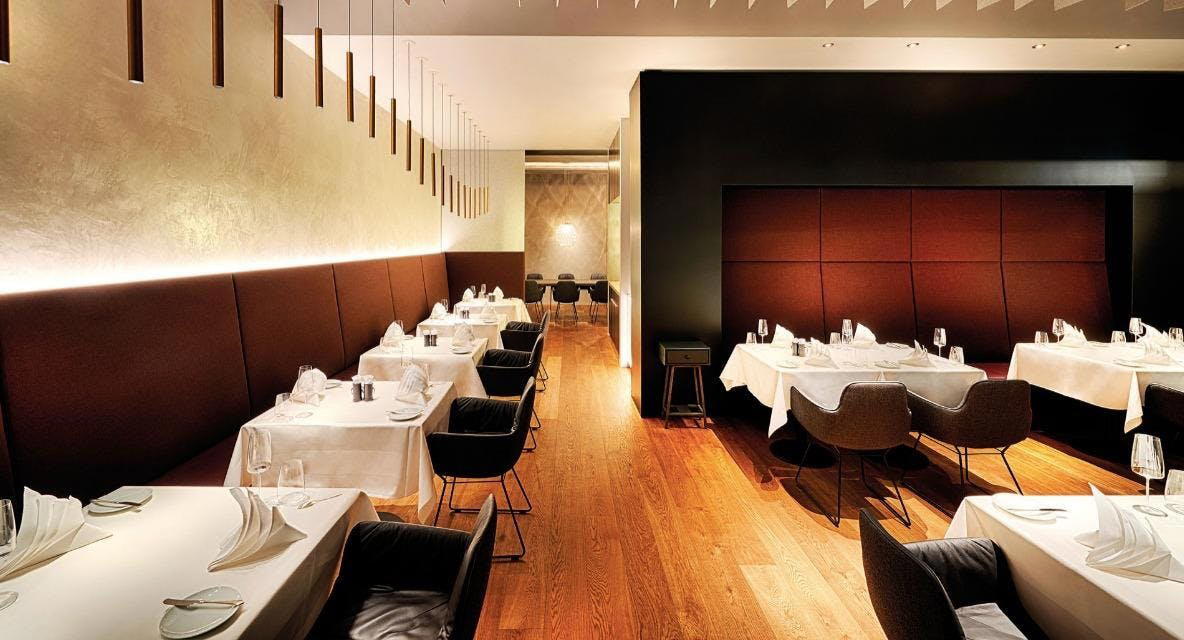
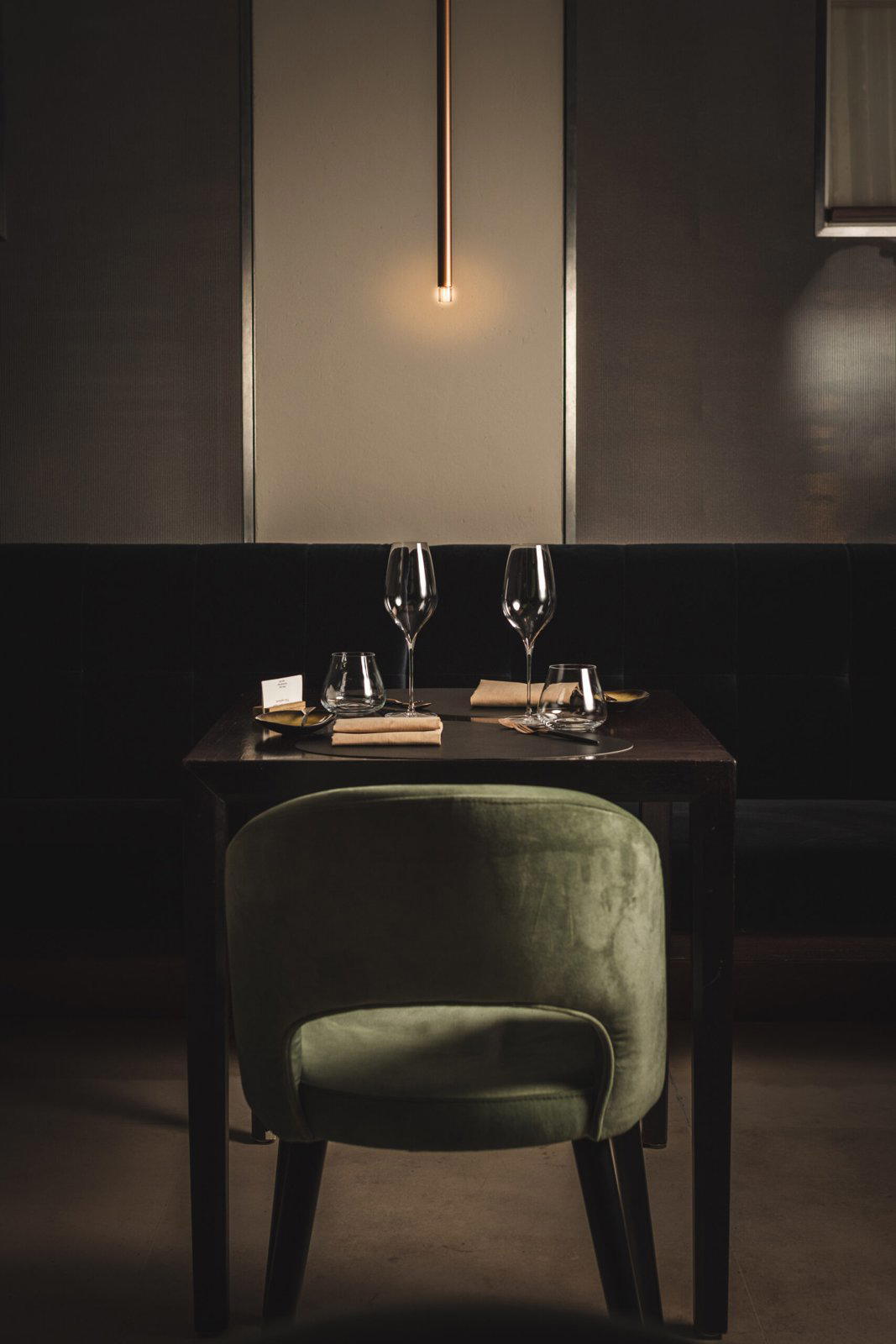
There are very few streets in Germany where a Michelin-starred Asian restaurant sits within eyeline of a Gothic cathedral. Trankgasse 5 is one of them. Approaching Taku from the Domplatte, Cologne's vast cathedral forecourt, the restaurant occupies a position that says something about the city's appetite for fine dining that steps outside the French-modern defaults dominating most of Germany's leading tables. The Cathedral quarter is dense with tourist traffic by day, but by evening it settles into a different register, and Taku's address places it squarely in the city's most recognised hospitality corridor.
Within Cologne's fine-dining tier, which runs from Ox & Klee through La Cuisine Rademacher and La Société to more accessible formats like Le Moissonnier Bistro and maiBeck, Taku occupies a genuinely distinct position.
What the Rankings Say
Awards function as a useful shorthand for competitive positioning. Taku holds a Michelin star as of 2025, which places it in a small group of Cologne restaurants operating at that tier. But the more revealing signals come from Opinionated About Dining, an independent platform with a methodology based on experienced diner submissions rather than anonymous inspectors. In 2025, Taku ranked 292nd among European restaurants and 278th on OAD's Japan-referenced list, an unusual dual placement that reflects both the kitchen's Asian technique and its standing among diners who travel specifically for this category of cooking. In 2024 those figures were 325th in Europe and 218th on the Japan list, meaning the European ranking improved while the Japan list adjusted slightly. The 2023 cycle placed Taku as Highly Recommended on the OAD Japan list before it entered the ranked positions. That trajectory over three years suggests sustained consistency rather than a single strong season.
For context, Germany's most discussed fine-dining rooms include Schwarzwaldstube in Baiersbronn, Aqua in Wolfsburg, and Vendôme in Bergisch Gladbach, all operating with multiple Michelin stars and significant international profiles. Taku at one star and with OAD double-ranking sits in a different but coherent tier: recognised, specialist, and with a clear point of difference in its cuisine category. Closer in spirit to JAN in Munich or ES:SENZ in Grassau in its combination of fine-dining seriousness and non-French framework, Taku represents the kind of address that draws diners from outside Cologne specifically for what it does rather than simply because it is convenient.
The Menu: Asian Technique, Regional Ingredients
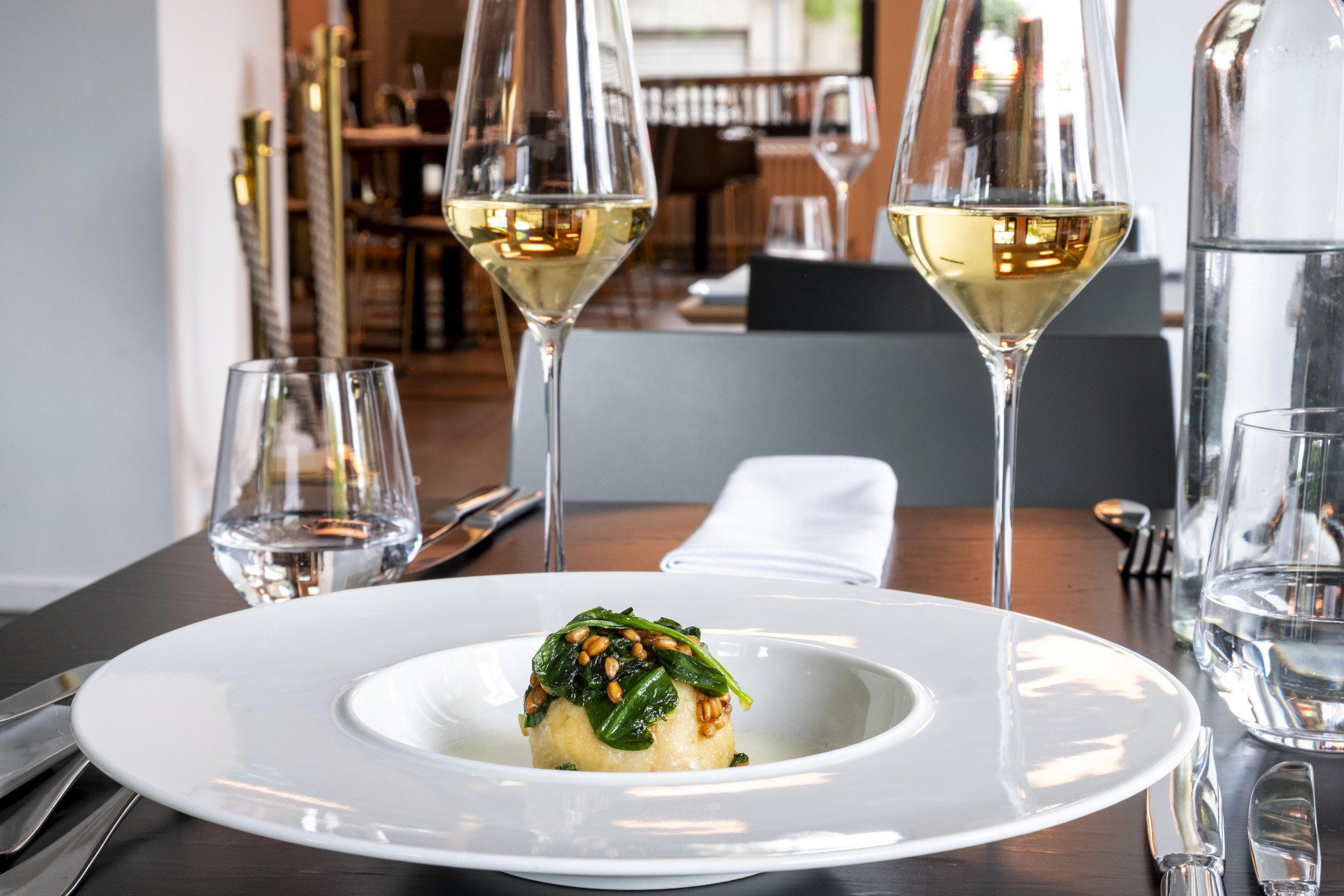
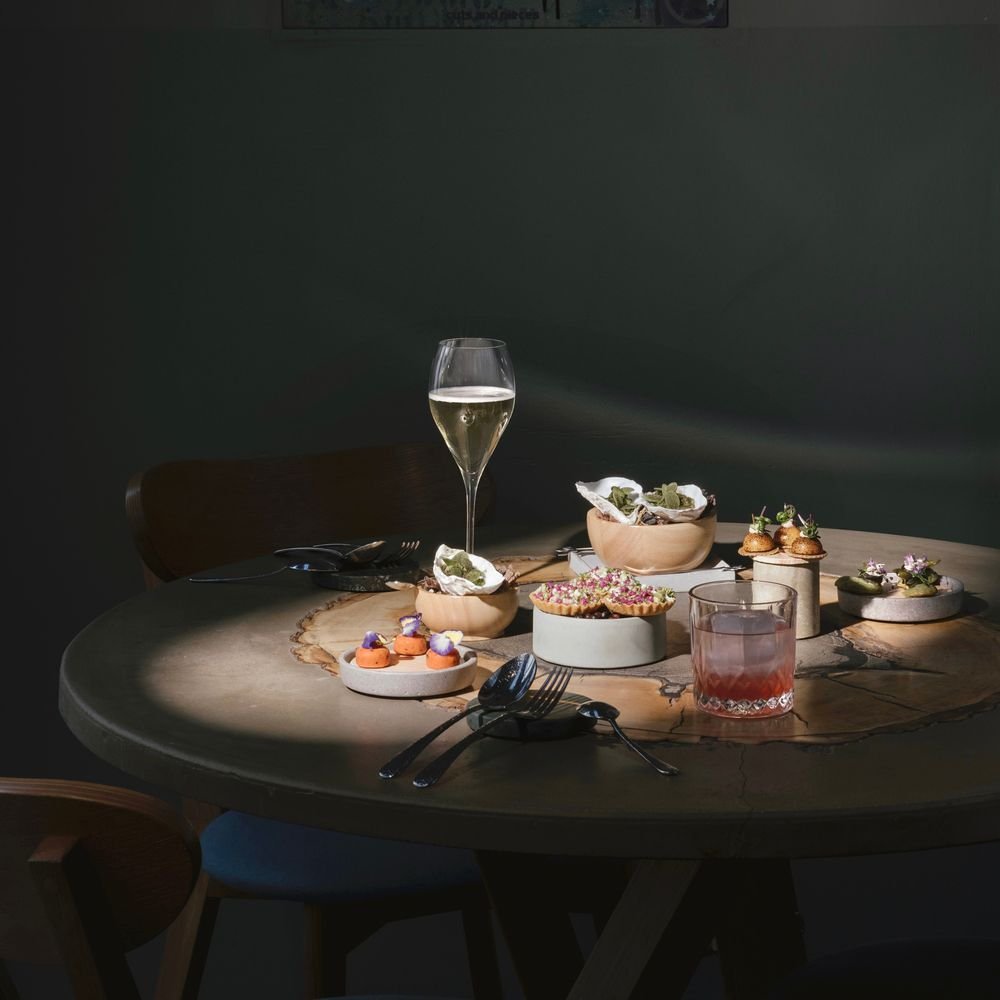
The menu at Taku works within an Asian framework while grounding ingredients in the region. The documentation around the restaurant specifically references a vegetable-led format under chef Mirko Gaul's "Menu Veggie," described as Asian-inflected with main ingredients sourced locally. This intersection, Asian flavour logic applied to German regional produce, places Taku in a category that has few direct German peers. It is a different project from the kaiseki-influenced Japanese restaurants appearing in major European capitals, and equally different from the pan-Asian formats common at hotel dining rooms. The kitchen's approach is better understood alongside specialist addresses like CODA Dessert Dining in Berlin, where a singular technical commitment defines the offer, or international comparisons such as Jun's in Dubai and 53 in New York City, both of which operate within Asian fine-dining frameworks in non-Asian cities.
The price tier, listed at €€€€, puts Taku at the top of Cologne's range, broadly equivalent to the city's other Michelin-level addresses. At this price point, the expectation is a multi-course tasting format, and the Asian-vegetable menu documented in the awards record suggests that guests should arrive prepared for a structured, progressive meal rather than a carte. The vegetable emphasis is not a compromise position; in fine-dining contexts across Asia and in kitchens drawing on those traditions, vegetable-forward menus at this level are among the most technically demanding formats to execute consistently.
Planning a Visit: Booking, Timing, and Access
Editorial angle that matters most for Taku is practical: this is a restaurant that requires forward planning. German Michelin-starred restaurants at the €€€€ tier routinely operate at full capacity weeks ahead, and Taku's OAD recognition means it attracts informed diners from outside the city alongside its local following. Booking as far ahead as possible is the operative instruction, particularly for weekend evenings.
Address at Trankgasse 5, 50667 Köln, places the restaurant at the northern edge of Cologne's Altstadt, within easy walking distance of both the Cathedral and the main train station. This is a practical advantage for visitors travelling by rail: Cologne Hauptbahnhof is one of Germany's busiest intercity rail hubs, with fast connections from Frankfurt, Düsseldorf, and Amsterdam, meaning a dinner at Taku is genuinely viable as part of a same-day or overnight visit. The Cathedral quarter is dense in the early evening with visitors, but the restaurant itself sits in a position that is direct to reach on foot from the station in under ten minutes.
Seasonal timing adds another layer to the planning decision. A kitchen using regional German ingredients will have a different offer in late autumn, when root vegetables, brassicas, and preserved components dominate the regional larder, compared to the early summer months when lighter vegetable forms are available. Neither period is categorically superior, but diners with a preference for a particular seasonal register in vegetable-led cooking should factor this into timing. Germany's fine-dining calendar also clusters around trade fair periods in Cologne, when hotel and restaurant capacity tightens across the city; the international furniture fair IMM in January and Art Cologne in November are the most significant. Booking around those windows requires additional lead time.
For those planning a broader Cologne dining or hospitality itinerary, the full picture is covered in our full Cologne restaurants guide. Accommodation options are mapped in our full Cologne hotels guide, and the city's bar programme is covered in our full Cologne bars guide. Additional city resources include our full Cologne wineries guide and our full Cologne experiences guide.
Where Taku Sits in the Broader Scene
Germany's Asian fine-dining tier is thin outside the major urban centres. Berlin and Munich have the density to support multiple high-end Asian kitchens; Cologne's restaurant market is smaller and historically more anchored in French and modern European formats. That makes Taku's sustained Michelin recognition and OAD double-ranking more significant at the city level than the raw numbers might suggest in a different market. It is the reference address in Cologne for Asian cooking at fine-dining price and ambition levels, and its consistent progression through the OAD ranking system over three consecutive years is the clearest signal of kitchen stability.
For diners building an itinerary around Germany's decorated restaurant addresses, Taku belongs on a list that also includes the French-influenced rooms further up the star count, but for a different reason: it represents a category of cooking that those rooms do not, and in a city where that category has limited competition, the booking case is clear. Arrive with time to explore the Cathedral quarter beforehand; the contrast between the medieval scale of the Dom and the precision of a Michelin-starred tasting menu is one of Cologne's more quietly effective evening sequences.
Frequently Asked Questions
What's the must-try dish at taku?
The documented reference point at Taku is the vegetable menu, specifically chef Mirko Gaul's "Menu Veggie," which applies Asian flavour technique to regionally sourced German produce. This format is the kitchen's defining offer and the clearest expression of what separates Taku from both conventional Japanese fine-dining rooms and German modern-European tasting menus. It is also the element most directly reflected in the restaurant's Michelin recognition and its OAD rankings on the Japan-referenced list, which reward precise, technique-driven Asian cooking rather than geography alone. Guests focused on the full expression of the kitchen's approach should opt for this menu rather than any abbreviated format.
Frequently asked questions
Who's behind the kitchen at taku?
The chef associated with taku is Takuya Satosushi.
What kind of recognition has taku received?
taku has received recognition including: It's a vegetable feast with chef Mirko Gaul's "Menu Veggie" at Restaurant Taku, with elegant Asian flavours and main ingredients from the region. Beautiful, and right under Cologne's "Dom"!; Opinionated About Dining Top Restaurants in Japan….
What's the must-try dish at taku?
Taku's documentation specifically highlights the 'Menu Veggie' created by chef Mirko Gaul, a vegetable-focused tasting menu built on regional ingredients and shaped by Asian technique. It is the dish sequence most consistently cited alongside the restaurant's Michelin star recognition.
What style of cooking does taku do?
What price level is taku?
Pricing at taku is listed as €€€€.
City Peers
| Venue | Cuisine | Price | Awards | Notes |
|---|---|---|---|---|
| takuThis venue (the venue you are viewing) | Asian Fusion Fine Dining | $150–200 | 1 Michelin Star · We're Smart World 3 Radishes | Not listed |
| maximilian lorenz | Modern German Fine Dining | $200–300 | 1 Michelin Star | French Brasserie, Modern Cuisine |
| NeoBiota | Modern European Fine Dining | Not listed | 1 Michelin Star | Modern German, Modern Cuisine |
| ZEN Japanese Restaurant | Modern Japanese Omakase & Sushi | $30–50 | Michelin Plate | Japanese |
| Ox & Klee | Modern European Fine Dining with Six-Sense Concept | $200–300 | 2 Michelin Stars · La Liste Top Restaurants | Modern Cuisine |
| La Cuisine Rademacher | Modern French Fine Dining | $150–200 | 1 Michelin Star | Modern French |
Recognition history
Dated appearances from independent guides and award organizations, with the underlying list record or original source where available.
Michelin 1 Star
Michelin
Opinionated About Dining Top Restaurants in Europe Ranked #292
Opinionated About Dining
We're Smart World 3 Radishes
We're Smart World
Full recognition history (8 entries)
Michelin 1 Star
Michelin
Opinionated About Dining Top Restaurants in Japan Ranked #278
Opinionated About Dining
Opinionated About Dining Top Restaurants in Japan Ranked #218
Opinionated About Dining
Opinionated About Dining Top Restaurants in Europe Ranked #325
Opinionated About Dining
Opinionated About Dining Top Restaurants in Japan Highly Recommended
Opinionated About Dining