Best's Wines
The address on Best's Road says everything about the depth of rootedness here: this is a property shaped as much by geological history as by winemaking decision.

Pearl is the En Primeur Club membership app — saves, bookings, and concierge access live there. Same editors, same standards.
- Address
- 111 Best's Road, Great Western VIC 3374
- Phone
- +61 3 5356 2250
- Website
- bestswines.com
- Directions
- Get directions
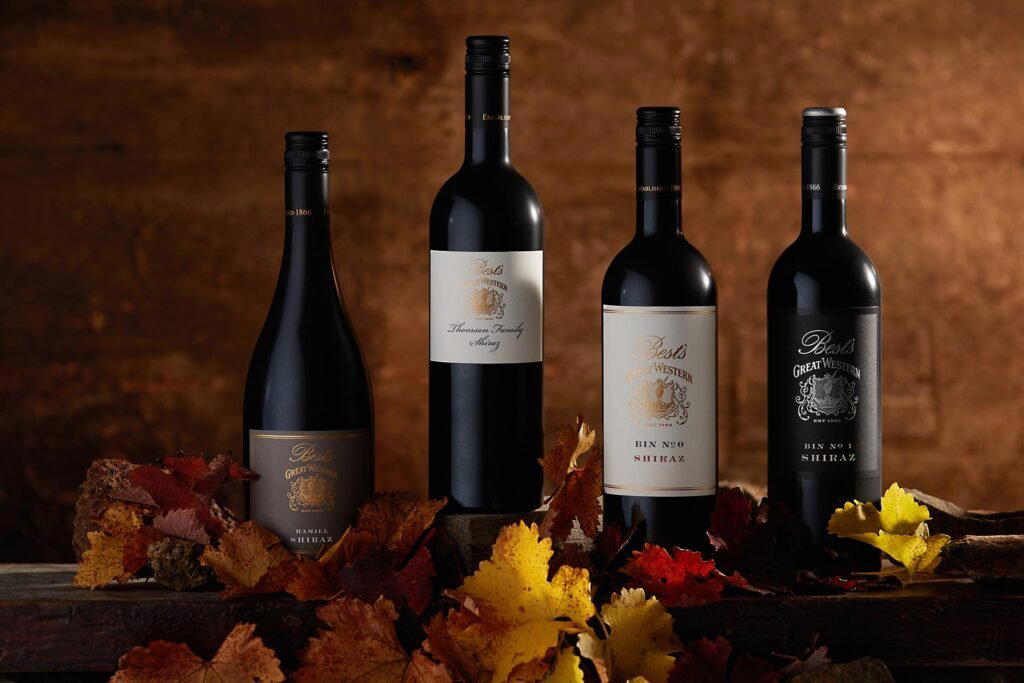
Old Vines, Deep Soil: The Case for Great Western
Australia's premium wine conversation tends to orbit Barossa, McLaren Vale, and Margaret River, with occasional detours to the Yarra Valley or Clare. Great Western sits further from that circuit, a small town in Victoria's Grampians region where altitude, volcanic red loam, and a diurnal temperature range that would alarm a coastal winemaker combine to produce wines with a profile that few other Australian addresses can replicate. Leading's Wines, at 111 Best's Road, is among the most historically embedded estates in that context.enprimeurclub.com/wineries/henschke">Henschke in the Eden Valley and All Saints Estate in Rutherglen for depth of regional identity.
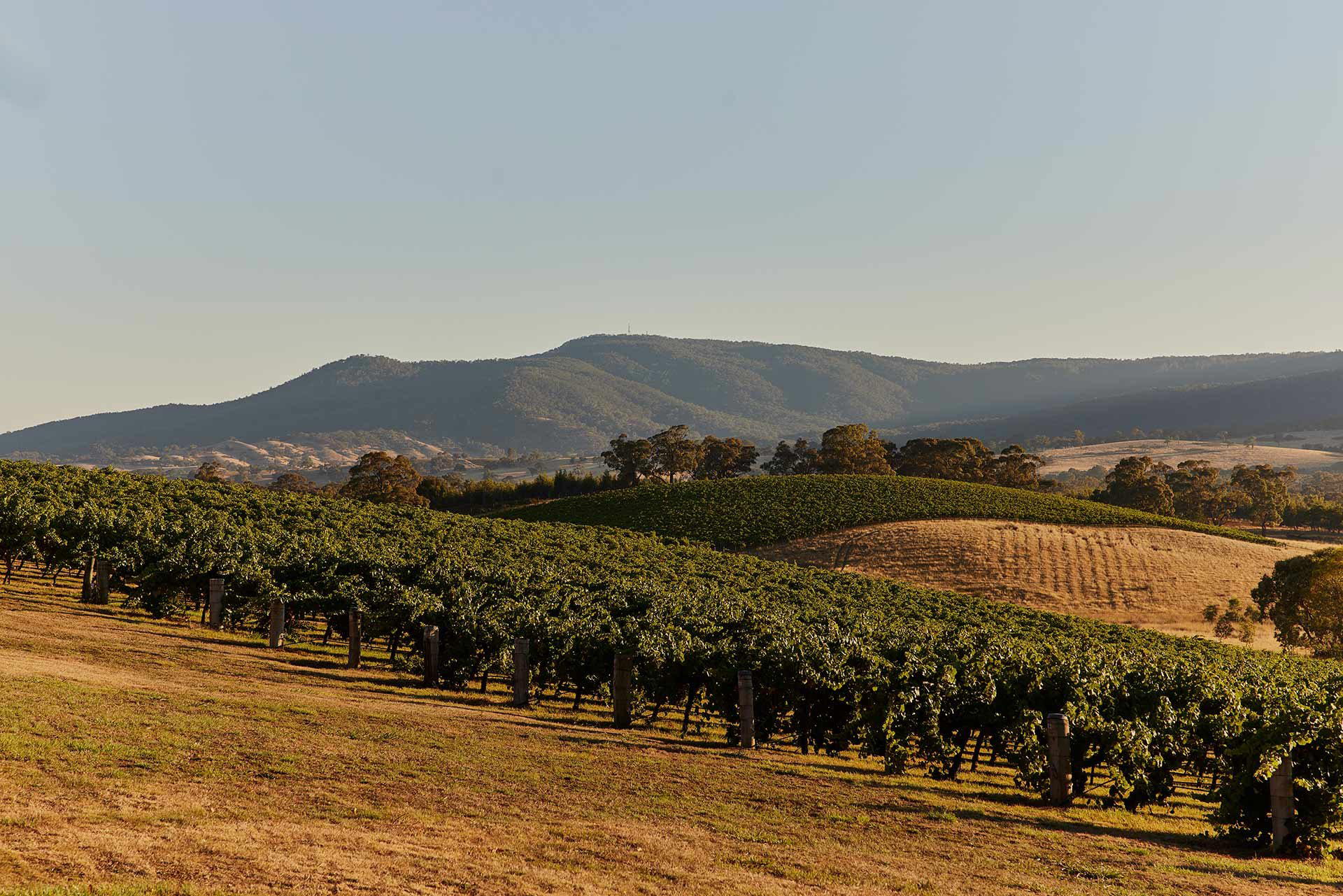
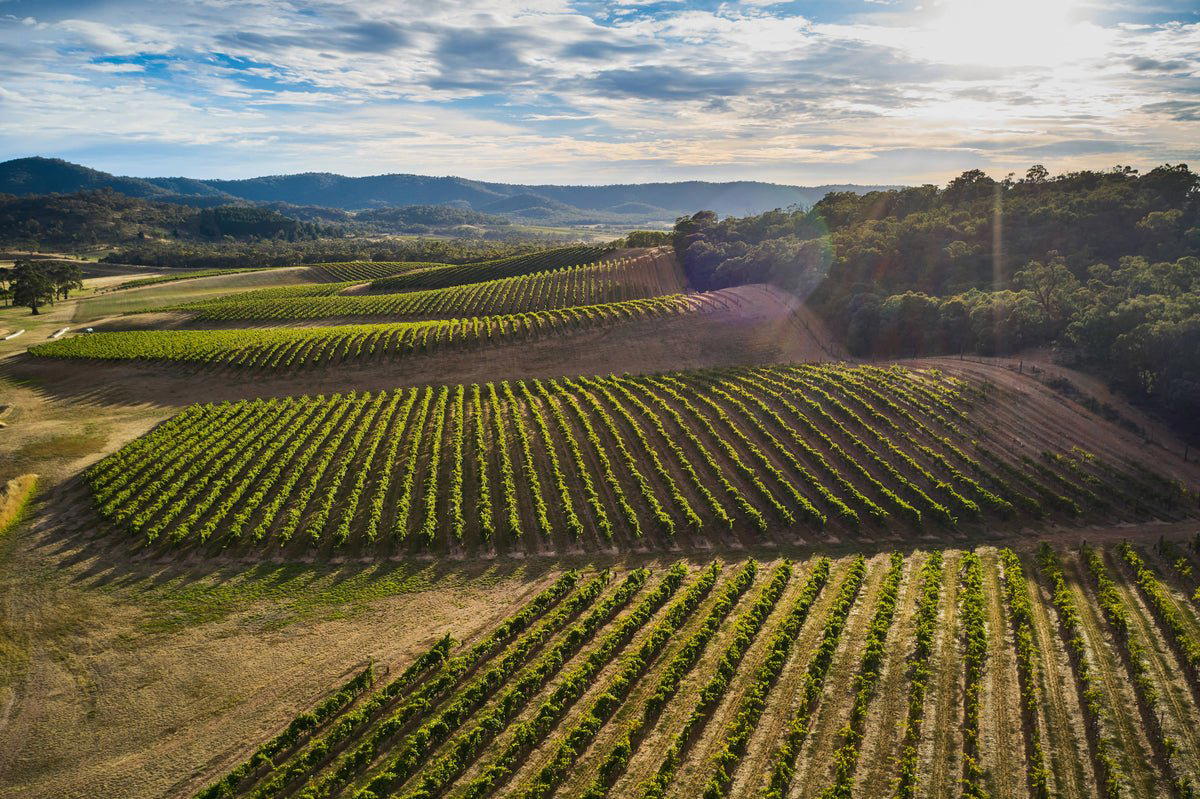
The Grampians is not a warm-climate region doing warm-climate things. At elevations pushing toward 300 metres and beyond, with cool nights pulling back sugar accumulation even in strong vintages, the wines that come from this corner of western Victoria carry a structural tension that distinguishes them from lower-altitude peers. That tension is the editorial point. Leading's is not a winery that happens to be old; it is a winery whose age is meaningful precisely because the vines and the terroir have had time to arrive at something settled and specific.
What the Land Is Actually Doing
Great Western's geology reads as a collision of volcanic and sedimentary influences. The red loam over clay and basalt that characterises much of the Grampians sub-region produces wines — particularly from Shiraz and to a lesser extent Pinot Meunier and Pinot Noir, with a mineral grip that shows up in the mid-palate rather than on the nose. This is a different register than, say, the ironstone of McLaren Vale or the gravel and sand mixes that Cape Mentelle in Margaret River works with. The result in Great Western is wines that can appear restrained in youth and then open considerably over time, a structural signature that rewards patience and that positions the region's serious producers within a collector rather than immediate-consumption frame.
Cool-climate Victorian winemaking, as practised at estates across the Grampians and into Gippsland (where Bass Phillip operates at a similarly niche prestige tier), increasingly positions itself against the dominant Australian idiom of ripeness and generosity.
The Cellar Door and What to Expect There
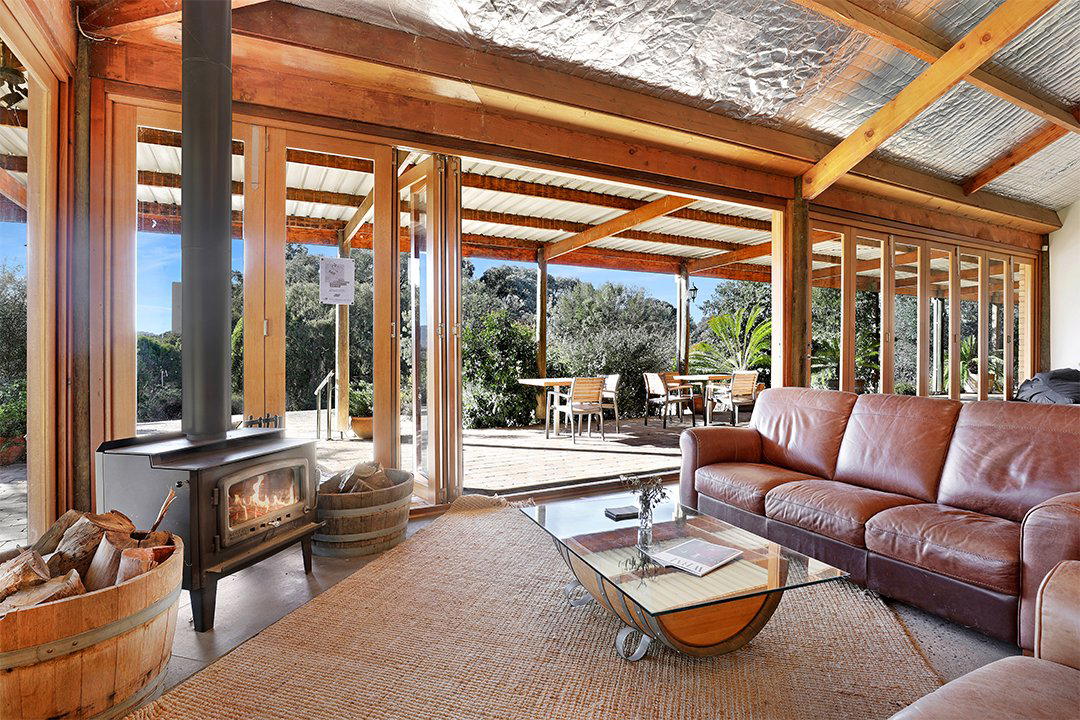
Arriving at Great Western, the experience is physically remote in a way that clarifies the visit's purpose. The region does not have the food-and-lifestyle infrastructure of the Yarra Valley or the Barossa; a trip here is primarily about the wine and what the land behind it looks like. Leading's cellar door on Leading's Road is set within a working property, not a hospitality precinct. The atmosphere is closer to the understated professionalism you find at serious small estates in Burgundy or the Clare Valley than to the curated visitor experience of larger Australian brands.
For visitors planning a trip, Great Western is approximately two and a half hours by road from Melbourne, making it a natural anchor for a longer Grampians itinerary that might include neighbouring producers. The Blue Pyrenees Estate in Pyrenees sits within the same broader region and offers a useful contrast in scale and style. Booking ahead before visiting Leading's is advisable, particularly outside standard cellar door hours; the lack of a publicly listed phone number in current directories suggests direct outreach via any available contact channels or their website is the practical route. The estate draws a visitor who has done some reading beforehand, not one stopping in on impulse from the highway.
Positioning in the Australian Prestige Tier
Australia's premium wine tier has always had room for a category of estates defined by historical depth rather than marketing investment. Penfolds and Brown Brothers in King Valley represent the larger, institutionalised end of that history. Leading's operates in a more specialised register: smaller, focused on regional expression, and carrying the kind of provenance that collectors and serious tasters seek out rather than stumble across.
The comparison set that Leading's most naturally occupies in Australian terms includes estates like Clarendon Hills in the Adelaide Hills fringe, which shares the emphasis on old vines and terroir transparency, and Bird in Hand in Adelaide Hills at a slightly different market position. Brokenwood in Hunter Valley offers another reference point for how Australian regional identity can sustain a prestige reputation across decades without losing its specificity. What these producers share is a willingness to let the place do the argumentative work, rather than the winemaker's intervention or the brand story.
Internationally, the analogy is to those Burgundy domaines or Northern Rhône estates where the address has come to mean something independent of who is currently holding the pruning shears. The vine age at Great Western, in a region that escaped the worst of phylloxera's spread through parts of Victoria, contributes a depth of flavour that younger plantings cannot replicate. This is not a romantic claim; it is a structural one. Pre-phylloxera or near-contemporary vine stock concentrates less water and more solute per berry, and that shows in the wine's texture and persistence.
For EP Club members planning a Victorian wine itinerary, Leading's Wines is most logically combined with an exploration of the broader Grampians zone and cross-referenced against the wider Great Western guide for context on the region's other producers and visitor infrastructure. Those extending further afield might add Angove Family Winemakers in Renmark to understand how a different Australian climate, warmer, flatter, river-influenced, produces a contrasting expression under the same continental umbrella.
Fast Comparison
Comparable venues nearby, for context on price, style, and recognition.
| Venue | Cuisine | Price | Awards | Notes |
|---|---|---|---|---|
| Best's WinesThis venue — the venue you are viewing | Shiraz, Riesling | $10–20 | Not listed | Not listed |
| Thistledown Wines | Grenache, Shiraz | $50–100 | Not listed | McLaren Vale |
| Taltarni Vineyards | shiraz, cabernet sauvignon | Not listed | Not listed | Pyrenees |
| Baldwin Distilling Company | Winery | Not listed | Not listed | Canberra |
| Lethbridge Wines | Pinot Noir, Chardonnay | Not listed | Falstaff Winery - Listed | Moorabool Valley |
| Crittenden Estate | Pinot Noir, Chardonnay | Not listed | Not listed | Dromana |
Continue exploring
More in Great Western
Details
- Rustic
- Historic
- Classic
- Scenic
- Well Known
- Wine Education
- Solo Exploration
- Group Outing
- Special Occasion
- Historic Building
- Vineyard Tour
- Estate Grounds
- Cave Tasting
- Sustainable
- Vineyard
- Mountain
- Shiraz
- Riesling
- Pinot Meunier
- Cabernet Sauvignon
- Pinot Noir
- Still Red
- Still White
- Seated Tasting
- Cellar Door Tasting
- English
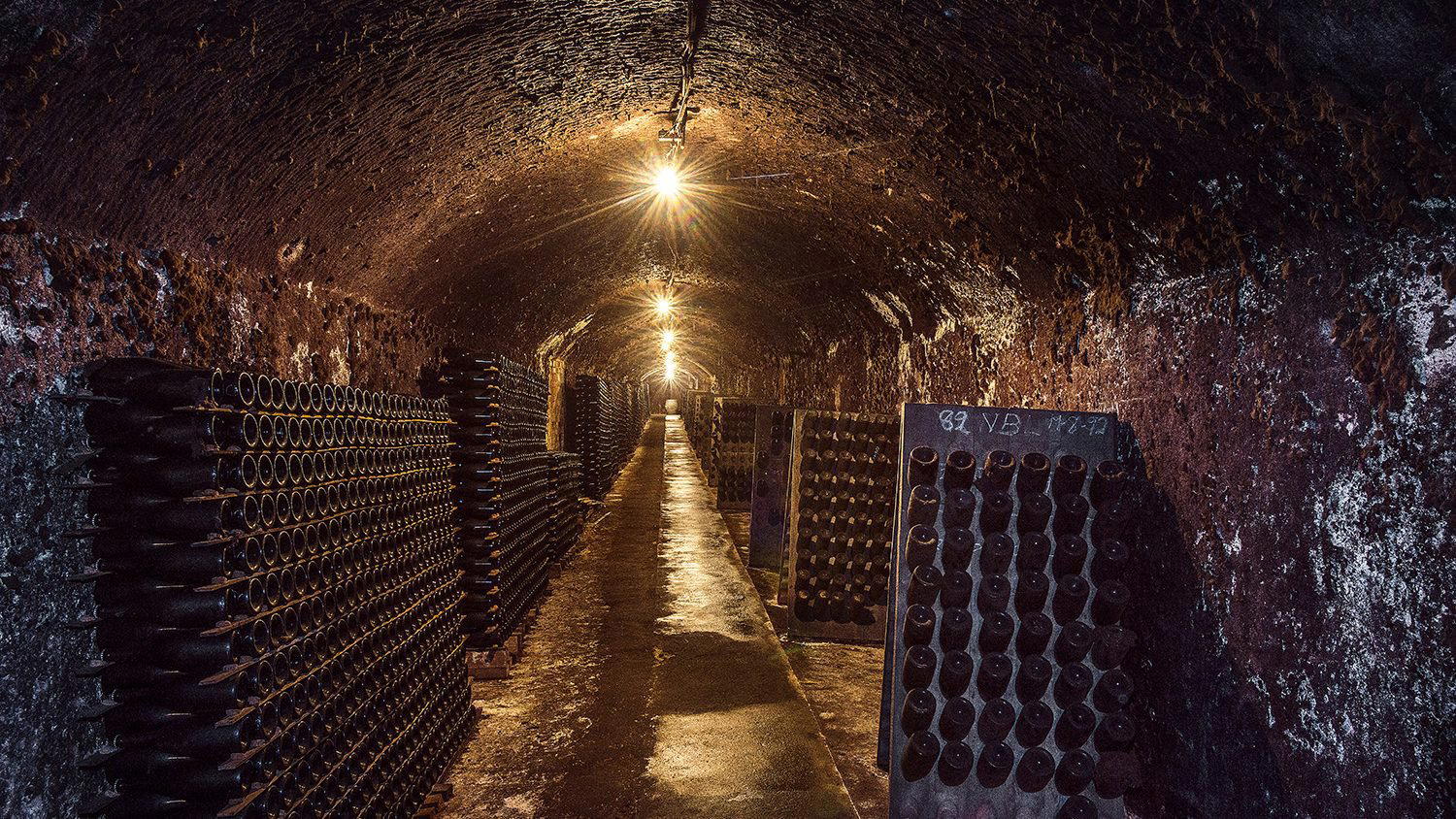
Rustic and atmospheric historic setting with charming cellar door in the original 1866 building, offering a timeless, elegant experience.