Frogmore Creek Cellar Door and Restaurant sits on Richmond Road in Cambridge, Tasmania, placing it at the edge of one of Australia's most productive cool-climate wine corridors. The property combines estate wine tasting with food service in a format that increasingly defines how serious Australian wineries present themselves to visitors. For travelers moving between Hobart and the Coal River Valley, it functions as both a regional introduction and a destination in its own right.
Pearl is the En Primeur Club membership app — saves, bookings, and concierge access live there. Same editors, same standards.
- Address
- 699 Richmond Rd, Cambridge TAS 7170, Australia
- Phone
- +61 3 6274 5844
- Website
- frogmorecreek.com.au
- Directions
- Get directions
 Saves & bookings on Pearl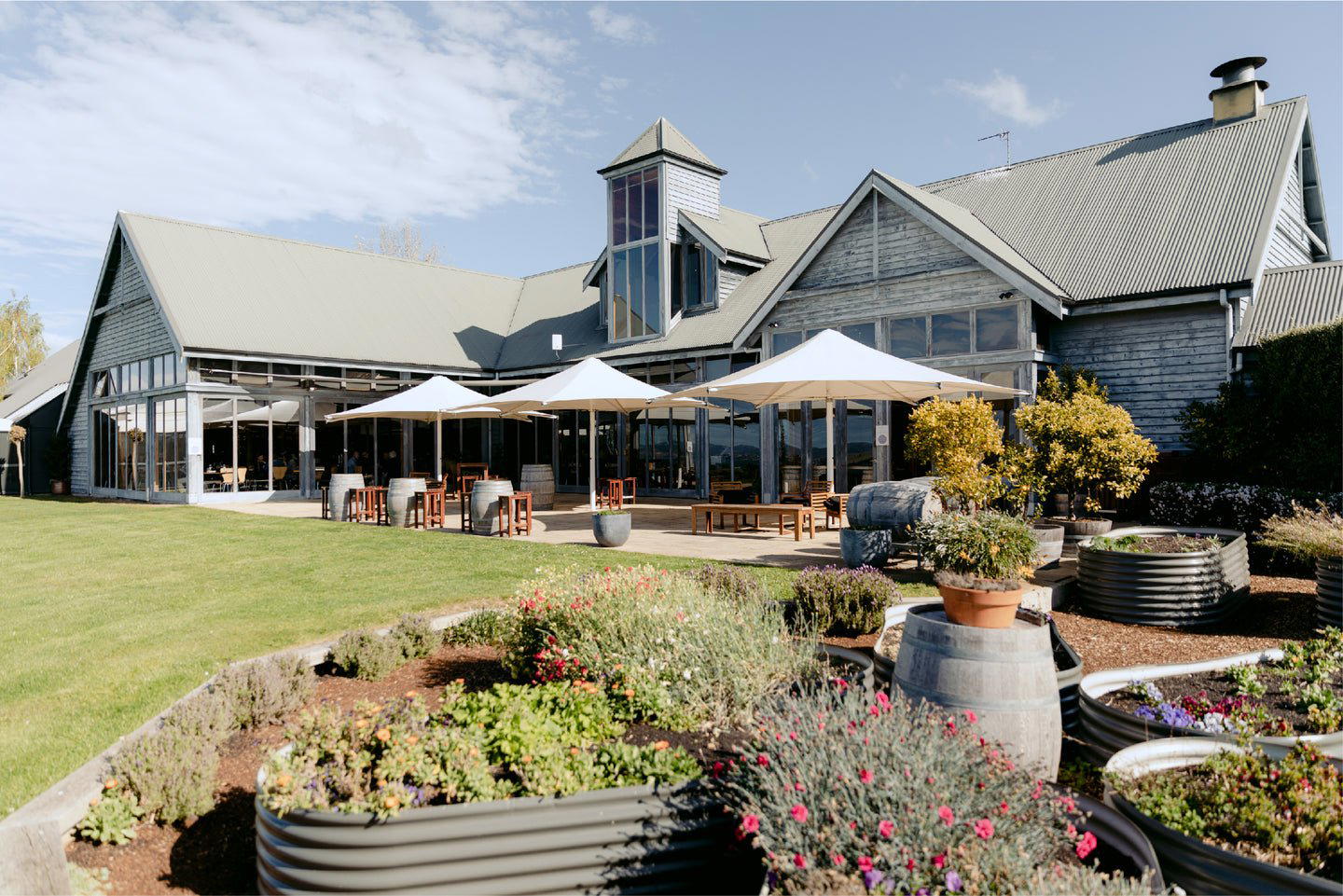
The Coal River Valley, Framed in Glass
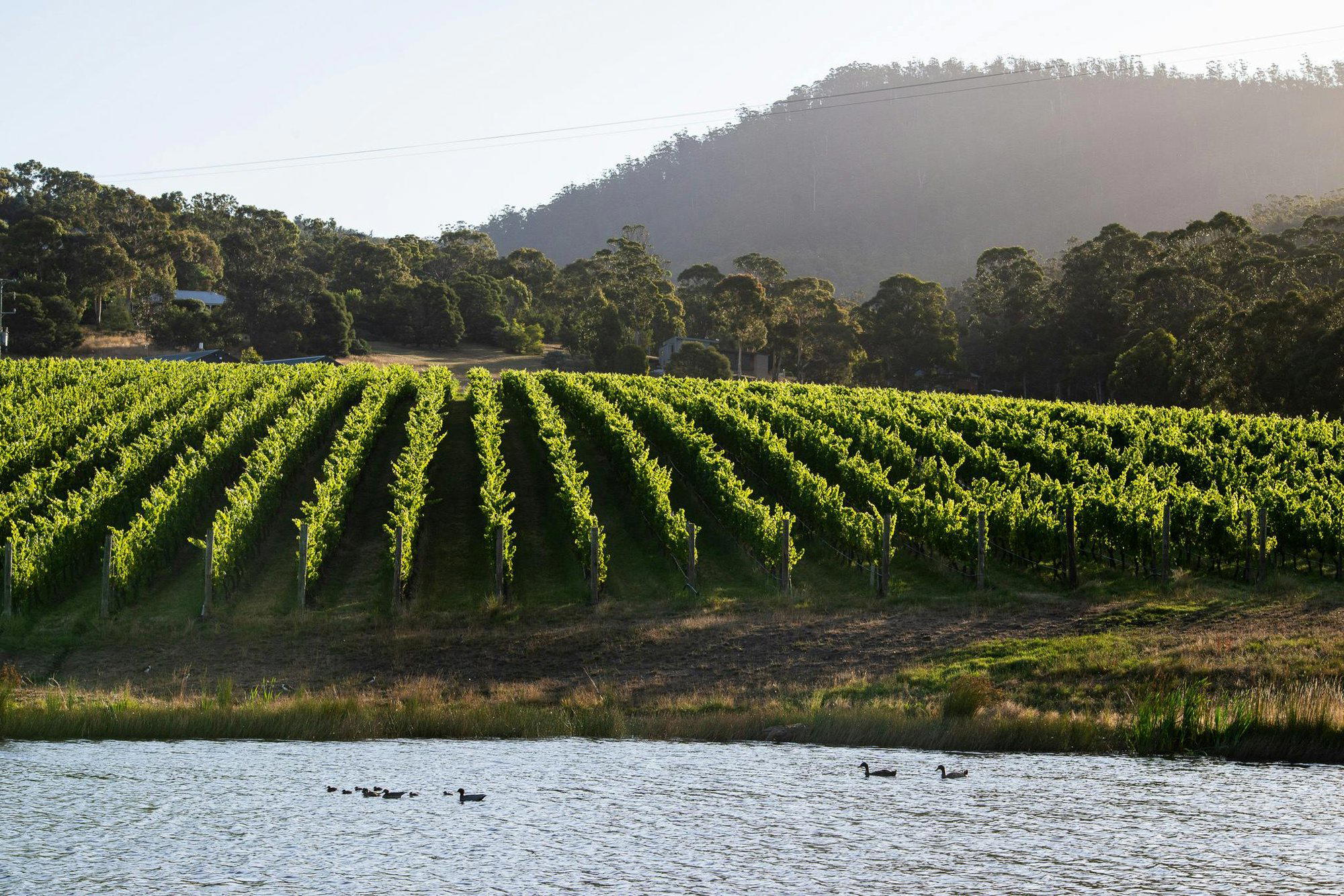
The drive east from Hobart along Richmond Road flattens quickly into open agricultural land, and the shift from city to wine country happens in under twenty minutes. This is the Coal River Valley, one of Tasmania's driest and warmest sub-regions by local standards, which still places it firmly in cool-climate territory by any mainland Australian comparison. Pinot Noir, Chardonnay, Riesling, and sparkling base wines are the currencies of this corridor, and the cellar doors that line it occupy a different register from the tourist-facing wine rooms of the Yarra Valley or McLaren Vale. The scale is smaller, the scenery less manicured, and the winemaking conversation more technical. Frogmore Creek Cellar Door and Restaurant at 699 Richmond Road sits inside this context.
The first is destination-restaurant-attached-to-winery, where the food program carries independent critical weight, comparable to what Hentley Farm in Seppeltsfield or Laura at Pt Leo Estate in Merricks has achieved in their respective regions. The second is cellar door with serious food service, where the wine remains the anchor and the kitchen supports rather than competes. Frogmore Creek operates in the second category, which is not a lesser position, it is a different contract with the visitor, one that keeps the focus on what the Coal River Valley actually produces in bottle.
Place as the Primary Argument
The location on Richmond Road is deliberate geography. Cambridge itself is not a dining destination in the way that Hobart's Salamanca district or Launceston's restaurant strip attracts visitors specifically for food. It functions instead as a transit corridor: the road to the historic town of Richmond, the approach to the airport, the artery connecting Hobart to the peninsula's wine country. A property positioned here is making a bet on the journey rather than the destination, which suits a cellar door format precisely because the visit is by definition purposeful. No one arrives at Frogmore Creek by accident.
That purposefulness shapes the experience. Visitors arriving from Hobart, roughly fifteen to twenty minutes by car, are arriving with intent, to taste wine, to understand a region, to eat something that connects to the land they are looking at. The Coal River Valley's cool-climate character means the wines tend toward restraint and structure rather than richness, a profile that pairs logically with the kind of produce-led, regionally sourced food service that serious Australian cellar doors have adopted. This is the same logic that runs through properties like Provenance in Beechworth and Pipit in Pottsville, where the food and the setting are in dialogue with a specific place, not generic fine-dining aspiration.
Tasmania's Wine Identity and What It Means Here
Tasmania occupies a distinctive position in the Australian wine conversation. The island's cool maritime climate produces sparkling wines that are among the more technically credible in the Southern Hemisphere, with long growing seasons and natural acidity that mainland regions spend considerable effort trying to replicate. The Coal River Valley is warmer and drier than the Tamar Valley to the north or the Huon Valley to the south, giving it a slightly different flavor profile within the island's portfolio, more approachable Pinot Noir, structured Chardonnay, and Riesling with regional specificity.
Frogmore Creek is one of the valley's established names in this conversation, positioned in a comparable set that includes other Coal River producers rather than competing against the larger, internationally recognized houses of mainland Australia. These are different proposals to the visitor, and understanding which proposal you are accepting matters for how you read the experience.
The island has developed a coherent food identity over the past fifteen years, and properties like Frogmore Creek function as regional anchors within that identity rather than standalone spectacles. Compare this to the isolated destination logic of Lizard Island Resort, where remoteness is itself the proposition, here, the value is in connectivity and regional coherence.
The Cellar Door Format in Context
Australia's premium cellar door model has been refined over two decades of wine tourism development. The format that has emerged at the serious end, tasting menus or à la carte service using estate or local produce, wine flights paired to food, staff who can move fluently between wine education and hospitality, is now a genuine alternative to urban restaurant dining for visitors with the mobility to reach it.
For context on what serious Australian regional dining looks like across different formats and states, Rockpool in Sydney, Botanic in Adelaide, and Ormeggio at The Spit in Mosman each represent different configurations of the same underlying movement: serious local sourcing, regional wine integration, and a dining format that treats the setting as part of the argument. Frogmore Creek's version of that argument is built around the Coal River Valley specifically, not Australian fine dining in the abstract.
Planning Your Visit
Cambridge sits close enough to Hobart that a visit to Frogmore Creek integrates naturally into a day that might start in the city and extend through the valley. Visitors without a car face limited options on this stretch of Richmond Road, so driving or arranging private transport is the practical approach. The adjacent town of Richmond, a short drive further east, has its own heritage and food offerings, making a combined itinerary sensible for those spending a full day in the valley. Bookings are recommended, and the cellar door is open Monday to Sunday with hours varying by day.
For a broader picture of what the Cambridge and greater Hobart region offers across dining formats, our full Cambridge restaurants guide maps the area's options with the same editorial rigor. And if a city-based meal before or after the valley is on the agenda, Cambridge's urban counterparts, from the approachable format of 730 Tavern, Kitchen and Patio to the focused coffee culture of 1369 Coffee House, fill the day's edges without competing with the winery's specific offer.
Just the Basics
Comparable venues nearby, for context on price, style, and recognition.
| Venue | Price | Notes |
|---|---|---|
| Frogmore Creek Cellar Door & RestaurantThis venue — the venue you are viewing | $$$ | Not listed |
| Callington Mill Distillery at MACq 01 Hobart | $$$ | Hobart Waterfront, Modern Australian Whisky Dining |
| Peppermint Bay & Peppermint Bay Cruises | $$$ | Woodbridge, Modern Australian with Local Tasmanian Seafood |
| Pigeon Hole | $$ | West Hobart, Australian Farm-to-Table Cafe |
| The Astor Grill | $$$ | Hobart CBD, Contemporary Australian Grill |
| Landscape Restaurant & Grill | $$$ | Hobart waterfront, Tasmanian Steakhouse Grill |
Continue exploring
More in Cambridge
Restaurants in Cambridge
Browse all →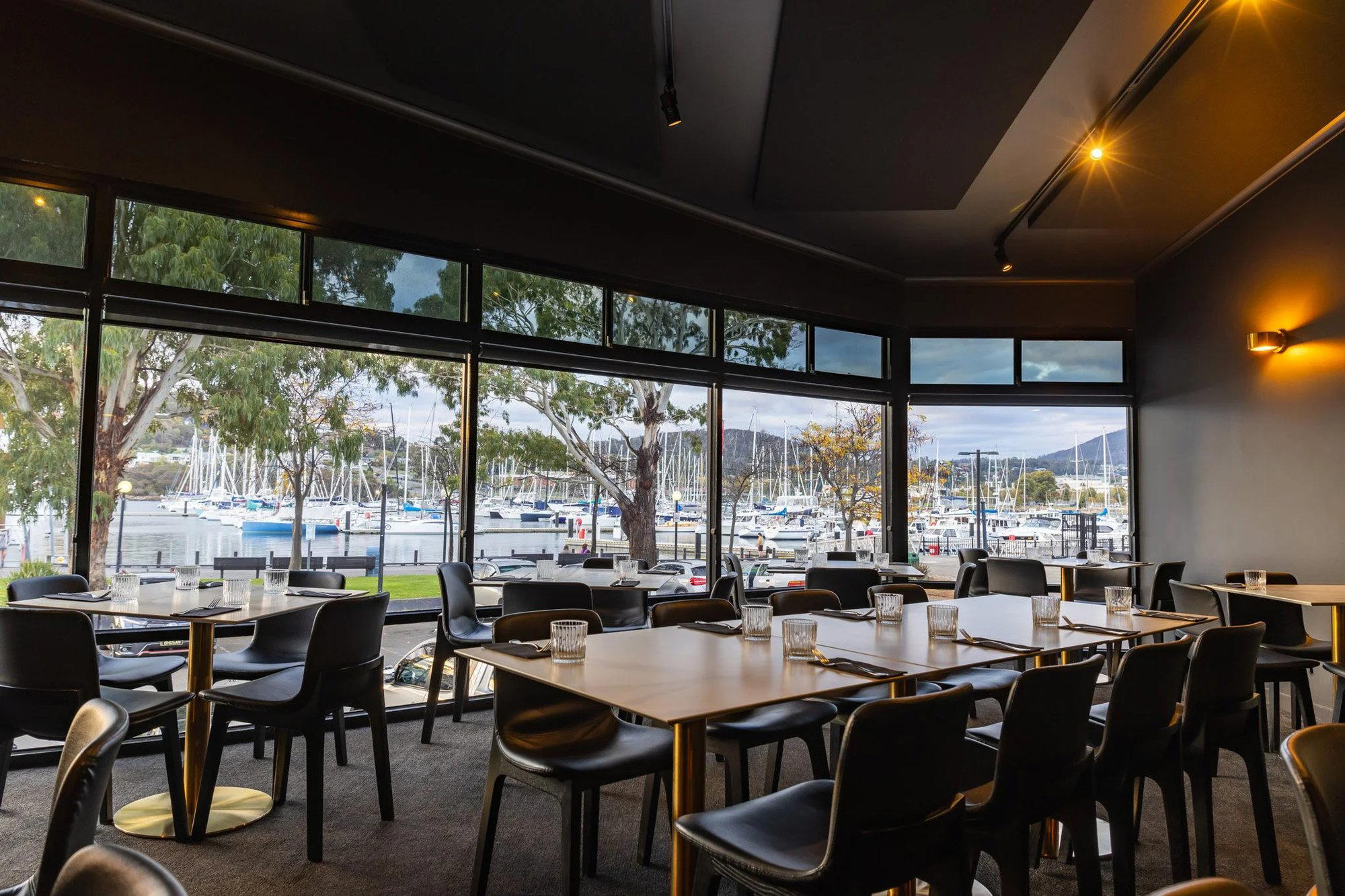
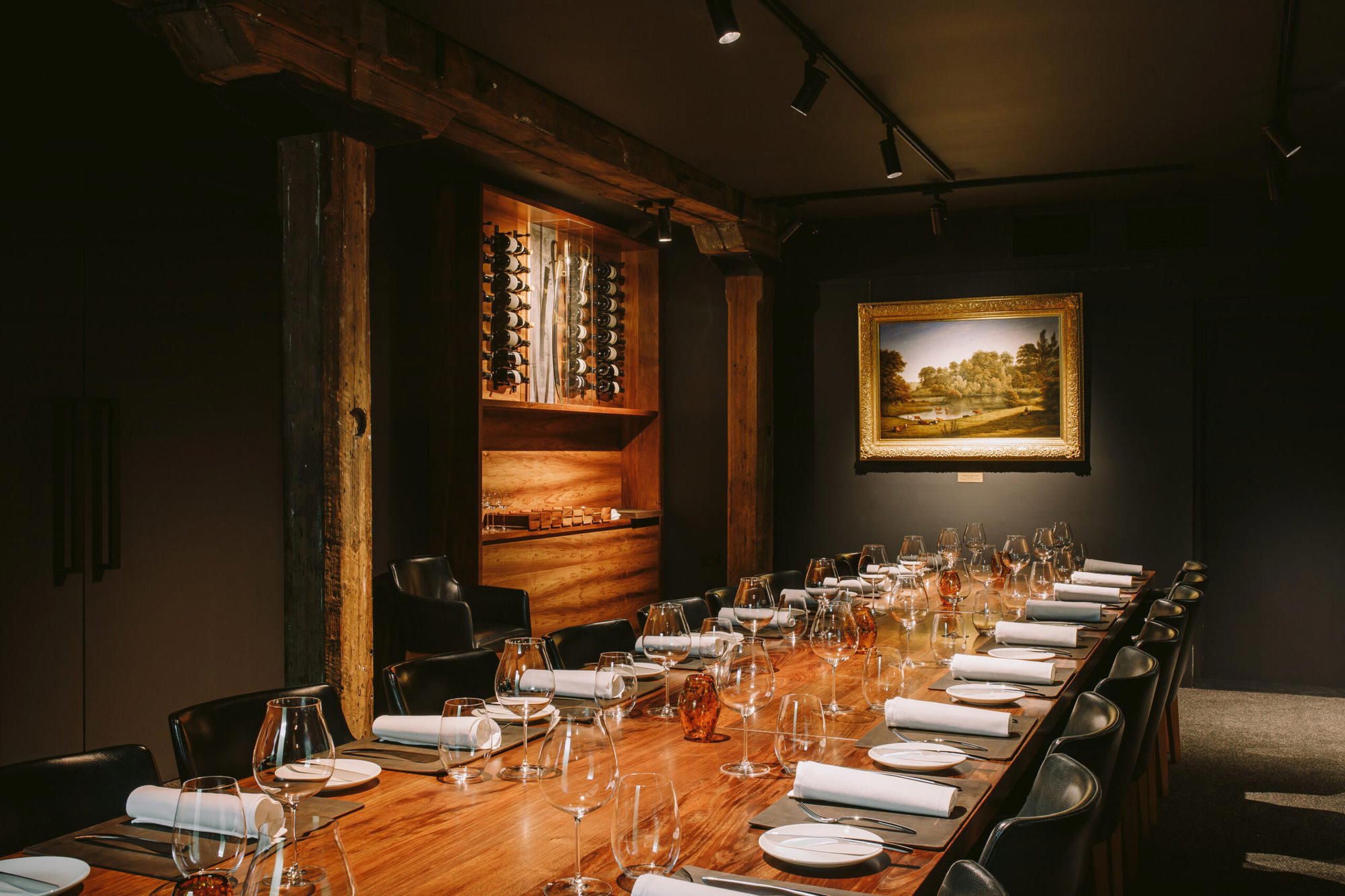
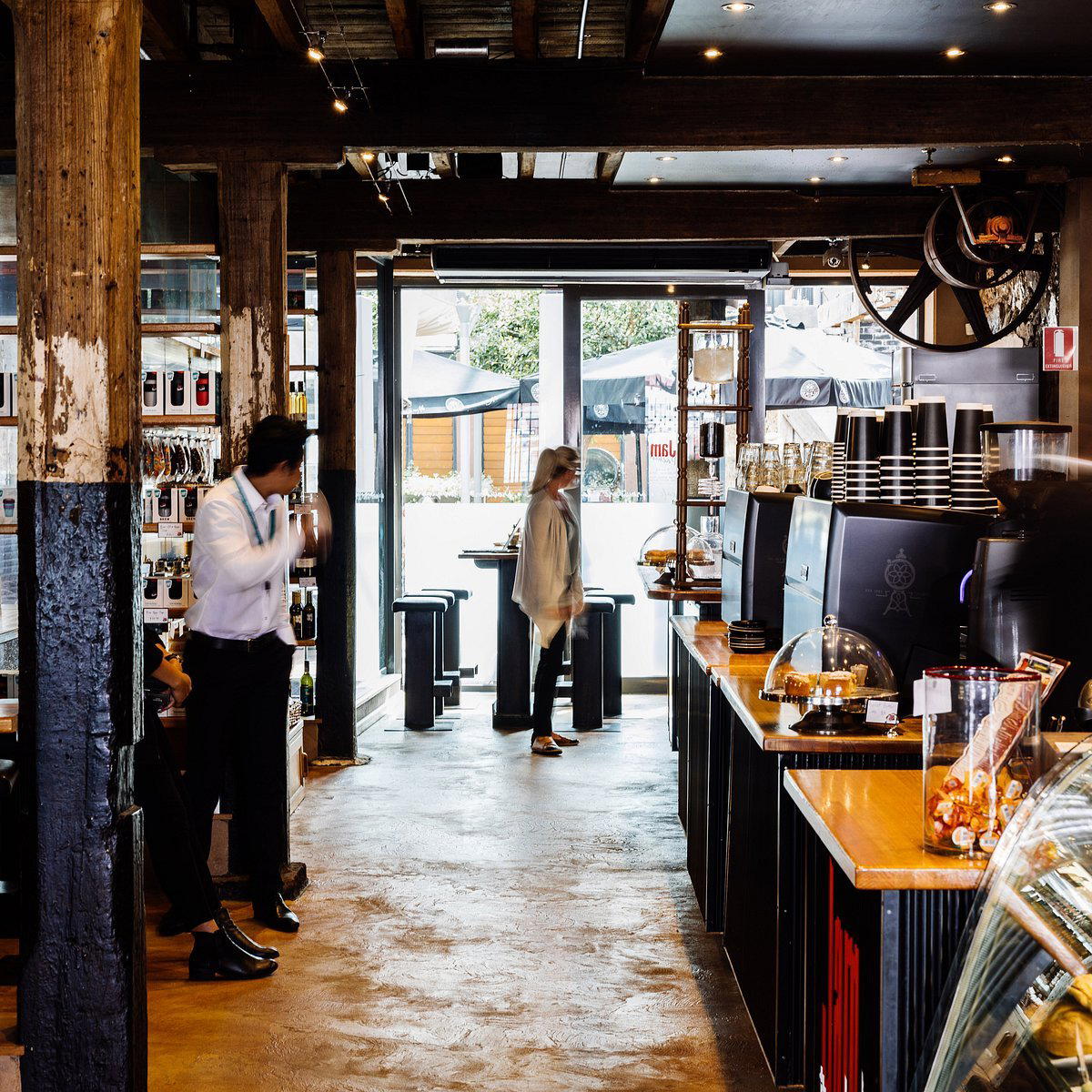
Bars in Cambridge
Browse all →

Hotels in Cambridge
Browse all →

At a Glance
- Scenic
- Elegant
- Rustic
- Sophisticated
- Date Night
- Special Occasion
- Wine Cellar
- Panoramic View
- Extensive Wine List
- Local Sourcing
- Farm To Table
- Vineyard
- Garden
Current opening hours
- Monday
- 10 AM–5 PM
- Tuesday
- 10 AM–4 PM
- Wednesday
- 10 AM–5 PM
- Thursday
- 10 AM–5 PM
- Friday
- 10 AM–5 PM
- Saturday
- 10 AM–5 PM
- Sunday
- 10 AM–5 PM
Hours can change for holidays and private events. Last verified .
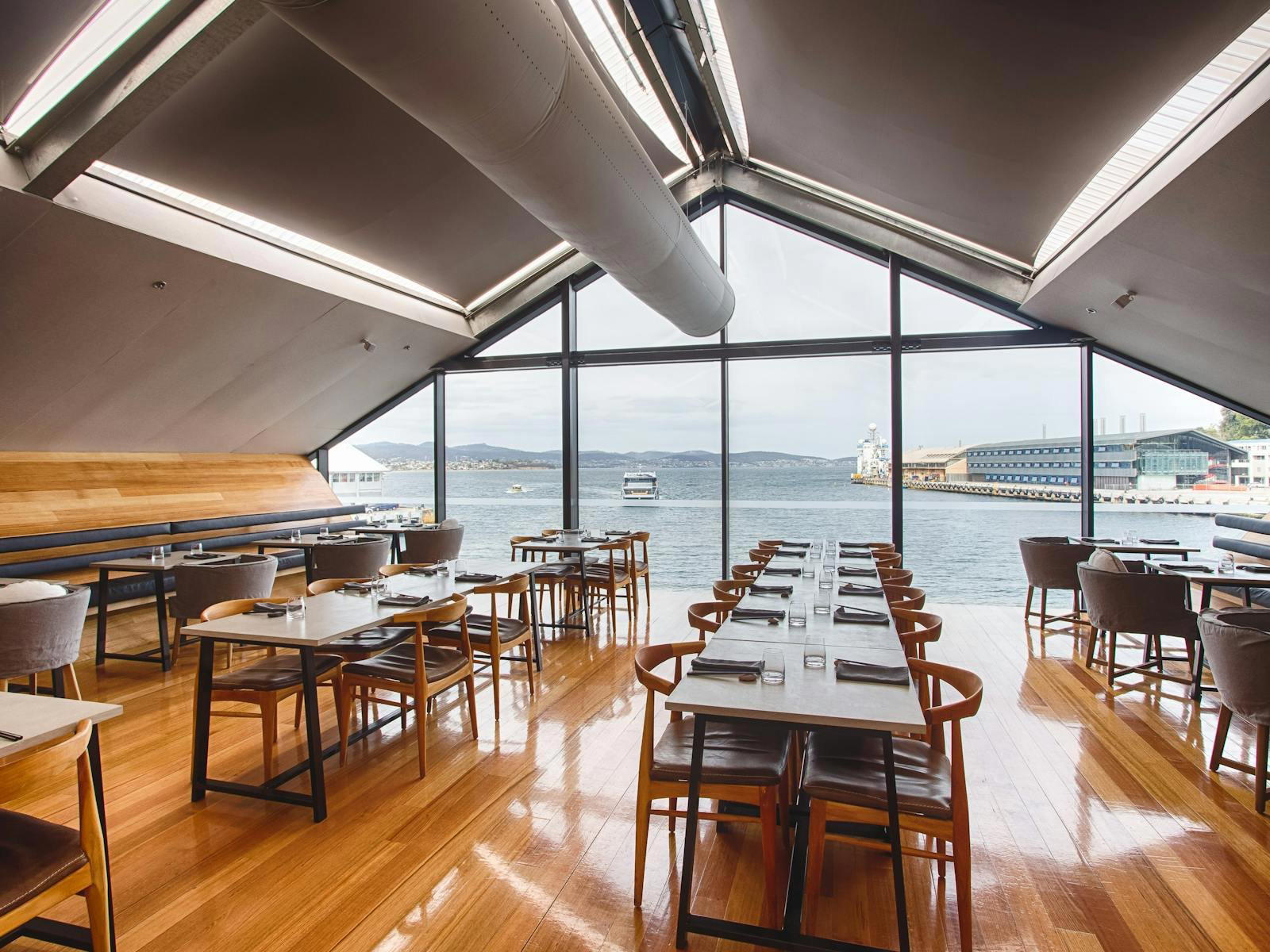
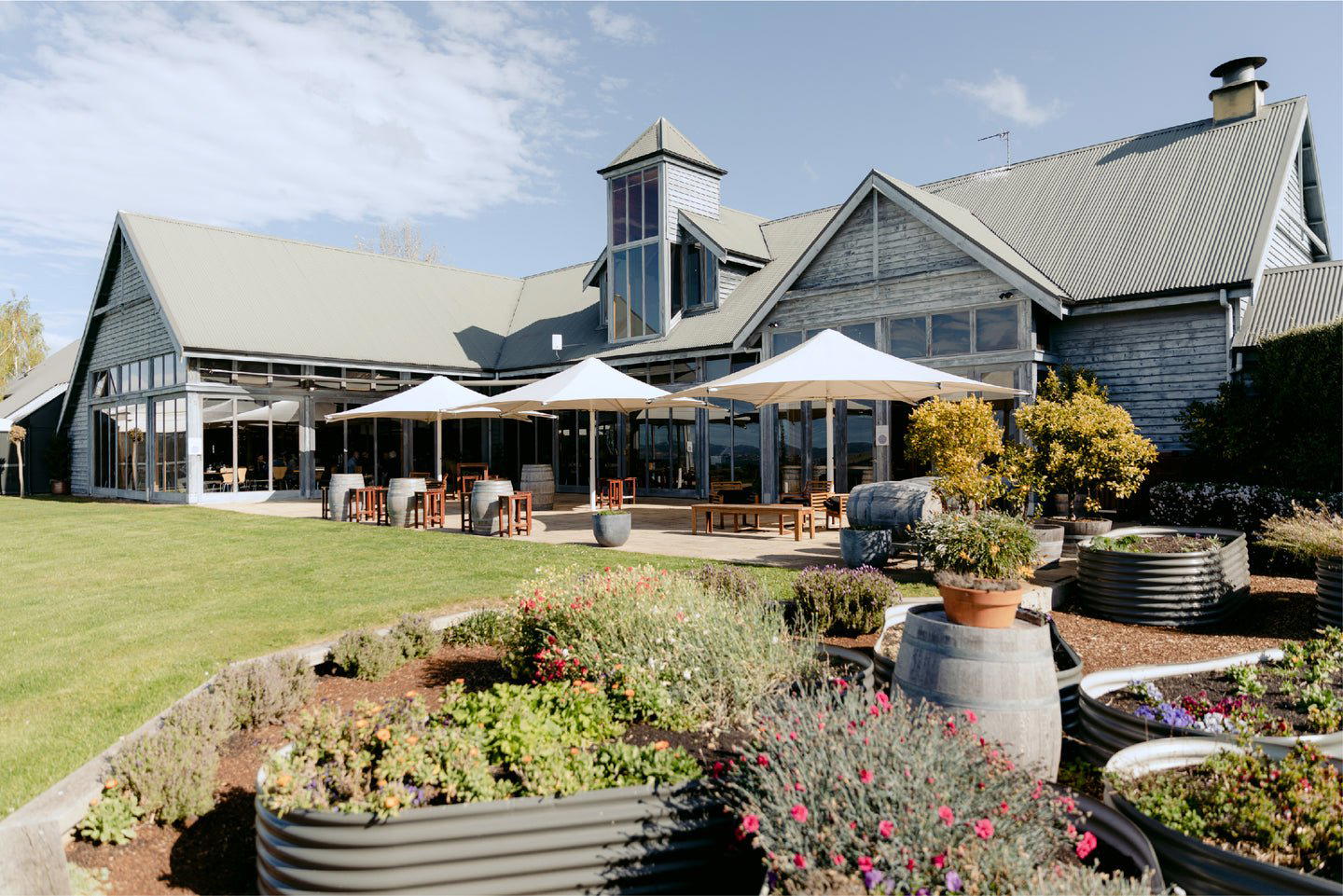
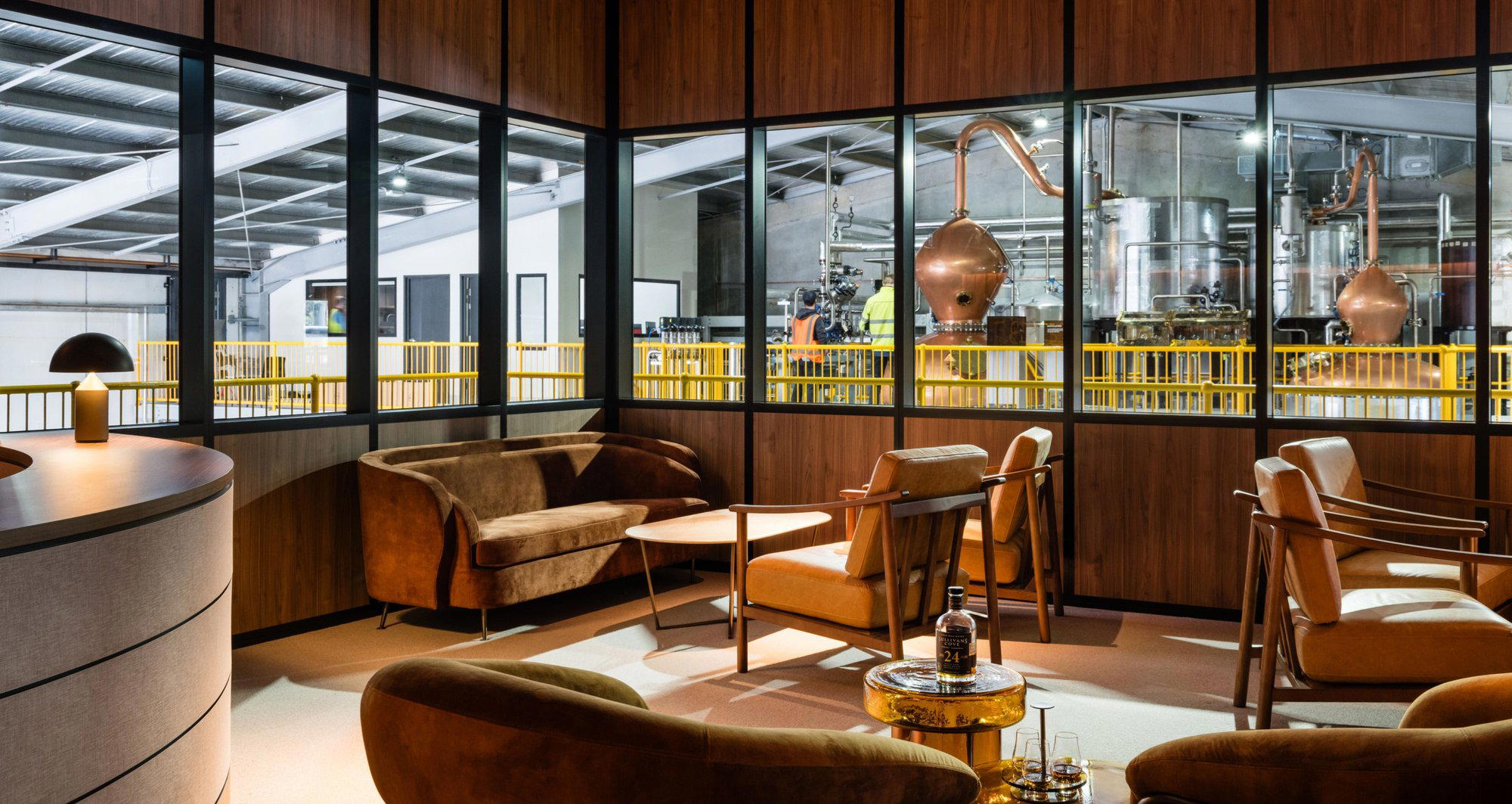
Elegant and scenic with far-reaching vineyard views, natural light from large windows, and an artistic presentation of dishes featuring edible flowers and bright sauces.