
World's 50 Best #47
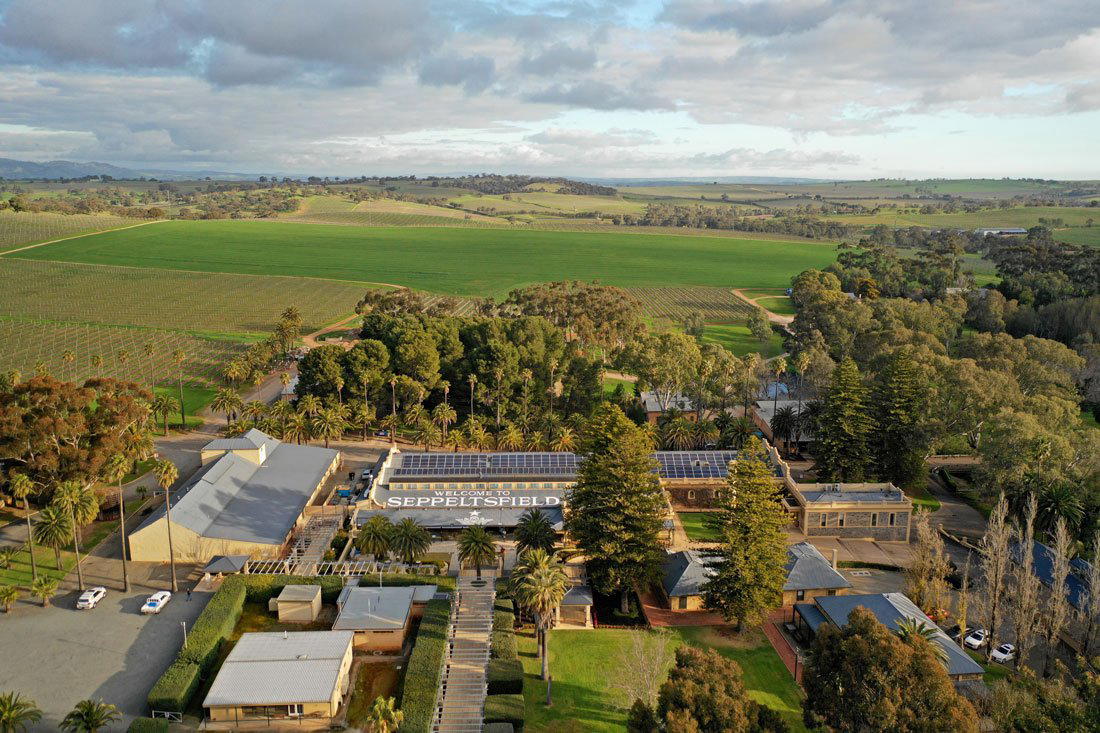
One of the Barossa Valley's most historically grounded producers, Seppeltsfield operates from a gravity cellar system first conceived in 1888 and restored in 2010. The property sits along Seppeltsfield Road in Tanunda, South Australia, at the heart of one of the country's oldest continuous winemaking corridors.

Pearl is the En Primeur Club membership app — saves, bookings, and concierge access live there. Same editors, same standards.
- Address
- 730 Seppeltsfield Rd, Seppeltsfield SA 5355
- Phone
- +61 8 8568 6200
- Website
- seppeltsfield.com.au
- Directions
- Get directions
A Cellar Built Before Electricity
Most discussions of gravity-fed winemaking treat it as a recent design preference, something a contemporary architect might specify to signal environmental sensitivity or minimal intervention philosophy. Seppeltsfield makes that framing look shortsighted. The gravity cellars here were conceived in 1888 by the founders' son, pre-dating the widespread adoption of electric pumps and built on the logic that wine moved by gravity retains more integrity than wine pushed by mechanical force. When the property was restored and revived in 2010, those same structural principles were reactivated, not as heritage theatre, but as functional infrastructure for wine production. The distinction matters: at Seppeltsfield, historical architecture and production method are the same thing.
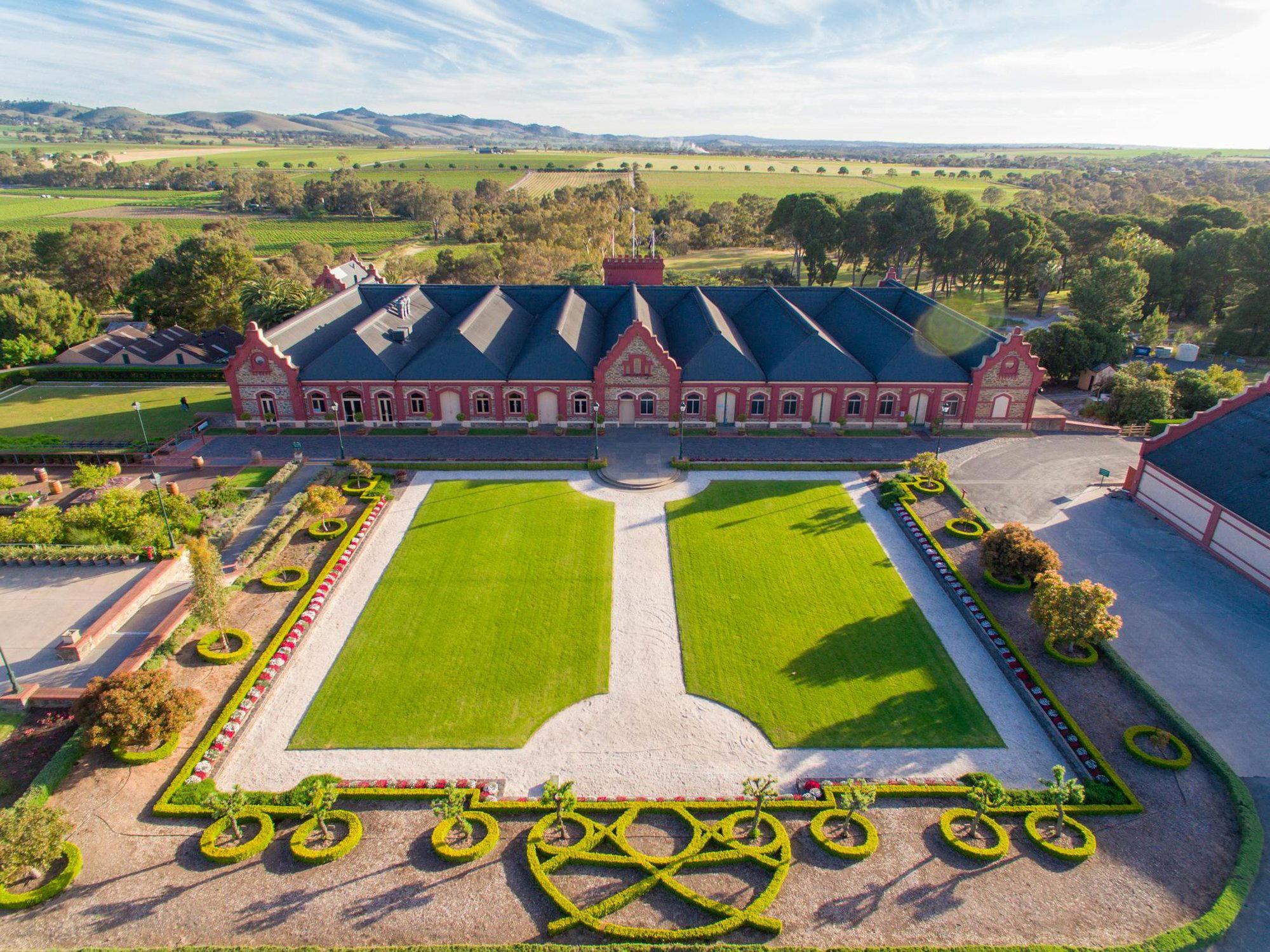
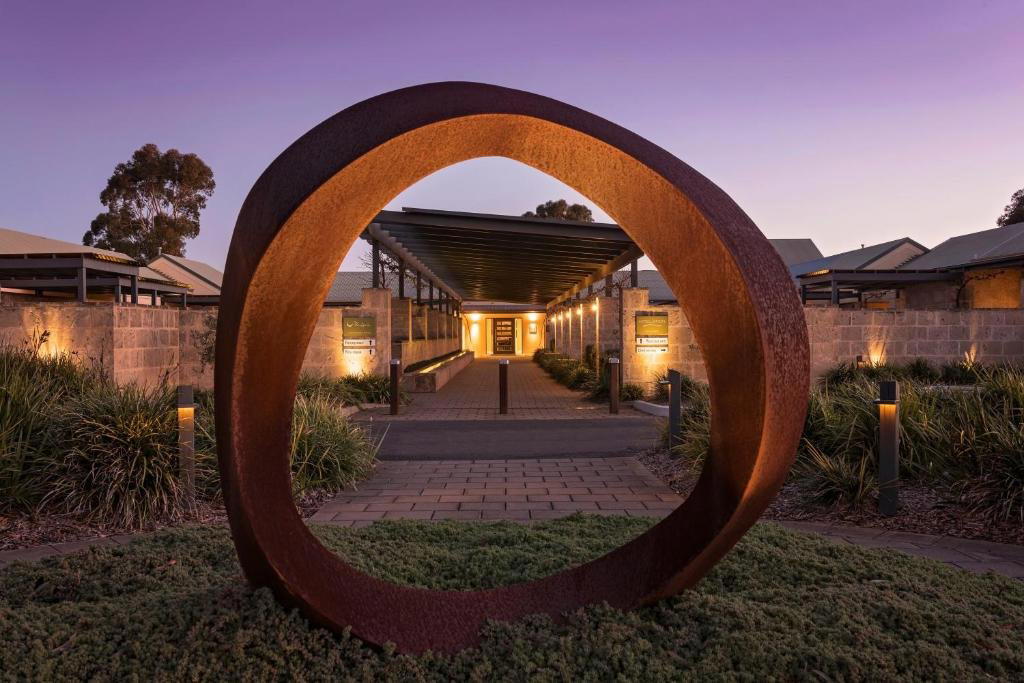
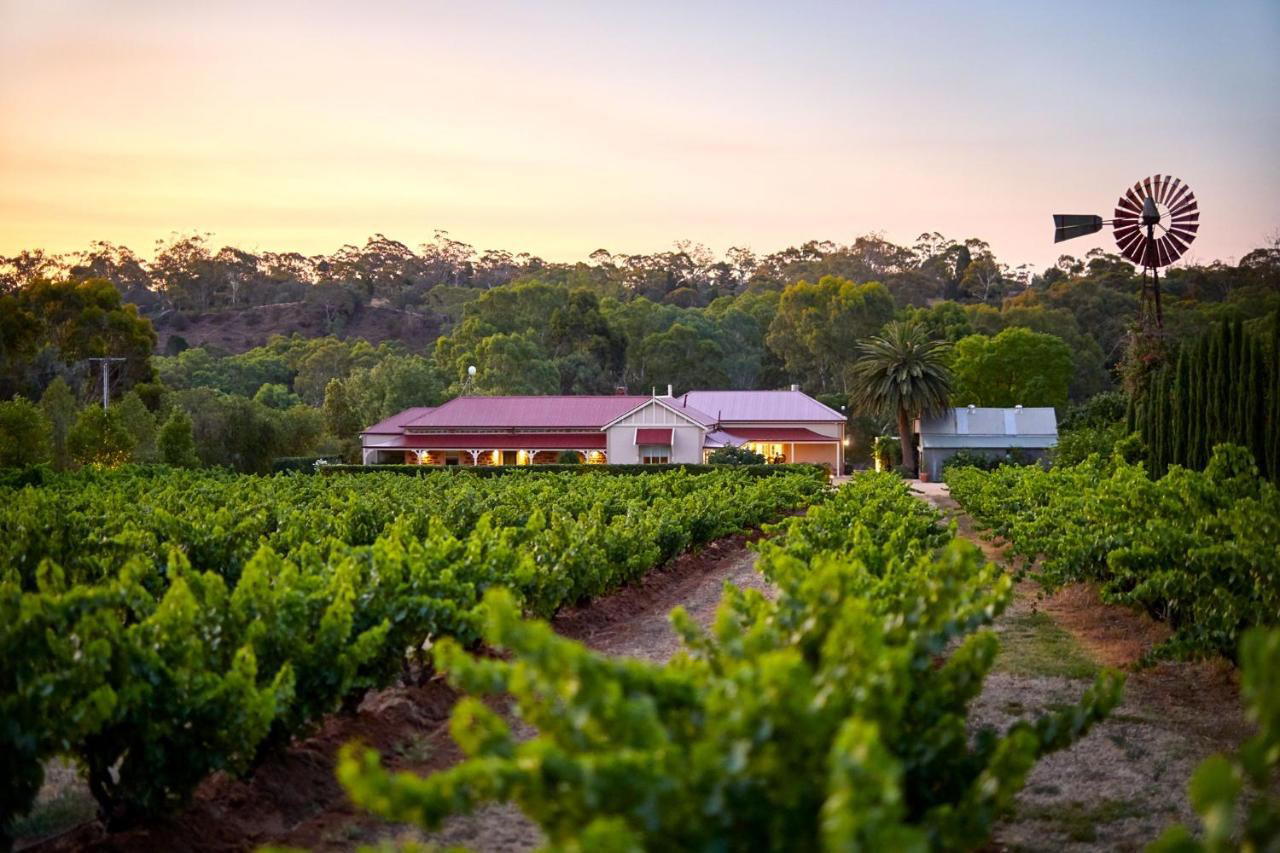
This is the context that defines a visit to 730 Seppeltsfield Road. You are not arriving at a cellar door that happens to occupy an old building. You are arriving at a working production site where nineteenth-century engineering and twenty-first-century winemaking share the same physical space. The gravity cellars, the stone buildings arranged along the road through Tanunda, the palms that line the approach — all of it was designed as an integrated system, and that integration is still readable in the landscape today.
Terroir Along the Seppeltsfield Road Corridor
The Barossa Valley's reputation rests heavily on old vine material, some of the oldest commercially producing Grenache, Shiraz, and Mourvedre vineyards anywhere in the world. Phylloxera never reached South Australia with the same force it did Europe, which means the Barossa holds ungrafted vines that trace lineage directly to mid-nineteenth century plantings. Seppeltsfield sits within this corridor, and the terroir expression possible from fruit grown in these soils carries a depth and concentration that younger-vine equivalents elsewhere simply cannot replicate.
The Barossa floor, where Seppeltsfield is located, differs from the refined Eden Valley in ways that register clearly in the glass. Lower altitude means warmer growing conditions, longer hang time, and a fruit profile that tends toward richness and generosity rather than the cooler-climate precision you find further up the ranges. Soils across the valley floor vary from sandy loam over clay to red-brown earths, and those distinctions shape the texture and weight of wines produced here. The gravity cellar system becomes an argument for terroir preservation in this context: if the fruit carries this much complexity from its origin, then minimising mechanical disruption during production is a coherent extension of that logic.
The comparison that better illuminates Seppeltsfield's position is against other heritage Australian estates with unbroken production lineage, where the age of site infrastructure and vine material together shape the commercial and critical identity of the producer. Leading's Wines in Great Western holds a comparable position in Victoria, with nineteenth-century cellars and vine material of similar age; the comparison is instructive because both estates carry trust signals that derive from continuity rather than from recent critical momentum.
For context, producers at this level across different Australian regions include Bass Phillip in Gippsland, where low yields and Burgundy-influenced Pinot Noir production have built an allocation-driven following, and Bird in Hand in Adelaide Hills, operating from a cooler-climate position within South Australia itself.
The rating also functions as a category signal. Prestige-tier producers in the Barossa tend to be those where the visit experience and the wine quality reinforce each other, rather than estates where one compensates for the other. At Seppeltsfield, the architectural setting and the production philosophy are so closely linked that separating them as visitor experience and wine quality becomes difficult. The gravity cellar system is both the thing you see and the thing that shapes what you drink.
Visiting Seppeltsfield: What to Expect
Seppeltsfield Road itself is worth noting as a destination corridor. The road that runs through this part of the Barossa connects a sequence of established producers and heritage properties in a way that makes it one of the more concentrated wine-touring routes in South Australia. Arriving at Seppeltsfield from Tanunda, the property's stone buildings and palm-lined approach establish a sense of scale and age before you reach the cellar door. This is not the experience of arriving at a contemporary tasting room; it is closer to arriving at a working estate whose infrastructure has accumulated over a century and a half.
For visitors coming from Adelaide, the Barossa Valley sits approximately 70 kilometres northeast of the city centre, making it a viable day trip, though the density of serious producers along this corridor argues for at least one overnight stay if the itinerary includes more than one estate. Angove Family Winemakers in Renmark and All Saints Estate in Rutherglen represent comparable heritage-producer visits in their respective regions, but neither sits within easy reach of the Barossa itself, so itinerary planning across those properties would require separate trips.
Booking ahead is advisable. Heritage estates at this recognition level in the Barossa draw visitors year-round, and tasting experiences at producers with significant cellar infrastructure are often capacity-controlled. The shoulder seasons of spring (September to November) and autumn (March to May) are when the Barossa performs most clearly as a wine destination: harvest activity in autumn gives the valley a working energy that peak summer cannot replicate, while spring brings the vineyard colour and cooler temperatures that make extended walking of the property more comfortable. For those comparing Barossa options, our full Tanunda restaurants and venues guide maps the broader scene across the town and surrounding corridor.
Seppeltsfield in the Australian Heritage Producer Context
Australian wine's critical story has shifted considerably over the past decade. The large-volume commercial tier, represented by producers like Casella Family in Griffith, operates in an entirely different register than heritage Barossa estates, and the international perception of Australian wine has gradually separated those two categories more explicitly.
Among Barossa peers, the comparisons that matter most are with producers like Penfolds, which carries global recognition built on decades of consistent quality signalling, and Henschke, whose Hill of Grace vineyard has become one of Australia's clearest arguments for single-vineyard terroir expression. Clarendon Hills, operating from McLaren Vale rather than the Barossa, occupies a similar heritage-meets-precision niche in the South Australian context. Seppeltsfield's differentiation within this peer group lies specifically in the unbroken infrastructure lineage: the gravity cellars are not a recent intervention designed to signal authenticity, they are the original system, which is a different claim entirely.
For visitors whose Australian wine itinerary extends beyond South Australia, Cape Mentelle in Margaret River, Brown Brothers in King Valley, and Blue Pyrenees Estate in Pyrenees each represent distinct regional expressions worth building a trip around. For those whose interests cross into spirits, Archie Rose Distilling Co in Sydney and Bundaberg Rum Distillery in Bundaberg anchor a different but equally considered strand of Australian craft production. Further afield, Aberlour in Aberlour and Accendo Cellars in St. Helena illustrate what heritage production looks like in other global contexts, useful comparisons for understanding what makes Seppeltsfield's case specifically Australian in character.
A Quick Peer Check
Comparable venues nearby, for context on price, style, and recognition.
| Venue | Cuisine | Price | Awards | Notes |
|---|---|---|---|---|
| SeppeltsfieldThis venue — the venue you are viewing | Grenache, Shiraz | $30–50 | World's 50 Best #47 | Not listed |
| d'Arenberg | Shiraz, Grenache | $50–100 | World's 50 Best #32 · Falstaff Winery - Listed | McLaren Vale |
| Henschke | shiraz, riesling | $30–50 | World's 50 Best #47 · Falstaff Winery - Listed | Keyneton |
| Garagiste | Chardonnay, Pinot Noir | Not listed | Not listed | Mornington Peninsula |
| Penfolds | Shiraz, Cabernet Sauvignon | Not listed | World's 50 Best #37 · La Liste Top Restaurants | Magill |
| Mollydooker | Shiraz, Cabernet Sauvignon | $20–30 | Falstaff Winery - Listed | McLaren Vale |
Recognition history
Dated appearances from independent guides and award organizations, with the underlying list record or original source where available.
World's 50 Best Vineyards #47
World's 50 Best
Continue exploring
More in Tanunda
Wineries in Tanunda
Browse all →
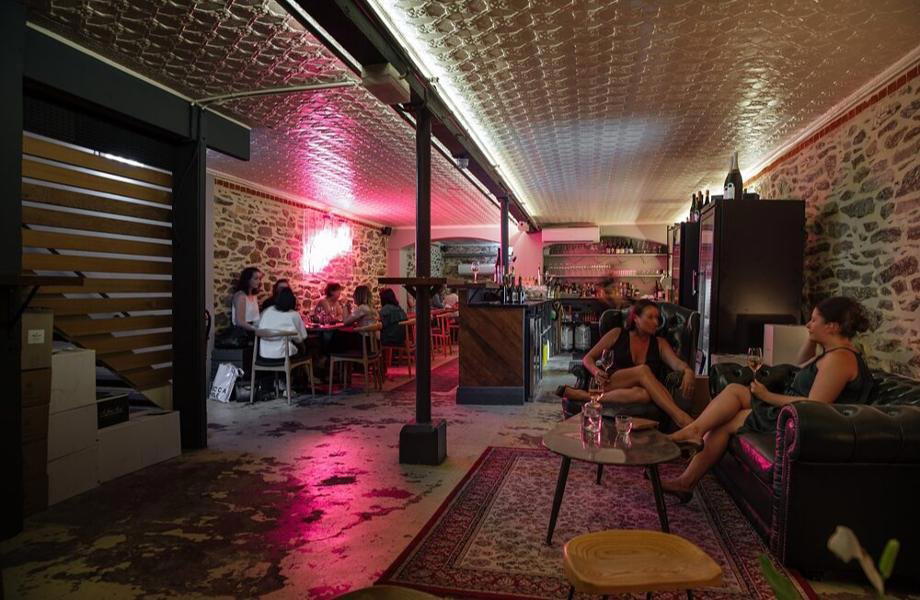
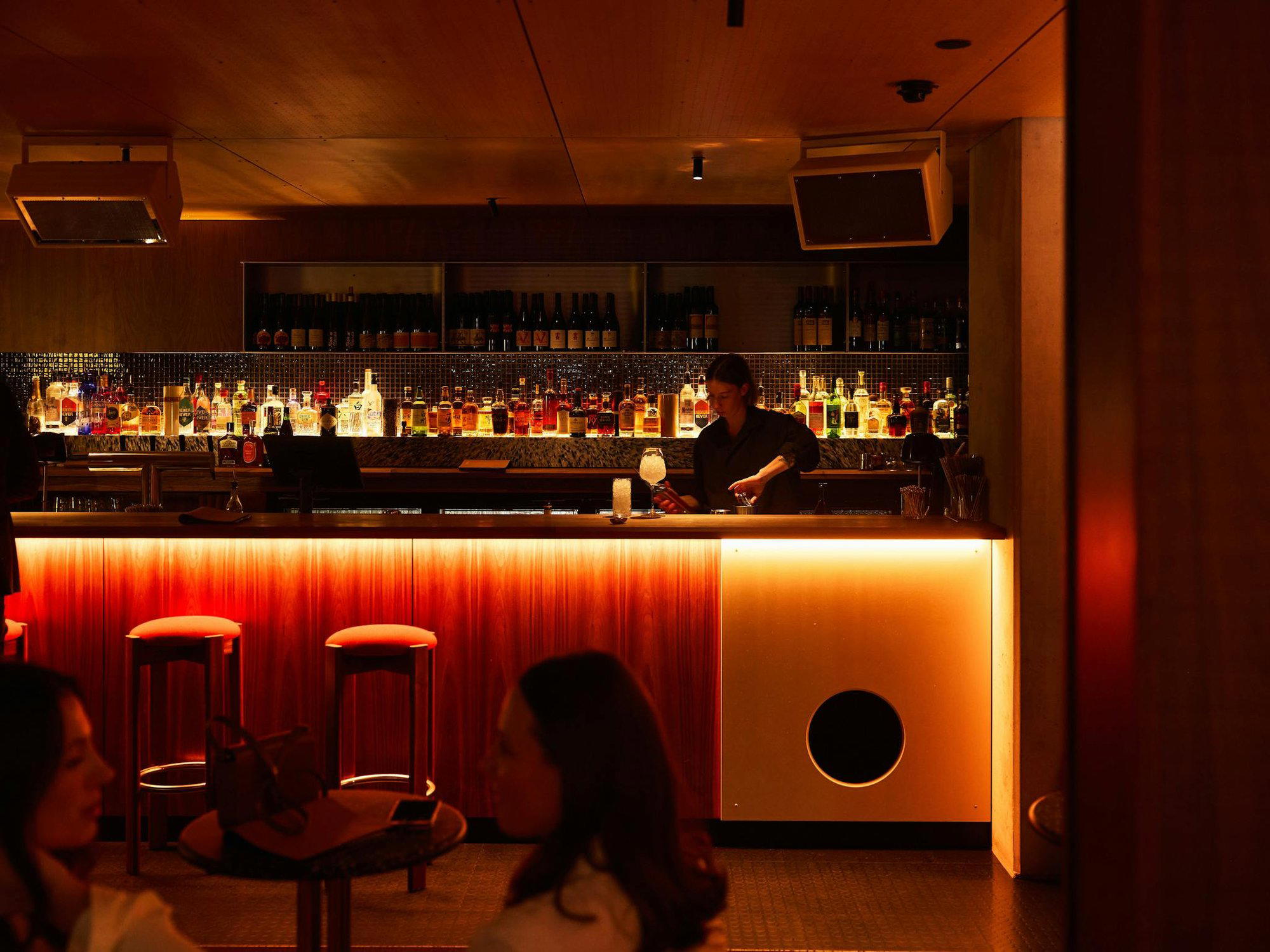
Bars in Tanunda
Browse all →
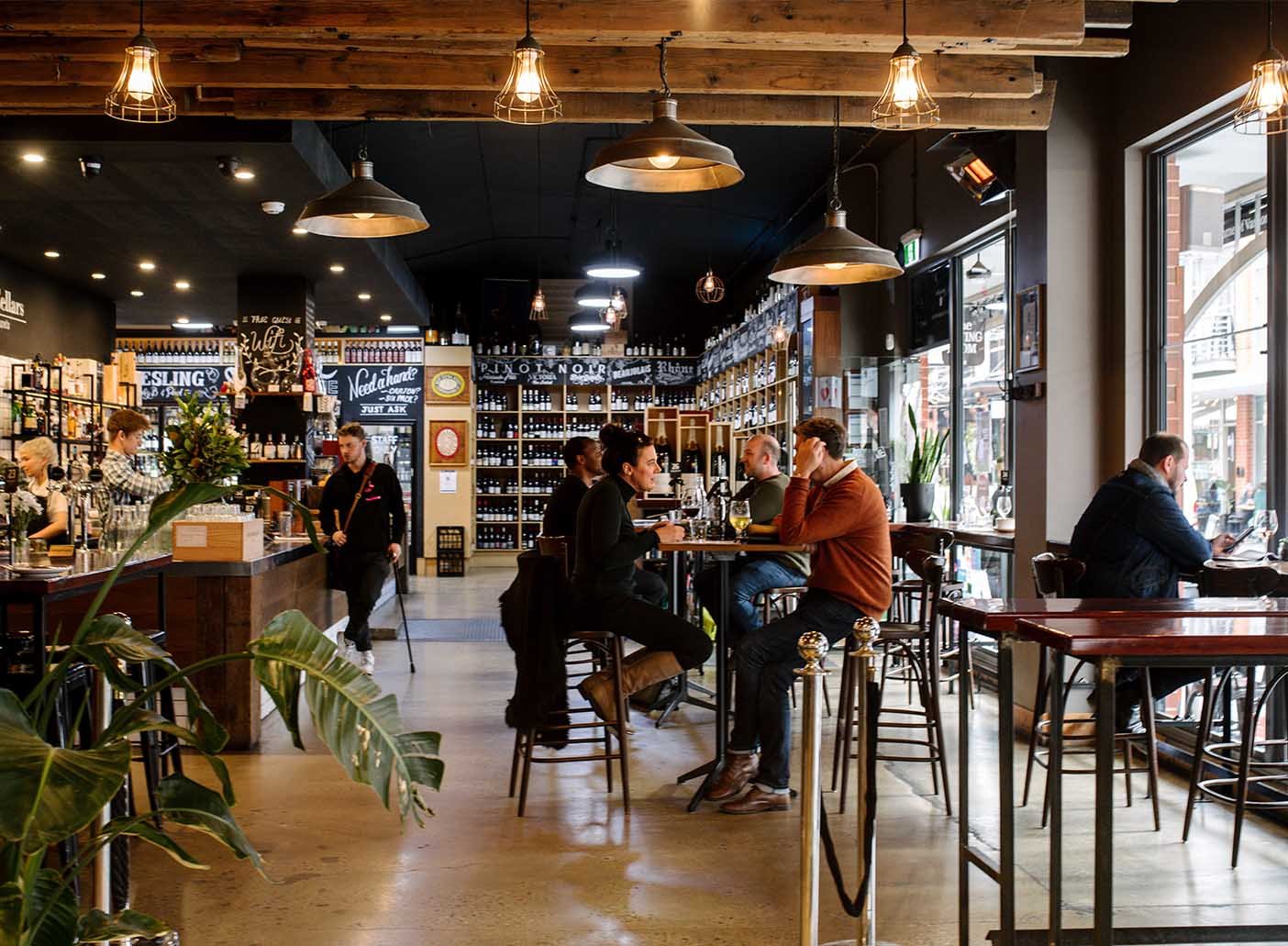
Restaurants in Tanunda
Browse all →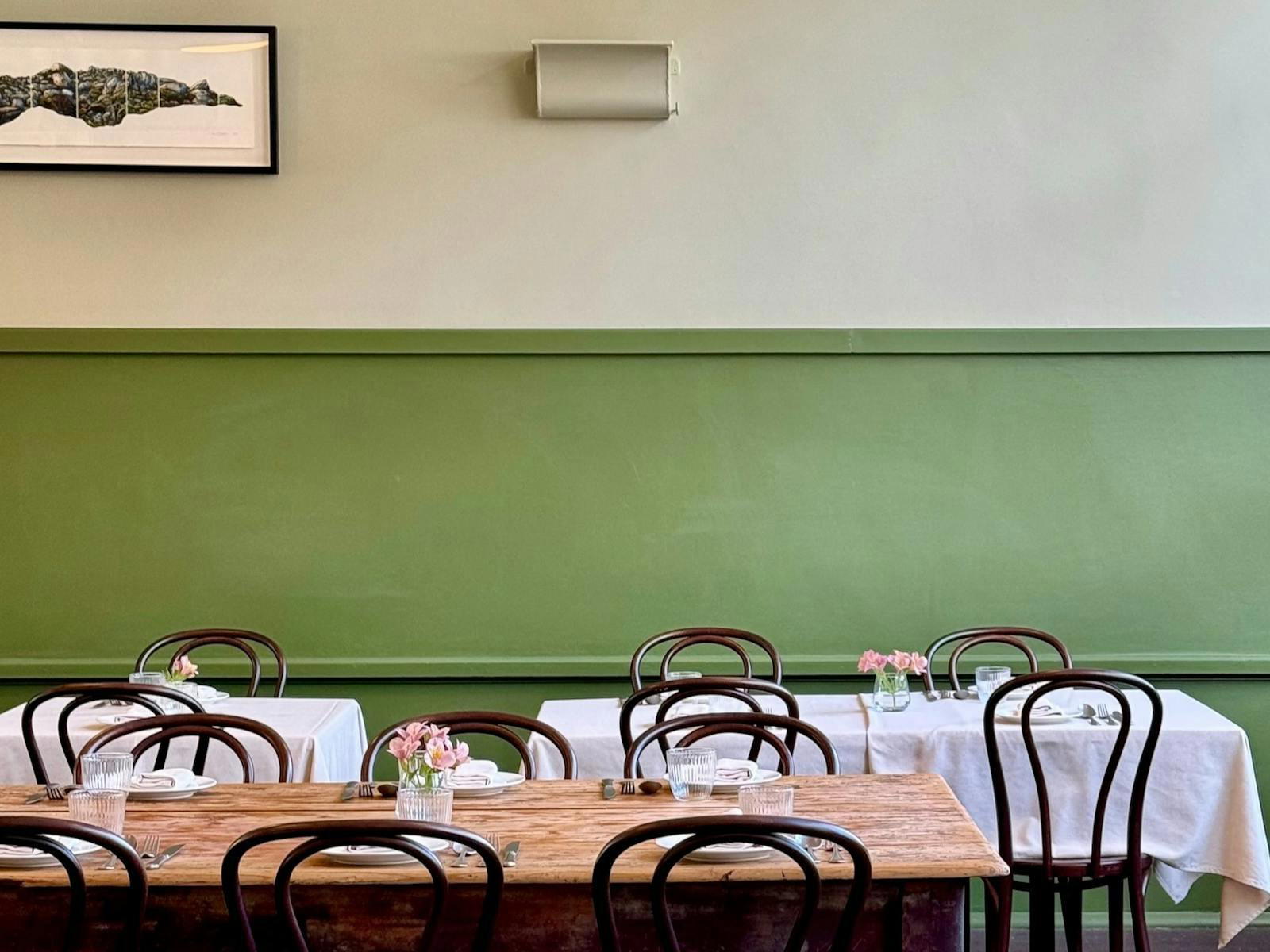
Details
- Classic
- Well Known
- Scenic
- Elegant
- Rustic
- Wine Education
- Special Occasion
- Group Outing
- Romantic Getaway
- Historic Building
- Estate Grounds
- Barrel Room
- Vineyard Tour
- Panoramic View
- Sustainable
- Vineyard
- Garden
- Grenache
- Shiraz
- Cabernet Sauvignon
- Mataro
- Fortified
- Still Red
- Still Rosé
- Cellar Door Tasting
- Fortified Wine Tasting
- Estate Tour
- English
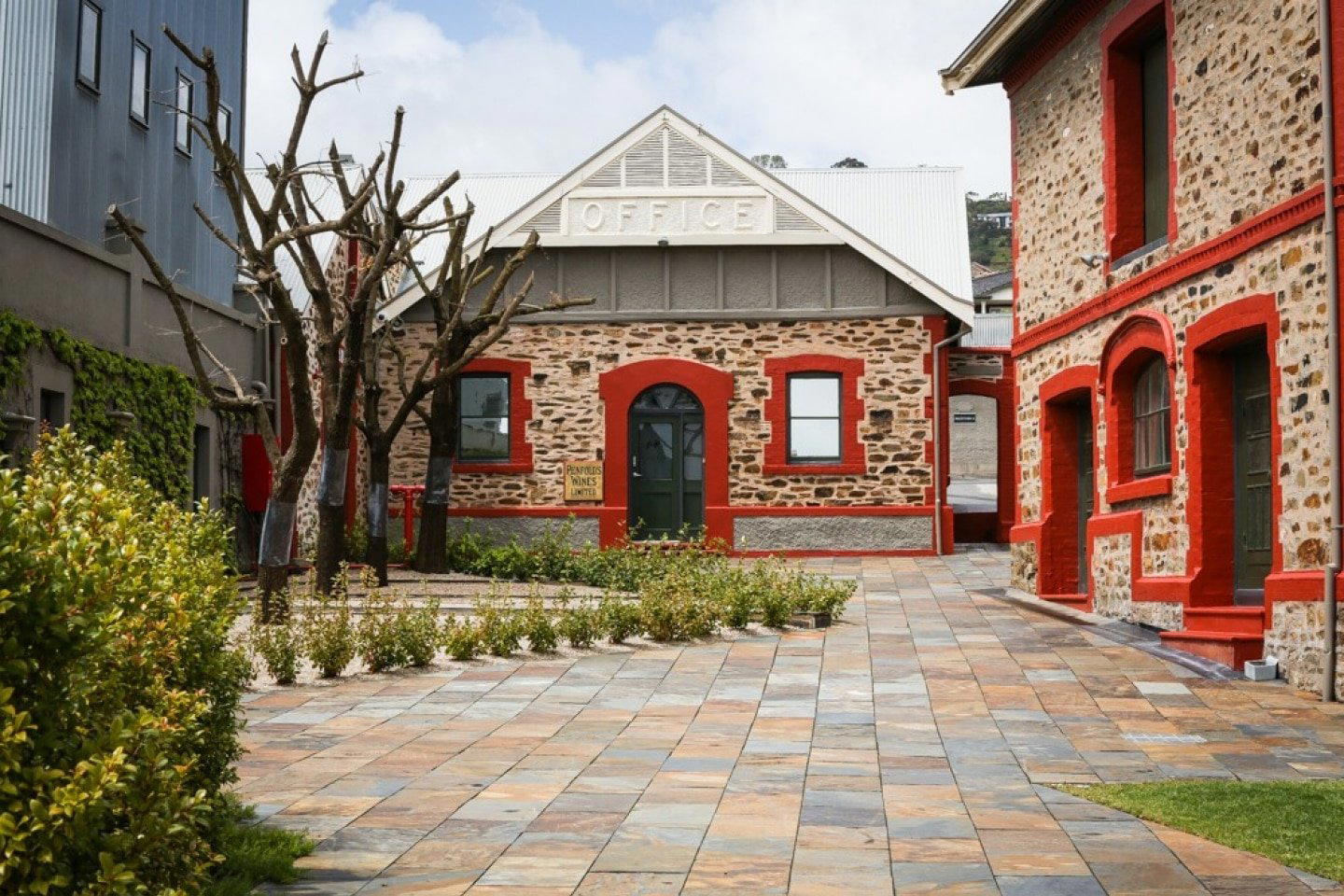
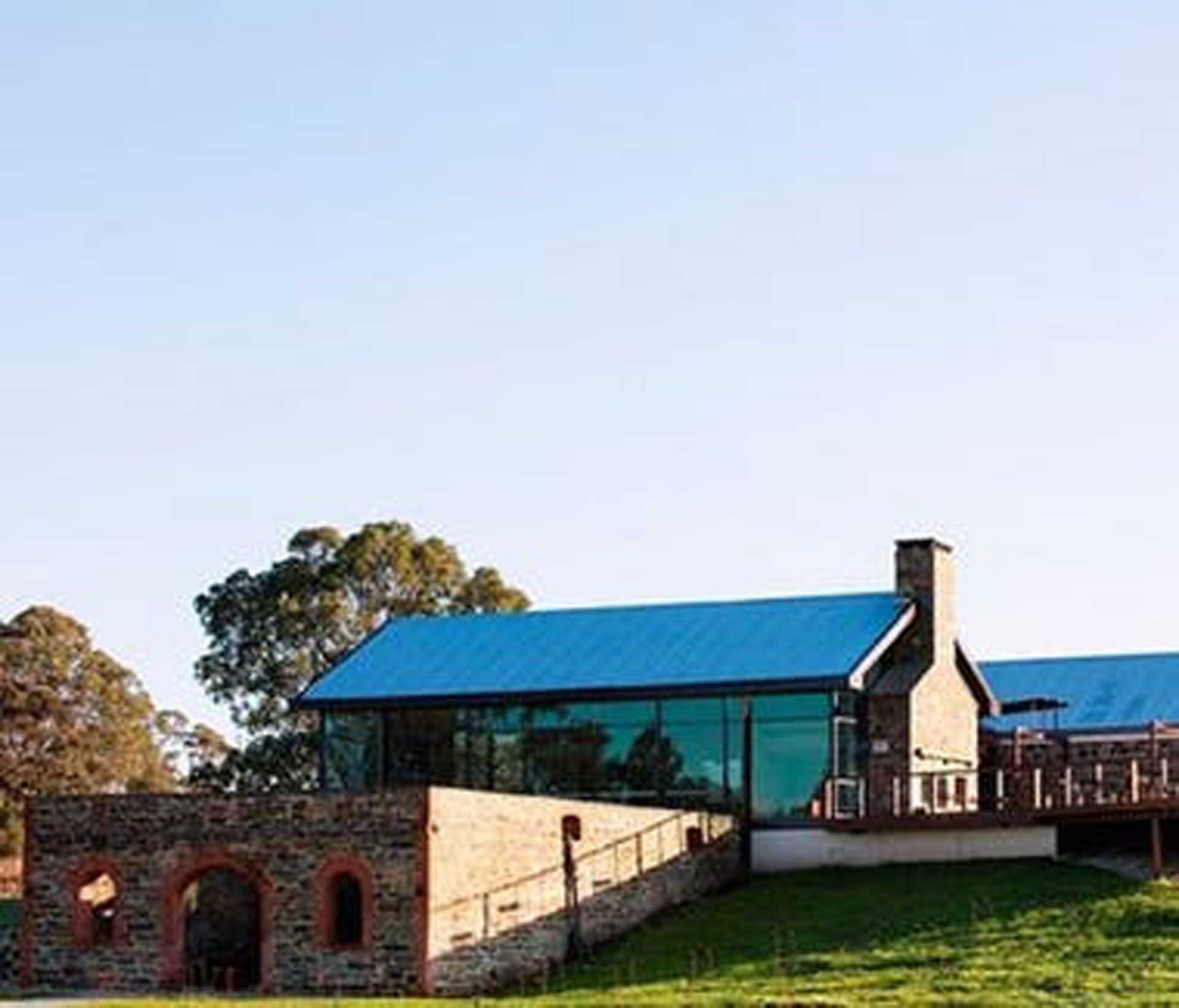
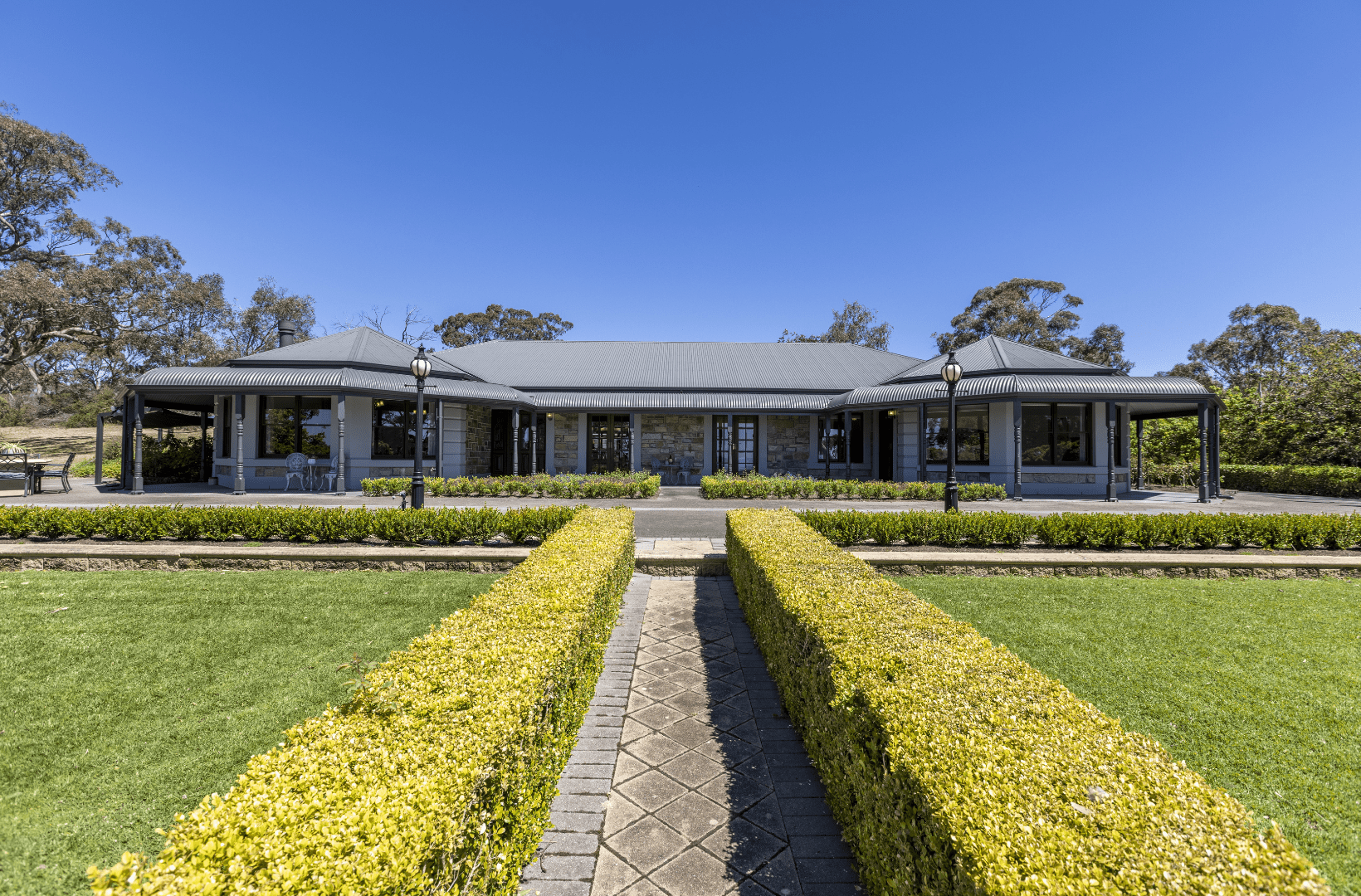
Heritage-listed estate with old-world charm, featuring historic bluestone buildings, grand three-storey winery architecture, and beautifully maintained grounds reflecting 175 years of winemaking tradition.