
Star Wine List
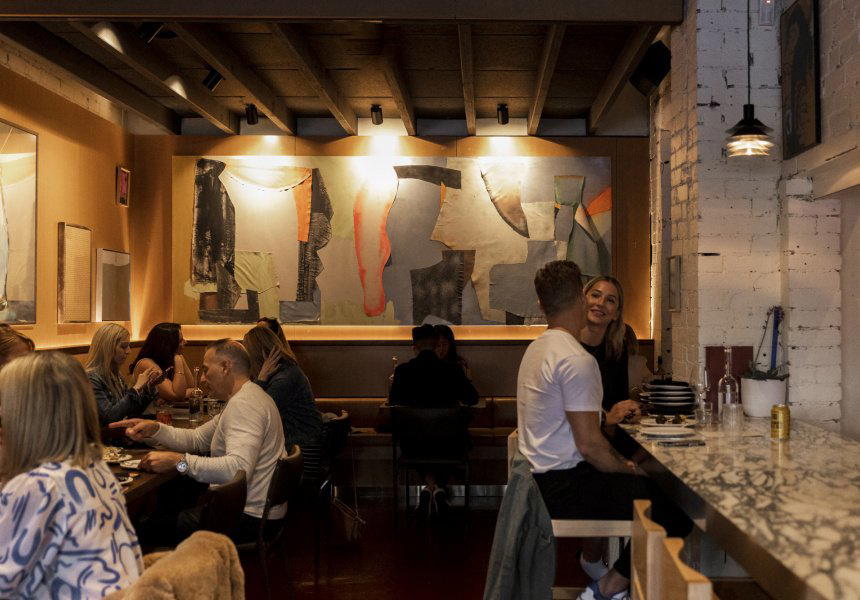
Opened in 2022 on North Adelaide's O'Connell Street, Pastel Wine Bar has settled into the neighbourhood as a space where considered wine choices sit alongside a room that earns its warm, retro-modern aesthetic rather than performing it. The nutmeg-toned timber interior sets a sensory register that few comparable Adelaide bars match — unhurried, stylish, and genuinely soulful.

Pearl is the En Primeur Club membership app — saves, bookings, and concierge access live there. Same editors, same standards.
- Address
- 47 O'Connell St, North Adelaide SA 5006, Australia
- Phone
- +61 8 8361 8714
- Hours
- Mon 5–10:30 PMTue–Thu 5–11 PMFri 12 PM–12 AMSat 5 PM–12 AMSun Closed
- Website
- pastel.bar
- Directions
- Get directions
O'Connell Street and the New Shape of Adelaide's Wine Bar Scene
North Adelaide's O'Connell Street has always occupied an interesting position in the city's hospitality geography — close enough to the CBD to draw a cosmopolitan crowd, but residential enough to breed a different kind of loyalty from its regulars. Over the past few years, the strip has developed a wine bar culture that skews toward the considered rather than the trendy: rooms with staying power, lists built on point of view, and spaces that reward repeat visits. Pastel Wine Bar, which opened at number 47 in 2022, has positioned itself within that emerging character rather than against it.
Adelaide's bar scene, broadly, has been pulling in two directions. On one side sit the high-concept cocktail rooms — places like Clever Little Tailor and Apoteca, where technique and theatrics share the floor. On the other sit the wine-forward spaces that arrived in the early 2020s riding the wave of Australia's natural and minimal-intervention wine enthusiasm. Pastel belongs to the latter current. It is not the kind of place that competes on cocktail depth the way Bar Lune or Bar Torino do; its register is quieter and more domestic, closer to the Parisian cave à vin tradition than to an Australian cocktail bar.
The Room: What the Aesthetic Signals
Walk into Pastel on a weekday evening and the first thing you register is the warmth of the light against timber. The interiors lean on nutmeg-toned wood, a palette that reads as retro without straining for a specific decade. This is not a room designed to be photographed from a single flattering angle. It has the kind of layered character that comes from materials chosen for feel rather than visual impact, surfaces that absorb rather than reflect, seating that invites longer stays.
The sensory logic of a room like this matters more than it might first appear. Wine bars live or die on dwell time. A space that creates acoustic comfort, where conversation doesn't require effort, keeps tables occupied in a way that volume-driven rooms rarely manage. Pastel's aesthetic signals exactly the kind of evening it is built for: one that extends across multiple glasses without the pressure of a formal restaurant arc. That is a more difficult thing to engineer than it looks, and the fact that the bar established it within its first year of trading is part of why it became a neighbourhood reference point as quickly as it did.
For comparison, consider how wine-bar rooms in cities with longer track records in the format handle the same problem. In Melbourne, 1806 built its reputation partly on the physical intelligence of its space, low light, specific furniture choices, a room that calibrates expectations before a drink is poured. In Sydney, Fratelli Paradiso in Potts Point achieves something similar through density and noise, a different solution to the same problem of making people feel they are somewhere worth staying. Pastel's approach is closer to the former: quieter, more deliberate, better suited to conversation than to the see-and-be-seen circuit.
The Wine Approach and What It Says About the Format
Wine bars operating in this register tend to share a set of editorial commitments: a short list that changes regularly, an emphasis on producers and regions that the mainstream on-trade ignores, and a staff that has genuine rather than performed knowledge of what is in the glass. The format has become more common across Australian cities since 2020, but execution varies. The difference between a wine bar that works and one that merely occupies the category is usually the depth of conviction behind the list and the ability of the room to hold the experience together when the crowd thins.
Pastel's early adoption of the format on O'Connell Street placed it ahead of a curve that is now more crowded. That positioning is worth noting because wine bars that establish neighbourhood identity quickly tend to build a regulars base that insulates them from the volatility that affects more trend-dependent venues. The parallel is visible elsewhere in Australia: La Cache à Vín in Spring Hill built a similar kind of local trust in Brisbane's inner suburbs, and the model holds because the offer matches the neighbourhood's rhythm rather than trying to redirect it.
Situating Pastel in a Wider Australian Context
The broader shift in Australian drinking culture that Pastel sits within is worth mapping briefly. Sydney's Cantina OK! represents one version of the small-format, high-conviction bar, a venue that narrowed its offer radically and built outsized reputation through that discipline. Brisbane's Bowery Bar sits in a different tradition, more cocktail-led, but shares the emphasis on intimate scale. Even further afield, Bar Leather Apron in Honolulu shows how the format travels: tight, focused, technically serious, resistant to bloat. What these venues share is a refusal to expand the offer past the point where quality can be maintained, a discipline that is commercially counterintuitive but builds the kind of reputation that lasts.
It is a wine bar rather than a cocktail room, but the underlying logic, restraint as a quality signal, atmosphere as a considered construction, neighbourhood as identity rather than accident, connects it to a generation of Australian bars that opened in the early 2020s with a clear sense of what they were and were not.
Planning a Visit
Pastel Wine Bar is at 47 O'Connell Street in North Adelaide, a walkable stretch from the inner-city grid that puts it within reach of both residents and visitors staying in or near the CBD. For anyone building a broader picture of the Adelaide bar and dining scene, our full Adelaide restaurants guide maps the wider context. The bar operates as a drop-in neighbourhood venue by temperament, but given that it has built a regulars base since opening in 2022, weekend evenings in particular are likely to fill early. Checking in advance before a Friday or Saturday visit is the sensible move. There is no indication that a formal dress code applies, the room's retro-modern register is casual without being deliberately scruffy, and the clientele tends to reflect that.
Comparable Venues
Comparable venues nearby, for context on price, style, and recognition.
| Venue | Cuisine | Price | Awards | Notes |
|---|---|---|---|---|
| Pastel Wine BarThis venue — the venue you are viewing | wine_bar | $30–50 | Star Wine List | Not listed |
| Good Gilbert | wine_bar | $30–50 | Star Wine List | Goodwood |
| Bar Torino | cocktail_bar | Not listed | Star Wine List | Hutt Street |
| Clever Little Tailor | cocktail_bar | $20–30 | Star Wine List | Peel Street |
| Nearly a bar | wine_bar | Not listed | Star Wine List | Adelaide CBD |
| Hellbound Wine Bar | wine_bar | $30–50 | Star Wine List | Bowden |
Recognition history
Dated appearances from independent guides and award organizations, with the underlying list record or original source where available.
Star Wine List
Star Wine List
Continue exploring
More in Adelaide
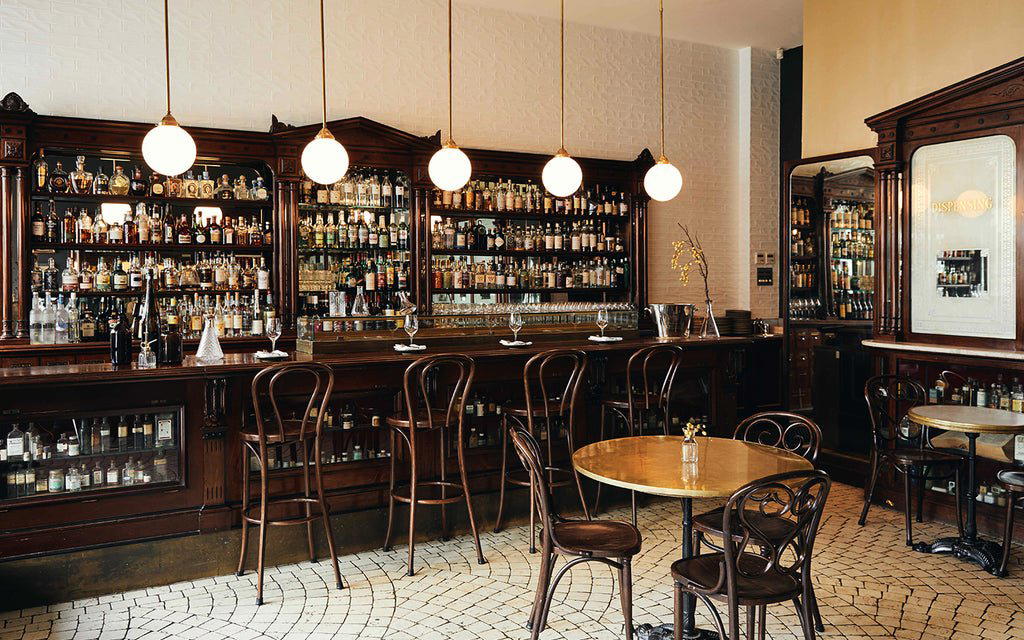
Bars in Adelaide
Browse all →
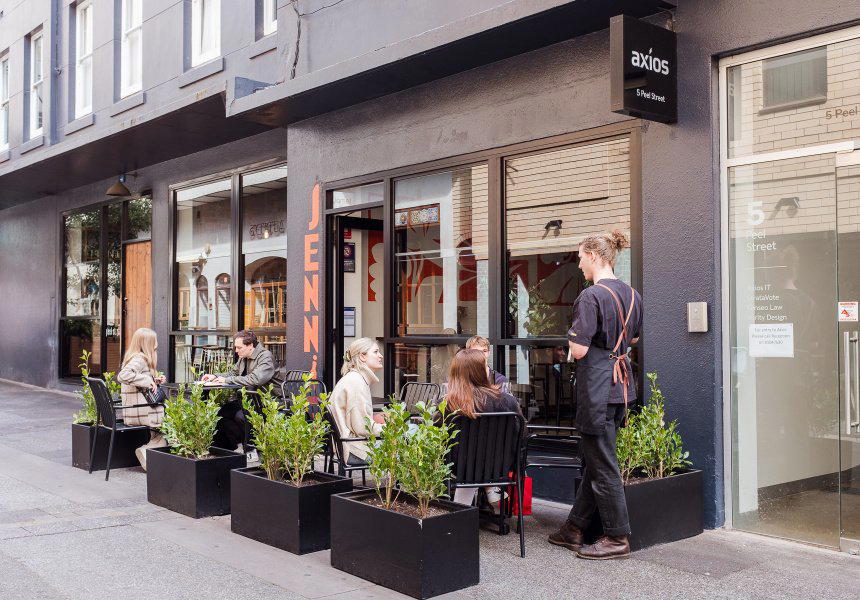
Restaurants in Adelaide
Browse all →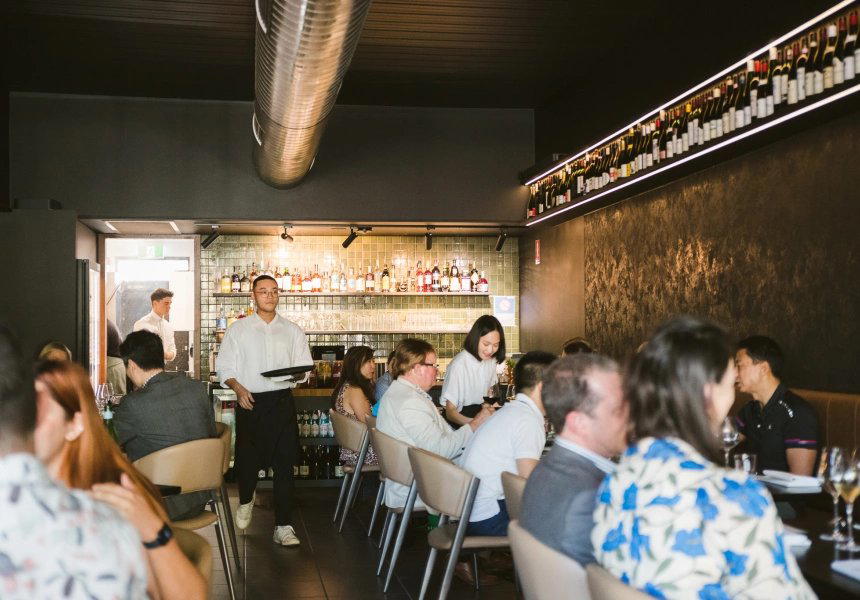
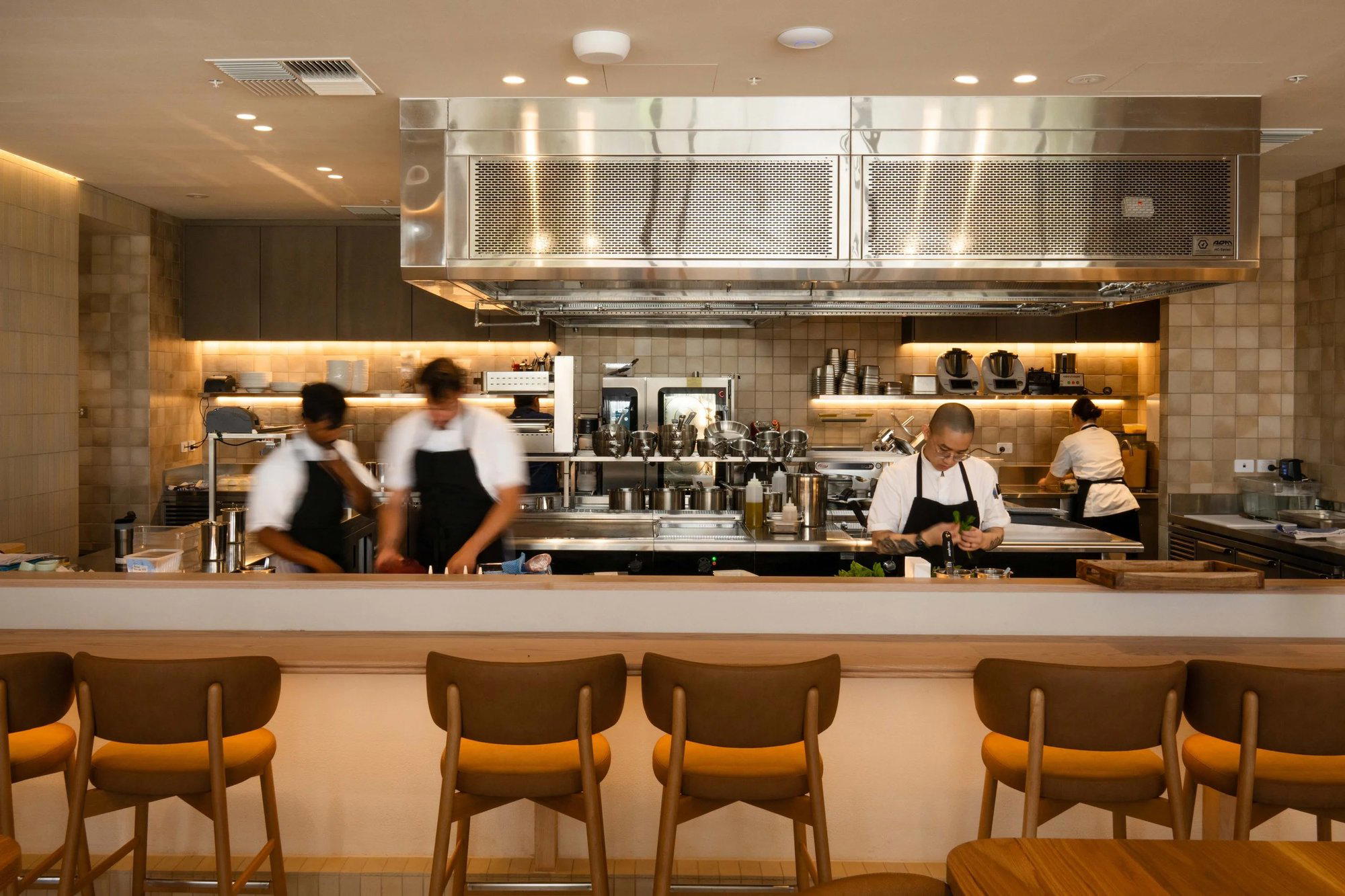
Hotels in Adelaide
Browse all →
Details
- Cozy
- Trendy
- Intimate
- Sophisticated
- Date Night
- Group Outing
- Casual Hangout
- Courtyard
- Seated Bar
- Lounge Seating
- Outdoor Terrace
- Natural Wine
- Conventional Wine
Current opening hours
- Monday
- 5–10:30 PM
- Tuesday
- 5–11 PM
- Wednesday
- 5–11 PM
- Thursday
- 5–11 PM
- Friday
- 12 PM–12 AM
- Saturday
- 5 PM–12 AM
- Sunday
- Closed
Hours can change for holidays and private events. Last verified .
Moody warmly lit interior with timber panelling, exposed brick, marble bar, and relaxed lively atmosphere.