Grant Burge

Grant Burge sits along Barossa Valley Way at Rowland Flat, representing one of the region's more established prestige producers. Recognised with a Pearl 3 Star Prestige rating in 2025, the winery sits within a Barossa peer set defined by old-vine heritage and cellar depth. Visitors arrive to find a producer whose program is shaped as much by what happens in barrel and bottle as by what happens at harvest.

Where the Road Levels Out: Arriving at Rowland Flat
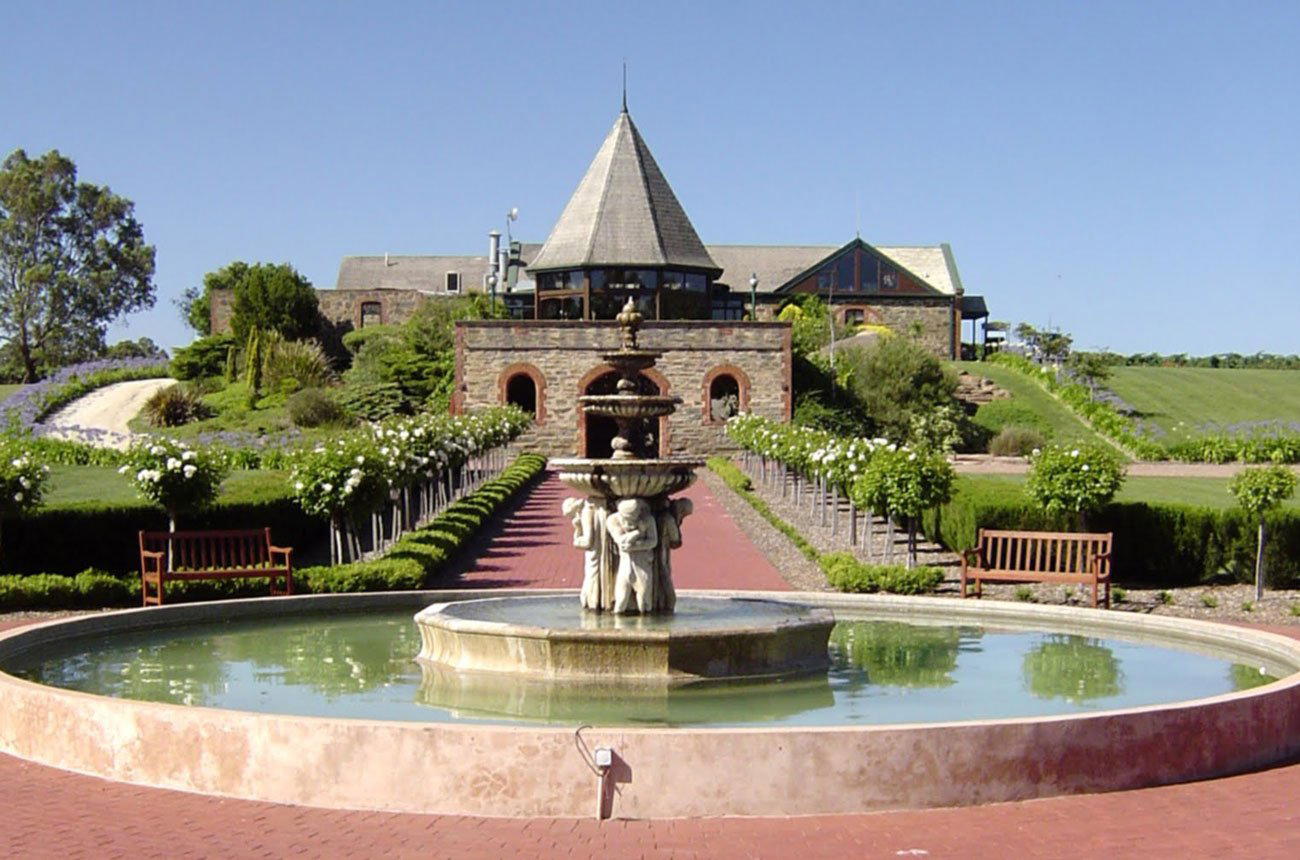
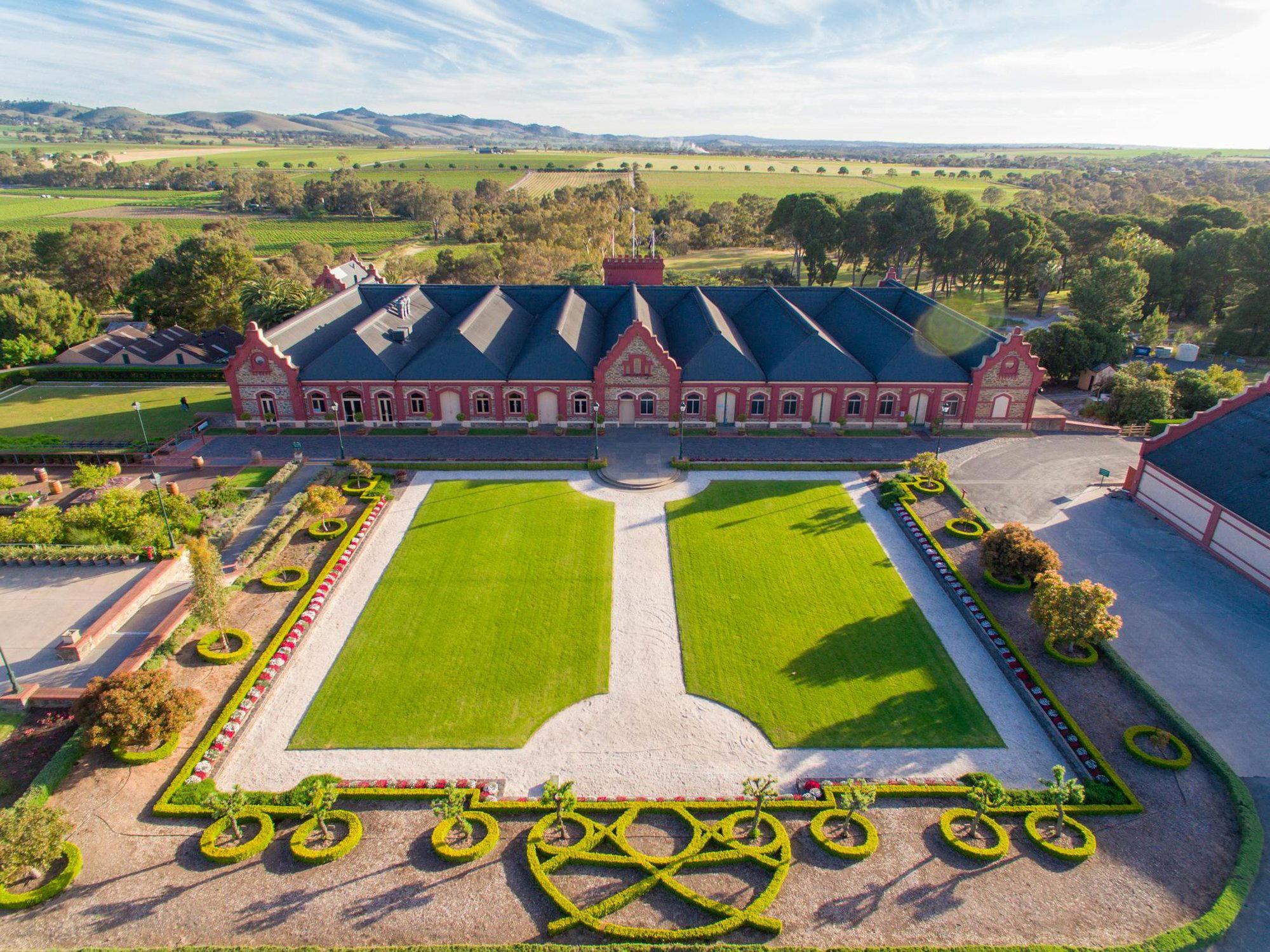
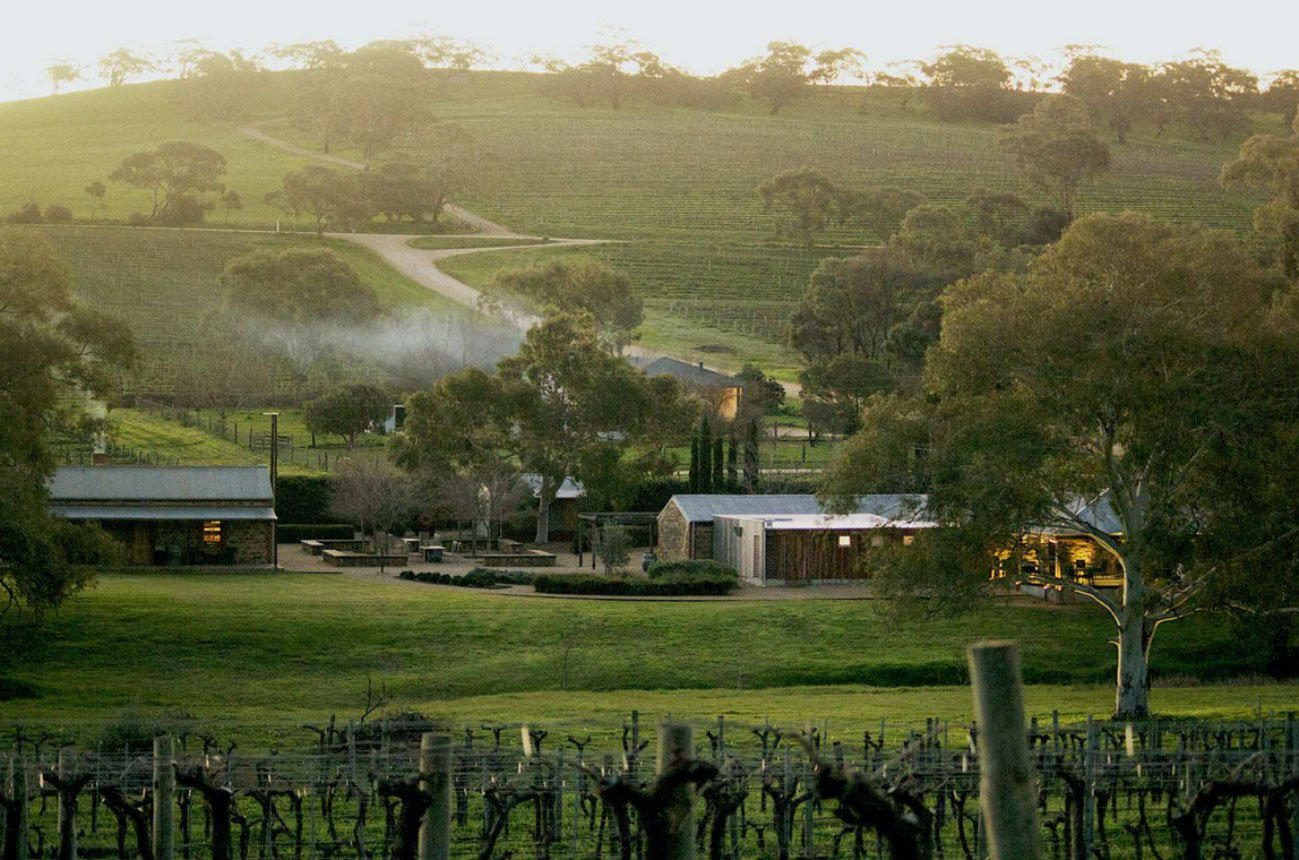
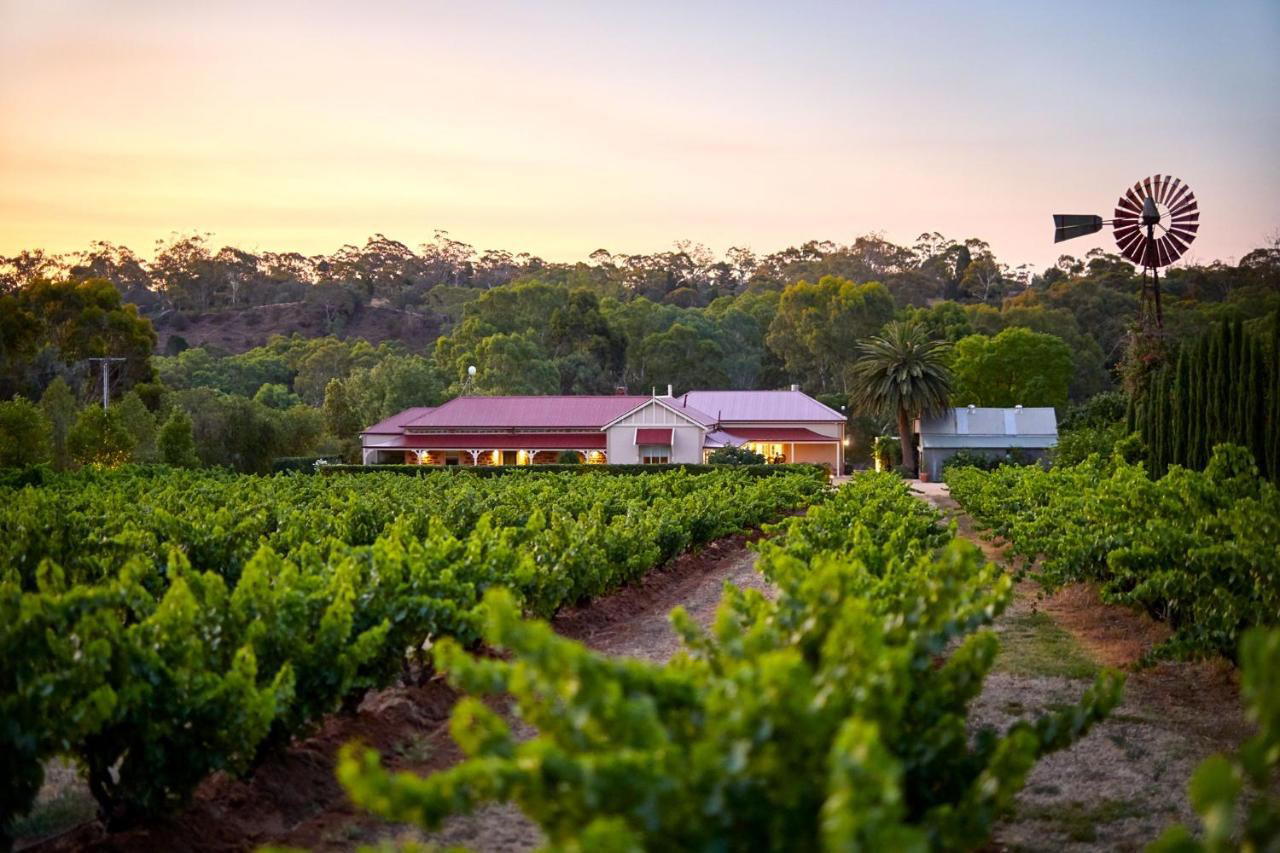
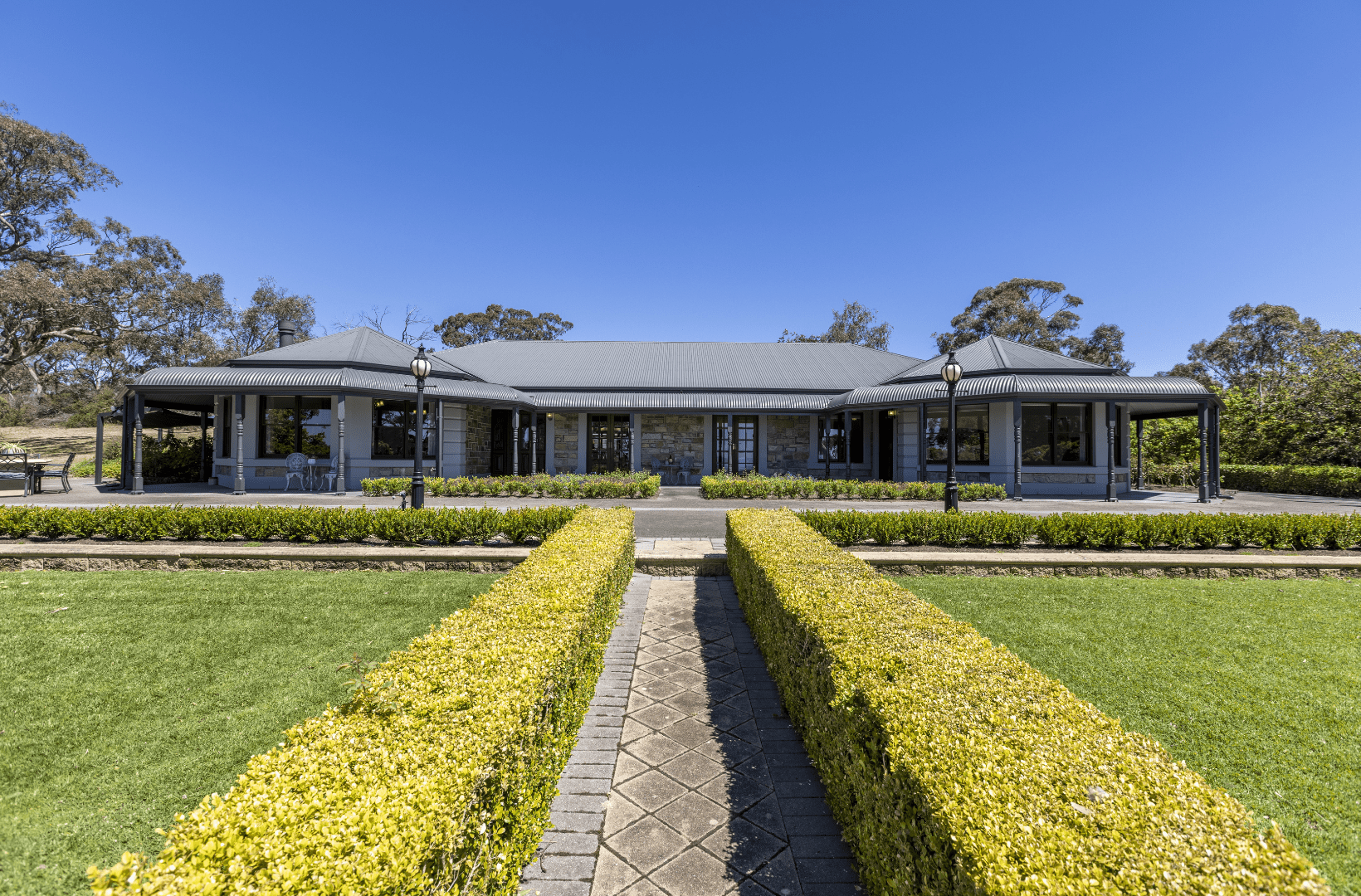
The Barossa Valley Way runs through some of the valley's flattest, most vine-dense corridor before it reaches Rowland Flat. By the time you arrive at the Grant Burge address at 2141 Barossa Valley Way, the surrounding landscape has already done its editorial work: old-growth Shiraz blocks press close to the road on both sides, gnarly trunks suggesting decades of dry-grown discipline. The built environment at this end of the valley skews understated relative to the grand stone architecture you find further north at places like Château Tanunda, and Grant Burge fits that register without apology. The focus here is directed inward, toward the cellar, not outward toward spectacle.
What a Pearl 3 Star Prestige Rating Tells You
Grant Burge received a Pearl 3 Star Prestige rating from EP Club in 2025. Within the Barossa peer set, that places it in the upper tier of prestige producers, a cohort that includes operations where barrel selection, aging timelines, and blending decisions are treated as primary craft, not secondary housekeeping. The rating signals that this is not a volume-led operation dressed up in prestige packaging. Producers at this level in the Barossa are typically managing multiple parcels across distinct sub-zones, making decisions about oak regimes that play out over years rather than months, and holding back releases until the cellar says the wine is ready rather than when the fiscal calendar demands it.
For context, the Barossa prestige tier has narrowed in the past decade as land values and old-vine access have become concentrated among fewer hands. Elderton and Peter Lehmann occupy adjacent parts of this prestige conversation, each approaching Barossa Shiraz and Grenache from their own philosophical starting points. Grant Burge's position in that peer set is defined by range depth and a cellar program that rewards visitors who come prepared to engage with the back-catalogue as much as the current releases.
The Cellar and Aging Programme: Where the Real Work Happens
In Barossa winemaking, the decisions made between harvest and release are often what separate a producer's top tier from its entry-level range. The valley's warm-climate Shiraz arrives at the winery with significant fruit density, which means the cellar's job is not to compensate for deficiency but to manage intensity with precision. Barrel selection in this context is a question of how much new oak a given fruit parcel can absorb without losing its varietal character, and for how long the wine should rest before the oak integrates rather than dominates.
Producers in the Barossa prestige tier typically work with a combination of French and American oak, with American barrels historically associated with the valley's more traditional style: that slightly coconut-and-vanilla quality that distinguished Barossa Shiraz in its international breakthrough period through the 1990s. The more current approach across leading estates involves a higher proportion of French oak, longer aging cycles, and a willingness to extend time in bottle before release. This shift reflects both changing palate preferences in export markets and a growing local consensus that the valley's old-vine Shiraz is capable of structural complexity that older winemaking conventions didn't always allow to develop.
Grant Burge's tiered range, from accessible everyday wines through to prestige parcels, reflects a cellar strategy that has to make different decisions for different price and aging expectations within a single vintage cycle. The most serious bottlings in a program like this are typically those where the winemaker has had the option to extend maturation, whether in barrel or in bottle, until the fruit's tannin structure has resolved to the point where the wine can age independently in a customer's cellar for a further decade or more.
Grant Burge in the Barossa Winery Peer Set
The Barossa has a layered producer ecosystem that runs from high-volume branded operations through to micro-parcel specialists with allocation lists and no cellar-door presence at all. Grant Burge occupies a position in the middle of that spectrum by scale but toward the upper end by prestige orientation. That distinction matters for visitors trying to understand what kind of cellar-door experience they're walking into.
At the volume end, producers like Jacob's Creek manage visitor experiences oriented around accessibility and broad range exposure. At the boutique end, producers like Charles Melton Wines offer a more intimate encounter with a tightly focused range. Grant Burge's scale allows for a broader tasting program than a boutique producer can sustain, while the prestige-tier credentials create a different expectation than a high-volume brand cellar door. Visitors should come expecting range depth, with the understanding that the most rewarding bottles in the lineup tend to be the older vintages and single-vineyard designations rather than the entry-level tier.
For a fuller picture of the valley's producer range across different styles and formats, the EP Club Barossa Valley wineries guide maps the full peer set. Readers interested in comparable prestige-tier programs in other Australian regions might also look at All Saints Estate in Rutherglen or Angove Family Winemakers in Renmark for a sense of how different warm-climate Australian regions approach the same questions of oak, aging, and prestige positioning. For an international reference point in the aging-program conversation, Abadía Retuerta in Sardón de Duero offers a useful European counterpart.
Seasonal Timing: When to Visit Rowland Flat
The Barossa Valley operates on a seasonal rhythm that affects how cellar doors feel and what's available to taste. Harvest, which typically runs from late February through April depending on variety and vintage conditions, brings the most immediate energy to the valley: tanks are working, cellar hands are present, and the relationship between the fruit coming in and the decisions being made in real time is visible in ways it isn't at other points in the year. Visiting during this window gives a different register of engagement than the more considered, library-focused atmosphere of mid-year.
The winter months from June through August bring cooler, quieter conditions, and are often the leading time to engage seriously with a producer's back-catalogue. Crowds are lighter, and cellar-door staff have more time to walk through vertical tastings or explain the philosophy behind specific barrel selections. Spring, from September through November, sits between these two modes: the valley is at its most visually appealing with green growth on the vines, and the previous vintage's newly bottled releases are often hitting shelves for the first time.
Planning the broader Barossa visit works leading when paired with a clear sense of what you're prioritising. The EP Club Barossa Valley restaurants guide, the hotels guide, the bars guide, and the experiences guide cover the full range of what the region offers beyond the cellar door. For visitors whose interest extends to spirits, Archie Rose Distilling Co in Sydney and Aberlour in Aberlour represent the kind of production-focused, aging-oriented programs that attract the same audience in their respective categories.
Planning Your Visit
Grant Burge is located at 2141 Barossa Valley Way, Rowland Flat SA 5352, in the southern section of the valley. Rowland Flat sits roughly between Lyndoch to the south and Tanunda to the north, making it a natural stop on a north-south winery circuit. Phone and website details are not confirmed in our current database; contacting the winery directly or cross-referencing current travel resources before arrival is advisable, particularly if you are planning a group visit or want to arrange a specific tasting format beyond the standard cellar-door program. The 2025 Pearl 3 Star Prestige award provides a useful benchmark for the quality tier to expect, and suggests the visit is worth anchoring at the premium end of your Barossa itinerary rather than treating as an incidental stop.
Frequently Asked Questions
- Is Grant Burge more formal or casual?
- Grant Burge occupies the prestige tier of Barossa Valley producers, confirmed by its Pearl 3 Star Prestige rating in 2025, which suggests a more considered cellar-door environment than the region's casual drop-in producers. That said, the Barossa as a whole maintains an accessible, non-ceremonious register compared to, say, Napa Valley prestige houses. Visitors should expect attentive, knowledgeable service oriented around the range rather than a formal tasting-menu structure.
- What do visitors recommend trying at Grant Burge?
- Given the Barossa region's old-vine Shiraz heritage and Grant Burge's Pearl 3 Star Prestige standing, the prestige-tier single-vineyard and aged releases are the most editorially compelling part of the range. Visitors engaged with the region's aging-program tradition consistently direct attention toward the upper-tier bottlings where barrel selection and extended maturation decisions are most visible in the glass. Specific current availability should be confirmed with the cellar door directly.
- What's the main draw of Grant Burge?
- The primary draw is access to a deep, prestige-rated range in the heart of the Barossa Valley, at a producer whose 2025 Pearl 3 Star Prestige recognition places it in the valley's upper tier. The combination of Rowland Flat's central location on Barossa Valley Way and a program built around range depth and cellar aging makes it a reference-point stop for visitors who want to understand what the Barossa's most serious producers are doing, not just its most famous labels.
- Do I need a reservation for Grant Burge?
- Booking policies are not confirmed in our current database. As a Pearl 3 Star Prestige producer in a competitive valley where leading cellar doors can fill quickly on weekends and during harvest season, contacting Grant Burge directly before your visit is advisable, particularly for groups or if you intend to request a specific tasting format. Walk-in availability is common at Barossa producers during quieter midweek periods, but should not be assumed for premium tasting programs.
- How does Grant Burge's range compare to other Barossa prestige producers, and what should first-time visitors focus on?
- Grant Burge's Pearl 3 Star Prestige rating in 2025 places it in a peer set that includes the Barossa's range-focused, cellar-depth producers rather than ultra-boutique micro-parcel operations. For first-time visitors, the value in a tasting program at this level is engaging with the tiered range across price points to understand how aging decisions and barrel selection translate into the glass at different levels of the range. Asking the cellar-door team specifically about the winery's oldest vine sources and longest-aged releases will give the clearest picture of where the program reaches its ceiling.
Peer Set Snapshot
These are the closest comparables we have in our database for quick context.
| Venue | Awards | Notes |
|---|---|---|
| Grant Burge | Pearl 3 Star Prestige | This venue |
| Alkina Wine Estate | Pearl 2 Star Prestige | |
| Charles Melton Wines | Pearl 3 Star Prestige | |
| Château Tanunda | Pearl 3 Star Prestige | |
| Elderton | Pearl 3 Star Prestige | |
| Glaetzer Wines | Pearl 2 Star Prestige |
Access the Cellar?
Our members enjoy exclusive access to private tastings and priority allocations from the world's most sought-after producers.
Get Exclusive Access