Château Tanunda

Falstaff Winery - Listed
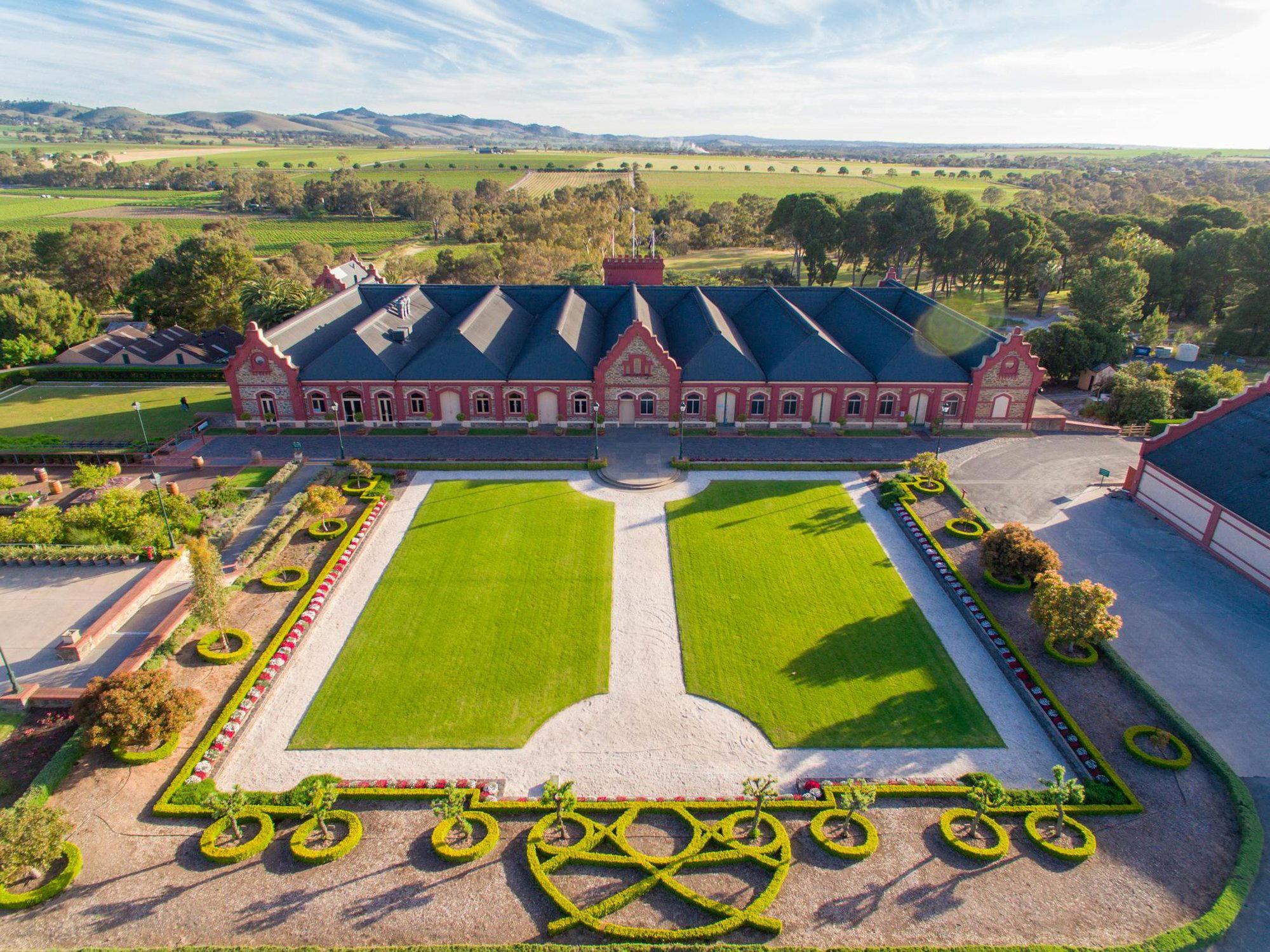
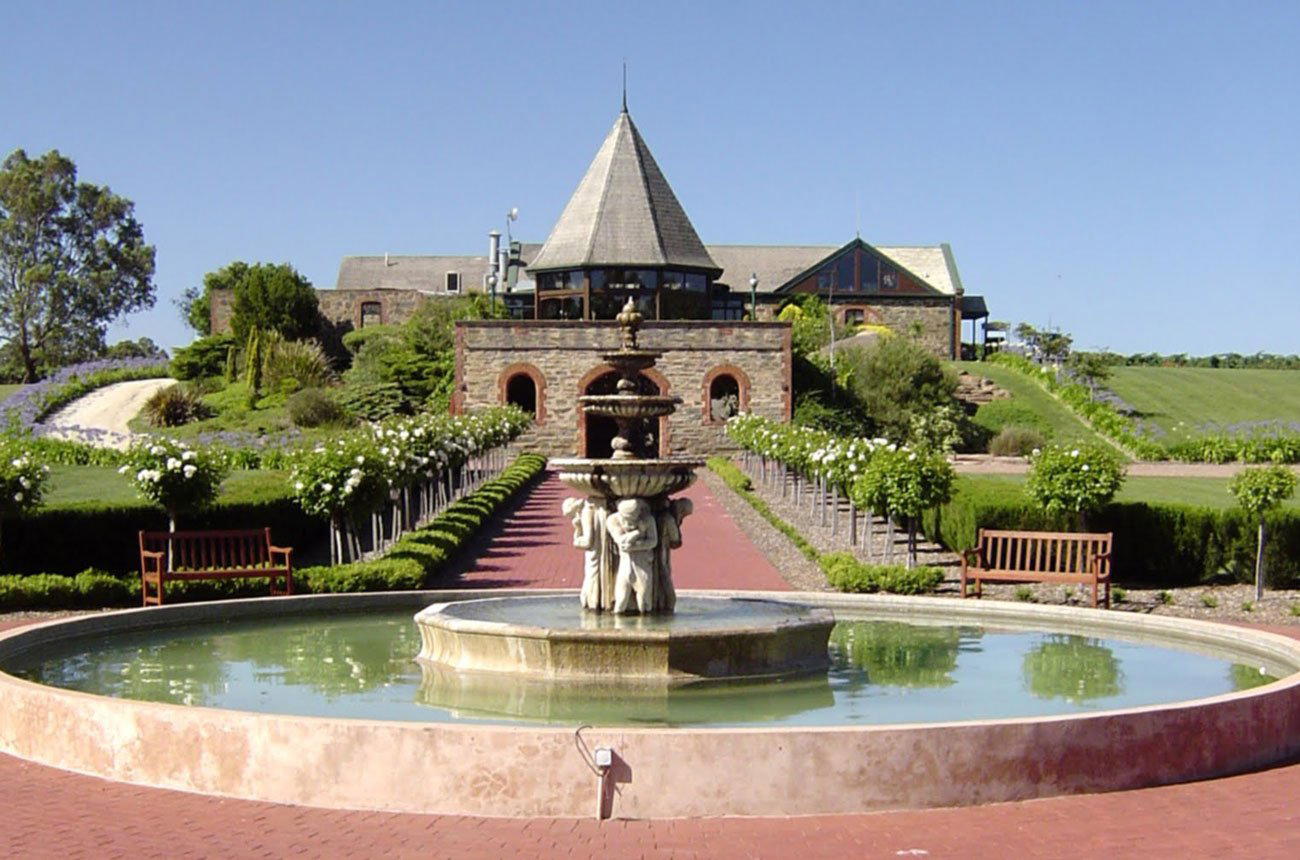
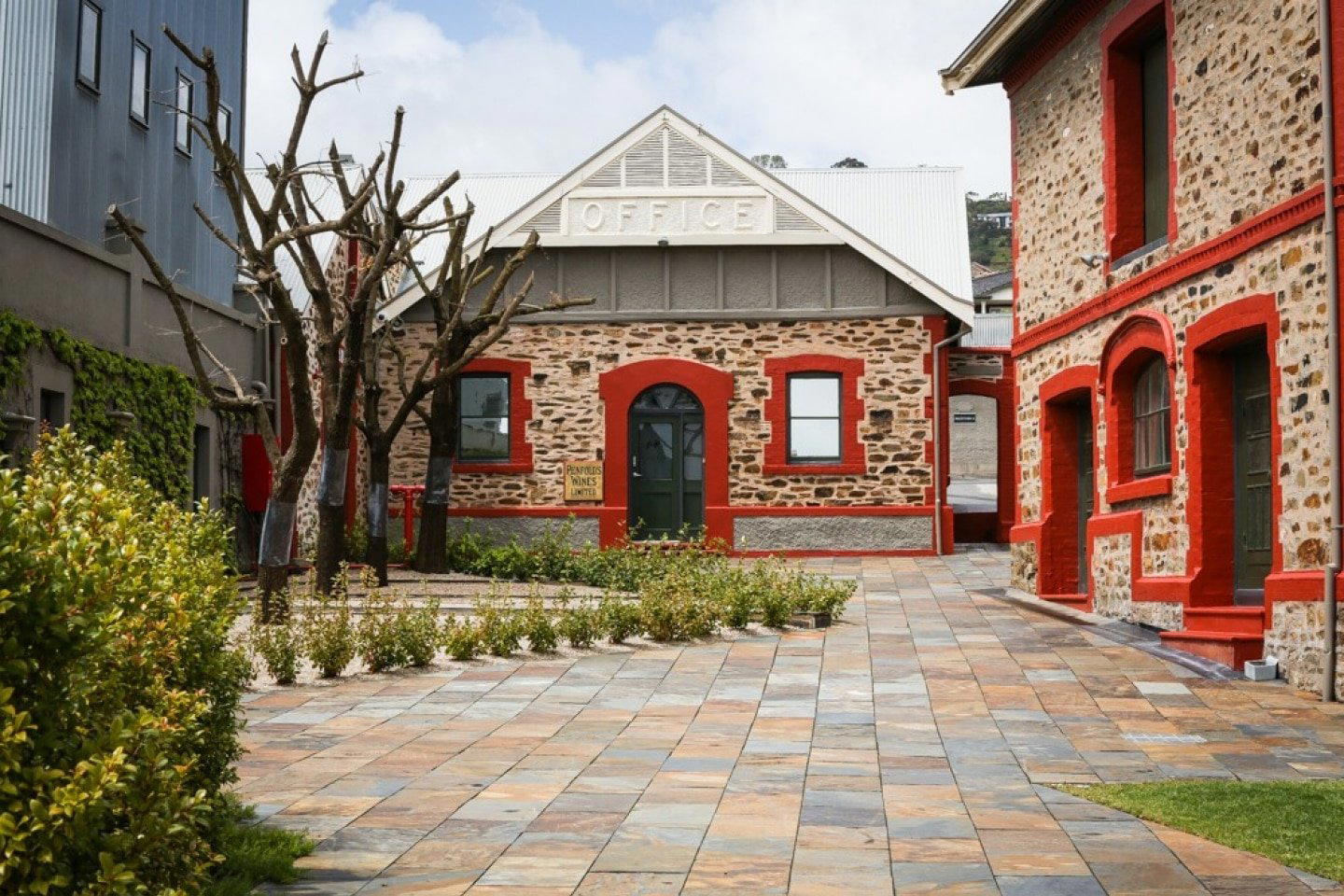
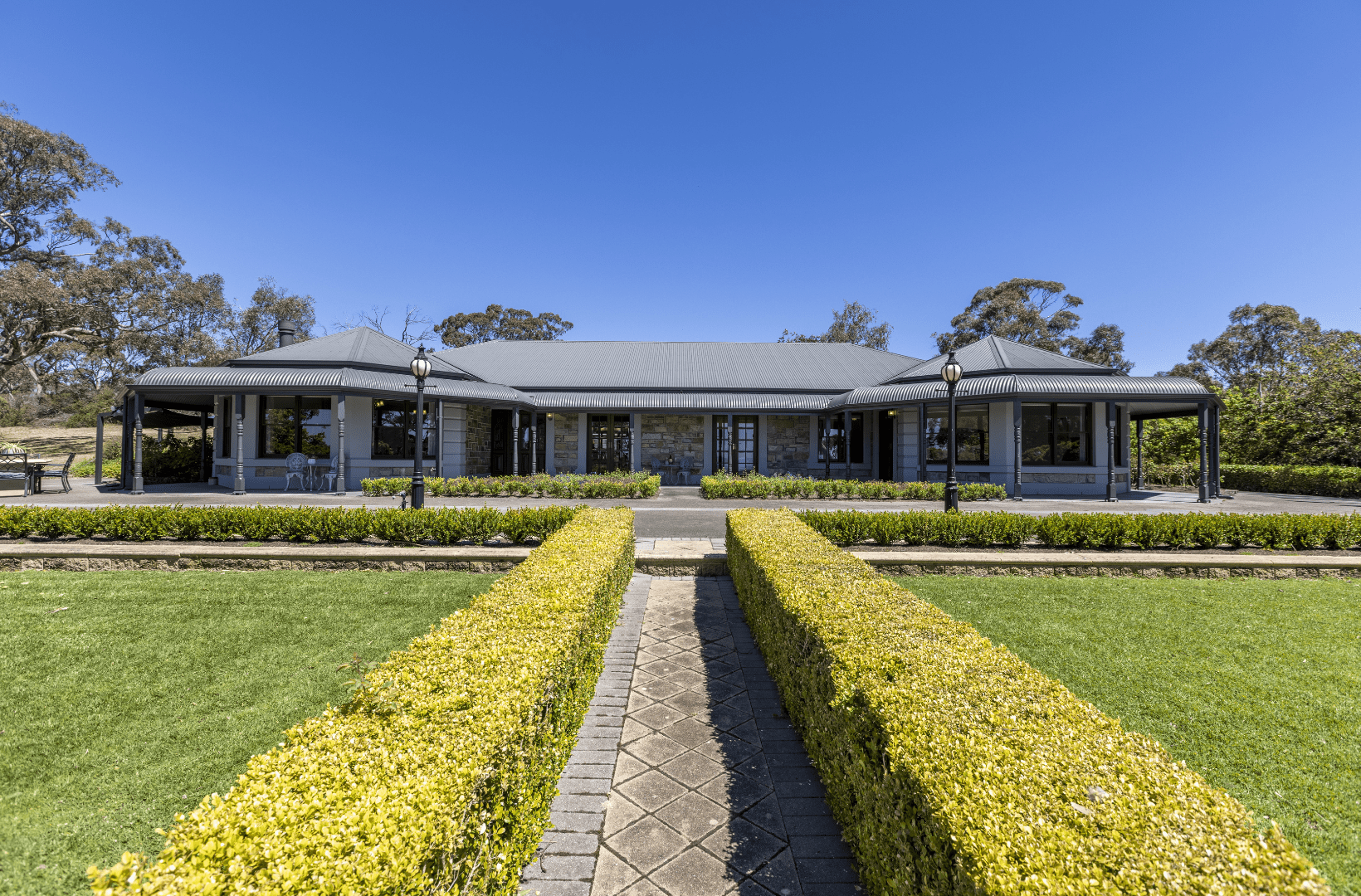
The heritage sandstone building on Basedow Road frames a tasting experience that sits within the upper bracket of the region's producer set, alongside peers such as Charles Melton and Peter Lehmann. Visitors come for the building as much as the wines.

Pearl is the En Primeur Club membership app — saves, bookings, and concierge access live there. Same editors, same standards.
- Address
- Château Tanunda, 9 Basedow Rd, Tanunda SA 5352
- Phone
- +61 8 8563 3888
- Website
- chateautanunda.com
- Directions
- Get directions
Sandstone, Scale, and the Barossa's Prestige Tier
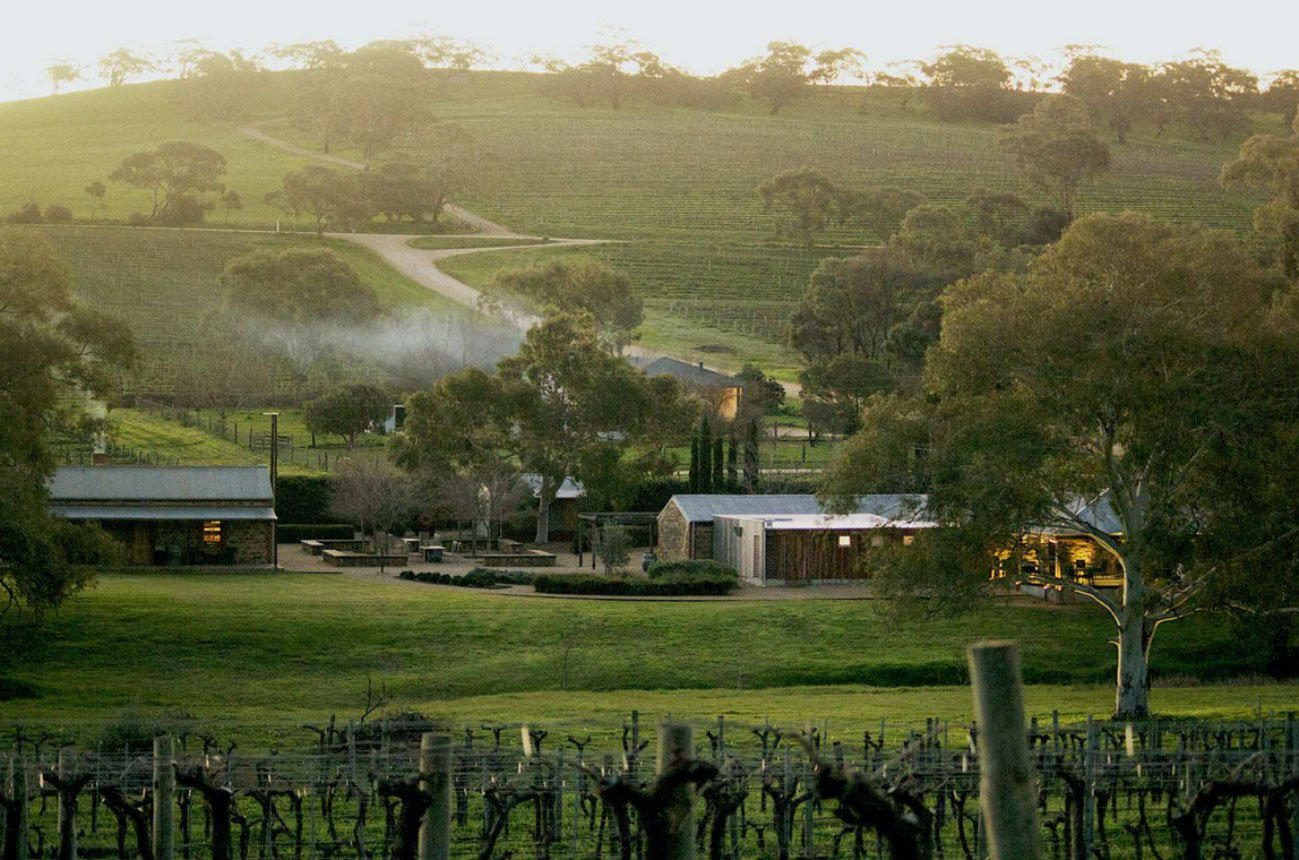
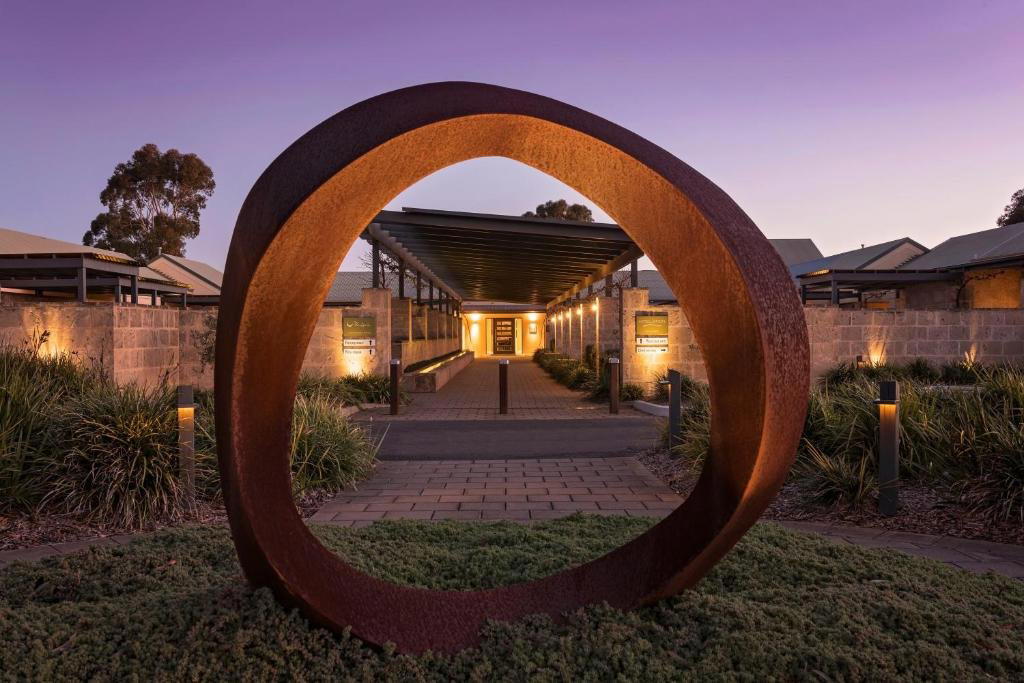
There is a particular kind of arrival that the Barossa Valley reserves for its oldest estates: a long driveway, a building that reads as permanent, and a sense that the land has been producing wine longer than most countries have had wine industries. Château Tanunda, on Basedow Road in Tanunda, delivers that experience with unusual architectural conviction. The sandstone château itself, built in the 1890s, is among the most photographed structures in South Australian wine country, and its scale sets a register for the tasting that follows. You are not walking into a converted shed or a minimalist cube designed to foreground the winemaker's philosophy. You are walking into a building that argues, in stone and pitched rooflines, that Barossa wine has always belonged in the same conversation as the world's great regions.
That argument is now backed by formal recognition. In a region where the competition includes Charles Melton Wines, Elderton, Peter Lehmann, Grant Burge, and Jacob's Creek, a prestige-tier rating is a meaningful signal rather than a courtesy designation. It places the estate in a competitive set defined by depth of range, cellar quality, and the kind of tasting experience that warrants planning around rather than slotting in as an afterthought.
What the Tasting Room Actually Delivers
The Barossa's tasting room formats have diversified considerably over the past decade. The region now runs a spectrum from high-volume drive-through tastings at large production houses to appointment-only experiences at small-batch producers where the winemaker pours from barrel samples. Château Tanunda occupies a distinct position in this range: the heritage building provides a set-piece environment that smaller estates cannot replicate, while the prestige rating signals a wine program with enough depth to hold the room's grandeur accountable.
Visitors who arrive expecting the tasting to coast on architecture alone tend to leave recalibrated. The estate's scale, both in the physical building and in the breadth of the wine range, means that a structured tasting here covers more ground than a typical Barossa stop. The Barossa's strength is Shiraz, and any serious tasting at this address should move through that variety at more than one tier. The region's old-vine Shiraz, sourced from vineyards with pre-phylloxera rootstock dating to the mid-1800s in some cases, is among the more historically significant wine material in the southern hemisphere. Tasting it in a building that is itself a piece of that same 19th-century history sharpens the context considerably.
Beyond Shiraz, the Barossa's Grenache and Mourvèdre programs have attracted serious international attention over the past fifteen years, and estates operating at the prestige level are expected to have considered positions on those varieties. Cabernet Sauvignon, Riesling (primarily an Eden Valley expression in this region), and fortifieds also feature in the broader Barossa conversation. A tasting at Château Tanunda, given its standing, should address at least two or three of these categories rather than presenting a single-variety run.
Placing Château Tanunda in the Barossa's Producer Hierarchy
The Barossa Valley's producer hierarchy is more stratified than it appears from the outside. At the volume end, brands like Jacob's Creek operate as global commodity producers with visitor centres that function as brand experiences. In the middle tier, estates like Grant Burge and Elderton combine genuine regional authority with production scales that keep them commercially accessible. At the prestige end, a smaller cohort produces wines that trade on allocation, critical rating, and old-vine provenance rather than distribution reach.
What separates prestige-tier Barossa estates from their mid-market peers is typically a combination of vineyard age, winemaking restraint, and the ability to age. The Barossa's most respected Shiraz and Grenache programs share a characteristic density of fruit character that comes specifically from low-yielding old vines rather than from winemaking intervention, and the prestige producers are the ones who have accumulated enough old-vine estate material to make that distinction meaningful in the glass.
Charles Melton Wines and Peter Lehmann both carry strong regional reputations and distinct tasting room personalities, but neither operates from a structure with the same visual and historical weight. That difference matters most to visitors for whom the wine experience is inseparable from its setting.
The Barossa in Australian Wine Context
Understanding Château Tanunda requires some grasp of where the Barossa sits within Australian wine more broadly. The region is the country's most internationally recognised wine address, associated primarily with full-bodied red wines built on a foundation of 19th-century European settler viticulture. Its nearest regional competitors for prestige-tier attention are the Clare and Eden Valleys to the north (Riesling specialists), the Adelaide Hills to the south (cooler-climate Chardonnay and Pinot), and the McLaren Vale to the southwest (another Shiraz stronghold with a distinct soil profile).
Internationally, the Barossa sits in a comparison set that includes Napa Valley Cabernet programs, Rhône Valley Syrah/Grenache producers, and Ribera del Duero Tempranillo estates in terms of the kind of structured, age-worthy red wine it represents. For Australian wine context across different regions, estates like Bass Phillip in Gippsland, Bird in Hand in Adelaide Hills, Leading's Wines in Great Western, and Angove Family Winemakers in Renmark each represent different points on the country's wine spectrum. For fortified wine comparisons specifically, All Saints Estate in Rutherglen offers a useful contrast to the Barossa's table wine focus. Further afield, Blue Pyrenees Estate in Pyrenees and Accendo Cellars in St. Helena illustrate how prestige-tier producers operate in different wine cultures. For non-wine comparison, Archie Rose Distilling Co in Sydney and Aberlour in Aberlour represent parallel conversations about terroir-driven prestige in spirits.
Planning a Visit
Château Tanunda is located at 9 Basedow Road in Tanunda, the central town of the Barossa Valley. The Barossa sits approximately 70 kilometres northeast of Adelaide, and most visitors arrive by car, either self-driving or on a guided day tour from the city. Tanunda itself is the most densely concentrated area for cellar door visits in the valley, which means Château Tanunda can anchor a broader day that includes nearby producers without significant driving. The estate's prestige-tier standing means that visitors who treat it as a brief stop between other tastings tend to underuse what it offers; planning at least 60 to 90 minutes here gives the tasting room experience room to develop properly.
Barossa Valley visitation peaks in autumn (March to May), when harvest activity adds a practical dimension to visits and the light across the vineyards shifts from summer white to something cooler and more photogenic. Spring (September to November) is the secondary peak, popular for its wildflower growth and moderate temperatures. Summer visits are manageable but require early-morning timing to avoid the heat that defines Barossa afternoons from December through February. For the full picture of what the Barossa offers across categories and price points, see our full Barossa Valley restaurants guide.
Cuisine-First Comparison
Comparable venues nearby, for context on price, style, and recognition.
| Venue | Cuisine | Price | Awards | Notes |
|---|---|---|---|---|
| Château TanundaThis venue — the venue you are viewing | Shiraz, Grenache | Not listed | Falstaff Winery - Listed | Not listed |
| Charles Melton Wines | Grenache, Shiraz | Not listed | Falstaff Winery - Listed | Tanunda |
| Seppeltsfield Road Distillers | Shiraz, Semillon | Not listed | Not listed | Marananga |
| Sami-Odi | Syrah | Not listed | Not listed | Angaston |
| Langmeil | Shiraz, Grenache | $30–50 | Not listed | Tanunda |
| Grant Burge | Shiraz, Cabernet Sauvignon | $30–50 | Falstaff Winery - Listed | Barossa Valley |
Recognition history
Dated appearances from independent guides and award organizations, with the underlying list record or original source where available.
Falstaff Winery - Listed
Falstaff
Continue exploring
More in Barossa Valley
Wineries in Barossa Valley
Browse all →
Bars in Barossa Valley
Browse all →
Restaurants in Barossa Valley
Browse all →
Details
- Classic
- Well Known
- Elegant
- Historic
- Scenic
- Wine Education
- Special Occasion
- Group Outing
- Vineyard Tour
- Historic Building
- Estate Grounds
- Barrel Room
- Sustainable
- Vineyard
- Garden
- Shiraz
- Grenache
- Cabernet Sauvignon
- Riesling
- Semillon
- Chardonnay
- Mourvèdre
- Still Red
- Still White
- Sparkling
- Cellar Door Tasting
- Private Tasting
- Old Vine Expressions
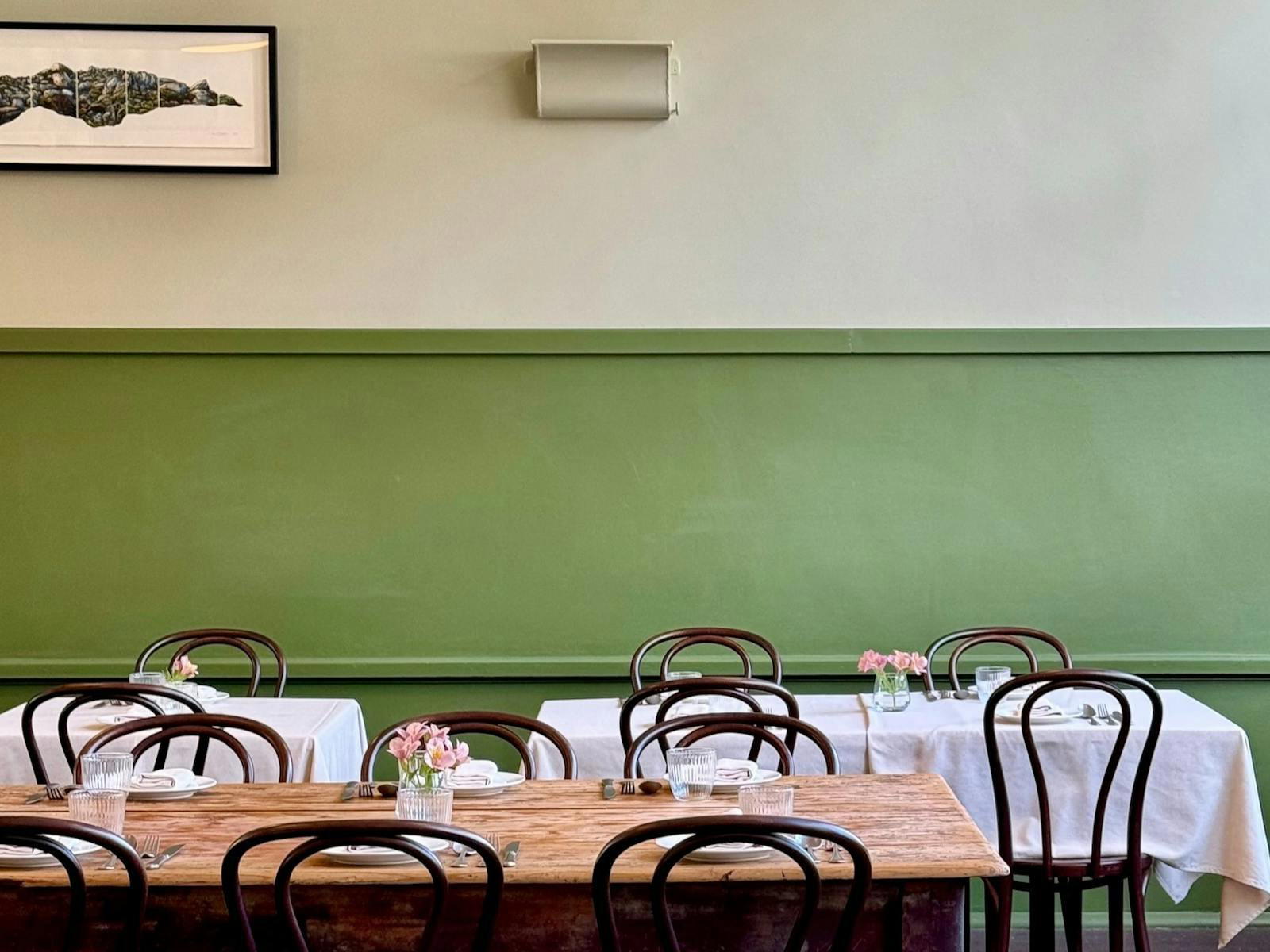
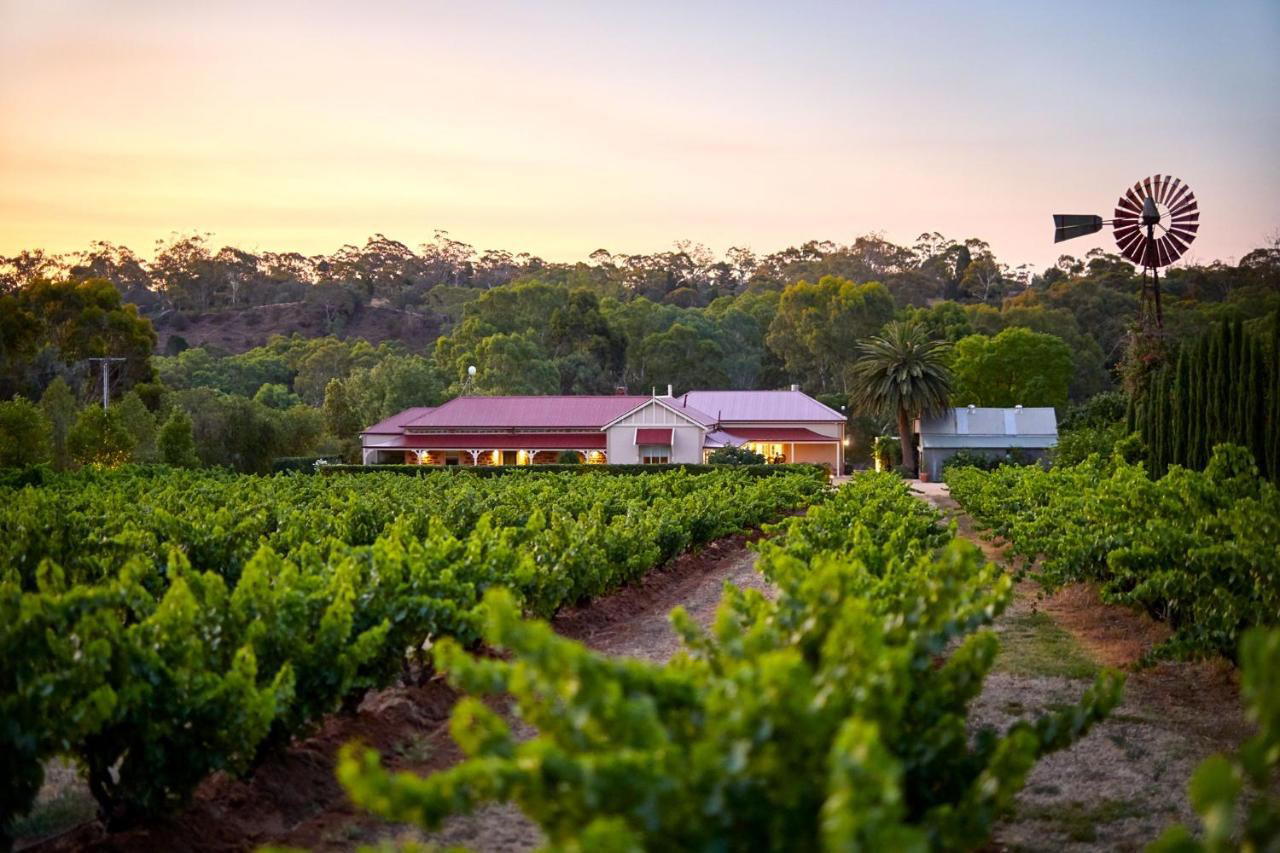
Grand and immersive historic setting amid oak barrels, vineyards, and landscaped gardens, offering an elegant and atmospheric experience.