


La Liste Top Hotels · Virtuoso Luxury Hotel Partner · Forbes Recommended
Rated 92.5 points on the 2026 La Liste Top Hotels list, it draws comparison to a Southern European villa while remaining firmly rooted in South Australia's premier wine region. Spring and autumn bring the Barossa to full effect.

Pearl is the En Primeur Club membership app — saves, bookings, and concierge access live there. Same editors, same standards.
- Address
- 375 Seppeltsfield Road, Stonewell Rd, Marananga SA 5355
- Phone
- +61 2 9918 4355
- Website
- thelouise.com.au
- Directions
- Get directions
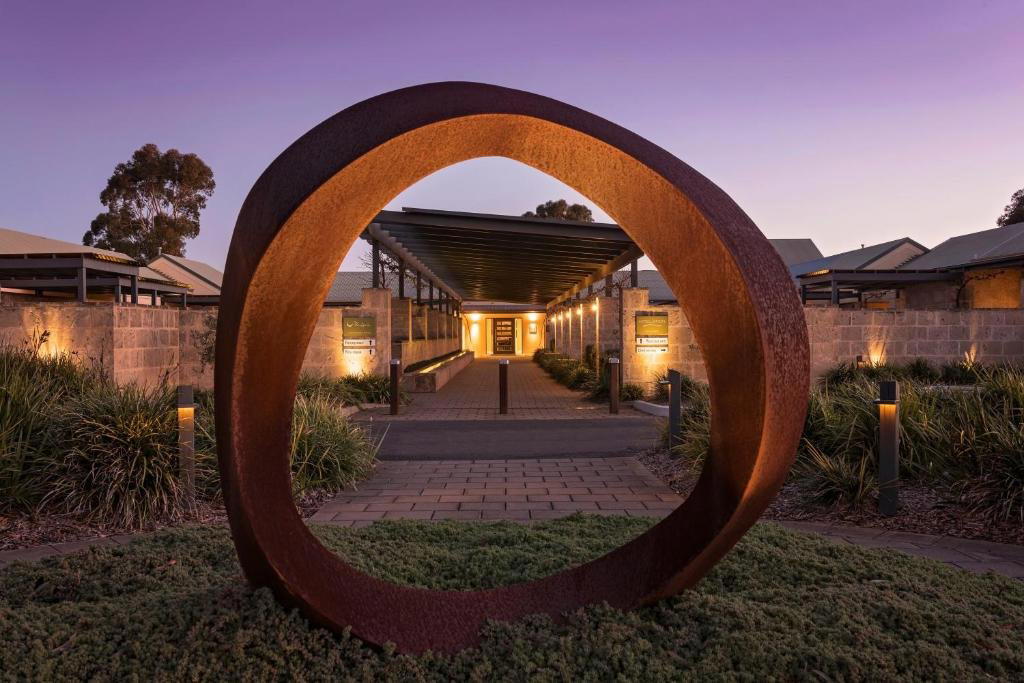
Stone, Sky, and Vine: The Architecture of Place at The Louise
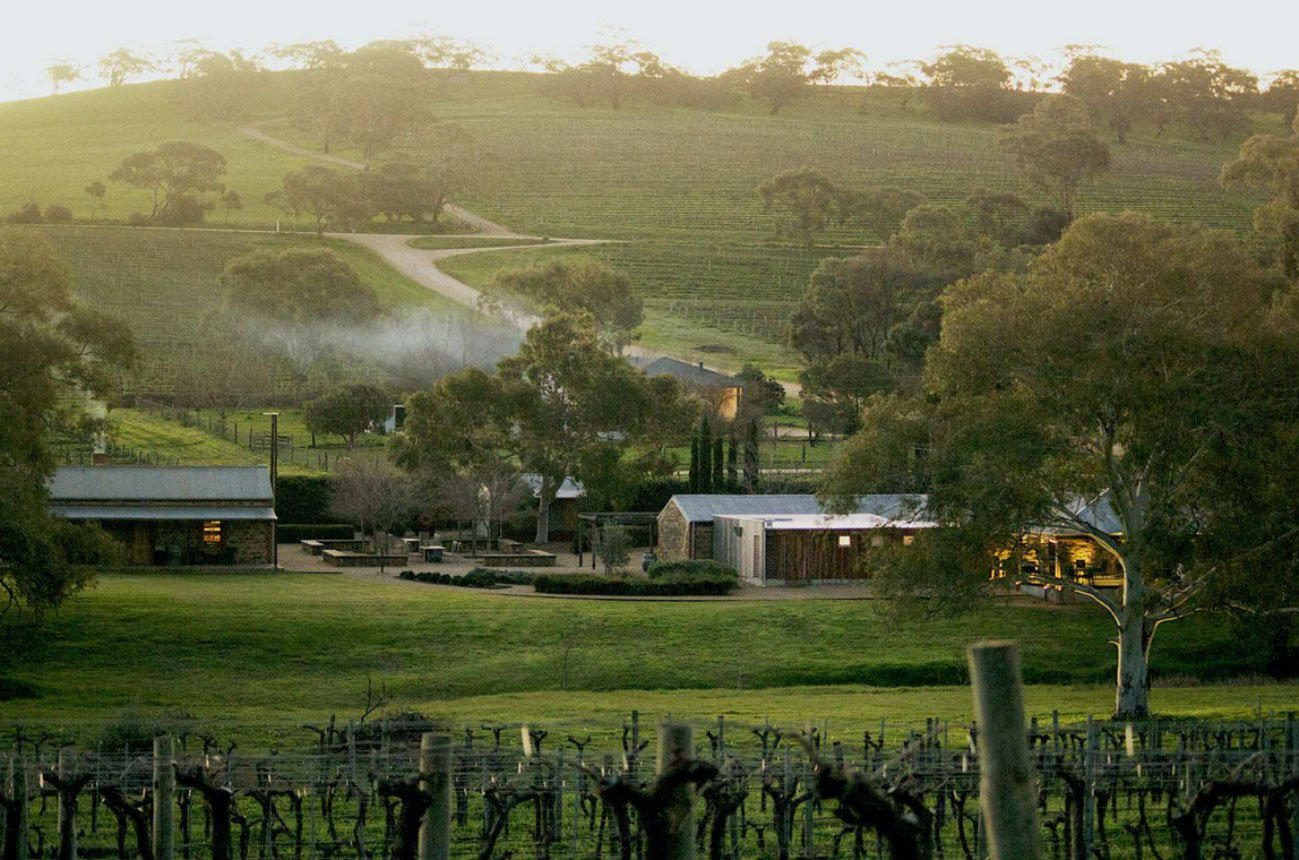
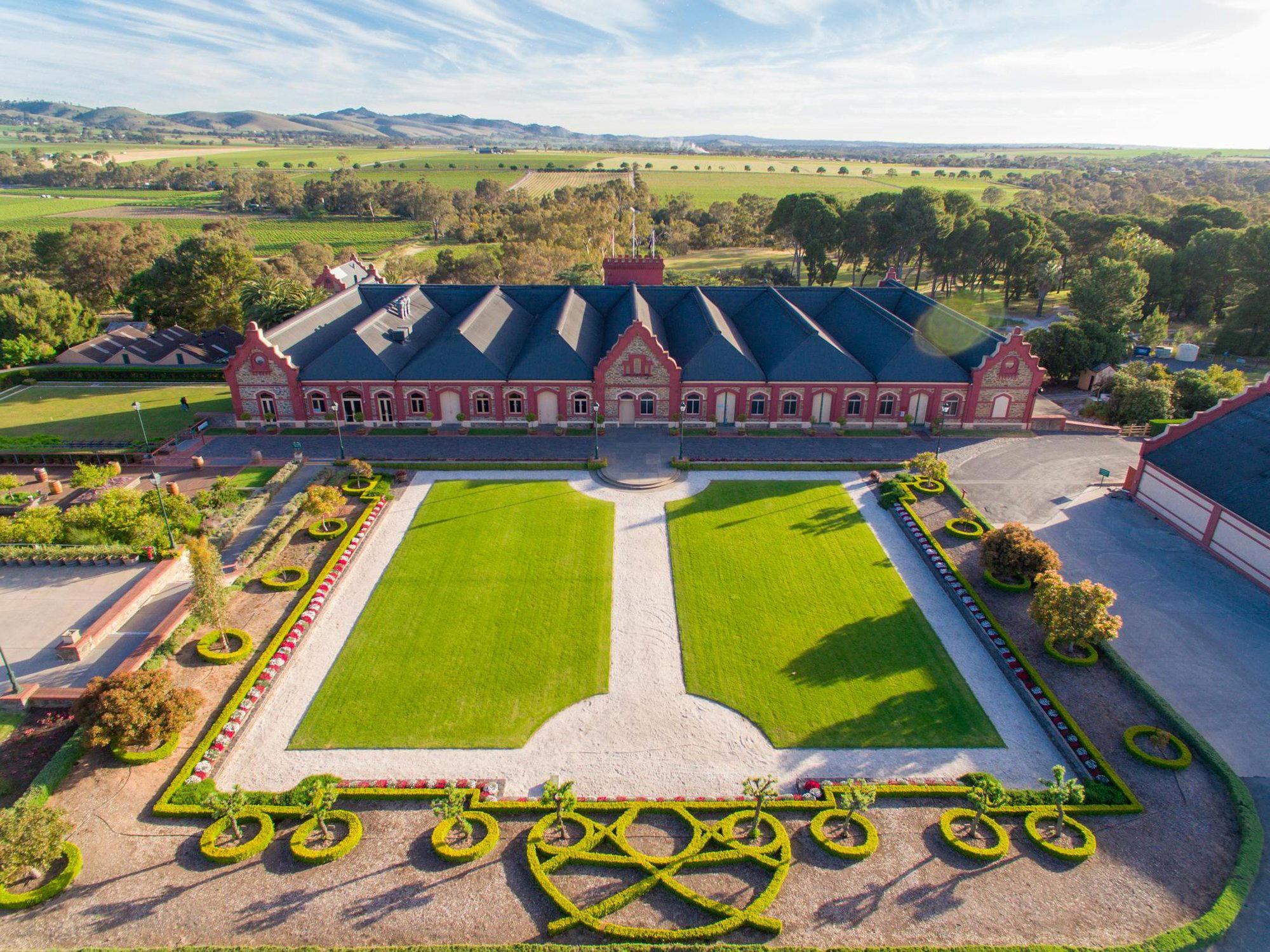
Australia's wine-country lodges have increasingly split into two camps: large-scale resort developments that happen to sit near vineyards, and smaller, design-led properties where the physical environment is the primary design brief. The Louise belongs squarely to the second category. The vineyard rows, the open sky, and the ancient, gnarled vines visible from the terraces are not incidental to the design. They are the design.
The Southern European comparison that The Louise invites is earned rather than forced. The proportions, the generous use of stone and timber, and the way interior spaces dissolve into outdoor terraces recall a certain Provençal or Tuscan sensibility, where architecture organises views rather than obstructing them. In the Barossa context, this approach has particular resonance. The valley's heritage viticulture, some of the oldest Shiraz and Grenache vines in the world, calls for a human scale that large-footprint hotels struggle to achieve. Fifteen suites is a deliberate number: enough to sustain a full hospitality program, small enough that the ratio of space to guest remains generous.
The La Liste recognition tells part of the story. For properties of this size, that kind of recognition signals that the architecture and the hospitality program are working in alignment rather than at cross-purposes. For context on where The Louise sits relative to Australia's broader luxury hotel field, properties like Capella Sydney in Sydney, Southern Ocean Lodge in Kingscote, and Cape Lodge in Wilyabrup occupy a similar niche of landscape-embedded, low-key-count luxury. The Louise differentiates itself through the specific density of the Barossa's wine culture, which provides both the physical backdrop and the experiential framework.
Suites, Ensuites, and the Logic of Private Space
In wine-country lodges, room design tends to reflect one of two philosophies. The first treats accommodation as a retreat from the experience, a place to sleep between tastings. The second treats the suite itself as an experience, with proportions, light, and outlook that reward time spent inside as much as outside. The Louise's 15 suites, each described as generous with private ensuites, align with the second approach. The emphasis on private spaces is worth noting in the context of a 15-key property: at this scale, there is no structural reason to compromise on privacy, and the suite configuration at The Louise appears built around that logic.
Vineyard views are not a marketing afterthought here. The morning light across the vine rows, particularly in autumn when the leaves are turning, and in spring when the canopy is filling out, is the kind of detail that justifies booking a suite with a specific outlook in mind. Guests planning around peak season should note that March through May represents the Barossa's autumn harvest period, when the valley is at maximum activity and colour. This is the window when The Louise's setting delivers most completely.
The Barossa as Extended Itinerary
What distinguishes wine-country lodges from urban luxury hotels is the question of how they structure time away from the room. At The Louise, the itinerary extends well beyond the property boundary. The property's programming reflects the landscape: hot air balloon flights over ancient vineyard blocks, sunrise picnic breakfasts in native bushland where kangaroo sightings are reported regularly, vintage car tours through the undulating valley terrain, and cycling or walking tracks among native flora and birdlife.
This kind of activity curation is increasingly standard among premium wine-country properties, but the Barossa's specific geography gives it particular weight. The combination of viticultural heritage, with some vine blocks predating South Australian statehood, and the surrounding native bushland creates an experiential range that purely agricultural landscapes cannot offer. But the property's design positions the Barossa as a full landscape experience rather than a single-purpose wine trip.
For travellers considering how The Louise compares to other Australian wine-country or design-led lodge properties, the EP Club's broader Australia coverage includes Lake House, Daylesford in Daylesford, Bells at Killcare in Killcare Heights, and Jonah's Restaurant and Boutique Hotel in Palm Beach, each operating within a similar tension between strong landscape setting and intimate key count. The nearest major airport is Adelaide, approximately 70 kilometres to the south, with the Barossa Valley reachable in under an hour by car. At 15 suites, availability across peak autumn harvest dates in March and April and the spring flush in September and October is limited, and the property's La Liste standing means that international and interstate travellers are competing for the same windows. Planning a stay three to four months ahead during these periods is a practical baseline rather than an excess of caution.enprimeurclub. Travellers building a longer South Australia or east coast itinerary can also reference properties including The Calile in Brisbane, The Tasman in Hobart, and Wildman Wilderness Lodge in Marrakai for a sense of how Australia's design-led accommodation tier distributes across the country.
Side-by-Side Snapshot
Comparable venues nearby, for context on price, style, and recognition.
| Venue | Cuisine | Price | Awards | Notes |
|---|---|---|---|---|
| The LouiseThis venue — the venue you are viewing | Contemporary boutique vineyard retreat with architectural sophistication and curated luxury positioning. | $500–750 | La Liste Top Hotels · Virtuoso Luxury Hotel Partner | Not listed |
| The Sundays | Contemporary boutique tropical escape | Not listed | 1 Michelin Key · Travel + Leisure It List Hotels | Catseye Beach |
| Sequoia Lodge | Contemporary luxury lodge designed as a private sanctuary with bespoke architecture that honors the historic and natural environment of the Adelaide Hills. | $1,000–1,500 | 2 Michelin Keys · Relais Chateaux Award | Crafers |
| Mount Lofty House | Historic boutique estate combining 1852 heritage architecture with contemporary luxury design and refined elegance. | $300–500 | 1 Michelin Key · Virtuoso Luxury Hotel Partner | Crafers, Adelaide Hills |
| Nest & Nature | Sustainable off-grid eco-tourism retreat | $300–500 | Michelin Selected | Inman Valley |
| Southern Ocean Lodge | Contemporary cliff-top luxury lodge | Not listed | 3 Michelin Keys · World's 50 Best #69 | Karatta |
Recognition history
Dated appearances from independent guides and award organizations, with the underlying list record or original source where available.
La Liste Top Hotels
La Liste
Forbes Recommended
Forbes
Virtuoso Luxury Hotel Partner
Virtuoso
Continue exploring
More in Marananga
Hotels in Marananga
Browse all →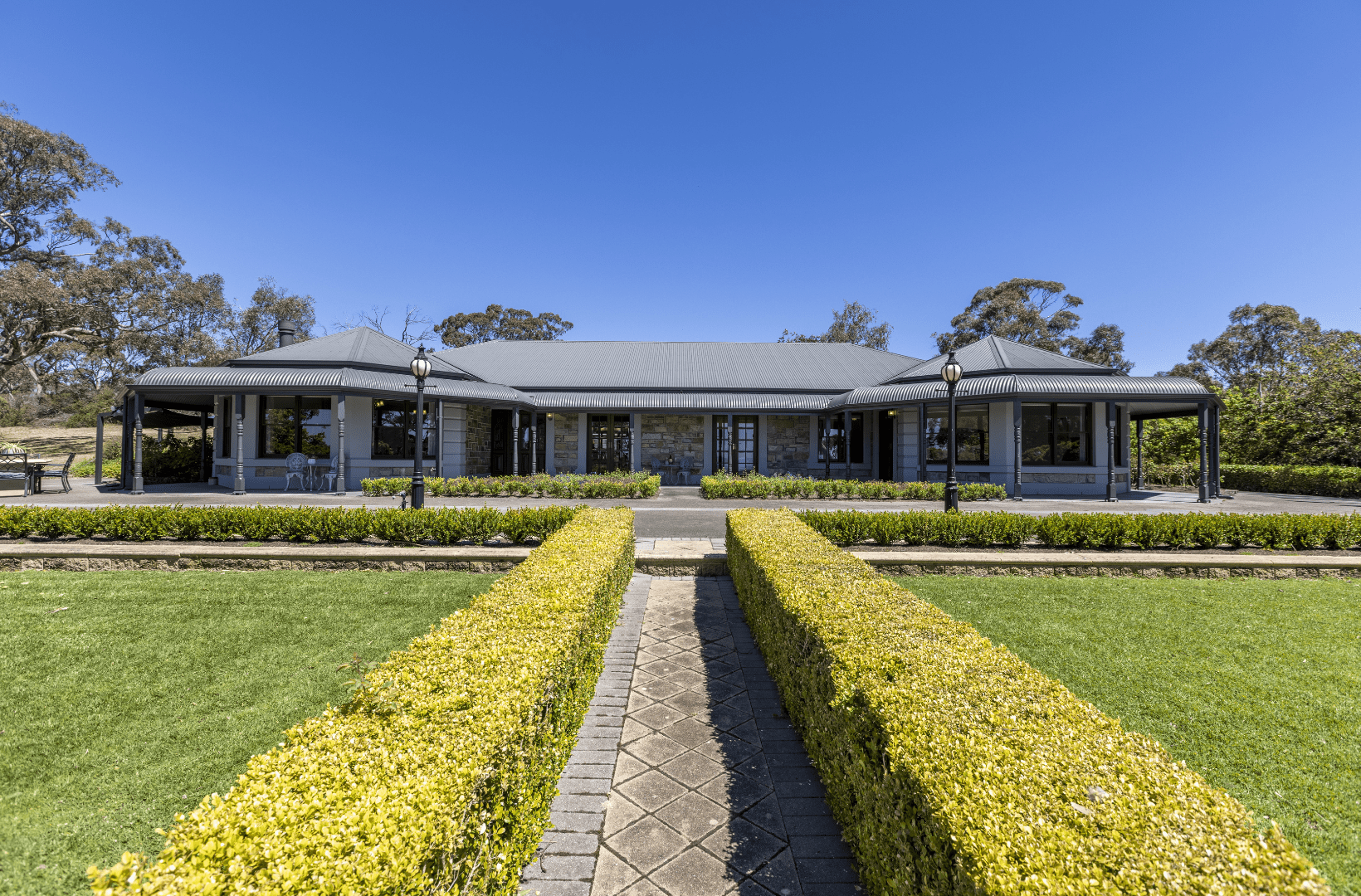
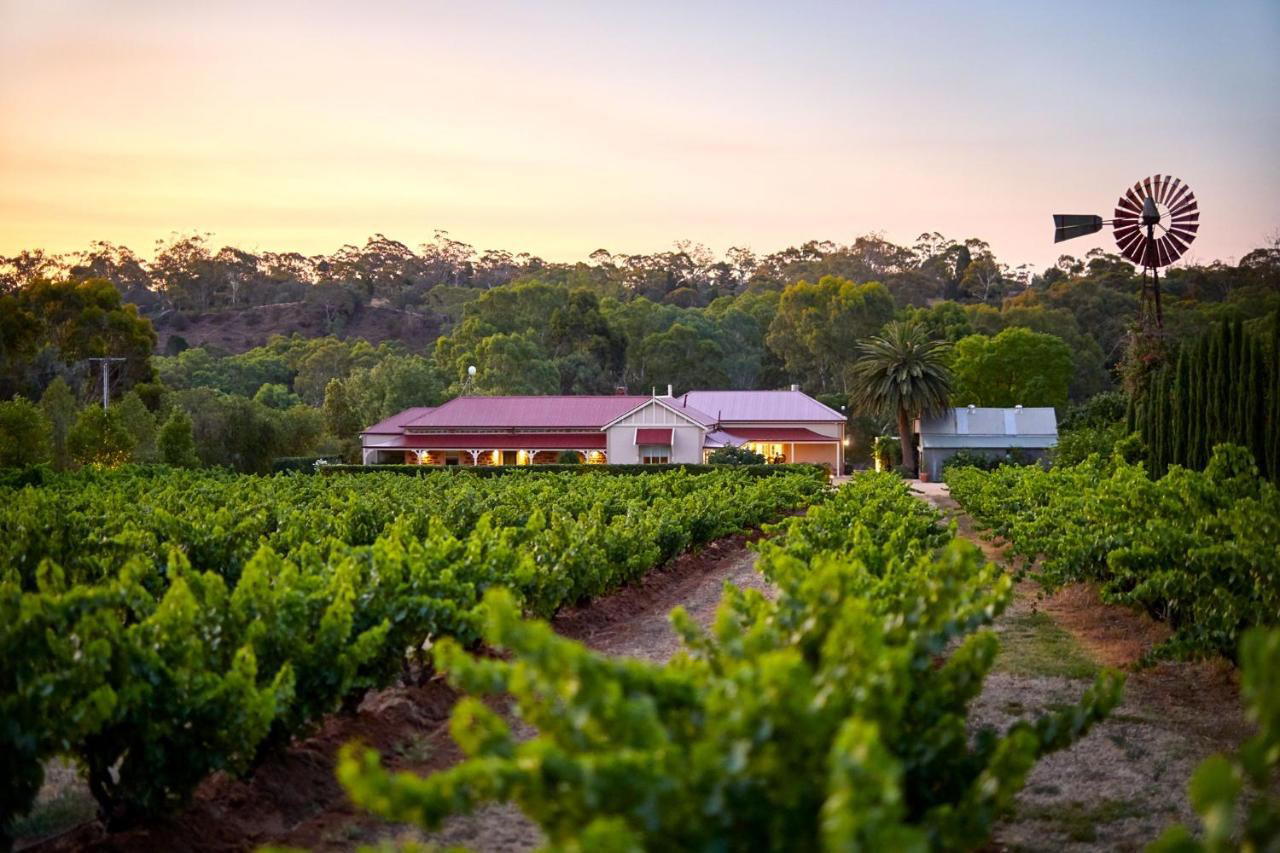
Bars in Marananga
Browse all →
Restaurants in Marananga
Browse all →
Details
- Romantic
- Elegant
- Sophisticated
- Scenic
- Quiet
- Honeymoon
- Romantic Getaway
- Anniversary
- Weekend Escape
- Celebration
- Infinity Pool
- Private Villa
- Garden
- Terrace
- Panoramic View
- Private Dining
- Wi Fi
- Pool
- Spa
- Fitness Center
- Room Service
- Concierge
- Valet Parking
- EV Charging
- Sauna
- Restaurant
- Massage
- Bicycle Rental
- Vineyard
Candlelit, intimate, and serene with high-ceilinged contemporary interiors warmed by fireplaces; peaceful and luxurious with soft lighting and sophisticated furnishings throughout.