Clarendon Hills

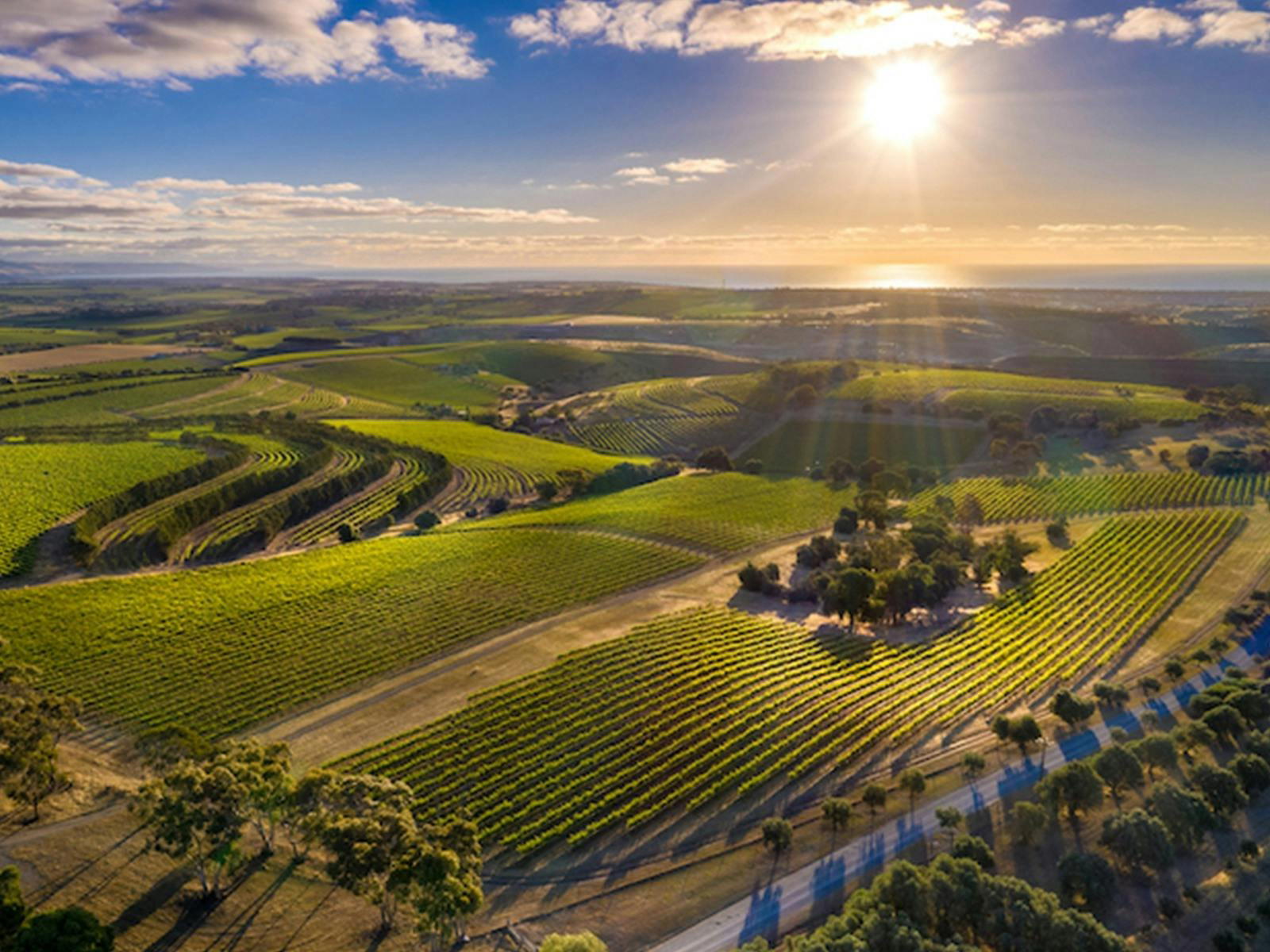
Clarendon Hills operates from Blewitt Springs in South Australia's McLaren Vale, producing wines through winemaker Roman Bratasiuk that carry the region's iron-rich soils and Mediterranean climate directly into the glass. Visiting in the Australian summer months reveals the full force of this sun-baked, ancient landscape.
Pearl is the En Primeur Club membership app — saves, bookings, and concierge access live there. Same editors, same standards.
- Address
- 182 Brookmans Rd, Blewitt Springs SA 5171
- Phone
- +61883636111
- Website
- clarendonhills.com.au
- Directions
- Get directions
 Saves & bookings on Pearl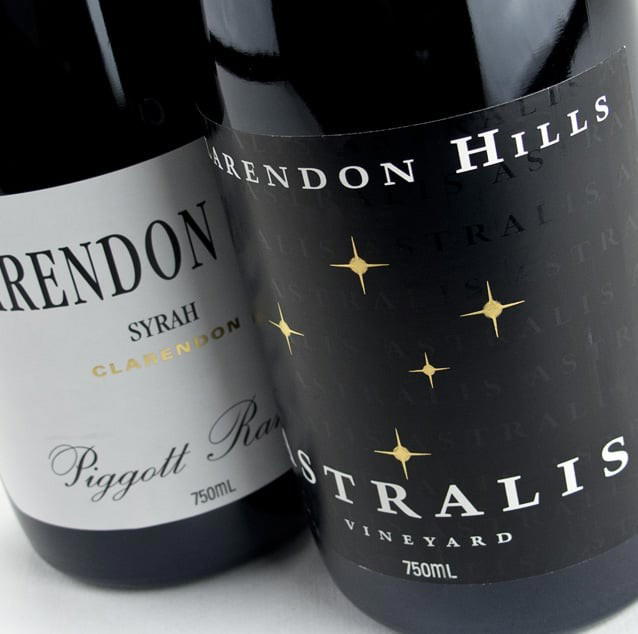
Old Vines, Iron Soils, and the McLaren Vale Argument for Terroir
McLaren Vale has spent decades making a case that Australian wine need not choose between power and place. The region sits on some of the oldest vineyard soils on the continent, a mosaic of ironstone, sandy loam, and black cracking clay that forces vine roots deep and slow. Blewitt Springs, perched on refined sandy soils at the Vale's northern fringe, is the subzone that most consistently produces wines with a distinct textural signature: finer tannins, higher natural acidity, and a mineral persistence that separates it from the broader appellation. Clarendon Hills, sourcing from vineyards in this context, is one of the producers that has helped define what Blewitt Springs fruit can achieve at full concentration.
At this level, the conversation is no longer about regional identity in general terms but about the granular differences between individual parcels, vine age, and seasonal expression. For visitors arriving in January, the Australian summer presents the vines at their most exposed: the ironstone gravel retains heat through the evening, and the gap between daytime warmth and overnight cool that gives Blewitt Springs its tension is most legible in wines made from this period's harvest.
Roman Bratasiuk and the Discipline of Site Specificity
Australian fine wine has historically organised itself around the winemaker as auteur. The conversation at Clarendon Hills sits differently. Winemaker Roman Bratasiuk operates within a framework where individual site expression is the primary discipline, not stylistic consistency across a blended portfolio. This approach aligns Clarendon Hills with a cohort of Australian producers, including Bass Phillip in Gippsland and Henschke, that treat individual vineyard blocks as the unit of meaning rather than the regional label. The result is a range where labels correspond to specific parcels, and differences between bottles reflect differences in ground, not differences in winemaker intervention.
Among Australian producers in the upper prestige bracket, this site-specificity is increasingly the distinguishing marker. Estates like Cape Mentelle in Margaret River or Bird in Hand in Adelaide Hills represent different models, where the producer's identity spans multiple varieties and broader stylistic ambitions.
Blewitt Springs in January: Arriving at the Right Moment
The address at 182 Brookmans Road, Blewitt Springs, places Clarendon Hills on refined ground above the main McLaren Vale floor. In January, the approach along the dirt roads that connect Blewitt Springs to the broader Vale brings the character of this subzone into immediate focus: ancient sandy soils, sparse dry-farmed vines, and a stillness that distinguishes it from the busier cellar door corridors around McLaren Vale township. The summer light is hard and direct, and the vineyards carry the compressed intensity of a long growing season close to its end.
For those planning a visit during the Australian peak season, reaching Blewitt Springs is easiest by car. The subzone sits above the main valley, and the roads connecting it to central McLaren Vale are narrow and rural. Building this visit into a wider McLaren Vale day, including stops at estates along Willunga and Chalk Hill, makes the logistics manageable. Given the winery's prestige tier, advance contact before arrival is advisable.
Where Clarendon Hills Sits in the Australian Wine Hierarchy
Australia's premium wine producers have separated into distinct tiers over the past two decades. At one pole, large-scale estates built global distribution on consistent house styles: Casella Family Wines in Griffith and Angove Family Winemakers in Renmark represent models where volume and accessibility are primary concerns. At the other pole, allocation-driven estates producing small quantities from named parcels have built reputations in the specialist collector market and among restaurant wine programs seeking provenance over price efficiency. The winery operates firmly in the second category.
For the visitor arriving in Blewitt Springs, this means the cellar door experience, where available, is likely to function more as an introduction to the range than as a point-of-sale channel. Wines at this tier are often allocated before bottling, and visitors are better positioned as informed guests than as walk-in customers.
Peers in the South Australian prestige category include All Saints Estate in Rutherglen for a different varietal tradition, and internationally, the allocation model the winery employs echoes what smaller Napa producers like Accendo Cellars in St. Helena have built around single-vineyard Cabernet. The structural parallel is instructive: in both cases, the producer's reputation rests on the argument that a specific piece of ground, farmed with precision over decades, produces wine that cannot be replicated at scale.
The McLaren Vale Context Beyond Clarendon Hills
Understanding the winery requires placing it within McLaren Vale's broader evolution as a fine wine region. For much of the late twentieth century, McLaren Vale supplied fruit to large blending programs, and the region's identity was subsumed into national brands. The shift toward estate-grown, site-specific production accelerated from the 1990s onward, driven partly by producers like Clarendon Hills demonstrating what individual parcels could achieve when handled with restraint and focus. Today, the Vale's reputation rests on old-vine Shiraz and Grenache of genuine concentration, with Blewitt Springs widely considered the subzone most capable of producing wines with both power and structural precision.
For visitors building a broader South Australian itinerary, the regional context extends into the Adelaide Hills to the north, where Bird in Hand represents a cooler-climate counterpoint to the Vale's intensity. Those interested in Australian wine history more broadly can cross-reference the Vale's old-vine Shiraz tradition against the entirely different approach taken by Brokenwood in Hunter Valley, where Semillon and Hunter-style Shiraz define the regional argument.
For broader Australian itineraries, comparison points are available across the country: Leading's Wines in Great Western offers another model of single-site precision with century-old vines, while Blue Pyrenees Estate in Pyrenees represents Victoria's cooler-climate approach to estate production. Those whose itineraries extend beyond wine can also consider Archie Rose Distilling Co in Sydney or Bundaberg Rum Distillery in Bundaberg for a different category of Australian craft production, and Brown Brothers in King Valley for a multi-generational family estate operating at a different scale. For context on international prestige-tier producers using comparable allocation models, Aberlour in Scotland provides a useful parallel in how geography anchors a producer's identity.
Planning a Visit
The winery is located at 182 Brookmans Road, Blewitt Springs SA 5171. The property sits in the refined Blewitt Springs subzone of McLaren Vale, approximately 40 kilometres south of Adelaide's CBD. January falls within the Australian summer and the heart of the tourism season for the Vale, when long days and dry heat make vineyard visits most visceral. Given the winery's prestige positioning, advance contact is essential before visiting. No phone number or website was listed in publicly available records at the time of writing; reaching out via the McLaren Vale wine tourism network or through specialist Australian fine wine merchants is one reliable route to arranging access. Allocating a full day to the Blewitt Springs area, and combining any visit with exploration of the broader subzone's vineyards and producers, takes full advantage of the distance from the city.
At-a-Glance Comparison
Comparable venues nearby, for context on price, style, and recognition.
| Venue | Cuisine | Price | Notes |
|---|---|---|---|
| Clarendon HillsThis venue — the venue you are viewing | shiraz, grenache | $$ | Not listed |
| Nepenthe | Sauvignon Blanc, Pinot Gris | $$ | Balhannah |
| Tapanappa | Chardonnay, Pinot Noir | $$ | Piccadilly Valley |
| Spinifex | Shiraz, Grenache Noir | $$ | Barossa Valley |
| Mountadam Vineyards | Chardonnay, Riesling | $$ | High Eden |
| Baldwin Distilling Company | Winery | Not listed | Canberra |
Recognition history
Dated appearances from independent guides and award organizations, with the underlying list record or original source where available.
Falstaff Winery - Listed
Falstaff
Continue exploring
More in Blewitt Springs
Wineries in Blewitt Springs
Browse all →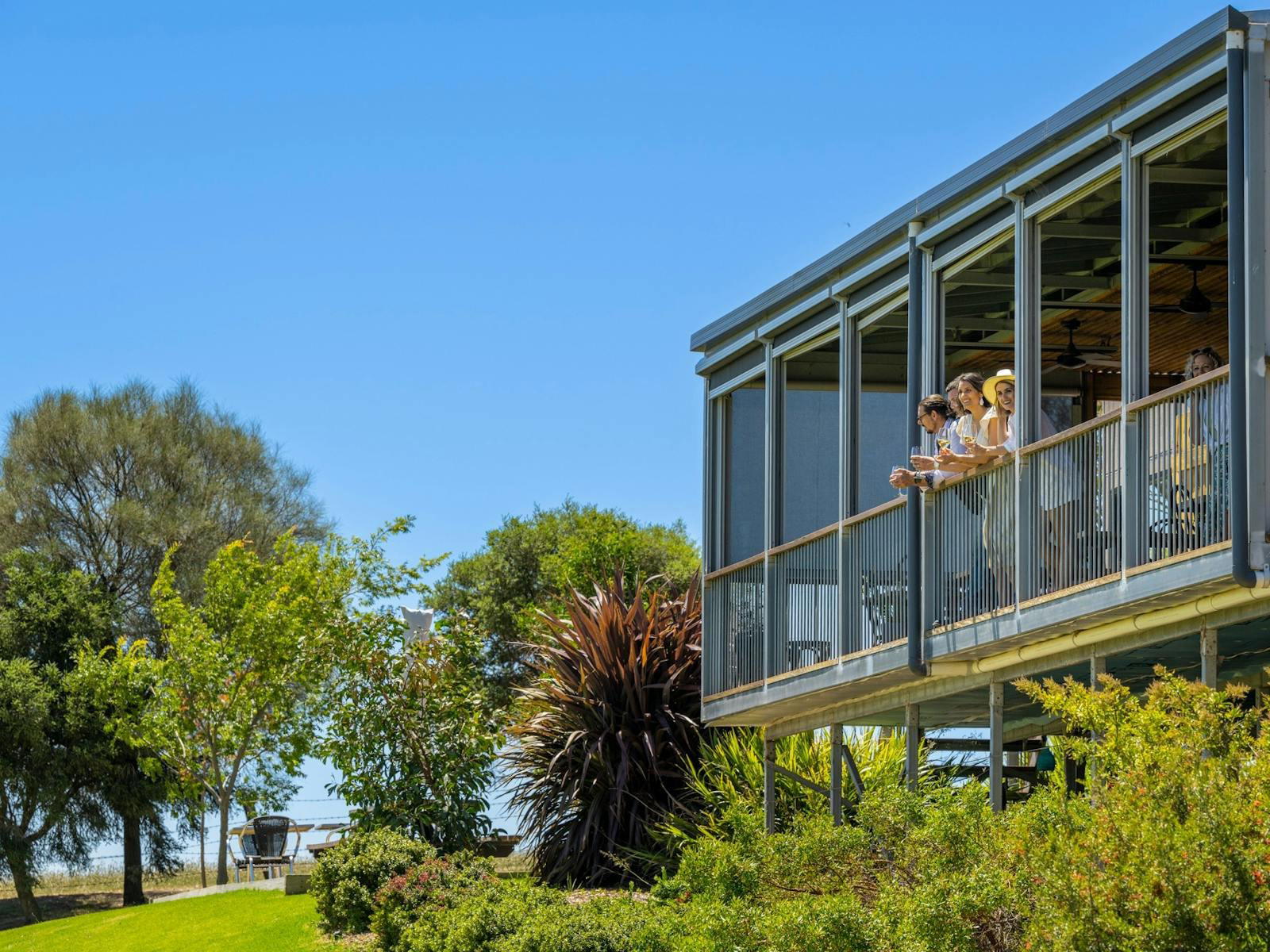
Bars in Blewitt Springs
Browse all →
Restaurants in Blewitt Springs
Browse all →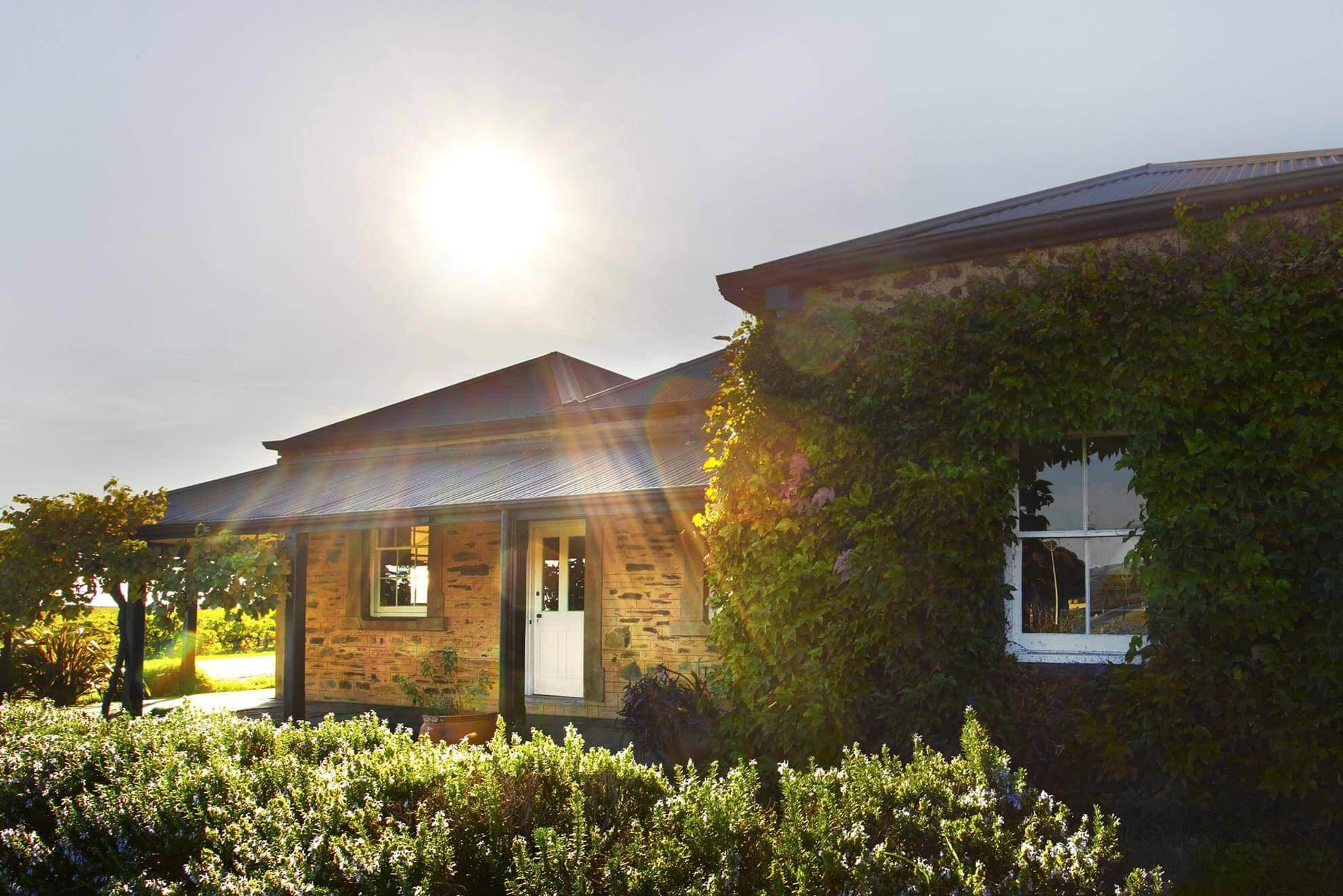


At a Glance
- Rustic
- Scenic
- Cozy
- Intimate
- Wine Education
- Solo Exploration
- Vineyard Tour
- Estate Grounds
- Terrace
- Sustainable
- Organic
- Vineyard
- Garden
- Mclaren Vale
- Shiraz
- Grenache
- Mourvedre
- Viognier
- Roussanne
- Still Red
- Private Tasting
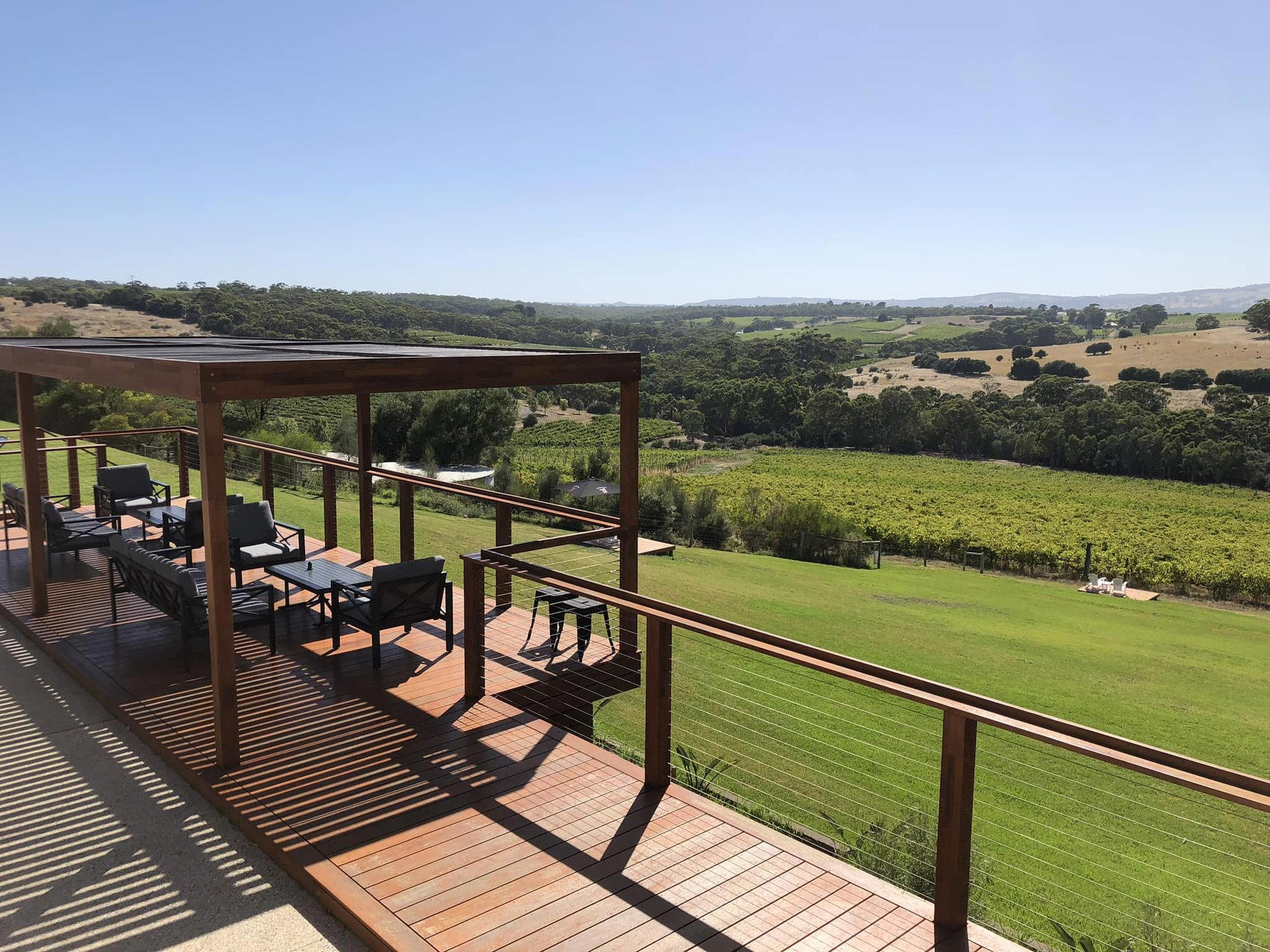
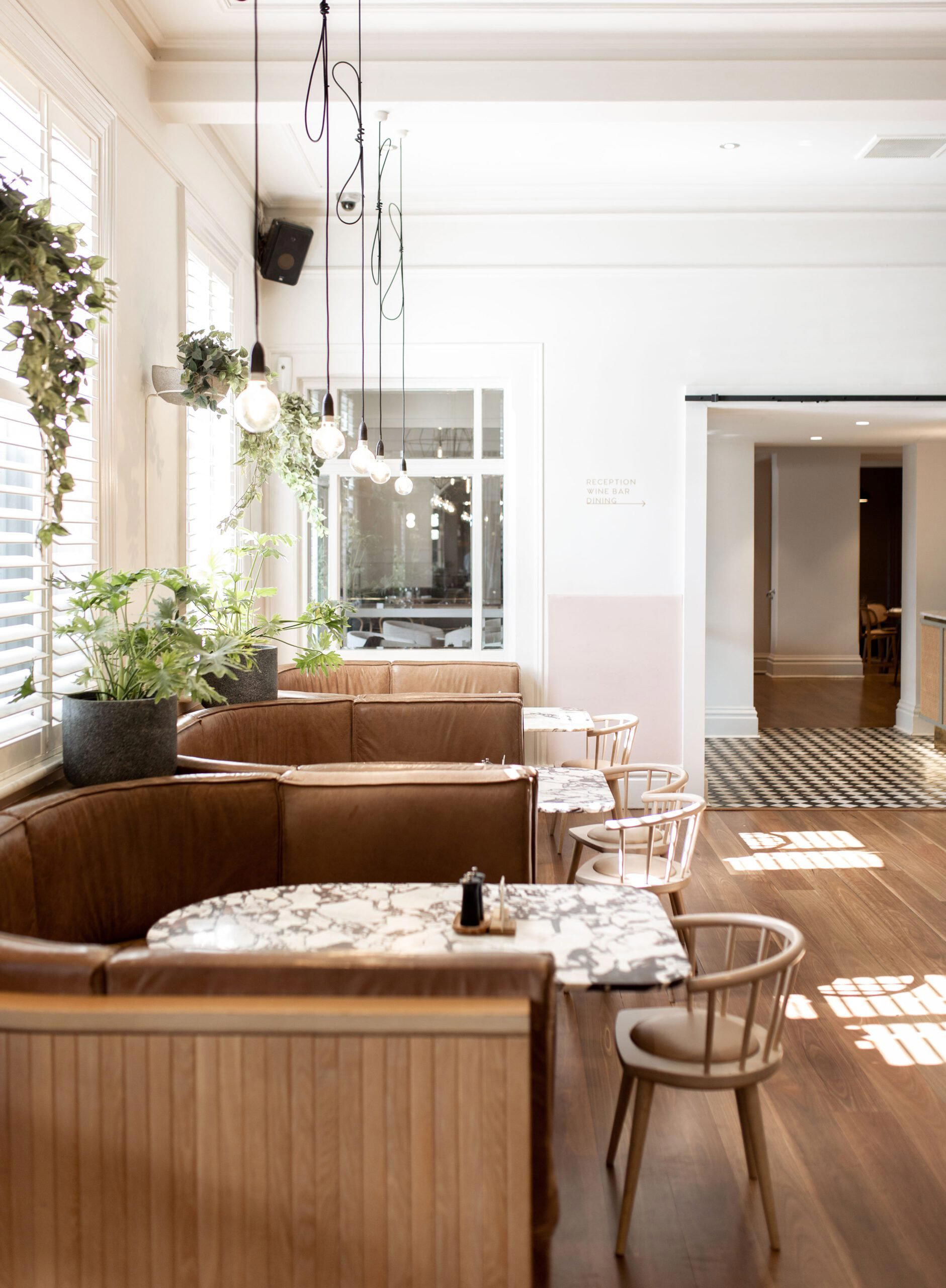
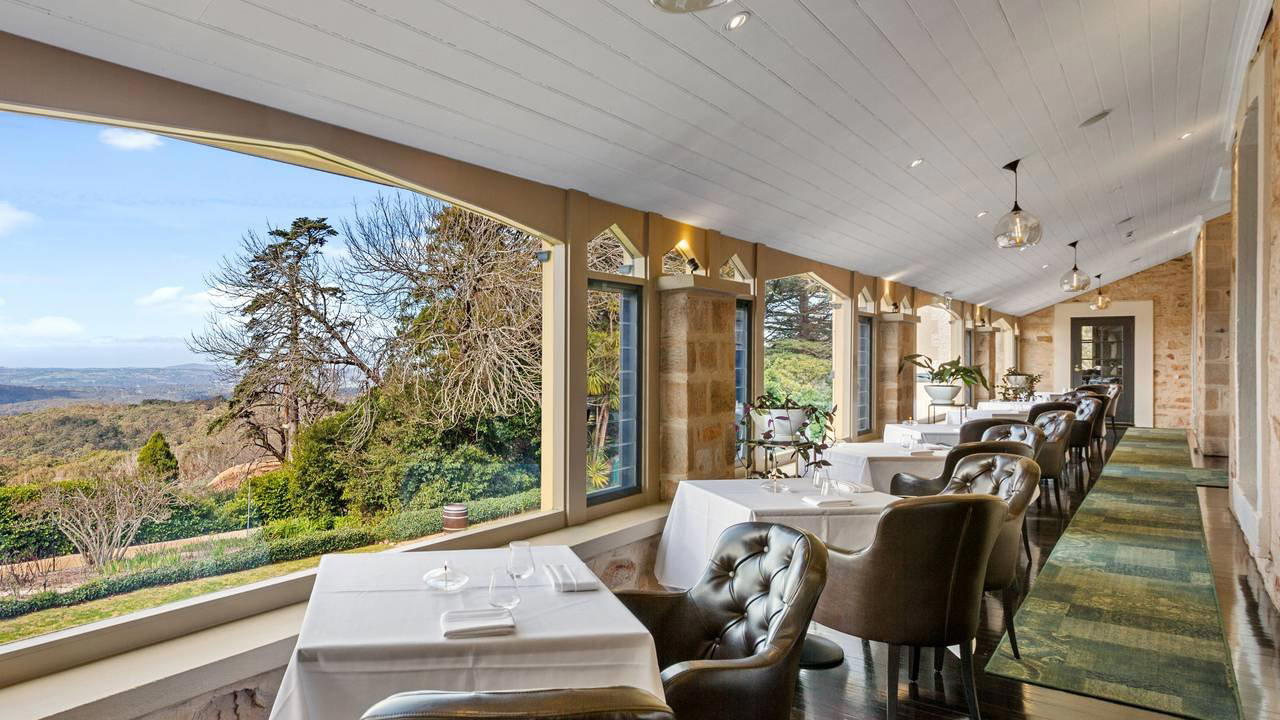
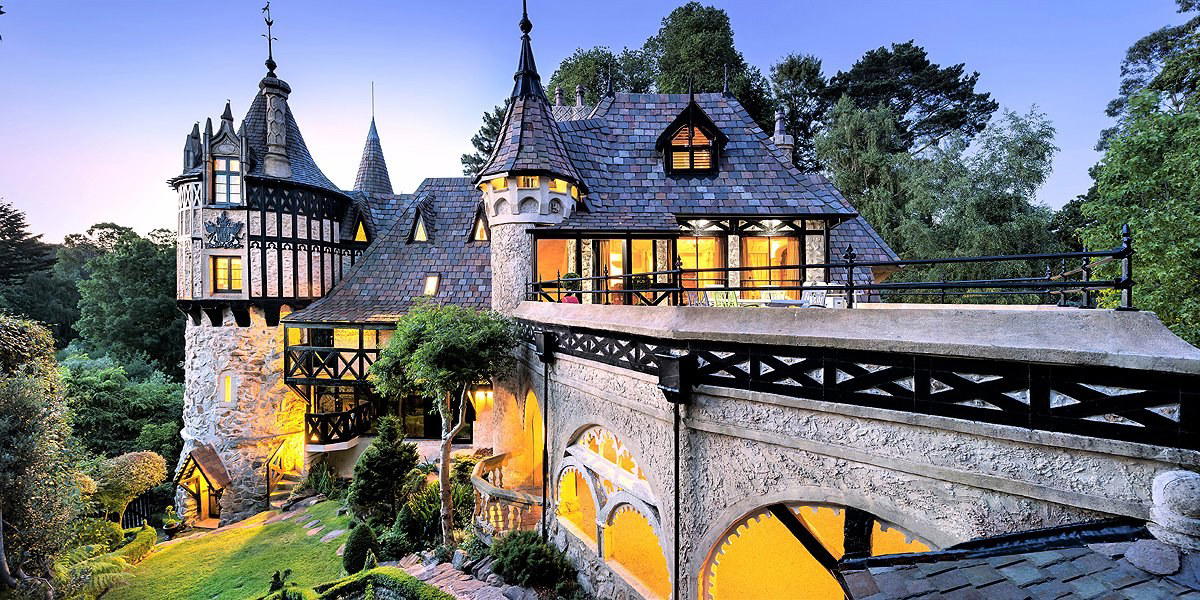
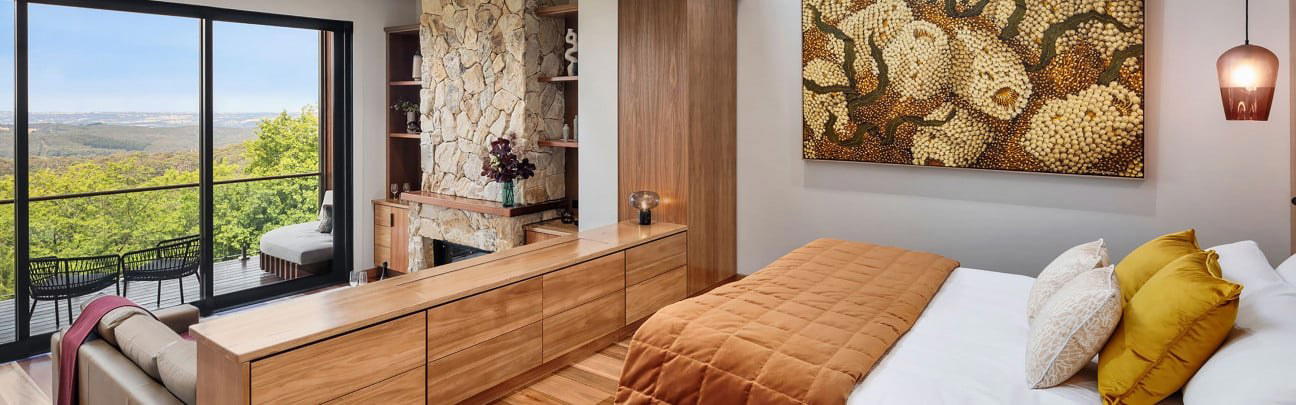
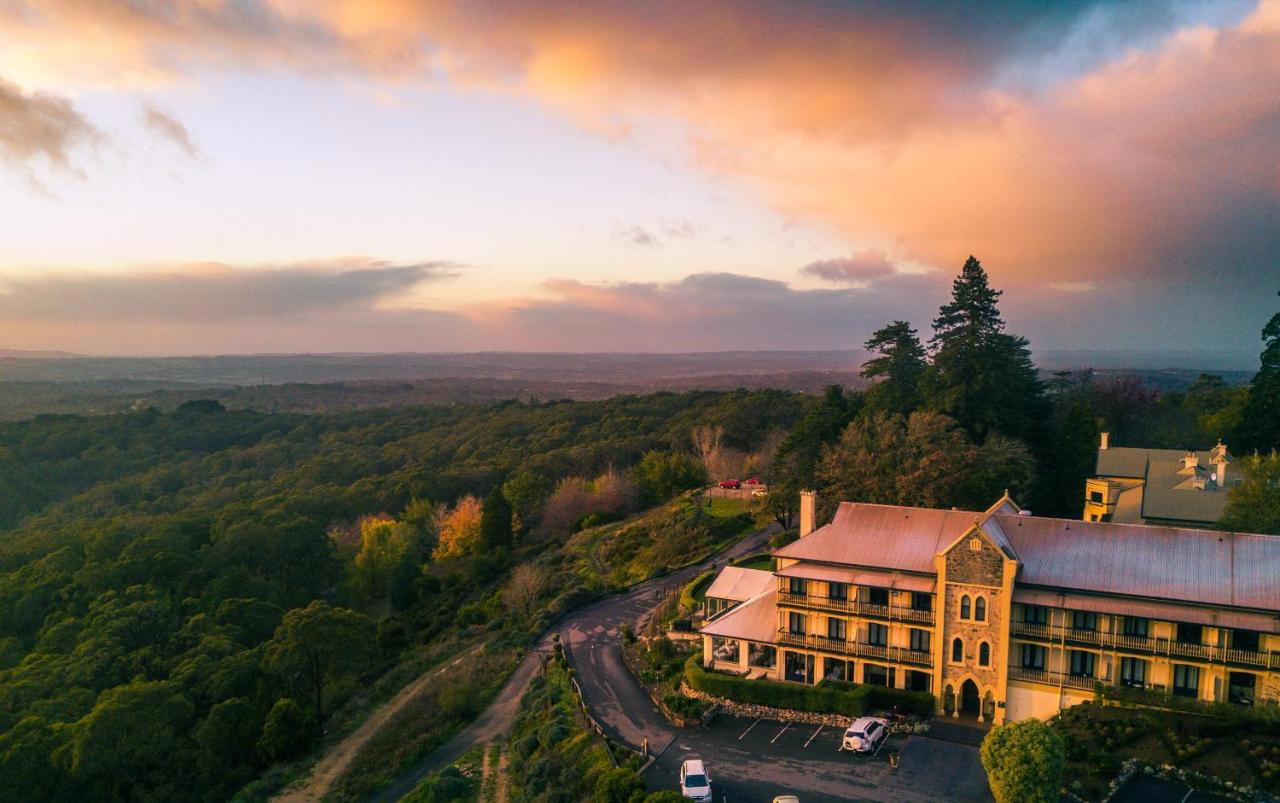
Rustic yet modern farmhouse cellar door overlooking tranquil vineyards with sweeping views, cozy wood-fired heater in winter, and relaxed hospitality.