fermentAsian


Star Wine List · World's Best Wine Lists Awards WBWL 3-Star
Our verdict
A wine-driven Asian restaurant on Tanunda's main street, fermentAsian draws visitors from Adelaide and beyond as much for its wine program as its food. The kitchen works within a fermentation-forward framework that suits the Barossa's produce-rich surrounds, and the restaurant holds a 3-Star accreditation from the World of Fine Wine London Awards — a rare recognition for a regional Asian kitchen in Australia.

Pearl is the En Primeur Club membership app — saves, bookings, and concierge access live there. Same editors, same standards.
- Address
- 90 Murray St, Tanunda SA 5352, Australia
- Phone
- +61 8 8563 0765
- Hours
- Mon–Tue ClosedWed 6–9:30 PMThu–Sat 12–2:30 PM, 6–9:30 PMSun 12–2:30 PM
- Website
- fermentasian.com.au
- Directions
- Get directions
The menu
What to order
- Betel_leaves_with_caramelised_pork
- Pork_belly
- Hanoi_spring_rolls
Where the Barossa Meets the Asian Table
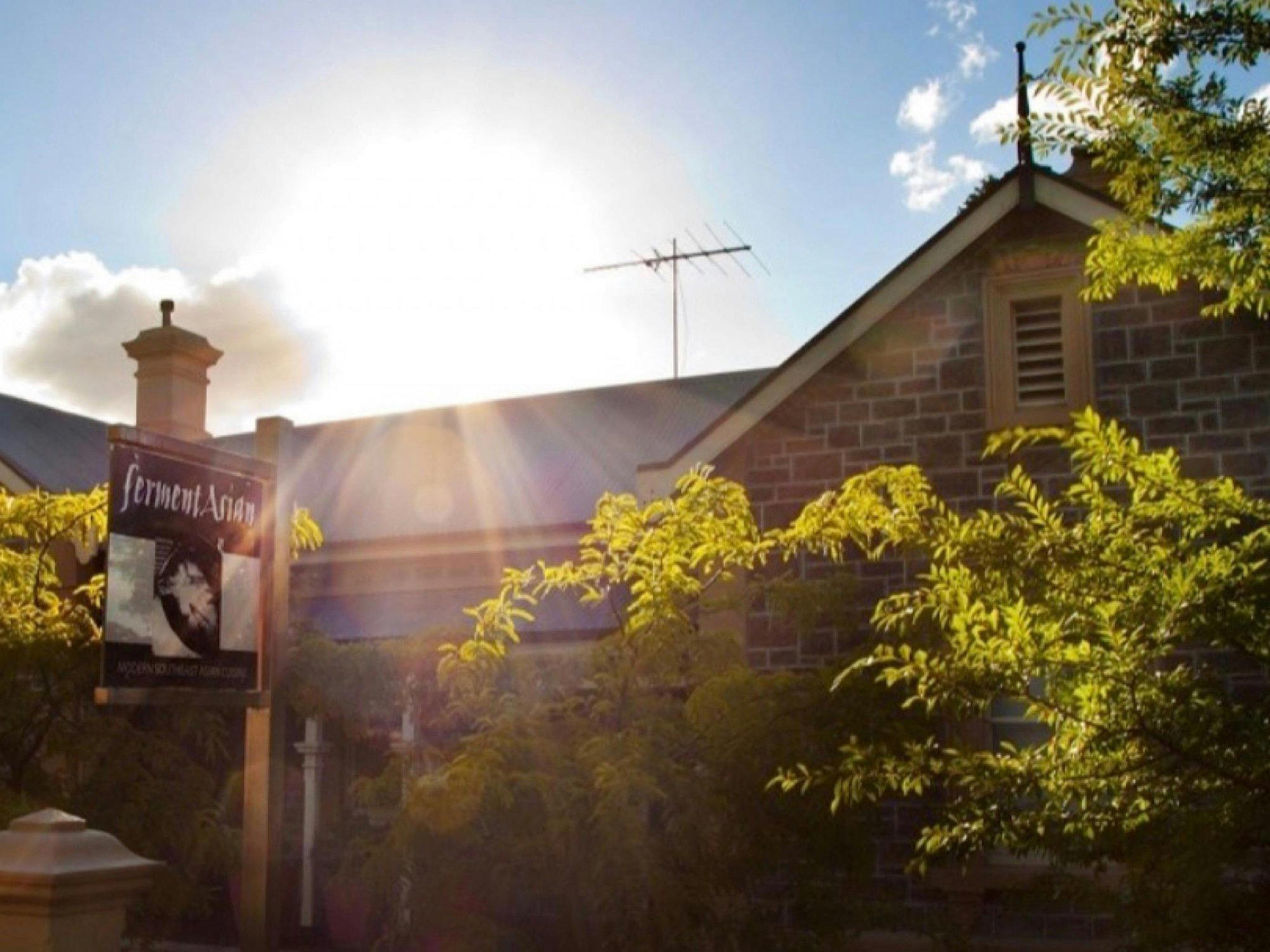
Tanunda sits roughly an hour northeast of Adelaide, deep in the Barossa Valley's vine corridor, and Murray Street — its main commercial strip — reads like most regional South Australian towns: heritage shopfronts, the odd cellar door, a bakery. fermentAsian at number 90 occupies that context without apology. Walking in, the room carries the unhurried register of a place that knows its audience arrives by choice, often from a distance, and expects the meal to justify the drive. That expectation, in the Barossa, is usually about wine. Here it is also, increasingly, about what fermentation does when it crosses the flavour grammar of Asian cooking with the raw material abundance of one of Australia's most agriculturally serious regions.
The restaurant holds a 3-Star accreditation from the World of Fine Wine London Awards, a significant credential in a category where most regional Australian restaurants don't enter, let alone reach that tier. The recognition lands in the wine column as much as the food column, which is consistent with how fermentAsian is understood locally: the wine list is a primary reason people make the trip, not an afterthought appended to the menu.
Fermentation as a Culinary Framework, Not a Trend
Fermentation became a dining-room talking point in Australia sometime around the mid-2010s, when kitchens from Brae in Birregurra to Agrarian Kitchen in Hobart began treating lacto-fermentation, pickling, and preservation as central to a locally grounded cooking philosophy rather than as technique demonstration. For restaurants working with Asian culinary traditions, fermentation isn't a trend to adopt, it is foundational. Miso, doenjang, gochujang, fish sauce, black vinegar, kimchi: these are not garnish-level additions. They are the structural flavour compounds around which entire cooking traditions are built.
What fermentAsian does within the Barossa is set that tradition against a regional larder where the soil quality, the dry climate, and the density of small producers create unusual sourcing possibilities. The Barossa and Eden valleys sit at an elevation and latitude that suits cool-climate produce alongside warm-climate stone fruits and heritage grains. The surrounding area has a long German-settler agricultural tradition that left behind preserved-food culture of its own, smallgoods, pickles, sourdough, which creates an unexpected alignment with fermented Asian pantry staples. The kitchen's sourcing philosophy, drawing on local producers and treating fermentation as connective tissue between regional and Asian traditions, is not a concept dressed up for marketing. It's a genuinely useful culinary intersection that this part of South Australia happens to support.
This positions fermentAsian differently from the Asian restaurants operating in Adelaide's Chinatown precinct or in the CBD's restaurant strips, and differently again from the produce-led Australian modernist restaurants that dominate lists like 50 Best Australia. It occupies a narrower niche, regional Asian cooking with wine-driven ambition and a fermentation-forward sourcing logic, and within that niche, few Australian restaurants sit at the same address.
The Wine Program as the Other Half of the Equation
Wine programs in Barossa restaurants tend to fall into predictable patterns: Shiraz-heavy, cellar-door adjacent, priced around the tourist premium. fermentAsian operates differently. The wine list is described by those who know the restaurant as the primary draw, which places it in a small group of regional Australian restaurants where the sommelier's curatorial decisions matter as much as the kitchen's. For context, most regional Asian restaurants in Australia, even excellent ones, carry wine lists that function as accompaniment rather than attraction. Getting that dynamic to reverse requires deliberate list architecture and a buying philosophy that takes wine-food pairing across Asian flavour profiles seriously.
Asian cuisine and Barossa wine is not an obvious combination by convention, but the logic holds under examination. Fermented, umami-dense cooking, soy-based sauces, miso, fish sauce reductions, often pairs better with old-vine Grenache, skin-contact whites, or textured Barossa Semillon than with the blockbuster Shiraz that defines the valley's export identity. If the list at fermentAsian reflects that understanding, it explains why Adelaide food people, a sophisticated dining public, make the 75-kilometre trip north.
For readers who want to understand the Barossa's broader dining and wine scene, our [full Barossa Valley restaurants guide](), [wineries guide](), and [bars guide]() cover the valley's options in full. If you're building a multi-day visit, the [Barossa Valley hotels guide]() and experiences guide are useful starting points.
Regional Asian Cooking in an Australian Context
Australia's serious Asian restaurant scene is concentrated in Sydney and Melbourne. Flower Drum in Melbourne represents the Cantonese formal-dining tier that has no real regional equivalent. Saint Peter in Sydney demonstrates what happens when an Australian kitchen builds identity entirely around local sourcing. fermentAsian sits at a different intersection, Asian flavour frameworks applied to a regional Australian ingredient base, and does so outside any major city, which is a significant structural choice. Operating at that quality tier in a town of Tanunda's size means the audience is self-selecting and largely destination-driven. It also means the kitchen doesn't need to compete on convenience or fashion cycle, which tends to produce more considered, settled cooking.
Among Australian restaurants operating in the broader Asian-influenced or Asian-heritage space with serious wine programs, comparable reference points are few. Hentley Farm in Seppeltsfield offers a useful Barossa comparison from the fine-dining modernist Australian side. Nationally, the equivalent ambition in ingredient-driven cooking with wine depth appears at places like Amaru in Armadale and Carlton Wine Rooms in Carlton, though in different cuisines and formats. The specifically Asian-fermentation-plus-regional-sourcing combination that fermentAsian represents is a narrower and less populated category.
Planning a Visit
fermentAsian is at 90 Murray Street, Tanunda, in the central Barossa Valley. The drive from Adelaide takes roughly 70 to 75 minutes via the Sturt Highway. Given the restaurant's reputation extends across South Australia and draws visitors specifically for the wine program, booking in advance is the practical baseline, the room is not large, and the audience is motivated. Current booking details, hours, and pricing are best confirmed directly through the restaurant, as these details were not available at the time of publication. The address places it within easy walking distance of Tanunda's other Murray Street businesses, making a meal here a natural anchor for a broader Barossa day or weekend.
Frequently asked questions
What do people recommend at fermentAsian?
The wine list is consistently cited as the primary draw, to the point where it pulls diners out from Adelaide rather than simply capturing Barossa tourists. The kitchen's fermentation-focused approach to Asian cooking is what distinguishes it from the Shiraz-and-cellar-door template that defines most Barossa dining. Specific dish recommendations are best sourced from current visitors, as the menu shifts with the kitchen's seasonal fermentation program.
Where exactly is fermentAsian?
fermentAsian is located at 90 Murray St, Tanunda SA 5352, Australia, Barossa Valley.
Do they take walk-ins at fermentAsian?
Given its location in Tanunda and the pull it exerts on Adelaide diners willing to make the 70-minute drive, reservations in advance are advisable, particularly on weekends. Contacting the venue directly at 90 Murray Street or checking current listings before visiting is the reliable approach.
What's fermentAsian best at?
Two things distinguish it from the broader Barossa restaurant field: a wine program that earned 3-Star accreditation from the World of Fine Wine, and a kitchen that applies fermentation as a structural cooking method within an Asian framework rather than as a garnish technique. That combination — serious regional Asian cooking alongside a wine list built for genuine exploration — is rare outside Sydney and Melbourne, and largely absent from wine-region dining in South Australia.
How It Stacks Up
Comparable venues nearby, for context on price, style, and recognition.
| Venue | Cuisine | Price | Awards | Notes |
|---|---|---|---|---|
| fermentAsianThis venue — the venue you are viewing | Modern Vietnamese Fine Dining | $50–100 | Star Wine List · World's Best Wine Lists Awards WBWL 3-Star | Not listed |
| La Louisiane | Classic French Bistro | Not listed | Star Wine List | North Adelaide |
| Agnii | Modern Sri Lankan | Not listed | Not listed | Windsor |
| Camon Co | Vietnamese restaurant | $20–30 | Not listed | Warburton |
| Analiese Gregory’s anti-restaurant | Intimate seasonal fusion by Analiese Gregory | Not listed | Not listed | Hobart |
| Wunderbar | French Brasserie with Tasmanian Ingredients | Not listed | Not listed | North Hobart |
Recognition history
Dated appearances from independent guides and award organizations, with the underlying list record or original source where available.
Star Wine List
Star Wine List
World's Best Wine Lists Awards WBWL 3-Star
World's Best Wine Lists Awards
Continue exploring
More in Barossa Valley
Restaurants in Barossa Valley
Browse all →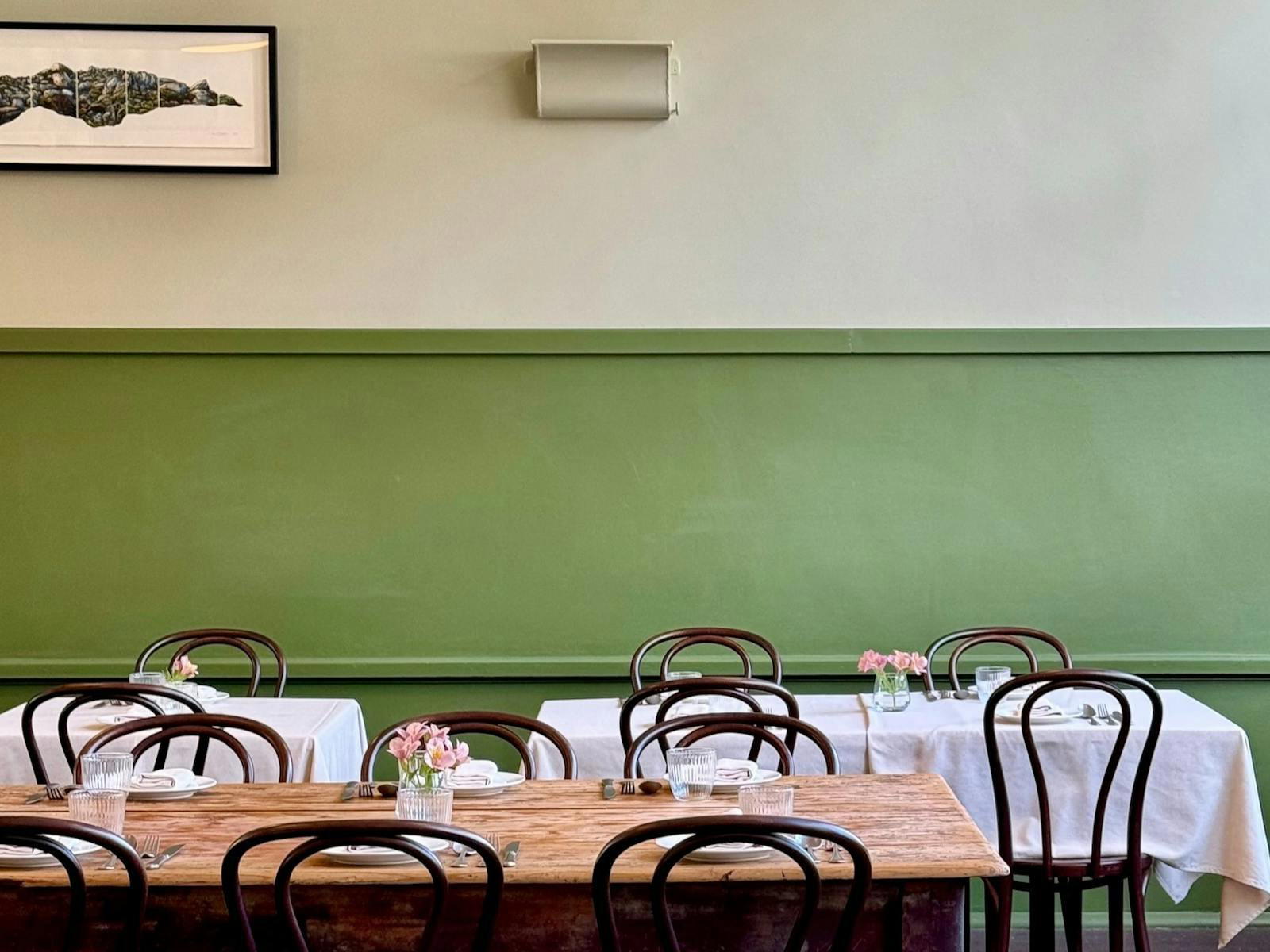
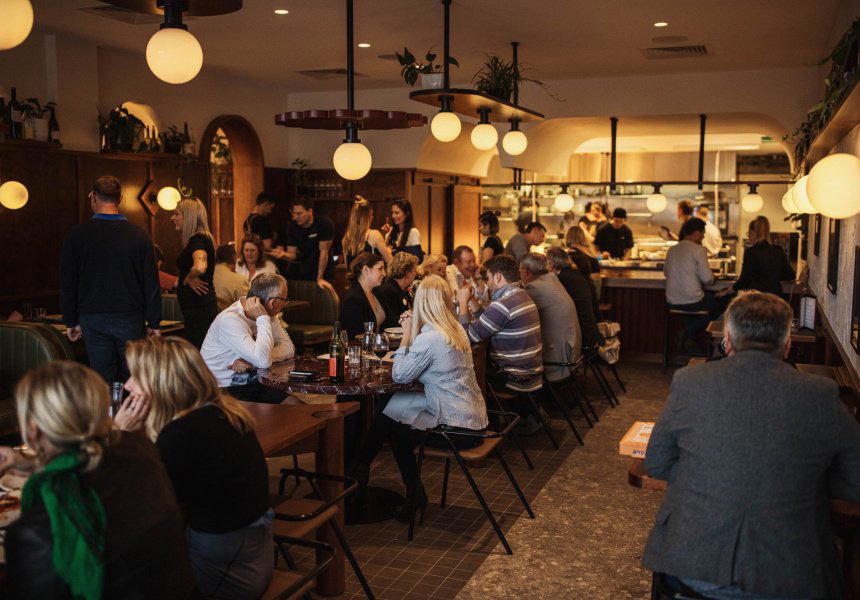
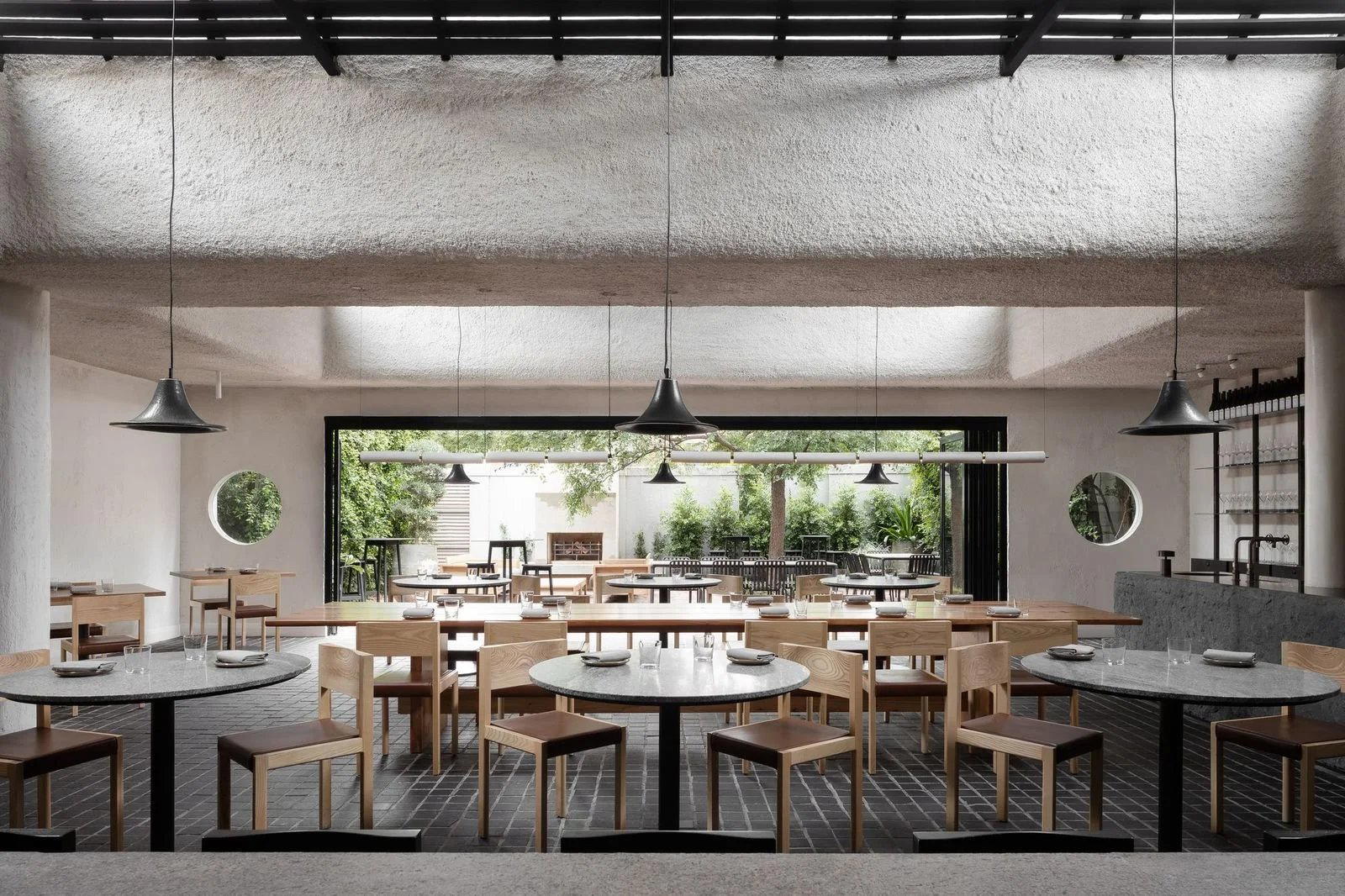
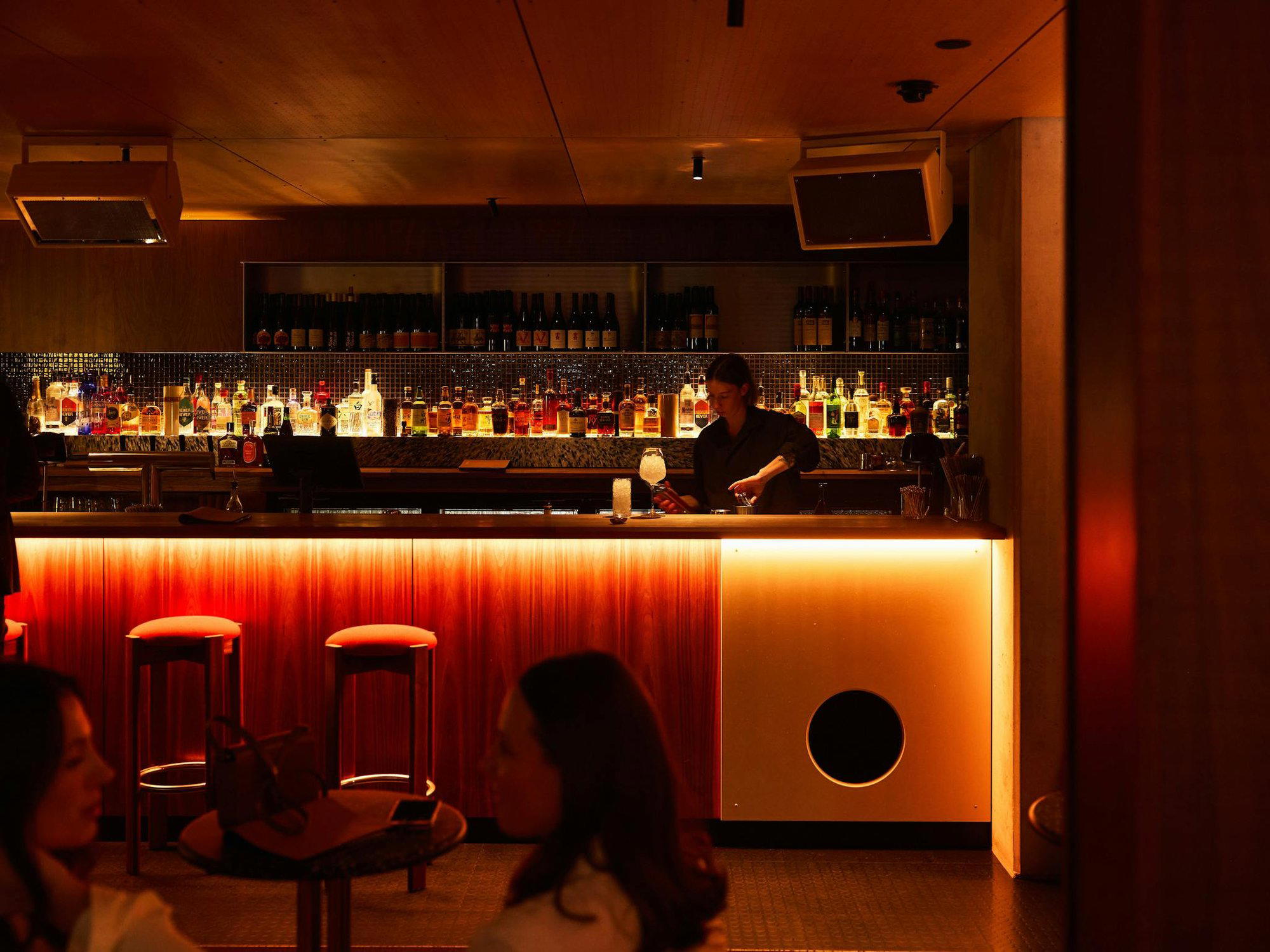
Bars in Barossa Valley
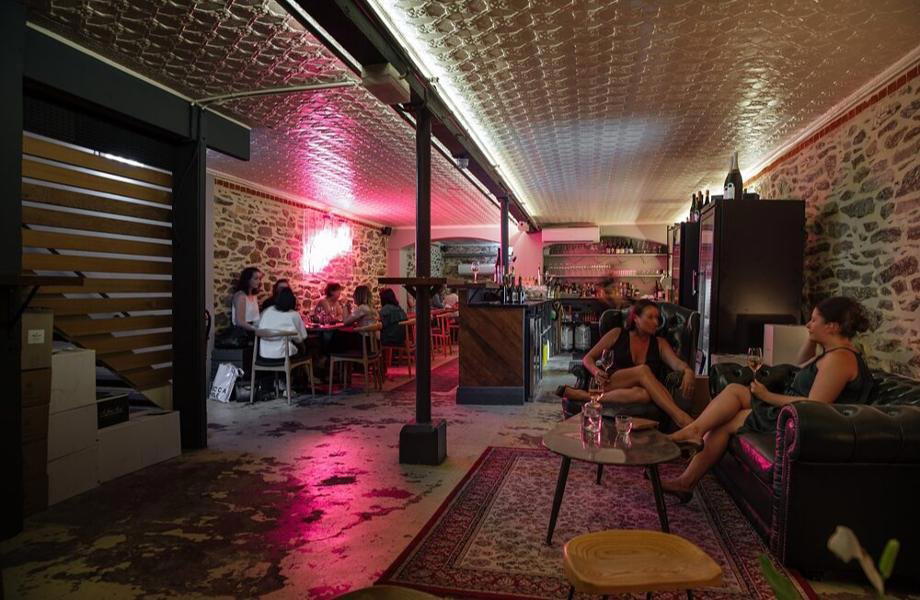
Browse all →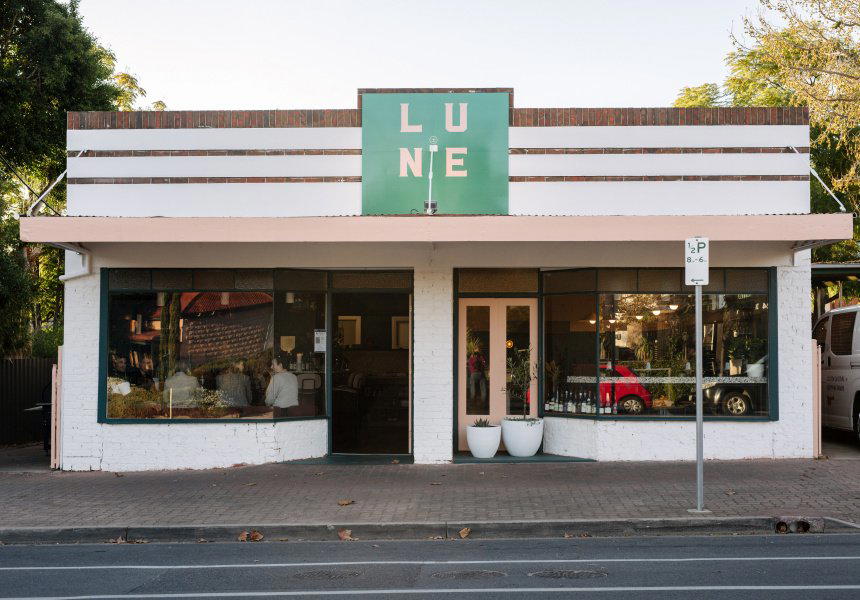
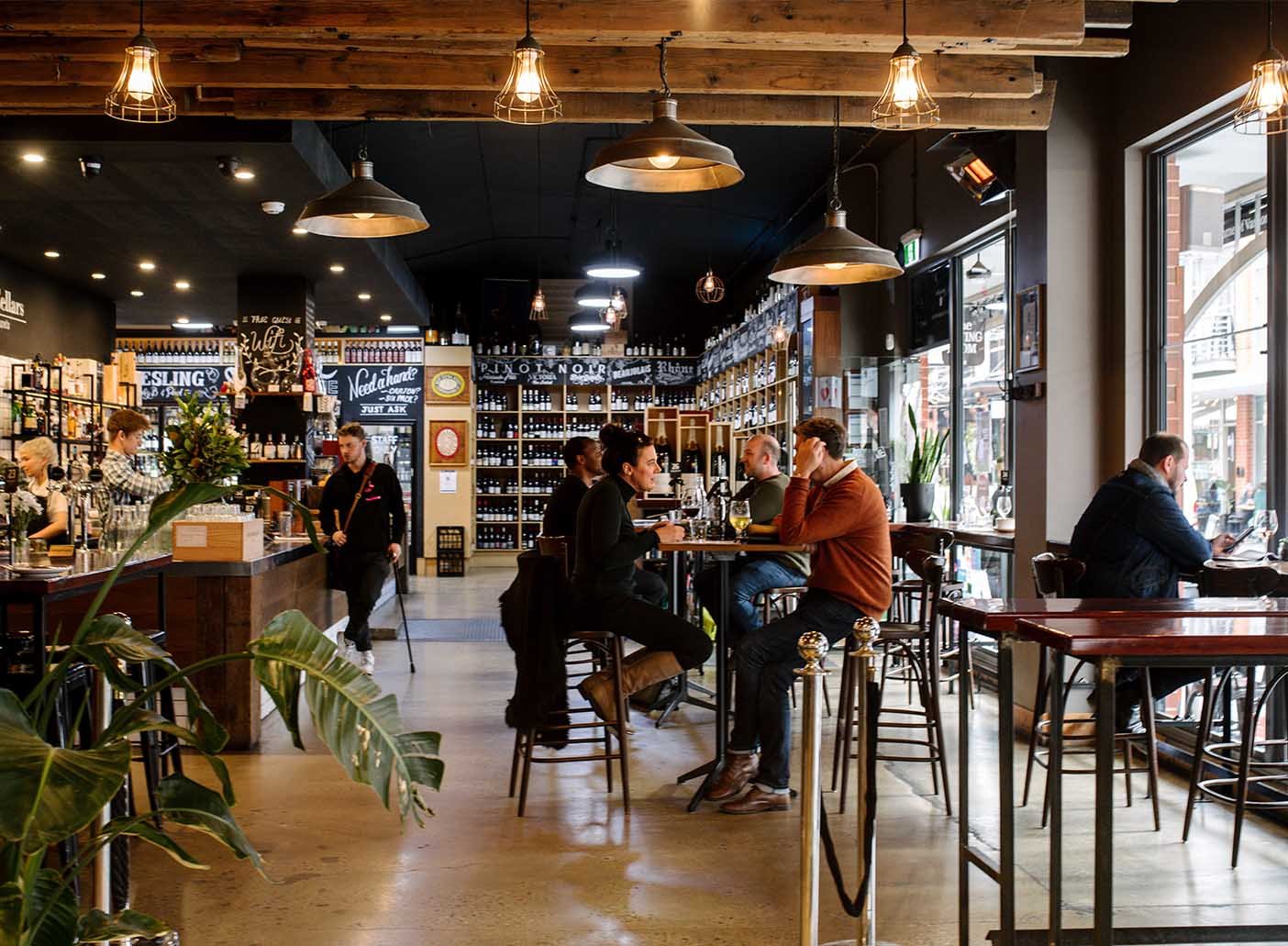
Hotels in Barossa Valley
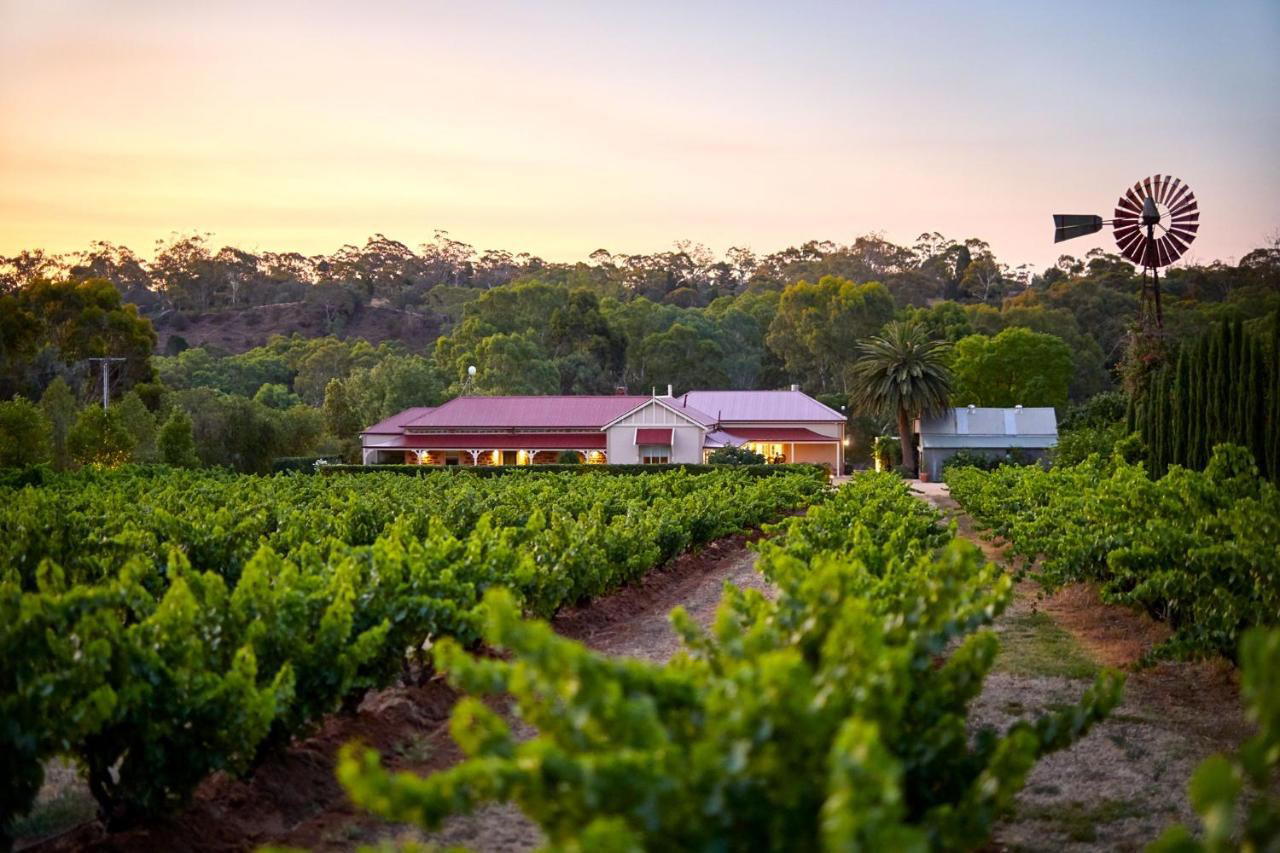
Browse all →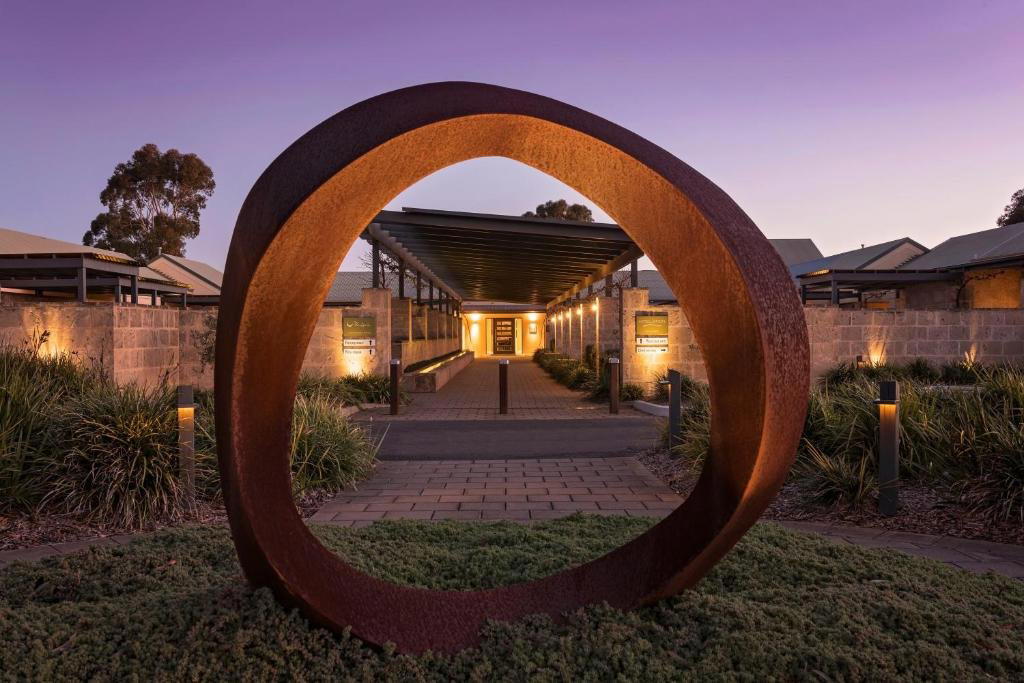
Details
- Elegant
- Modern
- Rustic
- Sophisticated
- Date Night
- Special Occasion
- Open Kitchen
- Private Dining
- Wine Cellar
- Extensive Wine List
- Local Sourcing
- Organic
- Tasting Menu
- A La Carte
- Wine
- Vegetarian Friendly
- Vegan Options
Current opening hours
- Monday
- Closed
- Tuesday
- Closed
- Wednesday
- 6–9:30 PM
- Thursday
- 12–2:30 PM, 6–9:30 PM
- Friday
- 12–2:30 PM, 6–9:30 PM
- Saturday
- 12–2:30 PM, 6–9:30 PM
- Sunday
- 12–2:30 PM
Hours can change for holidays and private events. Last verified .
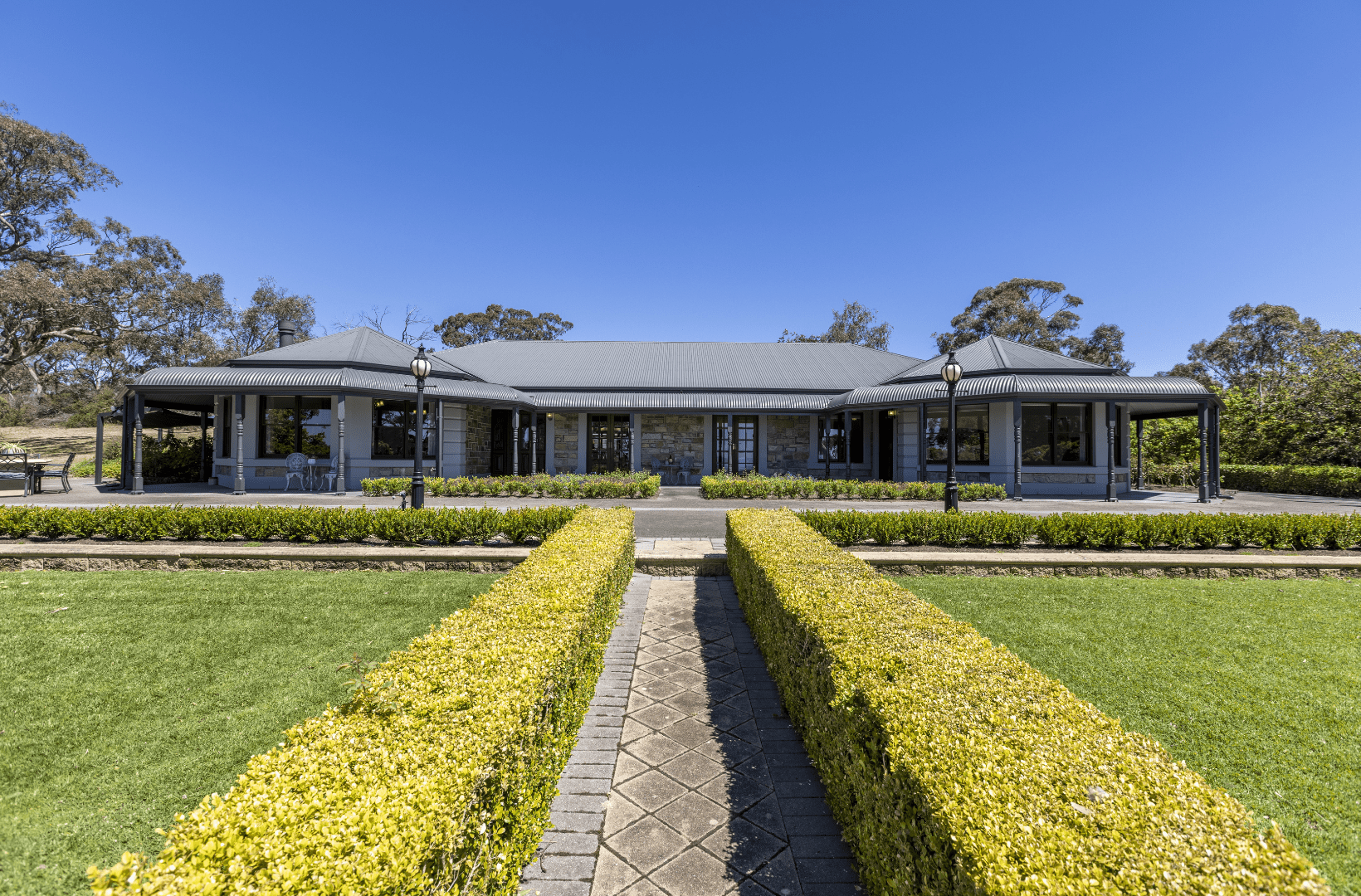
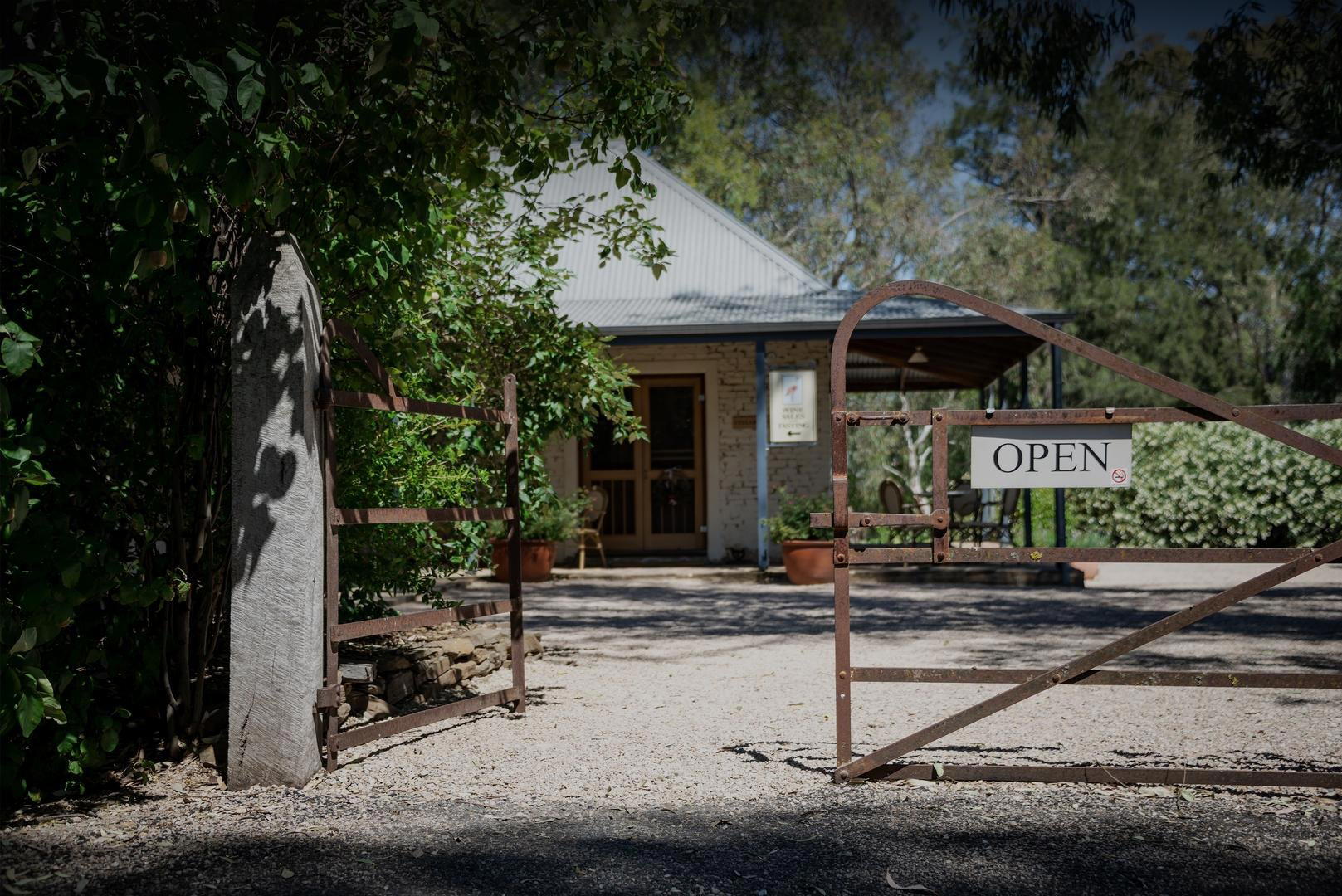
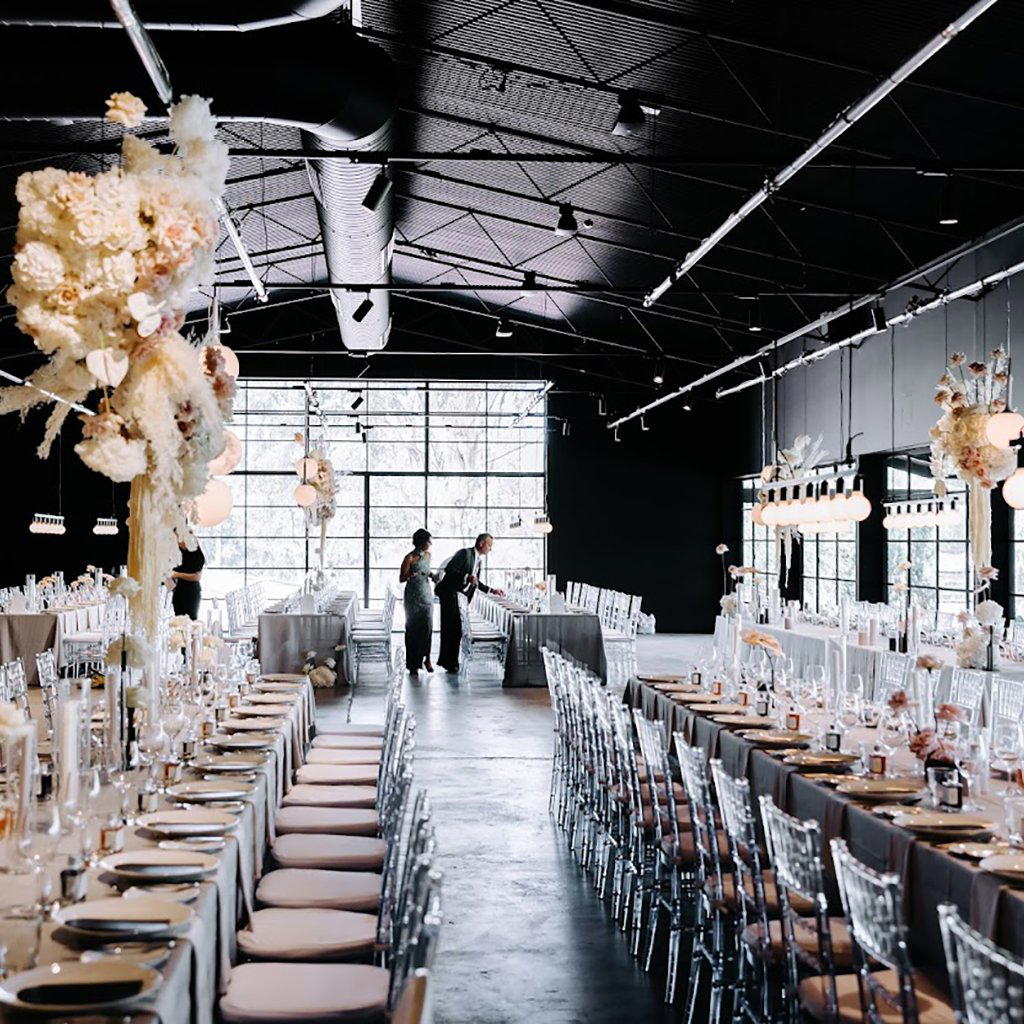
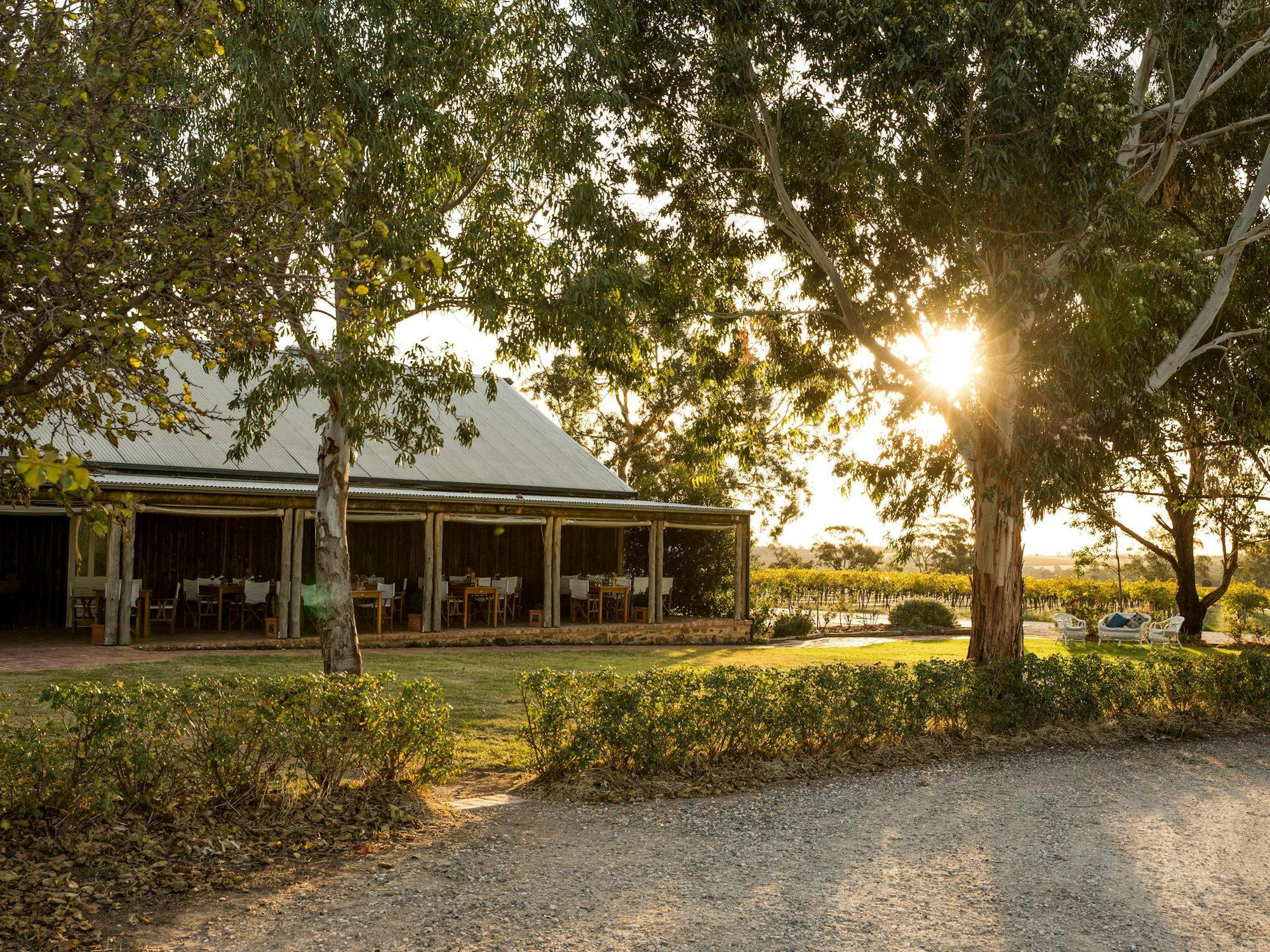
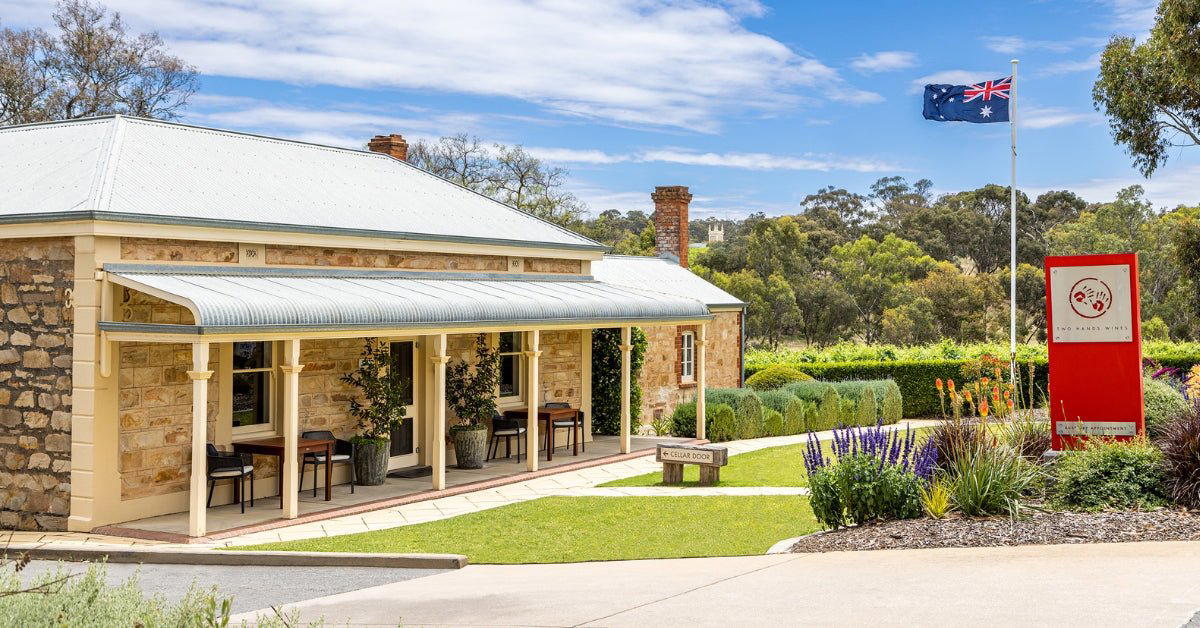
Tasteful modern interior in a beautiful old stone house with good ambience, white tablecloths, and relaxed fine dining atmosphere.