
Falstaff Winery - Listed
Casella Family Wines, operating from Yenda in New South Wales' Riverina region, is the producer behind Yellow Tail — one of the most distributed Australian wine labels globally.

Pearl is the En Primeur Club membership app — saves, bookings, and concierge access live there. Same editors, same standards.
- Address
- 1471 Wakley Rd, Yenda NSW 2681
- Phone
- +61 2 6961 3000
- Website
- casellafamilybrands.com
- Directions
- Get directions
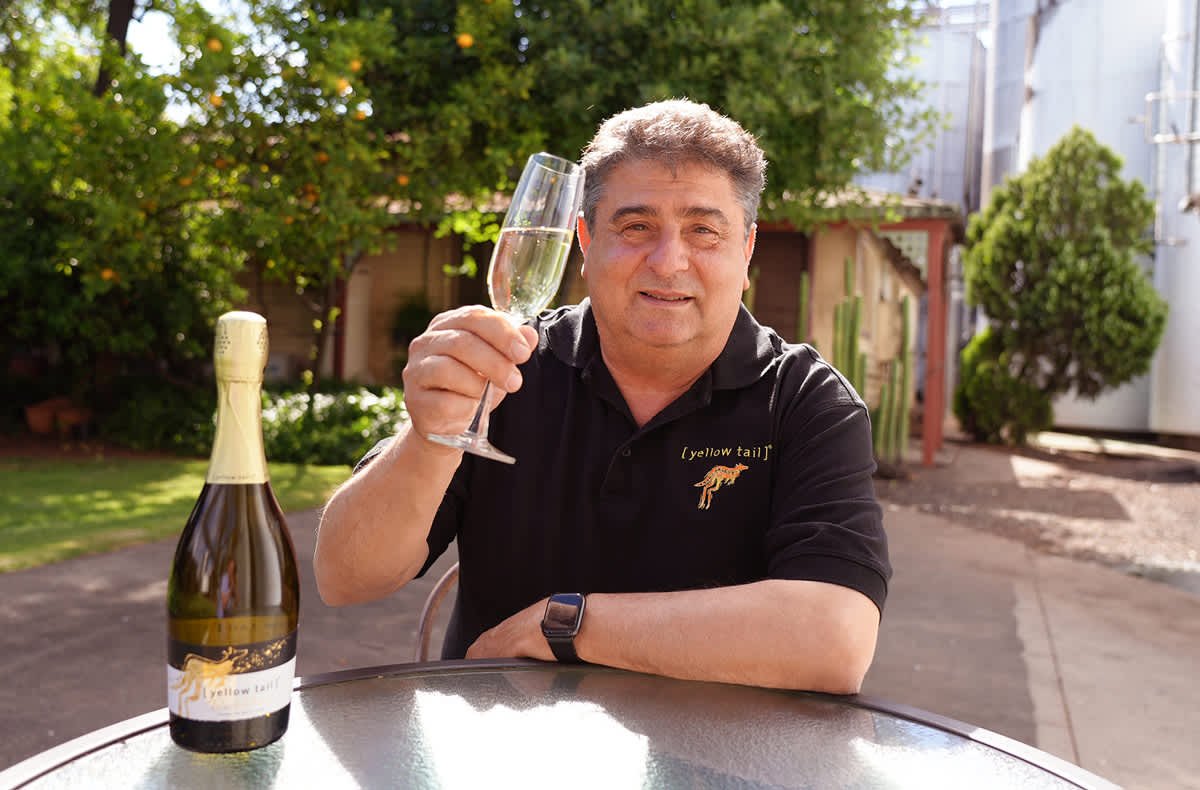
Griffith and the Riverina: Where Volume Winemaking Found Its Voice
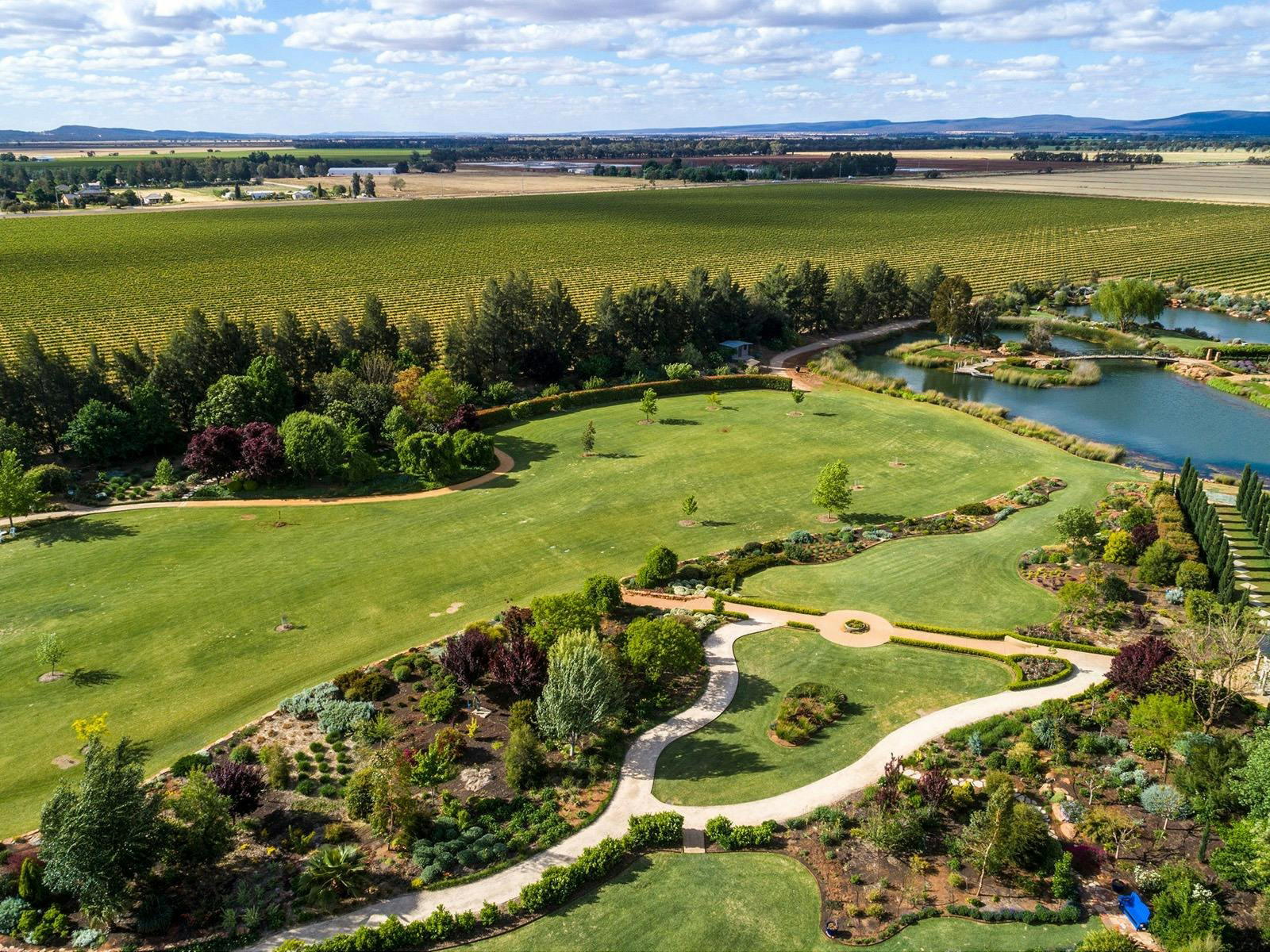
The Riverina's identity as a wine region has always been shaped by scale rather than scarcity. Flat, irrigated country running south and west of Griffith produces more wine grapes per hectare than almost anywhere else in Australia, and the producers based here have historically built their reputations on consistency, accessibility, and distribution reach rather than the limited-allocation prestige model that defines regions like the Barossa or Margaret River. Casella Family Wines, based at Yenda on Wakley Road — a short drive from Griffith's centre — sits at the apex of that volume-driven tradition, operating one of the country's largest wine production facilities and putting the Yellow Tail label into bottle shops, restaurants, and supermarkets across dozens of countries.
That scale is the context you need before anything else. Comparing Casella to, say, Bass Phillip in Gippsland or Accendo Cellars in St. Helena is a category error. These are producers operating from different premises entirely, one defined by micro-lot Pinot Noir and allocation scarcity, the other by the logic of mass-market accessibility. Casella's achievement is making wine at extraordinary volume without losing the drinkability that made Yellow Tail a global commercial phenomenon in the first place.
The Yellow Tail Phenomenon: A Production Model Built Around Accessibility
Few Australian wine brands have had the kind of international market penetration that Yellow Tail achieved in the early 2000s. The label entered the United States market at a price point and flavour profile calibrated specifically for consumers who found European-style wines too austere and premium Australian wines too expensive. It worked at a scale that reshaped how international buyers thought about Australian wine exports, and for a period, Yellow Tail was the single best-selling imported wine in the American market by volume.
That commercial success is well-documented and worth understanding properly. Family-owned producers at Casella's scale are rare. Most operations producing at this volume are owned by publicly listed companies or large beverage conglomerates. Angove, for instance, now operates across South Australian regions with a similar emphasis on accessible price points and consistent year-round supply, a model that shares structural DNA with the Casella approach, even if the geography and varietal focus differ.
At the Pearl Prestige tier, the award acknowledges consistent standards at scale, a different and arguably more logistically demanding achievement than producing a few hundred cases of exceptional single-vineyard wine each year. The challenge of maintaining quality across millions of bottles, across multiple varietals and price tiers, is genuinely significant, and the award reflects that.
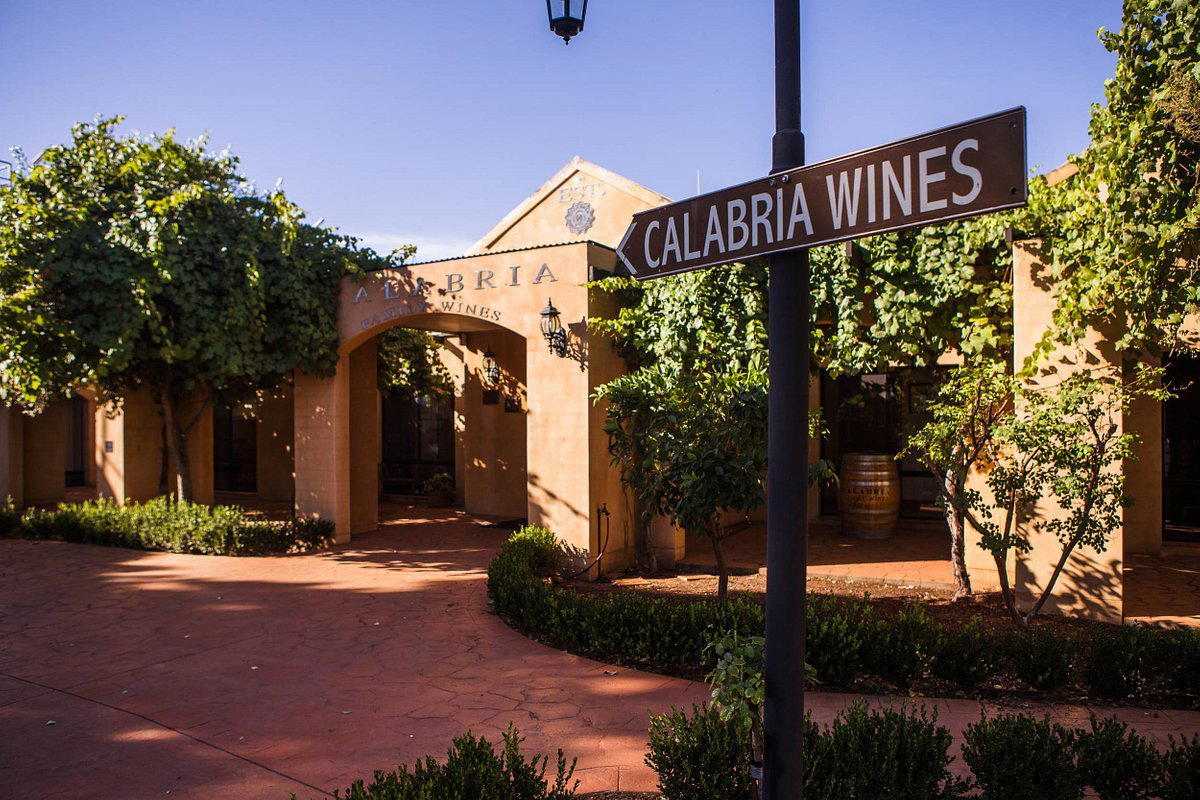
For context, producers like Calabria Family Wines, also based in Griffith, operate within the same Riverina framework and represent a useful regional peer. The Riverina has seen its reputation evolve in recent decades, with producers increasingly seeking formal recognition for both their accessible ranges and their premium tiers. Casella's 2025 recognition sits within that broader regional push for credibility beyond volume metrics.
Griffith's Wine Country: The Riverina in Regional Context
Visitors to Griffith encounter a wine region that operates on different logic from the cellar-door tourism circuits of the Hunter Valley or Barossa. The Riverina is working wine country, large-scale production facilities, flat agricultural land, and a community whose economy runs on horticulture and viticulture in roughly equal measure. The cellar door experience here is less about intimate tasting rooms and more about understanding how Australian wine reaches the world at accessible prices.
For those building a broader picture of Australian family wine production, the contrast between Riverina producers and their counterparts in cooler or more prestigious regions is instructive. Brokenwood in Hunter Valley operates with a strong focus on Shiraz and Semillon from one of Australia's oldest wine regions, while Leading's Wines in Great Western draws on Victoria's cooler inland climate for a range that includes some of Australia's oldest Shiraz vines. These are producers working in a scarcity register that Casella's model explicitly does not occupy. Cape Mentelle in Margaret River and Bird in Hand in Adelaide Hills similarly sit in cooler, premium-positioned regions where the conversation is about site expression and restraint rather than production volume.
None of that diminishes what Griffith and the Riverina represent. The region's contribution to making wine broadly accessible, to consumers who might not otherwise engage with the category at all, is a legitimate and consequential part of Australian wine's story. All Saints Estate in Rutherglen offers another angle on family-owned, historically significant Australian wine production, though its focus on fortified wines and Victorian provenance places it in a different tradition entirely.
Planning a Visit to Yenda
Casella Family Wines operates from 1471 Wakley Road, Yenda NSW 2681, outside Griffith in the Riverina. The Yenda property is the production heartland of the Yellow Tail operation, and visitors to the region who want to understand the industrial scale of Australian wine production at its most commercially successful would find the site worth locating on any Riverina wine itinerary. For broader orientation to the region's dining and drinking options, our full Griffith restaurants guide covers the wider Riverina scene across food and drink.
For those building a broader Australian producer itinerary, the range of producers covered by EP Club extends well beyond the Riverina. Archie Rose Distilling Co in Sydney represents the premium craft spirits end of New South Wales production, while Bundaberg Rum Distillery in Bundaberg offers another perspective on Australian drink production at a scale closer to Casella's commercial reach. Internationally, producers like Aberlour in Aberlour and Blue Pyrenees Estate in Pyrenees illustrate how different regions and traditions approach quality at varying production scales.
A Pricing-First Comparison
Comparable venues nearby, for context on price, style, and recognition.
| Venue | Cuisine | Price | Awards | Notes |
|---|---|---|---|---|
| Casella Family (Yellow Tail)This venue — the venue you are viewing | Yenda, Shiraz, Chardonnay | Not listed | Falstaff Winery - Listed | Not listed |
| Calabria Family Wines | Riverina, Durif, Shiraz | $20–30 | Falstaff Winery - Listed | Not listed |
| Mountain Ridge Winery | Not listed | Not listed | Not listed | Shoalhaven Heads / Berry – Coolangatta Mountain ridge, Shoalhaven Coast |
| Baldwin Distilling Company | Winery | Not listed | Not listed | Not listed |
| Baileys of Glenrowan | Glenrowan, shiraz, muscat | Not listed | Falstaff Winery - Listed | Not listed |
| Thistledown Wines | McLaren Vale, Grenache, Shiraz | $50–100 | Not listed | Not listed |
Recognition history
Dated appearances from independent guides and award organizations, with the underlying list record or original source where available.
Falstaff Winery - Listed
Falstaff
Continue exploring
More in Griffith
Details
- Group Outing
- Wine Education
- Estate Grounds
- Vineyard
- Shiraz
- Chardonnay
- Pinot Grigio
- Cabernet Sauvignon
- Merlot
- Pinot Noir
- Sauvignon Blanc
- Moscato
- Riesling
- Semillon
- Grenache
- Still Red
- Still White
- Still Rosé
- Sparkling
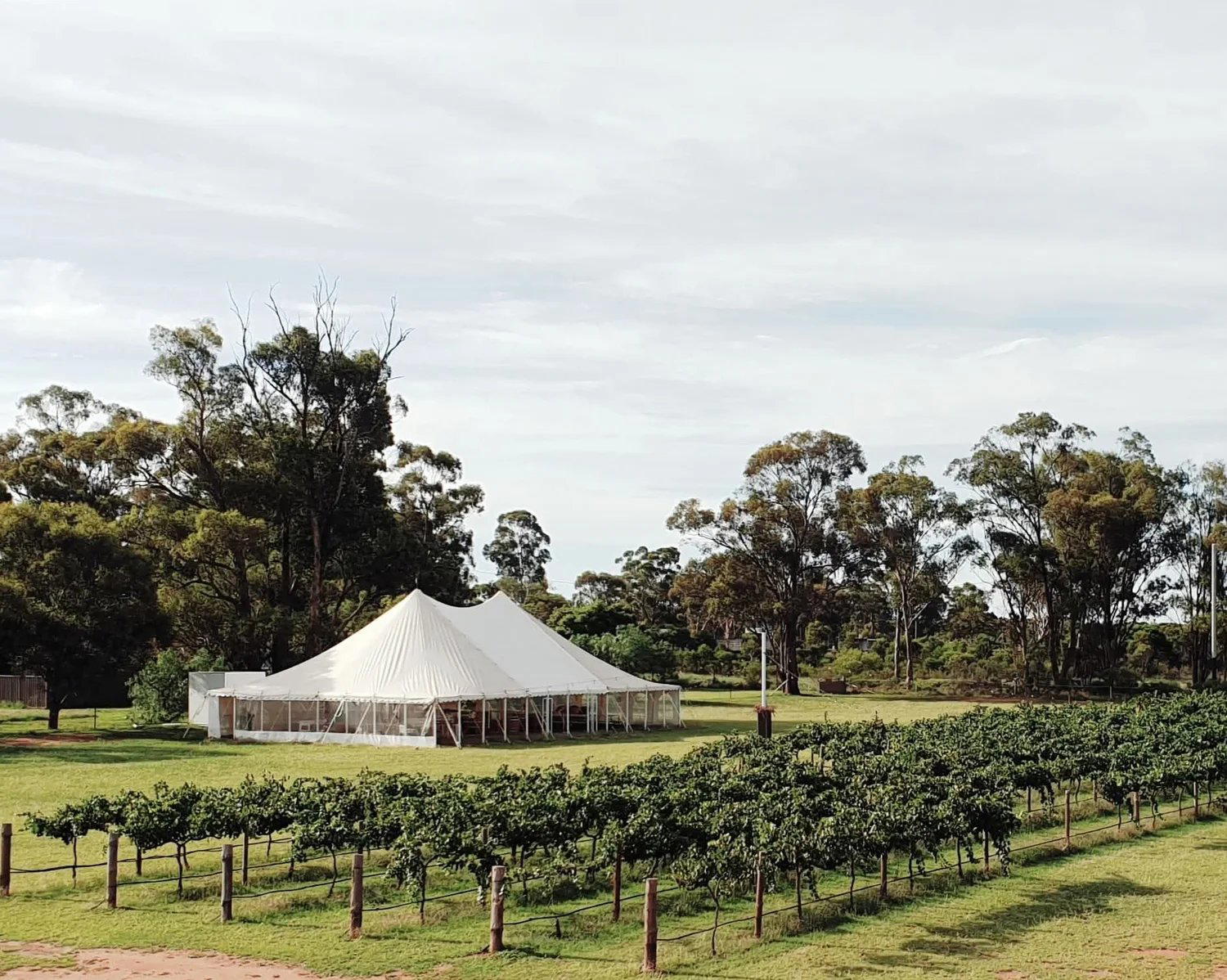
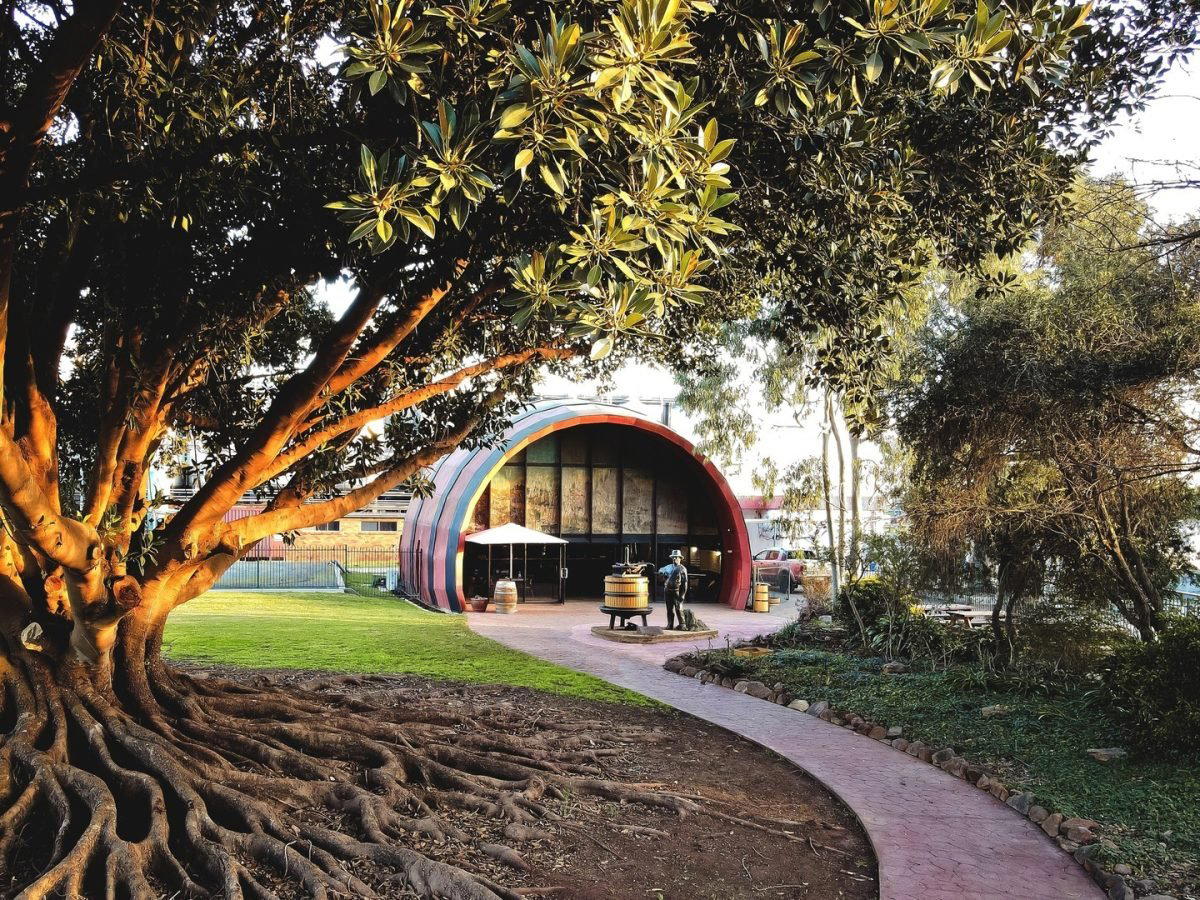
Modern industrial facility with gleaming large-scale production tanks amidst remnants of family heritage like the old weatherboard house.