Le Mas Barossa
Small Luxury Hotels of the World Member
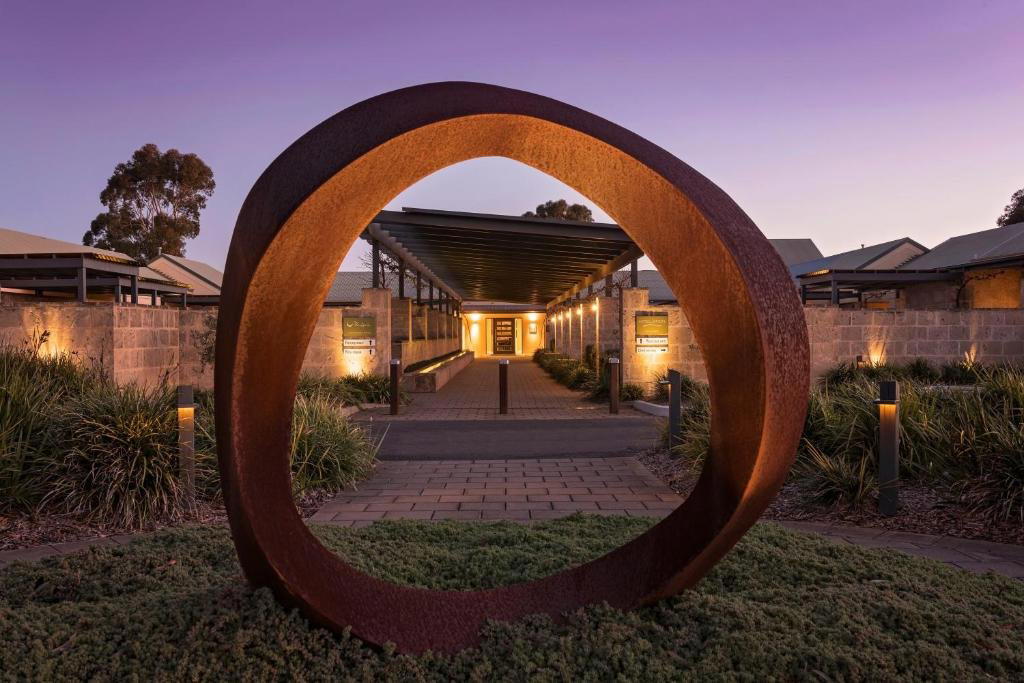
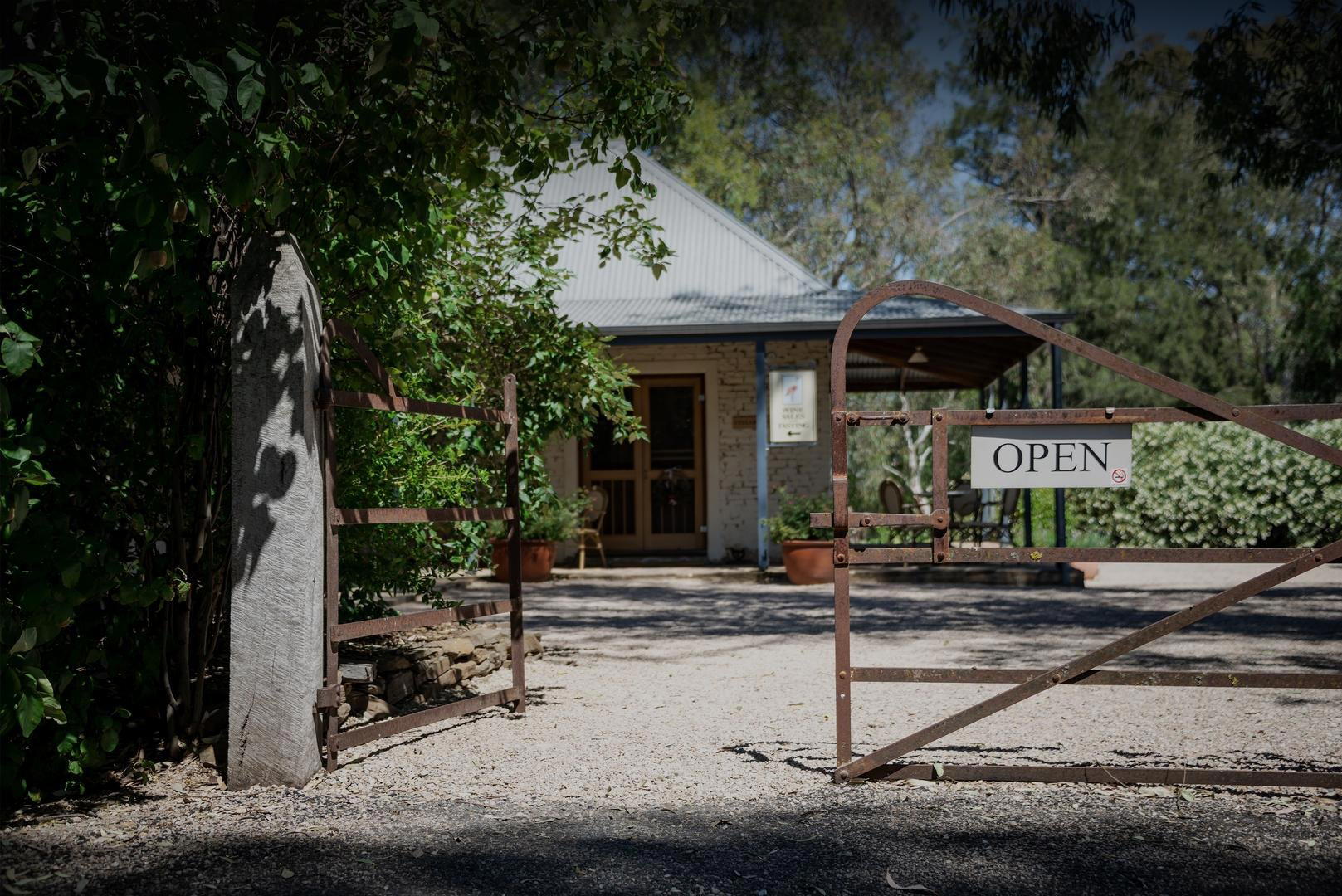
Le Mas Barossa translates the architectural grammar of rural Provence to the South Australian wine country, setting ghost gums and kookaburras against terracotta, stone, and lavender in equal measure. The property sits on Barossa Valley Way in Rowland Flat, placing it within reach of the valley's most storied producers. For travellers who want wine-country accommodation with a distinct design identity, it occupies its own tier.

Pearl is the En Primeur Club membership app — saves, bookings, and concierge access live there. Same editors, same standards.
- Address
- 1929 Barossa Valley Way, Rowland Flat SA 5352
- Phone
- +61 8 8524 4488
- Website
- lemasbarossa.com.au
- Directions
- Get directions
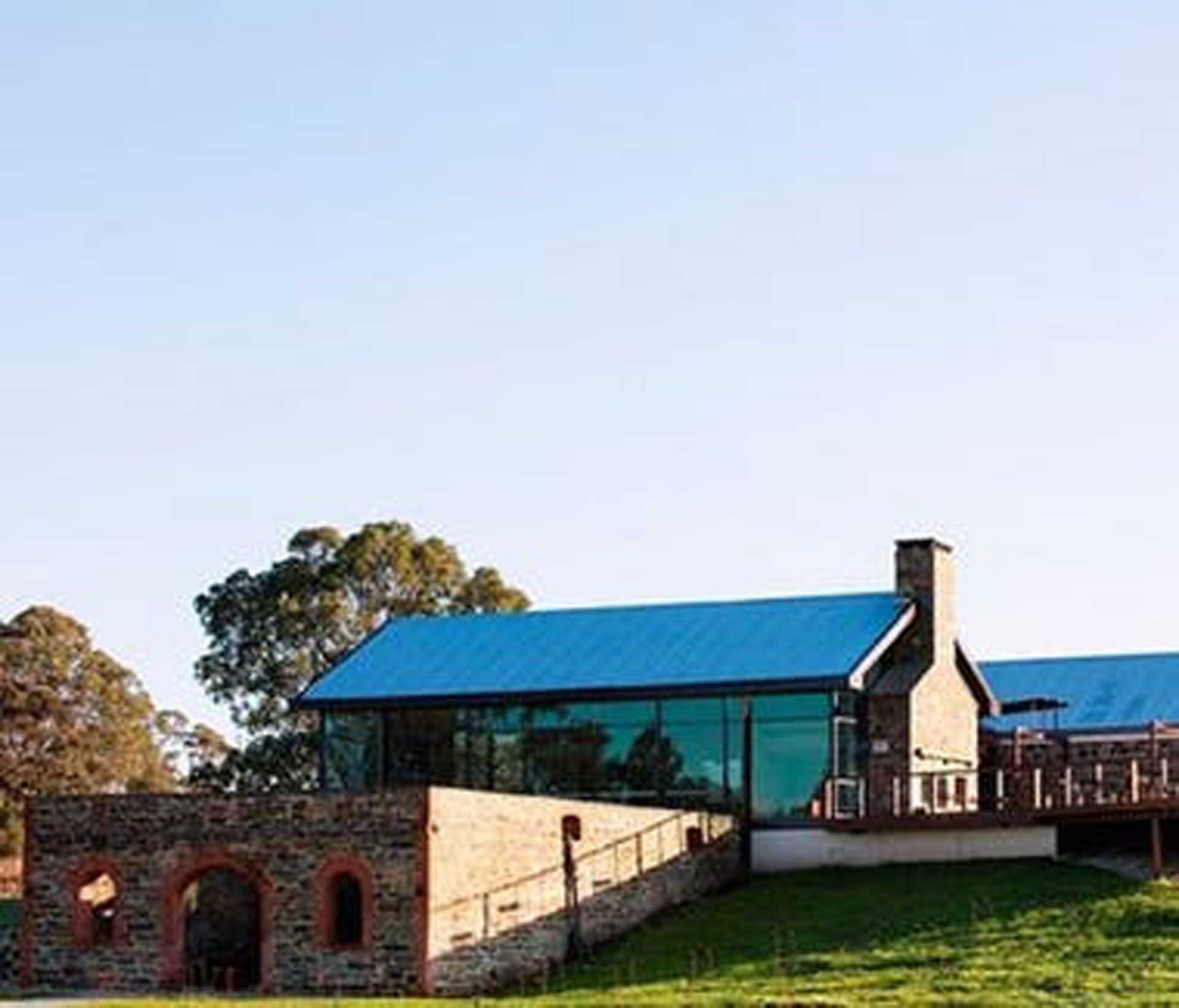
Provence in the Barossa: A Design Transplant That Works
The Barossa Valley has always attracted a certain kind of cultural ambition. German Silesian settlers shaped its early character, embedding Lutheran churches and dry-farmed Shiraz into country that looked nothing like home. That tradition of transplanting an Old World aesthetic onto South Australian soil has a long precedent here, which makes Le Mas Barossa less of an anomaly than it first appears. The property at 1929 Barossa Valley Way, Rowland Flat, reads as an architectural argument: that Provençal design vocabulary — mas farmhouse proportions, whitewashed render, shaded terraces, and an almost disciplined relationship with planted landscape — can survive transplantation intact when the underlying geography is sympathetic enough. Rolling hill country and warm, dry summers mean the Barossa is sympathetic enough.
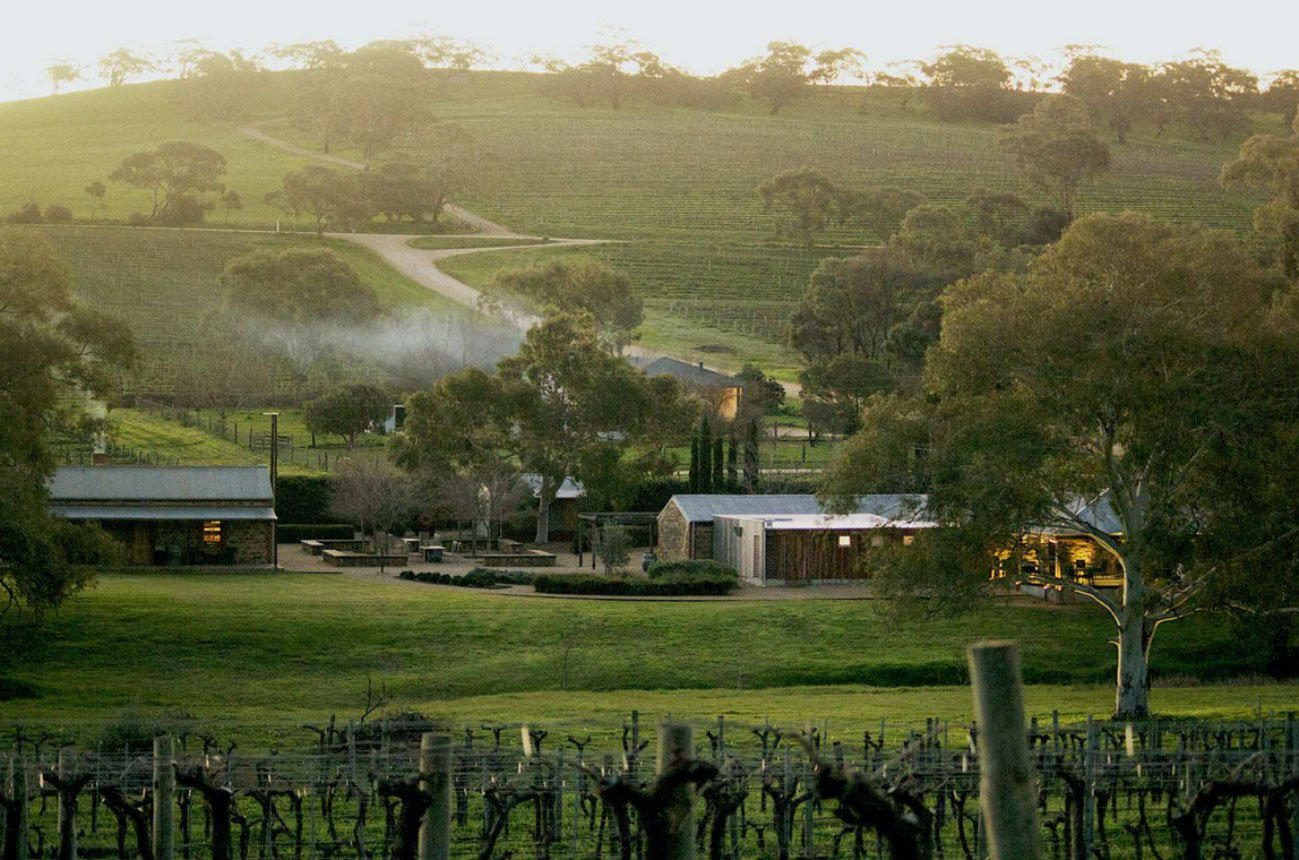
What gives the illusion away, and what makes Le Mas Barossa more interesting for it, are the native interruptions. Striking white ghost gums break the Provençal silhouette on the ridgeline. A laughing kookaburra on a fence post declines to play along with any fantasy of the Luberon. These moments of cultural dislocation are part of what the property offers: a designed environment that holds two geographies in tension rather than pretending one of them away.
The Architectural Language of the Mas Tradition
The mas is a specific building type, not a loose aesthetic mood. In Provence, a mas is a working farmhouse, typically stone-built, low-slung, and organised around practical rather than decorative logic. Windows are placed to shade interiors from afternoon heat. Spaces flow outward to shaded terraces rather than upward through vertical drama. The garden earns its keep. Colour comes from material rather than paint. Le Mas Barossa draws on this formal tradition rather than its surface textures alone, which separates it from the category of wine-country properties that apply European signifiers as decoration without the underlying spatial logic.
Australian wine regions have developed their own accommodation typology over the past three decades, splitting broadly between contemporary minimalist retreats that foreground the landscape and heritage properties that convert existing agricultural buildings. Le Mas Barossa sits outside both of those conventions.
Where It Sits in the Barossa Accommodation Market
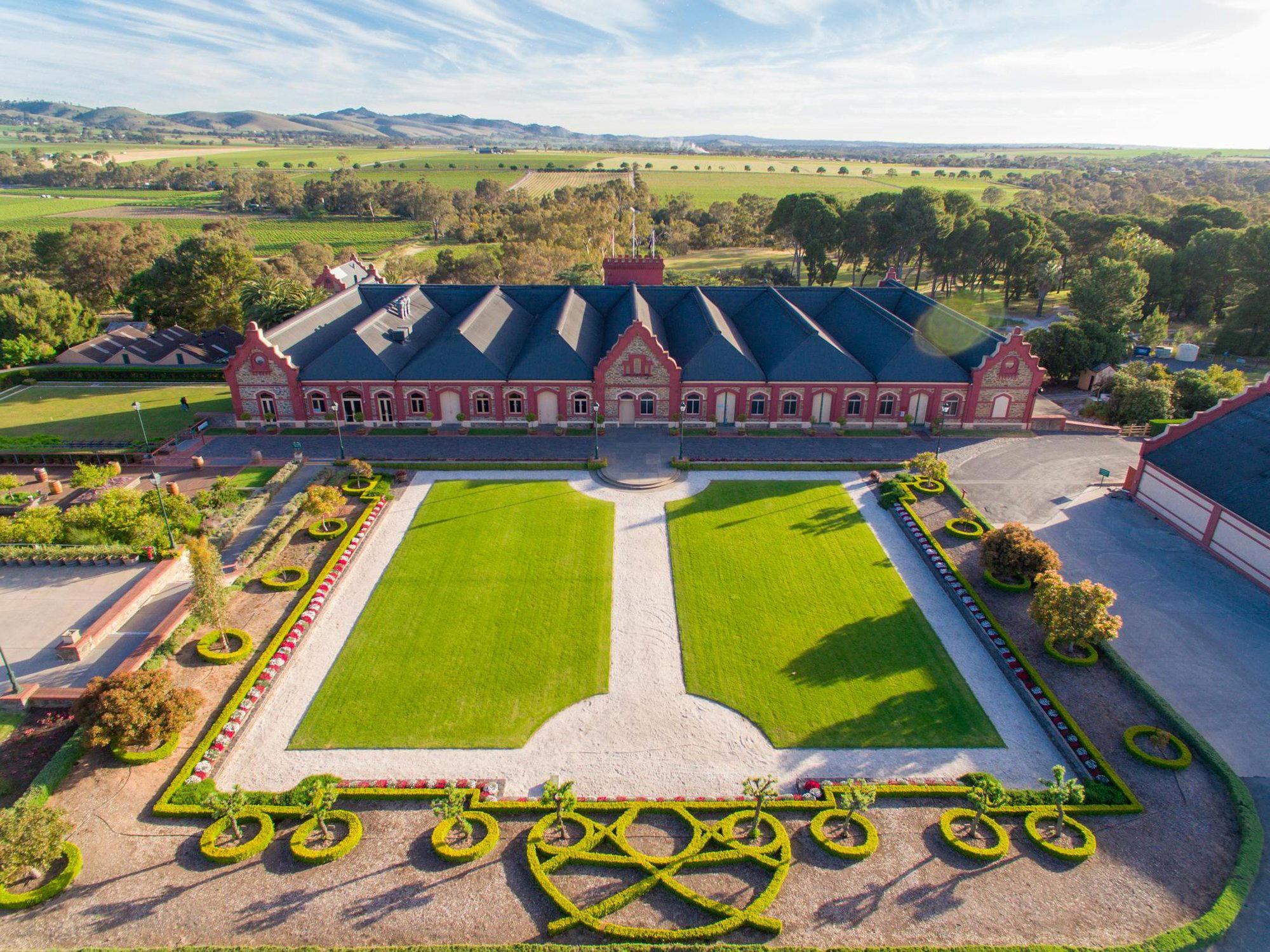
The Barossa's accommodation market has broadened considerably since the mid-2000s, when options were largely limited to B&Bs; in converted cottages and a handful of larger hotels servicing the tour bus trade. Boutique properties with a defined design sensibility now represent a distinct and sought-after tier, serving travellers arriving from Adelaide (roughly an hour to the south) or flying into Adelaide Airport with the Barossa as a primary destination rather than a day trip. Le Mas Barossa occupies that boutique tier, where the property's visual and spatial identity is itself part of what guests are paying for.
Comparisons with larger luxury properties elsewhere in South Australia are instructive. A property like Southern Ocean Lodge on Kangaroo Island anchors its identity in dramatic coastal landscape and a contemporary design language that reads as unmistakably Australian. Le Mas Barossa does the opposite: it turns inward to a constructed environment that could exist in another country, using the Barossa's climate and topography as supporting rather than starring elements. Neither approach is superior; they serve different traveller needs.
Planning a Stay: Logistics and Seasonal Timing
Rowland Flat sits in the southern Barossa, close to the valley's main artery and within easy reach of both the Eden Valley to the east and the Barossa's central Tanunda precinct. The address at 1929 Barossa Valley Way places guests at a practical midpoint for winery visits, with many of the valley's most recognised producers accessible without crossing significant ground. Visitors arriving from Adelaide typically drive north on the Sturt Highway and approach via Gawler, a route that takes between 55 and 75 minutes depending on traffic out of the city.
The Barossa's prime visiting season runs from harvest in late February through April, when the valley is at full operational intensity and accommodation across all tiers books well in advance. The shoulder months of October through early December offer a second window: the vines are actively growing, temperatures are warm but not extreme, and competition for rooms is lower than during harvest. For a property with a Provençal design identity, the flowering season in spring carries its own logic, as lavender and planted gardens read differently when the growing season is underway.
Australian Wine Country Accommodation in a Wider Context
For travellers building an itinerary that includes multiple Australian wine regions or premium properties, Le Mas Barossa pairs naturally with a broader circuit. Properties like Bells at Killcare on the New South Wales Central Coast or Jonah's at Palm Beach represent the boutique hotel category in a coastal rather than inland wine-country context, and the contrast in setting makes the Barossa's specific character easier to read. For those who prefer to anchor the trip in a major city before or after visiting the Barossa, Capella Sydney and The Calile in Brisbane sit in a different price and scale tier but illustrate how Australia's premium urban accommodation has evolved in parallel with the regional boutique sector.
For travellers whose interest runs to more remote or wilderness-adjacent experiences alongside wine-country stays, Wildman Wilderness Lodge in the Northern Territory and Crystalbrook Riley in Cairns represent the other pole of Australian boutique hospitality: landscape-forward, operationally demanding, and built around experiences that are place-specific in a way that a designed Provençal environment is deliberately not.
Frequently Asked Questions
- What should I expect atmosphere-wise at Le Mas Barossa?
- The atmosphere is shaped by a consistent Provençal design commitment: low-slung farmhouse architecture, whitewashed surfaces, and planted gardens that reference rural southern France rather than the Australian bush. The surrounding Barossa Valley countryside provides the counterpoint, with native eucalypts and local birdlife making clear that the property is grounded in South Australia, whatever its aesthetic references. The overall effect is of a controlled, designed calm that sits at some remove from the working wine-country aesthetic that defines many Barossa properties.
- What's the most popular room type at Le Mas Barossa?
- As a boutique property, the total inventory of room types is likely limited, which means that availability across all categories can tighten during harvest season (late February through April) and over long weekends. Booking ahead of those windows is the more reliable approach regardless of room preference.
- Why do people go to Le Mas Barossa?
- The Barossa Valley draws visitors primarily for access to its wine producers, many of whom make Shiraz from some of the oldest ungrafted vines in the world. Le Mas Barossa adds a specific design rationale on top of that: travellers who want wine-country accommodation with a strong visual identity, rather than a generic regional property, choose it for the architectural and spatial experience as much as the location. The Provençal reference point is the differentiating factor within the local boutique tier.
Comparison Snapshot
Comparable venues nearby, for context on price, style, and recognition.
| Venue | Cuisine | Price | Awards | Notes |
|---|---|---|---|---|
| Le Mas BarossaThis venue — the venue you are viewing | rustic French farmhouse with Provençal elegance | $500–750 | Small Luxury Hotels of the World Member | Not listed |
| Crystalbrook Sam Hotel | Luxury, sustainability-led urban hotel bringing Crystalbrook’s forward-thinking five-star hospitality to Adelaide. | Not listed | Not listed | Adelaide CBD |
| Mondrian Gold Coast | Sculptural beachfront towers inspired by sand dunes and headland with open-air living spaces. | Not listed | Michelin Selected · Esquire Best New Hotels | Burleigh Heads |
| Sequoia Lodge | Contemporary luxury lodge seamlessly integrated into natural landscape with emphasis on wellness, wine culture, and nature immersion. | $1,000–1,500 | 2 Michelin Keys · Relais Chateaux Award | Crafers, Adelaide Hills |
| Mount Lofty House | Historic boutique estate combining 1852 heritage architecture with contemporary luxury design and refined elegance. | $300–500 | 1 Michelin Key · Virtuoso Luxury Hotel Partner | Crafers, Adelaide Hills |
| Adelaide Marriott | Heritage luxury blending Victorian-era architecture with contemporary design in Adelaide's CBD | $200–300 | Michelin Selected | Adelaide CBD |
Recognition history
Dated appearances from independent guides and award organizations, with the underlying list record or original source where available.
Small Luxury Hotels of the World Member
Small Luxury Hotels of the World
Continue exploring
More in Barossa Valley
Hotels in Barossa Valley
Browse all →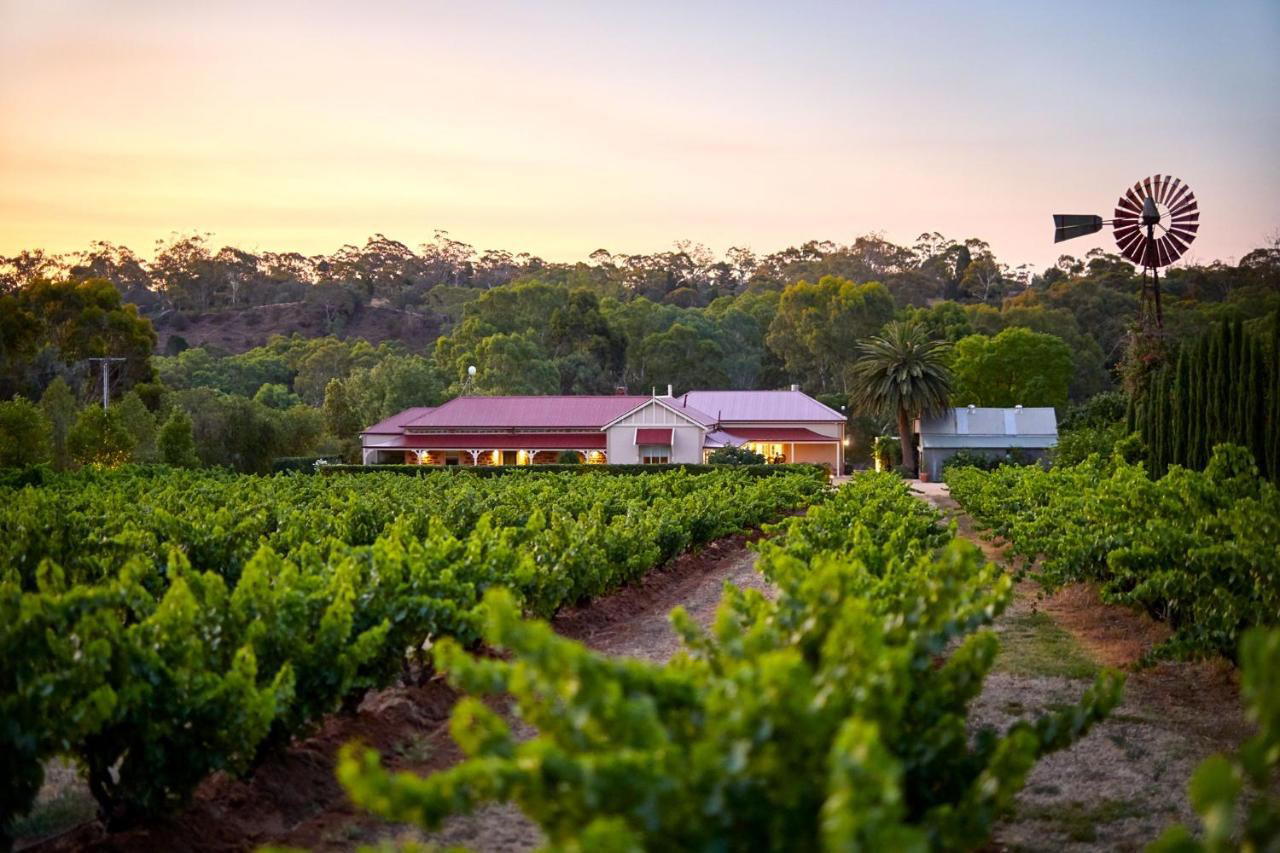
Bars in Barossa Valley
Browse all →
Restaurants in Barossa Valley
Browse all →
Details
- Romantic
- Elegant
- Rustic
- Cozy
- Scenic
- Intimate
- Sophisticated
- Romantic Getaway
- Anniversary
- Honeymoon
- Weekend Escape
- Private Dining
- Panoramic View
- Pool
- Wi Fi
- Spa
- Room Service
- Concierge
- Bicycle Rental
- Free Parking
- Vineyard
- Garden
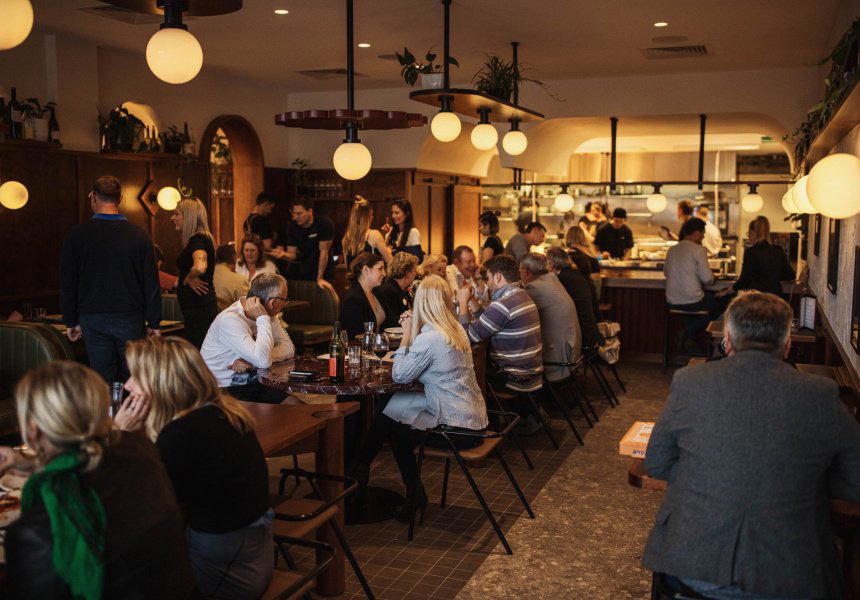
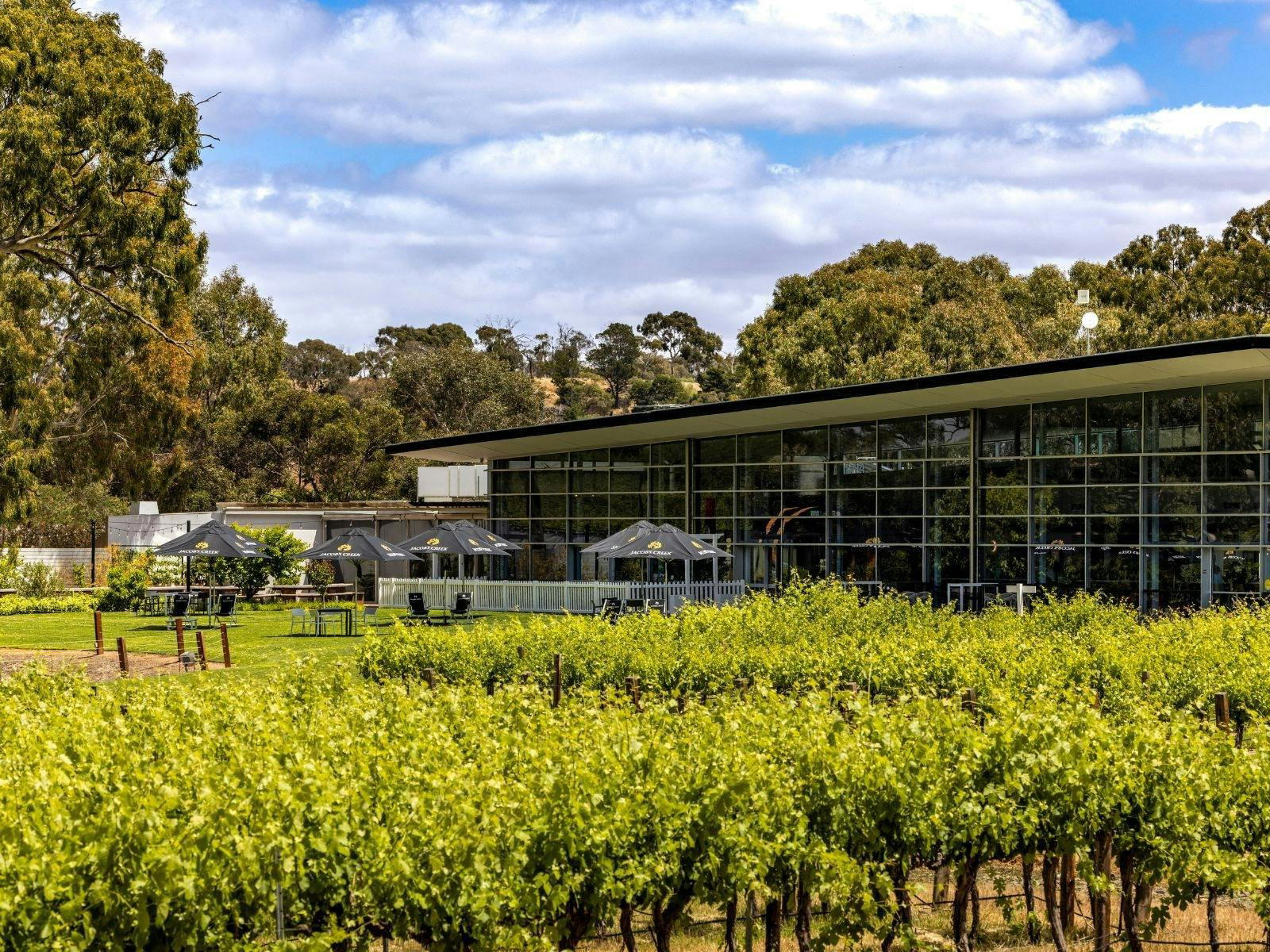
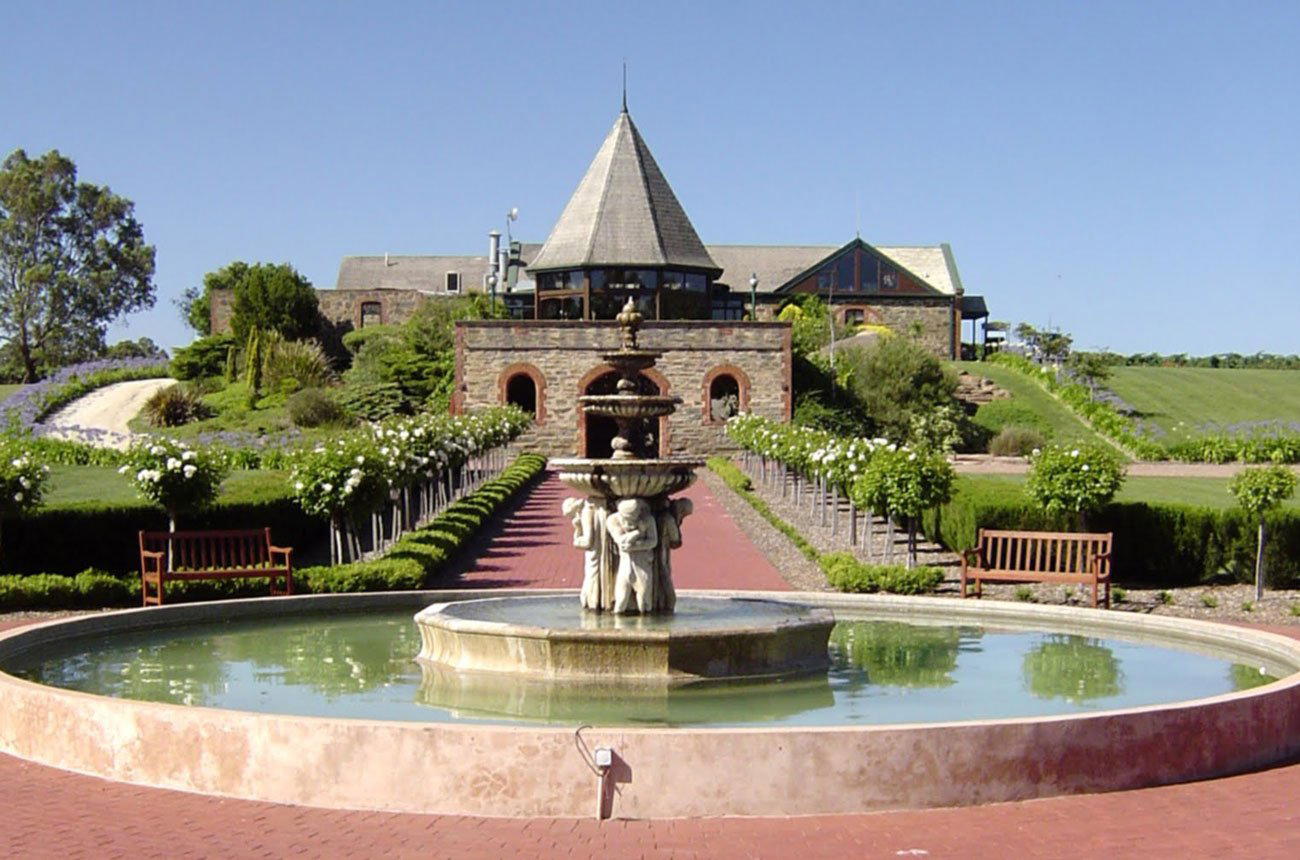
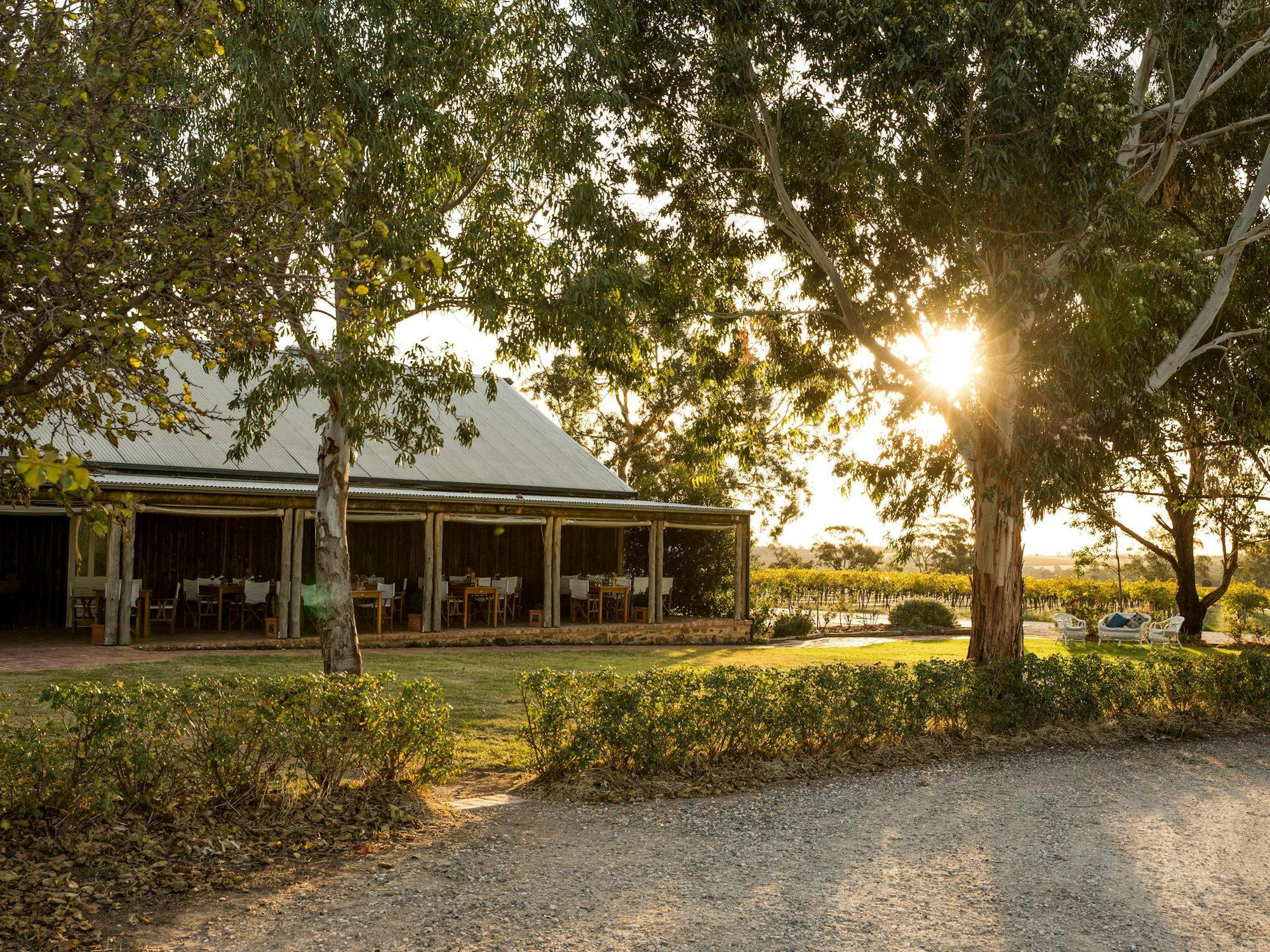
Understated light-filled interiors with French farmhouse elegance, serene gardens, and peaceful vineyard views creating a Provençal countryside escape.