Mogor Badan Winery
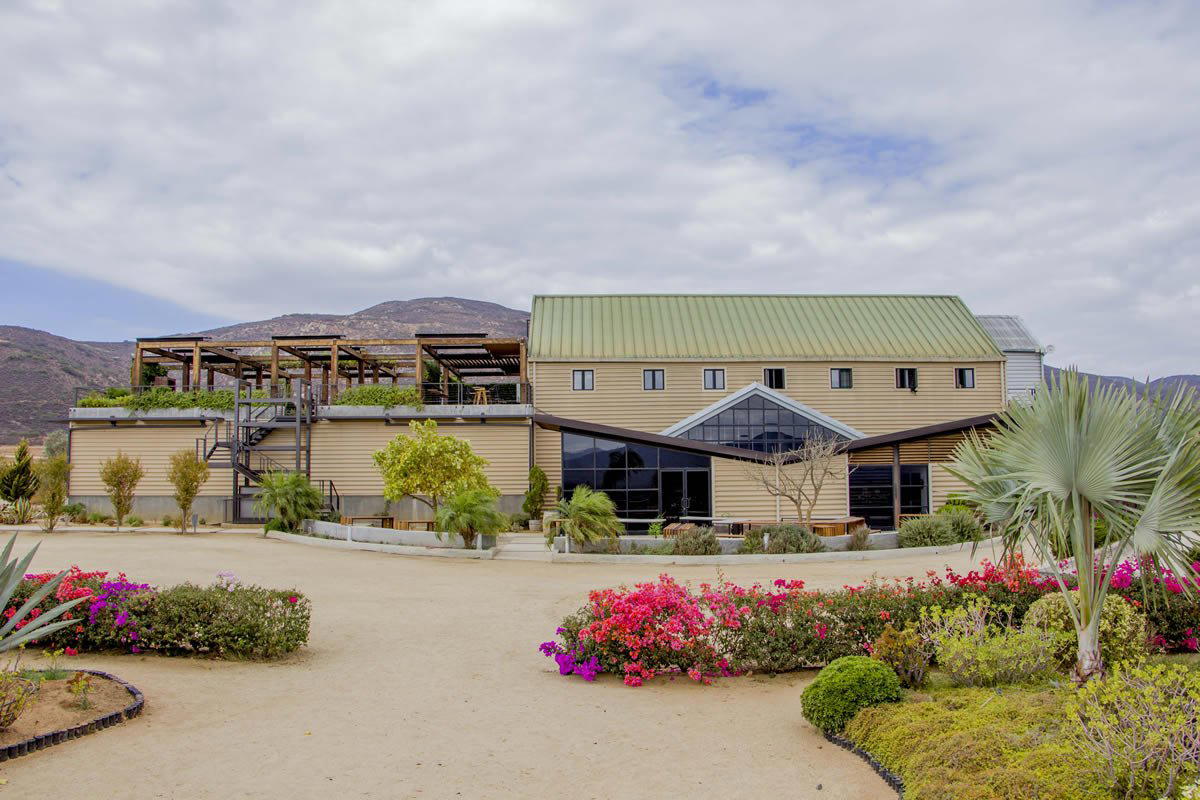
Mogor Badan sits on the Ensenada-Tecate corridor in Baja California, one of Mexico's most serious wine-producing regions. The winery occupies a working agricultural estate where Mediterranean-influenced microclimates and granite-laced soils drive production decisions more than trend cycles. For visitors tracing Baja's wine identity beyond the valley floor, it represents a distinct point of reference.

Pearl is the En Primeur Club membership app, where members save venues, book tables and use the concierge.
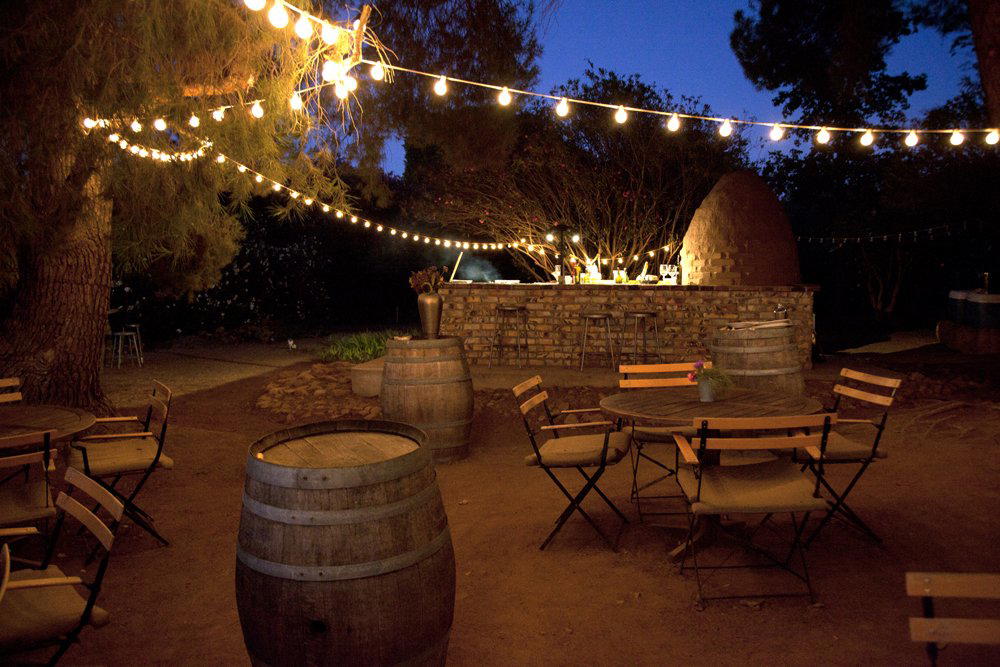
Where the Land Sets the Terms
The road between Tecate and Ensenada passes through a version of Baja California that most visitors skip. This stretch of the peninsula sits at elevations where coastal fog and daytime heat alternate with enough regularity to push grapes toward concentration without stripping them of acidity. Mogor Badan Winery operates within that corridor, on an estate where the agricultural logic of the land has shaped the operation from its foundation. The address, formally listed under Ensenada, 22753 Tecate, B.C., places it in the administrative overlap between two municipalities, which is itself a useful signal: this is territory that resists clean categorization.
Baja California's wine region is often collapsed, in shorthand, into the Valle de Guadalupe. That framing is convenient but incomplete. The Tecate-Ensenada corridor supports its own microclimate conditions, distinct from the valley floor's more exposed alluvial terrain. Granite and decomposed rock substrates are more prevalent here, offering lower water retention and forcing vine roots to work at depth. What that produces, in grape terms, is intensity qualified by mineral tension, a signature that separates this corridor from the broader Valle de Guadalupe profile when both are tasted side by side.
Terroir as the Operating Principle
Most wine regions in Mexico built their reputations on a single claim: that European varietals could survive, and eventually thrive, in non-European conditions. Baja California advanced that argument furthest, benefiting from its proximity to the Pacific and from a Mediterranean analogue climate that few other Mexican wine zones can credibly claim. Mogor Badan sits inside that argument, on the side of the debate that privileges site specificity over varietal familiarity. The winery's position on an agricultural estate, rather than a purpose-built hospitality facility, reflects that priority order: production and land stewardship first, visitor experience as a consequence rather than a driver.
Baja's wine corridor has fractured in recent years between operations scaled toward agri-tourism revenue and those that have kept production as the primary economic logic. The former have invested heavily in restaurant programming, event spaces, and branded visitor infrastructure. The latter, including Mogor Badan, have maintained an estate character that makes them more legible to serious wine visitors and less accessible, in format if not always in geography, to weekend excursion traffic from Tijuana or San Diego. Both models are commercially coherent; they simply attract different visitors and produce different experiences of the region.
The Baja California Context
To understand what Mogor Badan represents, it helps to hold the broader Baja wine picture clearly. The region produces a wide range of varieties, with Cabernet Sauvignon, Nebbiolo, Tempranillo, and Mediterranean whites all finding advocates among the established producers. Mexico's wine output, while modest by global volume standards, has attracted consistent attention from international critics over the past decade, with Baja California carrying most of that critical weight. The corridor running south from Tecate toward Ensenada has been part of that story at least as long as the Valle de Guadalupe, though it receives less structured tourist infrastructure and, correspondingly, less casual visitor traffic.
For comparative context, Mexico's broader spirits and wine geography spans an enormous range of traditions, from the agave-based production concentrated in Jalisco and Oaxaca, where operations like Jose Cuervo (La Rojeña) in Tequila, La Primavera (Don Julio), and Los Danzantes in Santiago Matatlán define regional identity, to the mezcal cooperatives of the Sierra Sur, such as Banhez (UPADEC cooperative) and Casa Cortés – La Soledad Palenque. Baja's table wine tradition occupies a separate branch of that tree entirely, governed by soil, elevation, and coastal proximity rather than by agave species or distillation method. It shares the terroir-first logic you find in operations like Accendo Cellars in St. Helena, where site expression rather than varietal formula defines the editorial purpose of each vintage.
Other significant Mexican spirits producers, Casa Herradura (Hacienda San José del Refugio) in Amatitán, Cazadores Distillery in Arandas, Hacienda Corralejo in Pénjamo, Don Amado (Arellanes family), El Pandillo (G4) in Jesús María, El Rey de Matatlán, and Lágrimas de Dolores (Hacienda Dolores) in Durango, operate in production categories where terroir expression works through agave character and fermentation environment rather than vine and soil. Mogor Badan's frame of reference is closer to European wine estate logic than to any of these, which is partly why the Baja corridor reads more naturally alongside producers like Aberlour in Speyside, in terms of the primacy they each assign to a specific geography, than alongside other Mexican producers.
Planning a Visit
Mogor Badan's location on the Tecate-Ensenada road makes it accessible from both municipalities, though neither public transport nor rideshare services cover this stretch reliably. Most visitors arrive by private vehicle, which also allows for flexibility in combining the estate with other producers along the corridor. Baja California's wine corridor operates at its finest between late spring and early autumn, when harvest preparation adds texture to any estate visit, though the cooler shoulder months offer lower visitor volume. For broader orientation on eating, drinking, and staying in the region, see our full Tecate restaurants guide.
A Quick Peer Check
Comparable venues nearby, for context on price, style, and recognition.
| Venue | Cuisine | Price | Notes |
|---|---|---|---|
| Mogor Badan WineryThis venue (the venue you are viewing) | Cabernet Sauvignon, Cabernet Franc | $20–30 | Not listed |
| Casa Cortés – La Soledad Palenque | Espadín | Not listed | La Compañía (Ejutla) |
| Mezcal Unión (bottled of origin) | Winery | Not listed | San Baltazar Guelavila |
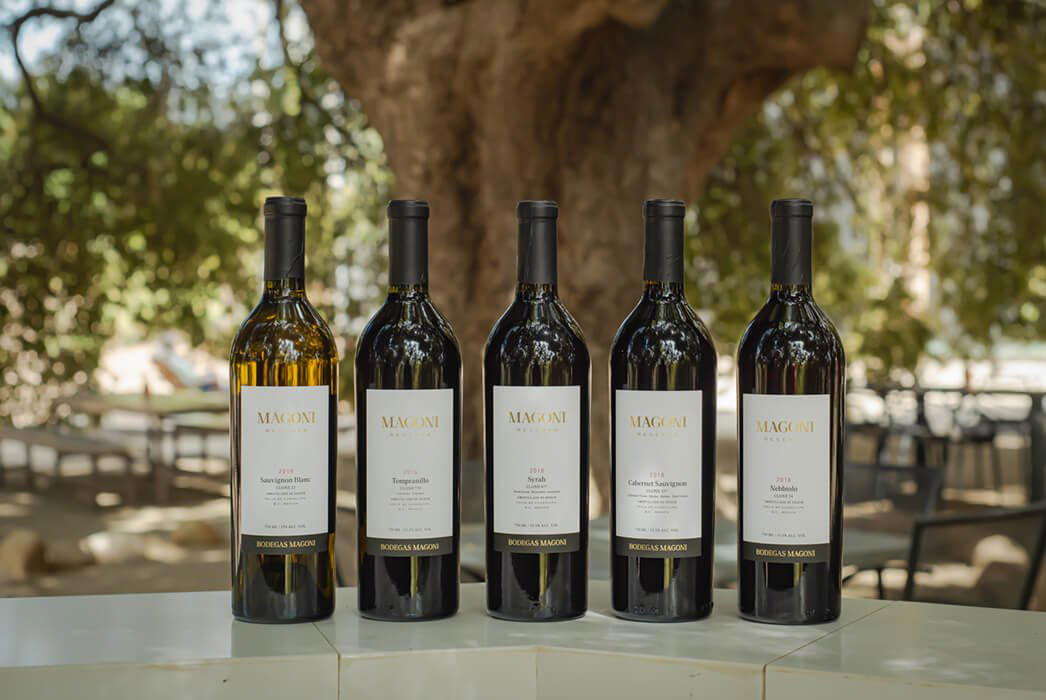
| Bodegas Magoni | Sauvignon Blanc, Merlot | Not listed | Valle de Guadalupe |
| Vena Cava | Cabernet Sauvignon, Sauvignon Blanc | $10–20 | Valle de Guadalupe |
| Sombra | Winery | Not listed | Santiago Matatlán |
Continue exploring
More in Valle de Guadalupe
Wineries in Valle de Guadalupe
Browse all →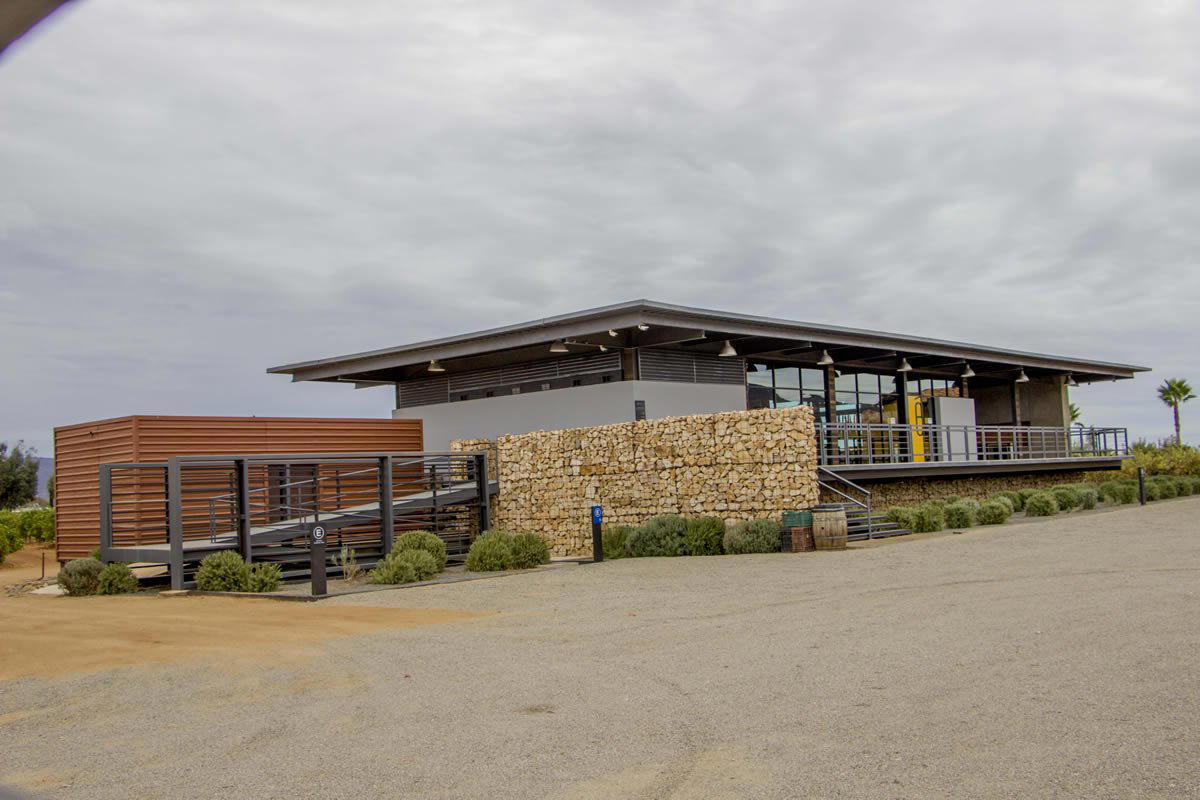
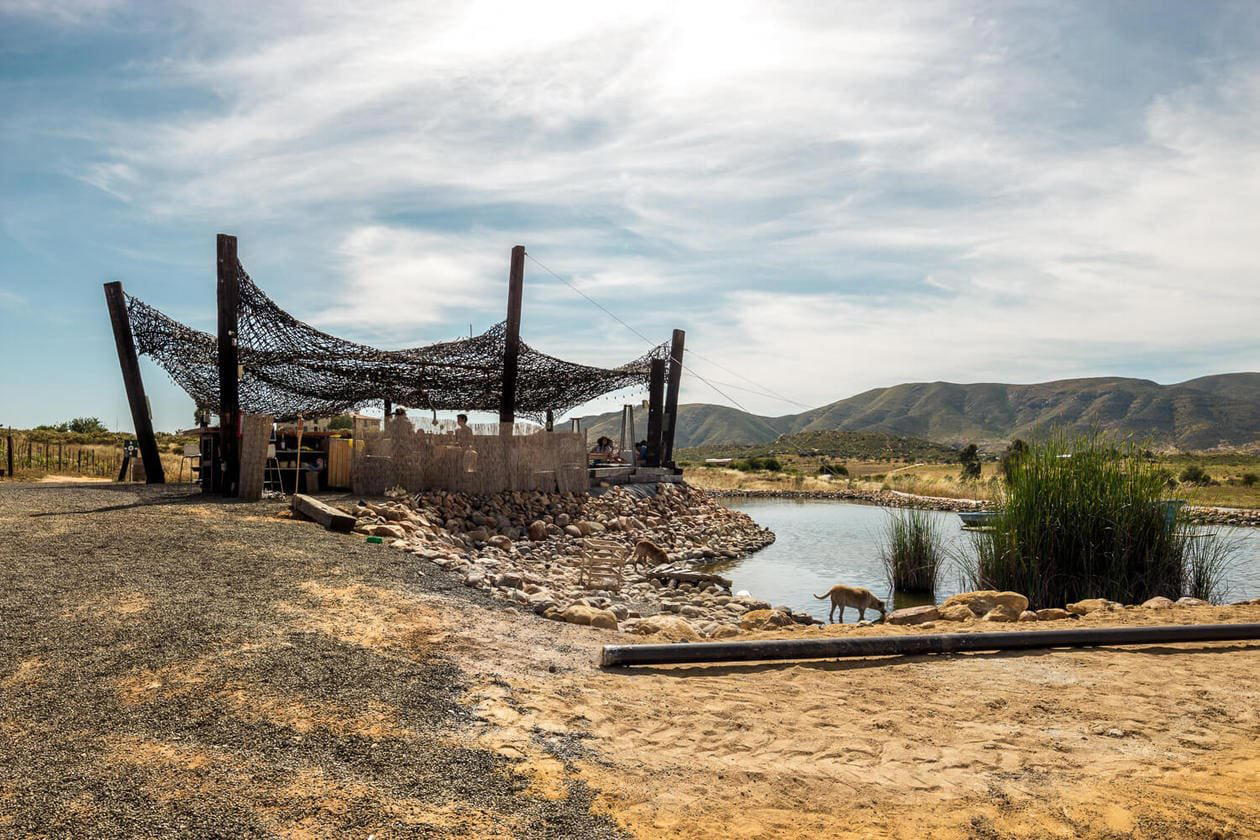

Bars in Valle de Guadalupe
Browse all →
Details
- Rustic
- Scenic
- Intimate
- Wine Education
- Special Occasion
- Vineyard Tour
- Estate Grounds
- Organic
- Vineyard
- Mountain
- Cabernet Sauvignon
- Cabernet Franc
- Merlot
- Petit Verdot
- Malbec
- Still Red
- Still White
- Wine Tasting
Current opening hours
- Monday
- Closed
- Tuesday
- Closed
- Wednesday
- Closed
- Thursday
- Closed
- Friday
- 11 AM–5 PM
- Saturday
- 11 AM–5 PM
- Sunday
- 11 AM–5 PM
Hours can change for holidays and private events. Hours as of .
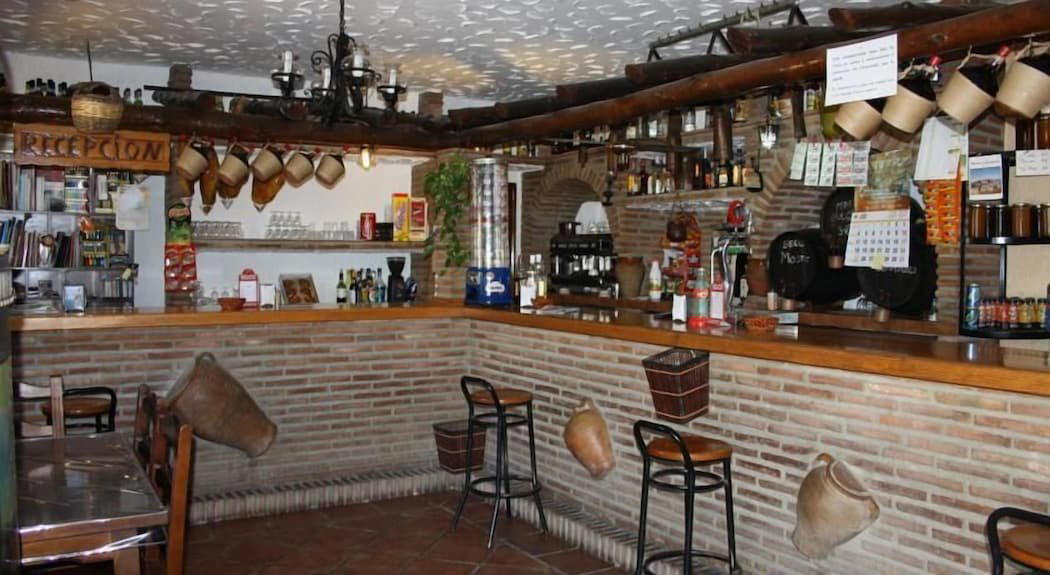
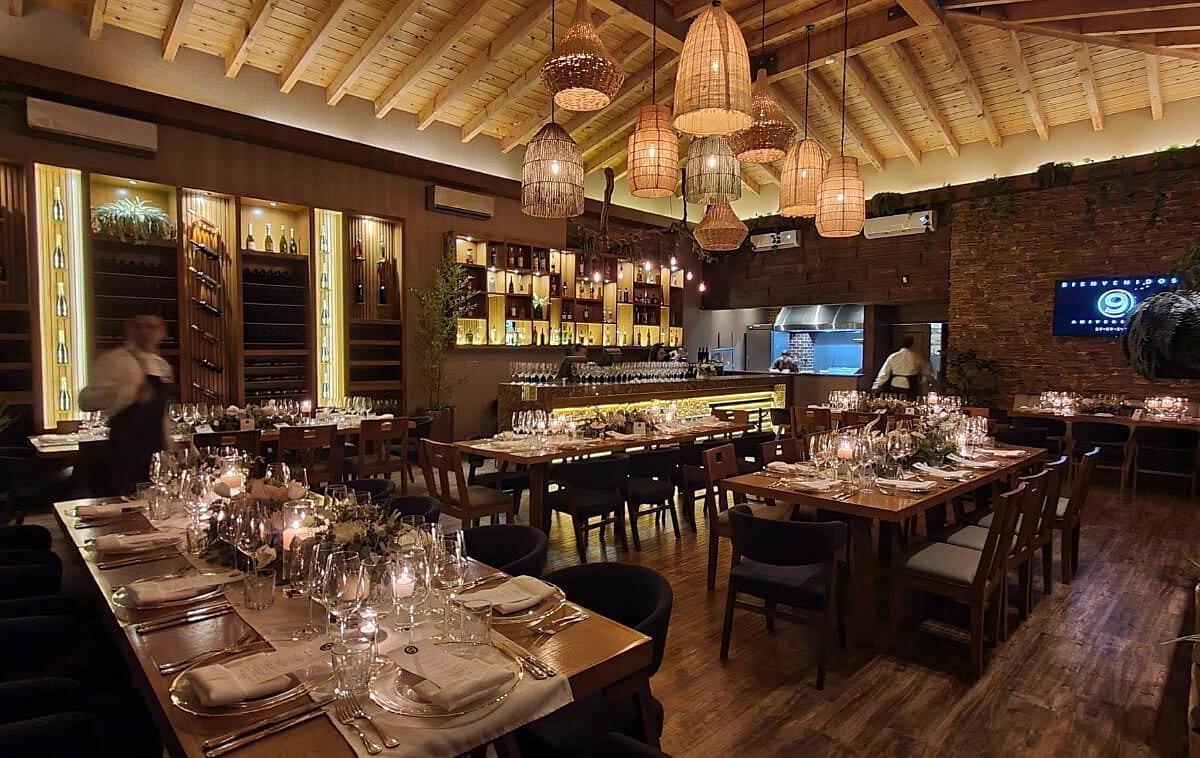
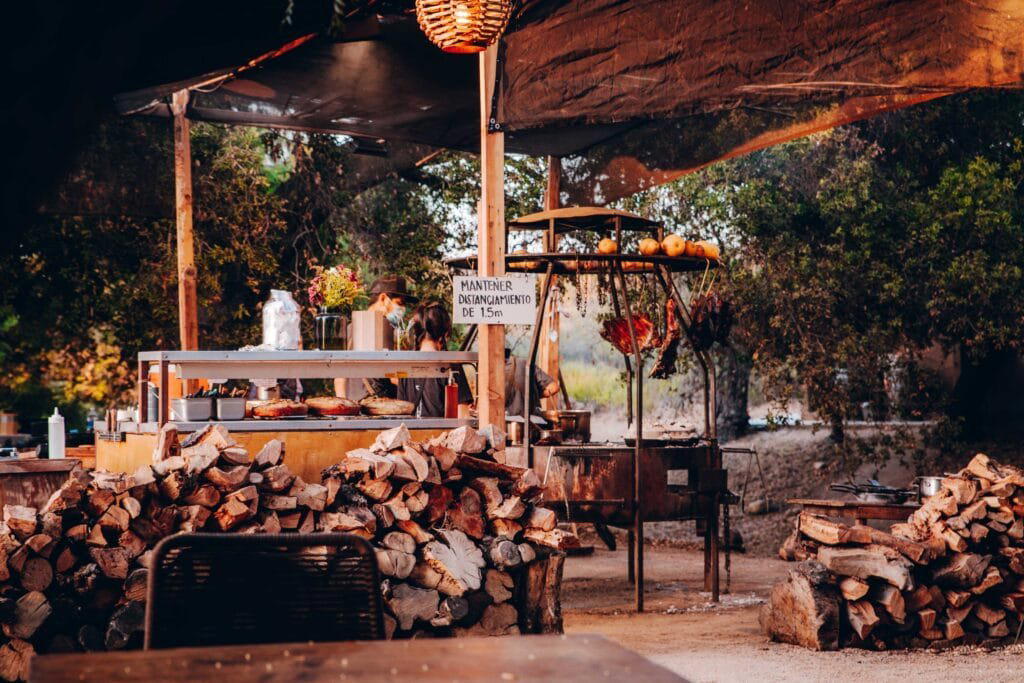
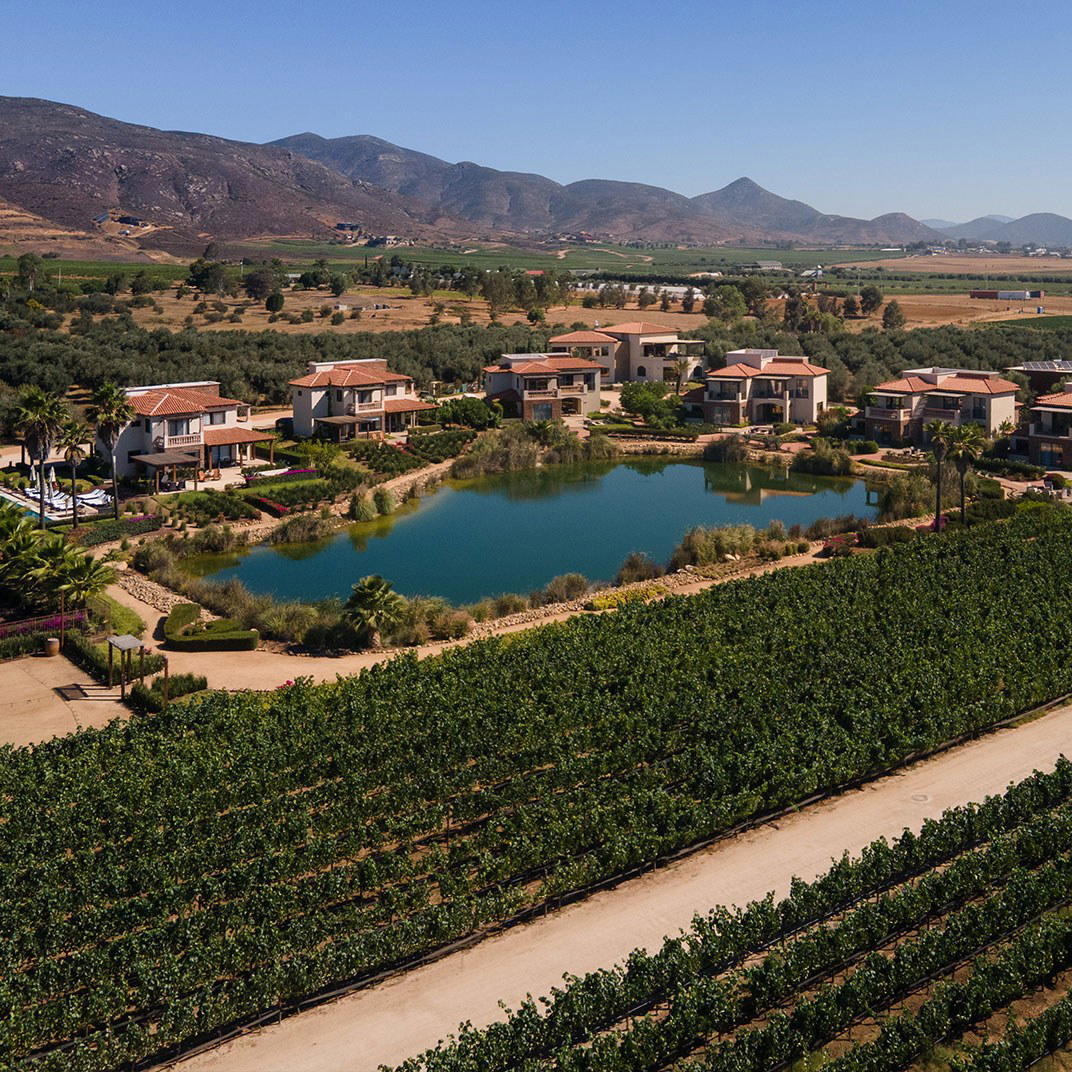
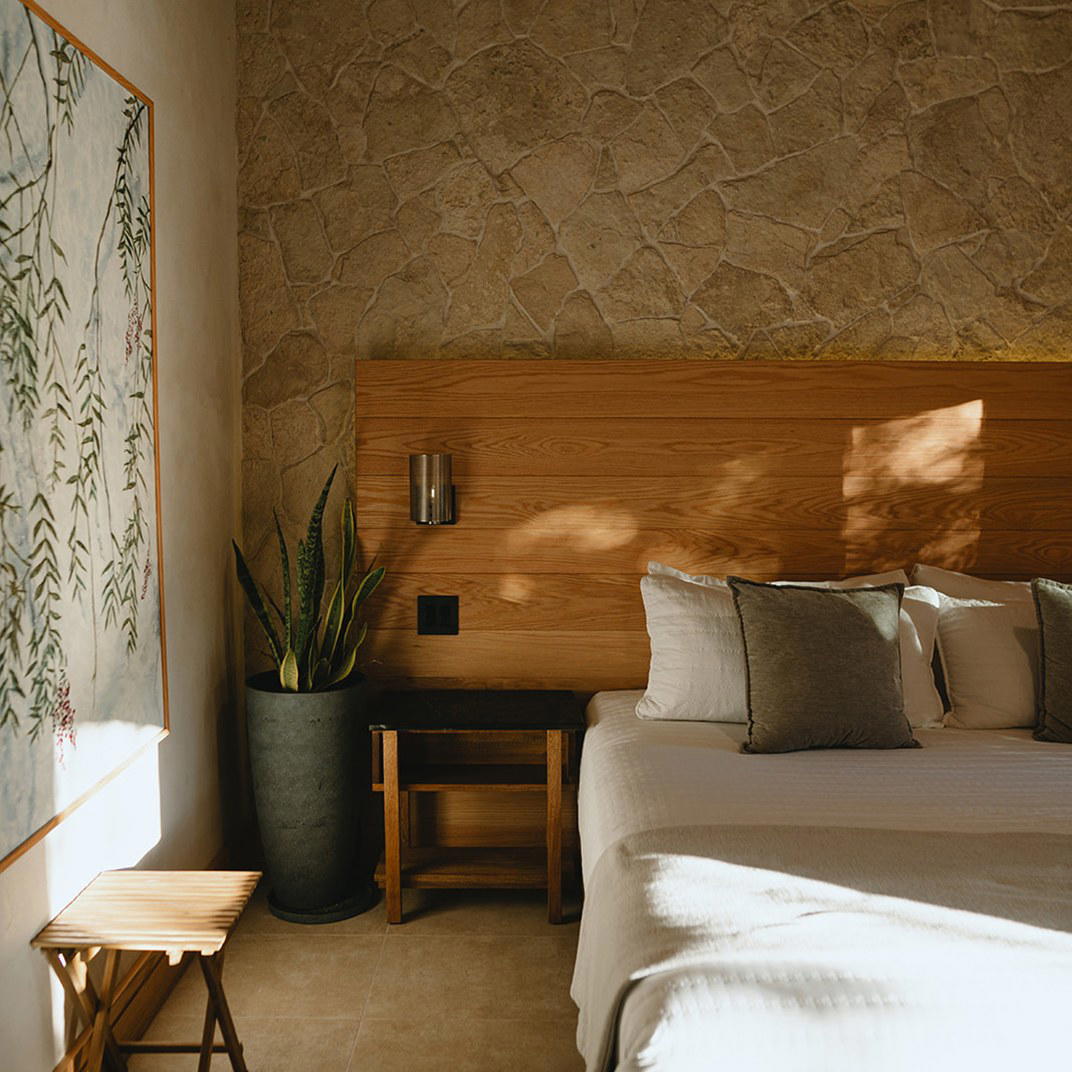
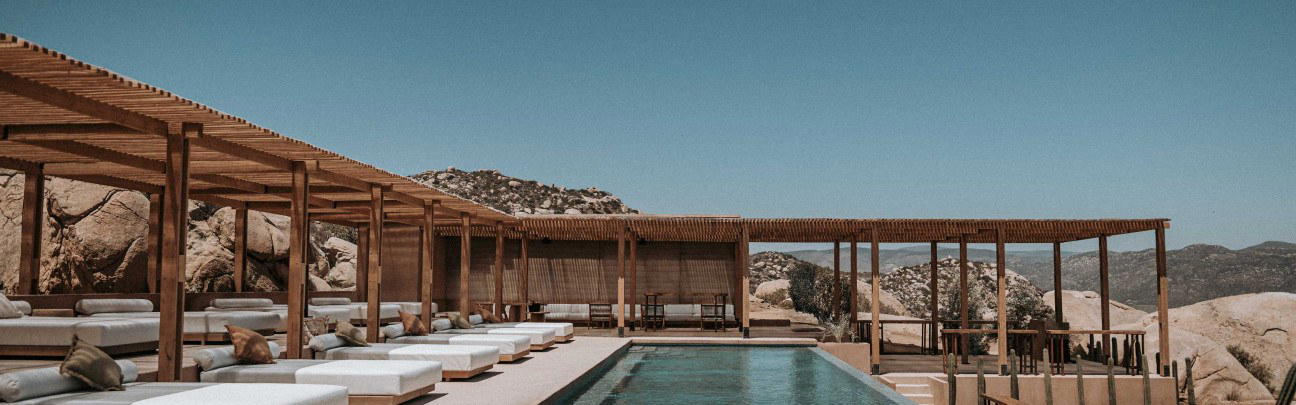
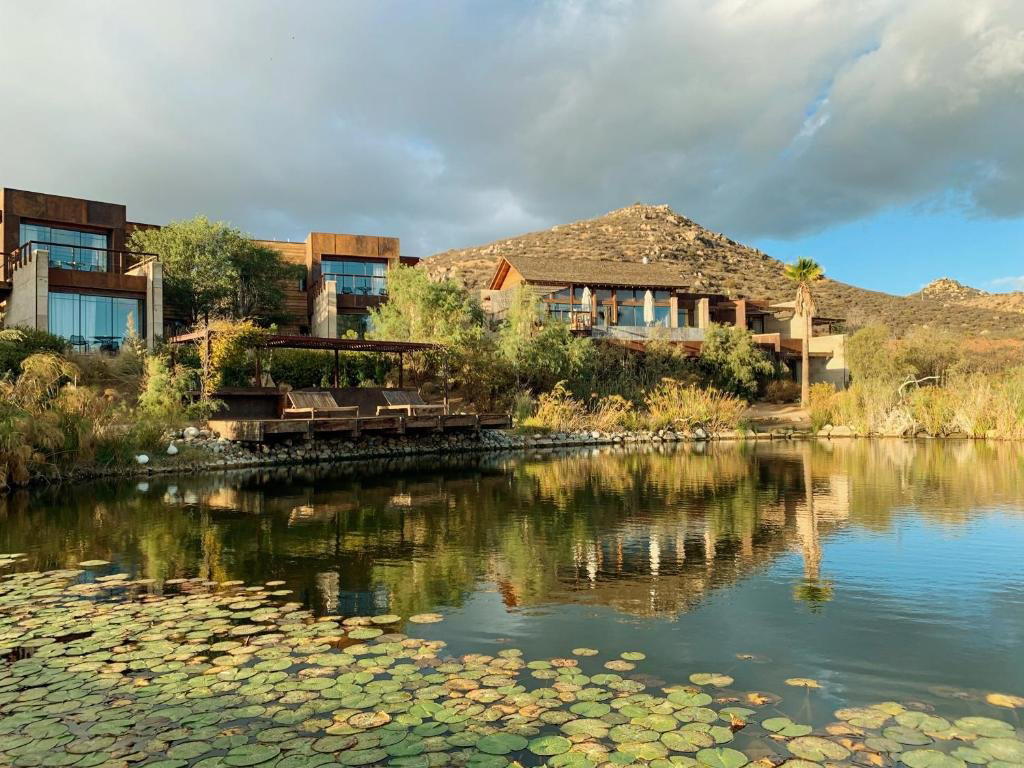
Rustic yet sophisticated setting surrounded by vineyards and olive groves.