Finca La Carrodilla
Finca La Carrodilla sits on Ejido El Porvenir in Francisco Zarco, at the heart of Baja California's Valle de Guadalupe wine corridor. The estate represents the organic and biodynamic strand of Mexican viticulture, where volcanic soils and Pacific-influenced climate do most of the work. For wine-focused visitors to the valley, it sits outside the high-traffic circuit and rewards a deliberate visit.
Pearl is the En Primeur Club membership app — saves, bookings, and concierge access live there. Same editors, same standards.
- Address
- Parcela 99 Z1 P14 Ejido El Porvenir, 22755 Francisco Zarco, B.C., Mexico
- Phone
- +52 646 978 1345
- Directions
- Get directions
 Saves & bookings on Pearl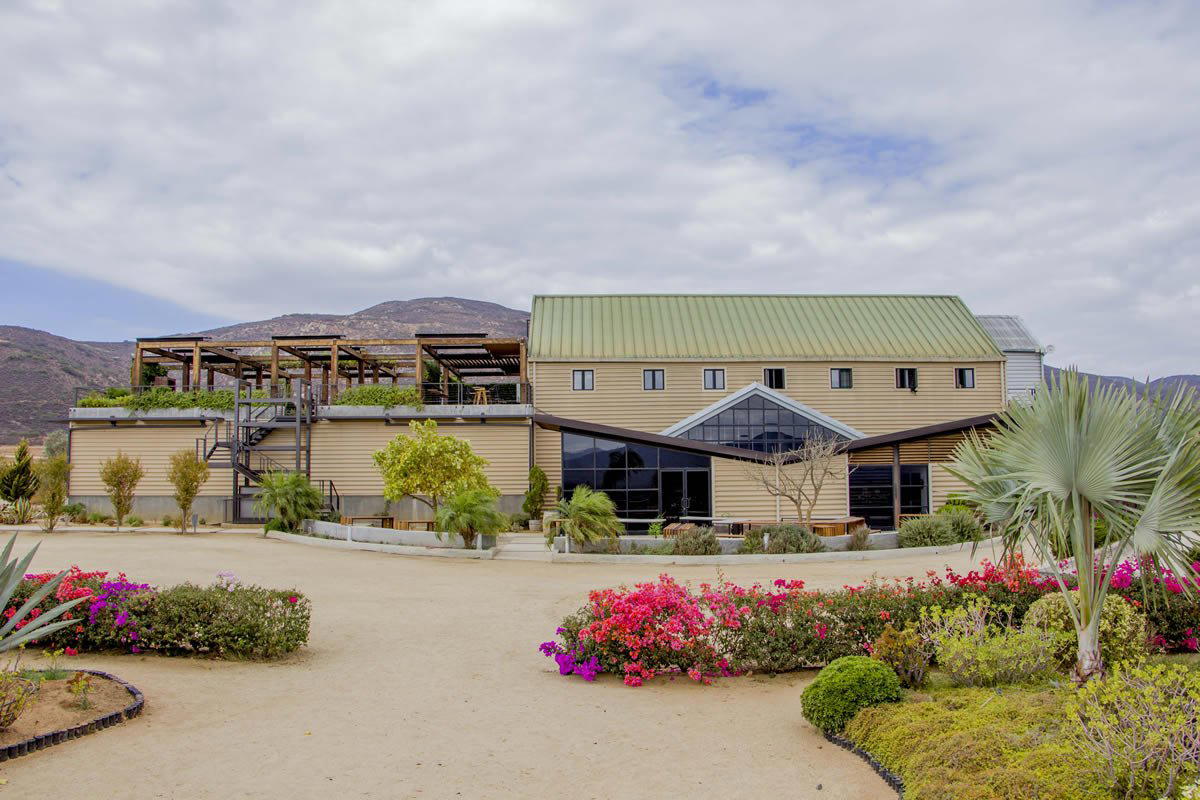
Valle de Guadalupe's Quieter Register
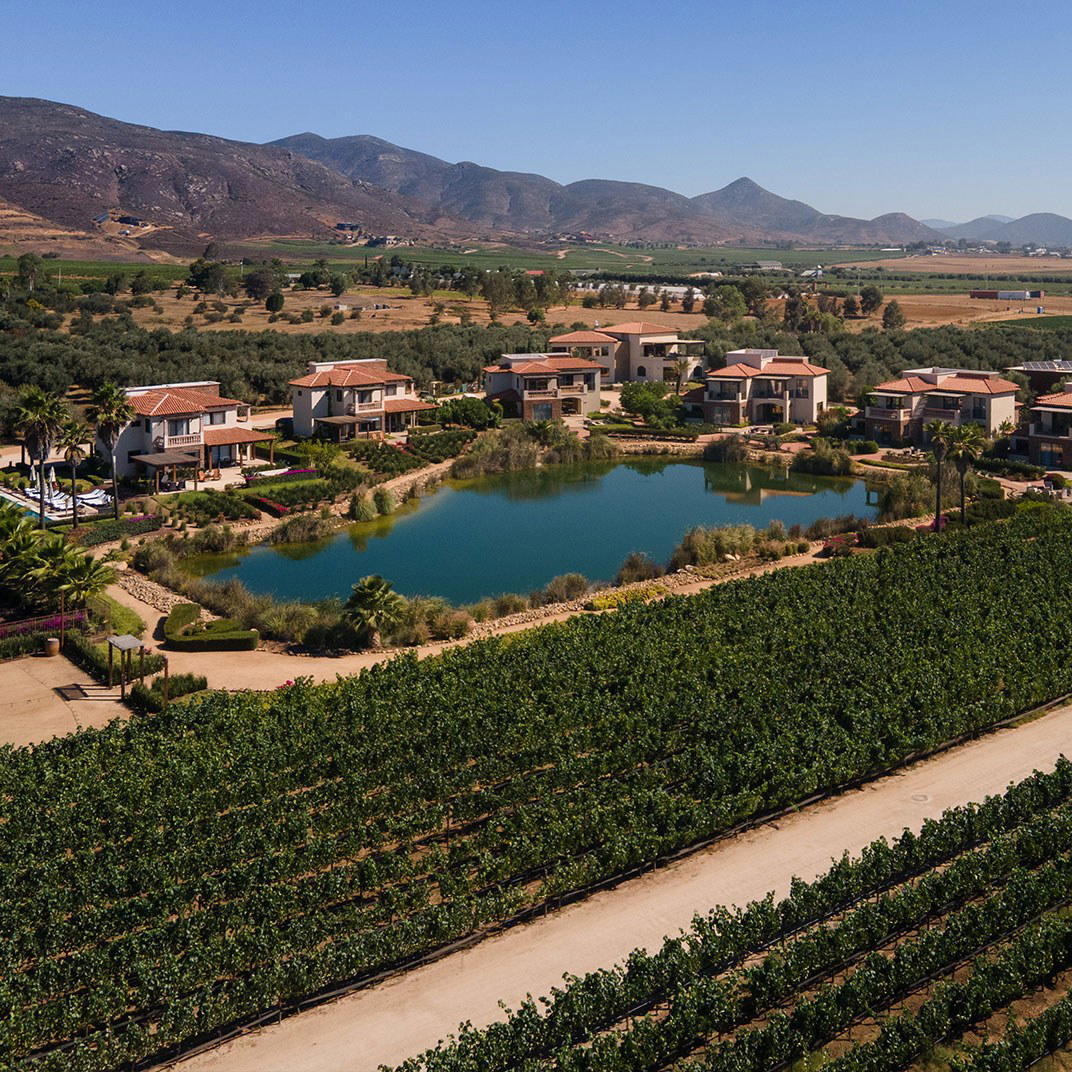
The road into Ejido El Porvenir threads through low scrub and dry-stone boundary walls before the vine rows of Francisco Zarco come into focus. This is the interior of Baja California's wine corridor, where the Pacific fog that rolls in from Ensenada moderates what would otherwise be harsh afternoon heat, and where the distance between producers feels less like geography and more like a statement of intent. Finca La Carrodilla occupies Parcela 99 in this landscape, a working agricultural address that tells you something before you arrive: this is a farm first, a winery second.
The Valle de Guadalupe has expanded sharply over the past decade. What was a loosely organised cluster of family estates has become a destination circuit drawing visitors from Tijuana, San Diego, and well beyond. That growth has sorted producers into at least two legible camps: estates oriented toward the tourism economy, with restaurants, events, and hospitality infrastructure built around the wine; and estates where the viticulture itself remains the dominant logic. Finca La Carrodilla has long been associated with the latter orientation, anchored in organic and biodynamic practice at a time when that approach still required explanation in Mexico's northern wine belt. For context on the wider Francisco Zarco scene, see our full Francisco Zarco restaurants guide.
What the Land Produces
Baja California's wine soils are not a single thing. The Valle de Guadalupe runs roughly northwest to southeast, and the variation in granite decomposition, clay content, and elevation across that corridor produces meaningfully different results from block to block. The parcela system at Ejido El Porvenir places Finca La Carrodilla in a sub-zone where granitic sandy loams predominate, soil types that drain readily, limit vigour, and concentrate flavour at the cost of yield. That trade-off is the core logic of the estate's approach: less fruit per vine, more expression per bottle.
The regional climate is frequently described as Mediterranean in analogy, and the comparison holds at the macro level: warm, dry summers; mild, wet winters; and a coastal influence that extends further inland than the map suggests. But the Valle de Guadalupe's specific dynamic is more compressed than any European equivalent. Temperatures can move 15 degrees Celsius between midday and midnight during the growing season, a diurnal range that preserves acidity in grapes that would otherwise produce flat, heavy wines. That acidic tension is the structural signature you find in wines from producers throughout the valley who prioritise it, and Finca La Carrodilla's biodynamic calendar is, in part, a means of protecting that fragile balance from intervention.
The estate's position within Valle de Guadalupe's organic and biodynamic cohort connects it to a broader narrative in Mexican wine. While most attention in the region has focused on Cabernet Sauvignon and Nebbiolo blends driven by international market logic, a smaller group of producers has pursued Rhône and southern French varieties that tolerate heat and perform well in low-intervention farming. Grenache, Mourvèdre, and Carignan appear in this context not as novelties but as rational choices for the terroir. The comparison producer in the valley most often cited alongside estates in this category is Vinícola 3 Mujeres, which similarly prioritises estate fruit and restrained winemaking over volume.
Where Finca La Carrodilla Sits in the Mexican Wine Picture
Mexico's premium spirits production is far better known internationally than its wine, largely because tequila and mezcal producers built export infrastructure decades ahead of any winemaking equivalent. Operations like Jose Cuervo (La Rojeña) in Tequila, La Primavera (Don Julio) in Atotonilco El Alto, and Casa Herradura in Amatitán have global distribution networks and brand recognition that Valle de Guadalupe wine producers are only beginning to approach. Further south, mezcal estates like Los Danzantes in Santiago Matatlán, Don Amado in Santa Catarina Minas, and Casa Cortés in La Compañía represent the craft-production end of that spirits tradition. Cooperative models such as Banhez (UPADEC) in San Miguel Ejutla show yet another structural approach. Finca La Carrodilla occupies a different category entirely: a wine estate operating within a region that is still establishing its critical infrastructure, competing not against spirits but against the growing domestic and cross-border appetite for Mexican terroir-driven wine.
The tequila industry's premium tier, represented by agave-forward distilleries like El Pandillo (G4) in Jesús María and Cazadores Distillery in Arandas, has demonstrated that Mexican provenance can command serious international price points. Valle de Guadalupe wine has not yet reached that position globally, but the trajectory among estate producers is moving toward it. Finca La Carrodilla's organic credentials and parcel-specific focus are, in that context, a positioning decision as much as an agricultural one. Further afield, estates like Hacienda Corralejo in Pénjamo and distributors like El Rey de Matatlán illustrate the breadth of Mexico's agave-based production, but the comparison that matters for Finca La Carrodilla is within wine, where Burgundy-influenced estates like Accendo Cellars in St. Helena or Scottish single-estate producers like Aberlour suggest how narrowly defined provenance can anchor a premium position across entirely different categories.
Planning a Visit to Ejido El Porvenir
Francisco Zarco sits roughly 90 kilometres south of Tijuana and around 30 kilometres north of Ensenada, making it accessible as a day trip from either city or as part of a longer wine-focused stay in the valley. The parcela address (Parcela 99 Z1 P14, Ejido El Porvenir) is the correct navigation reference; most mapping applications recognise the ejido designation, though road surfaces inside the valley's smaller tracks vary seasonally. Given that no phone or website details are currently listed for the estate, contacting via local wine tourism networks or through Francisco Zarco's established tasting circuit is the most reliable approach before travelling. Valle de Guadalupe visits are concentrated from late spring through early autumn; harvest season in August and September adds activity to the valley floor but also means that smaller estates can be absorbed into production work rather than visitor reception.
Continue exploring
More in Francisco Zarco
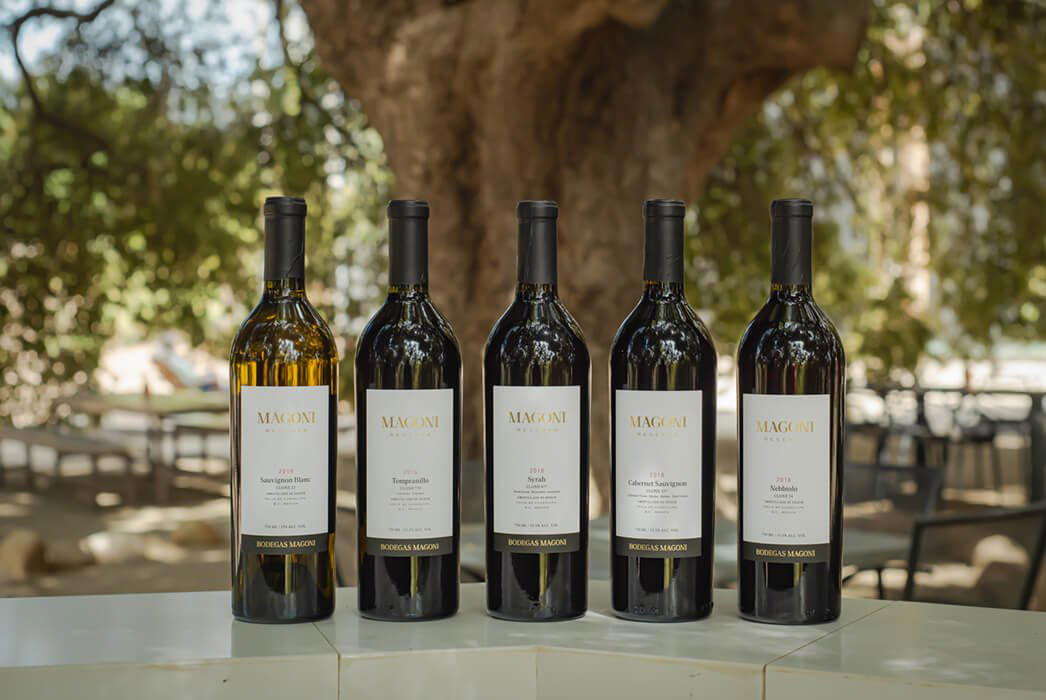
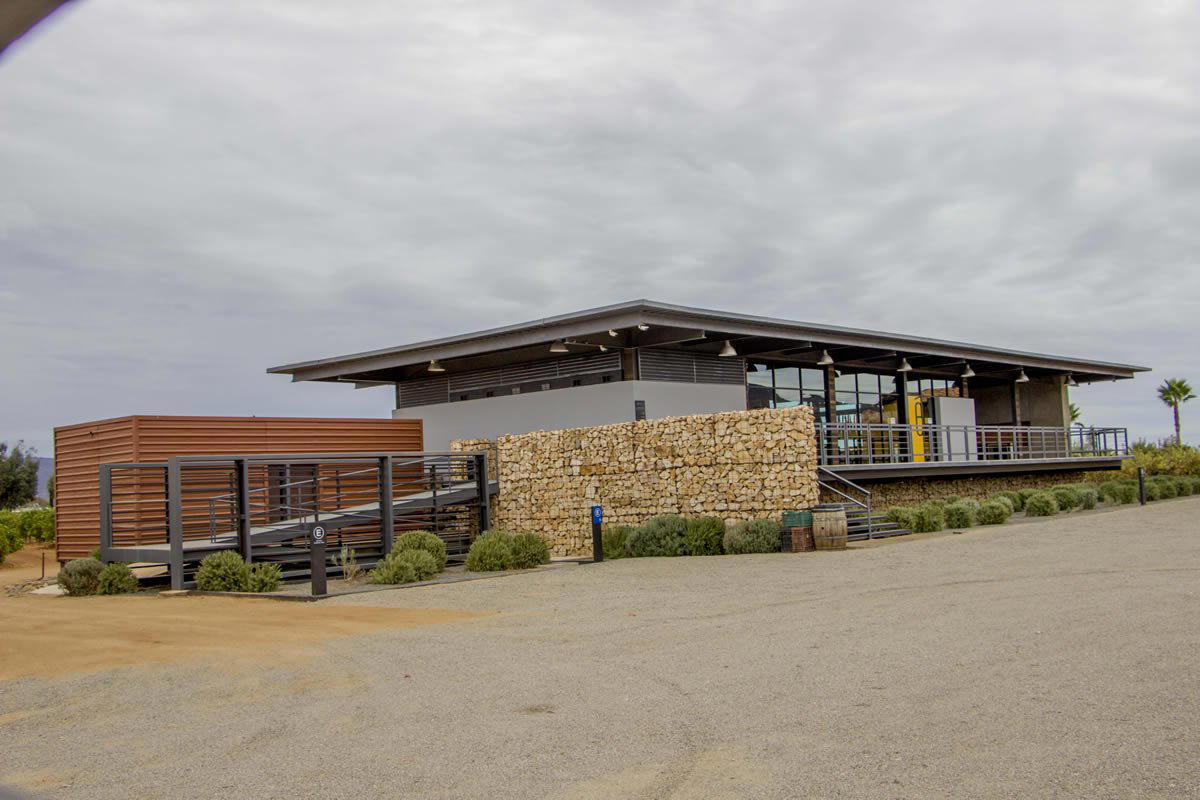
Wineries in Francisco Zarco
Browse all →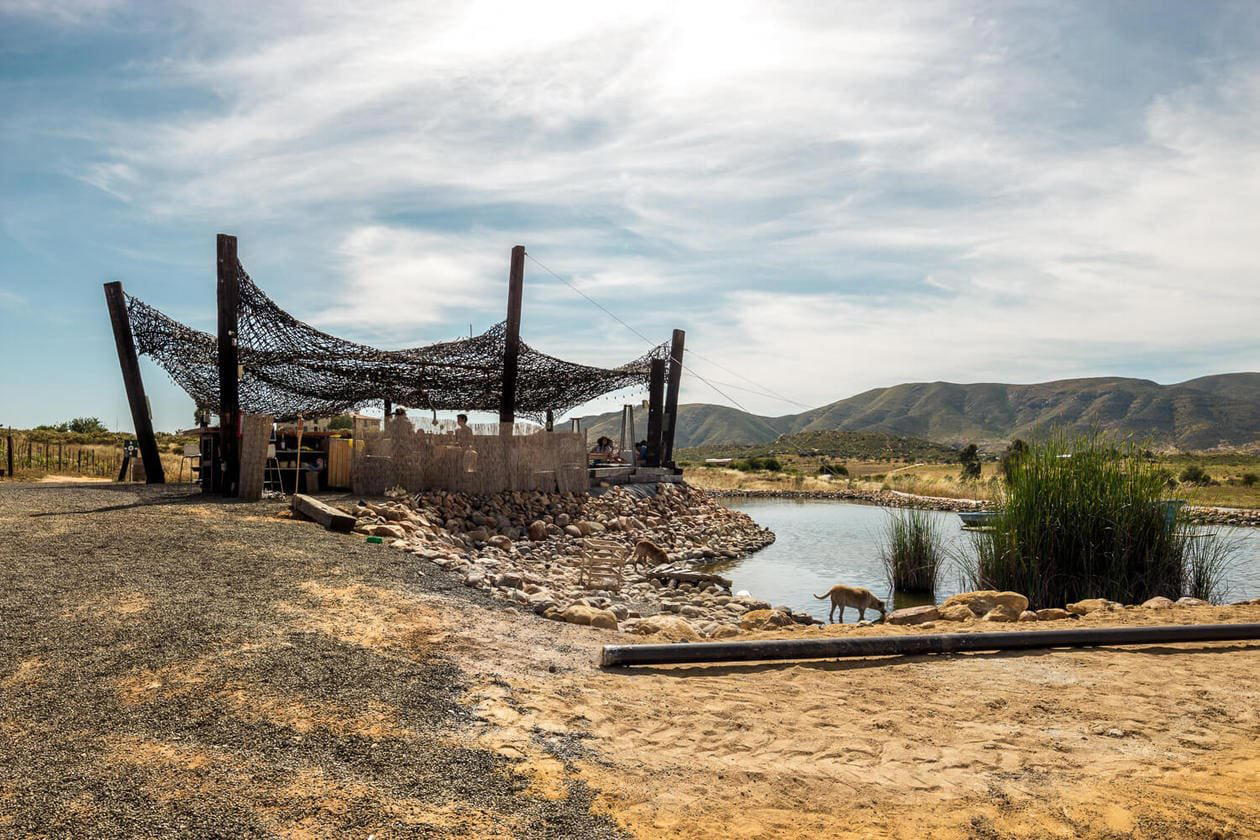
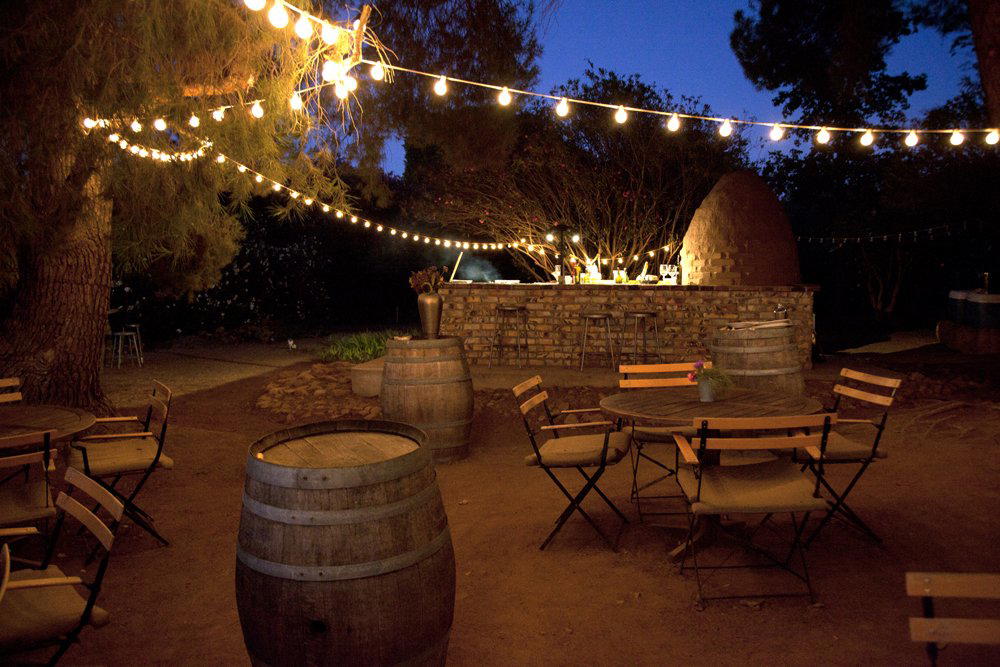

Bars in Francisco Zarco
Browse all →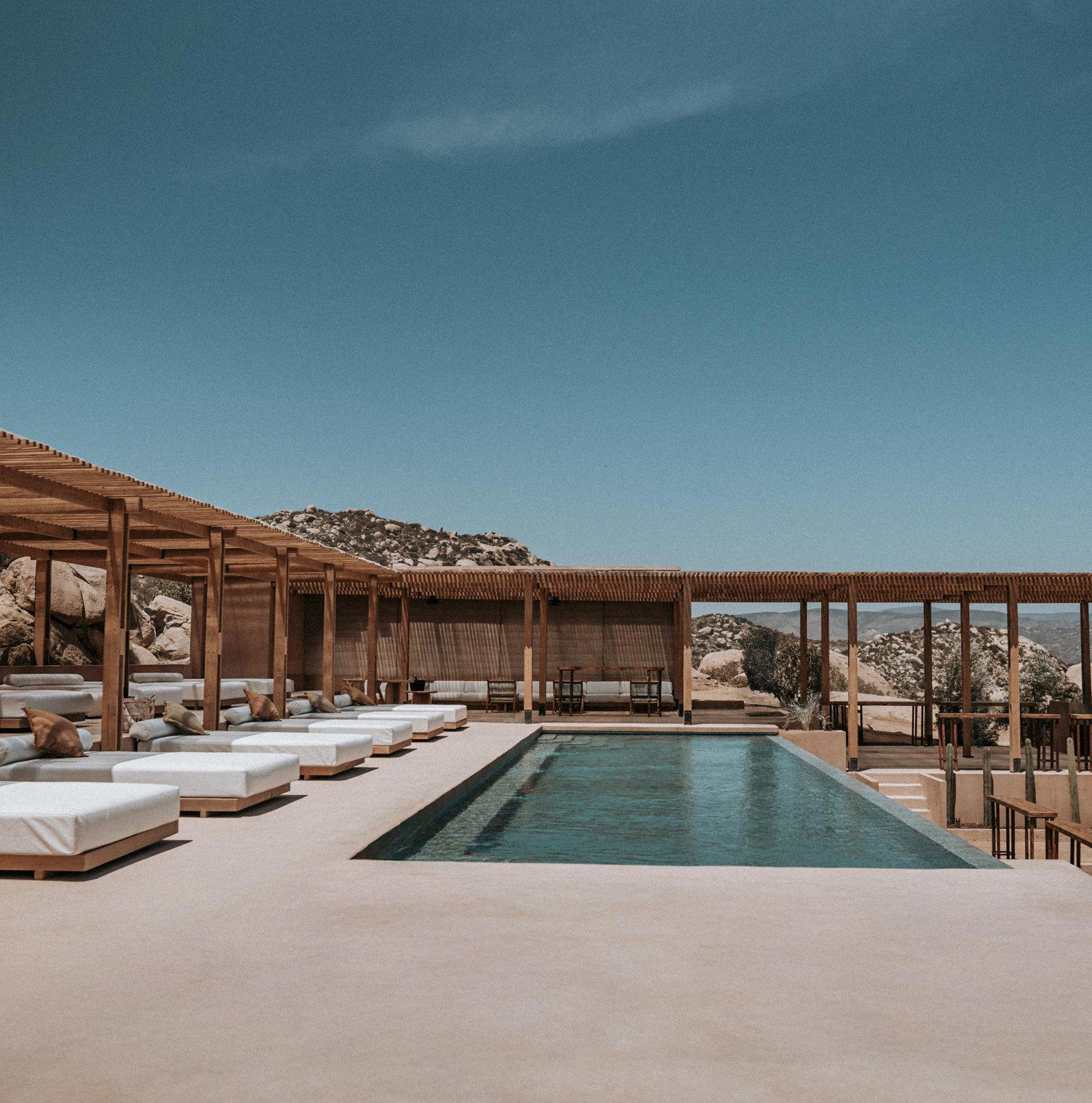
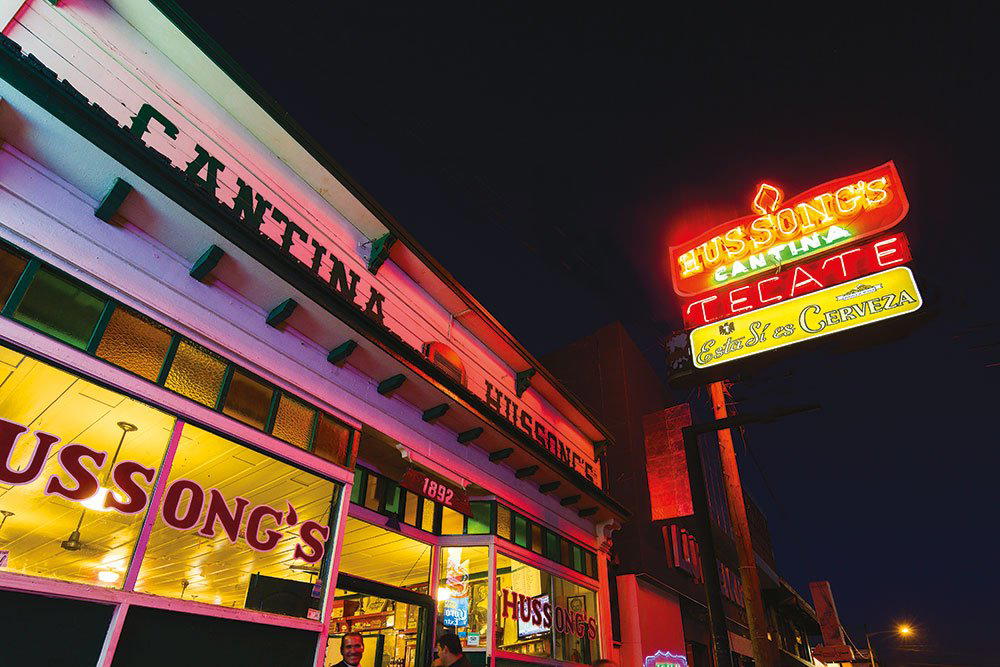
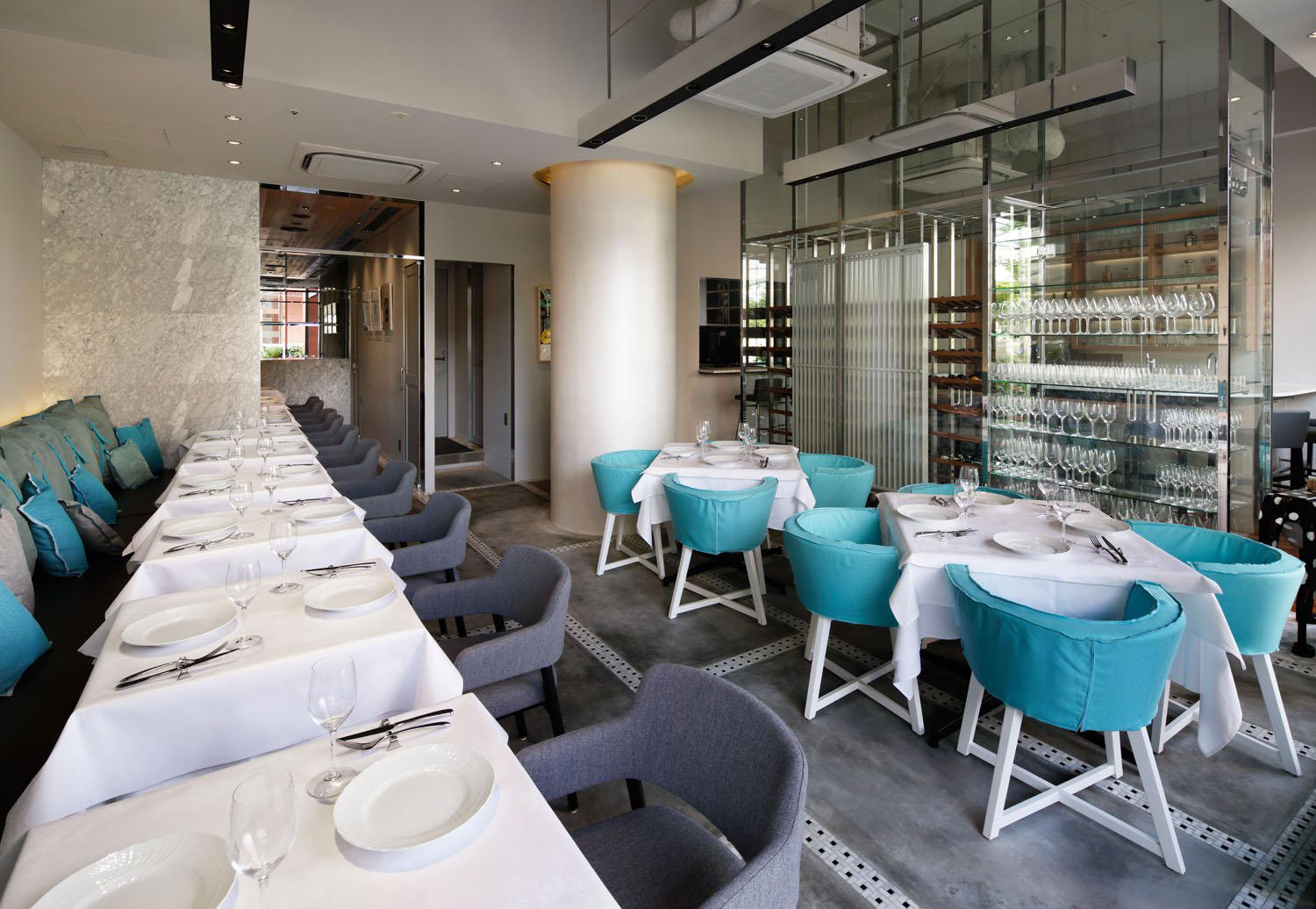
Restaurants in Francisco Zarco
Browse all →
At a Glance
- Rustic
- Scenic
- Intimate
- Wine Education
- Solo Exploration
- Vineyard Tour
- Estate Grounds
- Organic
- Biodynamic
- Vineyard
- Valle De Guadalupe
- Tempranillo
- Cabernet Sauvignon
- Syrah
- Chenin Blanc
- Still Red
- Still White
- Estate Tasting
Current opening hours
- Monday
- Closed
- Tuesday
- Closed
- Wednesday
- 1–5 PM
- Thursday
- 11 AM–5 PM
- Friday
- 11 AM–5 PM
- Saturday
- 11 AM–5 PM
- Sunday
- 11 AM–5 PM
Hours can change for holidays and private events. Last verified .
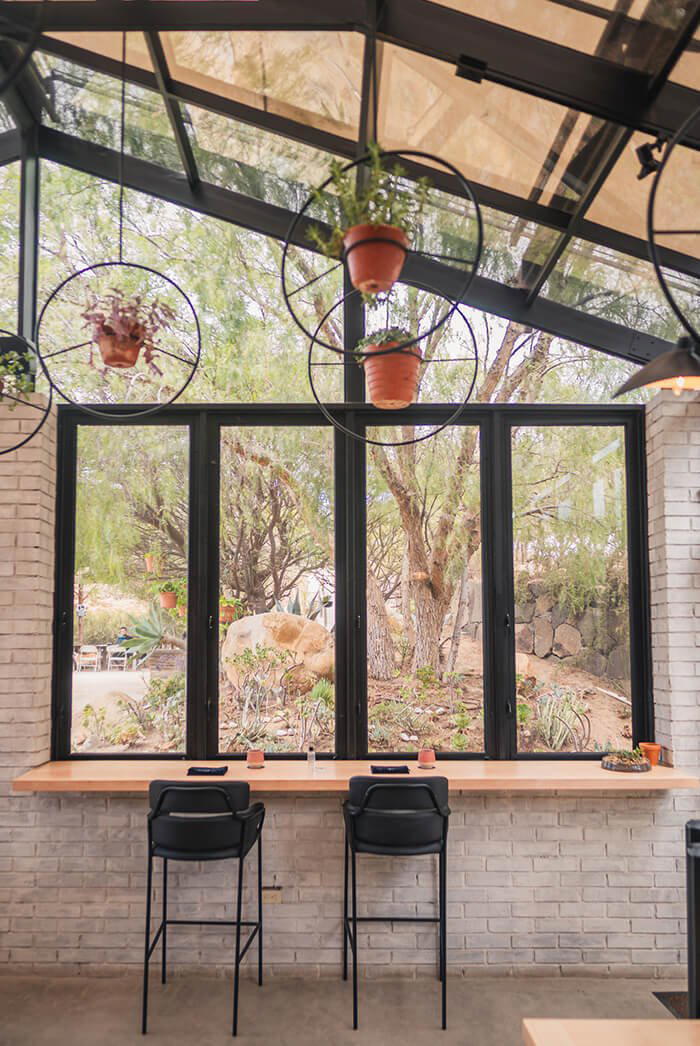
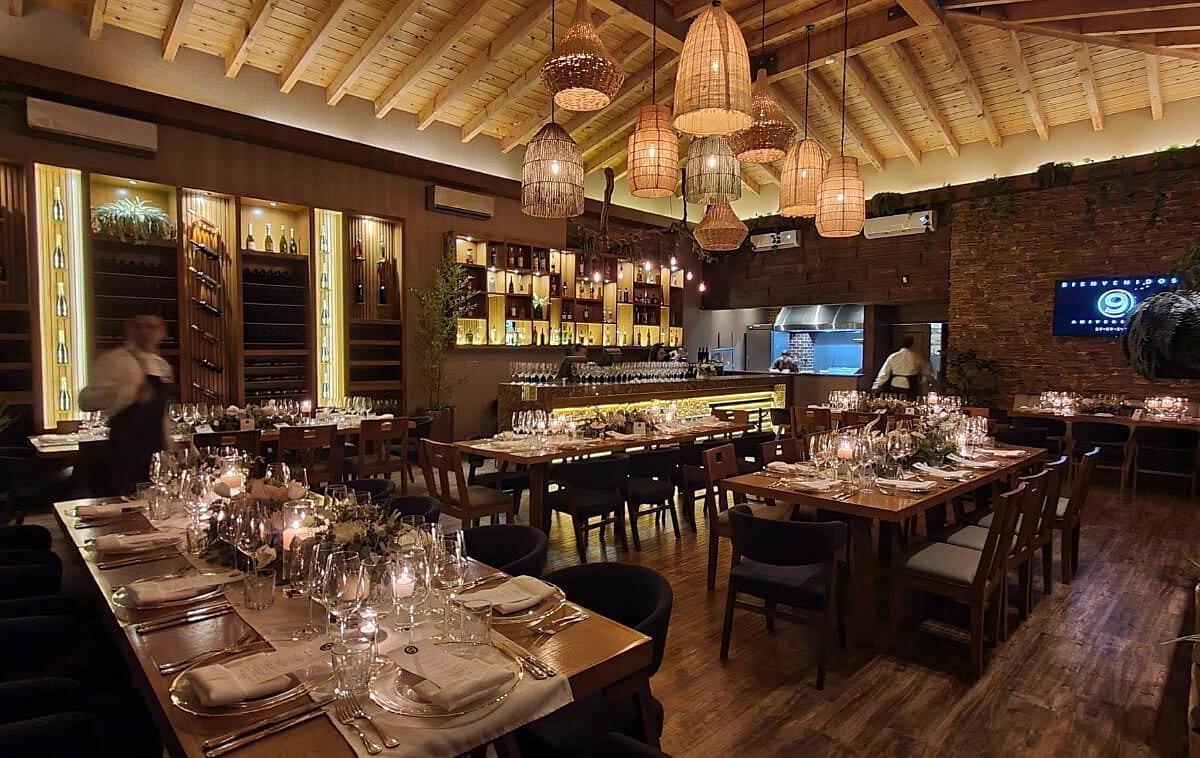
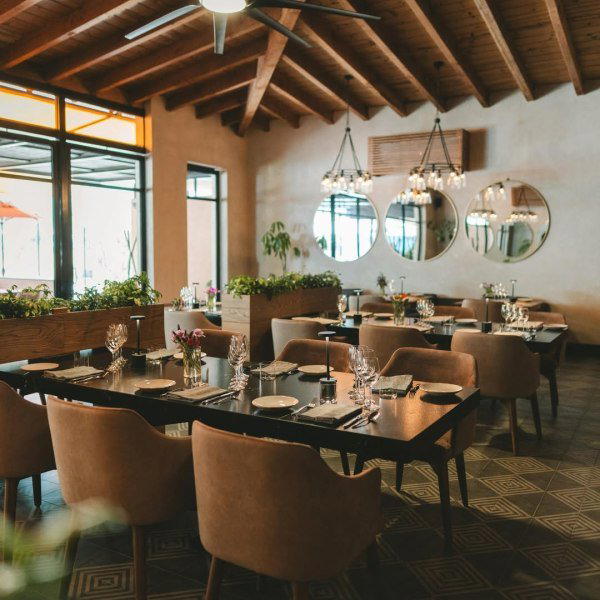
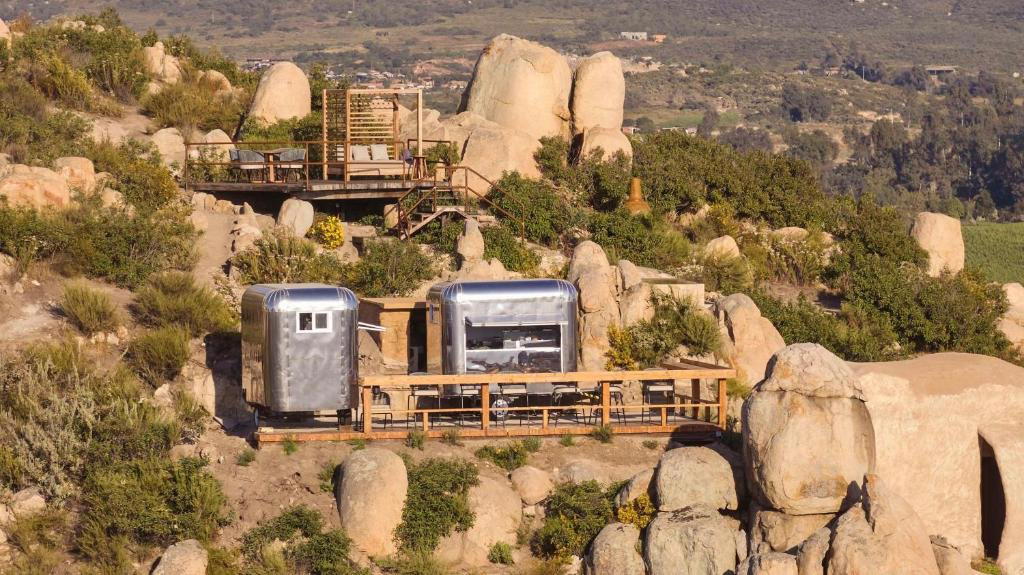
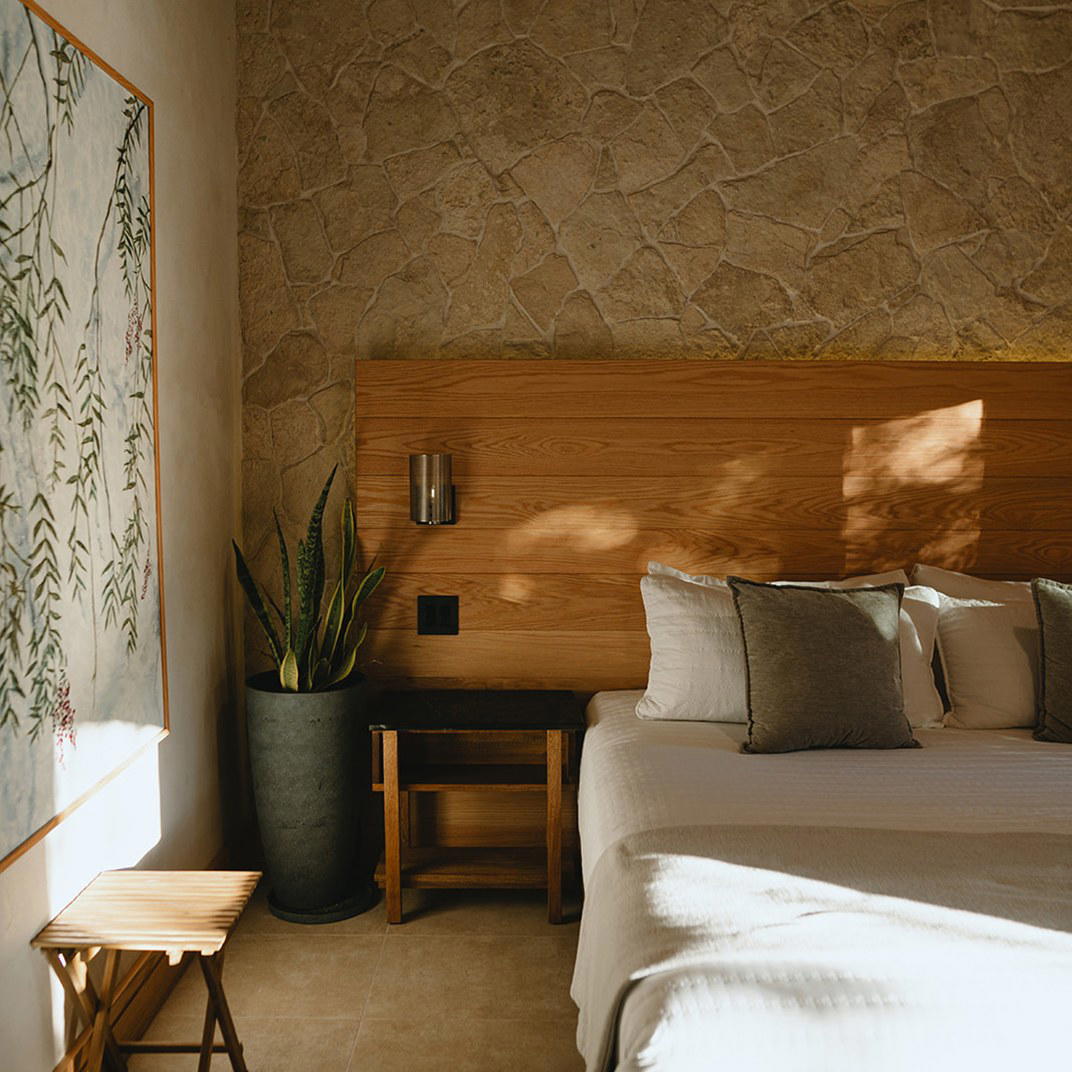
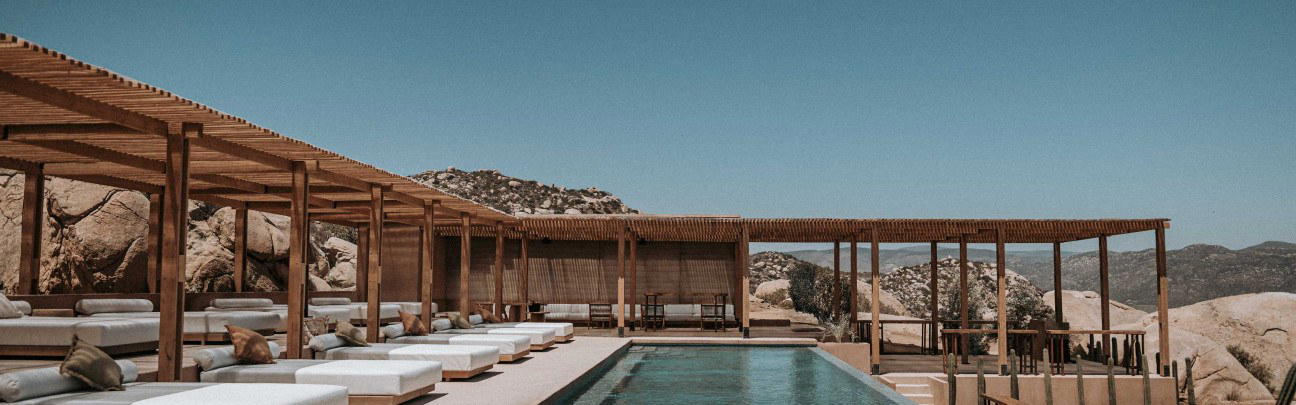
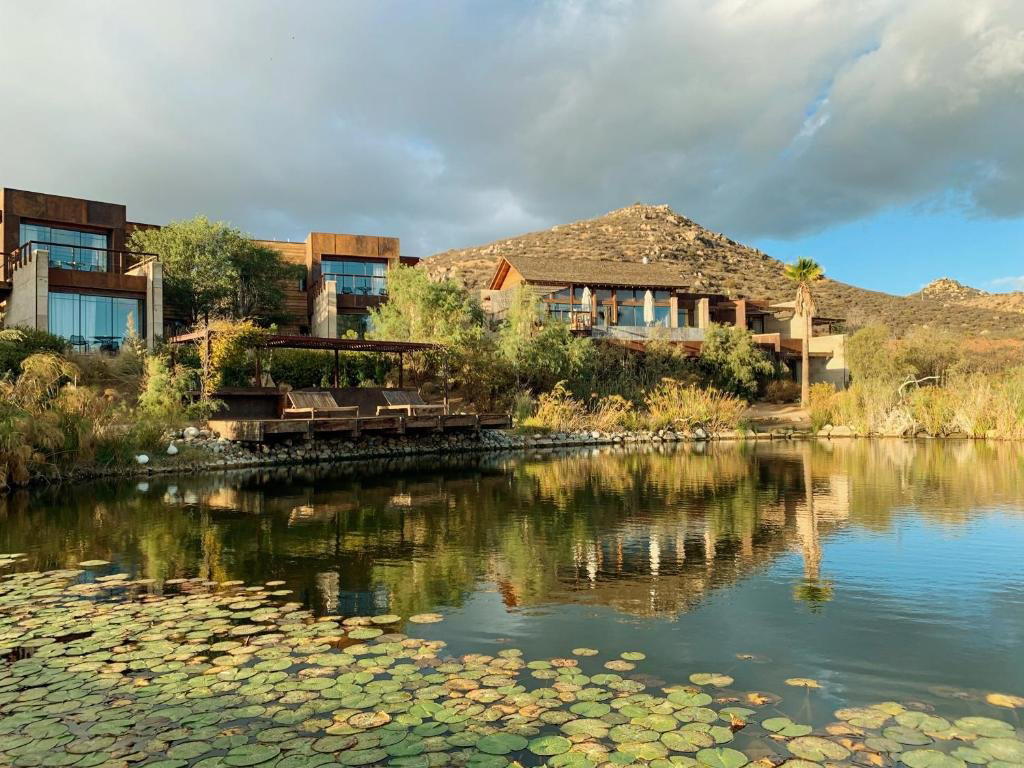
Rustic and scenic winery atmosphere focused on organic sustainability amid vineyard landscapes.
Know Before You Go
- Getting there
- Parcela 99 Z1 P14 Ejido El Porvenir, 22755 Francisco Zarco, B.C., Mexico