
Olivea Farm to Table earned a Michelin star in 2025, one of a small number of Baja California restaurants to reach that tier, and operates from a rural address along Highway 3 outside Ensenada. Chef Eduardo Zaragoza works within the region's farm-and-sea sourcing tradition, placing Olivea in the same conversation as the Valle de Guadalupe properties that have reshaped how critics read Mexican contemporary cuisine.
Pearl is the En Primeur Club membership app — saves, bookings, and concierge access live there. Same editors, same standards.
- Address
- México 3 Km 92.5, 22766 Villa de Juárez, B.C., Mexico
- Phone
- +52 646 383 6402
- Website
- oliveafarmtotable.com
- Directions
- Get directions
 Saves & bookings on Pearl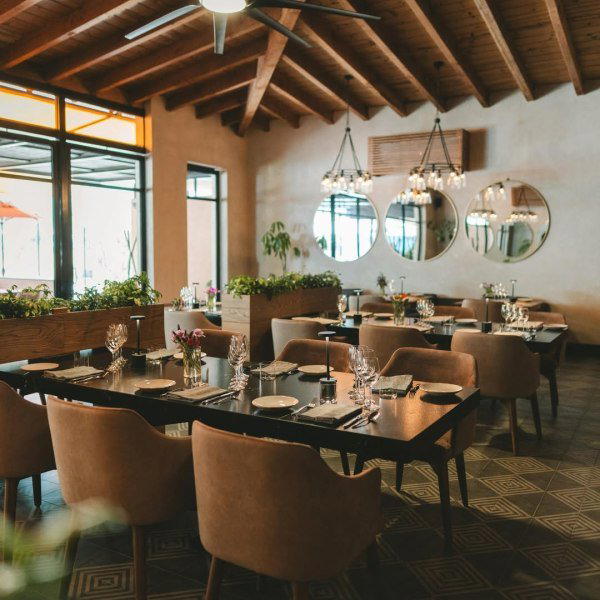
Where Baja's Agricultural Interior Meets Critical Recognition
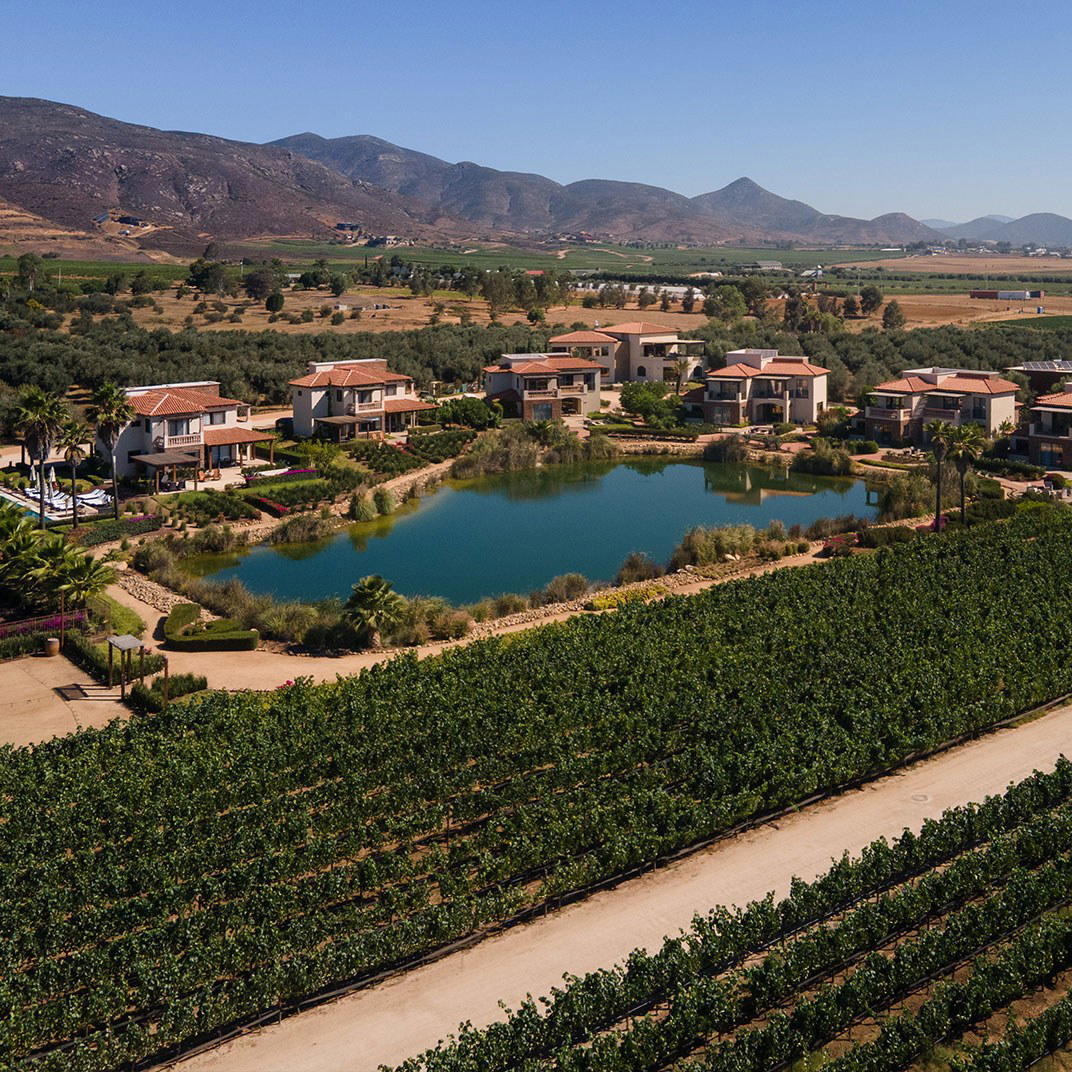
Highway 3 east of Ensenada is wine country and farmland before it becomes anything else. The road cuts through Valle de Guadalupe and continues toward the agricultural communities of the interior, passing olive groves, vineyards, and smallholding operations that supply a growing number of serious kitchens. Olivea Farm to Table sits at Km 92.5, in Villa de Juárez, where the surrounding land is a working agricultural zone. That placement is not incidental. The sourcing logic of farm-to-table cooking only makes sense when the farm is genuinely proximate, and at this address, it is.
The Michelin Guide's 2025 edition awarded Olivea one star. That two-stage progression tells its own story about how inspectors tracked the restaurant. A Plate signals quality cooking that cleared a threshold; a star, awarded in the following cycle, indicates sustained performance at a higher level of consistency and distinctiveness. Mexico's Michelin footprint remains concentrated in Mexico City, with Baja California representing one of the country's newer starred clusters. Olivea's 2025 star places it in a thin peer group regionally.
The Scene at Km 92.5
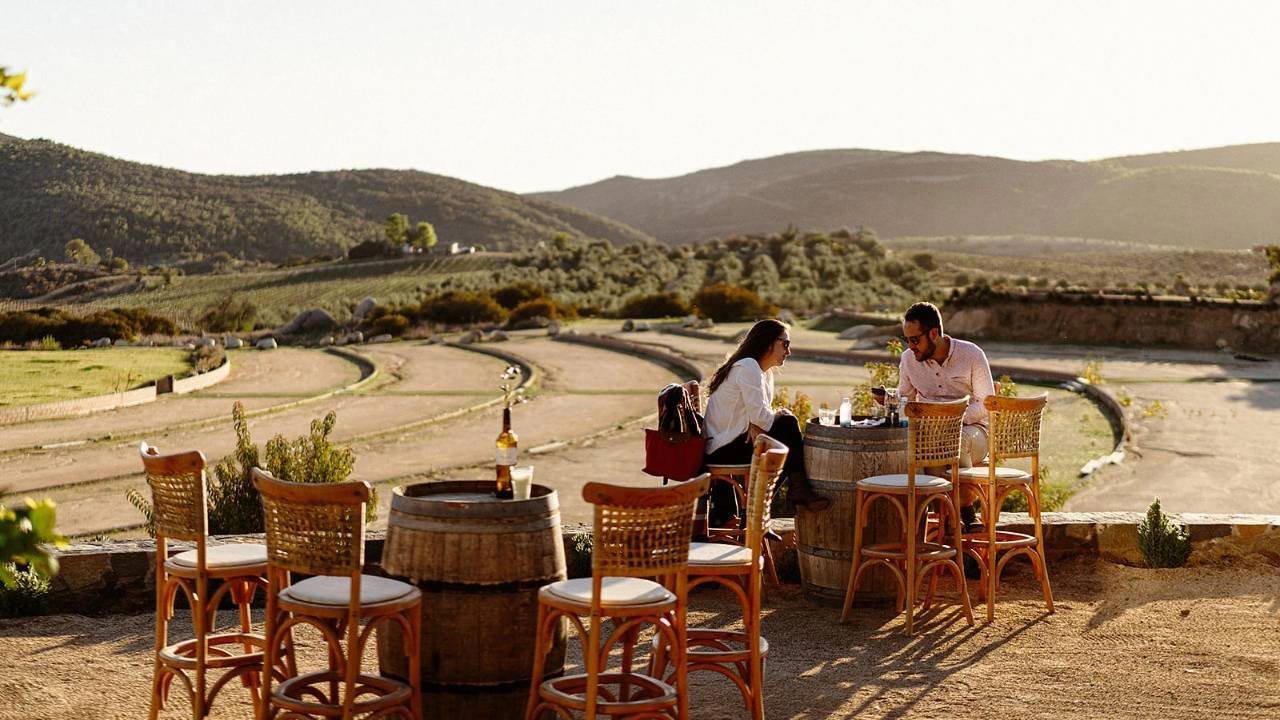
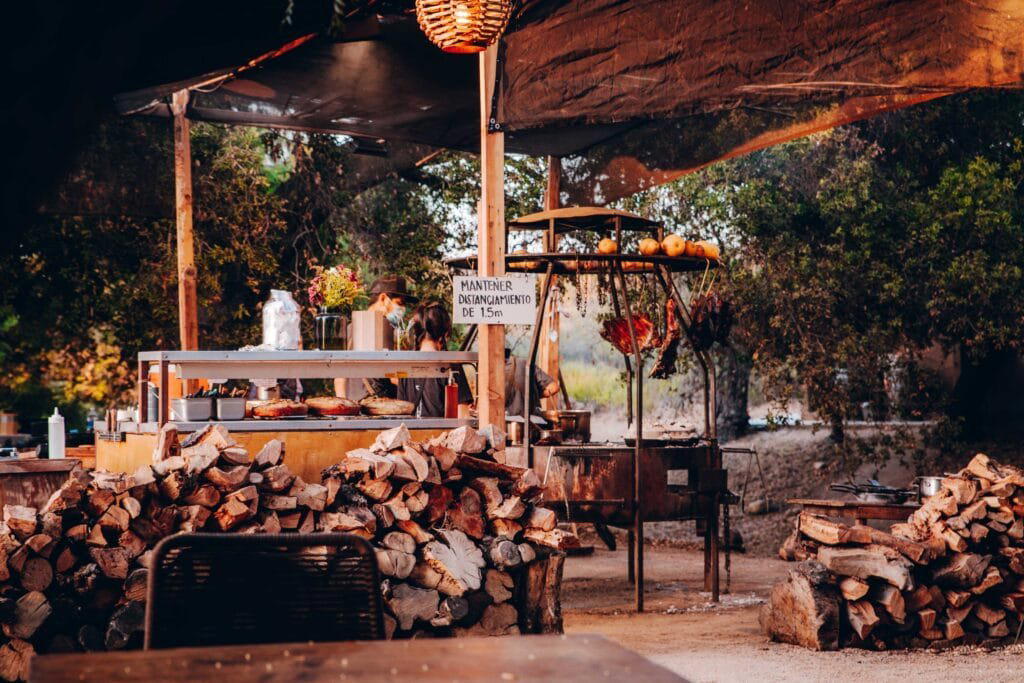
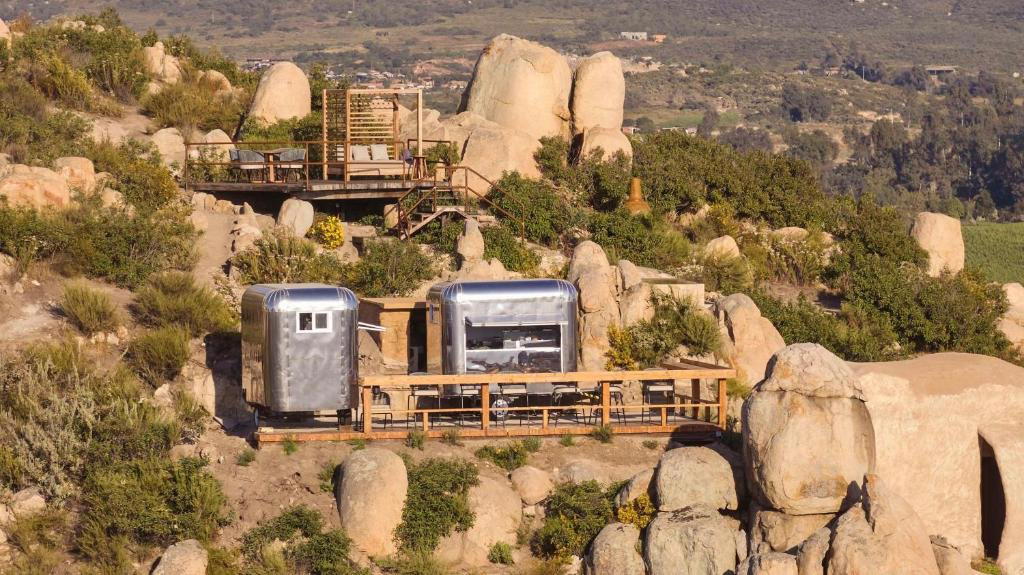
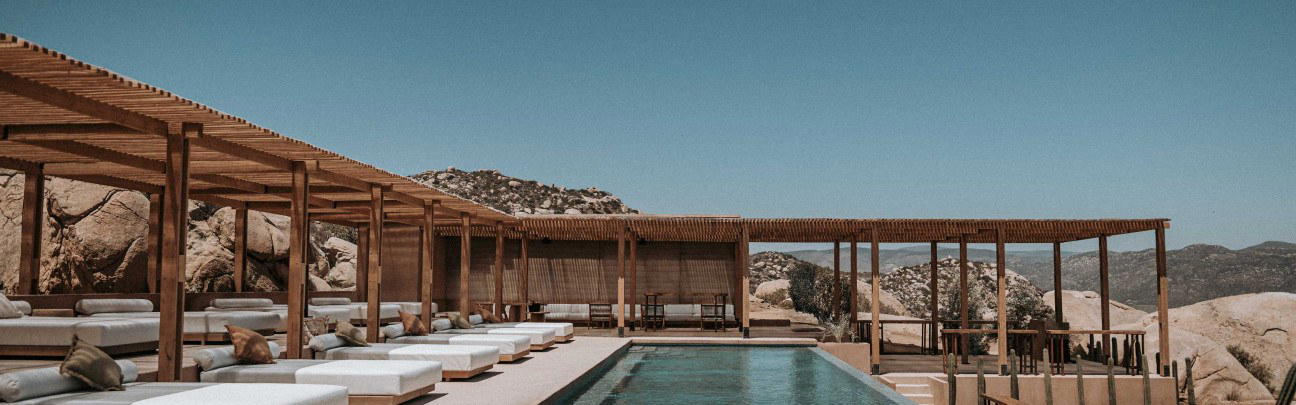
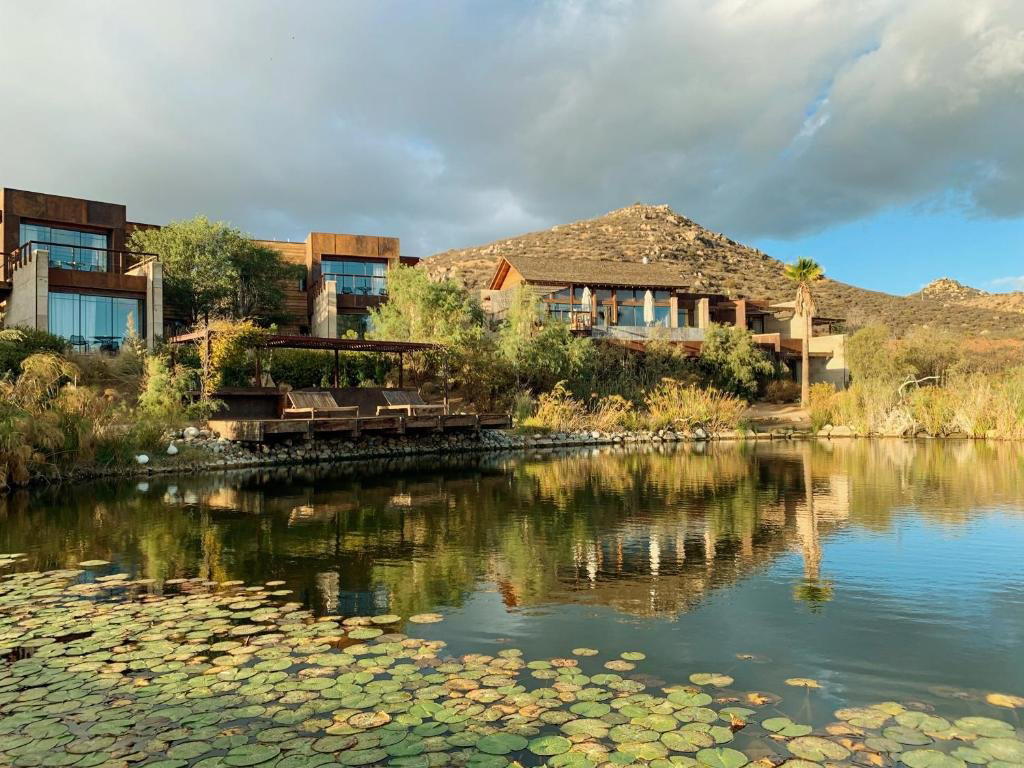
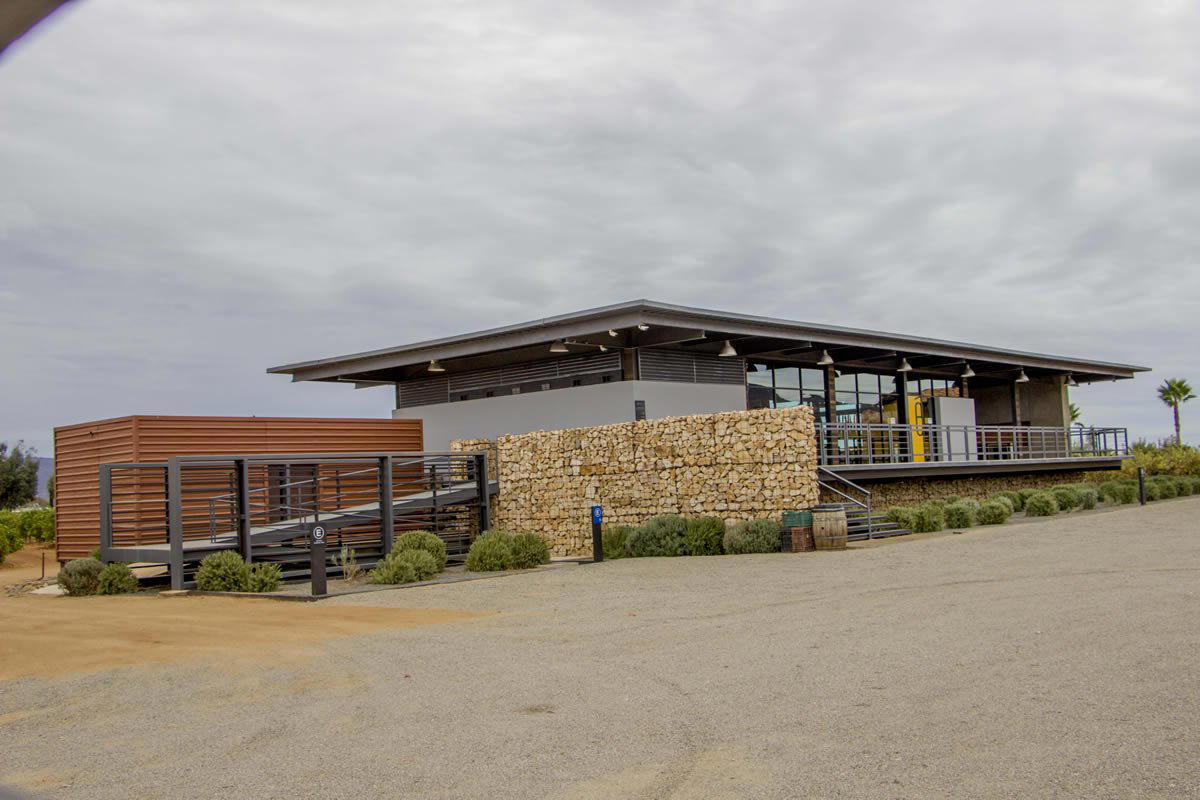
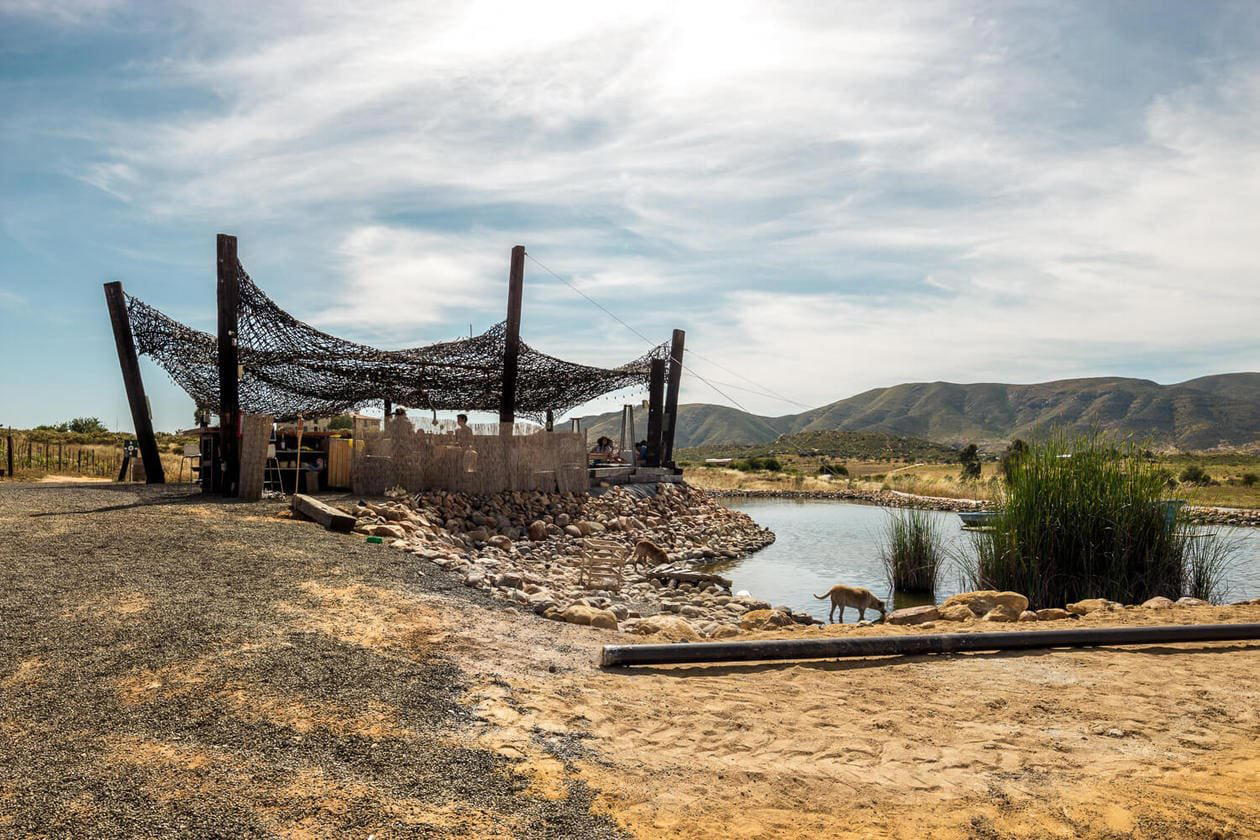
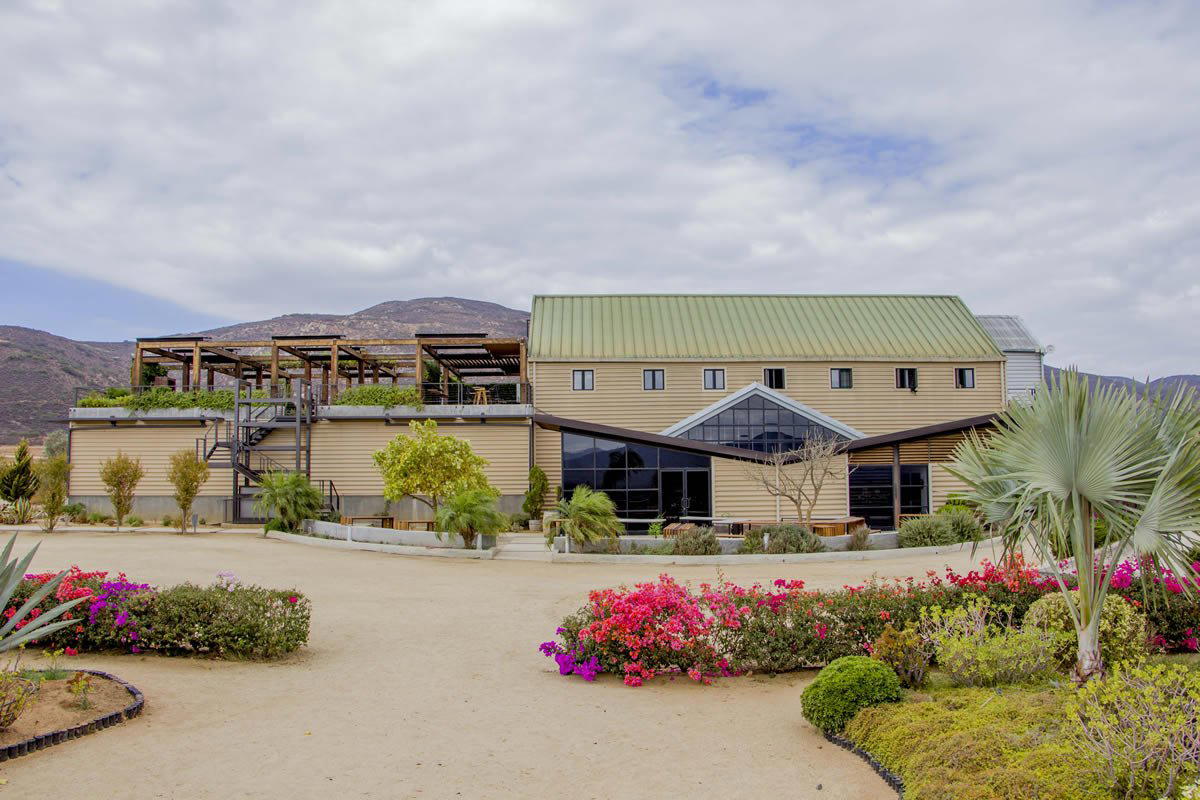
Arriving at a restaurant along a highway kilometre marker rather than a named urban street already signals something about the format. This is not a city-centre dining room where the surroundings are managed for effect. The agricultural setting at Villa de Juárez is functional before it is decorative, and the approach to the restaurant reflects that. Contemporary farm-to-table operations in this part of Baja have learned, partly from watching properties like Animalón in Valle de Guadalupe, that the physical environment can carry editorial weight equal to the plate, that the sight of working land is itself an argument about provenance.
Within that regional tradition, Olivea occupies a more rural position than many Valle de Guadalupe restaurants. High-scoring, low-volume review profiles are typical of restaurants where the format is controlled and the guest count per service is limited.
Chef Eduardo Zaragoza and the Contemporary Baja Lineage
Contemporary Mexican cuisine, as a recognised critical category, has developed distinct regional branches over the past fifteen years. The Oaxacan tradition (see Levadura de Olla Restaurante) works from indigenous ingredients and fermentation; the Mexico City tier, anchored by restaurants like Pujol, applies technique to deep culinary history; the Baja branch, by contrast, draws its identity primarily from geography: Pacific seafood, Valle de Guadalupe wine, and an agricultural interior that produces olive oil, vegetables, and stone fruit.
Chef Eduardo Zaragoza works within that third tradition. The farm-to-table designation at Olivea is not marketing shorthand but a sourcing methodology that connects the kitchen to producers in the surrounding area. This approach is now well-established across the region, but execution quality varies considerably. The Michelin distinction in 2025 positions Olivea's version of that methodology above the regional average. For comparison, KOLI Cocina de Origen in Monterrey and Le Chique in Puerto Morelos operate in the same starred tier within Mexico's broader contemporary dining map, each with distinct regional identities but equivalent critical standing.
Olivea Within the Ensenada Restaurant Scene
Ensenada's restaurant options span a wide range of price points and cooking traditions. At the accessible end, places like El Paisa represent the city's working taquería culture, where the price point is minimal and the cooking is direct. Mid-range Mexican with more compositional ambition appears at restaurants like Casa Marcelo. Seafood operations, such as Humo y Sal, occupy a separate lane where the Pacific catch is the organising principle. At the premium end, the contemporary format with serious sourcing credentials and wine-country alignment, the tier that includes Bruma Wine Garden and Lunario, is where Olivea operates.
The $$$$ price designation places Olivea at the summit of that tier. Within the global contemporary restaurant category, the starred farm-to-table format at this price level invites comparison beyond Baja: César in New York City and Jungsik in Seoul represent how the contemporary format plays in different metropolitan contexts, where the same critical rigour applies but the sourcing geography is entirely different.
What the 2025 Star Implies About the Menu
Michelin stars in the contemporary category, particularly in markets where the starred tier is small, tend to reward cooking that demonstrates genuine point of view alongside technical consistency. A farm-to-table kitchen earning that recognition in a rural Baja setting is not being judged against Paris or Tokyo; it is being assessed on whether it executes its own stated premise at a level that justifies the price and the critical attention.
The 2024 Michelin Plate was an indication that the kitchen had cleared the quality threshold. The 2025 star signals that inspectors returned, found the same or better performance, and determined that the menu offered something beyond clean execution. In the farm-to-table format specifically, that additional layer typically involves seasonal discipline (menus that shift with the actual agricultural calendar rather than with branding cycles) and sourcing specificity (ingredients traceable to named producers or the restaurant's own land).
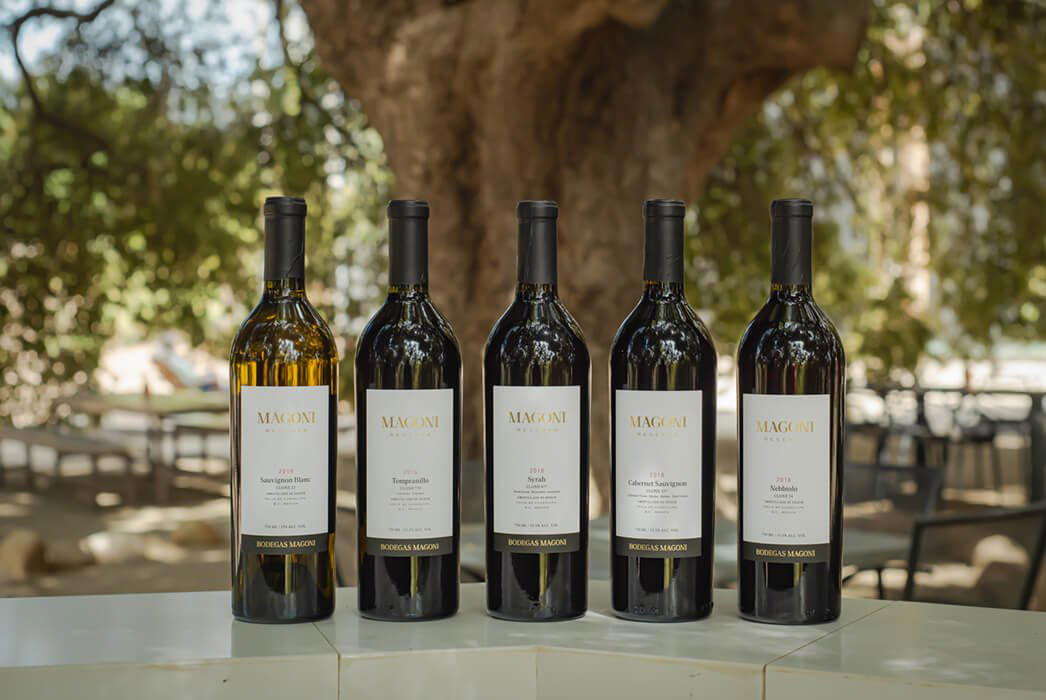
Ordering decisions at Olivea are best approached by following the kitchen's lead. The tasting format, common at this price and critical level in the contemporary category, often guides the meal. If an à la carte option exists, the vegetable and agricultural courses rather than the protein centrepieces tend to be where farm-to-table kitchens make their clearest argument. The wine programme, given the restaurant's proximity to Valle de Guadalupe producers, is a natural extension of the meal, the region's Nebbiolo, Tempranillo, and Chardonnay plantings provide a local pairing logic that mirrors the kitchen's sourcing approach. For a broader map of what the region's wineries offer alongside its restaurants, the Ensenada wineries guide provides the necessary context.
Planning a Visit
The address at México 3 Km 92.5, Villa de Juárez, places Olivea outside the centre of Ensenada, requiring transport by car. The highway approach and rural setting mean this is not a walk-in proposition; the format and price point suggest advance booking is standard practice at this level. Given the 2025 Michelin star, lead time for reservations is worth building in, particularly for weekend visits.
Olivea is one reference point within a wider Ensenada itinerary. The full Ensenada restaurants guide maps the city's dining options across price points and cuisines. For accommodation, bars, and regional experiences, the hotels guide, bars guide, and experiences guide cover the broader stay. Within the Baja wine route, Lunario in El Porvenir and Animalón represent the Valle de Guadalupe end of the same culinary circuit that Olivea anchors further east.
What Should I Order at Olivea Farm to Table?
The Michelin star and farm-to-table designation together indicate that the kitchen's agricultural and seasonal courses are where the clearest editorial argument is made. At restaurants in this category and price tier, $$$$, contemporary format, starred, the kitchen's menu structure typically guides the meal, whether through a tasting format or a short à la carte that shifts with the season. The safest approach is to follow the kitchen's current format rather than arriving with specific dish expectations. Pairing the meal with producers from the surrounding Valle de Guadalupe wine region, which the restaurant's proximity makes a natural choice, extends the sourcing logic from plate to glass.
Style and Standing
Comparable venues nearby, for context on price, style, and recognition.
| Venue | Cuisine | Price | Awards | Notes |
|---|---|---|---|---|
| Olivea Farm to TableThis venue — the venue you are viewing | Contemporary Farm-to-Table | $$$$ | Michelin 1 Star | Not listed |
| Lunario | Contemporary Mexican Fine Dining | $$$$ | World's 50 Best #90 | Valle de Guadalupe |
| Lunario | Contemporary Mexican | $$$$ | Michelin 1 Star | El Porvenir |
| Manzanilla | Baja Med Seafood | $$$$ | Michelin Plate | Recinto Portuario |
| Restaurante Punta Morro | Modern Mexican Seafood | $$$ | Michelin Plate | Ensenada |
| La Concheria | Authentic Mexican Seafood | $$ | Bib Gourmand | Zona Centro |
Recognition history
Dated appearances from independent guides and award organizations, with the underlying list record or original source where available.
Michelin 1 Star
Michelin
Michelin 1 Star
Michelin
Michelin Plate
Michelin
Continue exploring
More in Ensenada
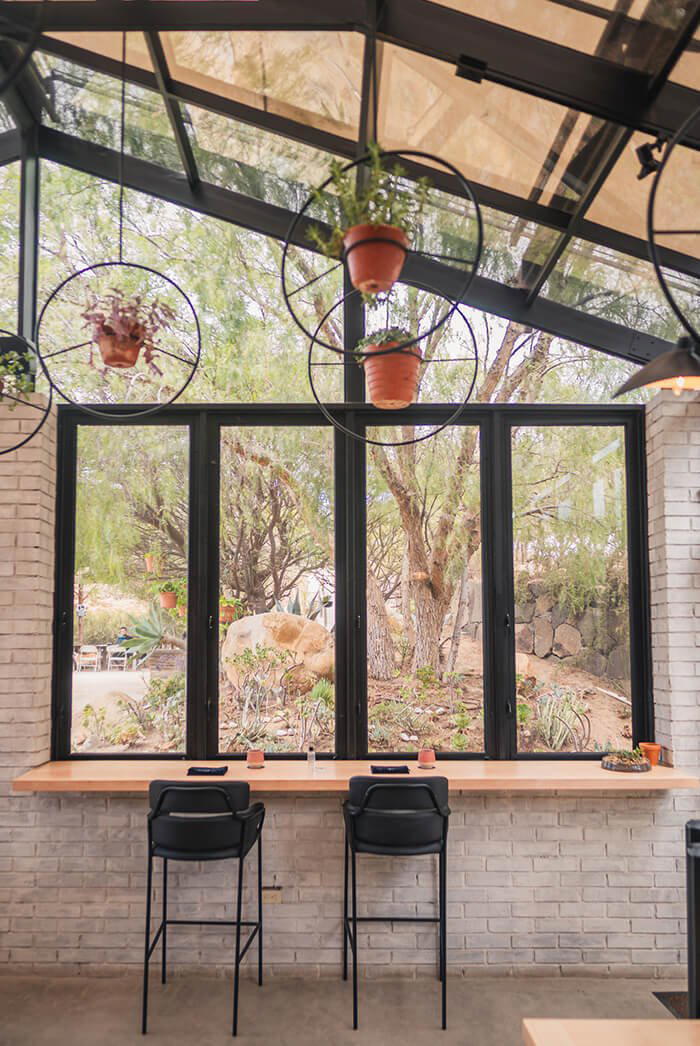
Restaurants in Ensenada
Browse all →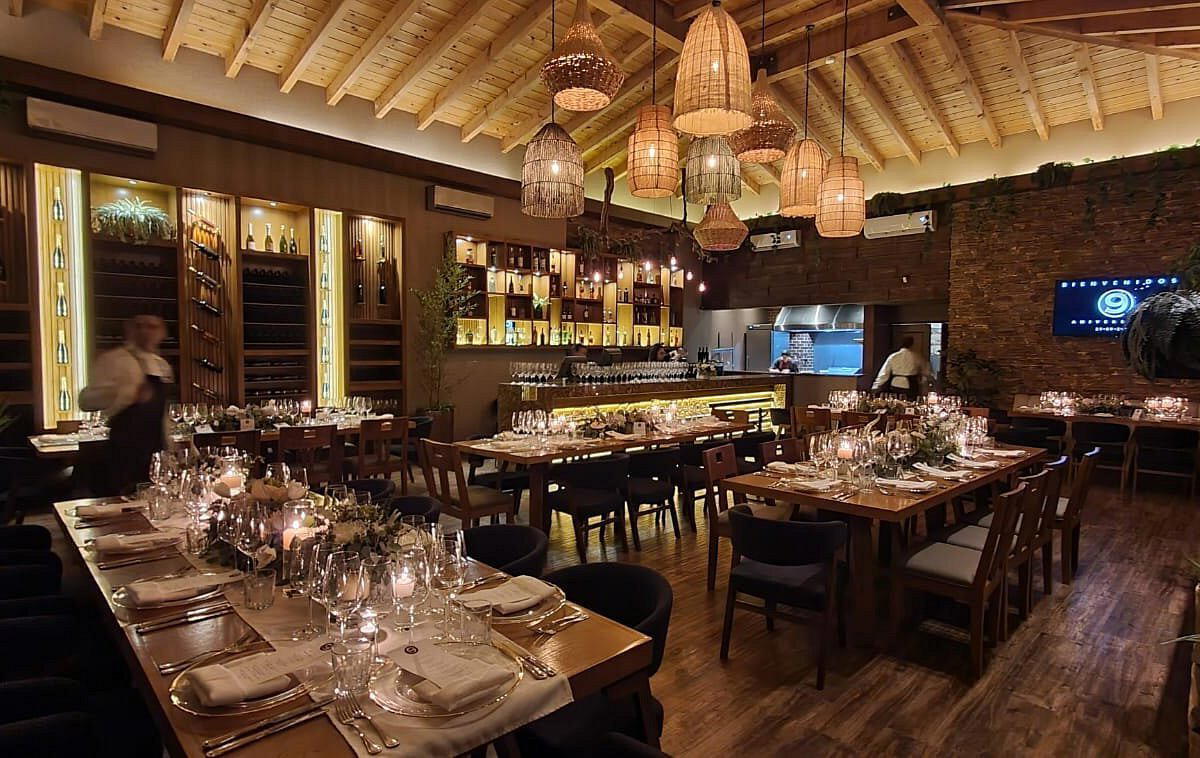
Bars in Ensenada
Browse all →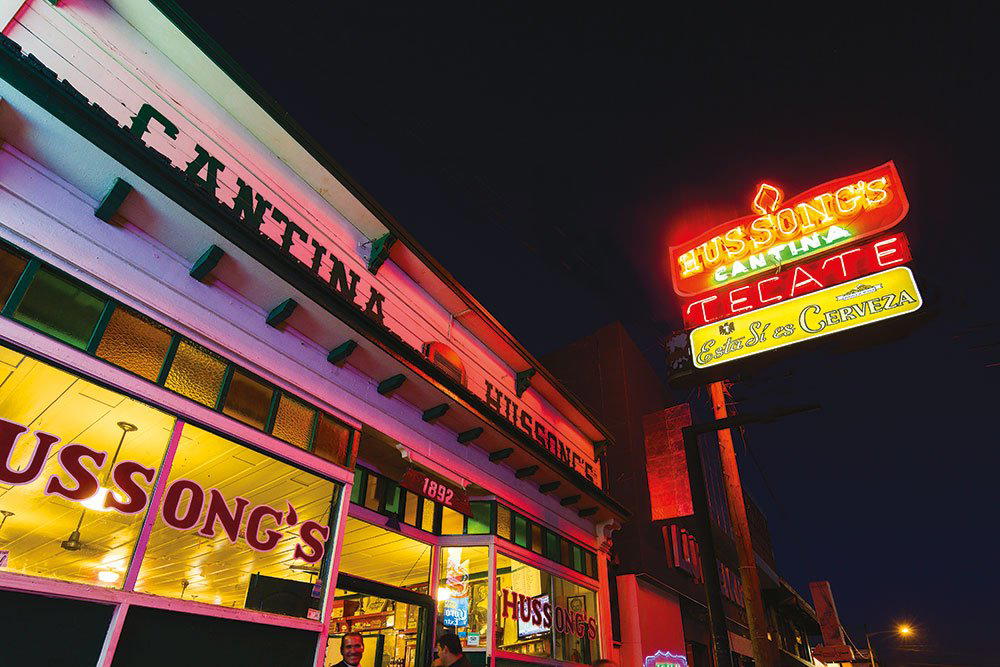
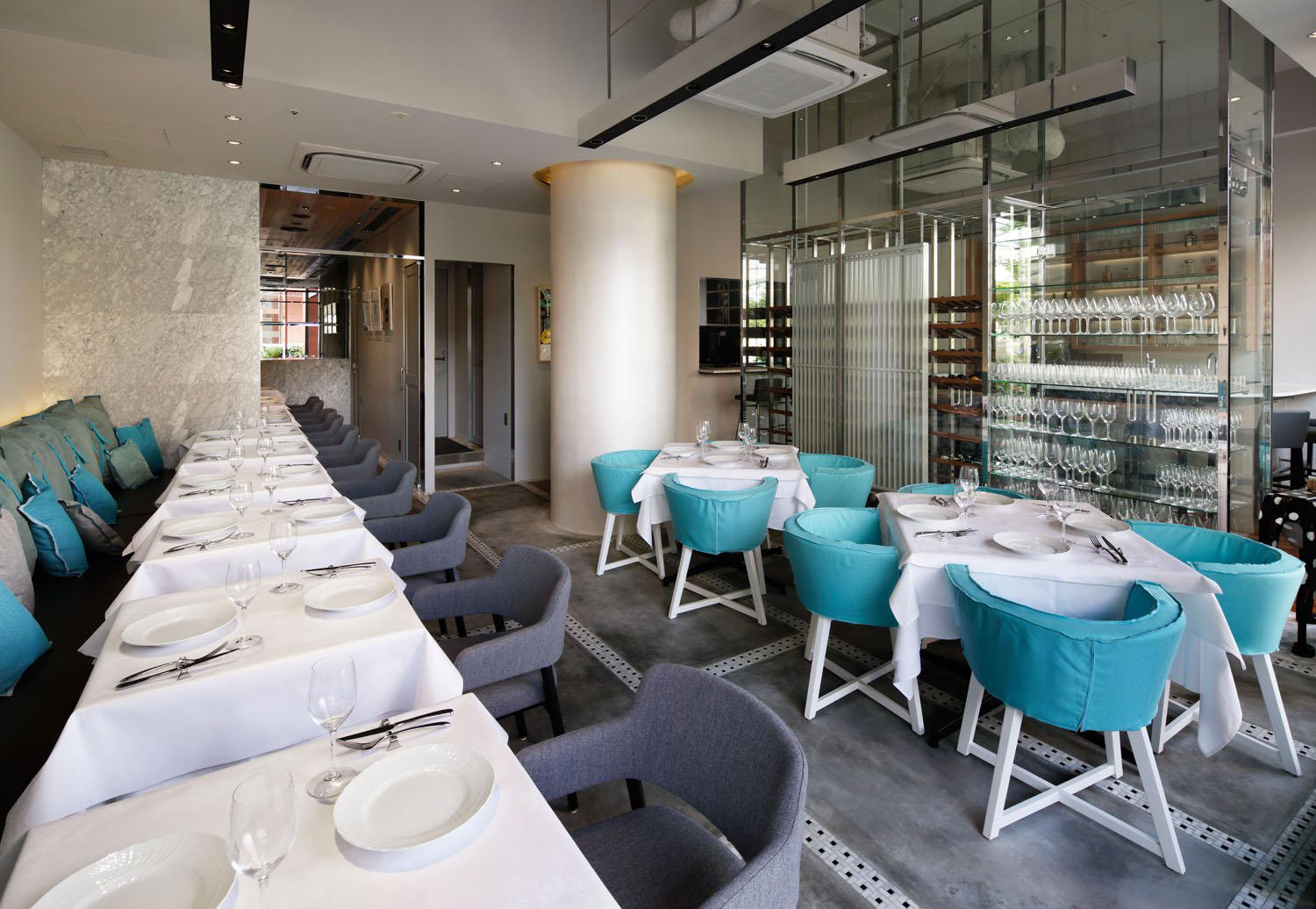
Hotels in Ensenada
Browse all →
At a Glance
- Rustic
- Elegant
- Cozy
- Intimate
- Scenic
- Date Night
- Special Occasion
- Celebration
- Garden
- Open Kitchen
- Extensive Wine List
- Sommelier Led
- Farm To Table
- Organic
- Local Sourcing
- Garden
- Vineyard
Current opening hours
- Monday
- Closed
- Tuesday
- Closed
- Wednesday
- 5–8 PM
- Thursday
- 5–8 PM
- Friday
- 2:30–8:30 PM
- Saturday
- 2:30–8:30 PM
- Sunday
- 2–7 PM
Hours can change for holidays and private events. Last verified .
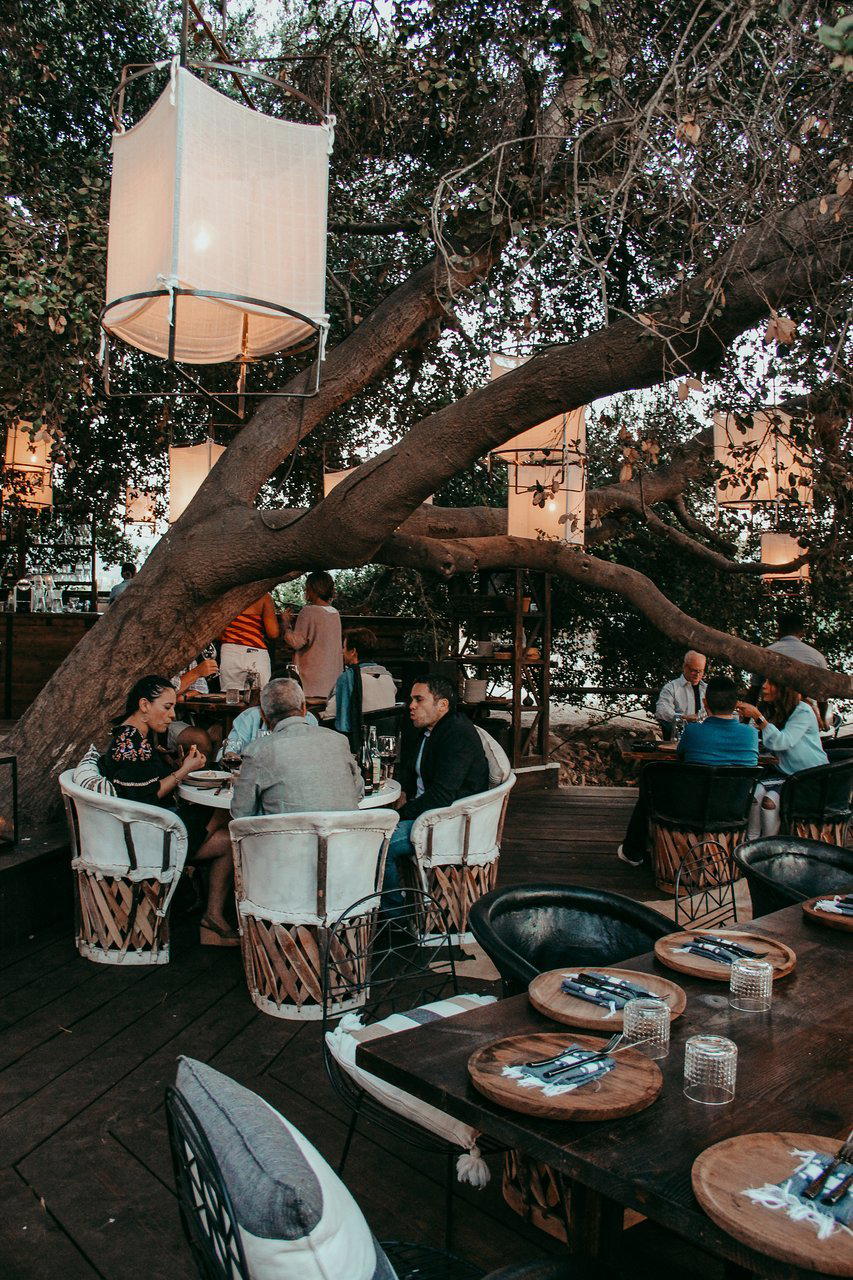
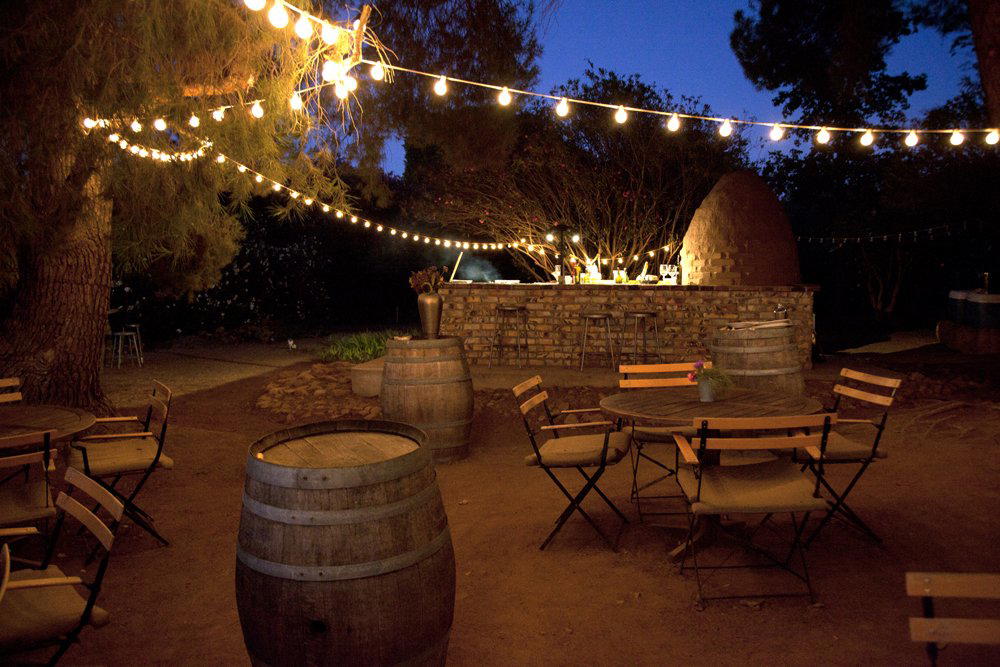
Charming and elegantly decorated with candlelight, gentle music, and aromas of fresh herbs, creating a cozy, welcoming, and immersive farm-to-table atmosphere.