

Lunario earned its first Michelin star in 2025, making it one of the Baja California wine country properties operating at the intersection of regional Mexican tradition and serious kitchen technique. Set on a working parcel in Francisco Zarco, it holds.
Pearl is the En Primeur Club membership app — saves, bookings, and concierge access live there. Same editors, same standards.
- Address
- Camino vecinal Parcela 71 Fracc. 3 Lote 13 San Marcos, 22750 Francisco Zarco, B.C., Mexico
- Phone
- +52 646 156 8469
- Website
- restaurantelunario.com
- Directions
- Get directions
 Saves & bookings on Pearl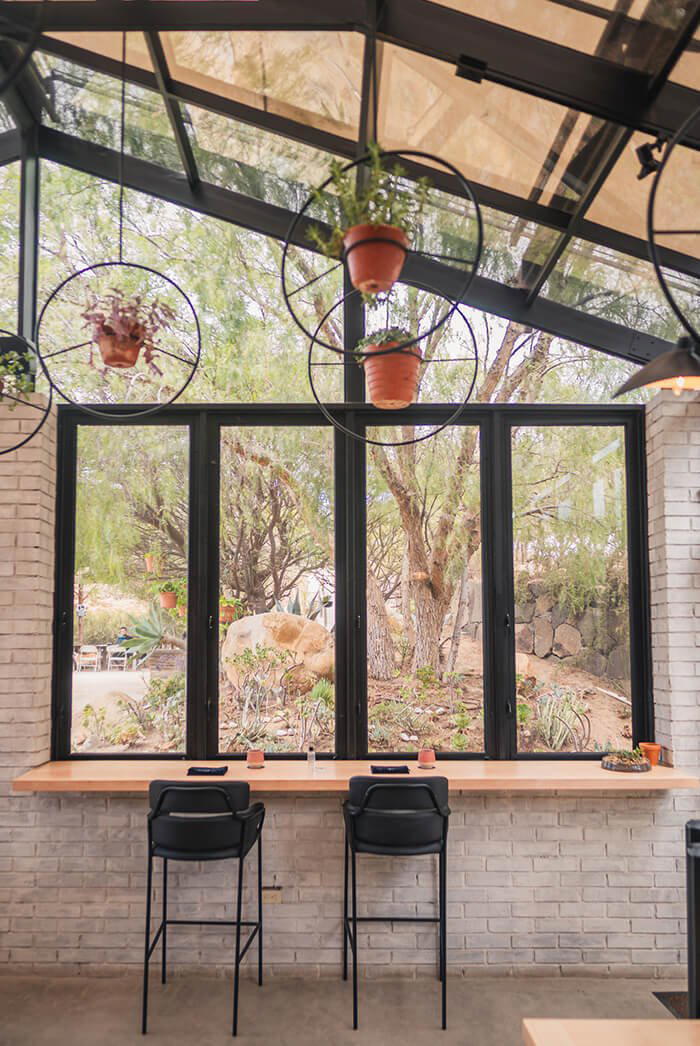
Where Baja's Fields Meet the Plate
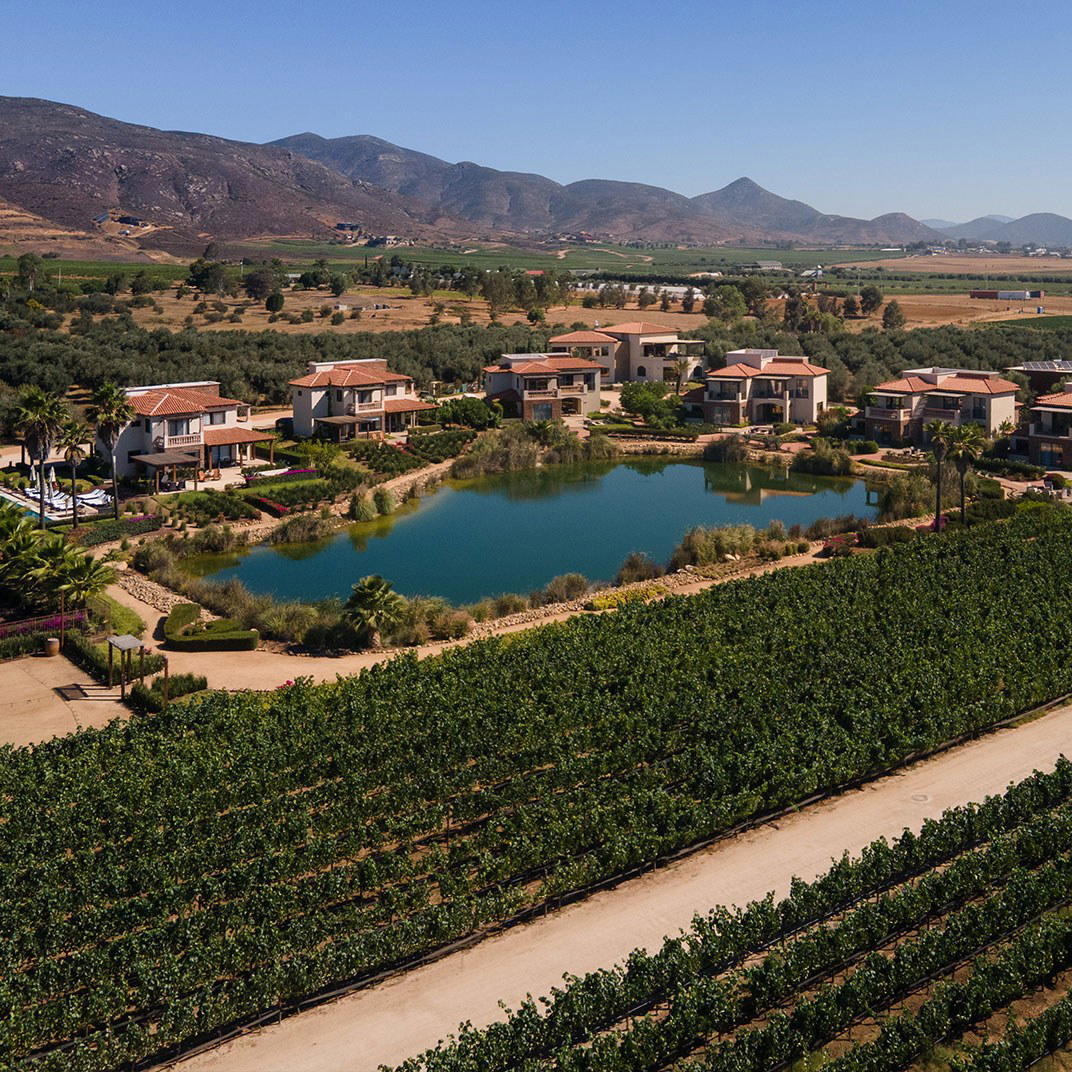
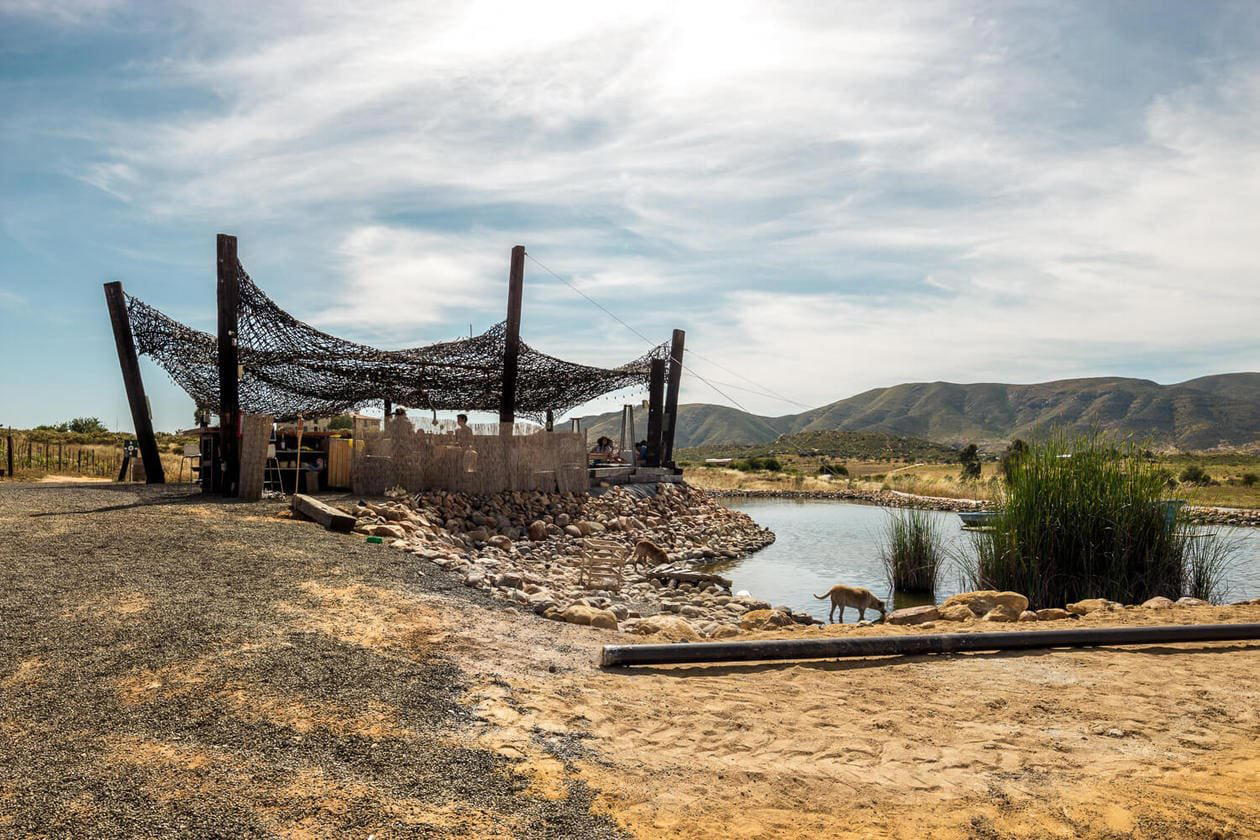
The road to Francisco Zarco runs through vine rows and olive groves before the agricultural addresses begin to read like GPS coordinates rather than street names. Parcela 71, Fracción 3, Lote 13 is the kind of address that tells you the land came first and the restaurant followed. Arriving at Lunario, you are entering a restaurant in Francisco Zarco, Baja California, that roots its kitchen in one of Mexico's most consequential wine and farming corridors and builds a menu around what grows around it.
That argument now carries Michelin weight. In 2025, Lunario received its first Michelin star, The progression from Plate to Star in a single guide cycle is a signal the inspector community rarely misses: it indicates a kitchen that moved from technical competence to genuine distinction within a short window.
Taco Logic, Applied at a Different Register
The kitchen's logic is not modernist technique or destination tourism. It is the same logic that structures a great taco: disciplined sourcing, a short hierarchy of flavors, and the honesty of letting a principal ingredient carry the plate. Mexican street food at its leading is not simple in the dismissive sense. A tlacoyo from a market vendor in Oaxaca or a birria taco from a Tijuana queue represents centuries of flavor decision-making compressed into a hand-held format. What kitchens like Lunario do is extract that logic from the street context and apply it with the resources of a full brigade, a cellar, and the agricultural surround of one of North America's most productive small-farm zones.
This is not novelty for its own sake. Restaurants that refine street food as a branding posture often lose the thread, substituting technical flourish for the direct flavor authority the original format possesses. The version that works, and Michelin's recognition suggests Lunario falls into this category, keeps the sourcing integrity and flavor directness of the tradition while gaining the range that a restaurant format permits: longer cooking times, better fire control, access to produce that a market vendor cannot price into their format.
Within Valle de Guadalupe, Lunario sits differently from its neighbors. Envero en el Valle operates at the same price tier ($$$$) with its own take on regional produce and wine pairing. Corazón D'Petra and Latitud 32 work at the $$$ tier, offering strong regional kitchens at a lower price point. And La Cocina de Doña Esthela anchors the valley's market-kitchen tradition at the $ tier, the end of the spectrum closest to the street food logic that ultimately informs the whole dining culture here. Lunario's star places it at the apex of this local hierarchy while remaining, in address and orientation, embedded in the agricultural fabric the others share.
The Valle de Guadalupe Dining Context
Baja California's wine country has developed a dining culture that is distinct from both Mexico City's metropolitan scene and the tourist-resort kitchens of Los Cabos. The valley's character comes from proximity: proximity to the Pacific, to Ensenada's fishing and produce markets, to the vine rows that now produce wines taken seriously at an international level, and to the US border, which creates a bilingual, bicultural dining public with high reference points and short tolerance for mediocrity.
Internationally recognized Mexican kitchens like Pujol in Mexico City and Animalón in Valle de Guadalupe have shaped what the market expects from serious Mexican fine dining. Regional contenders like KOLI Cocina de Origen in Monterrey, Le Chique in Puerto Morelos, and Levadura de Olla Restaurante in Oaxaca demonstrate that the country's Michelin-acknowledged kitchens are geographically dispersed, each rooted in distinct regional traditions. Olivea Farm to Table in Ensenada represents the farm-direct approach closer to the Baja coast. Against that national map, Lunario's star marks the valle's entry into the tier where the guide's full scrutiny applies.
Outside Mexico, the conversation about Mexican cuisine in serious restaurant contexts has expanded. Alma Fonda Fina in Denver and Cariño in Chicago illustrate how Mexican culinary tradition is being reframed in North American fine dining at large. And Pangea in San Pedro Garza García shows Mexico's own northern states operating at the same technical register. Lunario is part of that wider shift, but it is doing so from a specific terroir claim: the Valle de Guadalupe address is both a practical sourcing advantage and an argument about what Baja California can produce on its own terms.
What the Numbers Say
. At volume, ratings in this range typically reflect consistent execution rather than a single memorable meal. A kitchen that delivers 4.8 across a population of 166 respondents, who paid at the $$$$ tier, is meeting a high expectation set. The 2025 star arrival confirms that expectation.
The $$$$ pricing puts Lunario at the upper bracket of the Valle de Guadalupe market, where the dining public accepts premium spend in exchange for produce quality, kitchen ambition, and wine list integration. At this price point in the valley, competition is specific: the kitchen must justify the delta against $$$ neighbors like Corazón D'Petra and Latitud 32 through a demonstrably different level of craft. The Michelin star provides that justification in formal terms.
Planning Your Visit
Lunario's address, Camino vecinal Parcela 71 Fracc. 3 Lote 13 San Marcos, Francisco Zarco, B.C. places it within the agricultural parcels of the Valle de Guadalupe rather than on any main arterial route. Navigation to this type of address benefits from downloaded offline maps and a flexible approach to the final approach road. The property sits in Baja California state, accessible from Ensenada (roughly 20 kilometers south) and from the Tijuana-Ensenada corridor that connects the valley to both the US border crossing and the international airport at Tijuana. The Valle de Guadalupe dining season peaks between June and October, when harvest activity adds to the regional energy and visitor numbers are at their highest. Booking at the $$$$ tier in season, particularly post-Michelin recognition, warrants advance planning: kitchens at this level in the valley fill weeks ahead during peak months.
Reputation First
Comparable venues nearby, for context on price, style, and recognition.
| Venue | Cuisine | Price | Awards | Notes |
|---|---|---|---|---|
| LunarioThis venue — the venue you are viewing | Contemporary Mexican | $$$$ | Michelin 1 Star | Not listed |
| Lunario | Contemporary Mexican Fine Dining | $$$$ | World's 50 Best #90 | Valle de Guadalupe |
| Sabina | Traditional Mexican Seafood Tostadas | $$ | Bib Gourmand | Zona Centro |
| Olivea Farm to Table | Contemporary Farm-to-Table | $$$$ | Michelin 1 Star | Valle de Guadalupe |
| Casa Marcelo | Mexican Breakfast & Lunch with Local Cheeses | $$ | Bib Gourmand | Zona Centro |
| Bruma Wine Garden | Modern Mexican Contemporary | $$$ | Michelin Plate | Valle de Guadalupe |
Recognition history
Dated appearances from independent guides and award organizations, with the underlying list record or original source where available.
Michelin 1 Star
Michelin
World's 50 Best Latin America's Best Restaurants #90
World's 50 Best
Michelin Plate
Michelin
Continue exploring
More in Ensenada
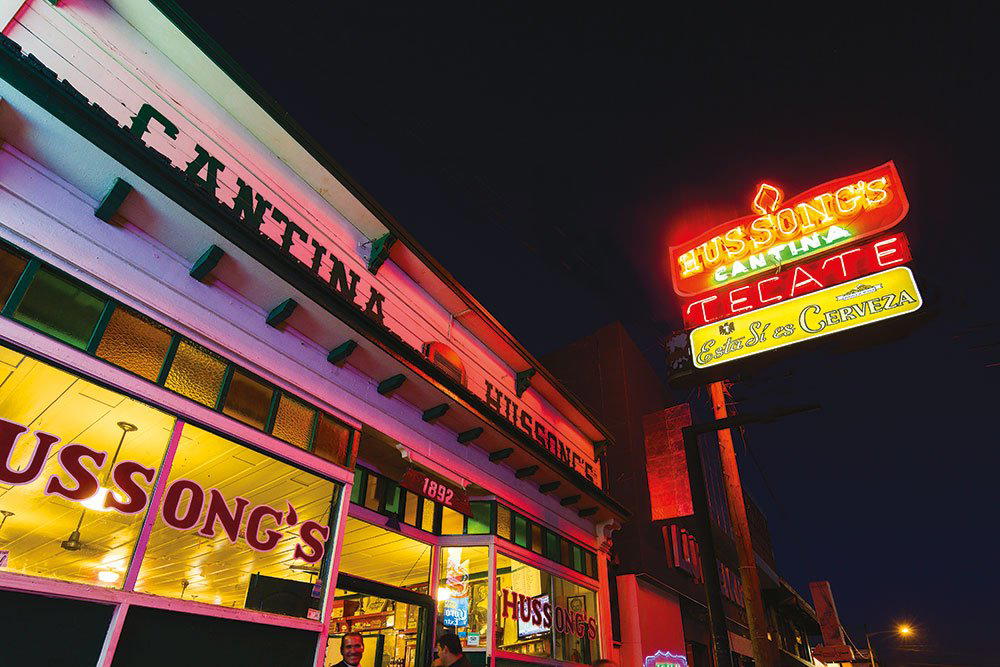
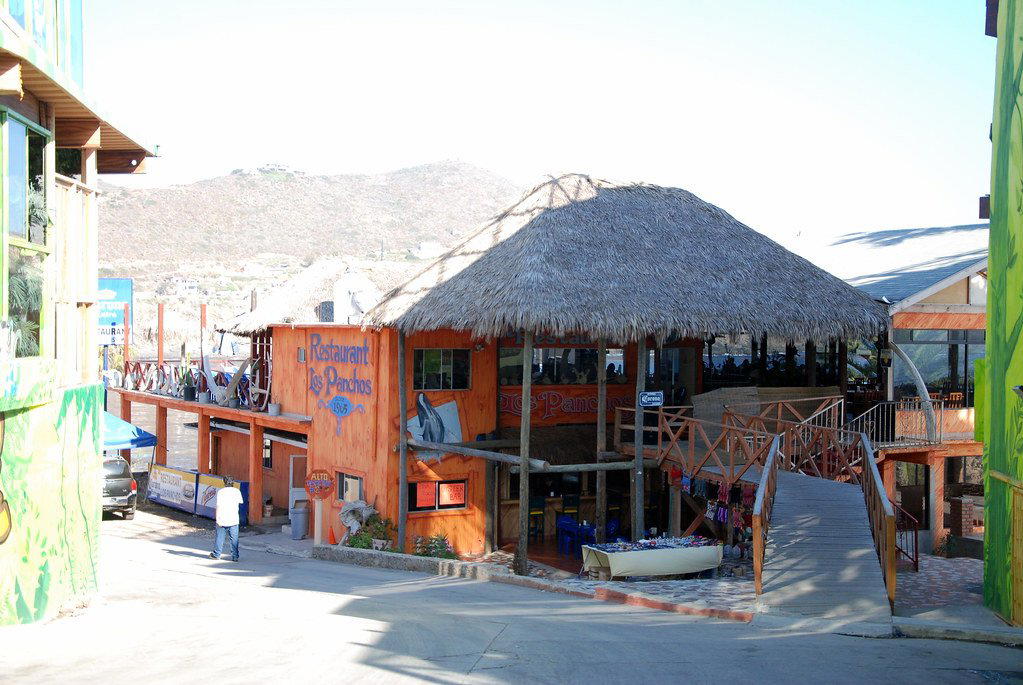
Restaurants in Ensenada
Browse all →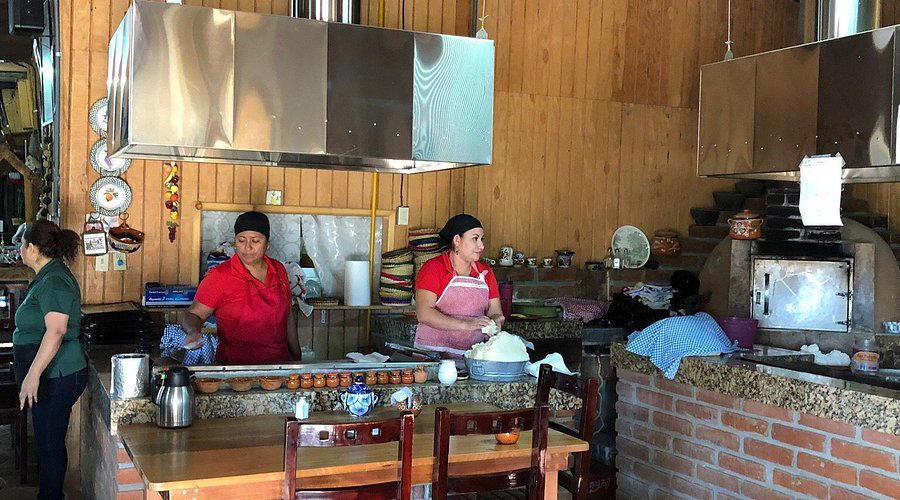
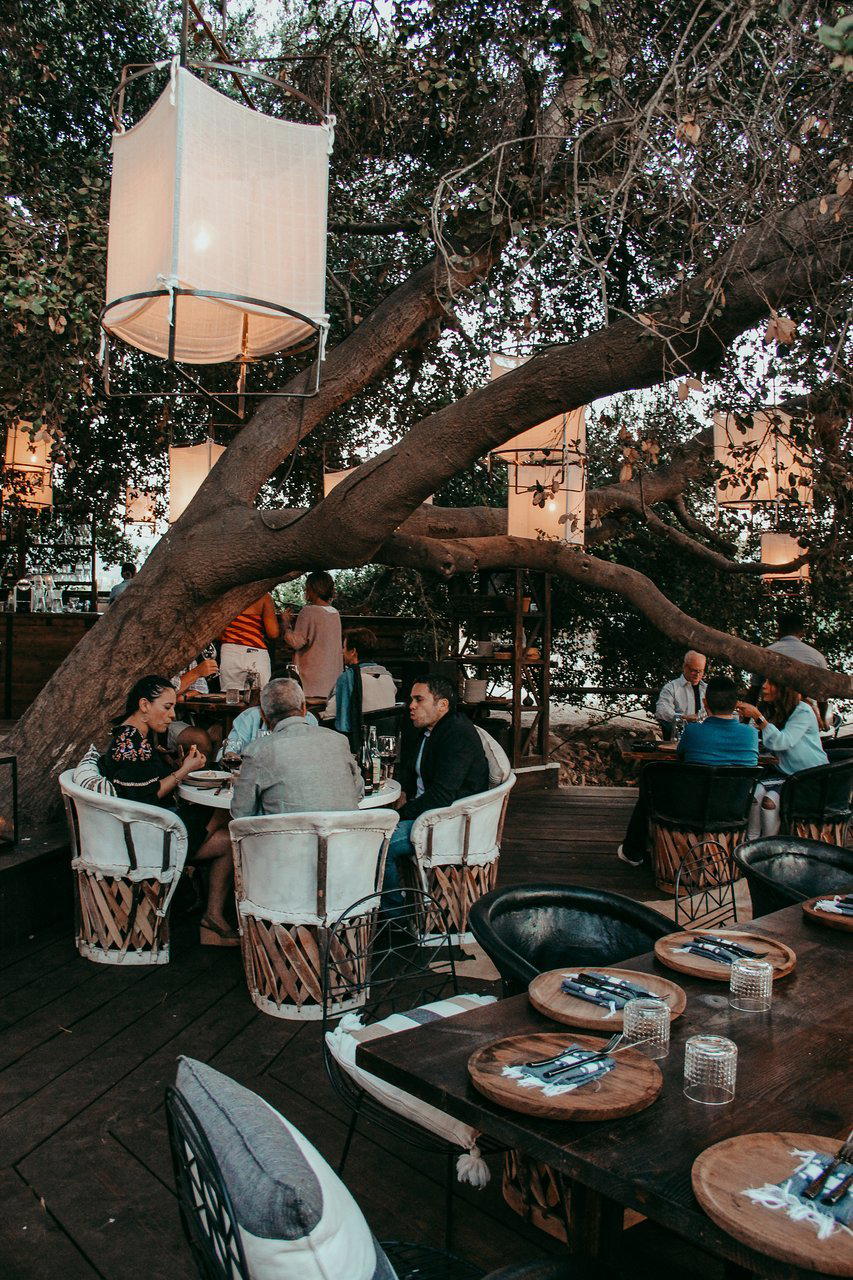
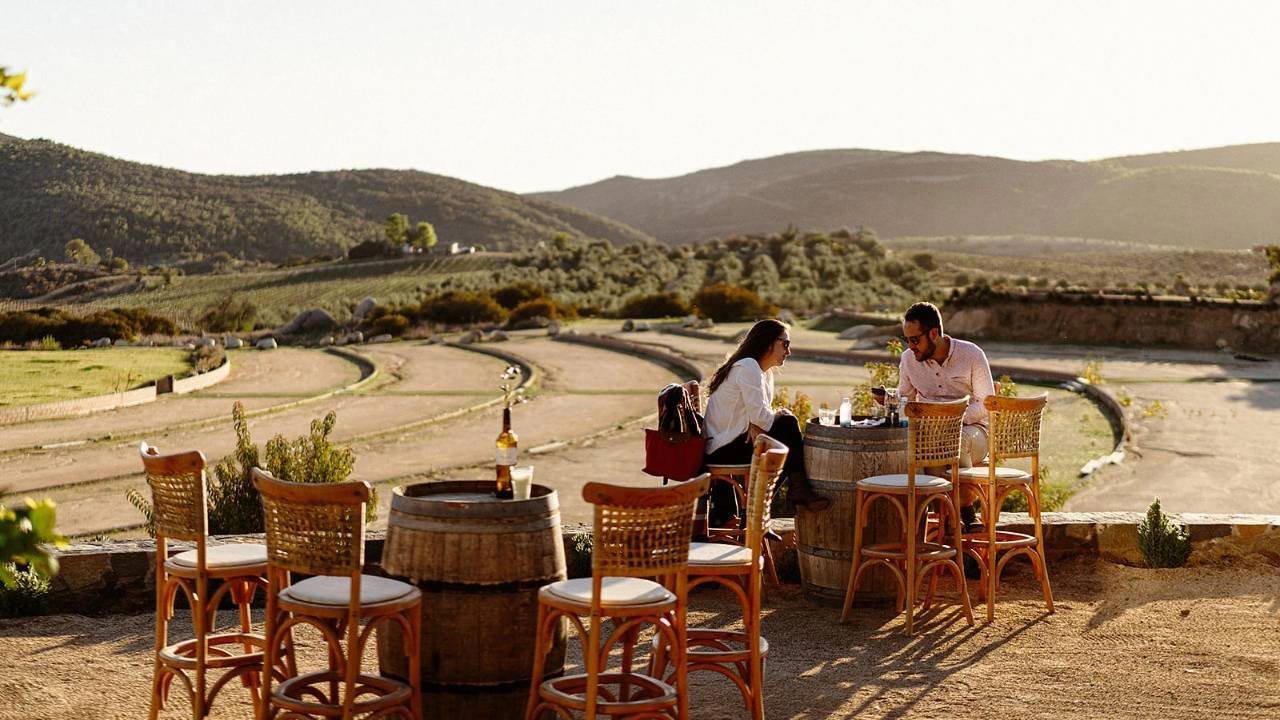
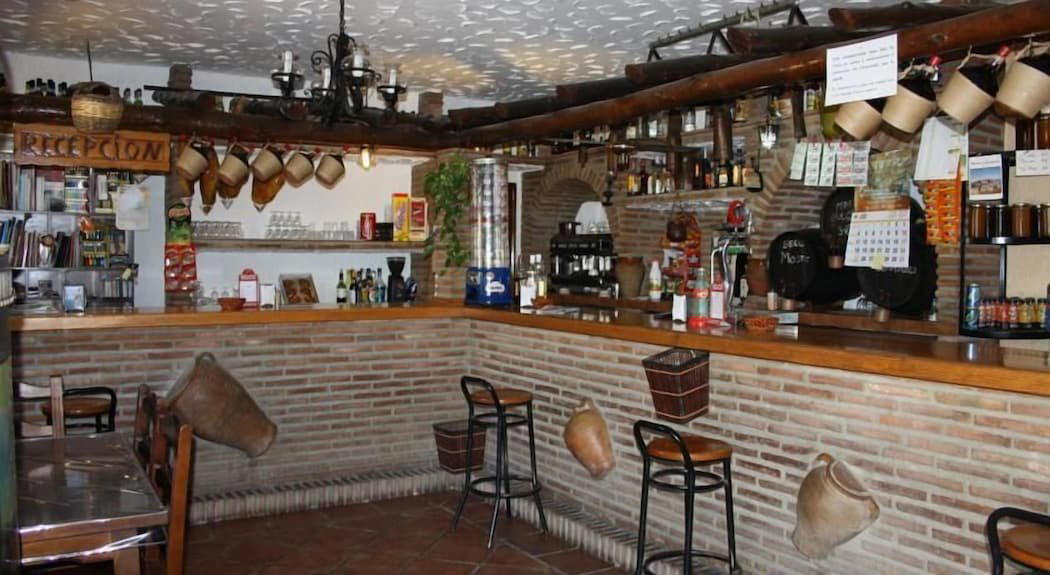
Bars in Ensenada
Browse all →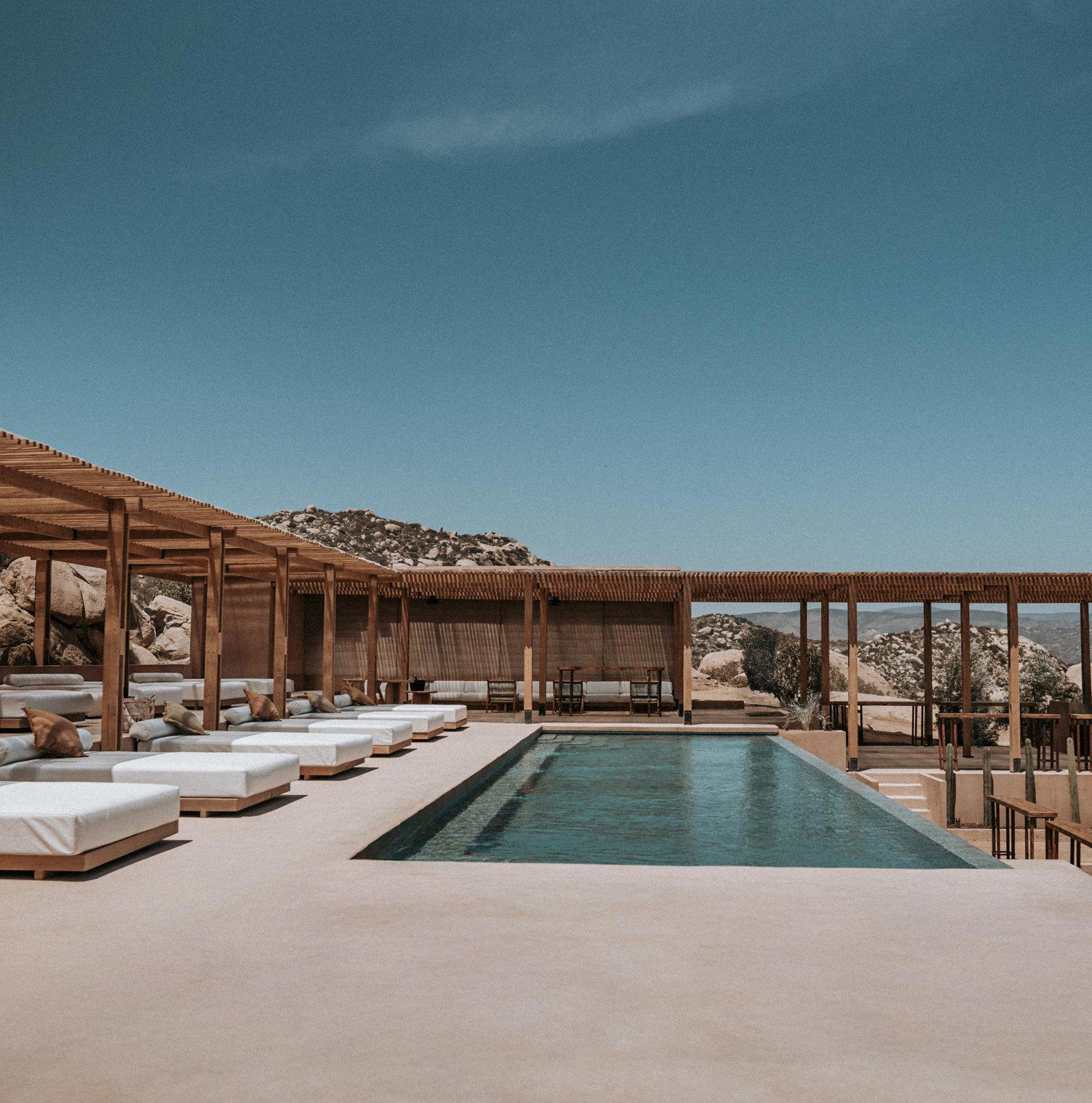
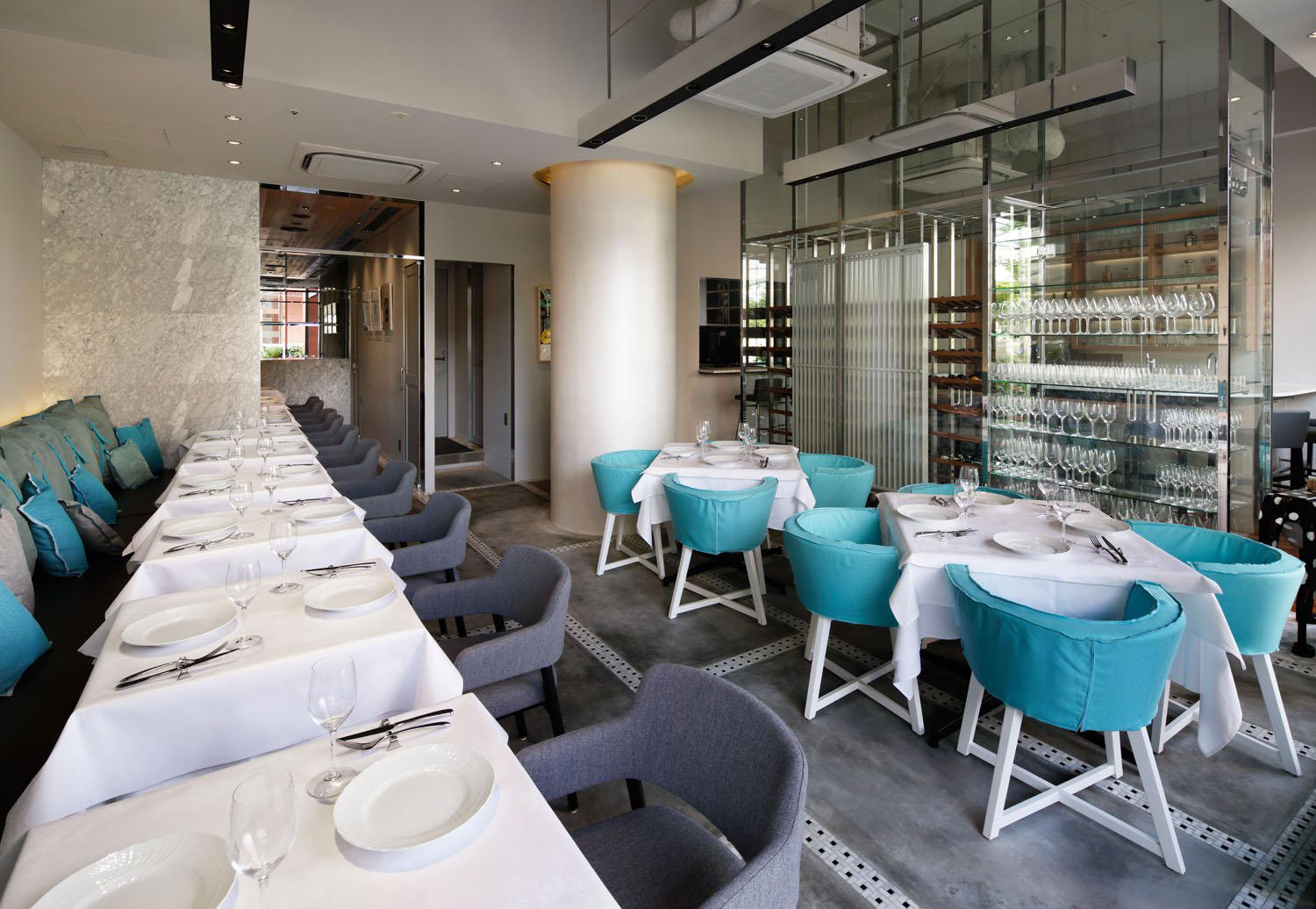
Hotels in Ensenada
Browse all →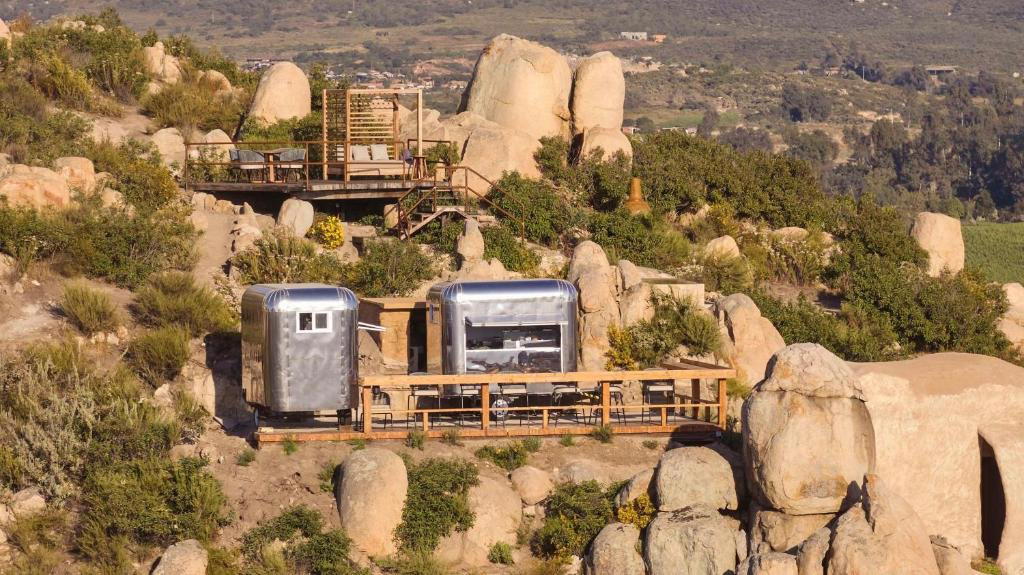
At a Glance
- Modern
- Elegant
- Intimate
- Sophisticated
- Date Night
- Special Occasion
- Open Kitchen
- Extensive Wine List
- Farm To Table
- Local Sourcing
- Sustainable Seafood
Current opening hours
- Monday
- Closed
- Tuesday
- Closed
- Wednesday
- Closed
- Thursday
- 3:30–10 PM
- Friday
- 3:30–10 PM
- Saturday
- 3:30–10 PM
- Sunday
- 3:30–10 PM
Hours can change for holidays and private events. Last verified .
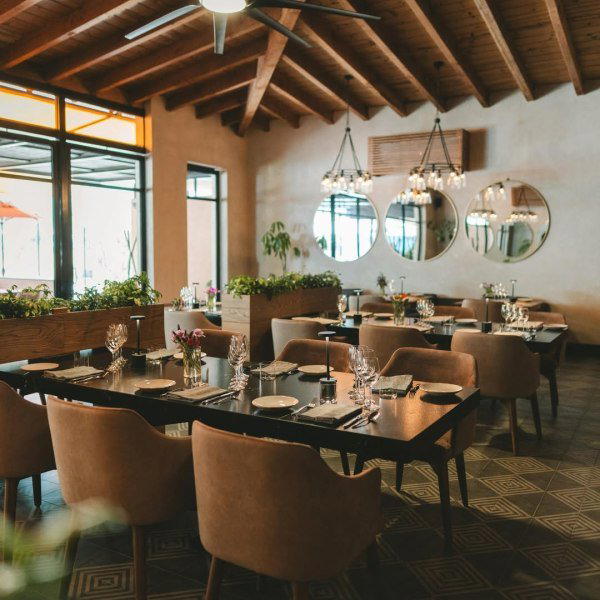
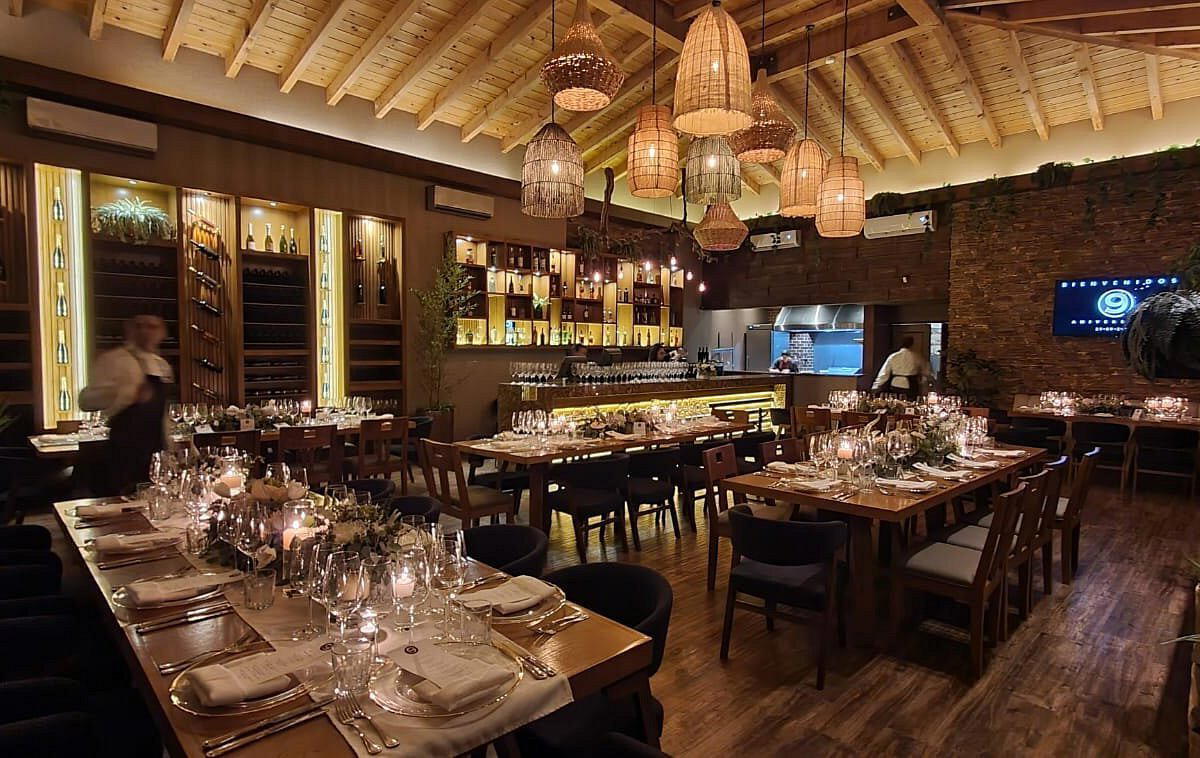
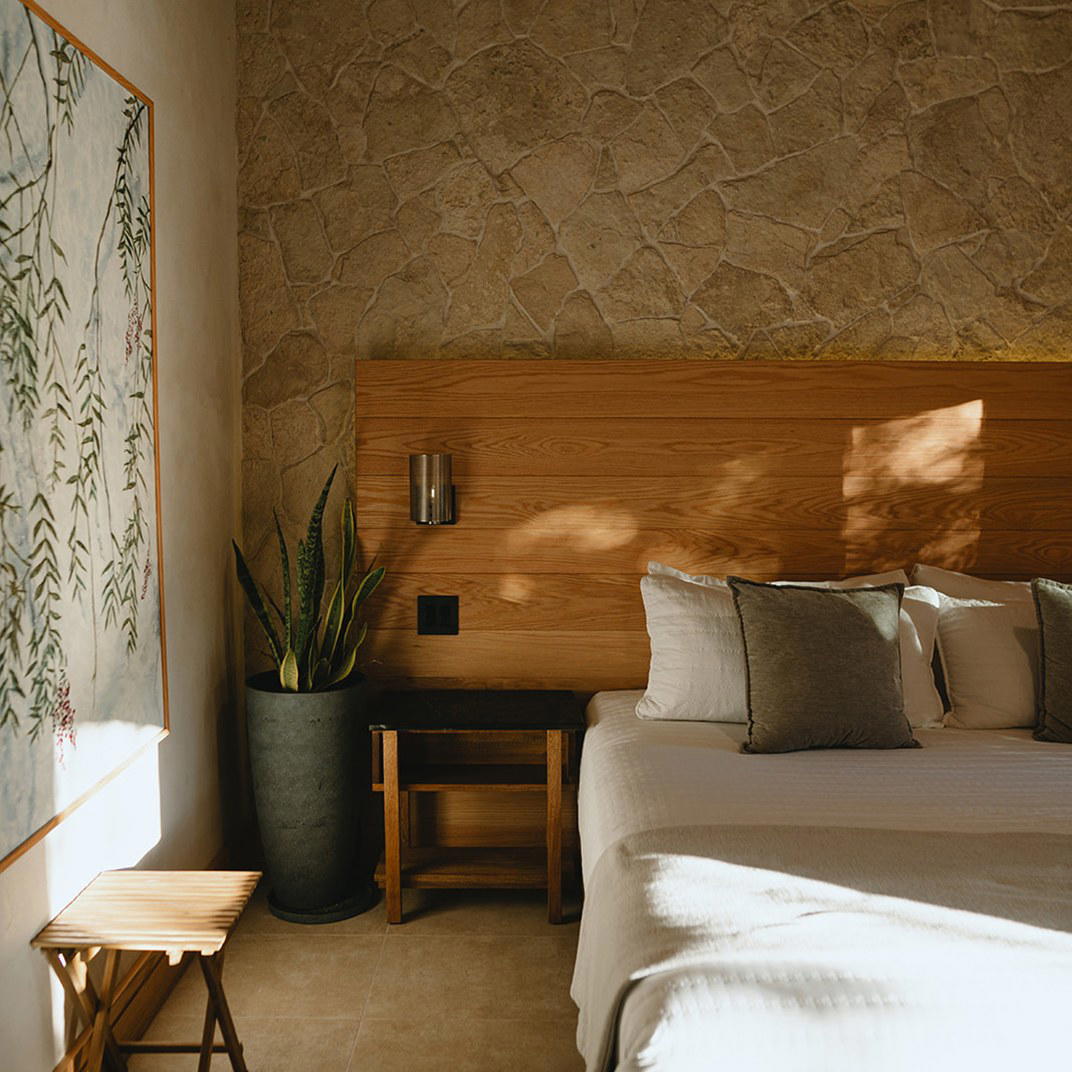
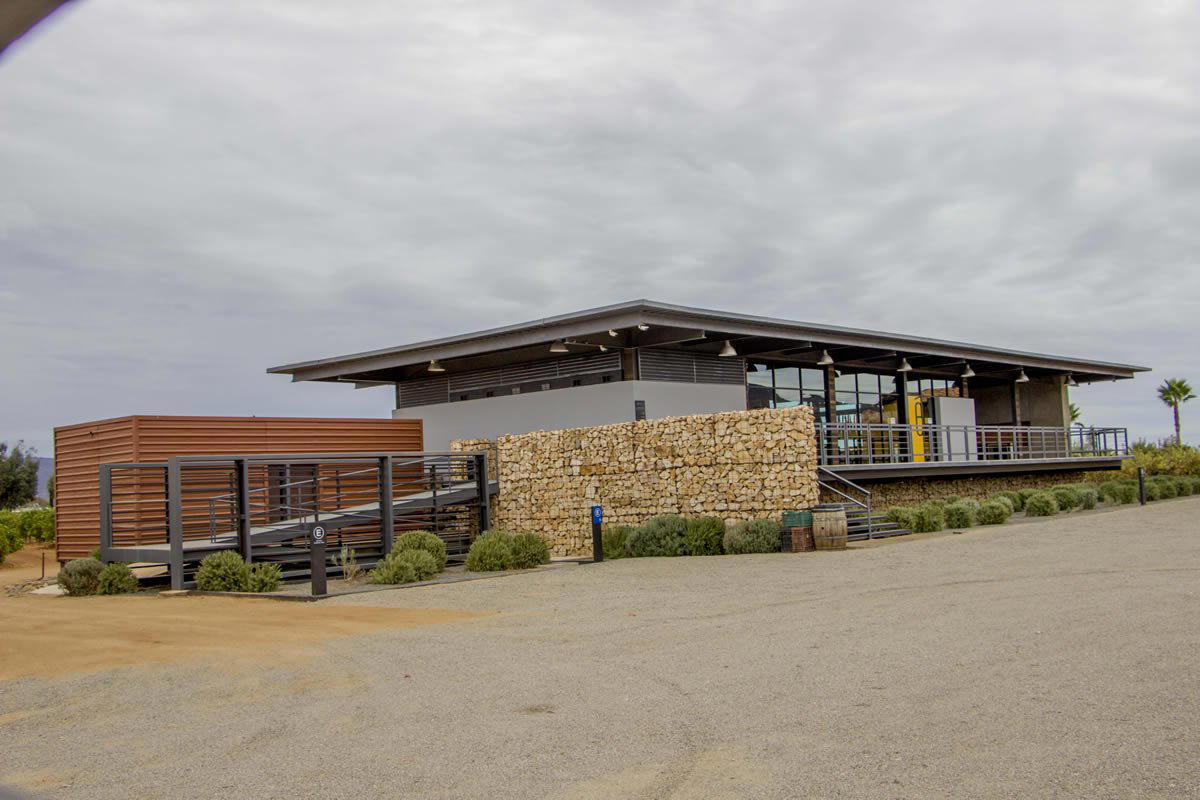
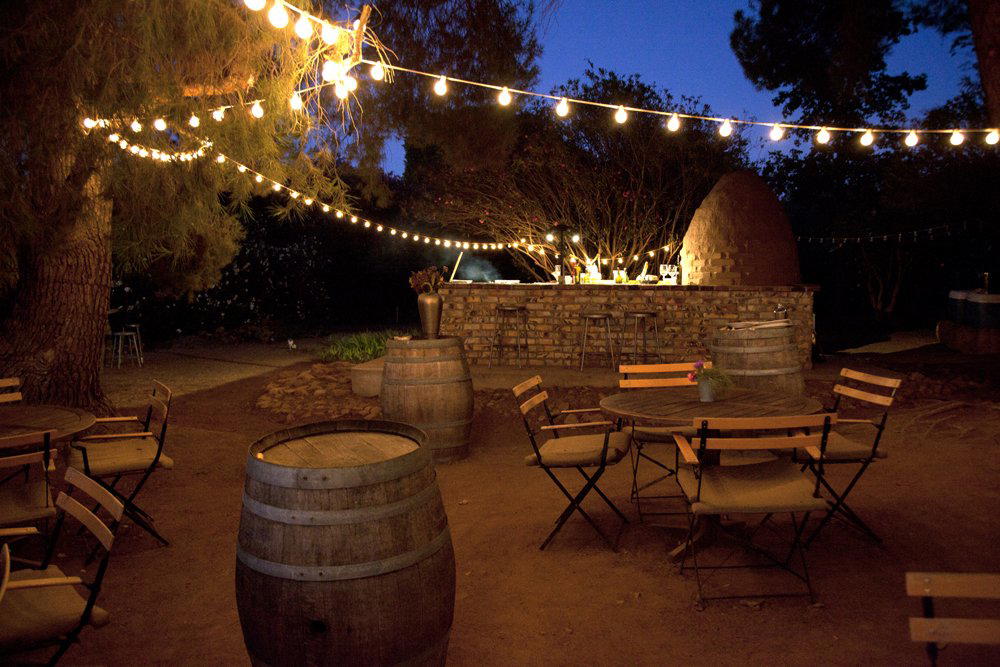
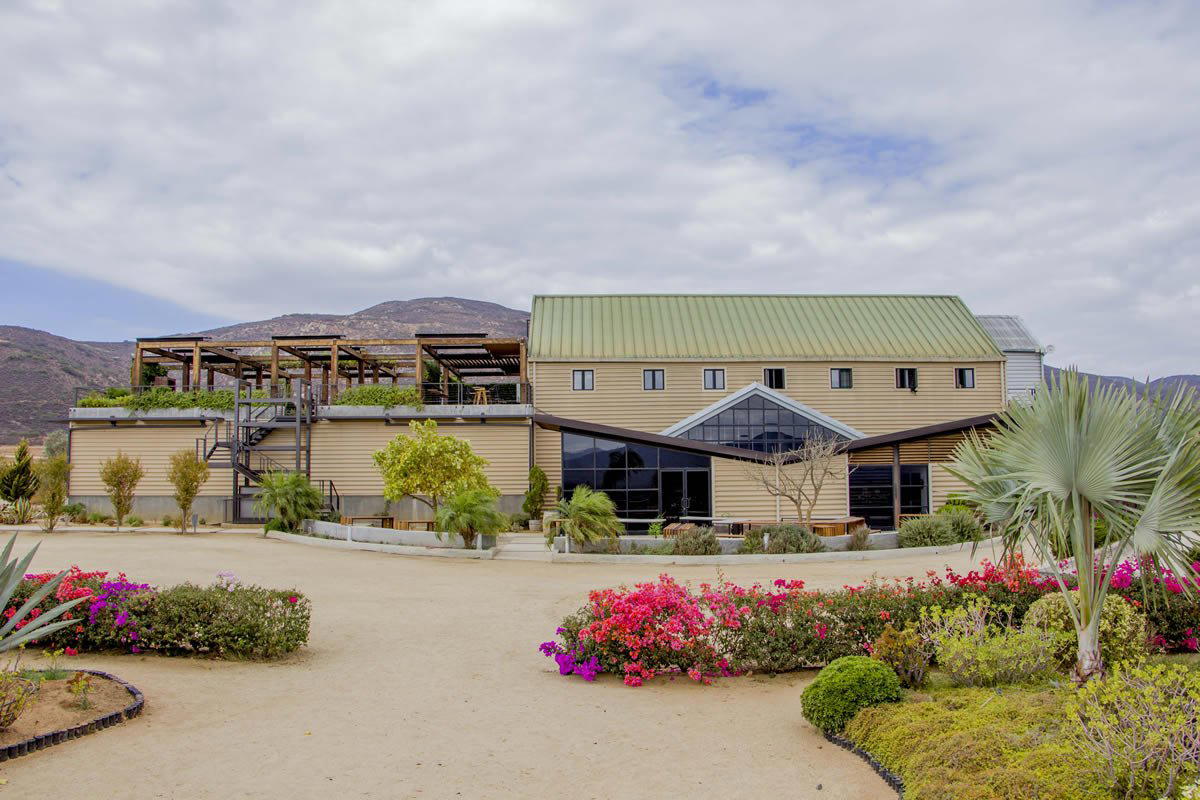
Chic, modern space with an open kitchen, greenhouse-like building, and dramatic first impression along a winding path.