Banyan Tree Veya Valle de Guadalupe



Virtuoso Luxury Hotel Partner
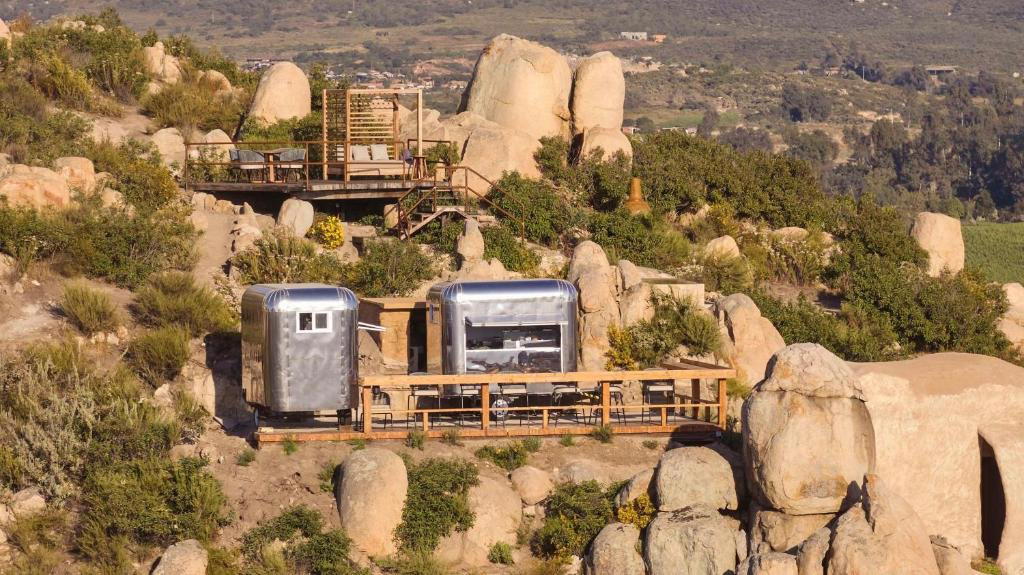
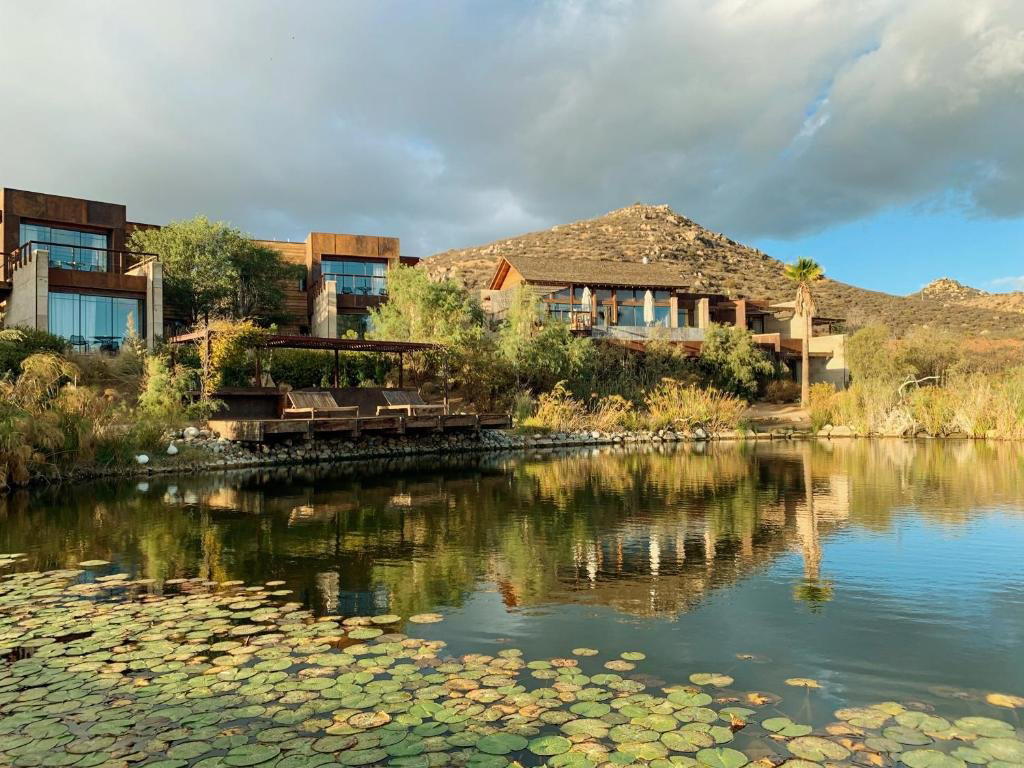
Thirty modern villas set among a working vineyard in Valle de Guadalupe position Banyan Tree Veya as one of Baja California's most architecturally deliberate wine-country retreats. The property sits within Ejido El Porvenir, where rolling hills and vine rows form the visual context rather than a backdrop. For travellers combining serious wine exploration with design-led accommodation, it occupies a distinct place in the region's growing luxury tier.

Pearl is the En Primeur Club membership app, where members save venues, book tables and use the concierge.
Where the Architecture Earns Its Setting
The approach to Banyan Tree Veya along Camino Vecinal 179 tells you something about how the property positions itself: no grand gates, no performance of arrival, just a road cutting through vine-covered terrain until the villas materialise against the hillside. Valle de Guadalupe has spent the past decade establishing itself as Mexico's most serious wine-producing region, and the accommodation options that have followed have split into two broad camps: informal agritourism with converted farmhouses, and a smaller, more considered tier of design-led retreats where the built environment is as deliberate as the wine programme. Banyan Tree Veya sits clearly in the second camp.
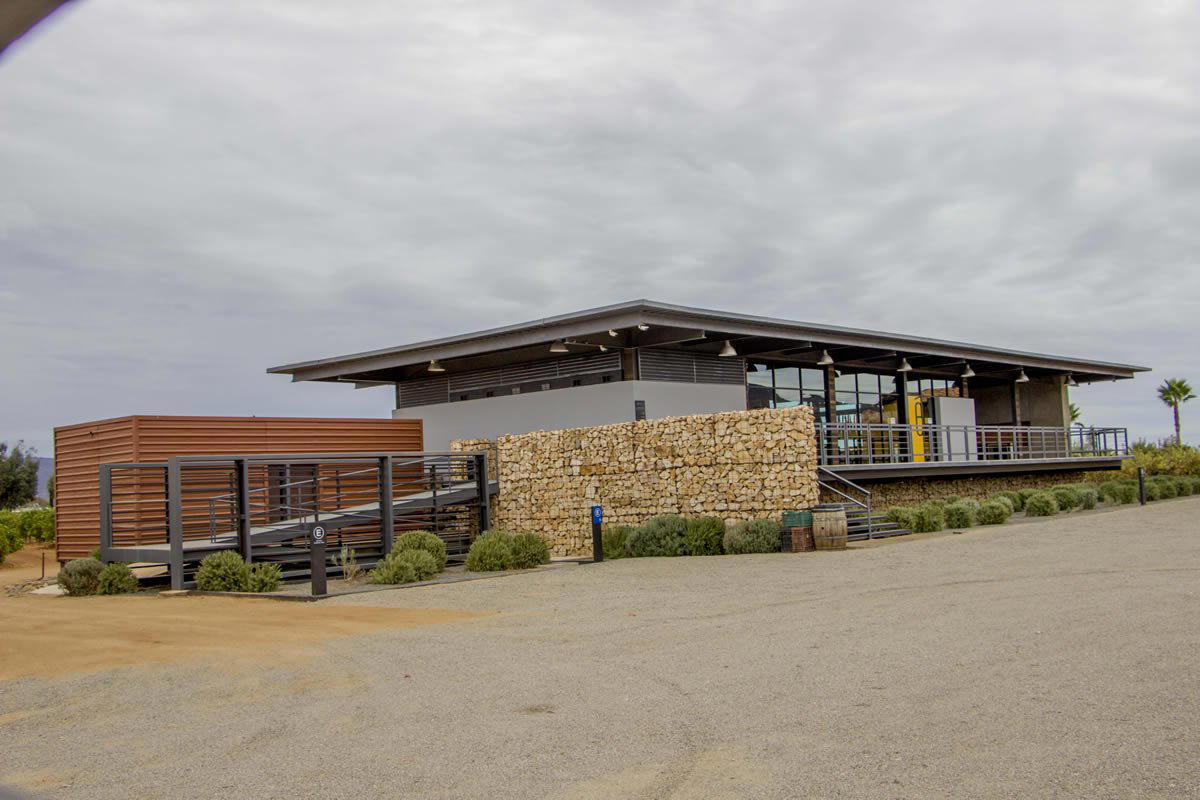
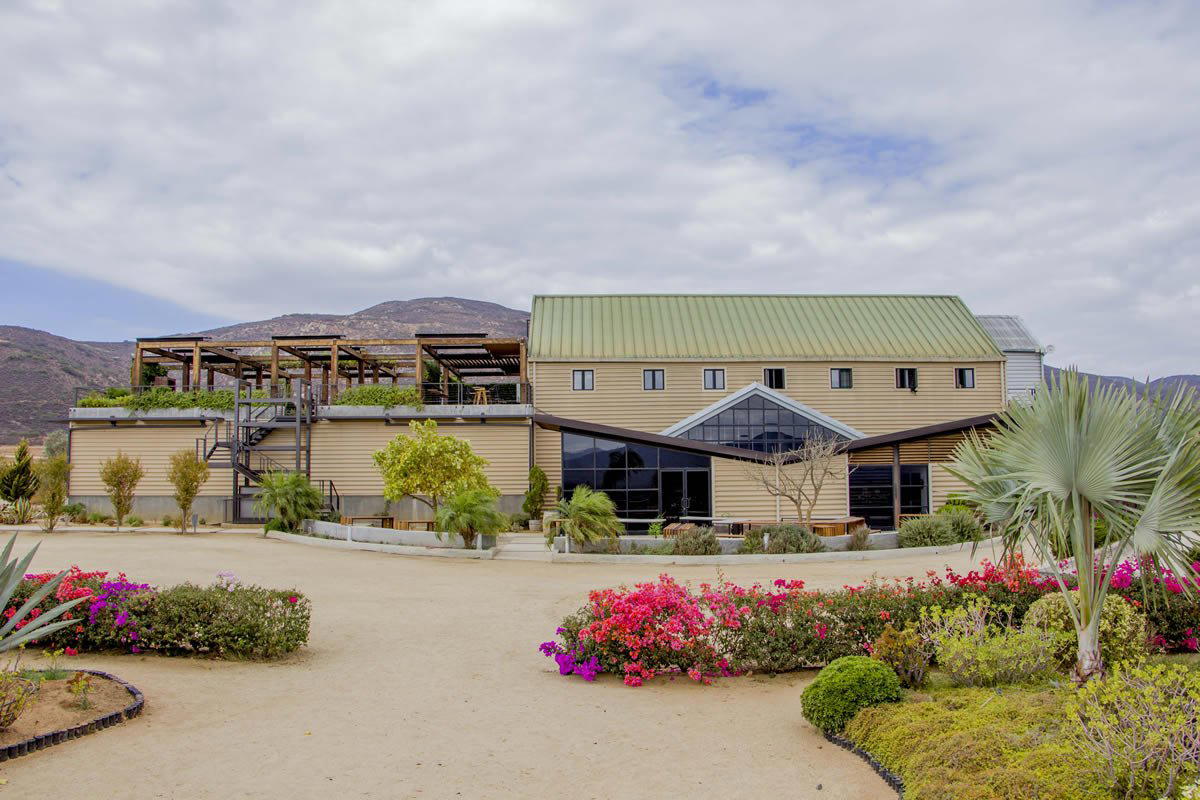
The thirty villas are distributed across a bespoke vineyard, which means the vineyard is not simply scenery but integral to the site's spatial logic. Each structure is designed to sit within the rolling topography rather than impose on it, with a sleek, modern architectural language that favours clean volumes and materials that read as sympathetic to the landscape without mimicking it. This kind of restrained modernism is harder to execute in wine country than it looks: too minimalist and the property feels displaced; too rustic and it collapses into theme. The balance Banyan Tree Veya pursues is one that several of Mexico's premium resort developments have attempted, including One&Only Mandarina in Riviera Nayarit and Chablé Yucatán in Merida, where architectural identity and natural context are treated as a single design problem rather than two separate briefs.
Valle de Guadalupe as a Wine Region
Understanding where Banyan Tree Veya fits requires understanding the region it occupies. Valle de Guadalupe, roughly 30 kilometres inland from Ensenada in northern Baja California, produces wine under a Mediterranean-adjacent climate that distinguishes it from Mexico's other wine-growing areas. The valley floor sits at around 350 metres elevation, and the combination of Pacific coastal influence, warm days, and cool nights creates growing conditions that have attracted serious winemakers over the past two decades. The region is now home to over 150 producers, ranging from small family operations to internationally distributed labels, and the wine tourism infrastructure has developed in parallel, particularly since the early 2010s.
For travellers arriving from the United States, the region is accessible via Tijuana, approximately 90 kilometres to the north, making it one of the more practical premium wine destinations in Latin America for a long weekend. The concentration of restaurant culture in the valley, including some of Baja California's most talked-about dining addresses, means that a stay at a property like Banyan Tree Veya functions as a hub rather than a destination unto itself. Guests move between vineyards, restaurants, and the coast at Ensenada with relative ease. See our full Baja California restaurants guide for context on the broader dining and wine scene.
The Villa Model and What It Signals
Thirty keys is a deliberate number. Properties in this range sit below the threshold where operational scale begins to dilute the guest experience, and above the tier where a property becomes a private villa hire rather than a hotel. The Banyan Tree group has applied this logic across several of its more remote properties globally, and Valle de Guadalupe presents a specific case where low density maps well to the landscape's character. Vine rows and open terrain do not absorb large-footprint resort infrastructure gracefully, and the decision to cap at thirty villas reads as both aesthetic and practical.
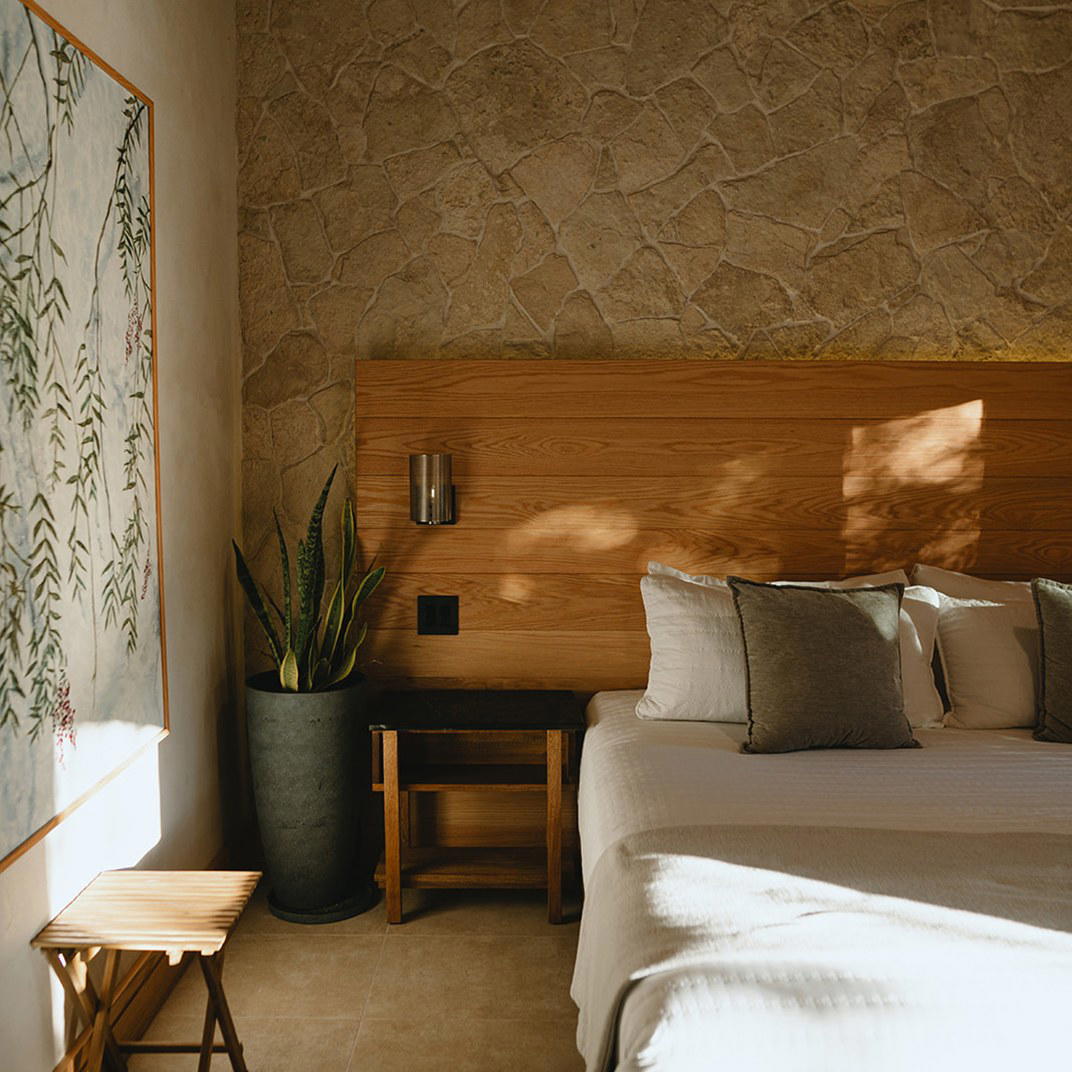
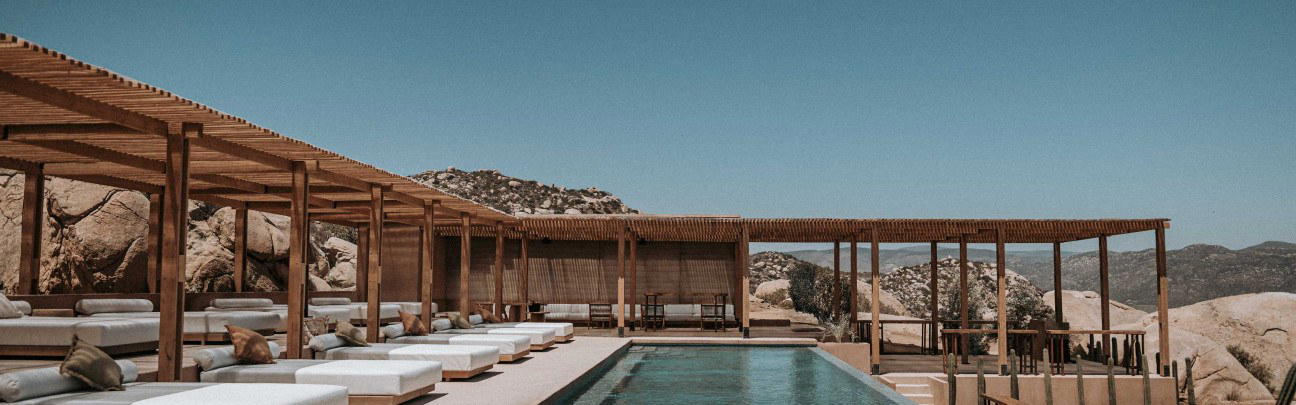
Each villa is designed to function as a self-contained retreat, with the wellbeing positioning of the Veya sub-brand adding a programmatic layer to what might otherwise be direct wine-country accommodation. The Banyan Tree group's Veya concept is built around wellness as an integrated experience rather than a spa annexe, which in practice means the spatial design of individual villas and their relationship to outdoor space is weighted more heavily than in a standard resort room. Whether that translates into a meaningful on-the-ground difference depends on how a guest uses the property, but architecturally it shapes decisions around terrace orientation, natural light, and the relationship between interior and vineyard views.
Compared to other premium Mexican resort properties such as Las Ventanas al Paraíso in San José del Cabo or Zadun, A Ritz-Carlton Reserve in Los Cabos, Banyan Tree Veya operates in a different register entirely. The Cabos properties trade on ocean frontage and brand infrastructure at scale. Banyan Tree Veya trades on vineyard immersion and architectural restraint in a region where the cultural proposition, wine, food, and Baja's specific version of Mediterranean informality, is the primary draw.
How This Compares to Mexico's Design-Led Hotel Tier
Mexico's premium accommodation market has produced a cohort of properties where design is the primary editorial argument, from Hotel Esencia in Tulum to Maroma in Riviera Maya. The common thread is that each property uses its physical setting as the organising principle for everything else: programming, food and beverage, spatial experience. Banyan Tree Veya follows that logic in a wine-country context, which is less common in Mexico than coastal luxury but increasingly well-supported by the region's growing reputation.
The comparable international reference points are European wine-country retreats, properties in Burgundy, Tuscany, or the Douro Valley, where accommodation is embedded in working agricultural estates and the architecture responds to centuries of vernacular building. Banyan Tree Veya makes a different formal choice, opting for contemporary construction rather than conversion or pastiche, which is consistent with how the Banyan Tree group operates globally but also a deliberate statement about Valle de Guadalupe's own architectural identity: this is not trying to be Provence.
Other Mexico properties worth considering in the design-led category include Casa de Sierra Nevada in San Miguel de Allende, Casa Antonieta in Oaxaca City, and Cuixmala in La Huerta, though each operates in a distinct regional and typological context. For wellness-integrated retreats specifically, Xinalani in Quimixto and Palmaïa in Playa del Carmen represent the Pacific and Caribbean poles of a growing Mexican wellness-hospitality category that Banyan Tree Veya approaches from its own vineyard-anchored position.
Planning Your Stay
The property is located at Camino Vecinal 179, Ejido El Porvenir, Ensenada, Baja California. Guests typically fly into Tijuana or San Diego and drive south, with the Valle de Guadalupe valley accessible via the toll road from Tijuana in under two hours. The harvest season, roughly August through October, draws the highest concentration of wine tourism activity in the valley and represents the most atmospheric time to visit, though the region operates year-round. Given the property's thirty-villa count and its position within an increasingly sought-after wine region, advance booking is advisable, particularly for weekends when day-trip demand from Tijuana and San Diego compresses availability across all valley accommodation. For additional context on how Banyan Tree Veya sits within the broader range of premium Mexican hospitality, the Four Seasons Punta Mita and Montage Los Cabos provide useful reference points for the group's overall standards in the Mexico market.
Comparable Venues
Comparable venues nearby, for context on price, style, and recognition.
| Venue | Cuisine | Price | Awards | Notes |
|---|---|---|---|---|
| Banyan Tree Veya Valle de GuadalupeThis venue (the venue you are viewing) | Contemporary wine country resort with wellness focus | Not listed | Virtuoso Luxury Hotel Partner | Not listed |
| Amanvari | Ultra-luxury resort with low-density pavilions/casitas and branded residences. | $2,500+ | Not listed | East Cape |
| Esperanza, Auberge Collection | contemporary beachfront resort | Not listed | 2 Michelin Keys · La Liste Top Hotels | Punta Ballena |
| Rosewood Mandarina | barefoot luxury resort with suite-style accommodations | $750–1,000 | AHEAD Awards AHEAD Americas Guestrooms Shortlist · Esquire Best New Hotels | Riviera Nayarit |
| Las Alamandas | Secluded private estate-like beach retreat with contemporary Mexican architecture. | Not listed | 5-Star | Costalegre |
| Amina Wind Resort | Ecological beachfront development blending luxury with sustainability, designed as an off-grid adventure destination. | Not listed | Michelin Selected | La Ventana |
Recognition history
Dated appearances from independent guides and award organizations, with the underlying list record or original source where available.
Virtuoso Luxury Hotel Partner
Virtuoso
World Spa Awards Mexico's Best Wellness Retreat 2026 Nominee
World Spa Awards
Architectural Digest 2025 Architectural Digest Great Design Hotel Award Winners
Architectural Digest
Full recognition history (4 entries)
World Spa Awards Mexico's Best Wellness Retreat 2025 Nominee
World Spa Awards
Continue exploring
More in El Porvenir
Hotels in El Porvenir
Browse all →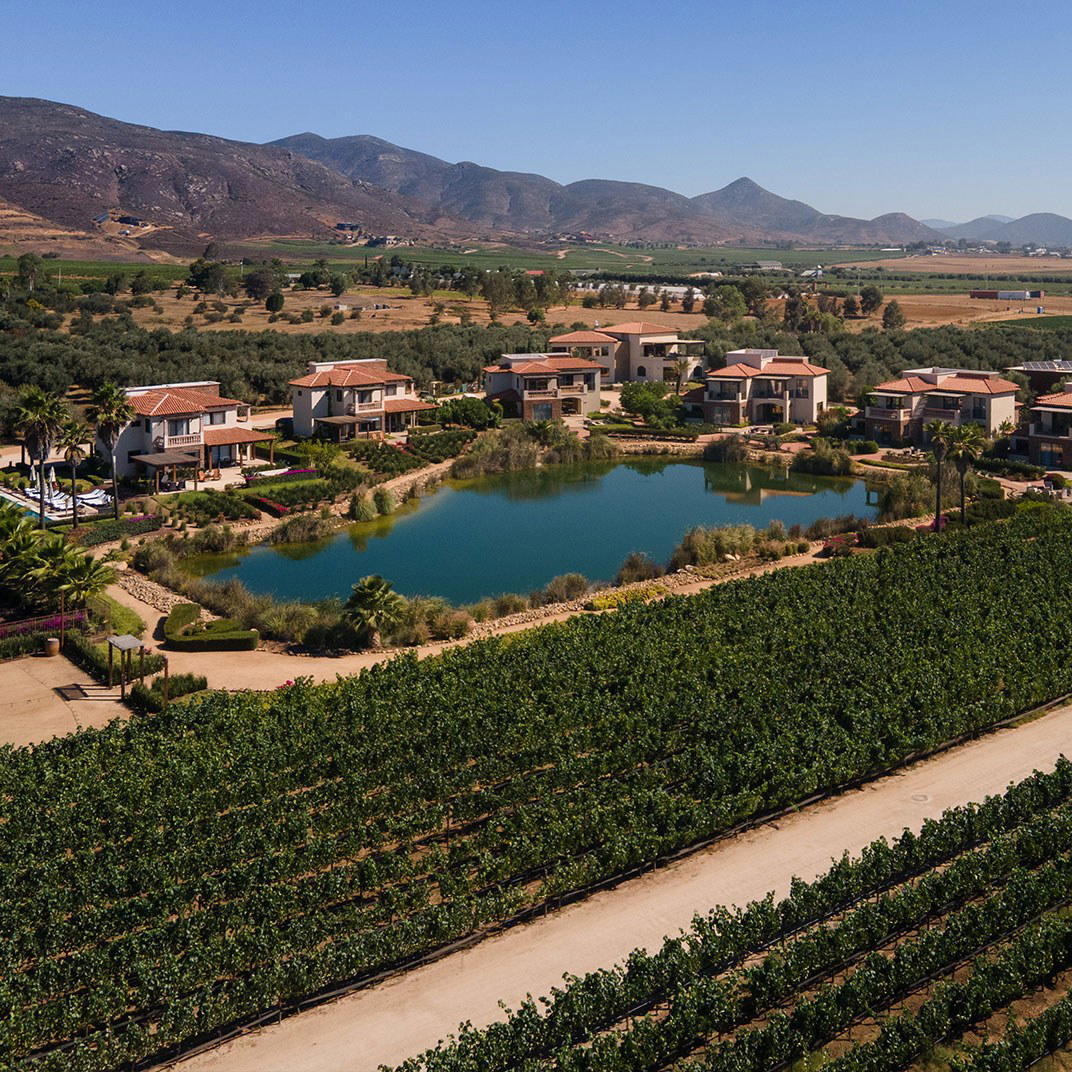
Bars in El Porvenir
Browse all →

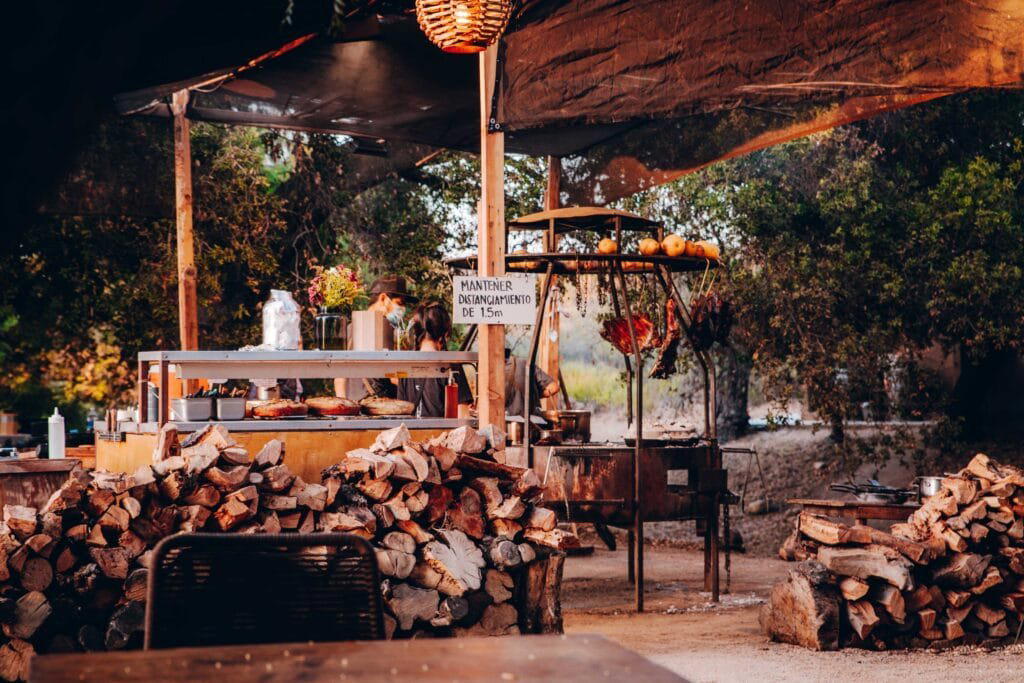
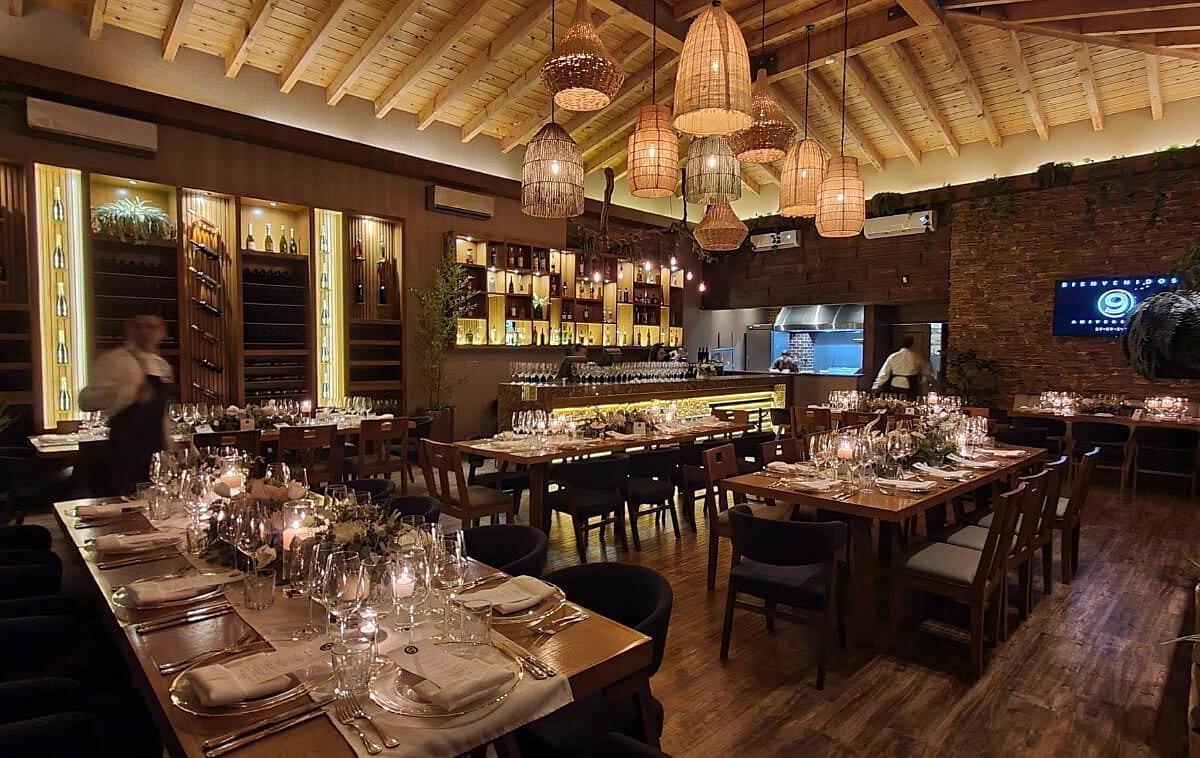
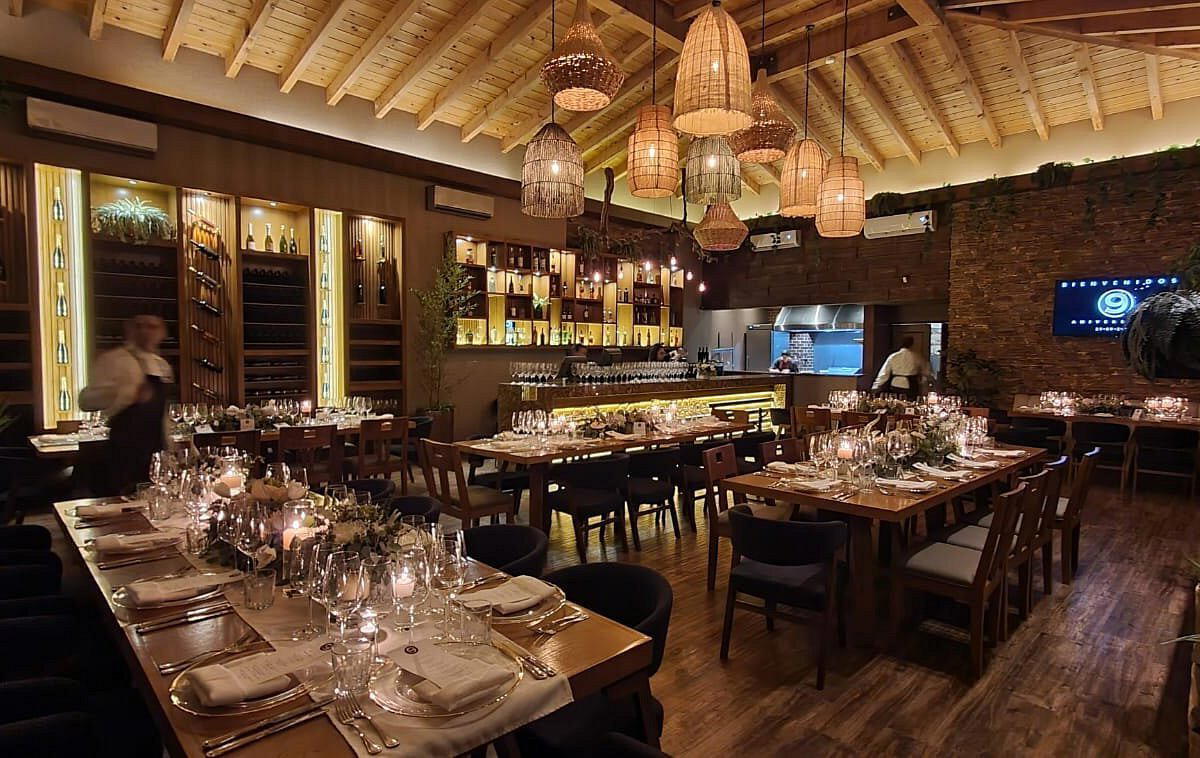
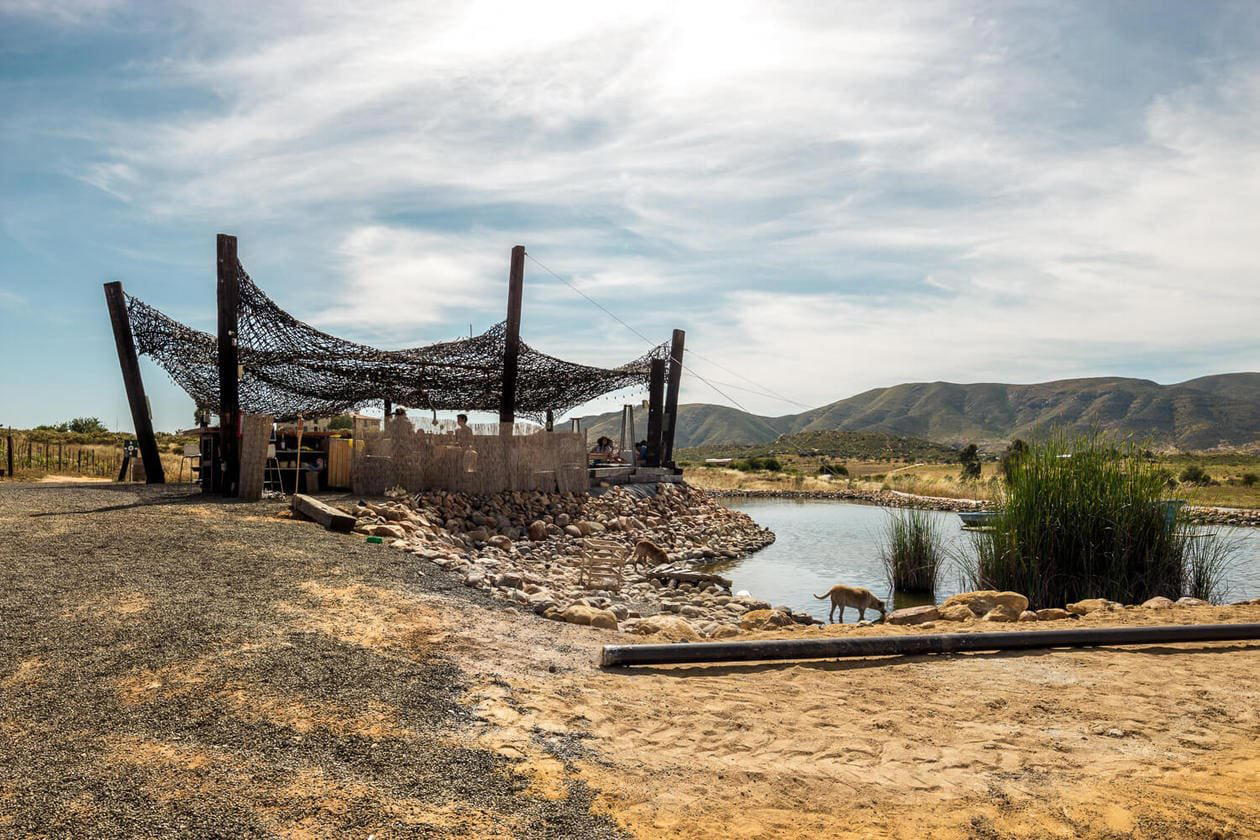

Details
- Romantic
- Quiet
- Elegant
- Scenic
- Sophisticated
- Honeymoon
- Romantic Getaway
- Wellness Retreat
- Weekend Escape
- Infinity Pool
- Private Villa
- Destination Spa
- Panoramic View
- Private Dining
- Wi Fi
- Pool
- Spa
- Fitness Center
- Room Service
- Concierge
- Valet Parking
- Mountain
- Vineyard
- Wheelchair Accessible
Current opening hours
- Monday
- 8 AM–5 PM
- Tuesday
- 8 AM–5 PM
- Wednesday
- 8 AM–5 PM
- Thursday
- 8 AM–5 PM
- Friday
- 8 AM–5 PM
- Saturday
- 8 AM–5 PM
- Sunday
- 8 AM–5 PM
Hours can change for holidays and private events. Hours as of .
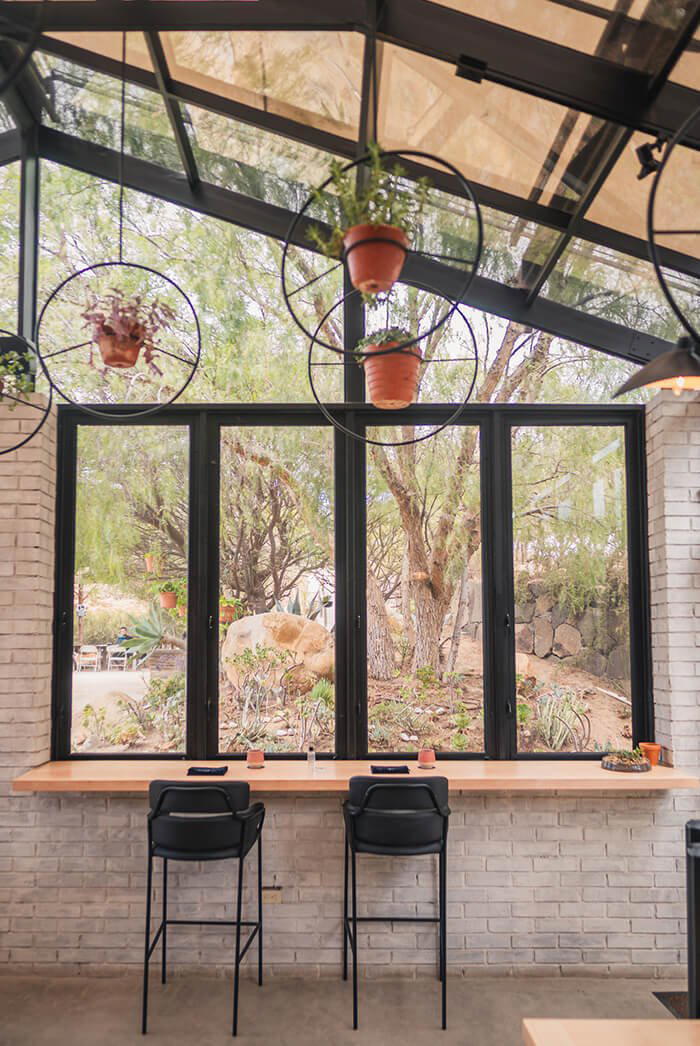
Peaceful and serene with natural light, dramatic valley vistas, and a tranquil retreat atmosphere emphasized in guest reviews.