At Km 108 on Ensenada's Zona Playitas coast, Humo&Sal occupies the kind of address that filters out casual visitors before they even arrive. The name translates as smoke and salt, two elements that define Baja California's coastal cooking tradition as much as any formal technique. For those tracking Mexico's most considered bar and kitchen programs outside the capital, this is a reference point worth the detour.
 Discover on Pearl
Pearl is the En Primeur Club membership app — saves, bookings, and concierge access live there. Same editors, same standards.
- Address
- Km 108, Zona Playitas, 22860 Ensenada, B.C., Mexico
- Phone
- +52 646 174 4061
- Website
- humoysalrestaurante.com
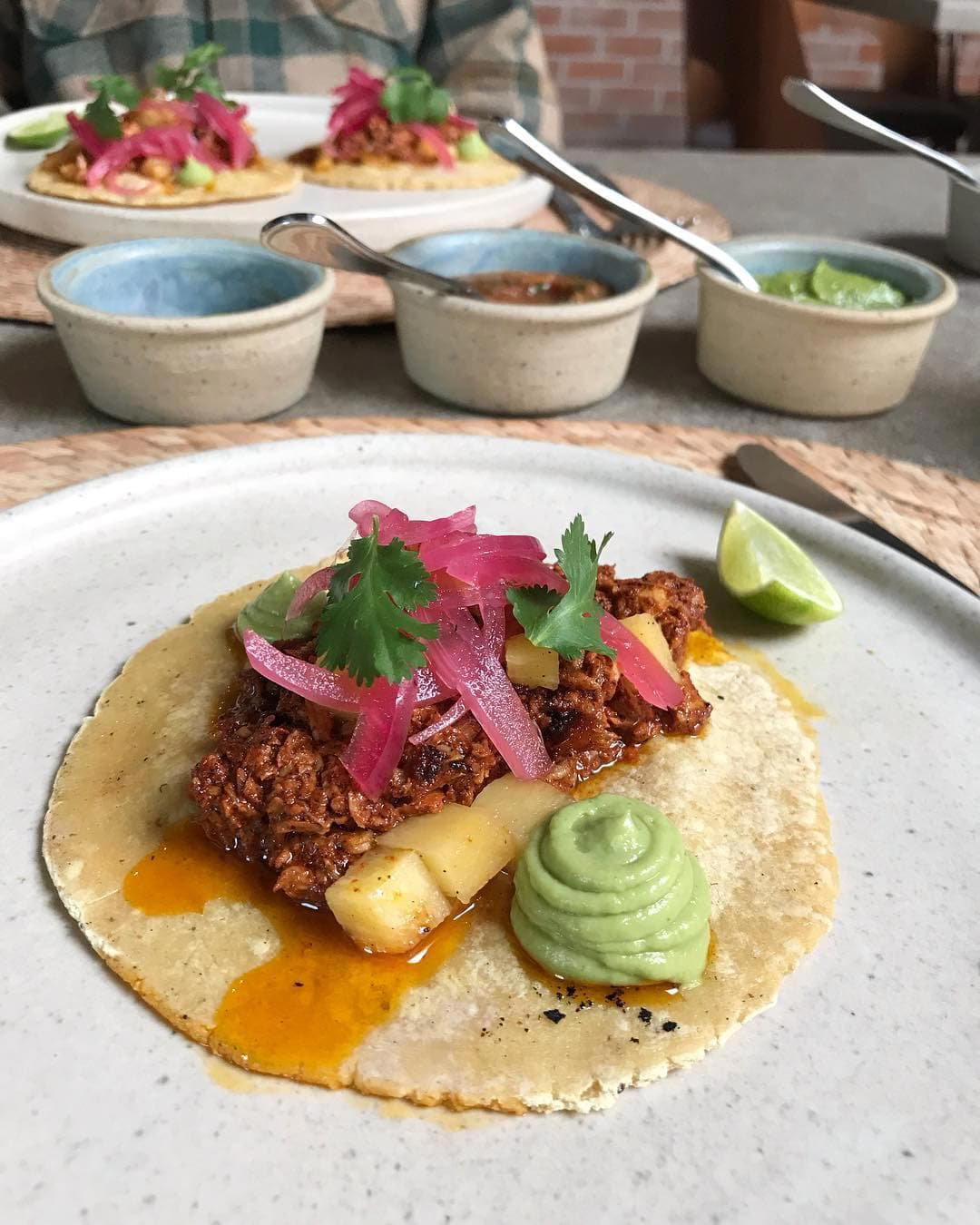
Where the Pacific Writes the Menu
The address alone tells you something about the format: Km 108, Zona Playitas, Ensenada. That highway-marker logic places Humo&Sal; outside the city's central dining corridor and closer to the water, in a stretch where the Pacific sets the ambient temperature and the salt in the air is not a metaphor. In Baja California, the leading drinking and eating has long happened at margins like this, at points where the wine valleys meet the coast and the casual infrastructure disguises serious intent. Humo&Sal; belongs to that spatial tradition.
The name, smoke and salt, maps directly to two of the oldest preservation and flavour-building techniques in coastal Mexican cooking. Before the language of technique became the dominant currency of restaurant criticism, these were the tools of necessity: salt to cure, smoke to transform. In contemporary Baja programs, both have been recontextualized as primary creative registers rather than supporting notes, and Humo&Sal;, by naming itself after them, commits to a position.
The Cocktail Program: Smoke as Structure, Not Garnish
Baja California's bar culture has developed along a different axis than the cocktail scenes in Mexico City or Guadalajara. Where Baltra Bar in Mexico City built its reputation on technical precision and a format that owes something to European influence, and where El Gallo Altanero in Guadalajara leans into agave tradition with historical depth, Ensenada's coastal bars operate with the Pacific as a persistent reference point. Salt, brine, and smoke are not ornamental in this context; they are structural.
At Humo&Sal;, the drink program treats smoke not as a theatrical finish, the kind of cloche presentation that reads well on social media but dissipates within seconds, but as a component with real flavour weight. This places it closer to the approach taken at Arca in Tulum, where fire and fermentation inform both the kitchen and the bar, than to the clarified-spirit programs of urban Mexico. The salt element in the cocktails draws from coastal availability: the Pacific coast of Baja produces sea salt with mineral character distinct from inland sources, and a bar that names itself after this ingredient is expected to use it with more specificity than a rim-salt afterthought.
Mezcal and tequila form the natural backbone of any serious Baja cocktail program. The agave supply chain through Oaxaca, Jalisco, and the northern states gives Ensenada bars access to expressions that pair with local Nebbiolo and Grenache from the Guadalupe Valley with more logic than most pairing programs would suggest. La Capilla in Tequila remains a reference for the canonical approach to this spirit; Humo&Sal; operates from a different premise, using agave distillates as a platform for the smoke-and-salt architecture rather than as the centrepiece.
Humo&Sal;'s coastal specificity pulls it in a different direction: the reference ingredients here come from the water and the shore rather than highland agriculture, and that distinction shapes the flavor language of the menu from the ground up.
Ensenada's Drinking Geography
Ensenada has two distinct bar registers. The first is the cantina tradition, with Hussong's Cantina as its most documented expression and a reasonable claim to having originated the margarita in the 1940s. That tradition values longevity, accessibility, and a particular kind of rowdy sociability. The second register is newer, more technique-focused, and operates with the Valle de Guadalupe wine culture as its context: it assumes a visitor who has spent time at a vineyard tasting room and is now looking for a drink program with comparable seriousness.
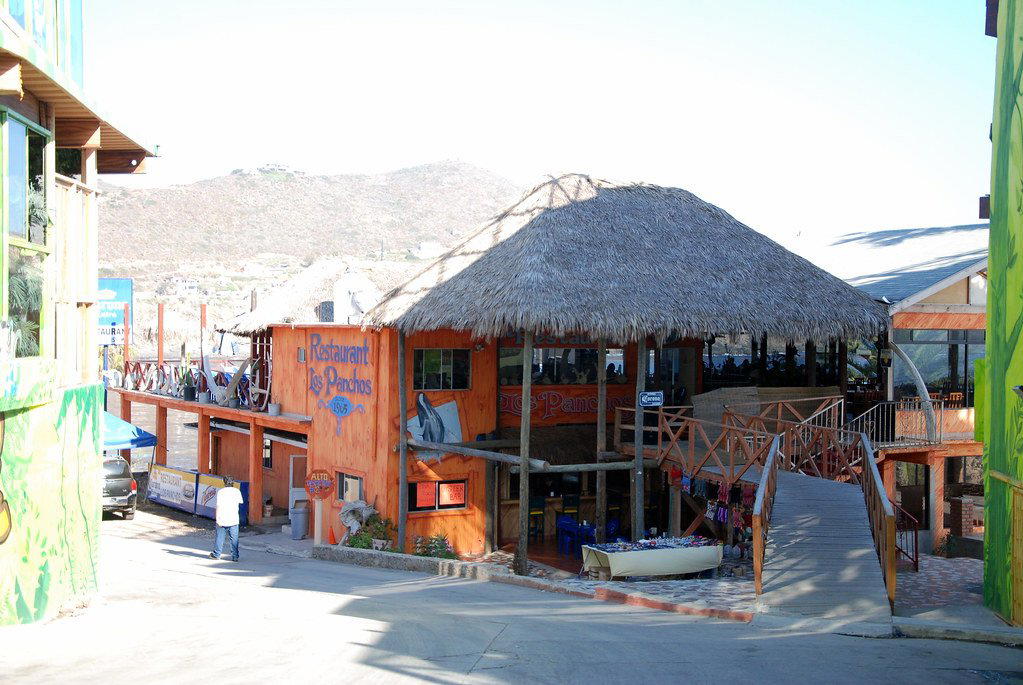
Humo&Sal; sits in the second category, but the Zona Playitas location keeps it away from the wine-country-tourist corridor that defines much of the Valle de Guadalupe experience. Places like Los Panchos serve a more central, accessible Ensenada crowd. Humo&Sal;'s coastal-highway address filters for a different visitor: someone willing to drive to Km 108 and arrive with the expectation of a considered experience rather than a drop-in drink.
For those building a broader Mexican bar itinerary, Sabina Sabe in Oaxaca offers the agave-focused benchmark against which Baja's smoke-driven programs can be measured, and Aruba Day Drink in Tijuana, roughly ninety minutes north, represents a different coastal-border iteration of the same regional energy. Coco Bongo in Cancun sits at the opposite end of the spectrum entirely, as a reference point for what Humo&Sal; is clearly not: high-volume, performance-led, and tourist-indexed. The Pacific coast has consistently produced programs that trend toward restraint and ingredient focus over spectacle.
For Pacific-facing bar culture outside Mexico, Bar Leather Apron in Honolulu provides a useful comparison point: both programs operate in coastal resort-adjacent markets while maintaining a format discipline that keeps them distinct from the surrounding hotel-bar noise.
Planning the Visit
Humo&Sal;'s Km 108 address in Zona Playitas means a car is the practical requirement; the location does not resolve itself without one. The drive from central Ensenada runs along the coast, and the journey functions as arrival preparation, the Pacific is present the entire way. For visitors coming from Tijuana or crossing from the US side, factoring in the full Ensenada visit as a dedicated day trip rather than a stopover makes the logistics coherent.
How It Stacks Up
Comparable venues nearby, for context on price, style, and recognition.
| Venue | Cuisine | Price | Awards | Notes |
|---|---|---|---|---|
| Humo&SalThis venue — the venue you are viewing | cocktail_bar | $$ | , | |
| Hussong’s Cantina | dive_bar | $$ | , | Zona Centro |
| Los Panchos | Bar | $$ | , | La Bufadora |
| Cocina Mexicana Restaurante. | Mexican Seafood | $$ | , | Ensenada Municipality |
| Los Panchos | Authentic Mexican Taqueria | $$ | , | Maneadero |
| Laja | Baja Med Farm-to-Table | $$$$ | , | Valle de Guadalupe |
Continue exploring
More in Ensenada
Bars in Ensenada
Browse all →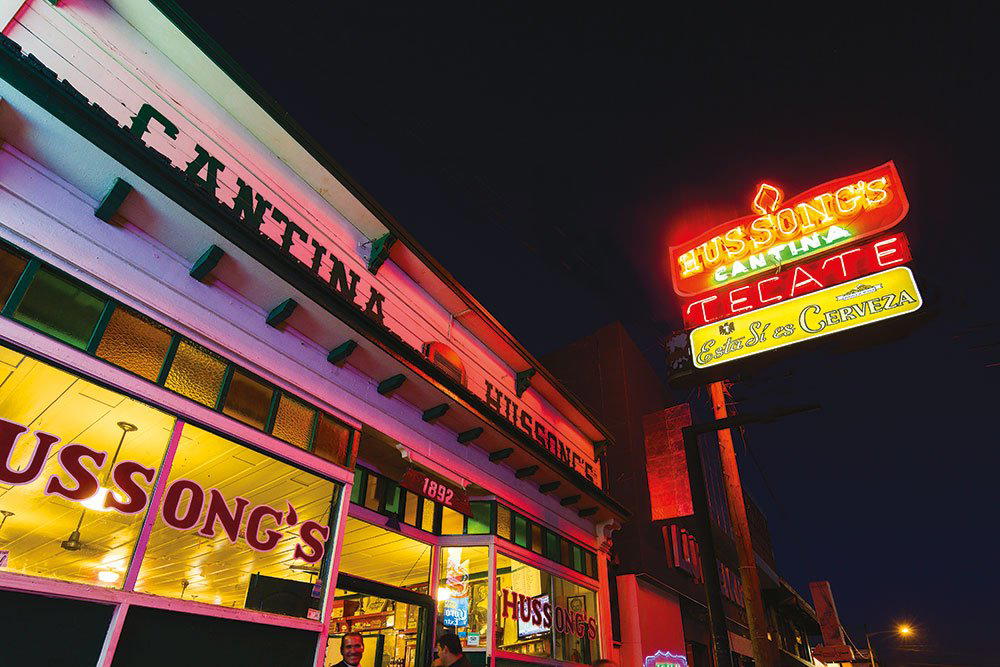
Restaurants in Ensenada
Browse all →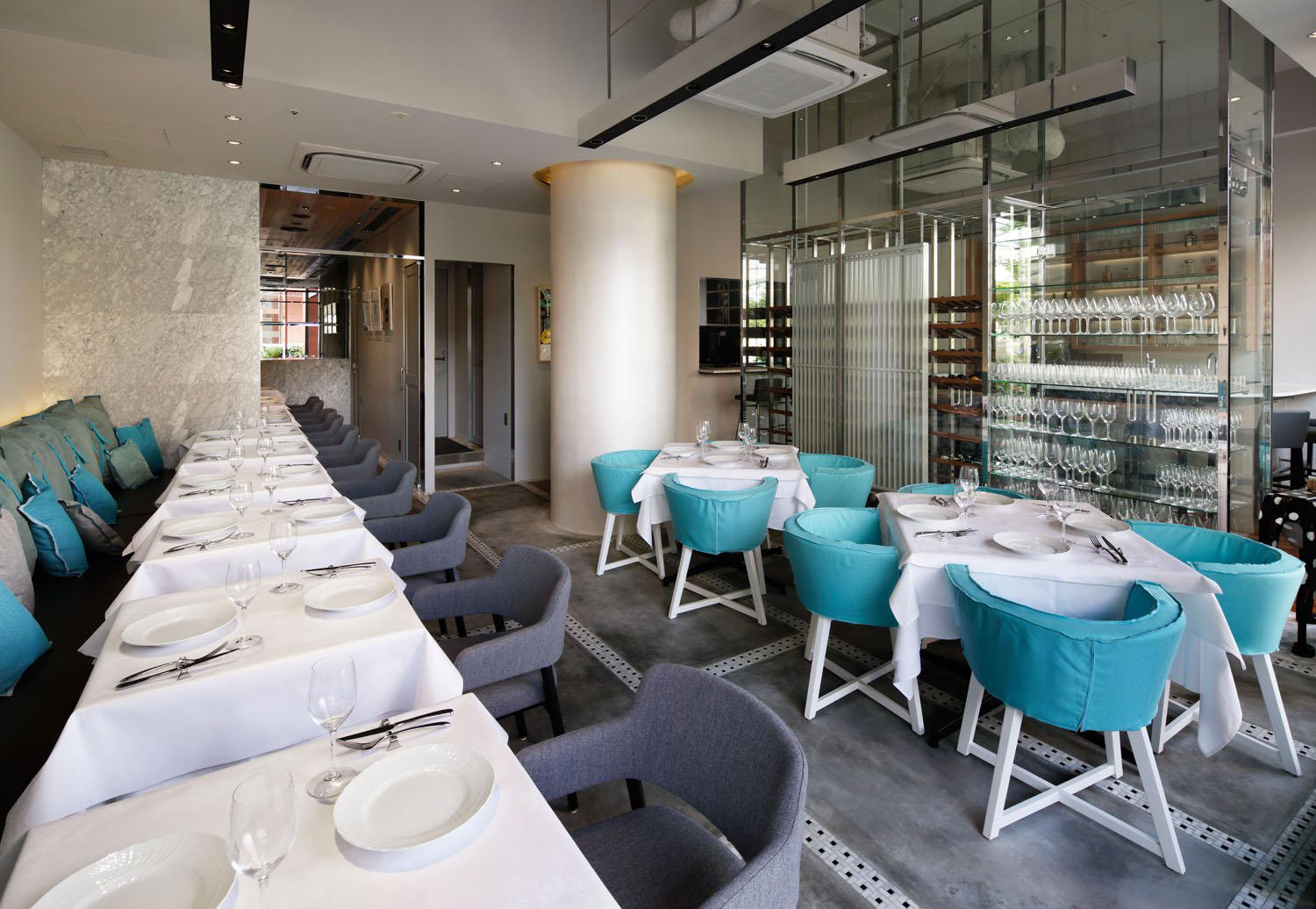
Hotels in Ensenada
Browse all →
At a Glance
- Modern
- Trendy
- Cozy
- Date Night
- Casual Hangout
- Celebration
- Standalone
- Seated Bar
- Lounge Seating
- Outdoor Terrace
- Craft Cocktails
- Mezcal
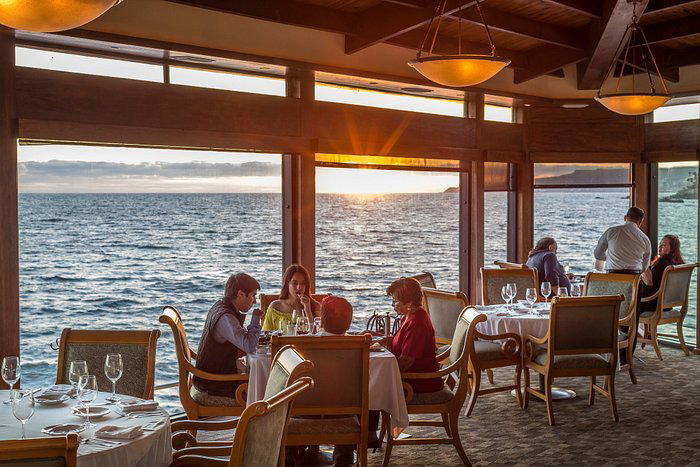
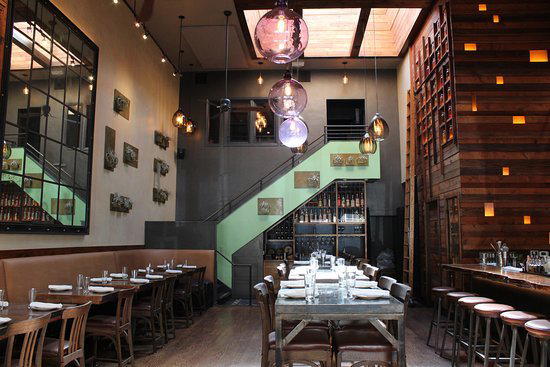
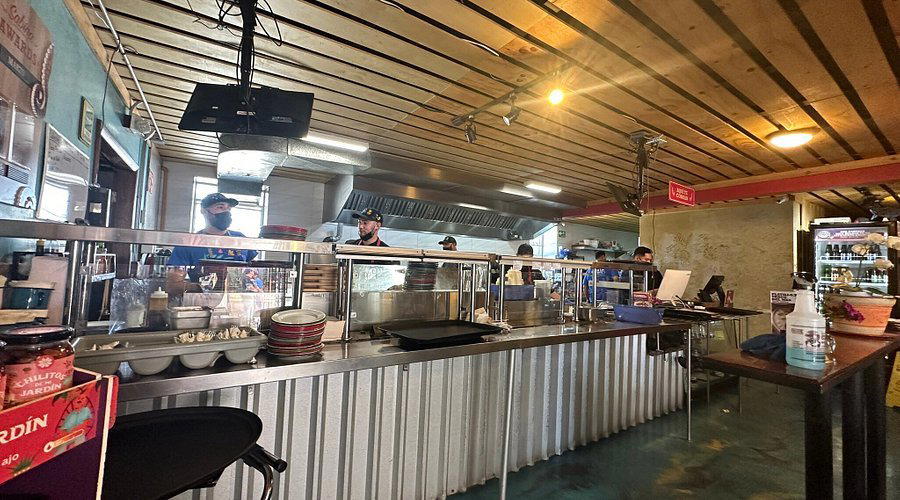
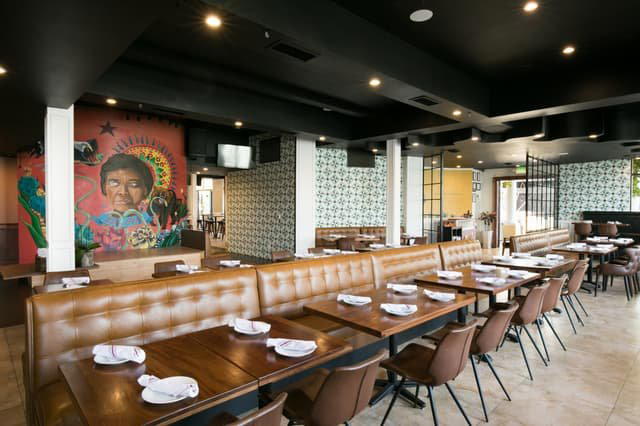
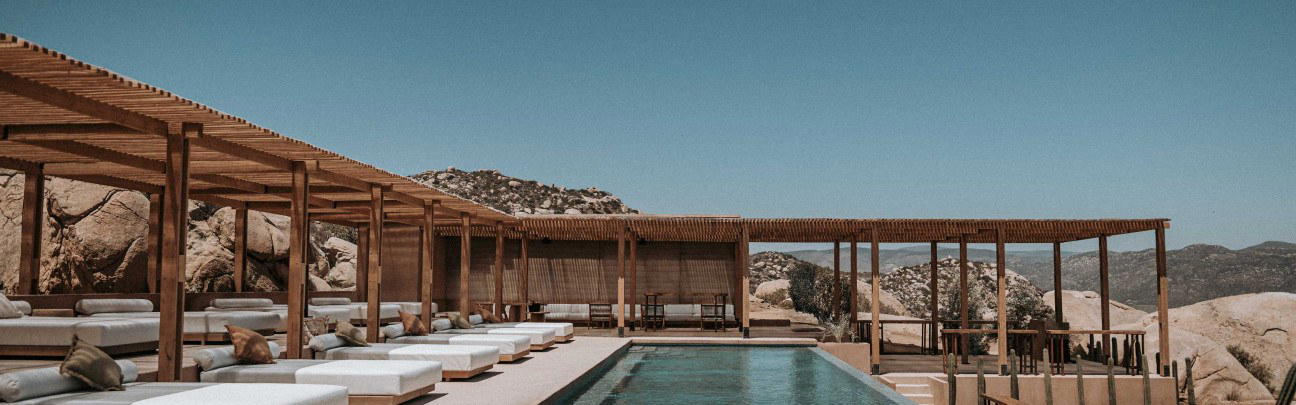
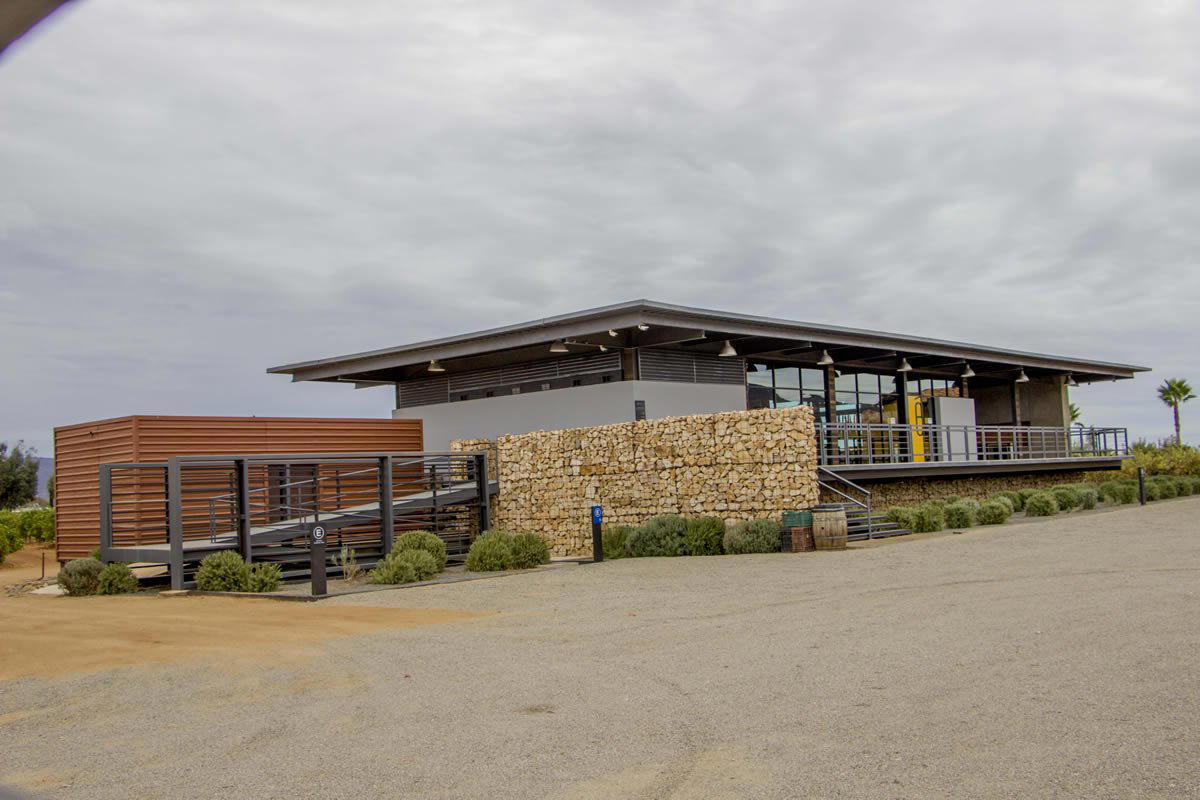
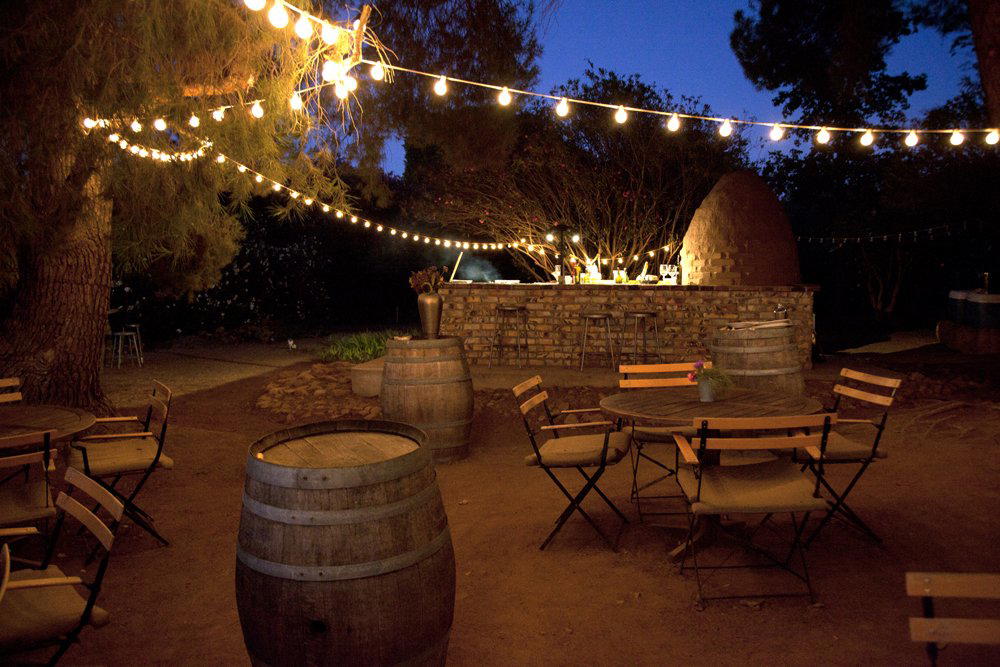
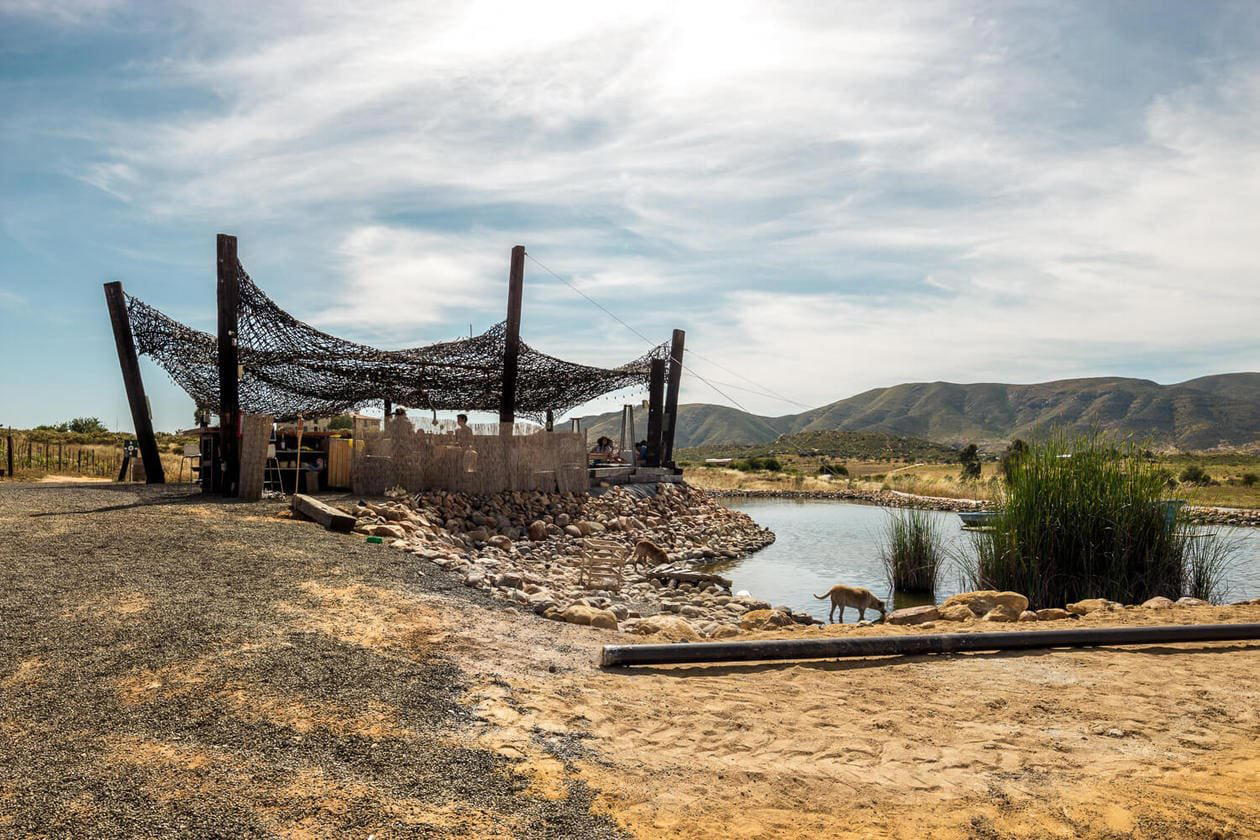
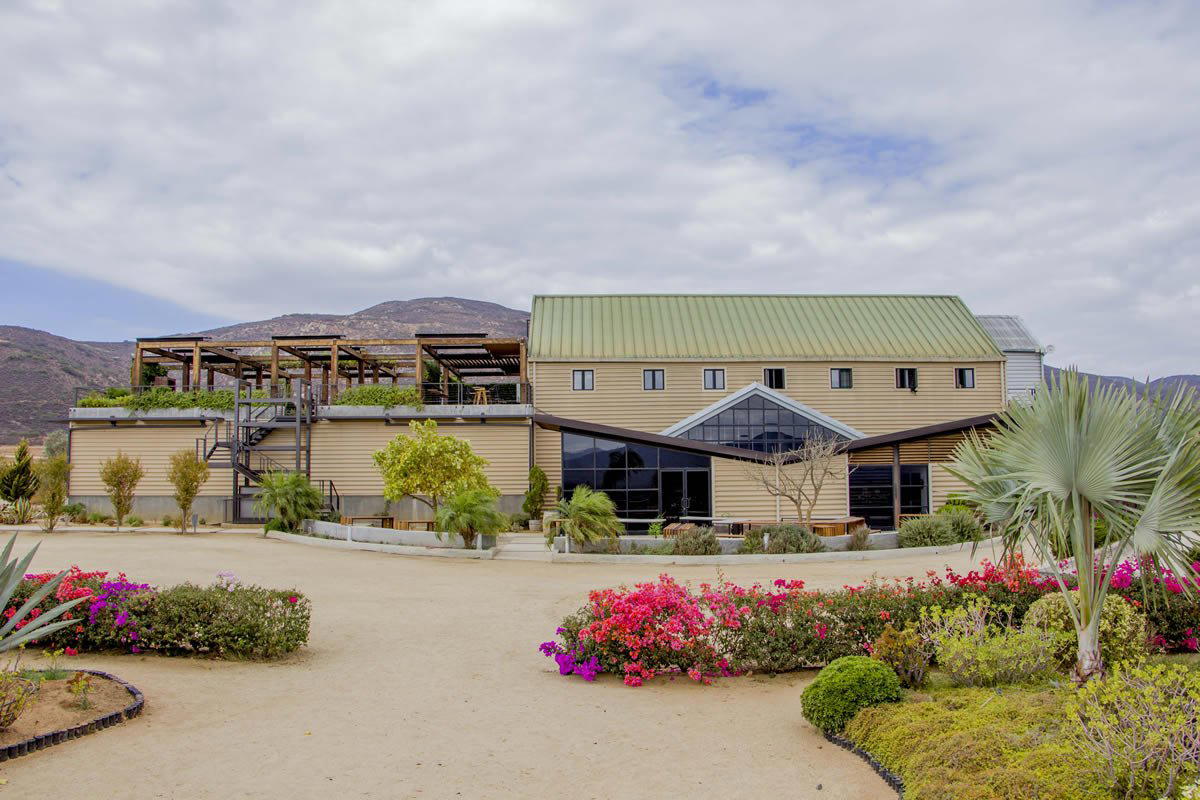
Sleek, modern box-like dining room with stylish interior creating a welcoming coastal atmosphere, complemented by outdoor seating.