Vinícola 3 Mujeres
Vinícola 3 Mujeres sits along the Ruta del Vino corridor in Francisco Zarco, Baja California — one of Mexico's most active wine-producing zones. The name signals something deliberate: a project shaped by female perspective in a region where that remains a minority voice. Visitors arrive for both the wines and the chance to experience Valle de Guadalupe viticulture outside the larger commercial operations.
Pearl is the En Primeur Club membership app — saves, bookings, and concierge access live there. Same editors, same standards.
- Address
- Km. 87, México 3, 22753 Francisco Zarco, B.C., Mexico
- Phone
- +52 646 171 5674
- Website
- facebook.com
- Directions
- Get directions
 Saves & bookings on Pearl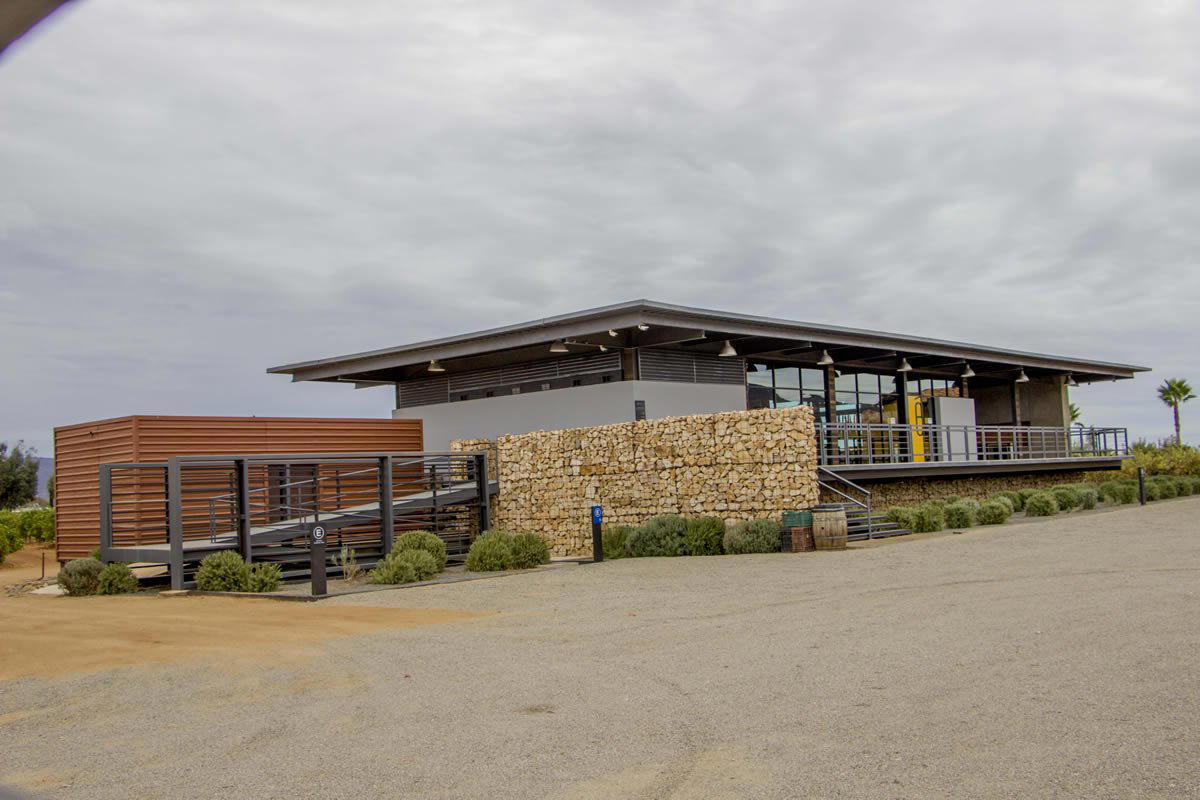
A Winery Defined by the Valley It Occupies
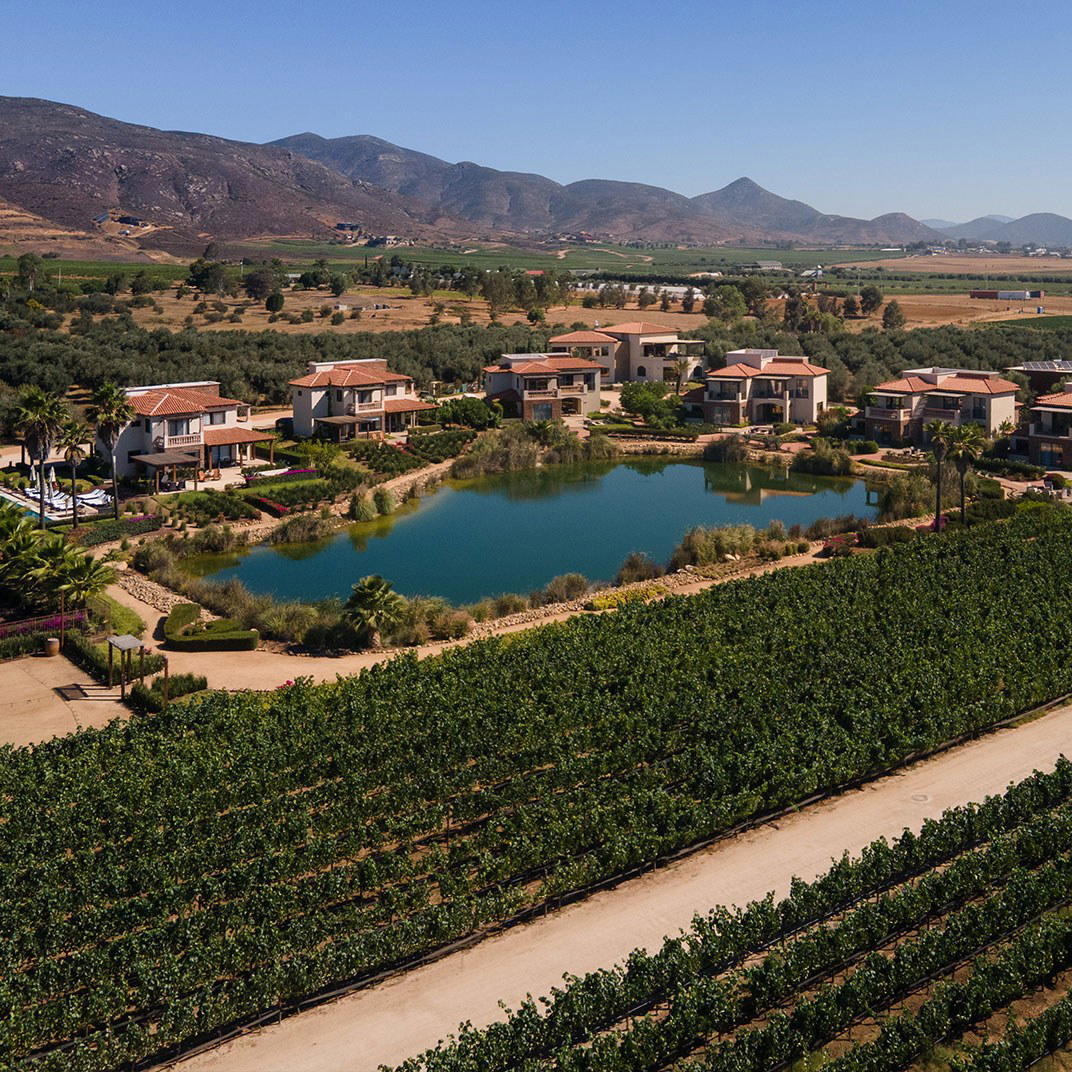
The road into Francisco Zarco along México Highway 3 passes through a compressed stretch of vineyards, tasting rooms, and olive groves that, over the past two decades, has transformed into one of Latin America's most consequential wine corridors. Valle de Guadalupe now produces a significant share of Mexico's bottled wine, and Francisco Zarco sits at the corridor's productive core. Within that context, Vinícola 3 Mujeres occupies a specific position: a producer whose name itself signals an editorial point of view rather than a family dynasty or a corporate portfolio.
The winery's address — Km. 87, México 3 — places it squarely on the Ruta del Vino, the informal circuit that wine-focused visitors follow through the valley. That positioning matters. Properties on this stretch operate in direct comparison with one another, and visitors arriving with some knowledge of the region will immediately read 3 Mujeres against its neighbours. The more established operations here have decades of vintage data and export track records. Smaller, philosophy-driven producers like 3 Mujeres appeal to a different kind of visitor: one drawn to origin stories and intentional constraints rather than to volume or trophy labels. For a broader picture of what Francisco Zarco offers across wine, dining, and hospitality, see our full Francisco Zarco restaurants guide.
The Significance of the Name
In Mexican wine culture, producer identity often traces through male lineage or colonial estate heritage. Vinícola 3 Mujeres signals a departure from that norm, a project framed around female authorship in a valley where most winery names reference family surnames, geographic features, or founding patriarchs. This is not a minor distinction. Valle de Guadalupe's emerging reputation has been built in part by producers willing to define themselves against inherited templates, and 3 Mujeres sits inside that current of differentiation.
That framing connects to a broader pattern visible across artisan wine production globally. When a producer foregrounds perspective rather than heritage, the wines tend to be read as expressions of intention rather than of accumulated tradition. Whether 3 Mujeres meets that standard is something each visitor's palate will assess for themselves, but the positioning is coherent and worth taking seriously before arrival.
Valle de Guadalupe as a Reference Point
Understanding where 3 Mujeres sits in the regional hierarchy requires a short orientation to the valley itself. Baja California's wine identity is built on a Mediterranean-adjacent climate: warm, dry summers, cool Pacific-influenced nights, and soils ranging from granite-laden hillside plots to the sandy loam of the valley floor. These conditions suit varieties that have migrated from Southern France, Italy, and Spain, and the region's producers increasingly lean into that heritage rather than chasing Napa-style Cabernet orthodoxy.
Producers in the valley operate at very different scales. At one end sit volume-oriented wineries with national distribution and export programs. At the other end, small-batch operations work with limited tonnage and direct sales through tasting rooms and wine tourism. 3 Mujeres, based on its address and profile, belongs closer to the latter category, the kind of producer whose output is leading encountered in person, at the source, rather than through a retailer shelf. That makes the Ruta del Vino visit the primary access point, and it shapes how you should plan the experience.
For context on how other notable Mexican producers approach their craft and identity, the tequila and mezcal side of Mexico's spirits tradition offers instructive parallels. Operations like Jose Cuervo (La Rojeña) in Tequila, La Primavera (Don Julio) in Atotonilco El Alto, and Los Danzantes in Santiago Matatlán each represent distinct approaches to Mexican production identity, from heritage-scale estate operations to craft-focused mezcal producers. The contrast sharpens what makes Baja wine culture, and Valle de Guadalupe in particular, its own distinct axis of Mexican beverage production.
The Visitor Experience on the Ruta del Vino
Most visitors to the valley arrive as part of a longer day or weekend circuit. Francisco Zarco is not a destination that rewards a single-stop approach, the payoff comes from moving between producers, comparing styles, and developing a sense of how the valley's microclimates and producer philosophies interact. 3 Mujeres fits naturally into that circuit format rather than anchoring it.
Proximity to neighbouring producers, including Finca La Carrodilla, means that a visit to 3 Mujeres can be paired with other estates along the same stretch of highway. The valley's tasting room culture has evolved considerably since the early 2000s. What was once an informal collection of family producers has developed into a more curated experience economy, with some wineries offering food pairings, cellar tours, and reservations-only formats alongside open-door walk-in visits.
Since no booking details, hours, or specific tasting formats for 3 Mujeres are confirmed in available data, prospective visitors should plan around the valley's general rhythms: weekend visits are busier and warrant earlier arrival, weekday mornings on the corridor tend to be quieter, and the harvest period from August through October brings the valley to its most active and photogenic state.
Placing 3 Mujeres in the Wider Craft Spirits and Wine Picture
Mexico's artisan production scene extends well beyond Baja. The mezcal corridor in Oaxaca, anchored by producers like Don Amado (Arellanes family) in Santa Catarina Minas, the Banhez (UPADEC cooperative) in San Miguel Ejutla, Casa Cortés in La Compañía, and El Rey de Matatlán in Tlacolula de Matamoros, represents a parallel tradition of small-scale, terroir-expressive production shaped by indigenous knowledge and geographic specificity. The tequila side, including Casa Herradura in Amatitán, Cazadores Distillery in Arandas, and El Pandillo (G4) in Jesús María, operates at different scales but shares the same impulse toward production transparency that now drives Valle de Guadalupe's wine identity.
What distinguishes 3 Mujeres from those categories is the wine medium itself and the specific cultural statement embedded in the name. Baja wine tourism draws visitors who may also follow Napa or Burgundy closely, producers like Accendo Cellars in St. Helena represent the Napa allocation tier that some Baja visitors use as a reference point. For Scotch comparison, Aberlour in Aberlour and Hacienda Corralejo in Pénjamo round out the global craft production picture for readers tracking premiumisation across categories. Against all of that, 3 Mujeres operates in a niche that is distinctly its own: a Mexican wine producer framing its identity through female authorship, in a valley that has built its reputation on exactly this kind of intentional distinctiveness.
Planning Your Visit
The winery sits at Km. 87 on México Highway 3, making it locatable by kilometre marker, the standard navigation method for the Ruta del Vino corridor, where posted street addresses are less reliable than highway markers. No phone or website is confirmed in current data, so the most practical approach is to visit as part of a broader valley circuit, checking with your accommodation or a local tour operator about current opening days and whether advance contact is possible. The valley operates most actively from Thursday through Sunday, with weekends drawing the largest crowds. If you are building a focused wine itinerary for the region, pairing this visit with nearby producers on the same stretch of highway remains the most efficient and contextually rich approach.
Continue exploring
More in Francisco Zarco
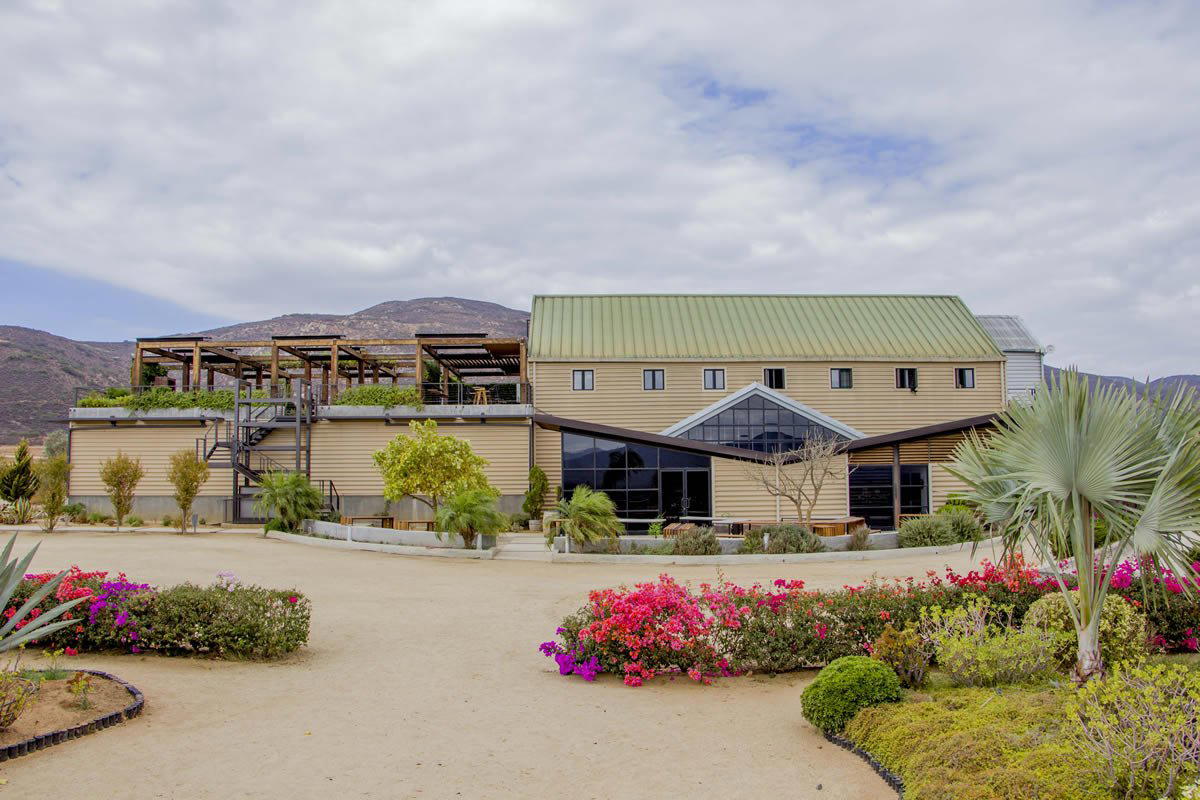
Wineries in Francisco Zarco
Browse all →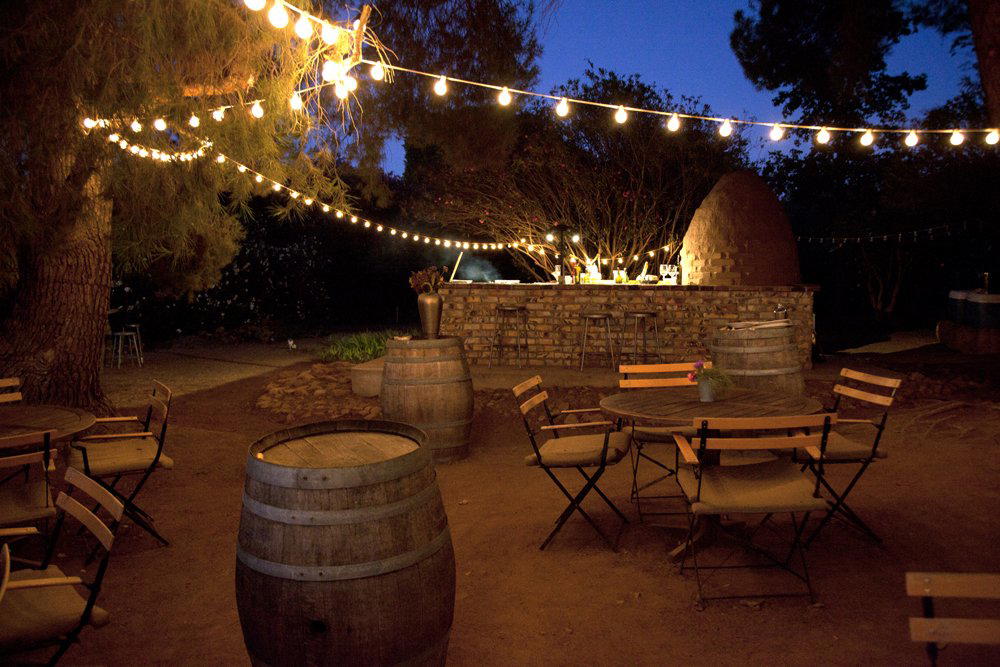

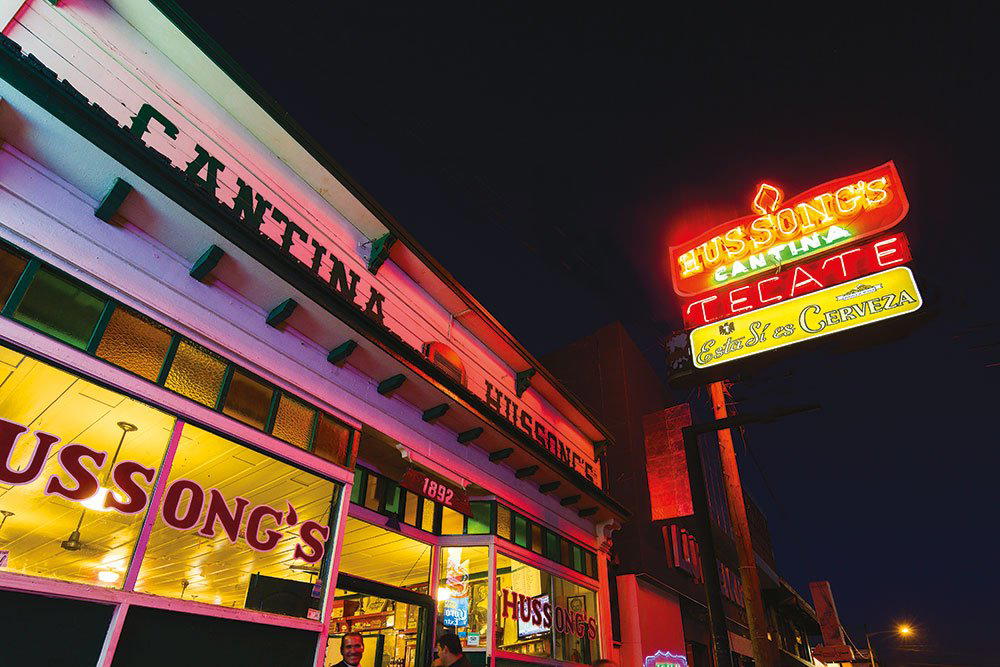
Bars in Francisco Zarco
Browse all →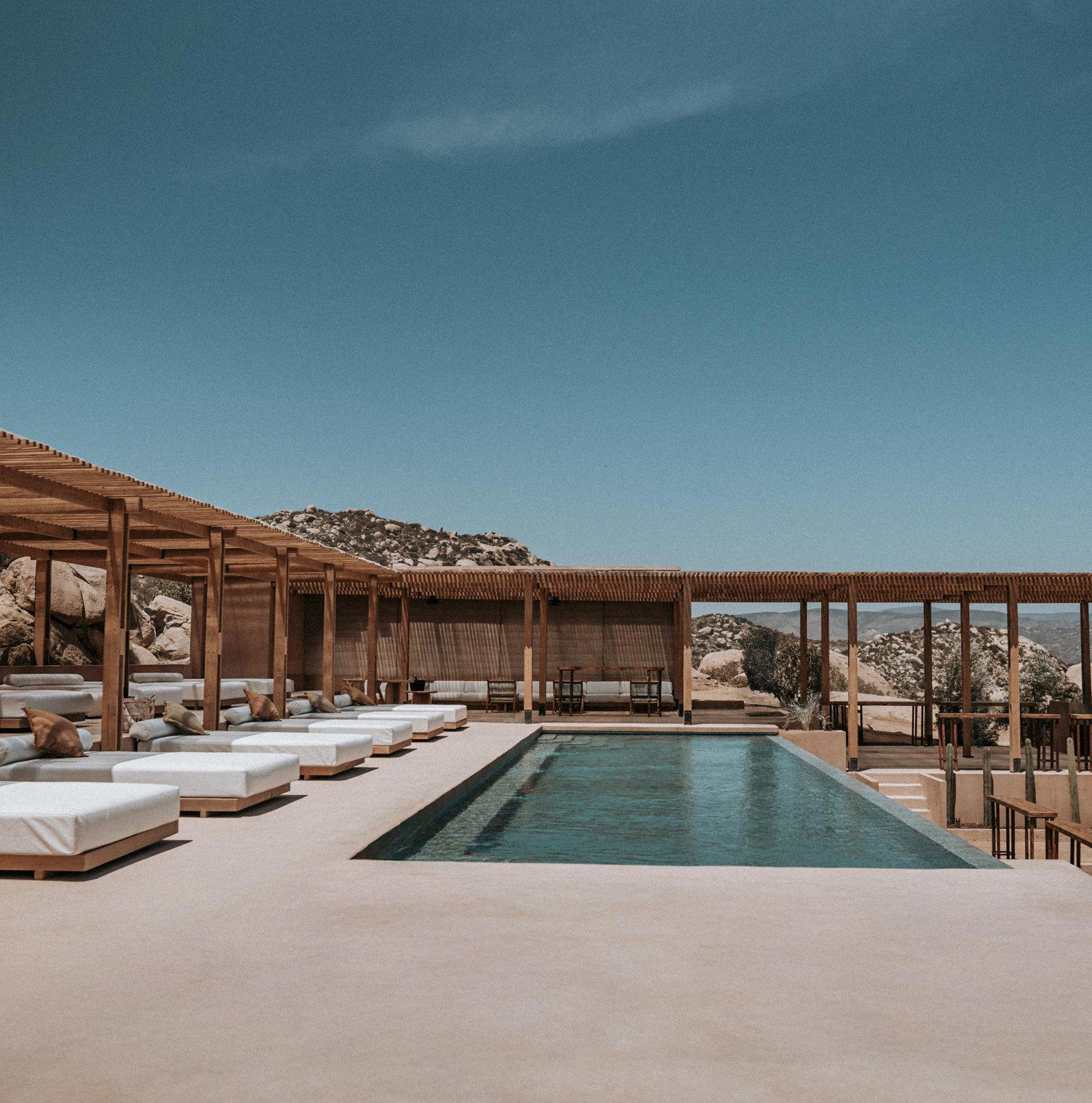
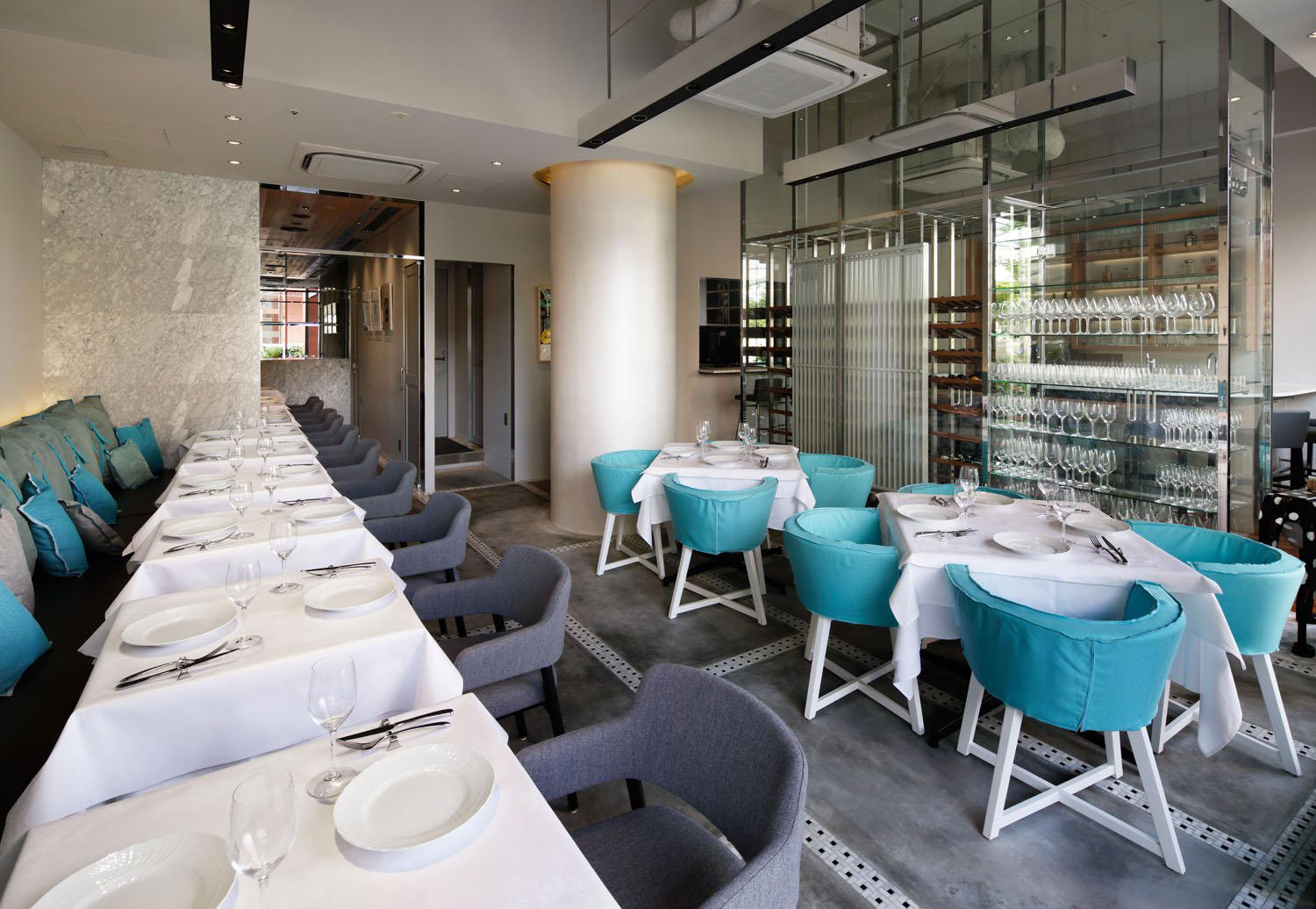
Restaurants in Francisco Zarco
Browse all →
At a Glance
- Rustic
- Intimate
- Bohemian
- Romantic Getaway
- Wine Education
- Solo Exploration
- Group Outing
- Cave Tasting
- Private Tasting
- Estate Grounds
- Organic
- Sustainable
- Vineyard
- Valle De Guadalupe
- Barbera
- Tempranillo
- Still Red
- Still White
- Still Rosé
- Cave Tasting
- Sensory Tasting
- Food Pairing
Current opening hours
- Monday
- Closed
- Tuesday
- Closed
- Wednesday
- Closed
- Thursday
- Closed
- Friday
- 11 AM–5 PM
- Saturday
- 11 AM–5 PM
- Sunday
- 11 AM–5 PM
Hours can change for holidays and private events. Last verified .
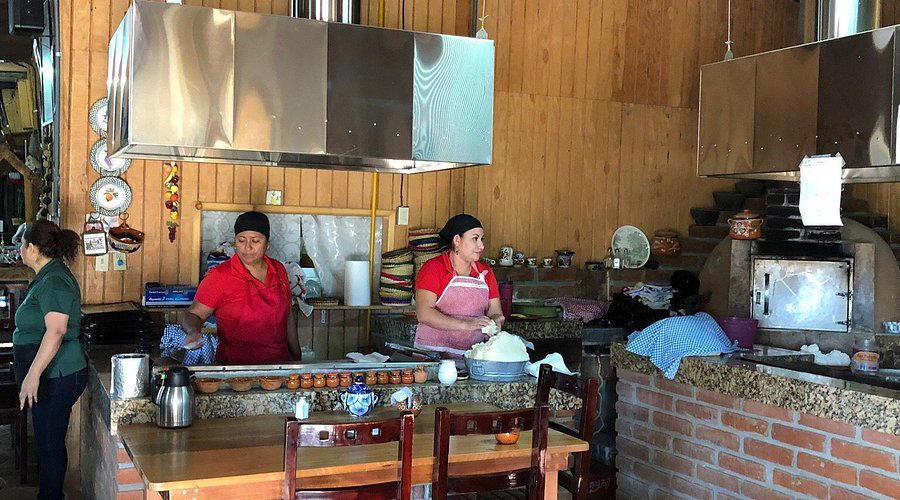
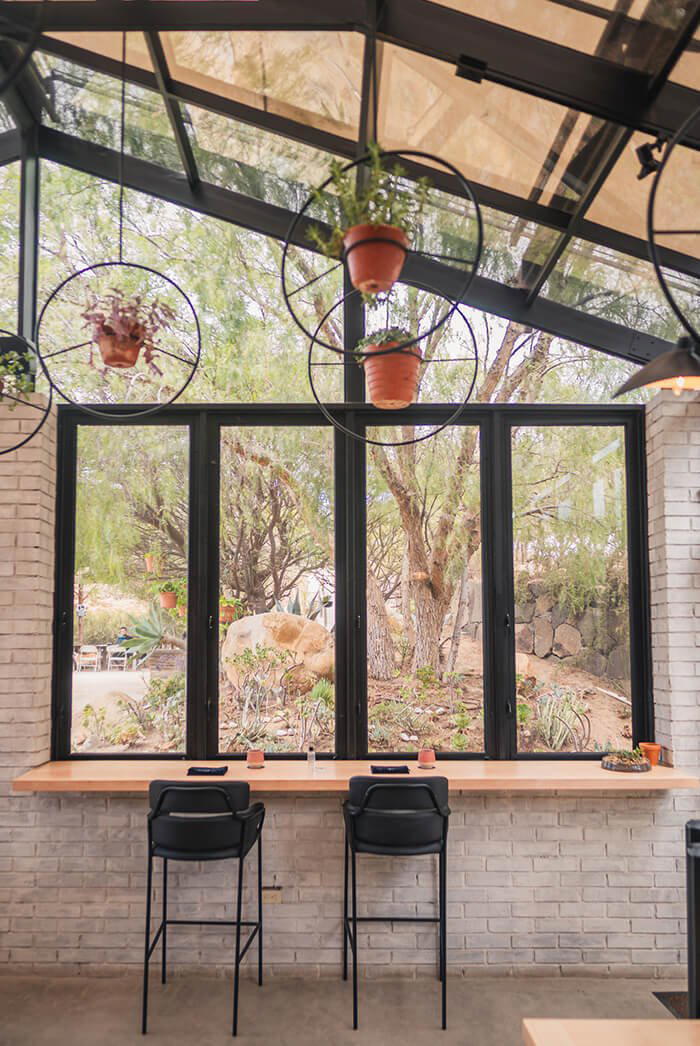
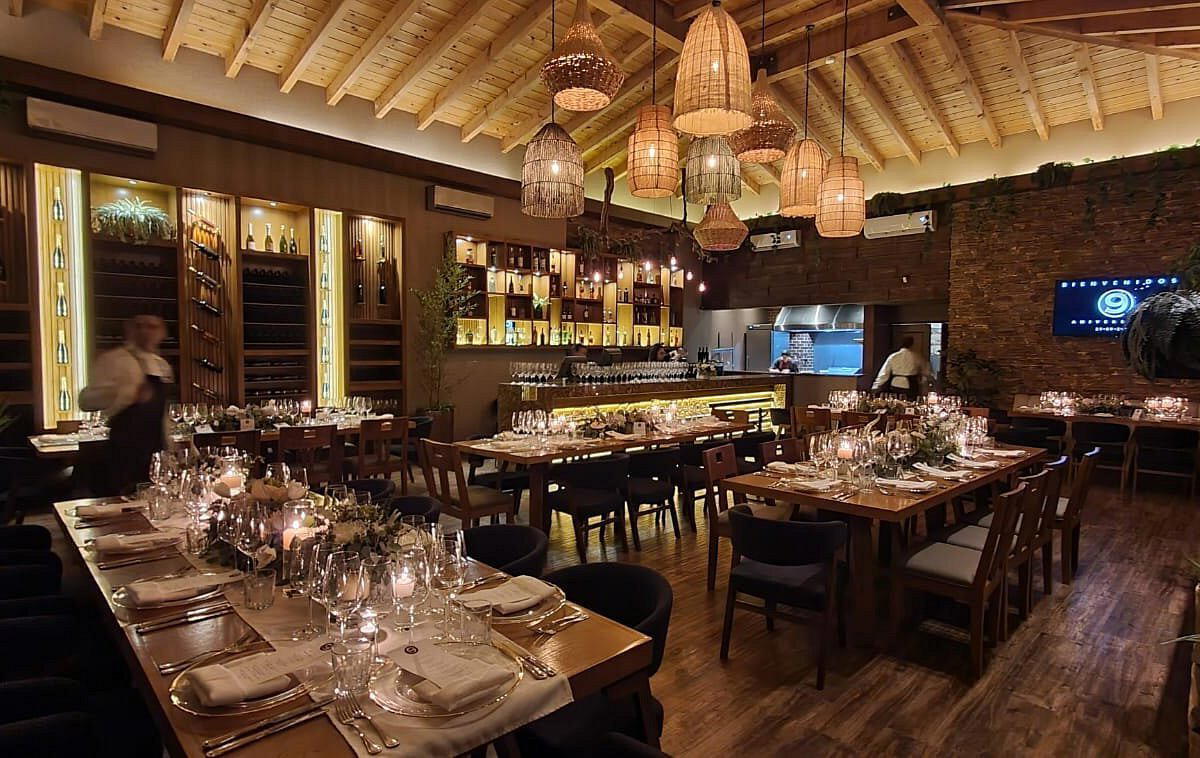
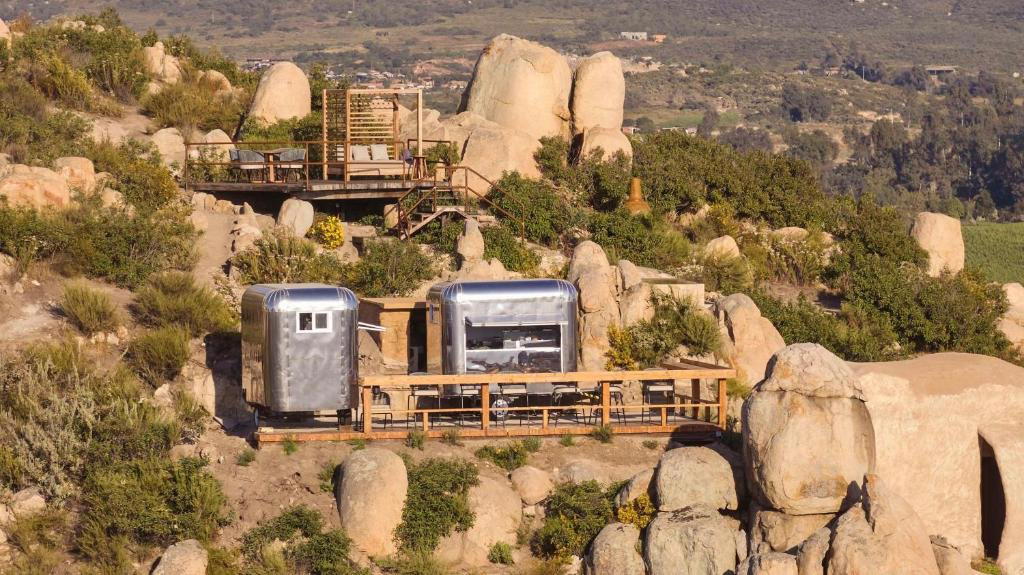
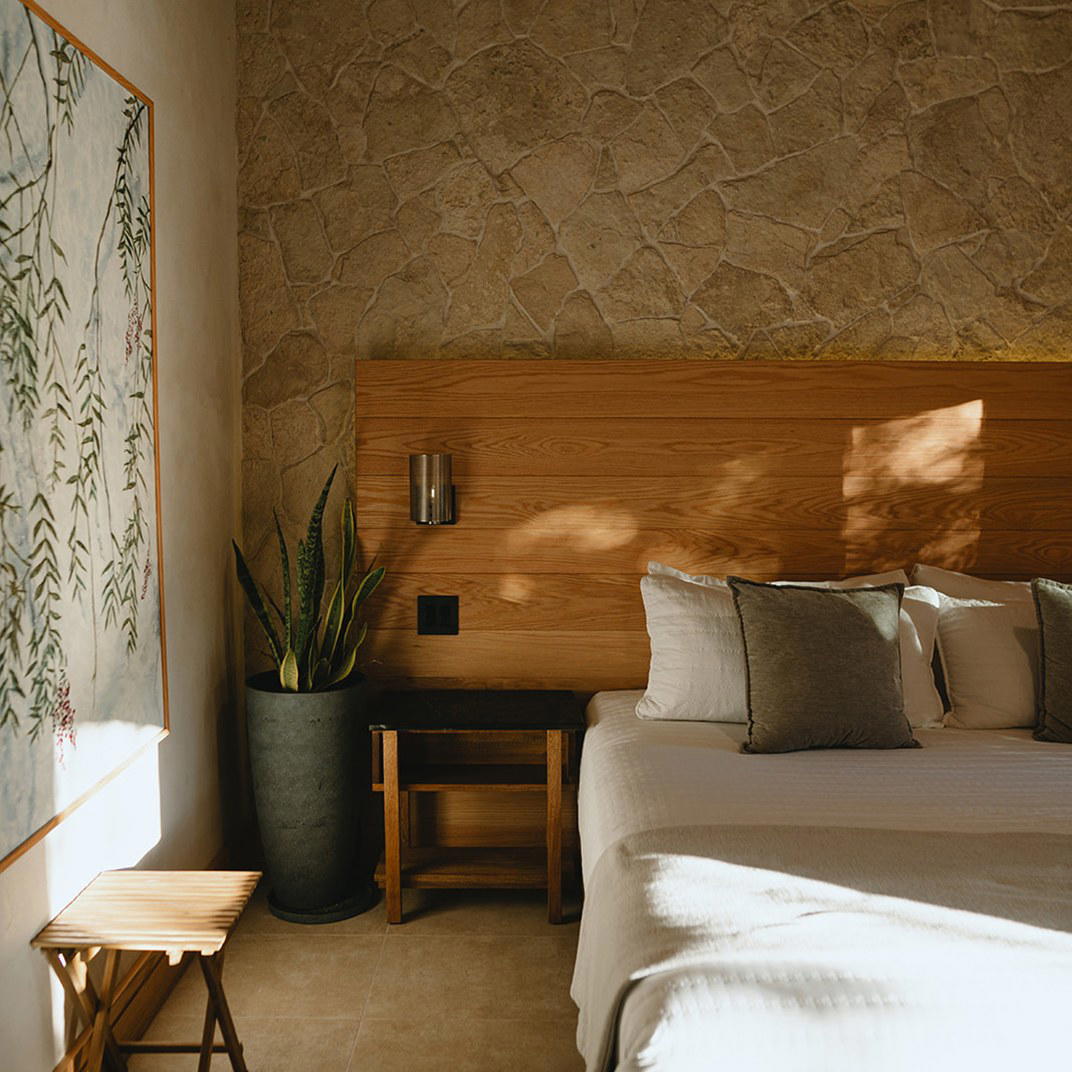
Intimate rustic charm with artistic touches in a cave-like tasting room; warm, personal atmosphere enhanced by family-led tastings and handcrafted ceramics.
Know Before You Go
- Getting there
- Km. 87, México 3, 22753 Francisco Zarco, B.C., Mexico