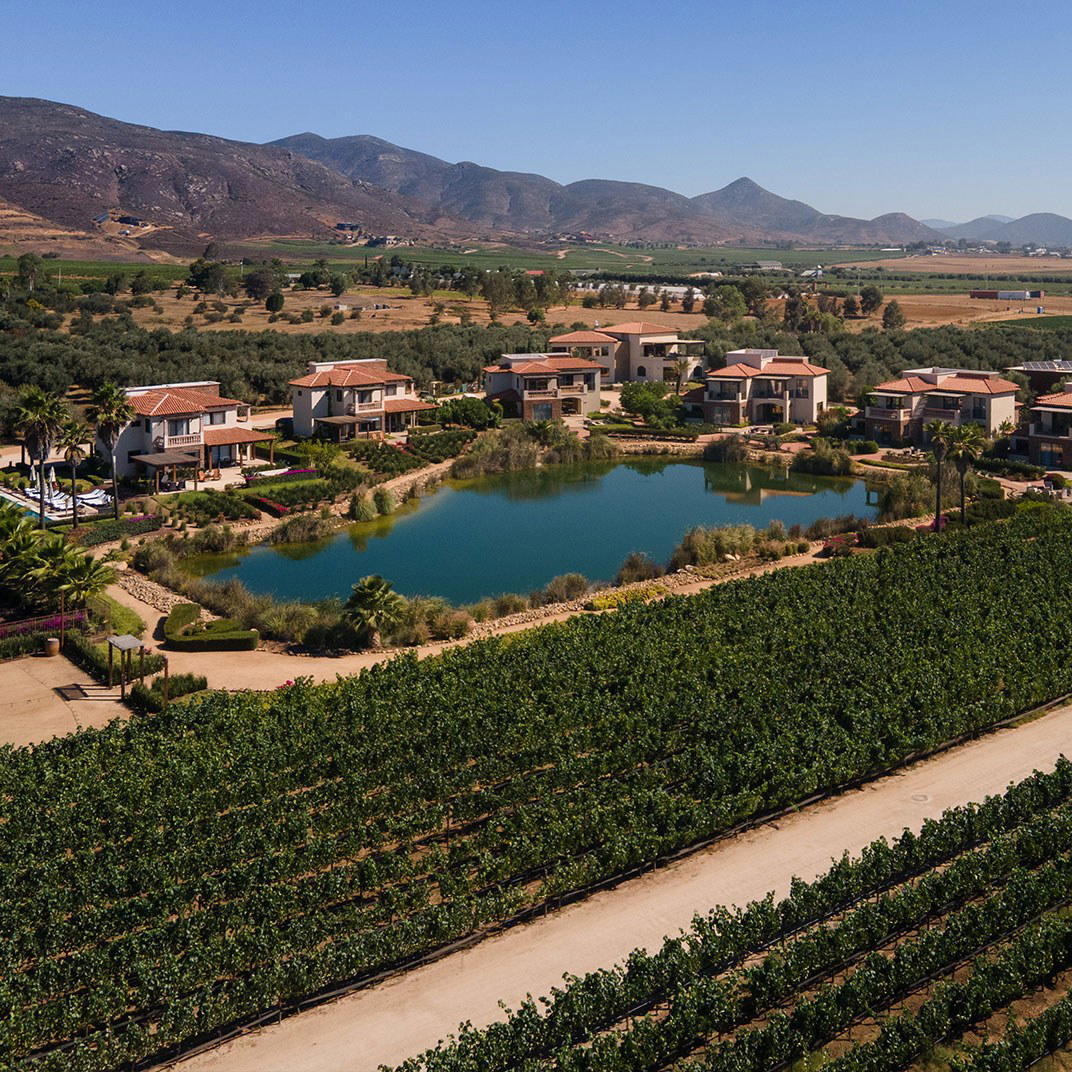
Bruma Valle de Guadalupe sits in the wine country of Francisco Zarco, Baja California, where Mexico's most serious wine-producing valley meets an architecture-forward hospitality concept. The property operates at the intersection of agro-tourism and design-led lodging, positioning it within a small comparable set of estate experiences that treat the vineyard as both backdrop and programme. Visitors arrive for the wine, but stay for the landscape's particular quality of light and the food culture that has grown around it.
Pearl is the En Primeur Club membership app — saves, bookings, and concierge access live there. Same editors, same standards.
- Address
- Carretera Avinicola La Cetto fraccionamiento, A-B, P74, 22760 Francisco Zarco, B.C., Mexico
- Phone
- +52 646 291 4997
- Website
- brumawineresort.com
- Directions
- Get directions
 Saves & bookings on Pearl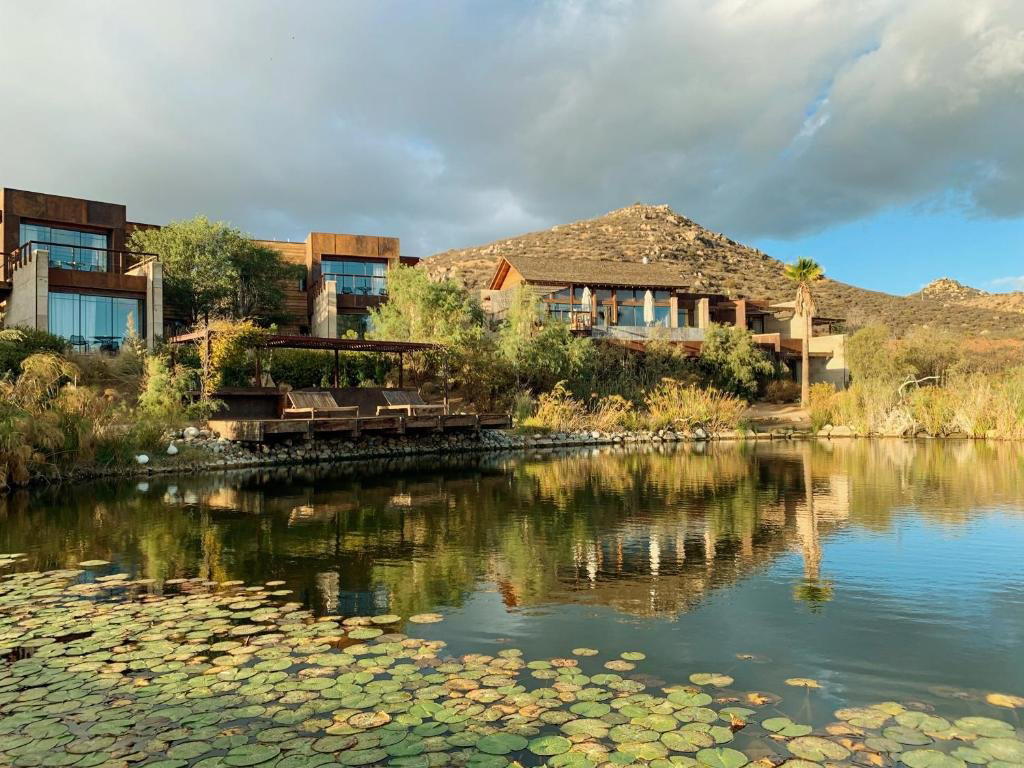
Where the Valle Begins to Make Sense
Valle de Guadalupe has spent the better part of two decades converting from a regional curiosity into one of Latin America's most discussed wine destinations. The valley runs roughly 30 kilometres inland from Ensenada along Baja California's northern corridor, and its identity rests on a combination of Mediterranean-adjacent climate, small-production winemaking, and a food scene that developed organically around the vineyards rather than being imported from the capital. Bruma sits within this context, on Carretera Avínícola in the Francisco Zarco corridor, which is the denser, more established part of the valley where estate properties and tasting rooms cluster most tightly.
Bruma Valle de Guadalupe is a 5-star hotel in Francisco Zarco, Valle de Guadalupe, with 33 rooms and a nightly rate from about $242. Properties here do not compete with the resort infrastructure of Las Ventanas al Paraíso in San José del Cabo or the branded-luxury scale of Montage Los Cabos. They occupy a different category entirely, closer in spirit to the agro-estate model seen at properties like Chablé Yucatán, where the land itself is the programme and the built environment is designed to stay subordinate to it.
The Dining Programme and its Place in the Valley
Food in Valle de Guadalupe operates on a logic that diverges from Mexico City or Guadalajara fine dining. The valley's most-cited restaurants, including the outdoor-format operations that brought international attention to this stretch of Baja, prioritise ingredient immediacy over technique showmanship. The season matters, the proximity to the Pacific matters, and the wine-pairing conversation is built into the meal rather than appended to it.
Across Mexico's premium hospitality tier, properties like One&Only; Mandarina in Riviera Nayarit or Susurros del Corazón in Punta de Mita build dining identities around celebrated chefs and multi-course architecture. The Valle model, and Bruma within it, does something structurally different: the winery and the kitchen share authorship over the experience, and neither dominates. That co-authorship is what makes this corner of Baja feel distinct from the Pacific Coast resort corridor.
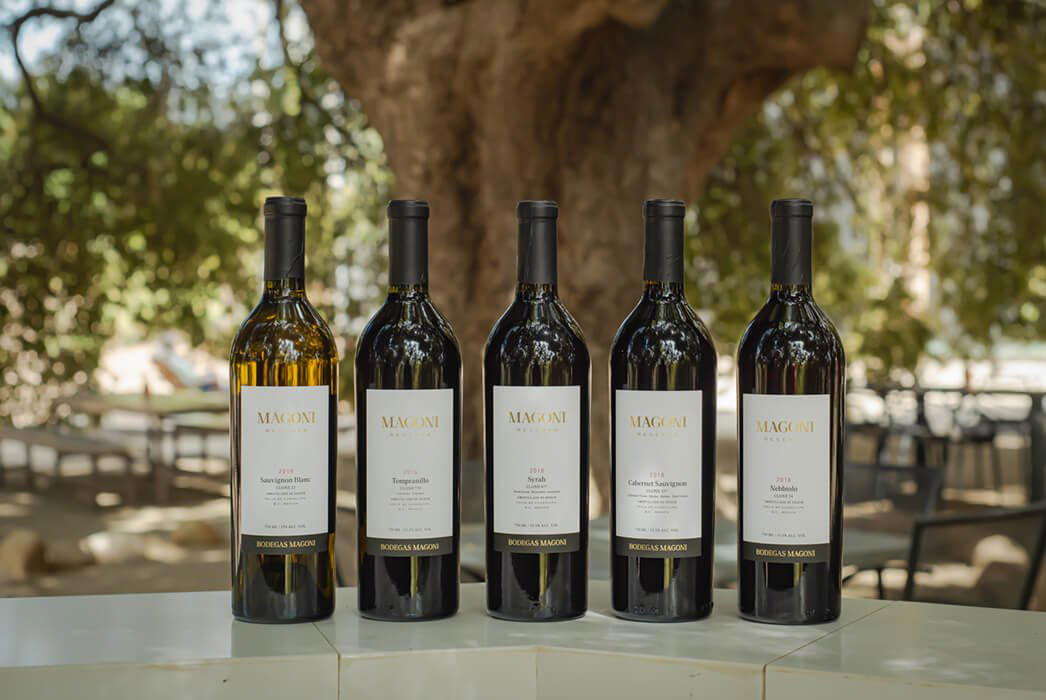
Wine service at Valle de Guadalupe properties runs deepest when it reflects the valley's own production rather than defaulting to imported or national-market bottles. The region has produced internationally recognised Nebbiolo, Tempranillo, and Bordeaux-variety blends, with small producers operating on allocation models that sometimes mirror Burgundy's scarcity logic.
Architecture, Setting, and the Sensory Register
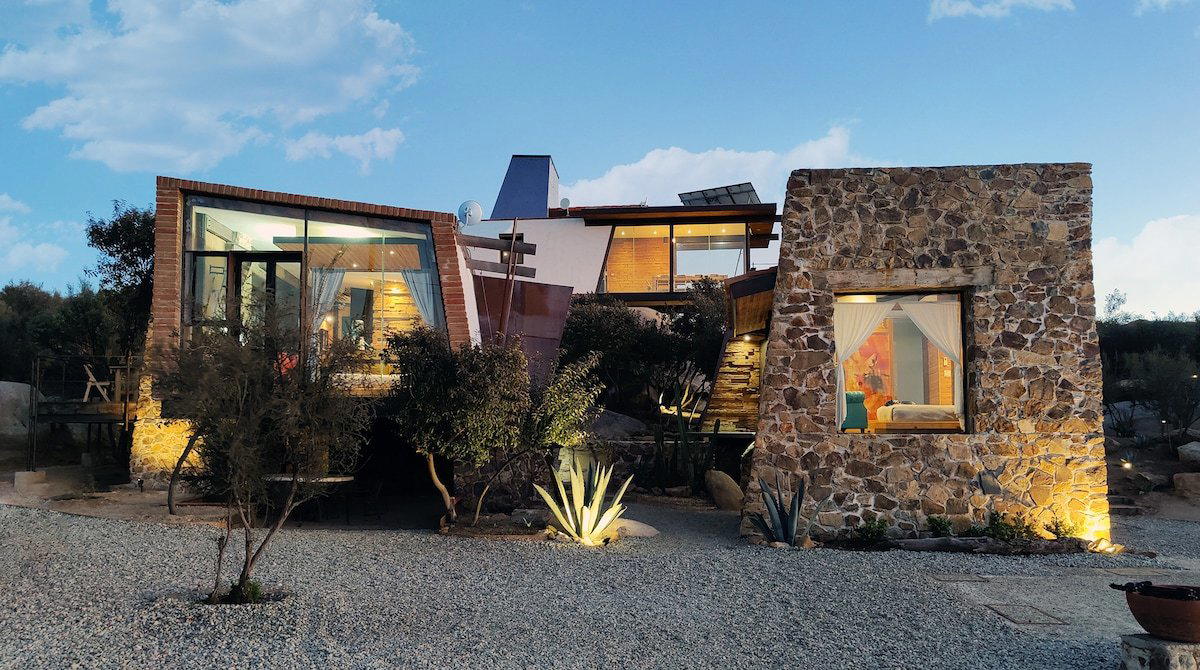
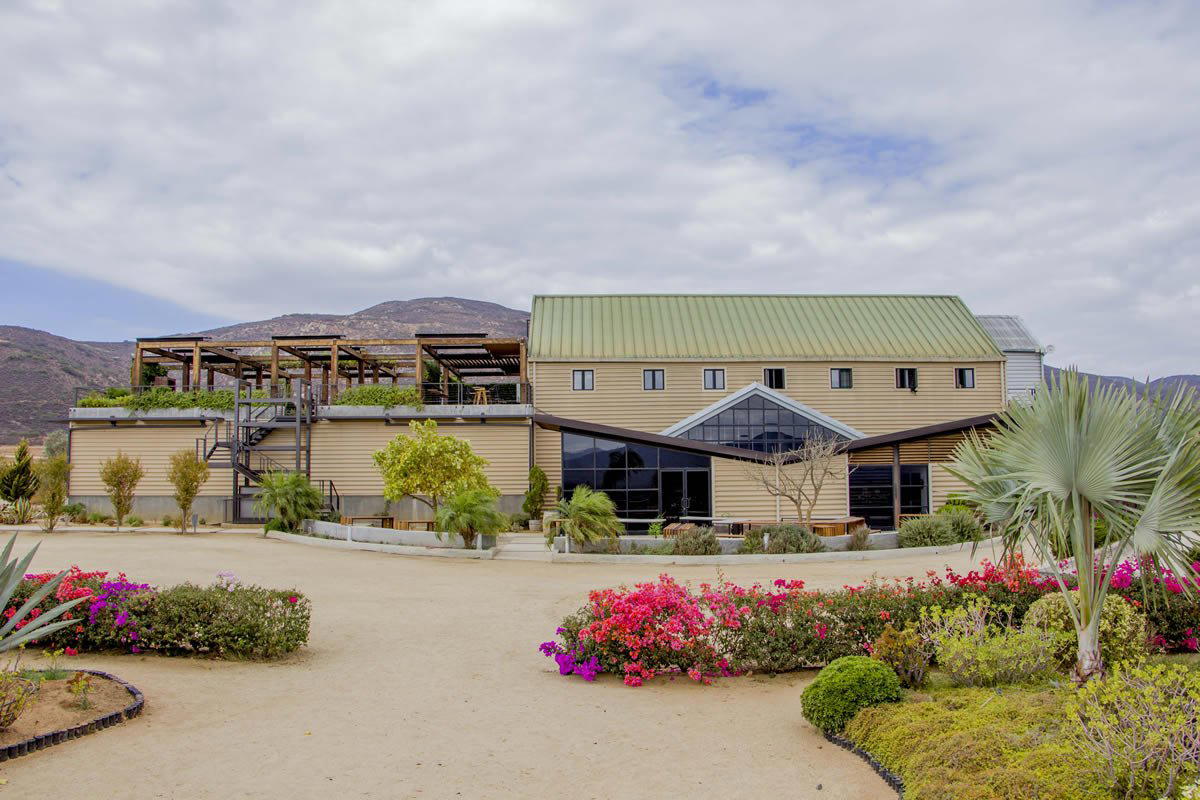
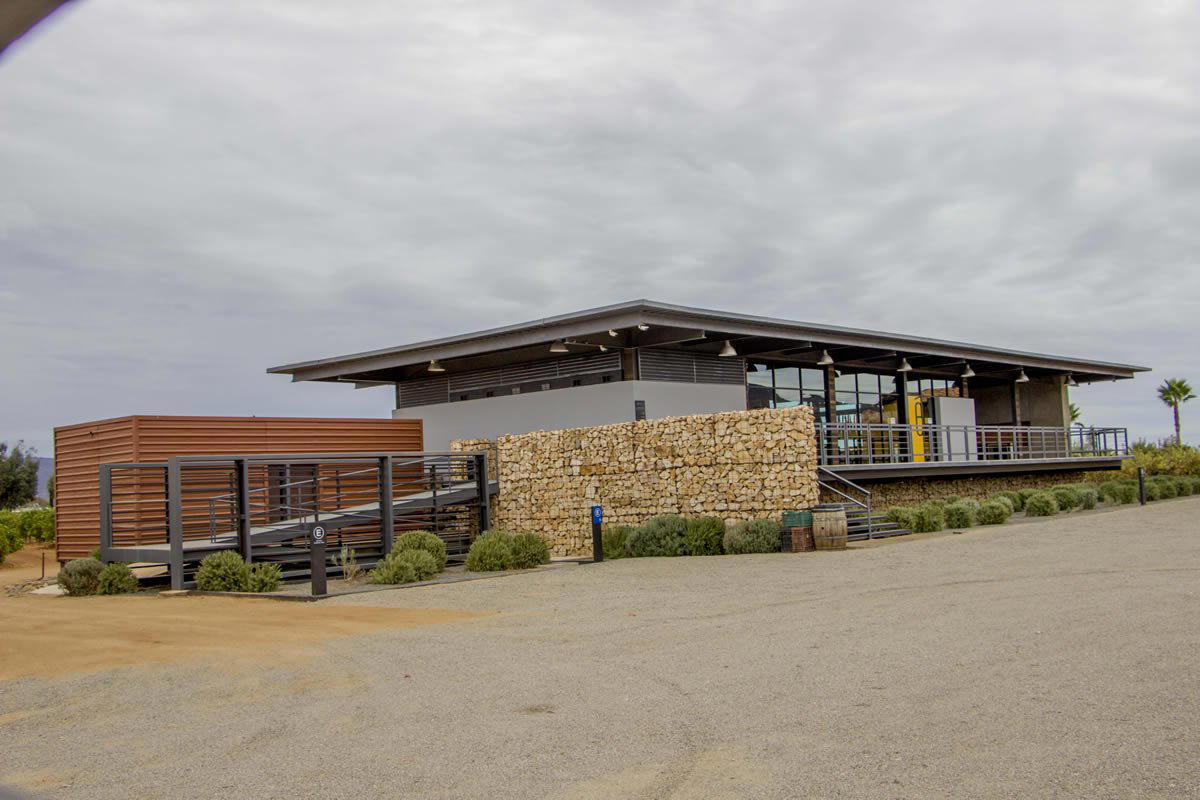
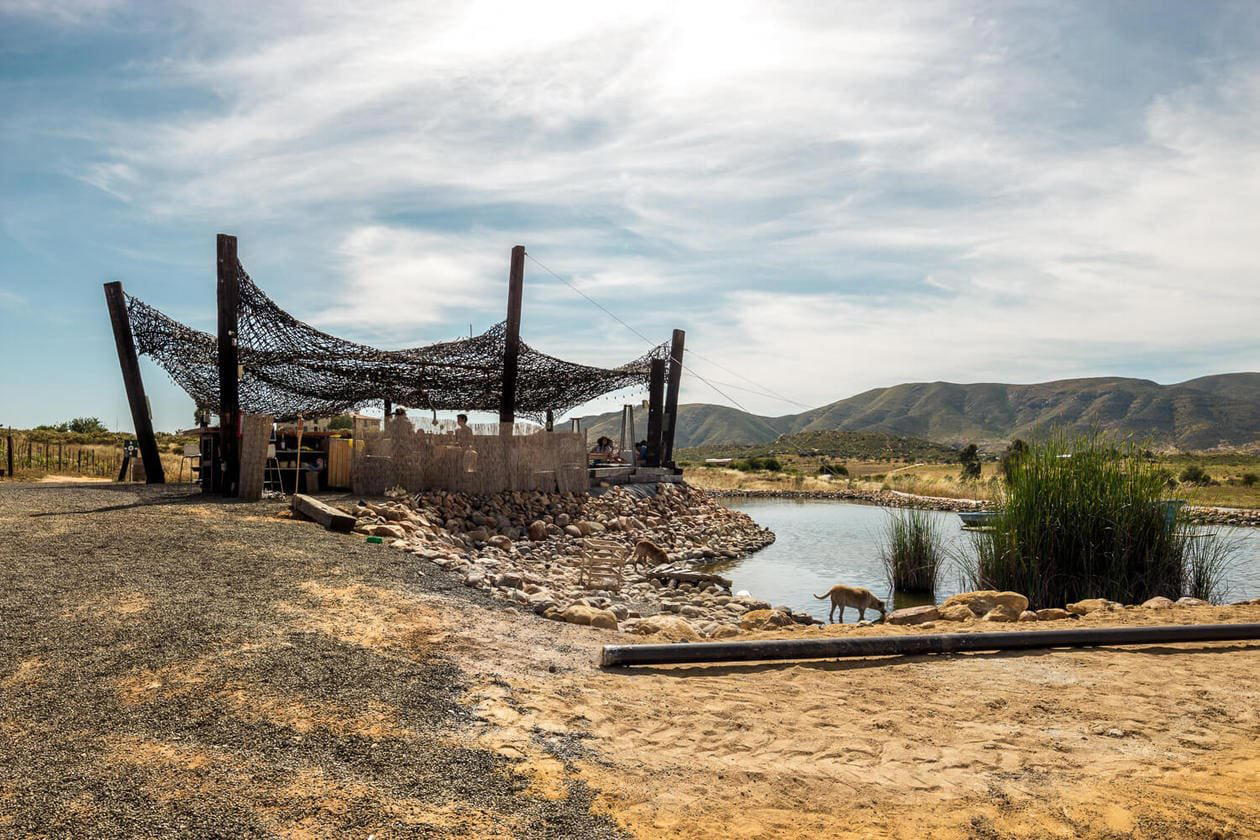
The physical approach to properties in the Francisco Zarco zone involves driving through a valley that shifts rapidly from Ensenada's coastal density to open agricultural land with occasional olive groves, vineyards, and low-slung design builds that announce themselves quietly rather than through signage. Bruma's position on this corridor places it within the established hospitality cluster, which means proximity to other estate operations while still maintaining the spatial openness that defines the valley's appeal.
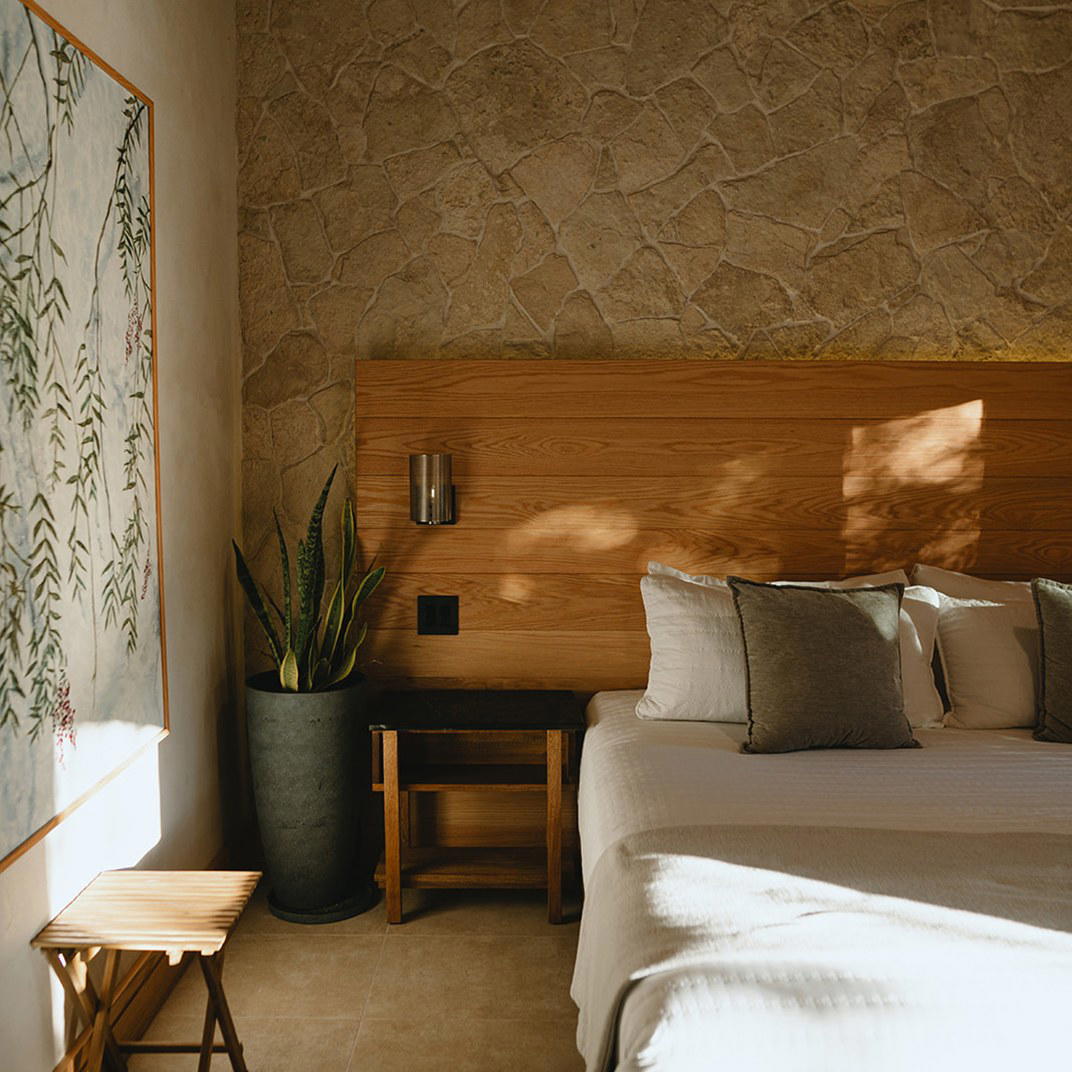
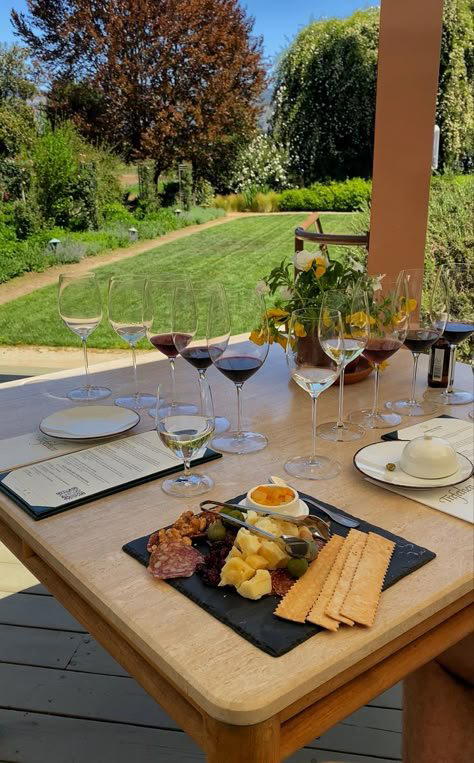
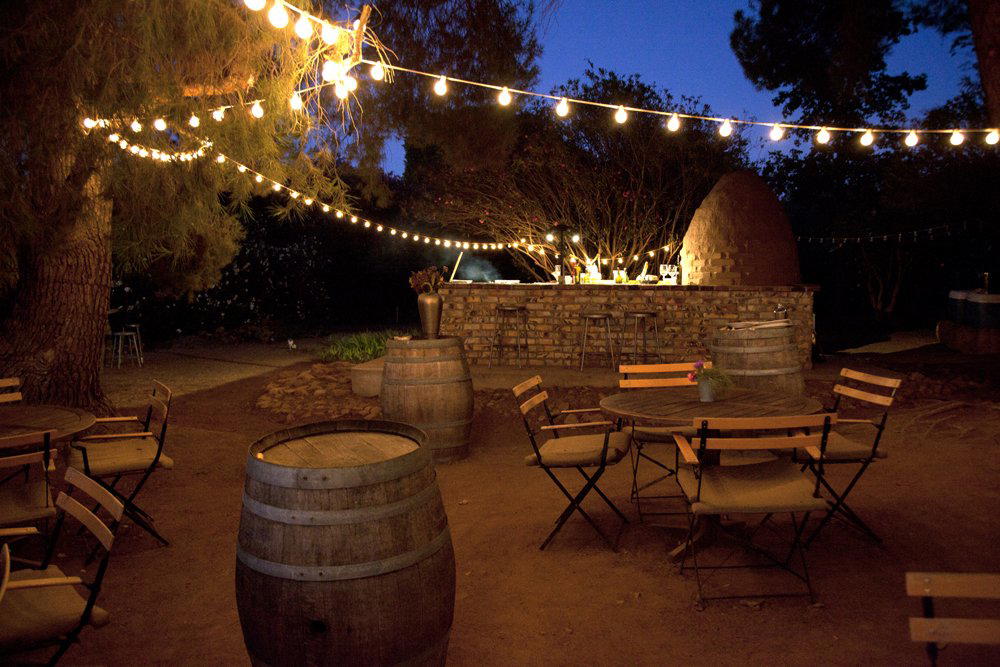
The design language common to the valley's better properties borrows from Mexican modernism and rammed-earth vernacular, with materials that age well in Baja's combination of summer heat, coastal humidity, and brief winter rains. The light in the valley at golden hour has a quality that photographers and filmmakers have documented repeatedly since the early 2010s. For guests, that translates to outdoor dining and terrace sitting that genuinely earns its setting rather than performing it.
Travellers accustomed to the more insulated luxury of properties like Hotel Esencia in Tulum or Maroma in Riviera Maya should calibrate expectations: the Valle experience trades that insulation for directness. You are in a working agricultural valley, and the ambient sounds, temperatures, and textures reflect that. The trade-off, for the right traveller, is worth it.
Planning Your Visit: What to Know Before You Go
The valley operates on seasonal rhythms that affect both availability and experience quality. Harvest, which typically runs from August through October, brings the highest activity levels to the valley, with more events, open tastings, and harvest-table dining formats. Summer weekends, particularly from July through September, see the highest domestic tourism pressure, with visitors arriving from Tijuana, Mexicali, and Los Angeles. Midweek visits in shoulder season, specifically May through June or October through November, offer a quieter version of the valley.
Getting to Francisco Zarco from Ensenada takes roughly 40 minutes by road, and the route through the valley itself warrants time. Driving is the practical mode, and having a vehicle gives access to the scatter of tasting rooms and restaurants across the valley floor that make a multi-day stay coherent. For those arriving from Los Angeles, Tijuana's border crossing adds a variable, with weekend wait times that can run significantly longer than the midweek equivalent. Building a buffer on crossing days is the practical default for international arrivals.
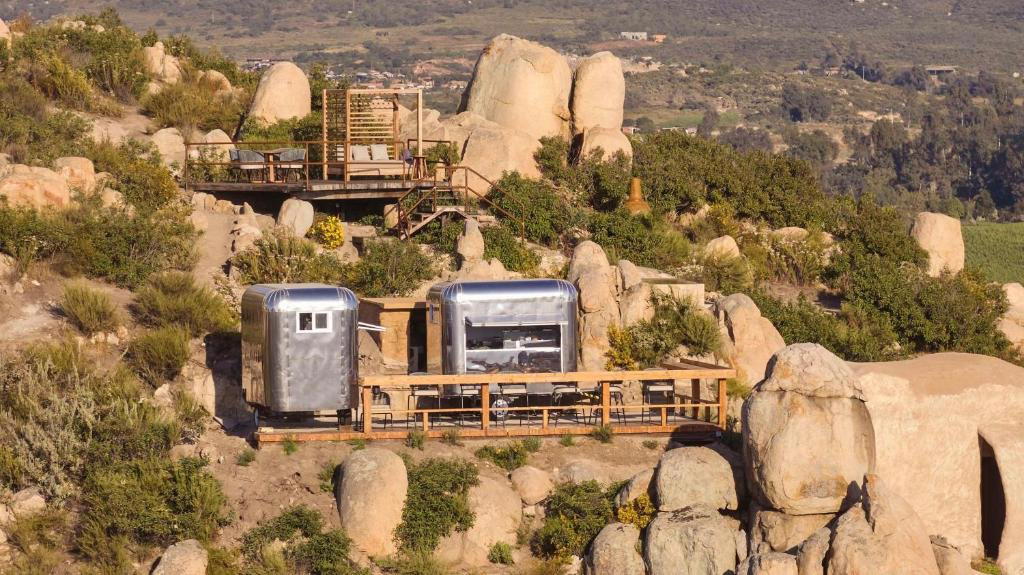
Baja Off the Grid along the Ensenada coast and Playa Viva in Juluchuca on the Pacific coast. Further afield, Casa Silencio in Oaxaca and Xinalani in Quimixto occupy a similar niche of design-led, nature-adjacent lodging for travellers who find resort-scale operations too insulating. International comparisons in the estate-and-winery format, such as Amangiri in Canyon Point, share the logic of landscape-as-programme, even if the specific context differs considerably.
Price Lens
Comparable venues nearby, for context on price, style, and recognition.
| Venue | Price | Awards | Notes |
|---|---|---|---|
| Bruma Valle de GuadalupeThis venue — the venue you are viewing | $$$$ | 5-Star | Not listed |
| El Cielo Resort Valle de Guadalupe | $$$$ | 5-Star | Valle de Guadalupe, Tuscan-Californian villas |
| Baja Off the Grid Coastal Vacation Homes & Events | $$$$ | 4-Star | Cabo Punta Banda, off-grid coastal vacation homes and events |
| Casa Olivea | $$$$ | Not listed | Valle de Guadalupe, Farm stay boutique hotel |
| MIRA Earth Studios | $$$$ | 5-Star | Valle de Guadalupe, Eco-luxury boutique studios sunk into the hillside with rammed-earth walls and green roofs. |
| Rancho La Puerta Wellness Resort and Spa | $$$$ | 5-Star | Tecate, Private casitas set in 4,000 acres of mountains and gardens with distinct architectural personalities. |
Continue exploring
More in Ensenada
Hotels in Ensenada
Browse all →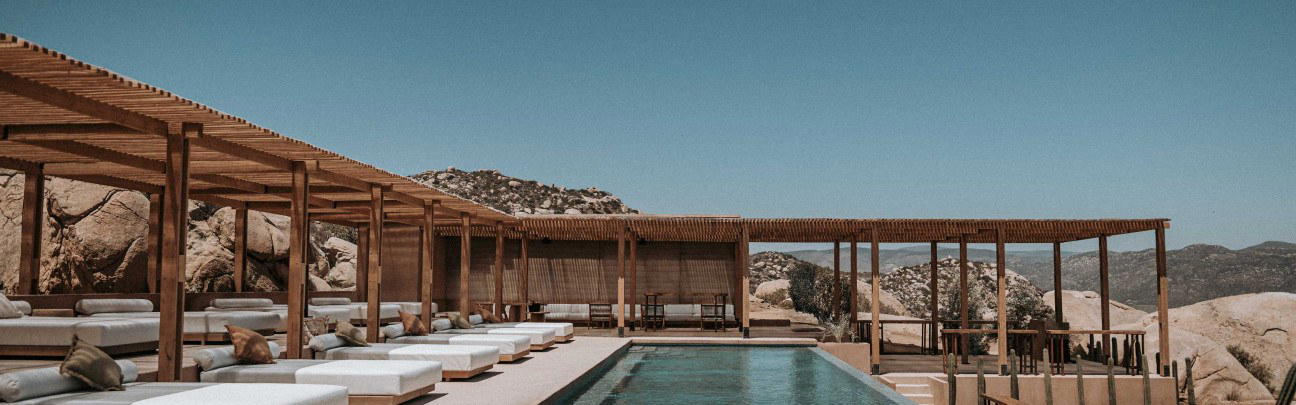
Bars in Ensenada
Browse all →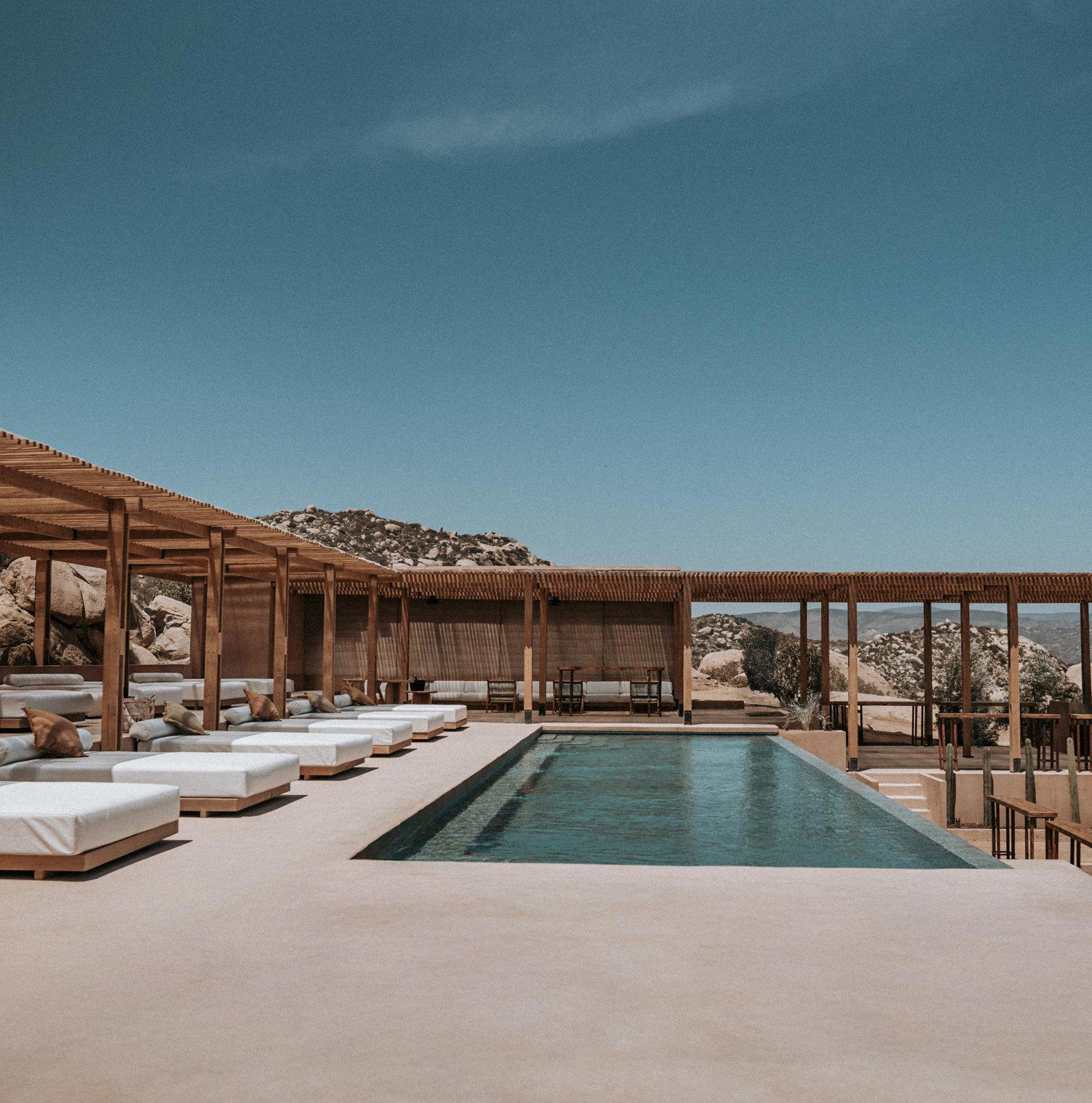
Restaurants in Ensenada
Browse all →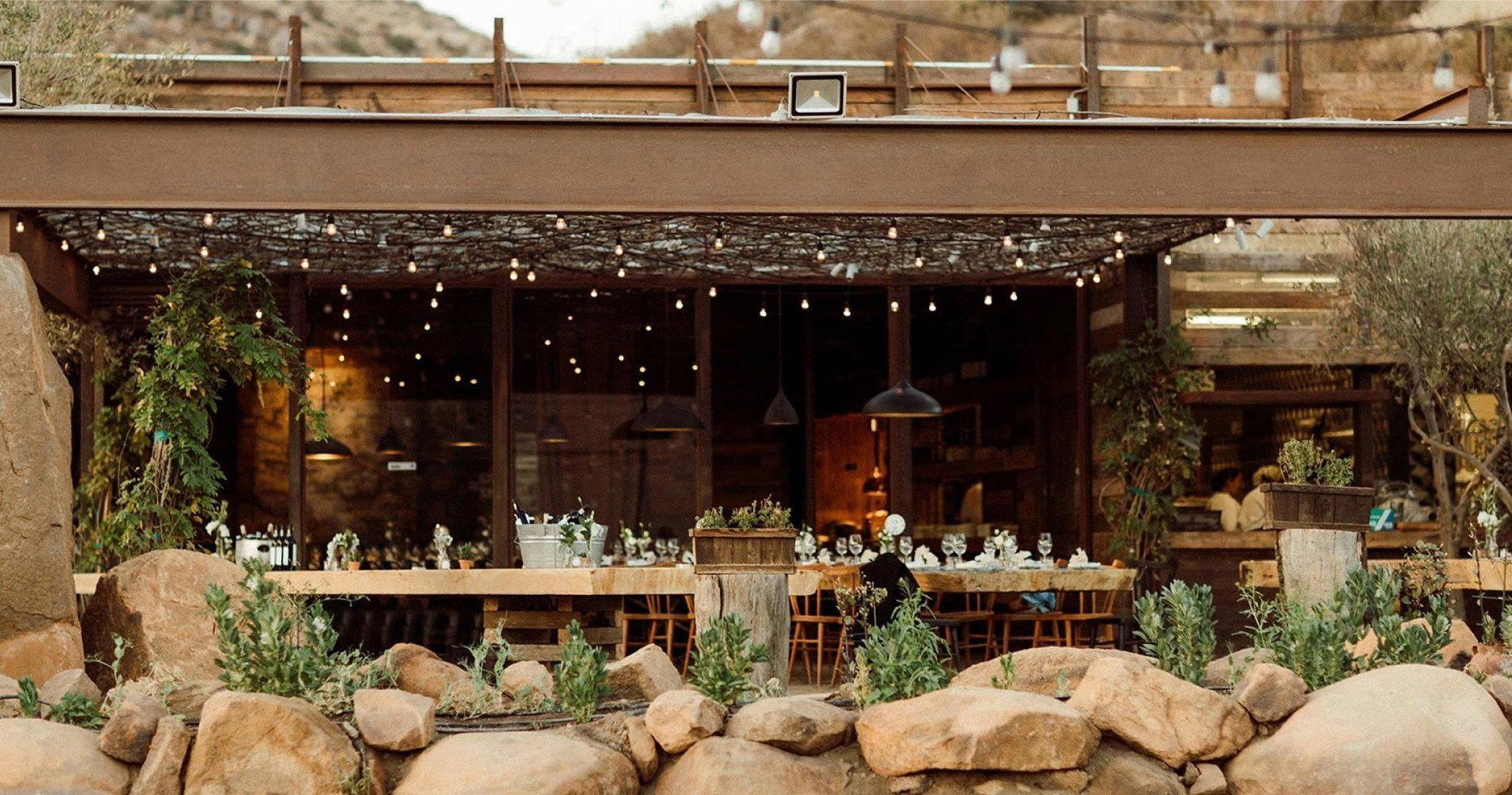
At a Glance
- Romantic
- Scenic
- Elegant
- Rustic
- Sophisticated
- Romantic Getaway
- Honeymoon
- Weekend Escape
- Group Retreat
- Panoramic View
- Private Villa
- Terrace
- Pool
- Fitness Center
- Spa
- Wi Fi
- Restaurant
- Concierge
- Tennis Court
- Vineyard
- Mountain
- Garden
- Pool
- Fitness Center
- Spa
- Wi Fi
- Restaurant
- Concierge
- Tennis Court
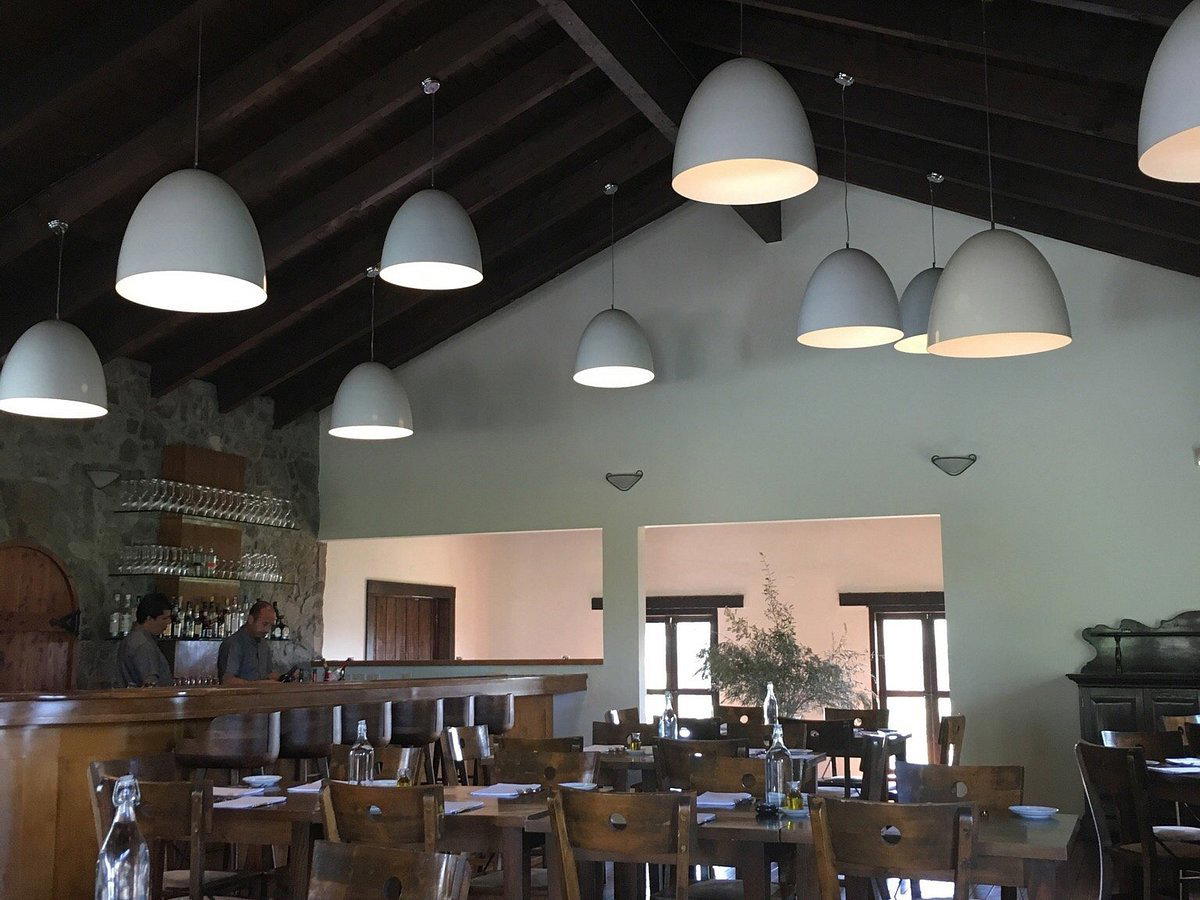
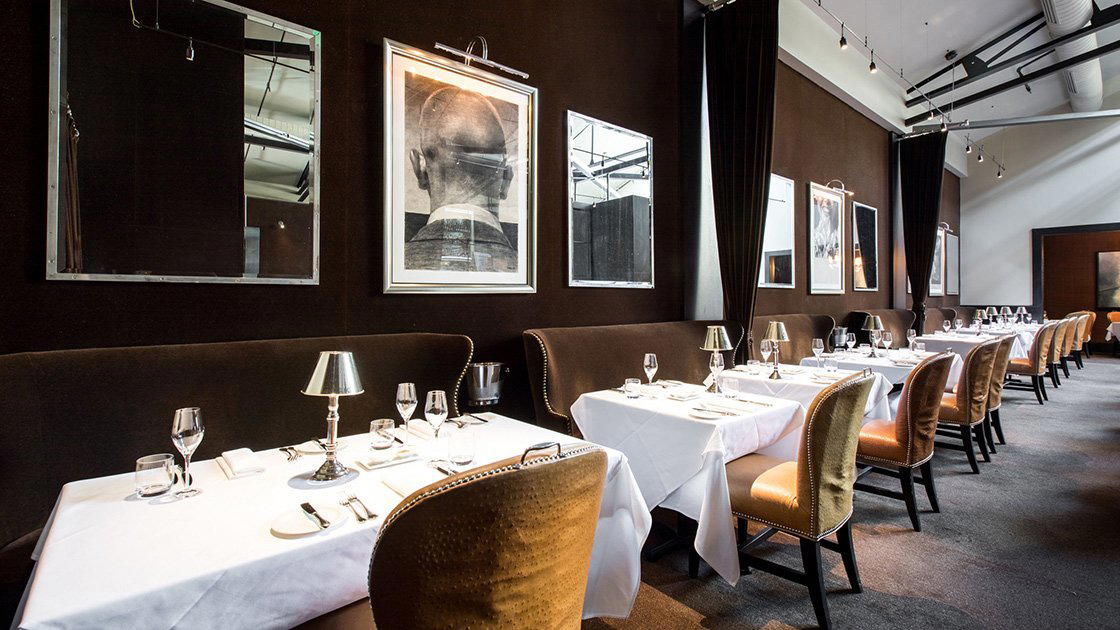
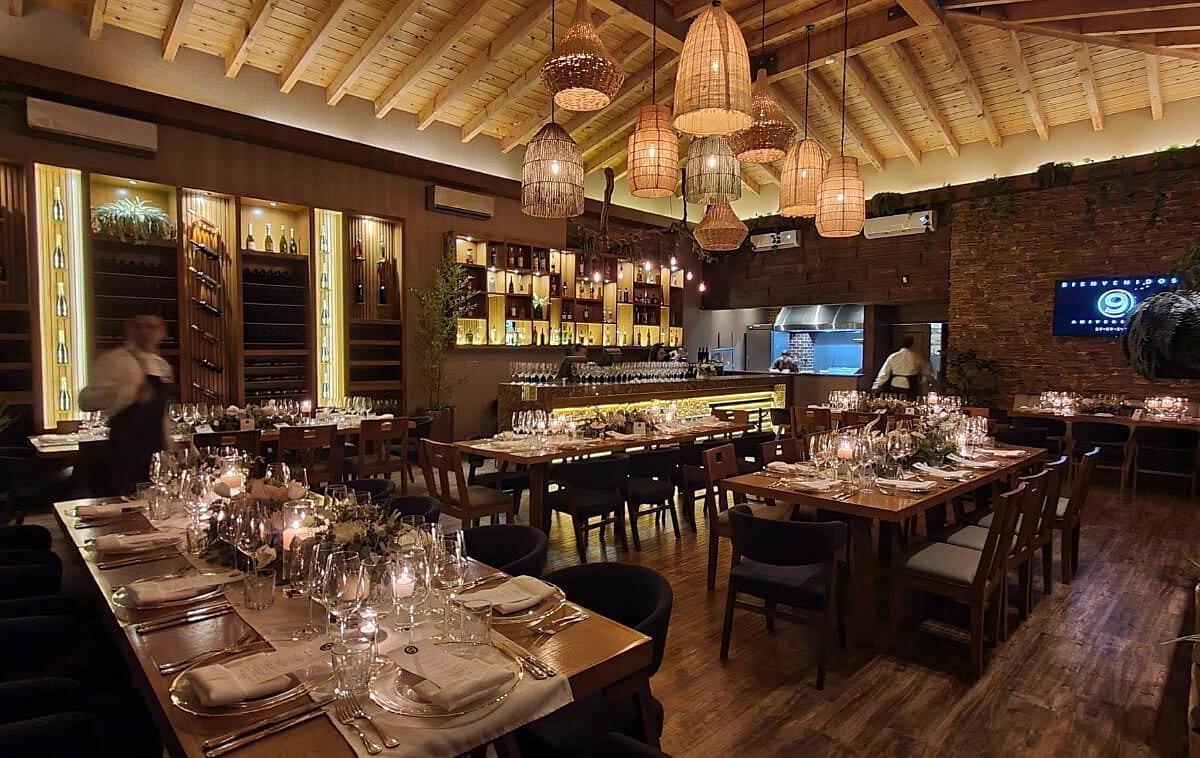
Warm textures, handcrafted lighting, floor-to-ceiling windows with vineyard and valley views, natural clay tones creating serene, elegant tranquility.