El Pandillo (G4)
El Pandillo (G4) sits on ranch land along the Jesús María–Las Pomes highway in Jalisco's Los Altos highlands, a region where the red clay soils and high-altitude agave cultivation define the character of tequila production..
Pearl is the En Primeur Club membership app — saves, bookings, and concierge access live there. Same editors, same standards.
- Address
- Carretera Jesús María Las Pomes Km. 5, rancho El Pandillo, 47950 Jesús María, Jal.
- Phone
- +52 348 783 3511
- Website
- facebook.com
- Directions
- Get directions
 Saves & bookings on Pearl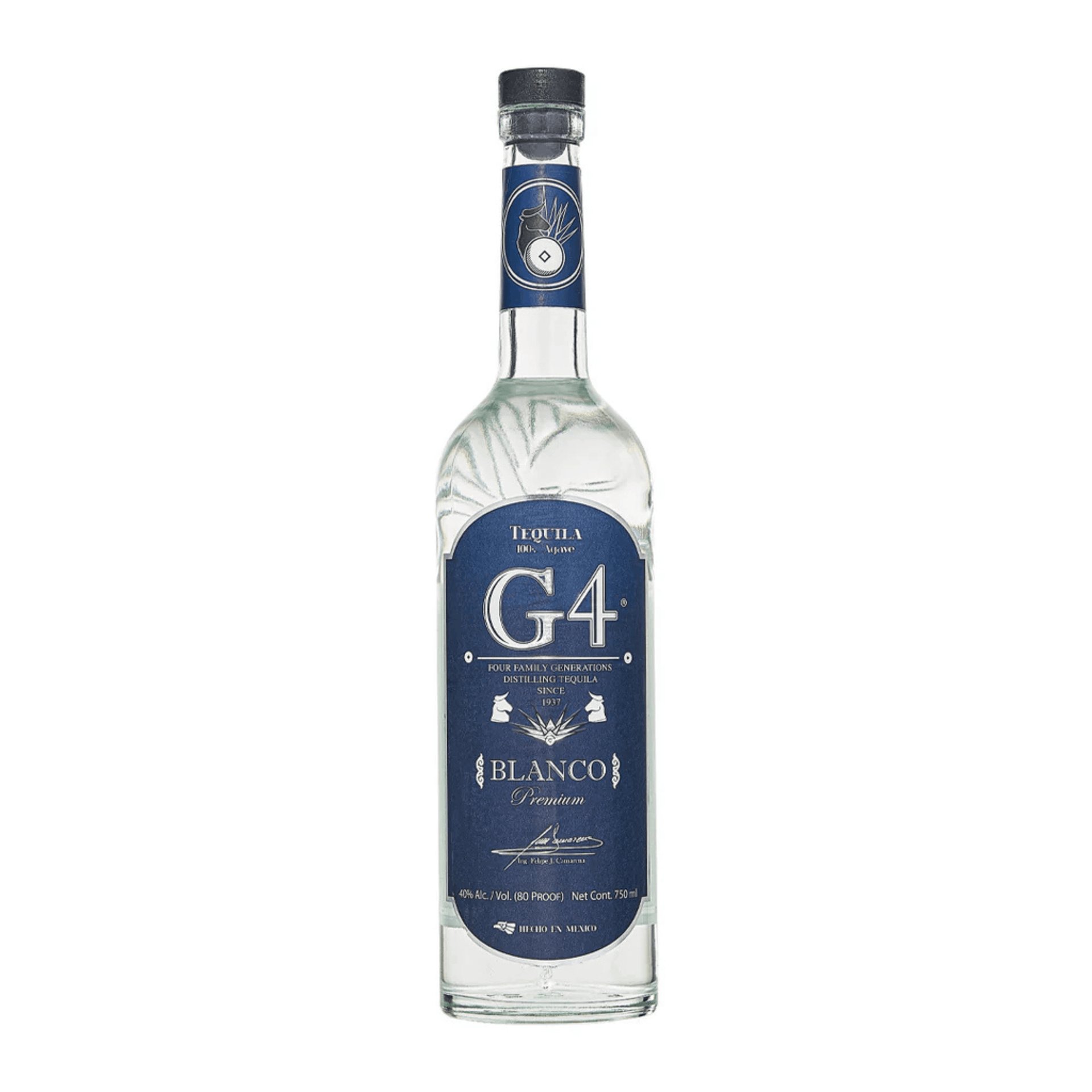
Highland Terrain, Highland Spirit
The road from Jesús María toward Las Pomes cuts through a landscape that explains a great deal about what ends up in the bottle. At kilometre 5 of that carretera, Rancho El Pandillo sits on the kind of refined, iron-rich terrain that has shaped Los Altos tequila's reputation for sweeter, more floral agave expression relative to the valley distilleries clustered around Tequila town itself. Altitude in this corridor typically runs between 2,000 and 2,200 metres above sea level, and the red clay, locally called tierra roja, retains moisture differently than the volcanic soils further west. That distinction is not cosmetic. It is geological, and it registers in the agave over the years it takes Weber Blue to reach maturity.
Within the Los Altos production zone, that kind of formal recognition signals a level of consistency and craft that separates it from the volume-driven operations the region also hosts.
What the Terroir Argument Actually Means Here
Los Altos has long been positioned as tequila's terroir-forward sub-region, a claim that deserves scrutiny before acceptance. The argument rests on measurable differences: highland Blue Weber agave tends to accumulate more sugars over a longer growing cycle, partly because cooler nights slow the plant's development and allow more concentrated piña formation. The resulting spirit often carries a fruit-forward, sometimes floral aromatic profile that contrasts with the earthier, more herbaceous character associated with valley floor agave grown closer to the Tequila volcano's volcanic soils.
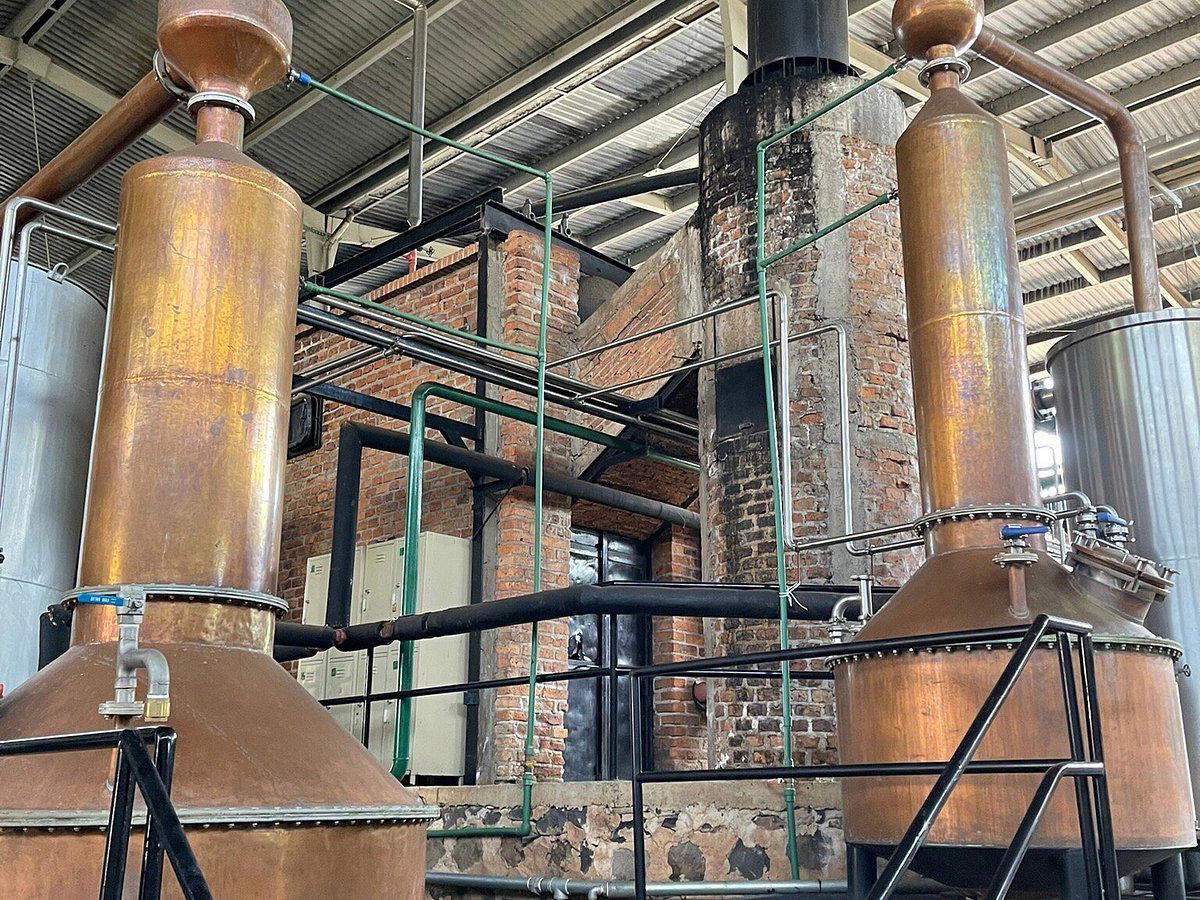
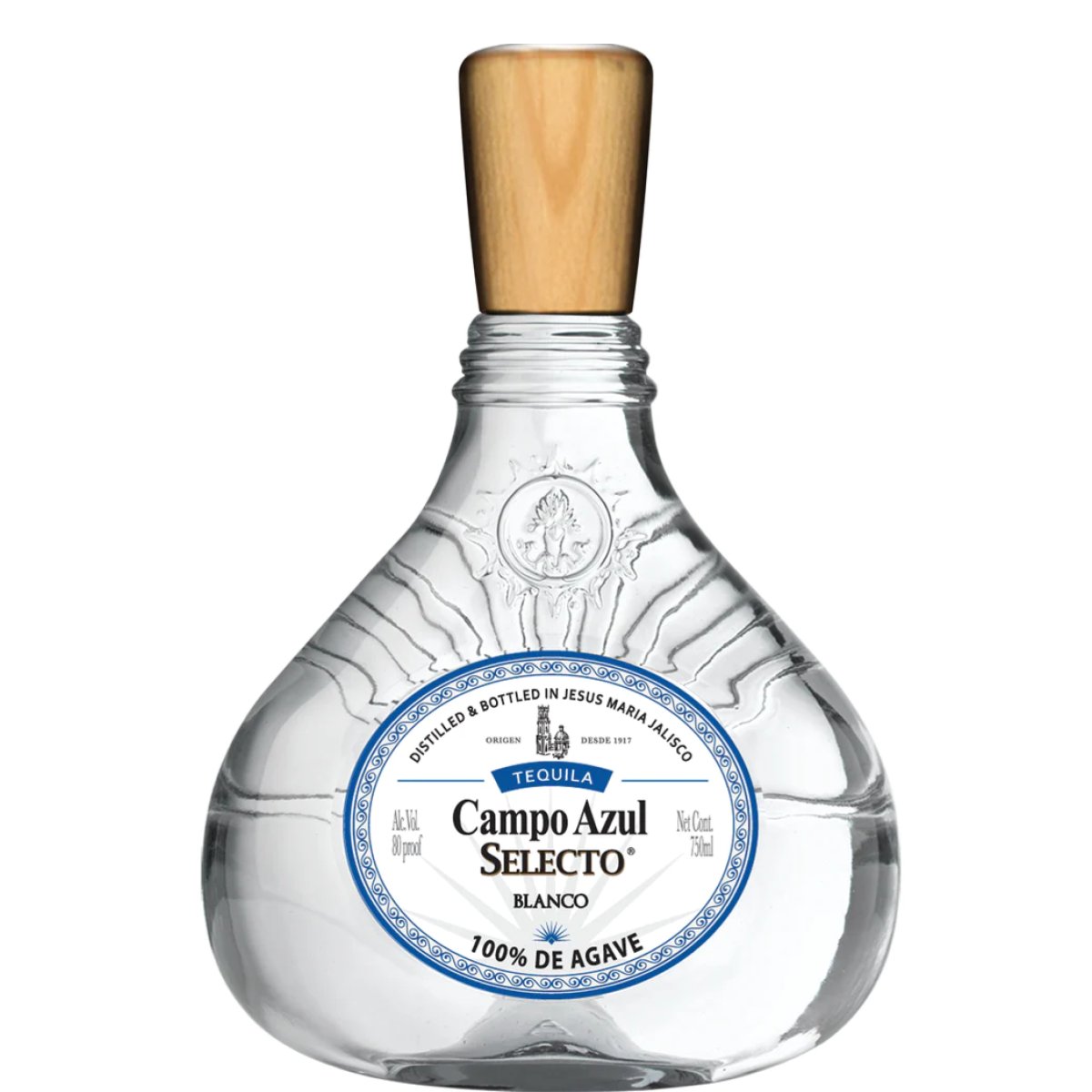
El Pandillo's address on ranch land, rather than inside an industrial zone, is relevant here. Ranch-based operations in Los Altos typically source agave from fields they control more directly than larger NOM-licensed producers sourcing across multiple suppliers. This supply-chain proximity to the raw material is one of the structural factors that allows smaller highland producers to make consistent terroir claims. For comparison, Productos Finos de Agave (NOM 1416), also based in Jesús María, operates within the same geographic and regulatory framework, giving visitors a reference point for how two producers in the same municipality can approach the same raw material differently.
Jesús María in the Agave Spirits Map
Jesús María sits in the eastern Jalisco highlands, within the appellation zone for tequila but away from the more heavily visited corridor around Arandas and Atotonilco El Alto. That positioning matters for visitors planning a serious distillery itinerary. The town lacks the hospitality infrastructure of Guadalajara or even Tequila town, which means visits to operations like El Pandillo tend to be more purposeful and less mediated by tourism packaging. You come because you are tracking something specific, not because a tour bus dropped you there.
The broader Los Altos circuit includes operations at different scales and ownership structures. Cazadores Distillery in Arandas and La Primavera (Don Julio) in Atotonilco El Alto represent the large-scale, internationally distributed end of highland tequila production. El Pandillo occupies a different register entirely, where scale is smaller and the gap between raw agave and finished spirit involves fewer industrial intermediaries. For those interested in how the same highland terroir expresses itself across Mexico's agave spirits categories more broadly, Los Danzantes in Santiago Matatlán and Don Amado (Arellanes family) in Santa Catarina Minas offer mezcal-side comparisons from Oaxaca, where terroir discourse in agave spirits has developed further than in Jalisco.
Awards in the agave spirits category have multiplied considerably over the past decade, to the point where a credential needs context to carry weight. Two-star prestige ratings in this framework indicate consistent excellence across the evaluated range, not a single notable bottling. That distinction matters when planning a visit: it suggests the operation produces at a reliable level rather than having optimised one showpiece expression.
For reference points elsewhere in Mexico's agave spirits geography, Jose Cuervo (La Rojeña) in Tequila and Casa Herradura (Hacienda San José del Refugio) in Amatitán represent the historically anchored, large-estate end of the category. El Pandillo's recognition at the 2025 level positions it among a newer generation of recognised producers being tracked by serious buyers and collectors rather than mass-market audiences. Operations like Hacienda Corralejo in Pénjamo illustrate how different states approach heritage production, while Lágrimas de Dolores (Hacienda Dolores) in Durango shows how mezcal-adjacent production outside Oaxaca is developing its own identity. El Pandillo's Jalisco highland address puts it squarely in the tequila appellation heartland, which brings both regulatory clarity and the expectation of Blue Weber agave as the sole raw material.
Planning the Visit
El Pandillo (G4) is located at Carretera Jesús María–Las Pomes Km. 5, on ranch land outside the town centre. Access requires a vehicle; there is no practical public transport connection to this point on the highway. Visitors should factor this into planning, particularly when combining the stop with other Los Altos producers. Those building a wider agave spirits circuit might cross-reference the cooperative model at Banhez (UPADEC cooperative) in San Miguel Ejutla or the Oaxacan palenque tradition at Casa Cortés–La Soledad Palenque in La Compañía (Ejutla) to understand how different production environments shape not just the spirit but the entire visit format. For those whose interests extend well beyond agave, Aberlour in Scotland and Accendo Cellars in St. Helena represent what destination production visits look like at the other end of the spirits and wine spectrum, useful context for calibrating expectations about what a ranch-based Jalisco producer offers by comparison. El Rey de Matatlán in Tlacolula de Matamoros offers a useful parallel for how Oaxacan producers balance production integrity with visitor access, a model that Jalisco's smaller highland operations are beginning to develop in their own register.
Comparable Venues
Comparable venues nearby, for context on price, style, and recognition.
| Venue | Cuisine | Price | Notes |
|---|---|---|---|
| El Pandillo (G4)This venue — the venue you are viewing | Blue Weber | $$ | Not listed |
| Productos Finos de Agave (NOM 1416) | blue weber agave | $$$ | Jesús María |
| Casa Armando Guillermo Prieto (AGP) | Winery | Not listed | Tlacolula de Matamoros |
| El Llano (Arette) | Blue Weber Agave | $$ | Tequila |
| La Perseverancia (Casa Sauza) | Blue Weber Agave | $$ | Tequila |
| Sombra | Winery | Not listed | Santiago Matatlán |
Continue exploring
More in Jesús María
At a Glance
- Rustic
- Scenic
- Wine Education
- Group Outing
- Vineyard Tour
- Barrel Room
- Sustainable
- Mountain
- Vineyard
- Los Altos De Jalisco
- Blue Weber
- Estate Tasting
Immaculately clean and traditional with a focus on craftsmanship and family heritage.