El Rey de Matatlán
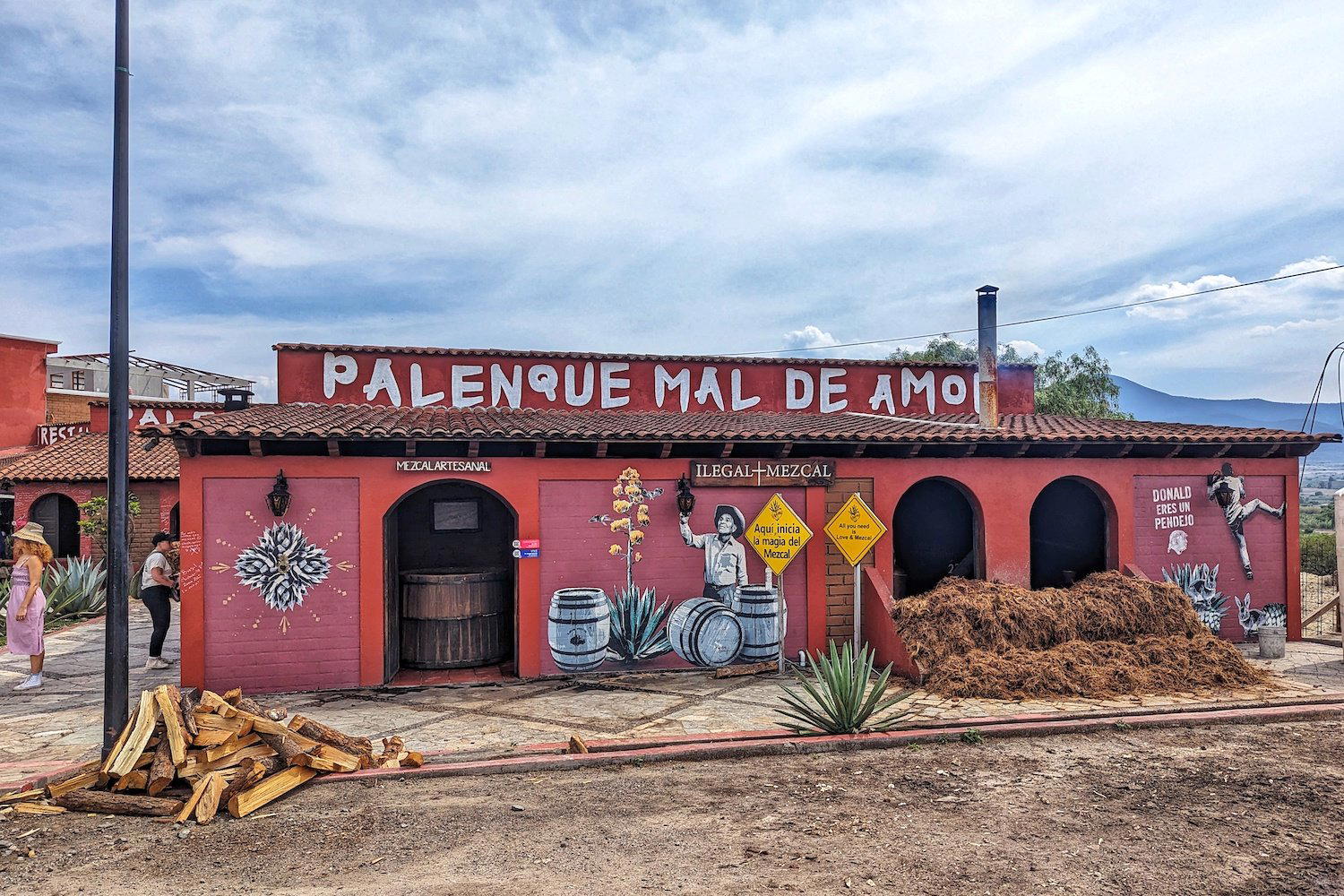
Positioned along the mezcal corridor that connects Tlacolula's market town to the agave highlands, the producer operates in one of Mexico's most scrutinised mezcal-producing zones, where terroir, variety, and production method carry the full weight of reputation.
Pearl is the En Primeur Club membership app — saves, bookings, and concierge access live there. Same editors, same standards.
- Address
- Carretera Internacional km 26.5, Macuilxochitl de Art. C (En Crucero a Teotitlan Del Valle, Carretera Internacional, 70461 Tlacolula de Matamoros, Oax.
- Phone
- +52 951 189 0378
- Website
- mezcalelrey.com
- Directions
- Get directions
 Saves & bookings on Pearl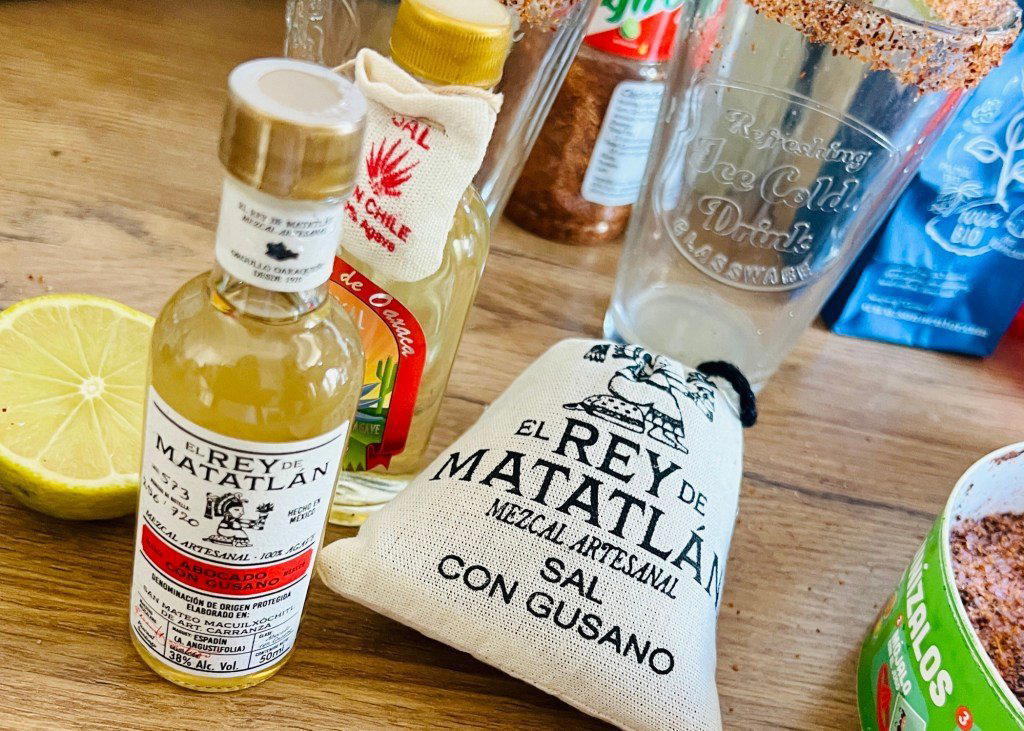
The Mezcal Corridor Through Tlacolula
The stretch of road running east from Oaxaca City through Tlacolula de Matamoros is among the more concentrated agave-spirit corridors in the world. Kilometre markers on the Carretera Internacional double as an informal map of palenques, each tethered to a specific community, a specific maguey variety, and a production lineage that often runs several generations deep.
Tlacolula de Matamoros itself functions less as a tourist endpoint and more as a transit and market hub for the Valles Centrales. Its Sunday tianguis is one of the oldest continuous markets in the Americas, and the town's commercial logic has long revolved around goods and trades moving between the valley floor and the sierra. Mezcal producers along this corridor, including names like Los Amantes Distillery and Casa Armando Guillermo Prieto (AGP), have built reputations in a market that rewards specificity: which agave, from which hillside, cooked how, distilled in what vessel.
Within the mezcal category, tiered recognition of this kind functions as a proxy for production integrity, because mezcal's appellation system, while regulated by the COMERCAM and CRM, does not rank producers the way wine critics rank estates. External designations fill that gap, directing informed buyers toward producers whose methods and sourcing meet a higher threshold of scrutiny.
For context, the mezcal producers that typically earn sustained critical recognition in this corridor tend to share certain characteristics: wild or semi-cultivated agave rather than monoculture espadin, traditional pit roasting, open-air or stone fermentation, and copper or clay pot distillation. They also tend to operate at smaller volumes than the export-scale operations that dominate shelf space in international markets. That production profile does not guarantee quality on its own, but it does position a producer within the right conversation.
The Oaxacan Mezcal Tradition This Producer Works Within
Mezcal's geography in Oaxaca is not uniform. The Valles Centrales, where Tlacolula sits, produce spirits that differ perceptibly from those of the Sierra Mixe, the Cañada, or the coast. Valley floor producers have historically worked with espadin (Agave angustifolia) as the dominant variety, while highland and sierra producers access a wider range of wild agaves including tobalá, cuishe, tepeztate, and madrecuixe. Particularly respected producers in this corridor now work across multiple varieties, treating each as a distinct raw material rather than a flavour variable to be smoothed out in production.
This is the tradition that contextualises operations like El Rey de Matatlán. The same corridor has produced particularly discussed mezcal in the export market over the past decade, from Los Danzantes in Santiago Matatlán to cooperative-model producers such as Banhez (UPADEC cooperative) in San Miguel Ejutla. Each has staked its identity on a different point along the production spectrum, from artisanal to ancestral, from single-village to multi-varietal.
How This Producer Compares to the Broader Mexican Spirits Map
Oaxacan mezcal shares a national stage with tequila's regulated appellation zones in Jalisco, Nayarit, Michoacán, Guanajuato, and Tamaulipas. Producers like Jose Cuervo (La Rojeña) in Tequila and La Primavera (Don Julio) in Atotonilco El Alto operate at volumes and brand scales that make them structurally incomparable to a Valles Centrales palenque. The competitive sets are different, and deliberately so. Mezcal's prestige identity has been built partly in opposition to tequila's industrialisation, positioning small-batch, terroir-specific production as the alternative to high-volume blue agave monoculture.
Within that positioning, operations like El Rey de Matatlán sit alongside a broader map of artisanal Mexican spirits producers that includes Don Amado (Arellanes family) in Santa Catarina Minas and Casa Cortés – La Soledad Palenque in La Compañía (Ejutla), each working within the ancestral or artisanal mezcal categories. The distinction between those categories, defined by production method and vessel type rather than geographic origin alone, matters significantly to the export market and to the award bodies whose ratings now constitute one reliable third-party signal of production integrity.
For reference, the scale of difference between this tier and international distilling operations, whether tequila-focused like Cazadores Distillery in Arandas and Hacienda Corralejo in Pénjamo or Scotch-category producers like Aberlour in Aberlour, is significant. El Rey de Matatlán belongs to a different category of production entirely: geographically anchored, variety-specific, and evaluated on criteria that reward transparency of process over consistency of volume.
Visiting and Planning
The address, Carretera Internacional km 26.5 near Macuilxochitl de Arteaga, places the winery on the main highway between Oaxaca City and Mitla, a route that passes through the core of the mezcal corridor and is logistically accessible as a day visit from the city. The drive from Oaxaca's centro is roughly thirty minutes under normal conditions, with the landmark being the crucero to Teotitlán del Valle. No website or phone number is listed in the current record, which is consistent with how many palenques in this corridor operate: visits are often facilitated through guides, mescalería contacts, or in-person inquiry rather than advance digital booking. Travellers planning to visit should confirm access before making the trip.
The Tlacolula corridor rewards slower travel. A single visit can reasonably include stops at producers across the valley, a walk through the Sunday market if timing aligns, and a meal at one of the town's cocinas. Producers in this zone tend to be most accessible during daylight hours on weekdays, though again, conditions vary and advance confirmation matters. For those building a broader spirits itinerary across Mexico, this zone pairs naturally with higher-production visits to tequila country or with the neighbouring palenques detailed in the El Pandillo (G4) in Jesús María and further afield for contrast in scale and method.
Budget Reality Check
Comparable venues nearby, for context on price, style, and recognition.
| Venue | Cuisine | Price | Notes |
|---|---|---|---|
| El Rey de MatatlánThis venue — the venue you are viewing | Tlacolula de Matamoros, espadín | $$ | Not listed |
| Los Amantes Distillery | Not listed | $$$ | Tlacolula de Matamoros, agave_espadin |
| Casa Armando Guillermo Prieto (AGP) | Winery | Not listed | Not listed |
| El Buho | Winery | Not listed | Not listed |
| Pierde Almas | Winery | Not listed | Not listed |
| Mezcal Unión (bottled of origin) | Winery | Not listed | Not listed |
Continue exploring
More in Tlacolula de Matamoros
Wineries in Tlacolula de Matamoros
Browse all →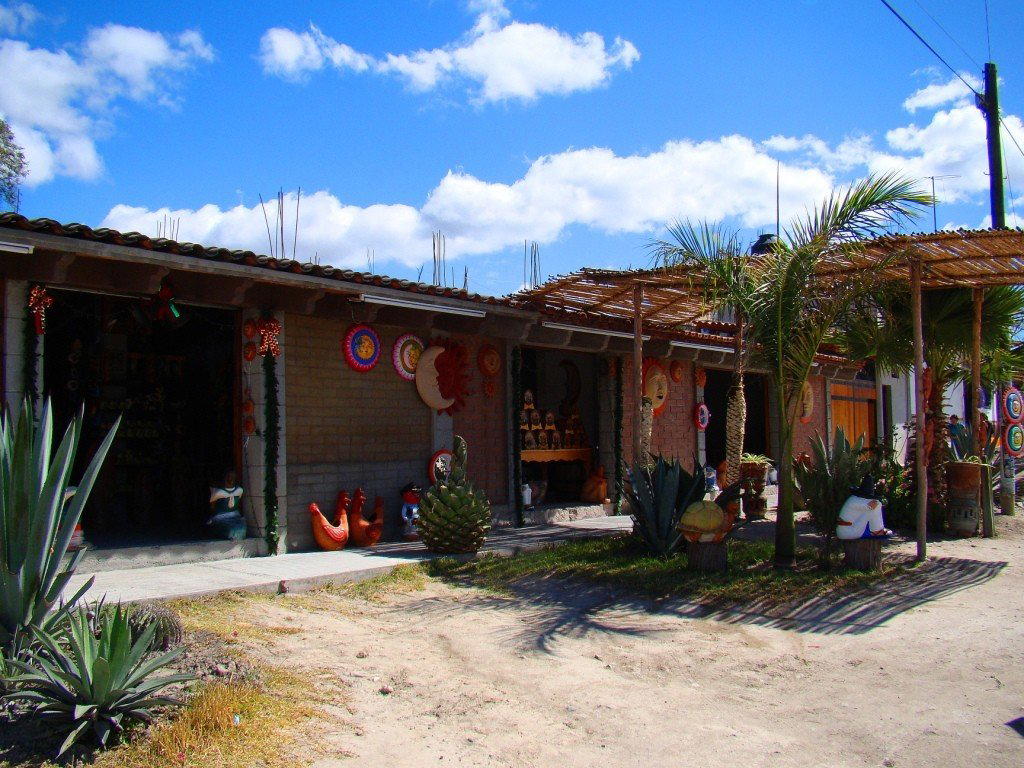
Bars in Tlacolula de Matamoros
Browse all →

Restaurants in Tlacolula de Matamoros
Browse all →

At a Glance
- Rustic
- Scenic
- Group Outing
- Wine Education
- Vineyard Tour
- Estate Grounds
- Organic
- Vineyard
- Santiago Matatlán
- Espadín
- Tasting
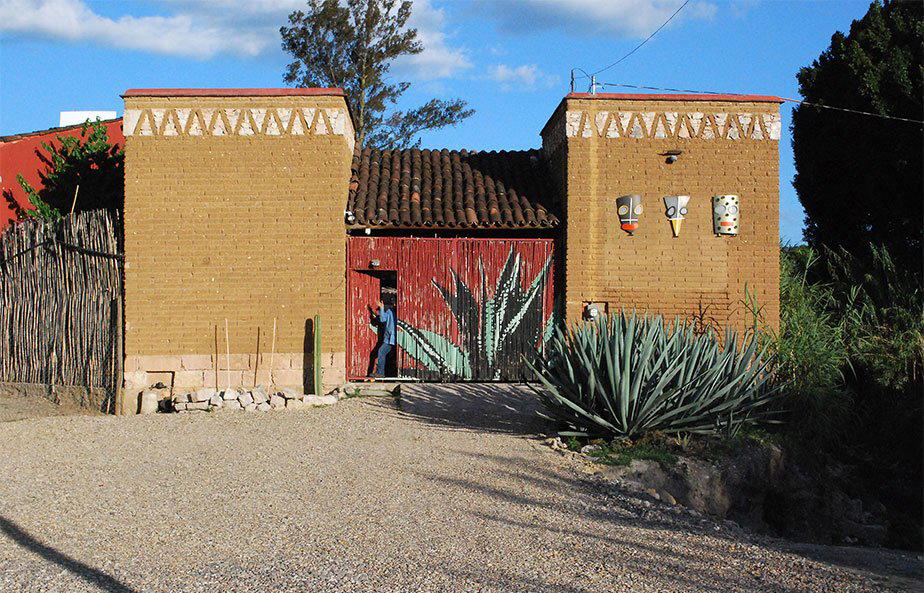
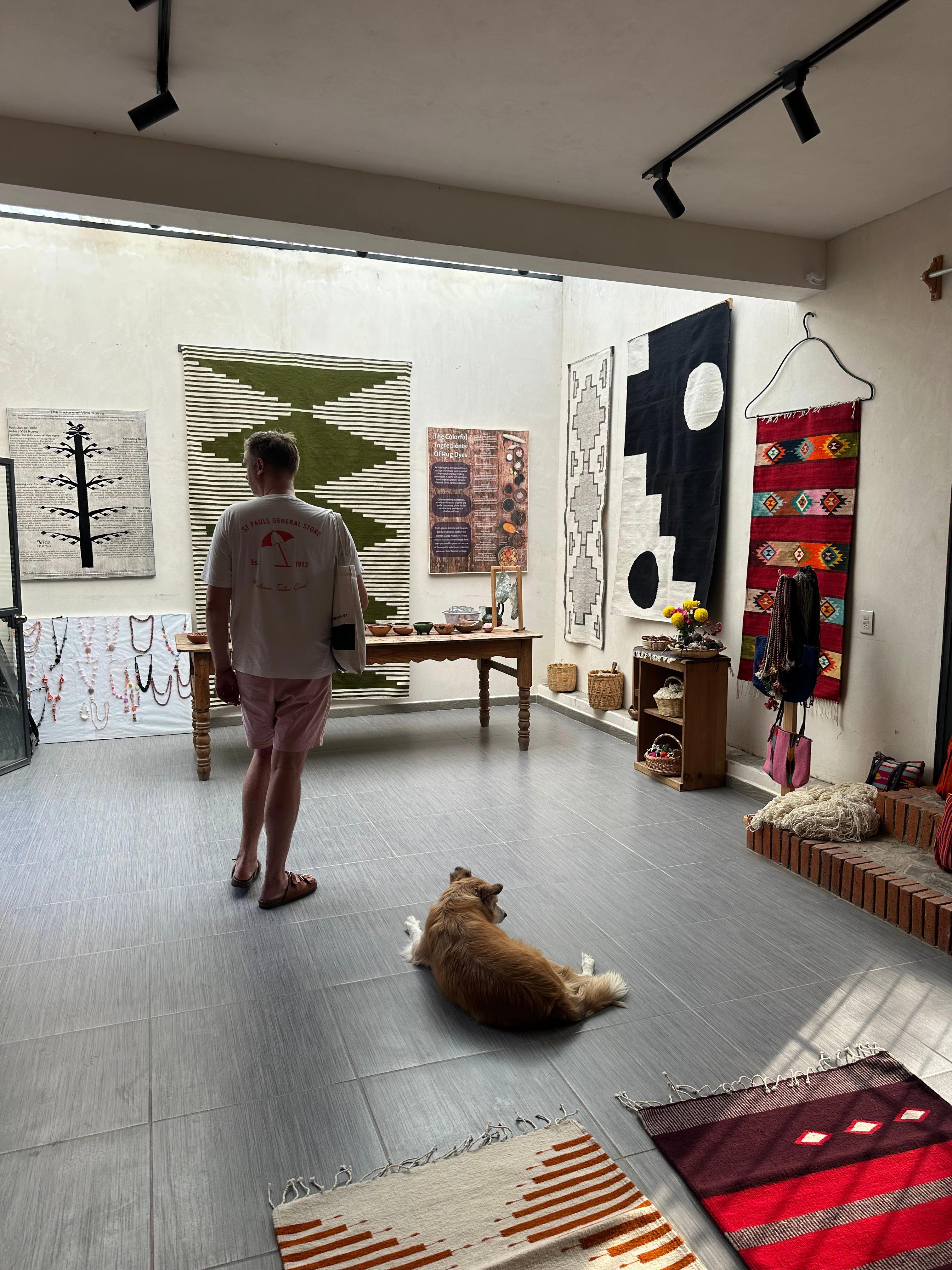
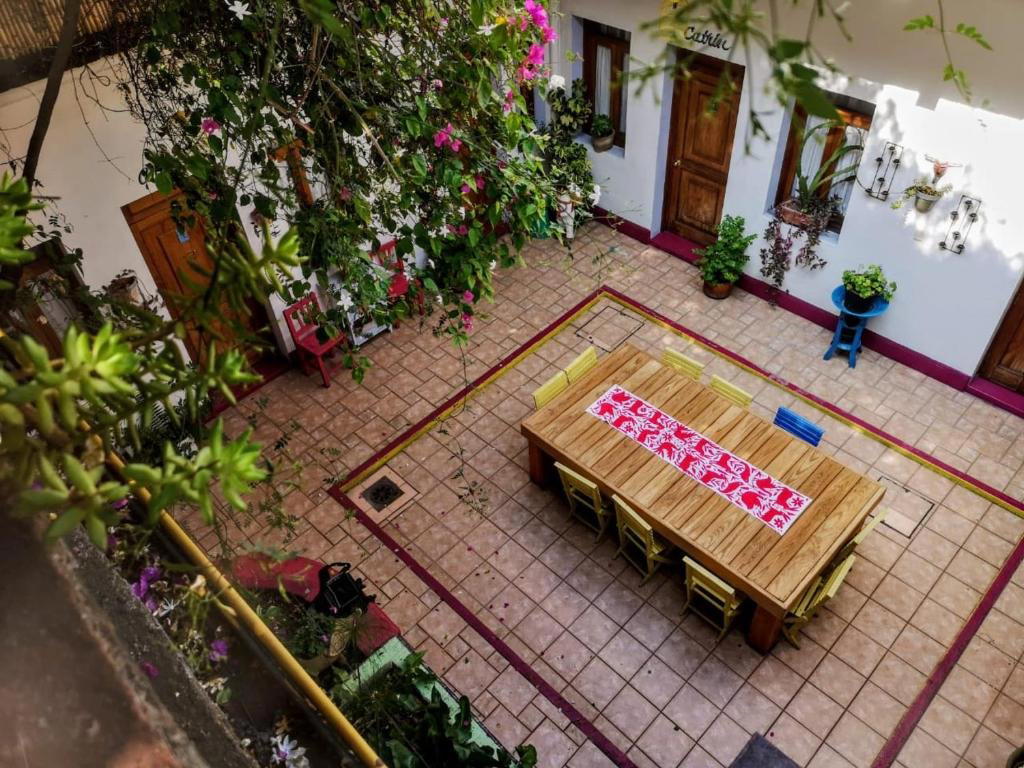
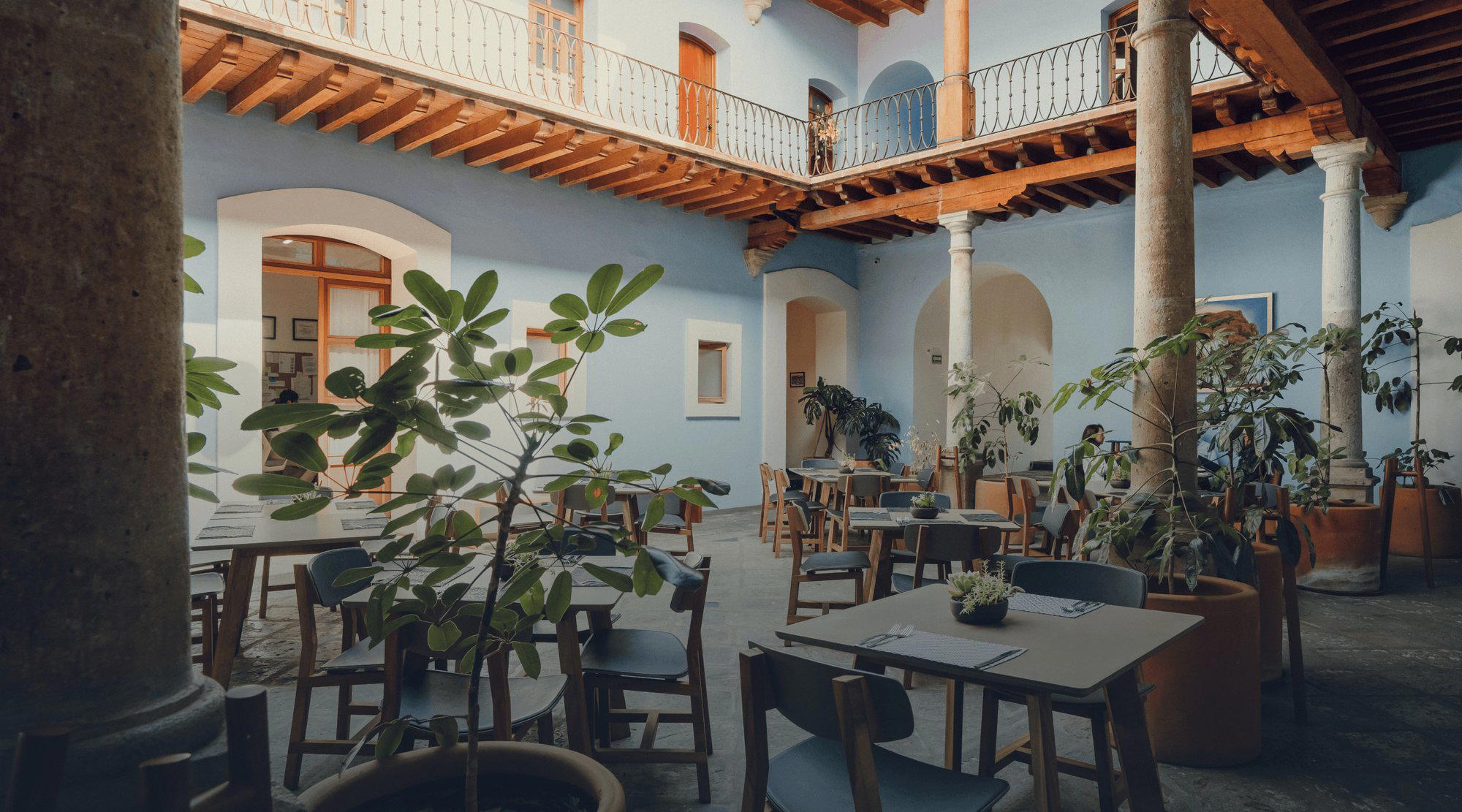
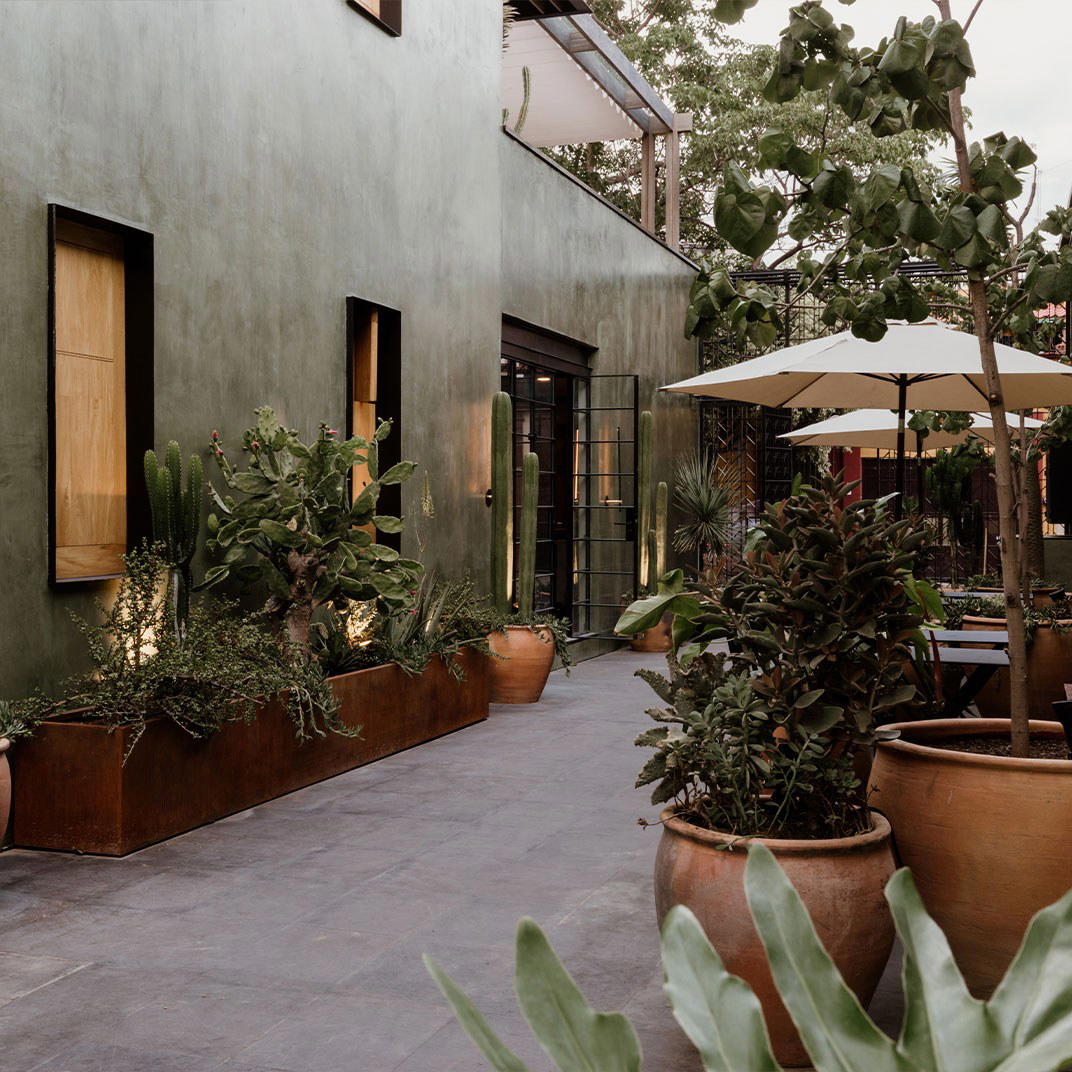
Colorful roadside property with plenty to explore, featuring a welcoming tourist-centric atmosphere during production tours and generous tastings.