Bodegas Magoni sits at Km 83 on the Tecate–El Sauzal highway, one of Baja California's established wine estates operating in a growing region that has drawn serious international attention over the past two decades. The address places it in the corridor that defines Ensenada's wine identity, where Mediterranean climate and granite soils produce conditions closer to parts of southern Spain than anything else in North America.
Pearl is the En Primeur Club membership app — saves, bookings, and concierge access live there. Same editors, same standards.
- Address
- Km83 carretera Tecate- El sauzal, 22750 Ensenada, B.C., Mexico
- Phone
- +52 646 187 0483
- Website
- casamagoni.com
- Directions
- Get directions
 Saves & bookings on Pearl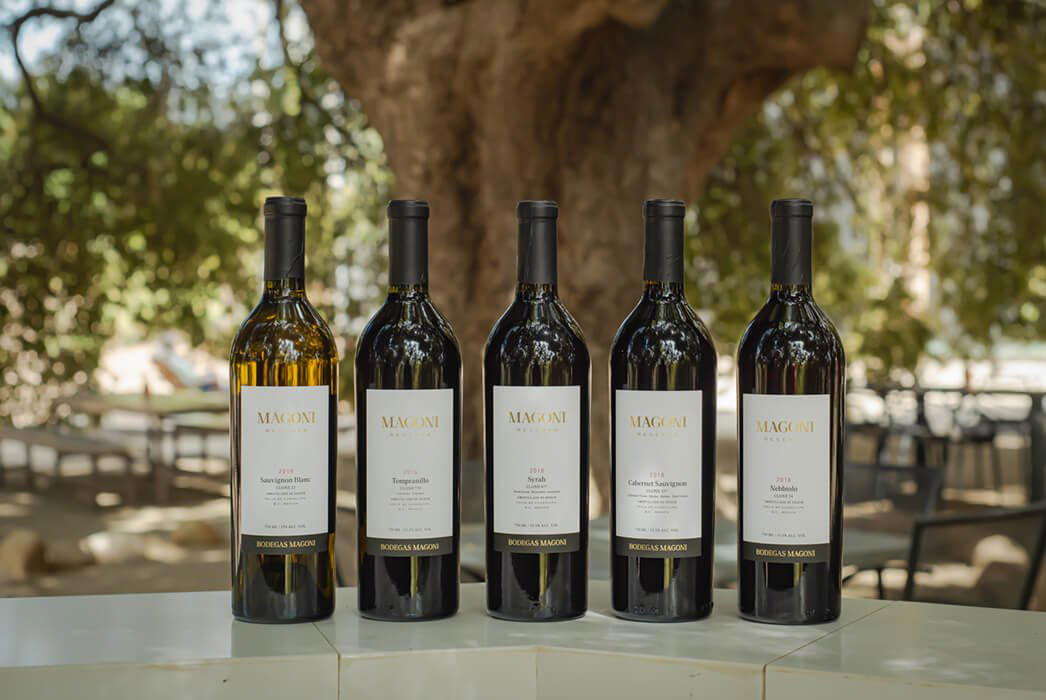
Where the Baja Highway Meets the Vine
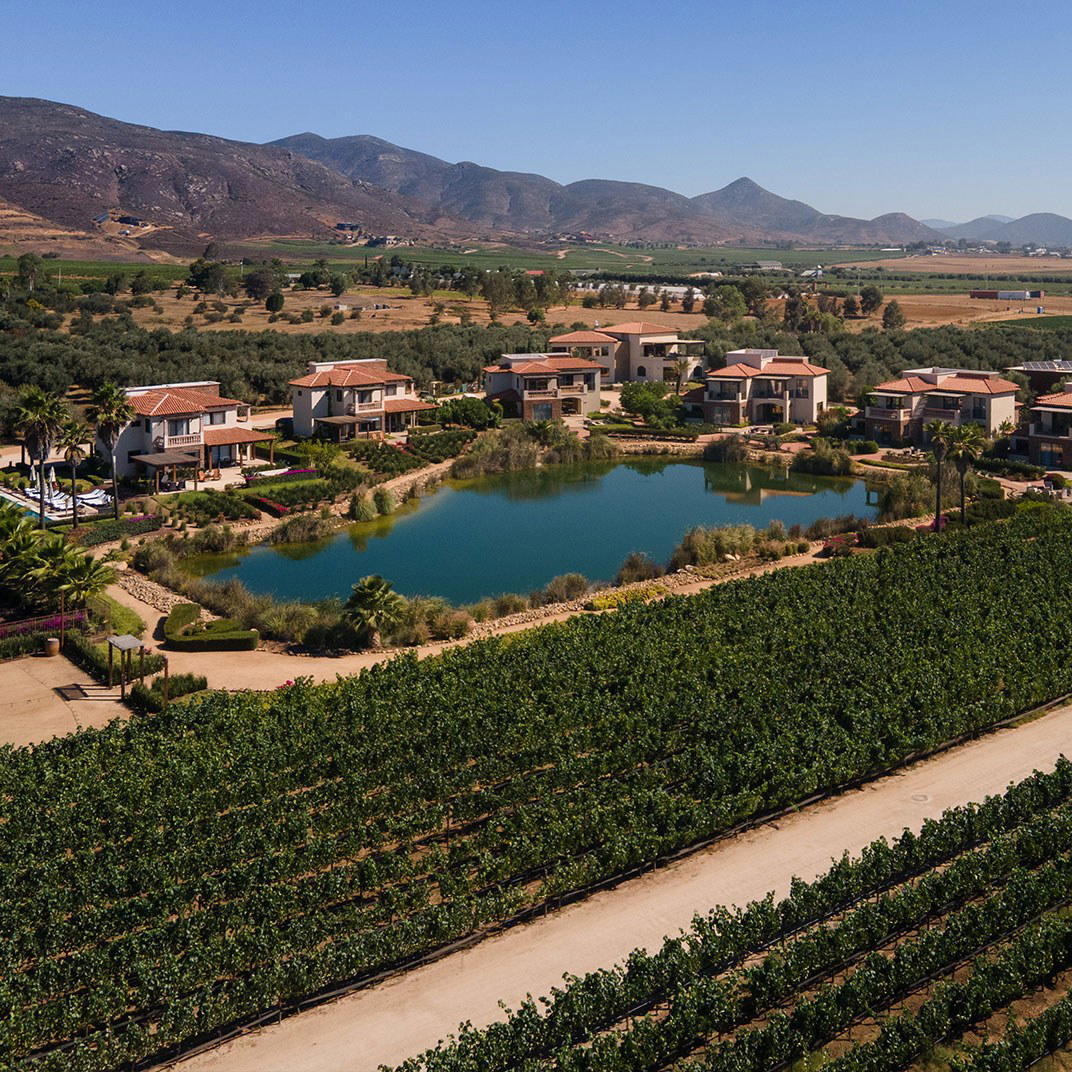
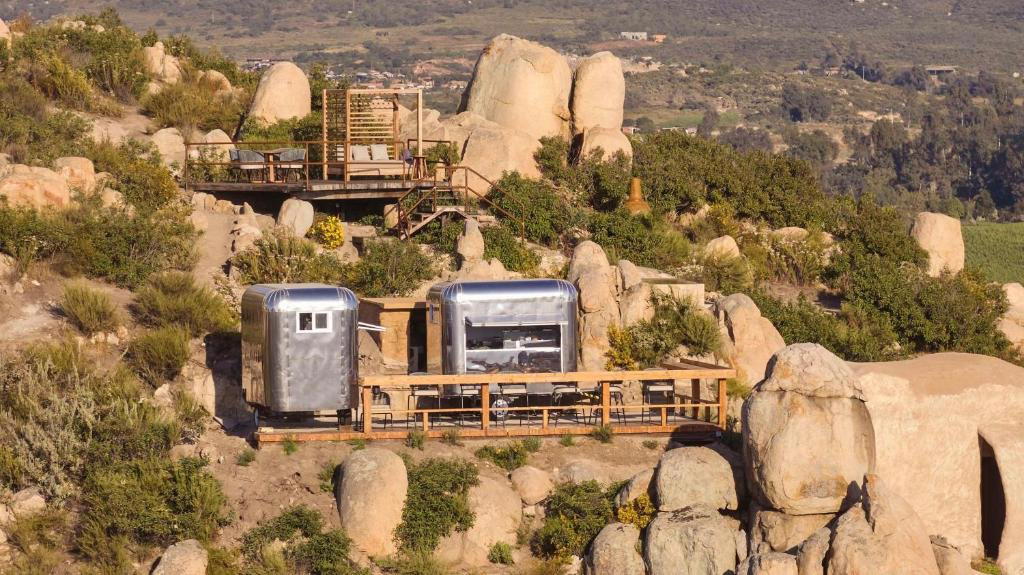
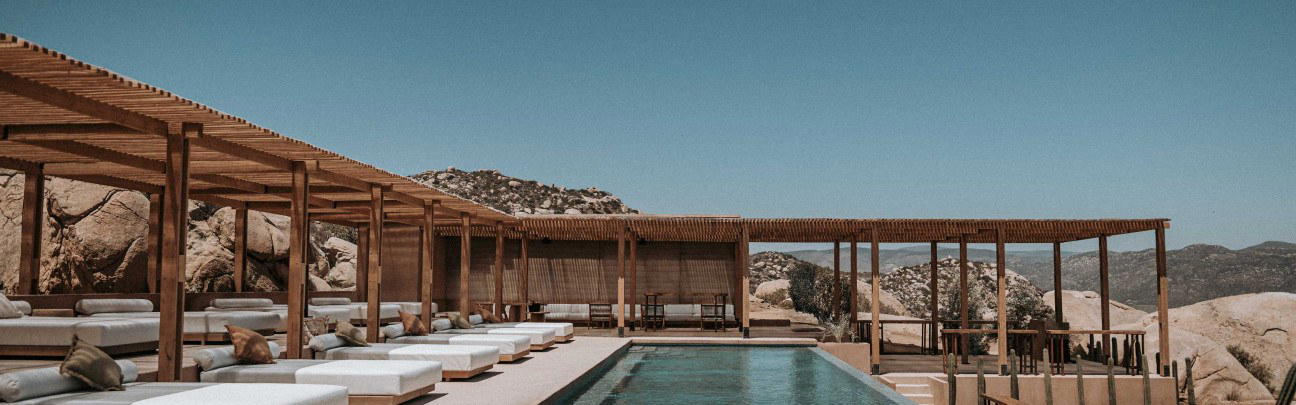
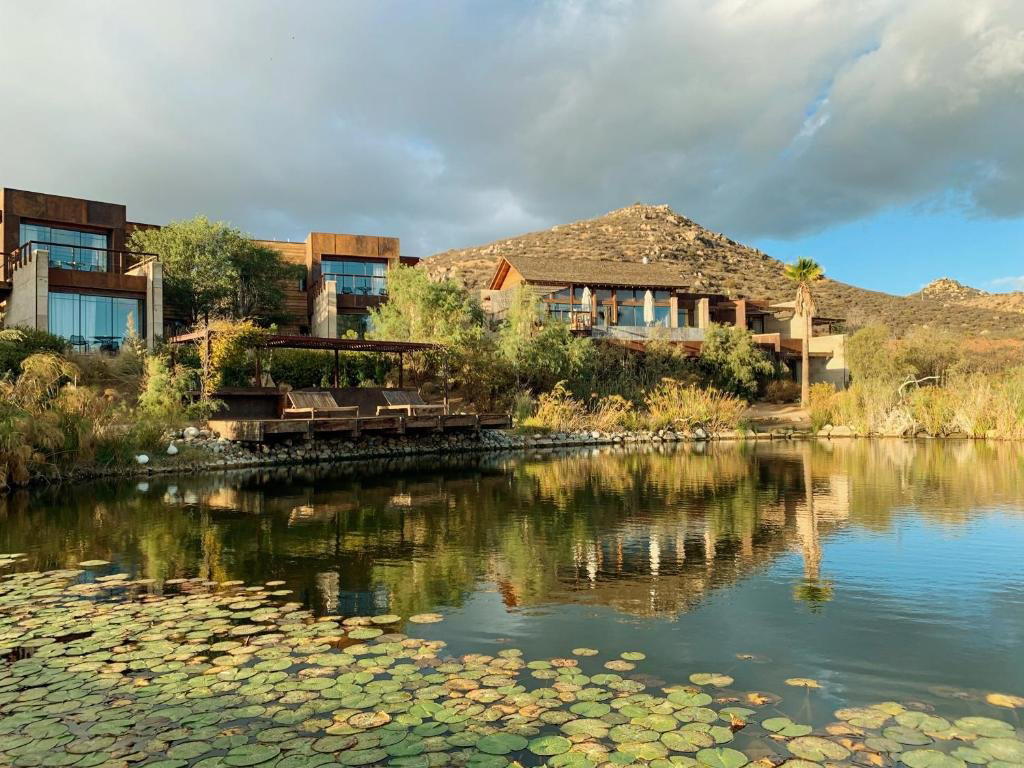
The drive along the Tecate–El Sauzal corridor frames the visit before you arrive. At Km 83, the terrain shifts in the way it does across much of Baja California's wine country: chaparral gives way to ordered rows, and the Pacific influence — that marine layer that rolls in from the northwest and keeps afternoon temperatures from climbing too far — becomes something you feel as much as notice. This is not a region that announces itself with drama. It earns its credibility through growing conditions that have taken decades for the broader wine world to take seriously, and Bodegas Magoni occupies a position in that corridor that places it among Ensenada's established estate addresses.
Ensenada's wine country sits roughly 80 kilometres south of the US border, close enough to Tijuana that weekend visits from San Diego have become a well-worn circuit, yet removed enough that the Valle de Guadalupe and its surrounding highways retain a character distinct from the border tourism economy. The Km 83 address on the Tecate route puts Bodegas Magoni outside the Valle de Guadalupe cluster itself, in a zone where the road, the estates, and the Pacific horizon form the dominant geography. For anyone building a Baja wine itinerary, this location sits logically between Ensenada's coastal centre and the inland valleys, a stop that rewards the drive rather than simply justifying it.
Terroir on the Tecate Road
Baja California's wine identity rests on a specific overlap of conditions that viticulturalists elsewhere would recognise as Mediterranean: dry summers, mild winters, and a coastal influence that moderates the diurnal temperature swing enough to preserve acidity in grapes that might otherwise cook flat under desert-adjacent sun. The Tecate–El Sauzal stretch sits at the western edge of this system, where the Pacific draws closest and the marine layer has its strongest moderating effect. Soils in this corridor tend toward granitic and alluvial profiles, draining freely and forcing vine roots to work for water, a stress regime that, managed carefully, produces concentration without dilution.
This is the same logic that animates winemaking across the broader Ensenada region, where producers like Vena Cava have built reputations on translating Baja's specific terroir into bottles that hold their own in international comparative tastings. The region's trajectory has been upward for two decades: from a curiosity on the margins of Mexican wine production to a destination that draws serious buyers and wine press from Europe and North America. Bodegas Magoni's position on this corridor places it inside that trajectory, an estate address in a zone where the land's credentials are no longer contested.
What distinguishes terroir-focused estates in this part of Baja from their Valle de Guadalupe counterparts is partly a question of elevation and partly one of exposure. Estates closer to the Tecate road tend to sit at slightly different elevations and angles to the prevailing marine airflow than those concentrated in the Valle's bowl. These are fine distinctions, but they matter in how wines carry acidity, how tannins develop in red varieties, and how aromatic compounds build in whites grown close to the coast. Understanding Bodegas Magoni's output means understanding these conditions first, because the geography is the argument the estate makes before a single bottle is opened.
Ensenada's Wine Corridor in Context
Baja California produces a small fraction of Mexico's total wine volume, but a disproportionate share of its premium output originates here. The region's concentrated prestige is partly a function of terroir and partly a function of proximity: estates on the Tecate road and in the Valle de Guadalupe benefit from a visiting culture that has no equivalent elsewhere in Mexican wine country. Visitors from Southern California make the crossing specifically for wine, and the infrastructure of tasting rooms, restaurants, and cellar experiences has developed accordingly. This is a different model from, say, the agave spirits corridor in Jalisco, where destinations like Jose Cuervo (La Rojeña) in Tequila or Casa Herradura in Amatitán draw heritage tourism as much as product-focused visits, or the mezcal producers of Oaxaca like Don Amado in Santa Catarina Minas and Los Danzantes in Santiago Matatlán, where artisanal production and village context define the experience. In Baja, the wine is the primary draw, and the landscape is the frame.
The practical rhythm of visiting the Tecate corridor suits a half-day circuit rather than a single stop. Estates here tend to function as destinations with tasting experiences built into the visit rather than production facilities with a tasting room appended as an afterthought. That approach reflects the visitor economy the region has developed, one that sits closer to the Napa model than to the utilitarian distillery visit you might make at operations like Cazadores in Arandas or Hacienda Corralejo in Pénjamo. The comparison is not a hierarchy; it simply describes different visit typologies across Mexico's diverse production regions.
For a fuller picture of Ensenada's eating and drinking scene beyond the wine estates, our full Ensenada restaurants guide covers the city's coastal dining, seafood markets, and the range of experiences between the harbour and the wine country. Bodegas Magoni sits at one end of that spectrum, an estate visit rather than a restaurant stop, and it rewards visitors who come with the wine as the explicit purpose rather than as a backdrop to lunch.
Planning Your Visit
The Km 83 address on the Tecate–El Sauzal highway is specific enough to locate on mapping applications, and the route from Ensenada's centre is direct by car, the coastal and inland roads converge in a way that makes the estate reachable without significant navigation complexity. Visits to Baja wine estates in this corridor are generally leading timed for late morning, when the marine layer has lifted enough to make the vineyard setting legible but before afternoon heat sets in. Weekends between May and October represent peak traffic from the Southern California market; mid-week visits in spring or autumn tend to offer a quieter experience at most estates in the region.
Continue exploring
More in Ensenada
Wineries in Ensenada
Browse all →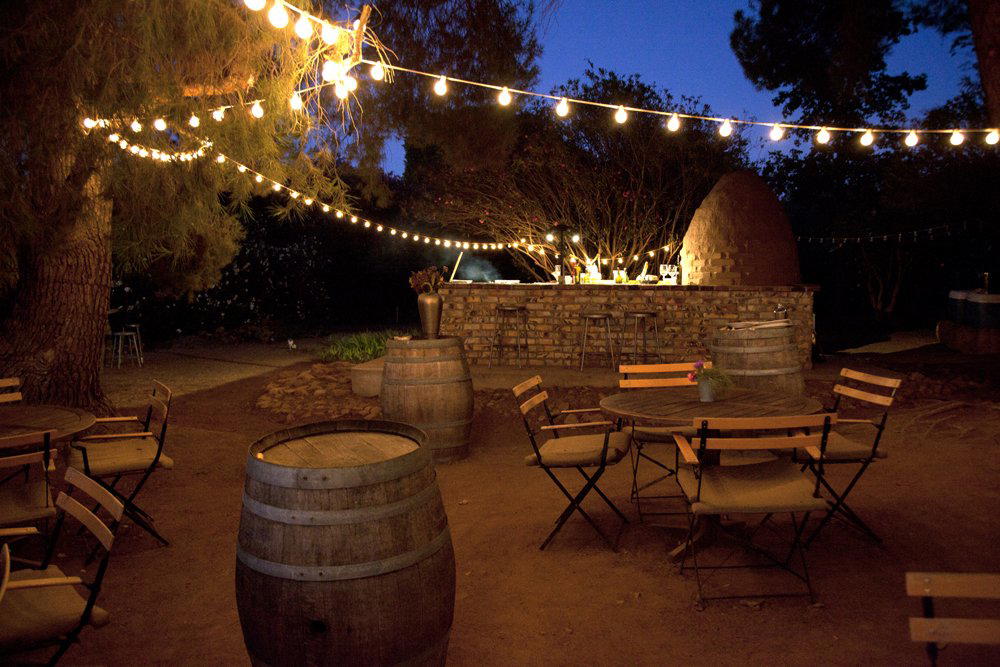

Bars in Ensenada
Browse all →
Restaurants in Ensenada
Browse all →
At a Glance
- Rustic
- Scenic
- Cozy
- Intimate
- Solo Exploration
- Wine Education
- Group Outing
- Vineyard Tour
- Estate Grounds
- Terrace
- Vineyard
- Valle De Guadalupe
- Sauvignon Blanc
- Merlot
- Malbec
- Viognier
- Fiano
- Nebbiolo
- Still Red
- Still White
- Still Rosé
- Estate Tasting
Current opening hours
- Monday
- 11 AM–5 PM
- Tuesday
- 11 AM–5 PM
- Wednesday
- 11 AM–5 PM
- Thursday
- 11 AM–5 PM
- Friday
- 11 AM–5 PM
- Saturday
- 11 AM–6 PM
- Sunday
- 11 AM–5 PM
Hours can change for holidays and private events. Last verified .
Peaceful and relaxing with live music, shaded by a beautiful massive oak tree, and inviting atmosphere for wine tasting and charcuterie.
Know Before You Go
- Getting there
- Km83 carretera Tecate- El sauzal, 22750 Ensenada, B.C., Mexico