Casa de Siete Balcones Hotel Boutique occupies a colonial address on Avenida José María Morelos in Oaxaca City's historic centro, placing guests within walking distance of the Zócalo, Santo Domingo church, and the city's most concentrated run of mezcalerías and market stalls. As a boutique property in one of Mexico's most architecturally preserved cities, it sits in a tier defined by intimate scale and direct neighbourhood access rather than resort amenity.
Pearl is the En Primeur Club membership app — saves, bookings, and concierge access live there. Same editors, same standards.
- Address
- Av. José María Morelos 800, RUTA INDEPENDENCIA, Centro, 68000 Oaxaca de Juárez, Oax., Mexico
- Phone
- +52 951 516 0133
- Website
- casadesietebalcones.com
- Directions
- Get directions
 Saves & bookings on Pearl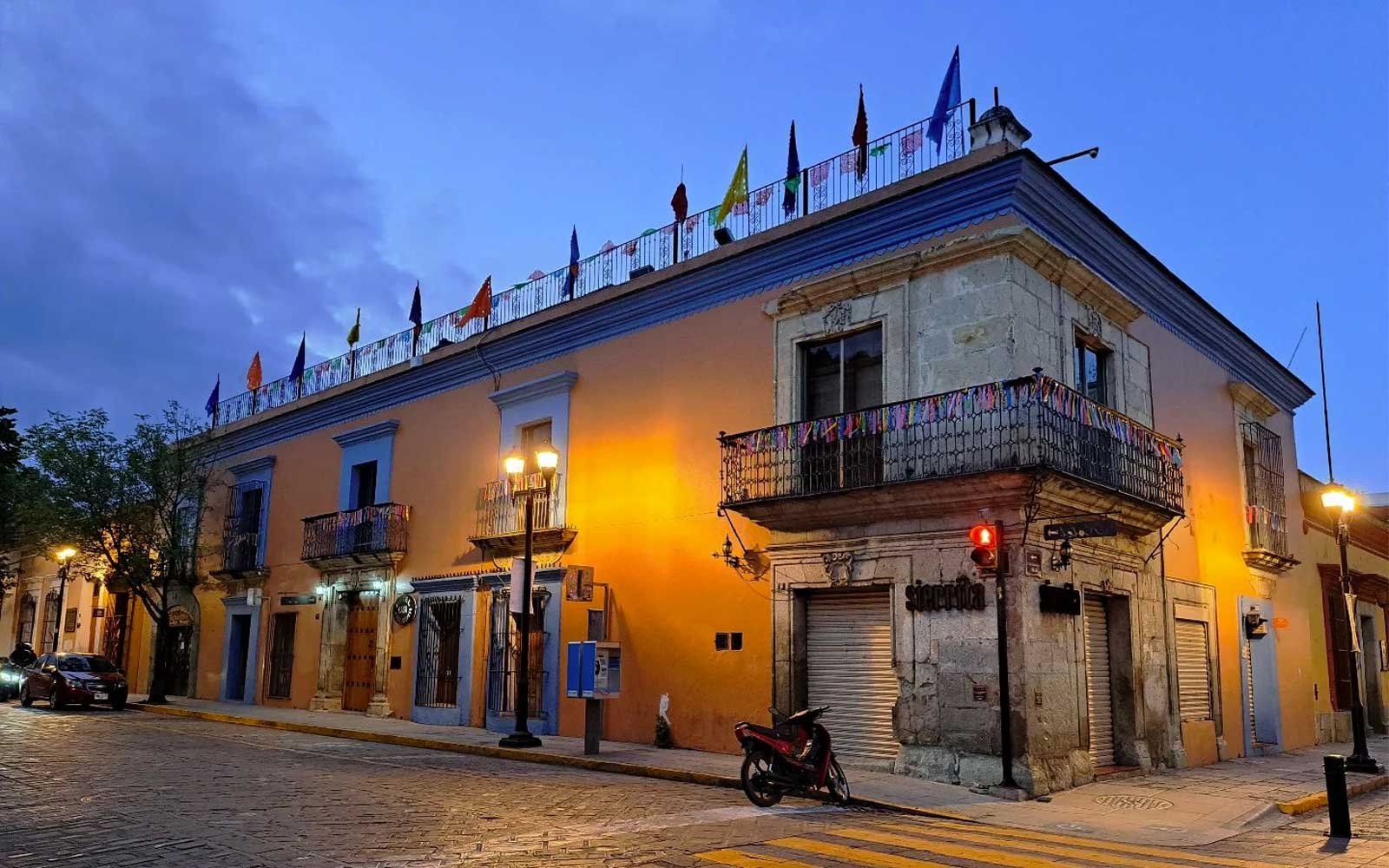
A Colonial Street, Seven Balconies, and the Logic of Oaxaca's Boutique Tier
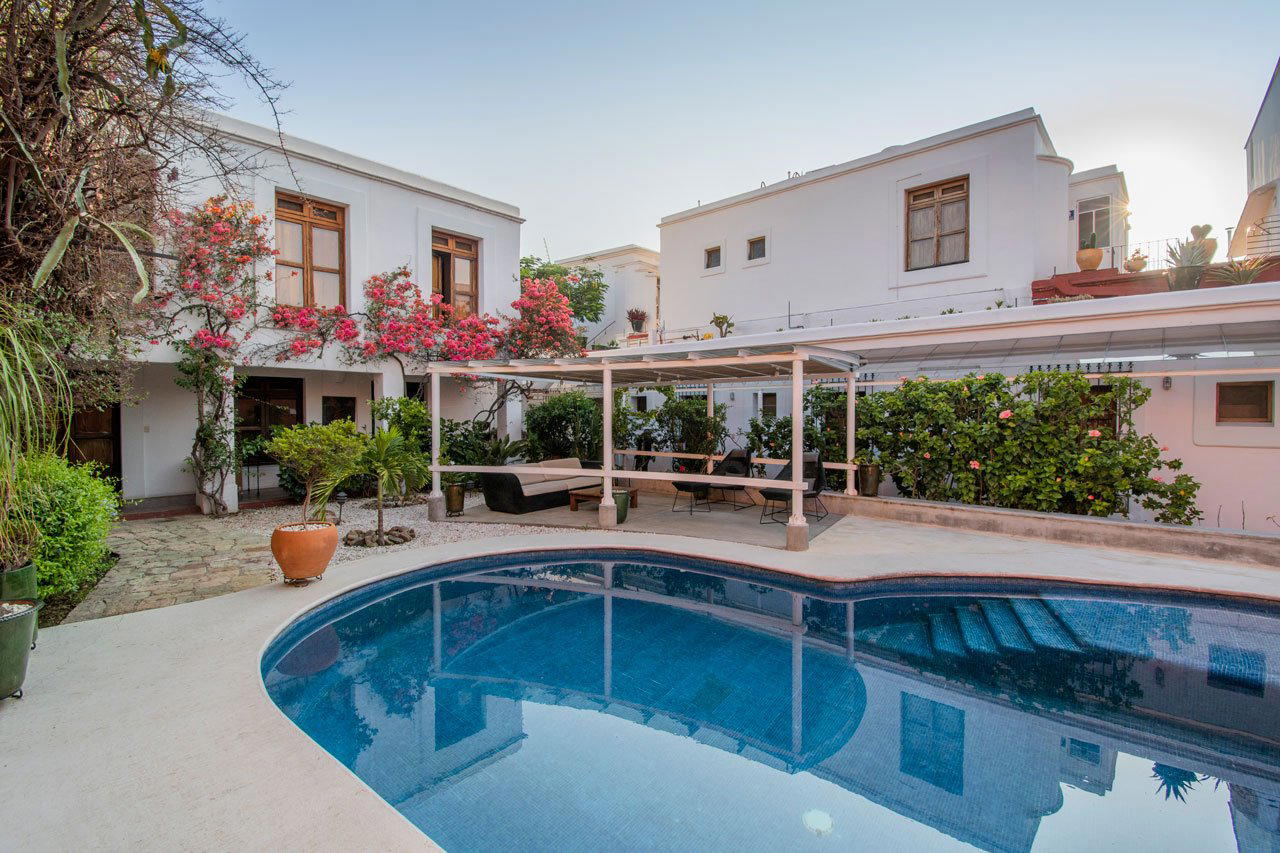
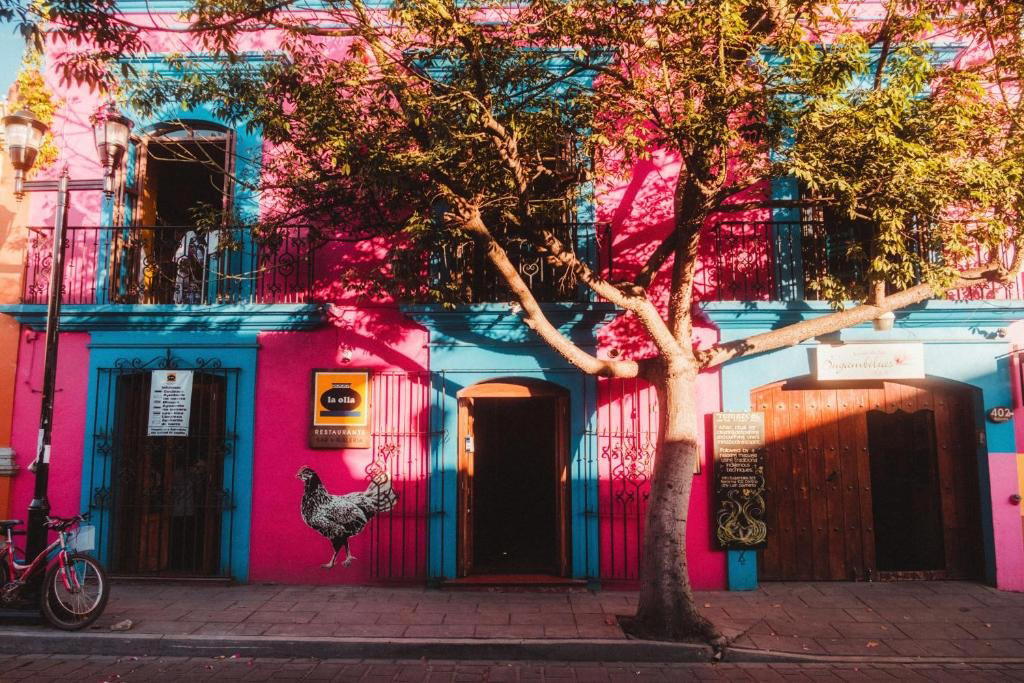
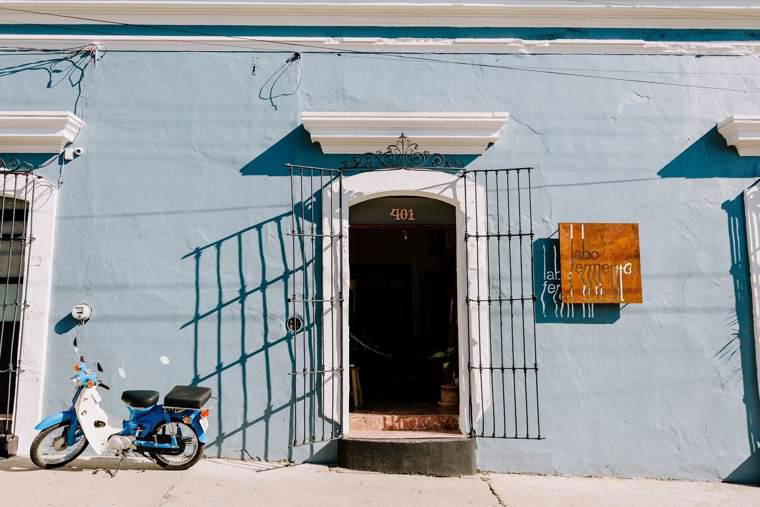
Avenida José María Morelos is one of those centro streets that rewards arrivals on foot. The facades along this corridor carry the ochre and terracotta palette that defines Oaxacan colonial architecture, and the rhythm of arched doorways, ironwork balconies, and interior courtyards is consistent enough that first-time visitors often pause mid-block simply to take stock of where they are. Casa de Siete Balcones Hotel Boutique sits within that fabric, its name a direct reference to the balcony count that faces the street, a number that, in Oaxaca's low-rise centro, reads as a meaningful architectural claim rather than a decorative flourish.
The property's address in the Ruta Independencia section of Centro places it inside the walkable core that most serious Oaxaca visitors treat as their operating radius. Santo Domingo de Guzmán, the Ethnobotanical Garden, the Mercado 20 de Noviembre, and the main mezcal retail strip on García Vigil are all within a fifteen-minute walk. For a property at this scale, that proximity is the primary value proposition: Oaxaca's centro rewards the guest who can step outside and move, and boutique hotels on streets like Morelos make that possible without a taxi buffer between the room and the city.
Where This Property Sits in Oaxaca's Boutique Hotel Tier
Oaxaca City has developed one of Mexico's most coherent boutique hotel ecosystems over the past two decades, built around colonial buildings that lend themselves to conversion and a visitor base that increasingly prioritises neighbourhood texture over resort insulation. The tier that Casa de Siete Balcones occupies, small-scale, centrally located, defined by architectural character rather than branded programming, sits alongside properties like Casa Antonieta, Casa de las Bugambilias B&B;, and Casa Oaxaca Hotel. Each occupies a colonial structure in or adjacent to the historic centre; each competes primarily on the quality of its physical space and the attentiveness of its on-the-ground team rather than on loyalty points or centralised booking infrastructure.
Further along the spectrum, properties like Hotel Hacienda Los Laureles Spa and Hotel Escondido extend the format toward spa programming and higher room counts, while addresses like El Diablo y la Sandia, Libres push into more design-forward territory. Casa de Siete Balcones, by contrast, reads as a property whose appeal is anchored in architectural specificity and direct street-level access, the kind of stay where the building itself does a significant portion of the curatorial work.
This pattern repeats across Mexico's most historically layered cities. In San Miguel de Allende, Casa de Sierra Nevada, A Belmond Hotel occupies a similar colonial-conversion logic at a higher price point and brand tier. In Mexico City's Polanco, Casa Polanco represents another node of the same instinct: period architecture repurposed for guests who want context as much as comfort. The logic connecting these properties is that the building carries meaning before a single amenity is added.
The Guest Experience Logic: Service at Intimate Scale
In a boutique property operating at this scale, the service dynamic shifts away from departmental structure toward something closer to direct relationship. There is no concierge desk in the traditional resort sense; instead, the practical intelligence about Oaxaca, which market day at which village, which mezcal producer is currently worth the drive to the valley, which restaurant requires a booking made two weeks in advance, tends to live with the staff who work the property daily. This is the structural advantage of staying small: the people who know the building also know the city, and that knowledge is more accessible than it would be at a larger property with higher turnover and more segmented roles.
Oaxaca as a destination rewards exactly this kind of briefing. The city's food culture, which runs from the tlayuda vendors near the second-class bus terminal to the more composed tasting menus that have emerged alongside the city's international profile, is navigable but layered. Markets operate on distinct schedules. The surrounding valleys, Tlacolula, Etla, Zaachila, each have market days that shift the calculus of how to spend a morning. A hotel team that can orient guests to these rhythms provides something that no app currently replicates with the same precision.
Planning Logistics and the Centro Arrival
The property's address on Av. José María Morelos 800 in the Centro district is accessible from Oaxaca International Airport in under thirty minutes by taxi or private transfer. The centro's traffic patterns mean that afternoon arrivals during peak periods, particularly around Día de los Muertos in late October and early November, Guelaguetza in July, and Semana Santa, add time to road transfers, so morning or midday arrivals are worth considering when booking is flexible.
Given the scale of the property and the volume of visitors Oaxaca receives during its festival calendar, direct contact with the hotel well in advance of peak dates is advisable. Oaxaca's boutique tier fills faster during festival periods, because the concentration of desirable properties in the walkable centro is finite. Guests comparing Mexico's broader hotel landscape will find useful reference points in properties like Hotel Esencia in Tulum, Chablé Yucatán in Merida, or Maroma in Riviera Maya.
For travellers calibrating Oaxaca against Mexico's wider luxury coastal offer, properties like Las Ventanas al Paraíso, A Rosewood Resort in San José del Cabo, Montage Los Cabos in Cabo San Lucas, Zadun, A Ritz-Carlton Reserve in Los Cabos, One&Only; Mandarina in Riviera Nayarit, Four Seasons Resort Punta Mita in Punta de Mita, Xinalani in Quimixto, Las Alamandas in Costalegre, and Etéreo, Auberge Resorts Collection in Punta Maroma define a different category entirely, one where beach access, spa depth, and F&B; programming are the organising logic rather than urban proximity. Also of note for those connecting their Oaxaca stay with international legs: The Fifth Avenue Hotel in New York City, Aman New York in New York City, and Aman Venice in Venice offer a useful benchmark for what high-density urban boutique hospitality looks like at its most demanding price tier. And for guests considering a day trip to the Tlacolula Valley from Oaxaca, Casa Silencio in San Pablo Villa de Mitla represents the alternative of basing oneself outside the city entirely.
Where It Fits
Comparable venues nearby, for context on price, style, and recognition.
| Venue | Cuisine | Price | Awards | Notes |
|---|---|---|---|---|
| Casa de Siete Balcones Hotel BoutiqueThis venue — the venue you are viewing | Colonial-era boutique hotel with traditional Oaxacan design and modern amenities, positioned as a romantic and intimate retreat in the historic center. | $$$ | 4-Star | Not listed |
| Casa de las Bugambilias B&B | Contemporary minimalist design honoring traditional Oaxacan colonial architecture with modern artistic sensibility. | $$ | 4-Star | 2006700010897 |
| Hotel Casa Santo Origen | Secluded boutique hideaway blending luxury with Oaxacan cultural richness. | $$$ | 5-Star | 2006700011772 |
| Majagua Boutique Hotel | Restored 1950s Art Deco mansion fusing contemporary luxury with Oaxacan artisan heritage. | $$$ | 4-Star | 2006700010897 |
| Hotel Sin Nombre | Contemporary boutique hotel housed in a restored 17th-century colonial mansion, blending vernacular architecture with minimalist design and curated artisanal elements. | $$$$ | 5-Star | 2006700010952 |
| Otro Oaxaca | Design-forward boutique blending Oaxacan heritage with modern architecture | $$$$ | 5-Star | 2006700010897 |
Continue exploring
More in Oaxaca
Hotels in Oaxaca
Browse all →
Bars in Oaxaca
Browse all →
Restaurants in Oaxaca
Browse all →
At a Glance
- Romantic
- Classic
- Elegant
- Intimate
- Romantic Getaway
- Weekend Escape
- Anniversary
- Historic Building
- Garden
- Terrace
- Panoramic View
- Wi Fi
- Spa
- Massage
- Room Service
- Concierge
- Bicycle Rental
- Street Scene
- Garden
- Wi Fi
- Spa
- Massage
- Room Service
- Concierge
- Bicycle Rental
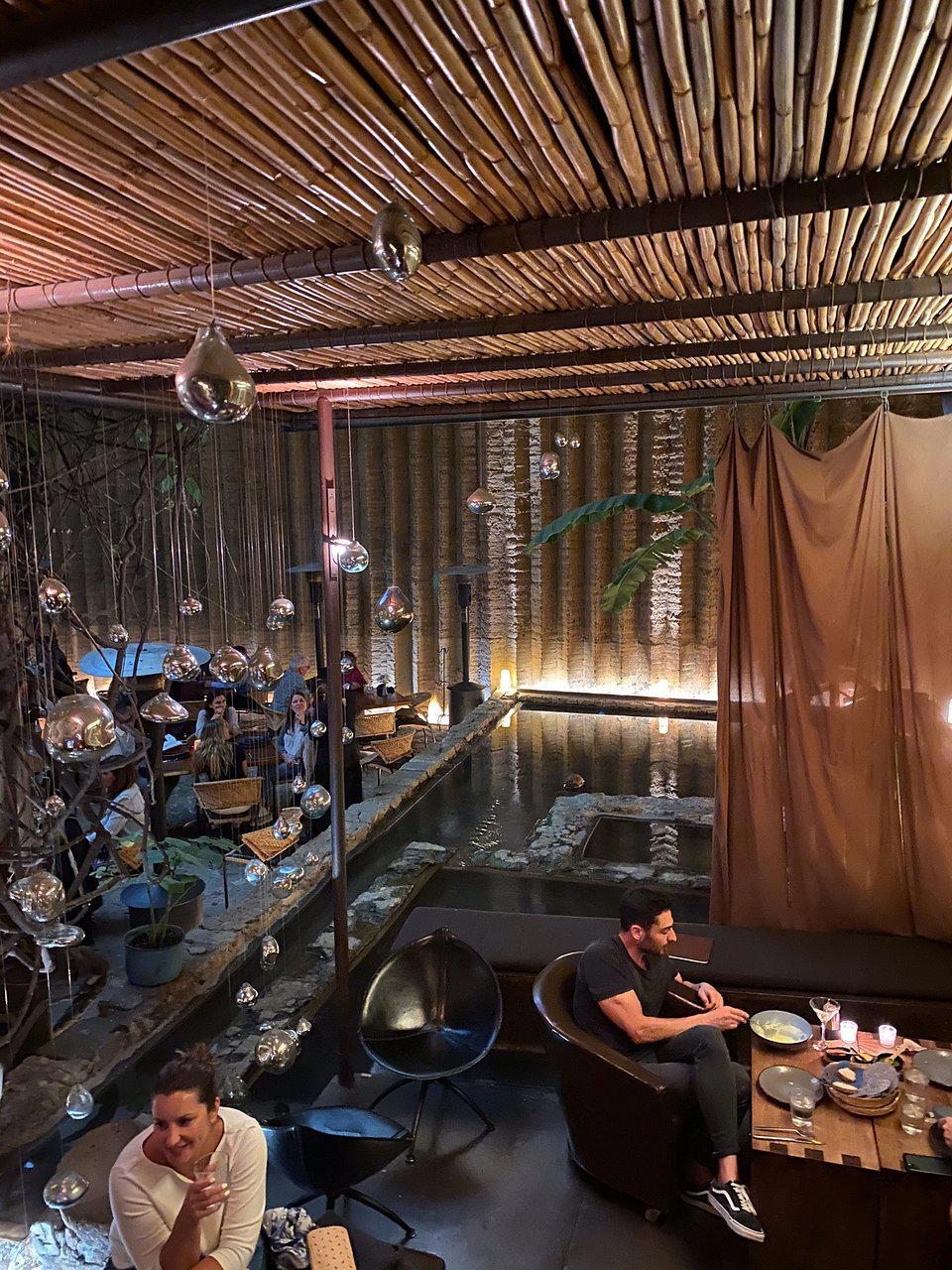
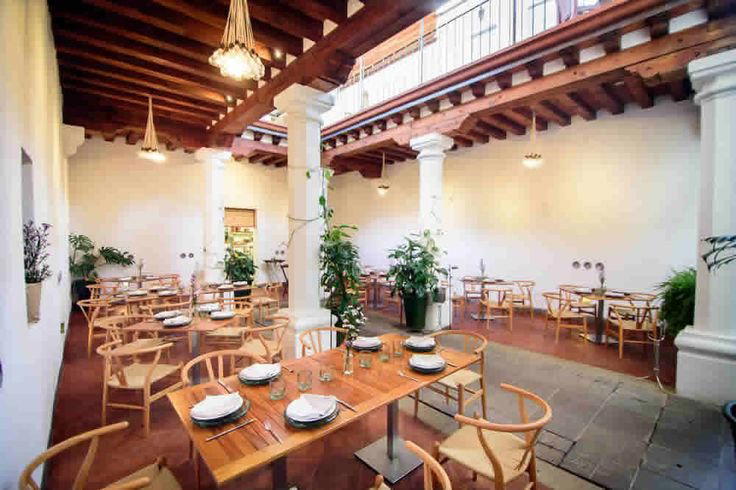
Warm, nostalgic atmosphere with natural light-filled rooms, heavy wood furnishings, and colonial-era design that transports guests to another era; peaceful courtyard setting with attentive service.