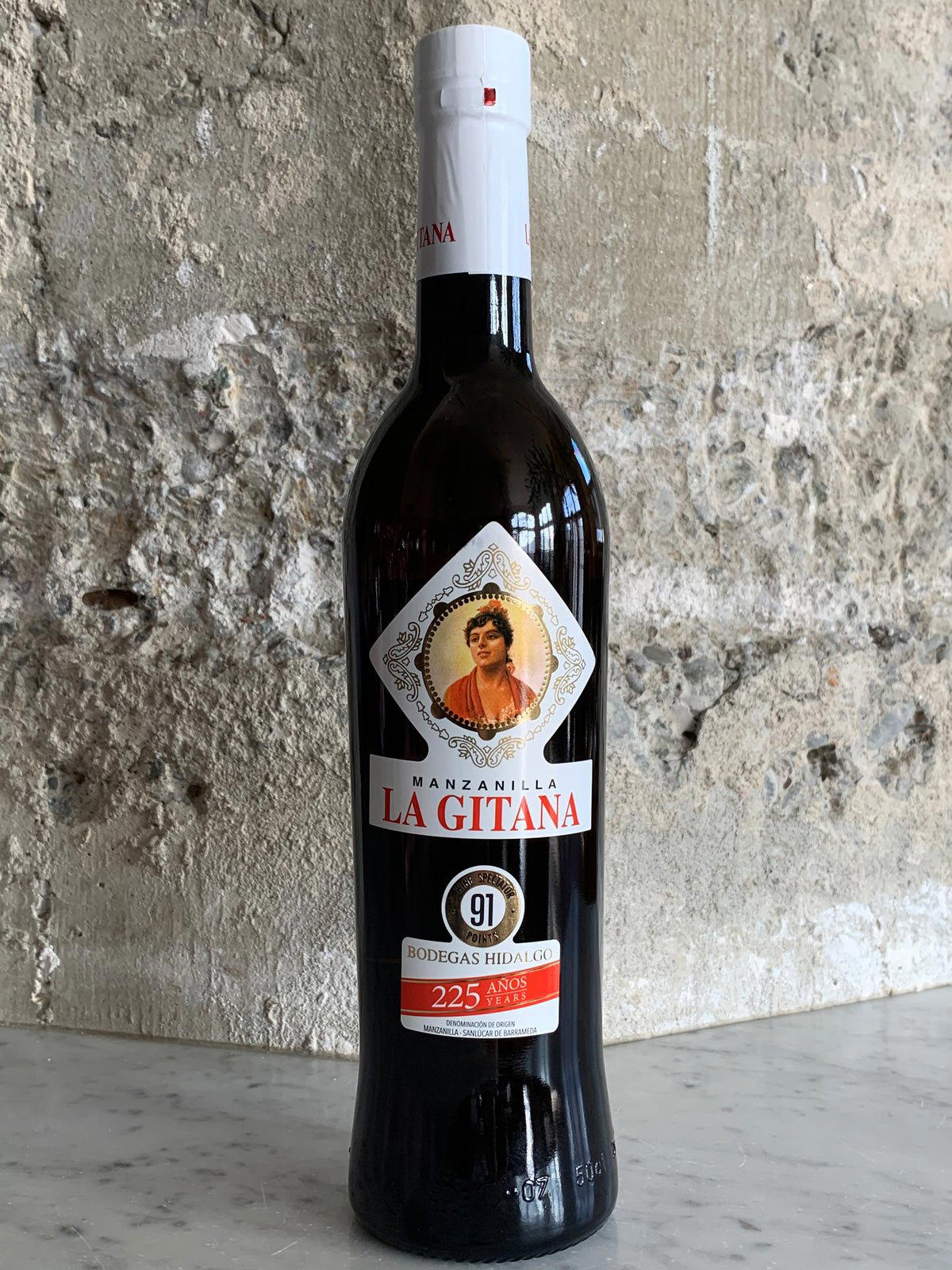
Hidalgo La Gitana

Falstaff Winery - Listed
Positioned on Banda Playa, one of the town's most storied addresses, it represents the intersection of Sherry's most local and saline expression with generations of regional winemaking continuity.

Pearl is the En Primeur Club membership app — saves, bookings, and concierge access live there. Same editors, same standards.
- Address
- Cl. Banda Playa, 42, 11540 Sanlúcar de Barrameda, Cádiz
- Phone
- +34 956 38 53 04
- Website
- bodegashidalgolagitana.com
- Directions
- Get directions
Sanlúcar de Barrameda and the Manzanilla Question
There is a persistent misunderstanding in how people encounter Sherry: they think of it as a single category with regional variations, when in fact Manzanilla is its own appellation, its own microclimate argument, its own culture. Produced exclusively within the municipality of Sanlúcar de Barrameda, Manzanilla draws on the proximity of the Guadalquivir estuary and the Atlantic to produce a flor-aged fino style with a saline, chamomile-edged character that cannot be replicated inland at Jerez de la Frontera. This is not a matter of taste preference — it is a matter of geography enforcing difference. The town's bodega culture is built around this distinction, and Hidalgo La Gitana, operating from Cl. Banda Playa 42, sits at the centre of that tradition.
Sanlúcar is not a wine-tourism city in the organised, visitor-programmed sense of, say, the Ribera del Duero estates like Bodegas Protos in Peñafiel or Abadía Retuerta in Sardón de Duero. There are no manicured vineyard terraces arranged for photography and no hotel wings annexed to the soleras. What exists instead is a working port town with bodegas that have operated through multiple generations, where the wine conversation happens at zinc-topped bars and in the shade of whitewashed courtyards.
The Solera System as Editorial Subject
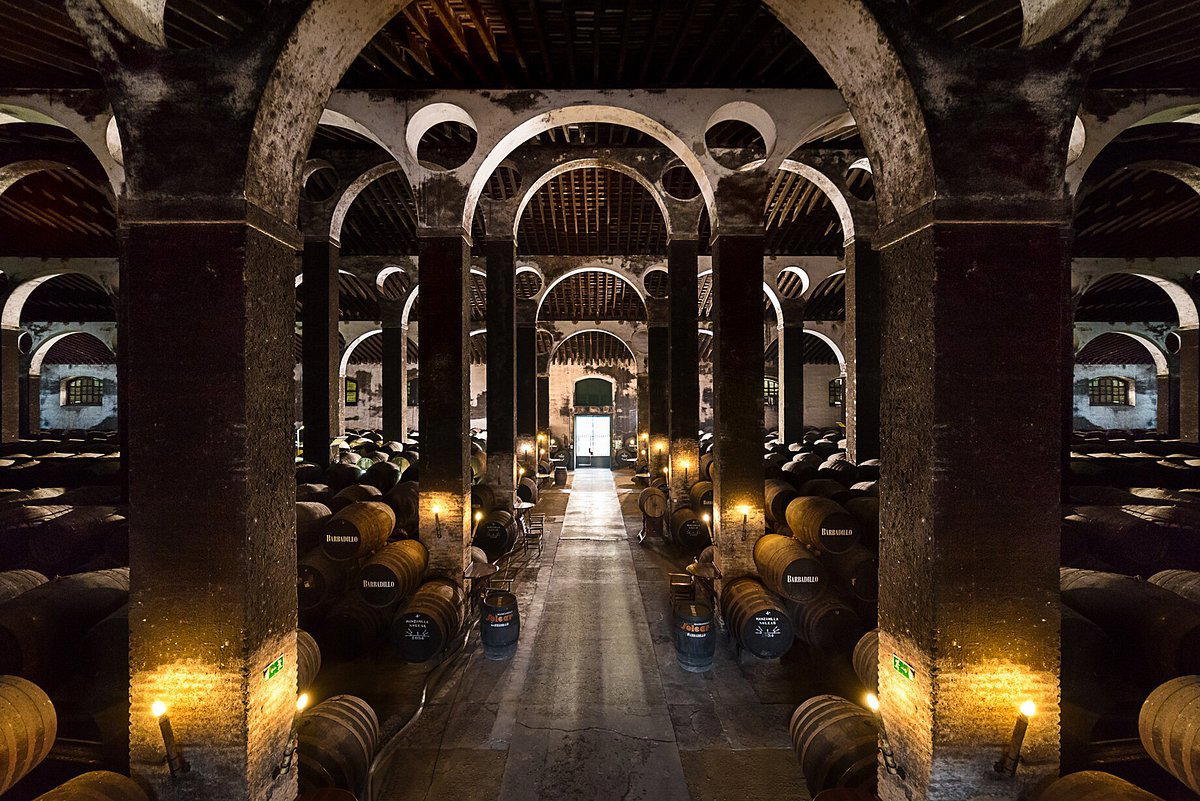
Understanding what Hidalgo La Gitana produces requires understanding the solera, because the solera is not background process, it is the product. Under the fractional blending system that governs Manzanilla and Fino production, wine of different ages is continuously blended across a series of barrels arranged in tiered rows. No single vintage is ever bottled; what goes into the bottle is a layered average of many years, shaped by flor yeast that lives on the wine's surface and determines its eventual character. The system demands patience and precision in equal measure. The producer's role is less that of winemaker in the Burgundian sense and more that of custodian: maintaining the health and consistency of flor across thousands of barrels, adjusting refresh rates, and managing the integrity of the final blend across time. Producers like Lustau in Jerez de la Frontera have brought wider international attention to this category through almacenista bottlings and single-cask formats, but Sanlúcar's leading houses have maintained a different emphasis: depth of solera age and consistency of house style over exploratory releases.
For a Manzanilla house, that means a solera with genuine age, a flor management approach that prioritises aroma complexity, and a supply discipline that does not sacrifice quality for volume.
Banda Playa: Address as Argument
Banda Playa is worth naming specifically, because in Sanlúcar it carries meaning. The street runs close to the Atlantic-influenced coastal strip of the town, and the proximity to the sea is not incidental, the humidity levels along the waterfront affect flor activity and yeast health in ways that producers have recognised for centuries. Bodegas on or near this address are considered to have a locational advantage in Manzanilla production, a claim supported by the number of significant houses clustered in that zone. This is the local equivalent of a premier cru position: not a marketing claim but a consequence of documented microclimate effects. Bodegas Barbadillo, among the largest and most export-oriented Manzanilla producers in the town, operates in the same neighbourhood, which indicates the competitive density of this address.
It places Hidalgo La Gitana within the segment of Sanlúcar producers who can make a serious environmental case for the quality of their flor conditions, rather than relying solely on process or brand history.
Manzanilla in the Spanish Wine Context
The broader Spanish fine wine conversation in 2025 tends to organise itself around prestige red wine regions: Rioja houses like CVNE (Cune) in Haro and Marqués de Cáceres in Cenicero, single-estate Priorat producers such as Clos Mogador in Gratallops, or the Vega Sicilia axis of Ribera names. Sparkling producers like Codorníu in Sant Sadurní d'Anoia have maintained significant export presence, and estate wines from Castilla-La Mancha such as Marqués de Griñón (Dominio de Valdepusa) in Malpica de Tajo have argued the case for Pago classification. Manzanilla sits outside all of these conversations, it is an oxidative, fortified, non-vintage category produced in one small town, and its recent international rehabilitation owes more to sommeliers and food-pairing culture than to traditional wine press rankings.
That rehabilitation matters here. Manzanilla's appeal to the current generation of serious drinkers rests on qualities that align with contemporary taste: low residual sugar, high saline and umami complexity, strong food-pairing range (particularly with raw seafood, which Sanlúcar supplies in abundance via its fish market and waterfront restaurants), and a production system that rewards attention to craft over yield. The designation implies a producer operating in the first division of its category.
Visiting and Planning
Sanlúcar de Barrameda is approximately 35 kilometres northwest of Jerez de la Frontera and roughly 100 kilometres from Seville, making it accessible as a day trip from either city or as a two-night base during a Sherry triangle itinerary. The town's bodega visits are generally less formally structured than the appointment-heavy, tour-format experiences common in Rioja or Penedès, though serious visits to producers at the level of Hidalgo La Gitana benefit from advance contact. Visiting in spring or autumn avoids the peak-summer heat that compresses the town's outdoor dining and market activity into early morning and late evening hours. The Sanlúcar horse races on the Guadalquivir beach (held in August) bring significant regional crowds, which affects accommodation availability and general access. For a fuller picture of what the town offers across dining, bars, and bodega visits, see our full Sanlúcar de Barrameda restaurants guide.
For context on how Hidalgo La Gitana sits within a wider international fine wine perspective, including how aged Sherry expressions compare to matured single malts from houses like Aberlour in Aberlour or allocation-based Napa producers like Accendo Cellars in St. Helena, the EP Club's broader regional guides provide the comparative framing. What remains specific to Sanlúcar is the combination of Atlantic air, estuary humidity, and a centuries-old solera tradition that cannot be sourced from anywhere else on the map.
Cost Snapshot
Comparable venues nearby, for context on price, style, and recognition.
| Venue | Cuisine | Price | Awards | Notes |
|---|---|---|---|---|
| Hidalgo La GitanaThis venue — the venue you are viewing | Not listed | Not listed | Falstaff Winery - Listed | Not listed |
| Bodegas Barbadillo | Barrio Alto, Palomino, Tempranillo | Not listed | Falstaff Winery - Listed | Not listed |
| Brook Brothers Distillery | Winery | Not listed | Not listed | Not listed |
| La Orden del Libra Gin | Winery | Not listed | Not listed | Not listed |
| Fernet Capri Distillery | Winery | Not listed | Not listed | Not listed |
| Williams & Humbert | Not listed | $30–50 | Falstaff Winery - Listed | Jerez de la Frontera, Palomino, Pedro Ximénez |
Recognition history
Dated appearances from independent guides and award organizations, with the underlying list record or original source where available.
Falstaff Winery - Listed
Falstaff
Continue exploring
More in Sanlúcar de Barrameda
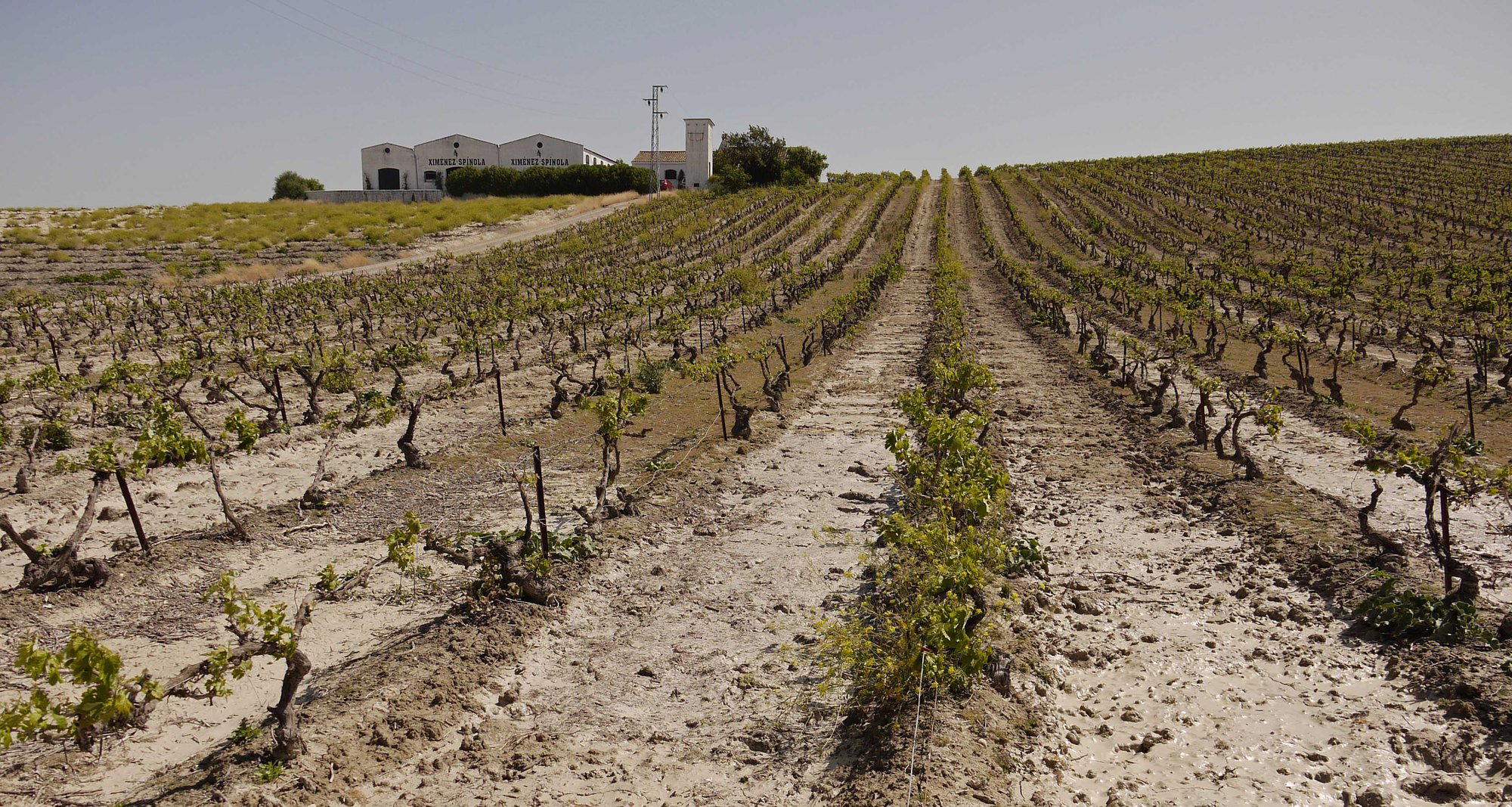
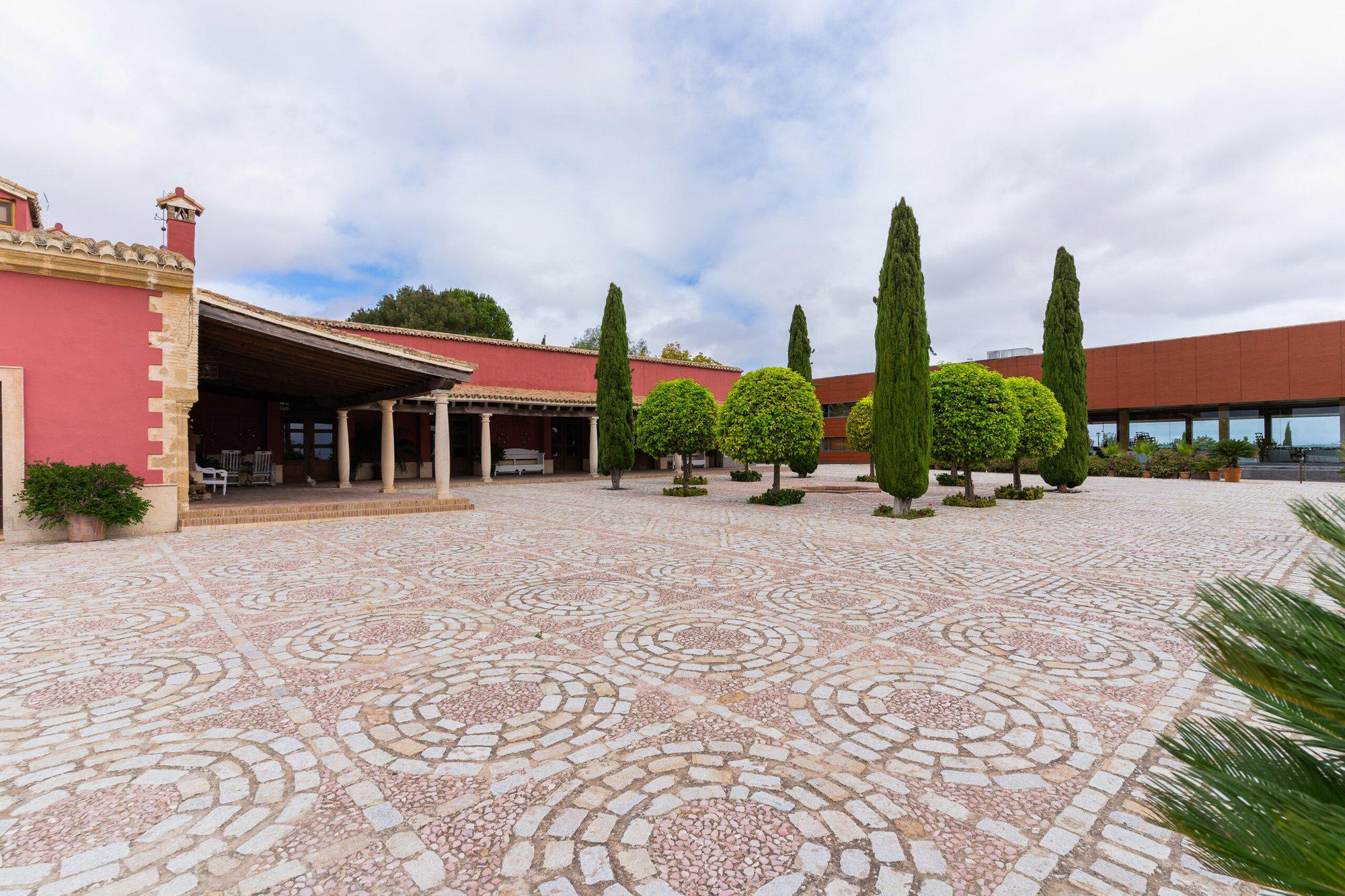
Wineries in Sanlúcar de Barrameda
Browse all →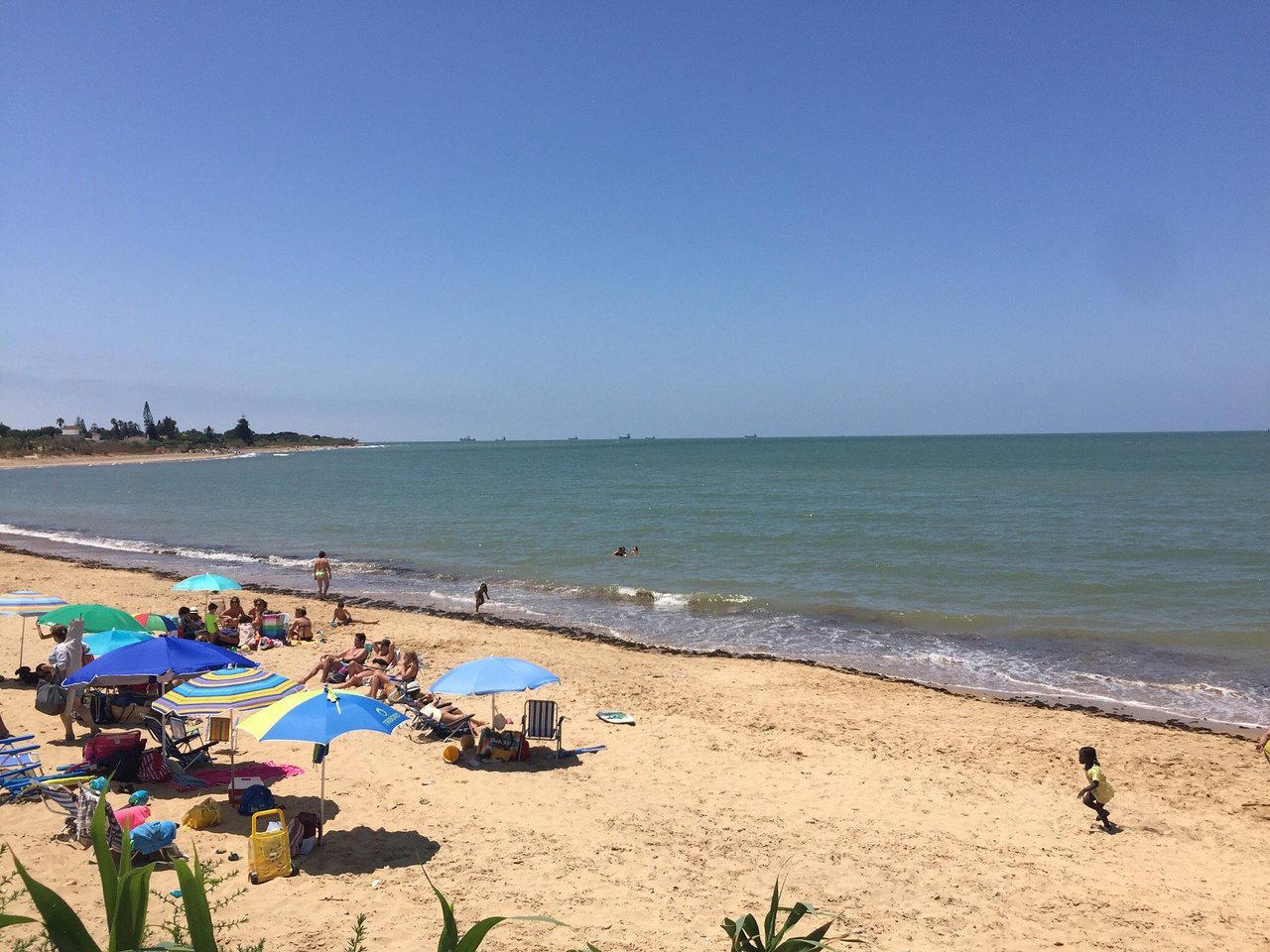
Bars in Sanlúcar de Barrameda
Browse all →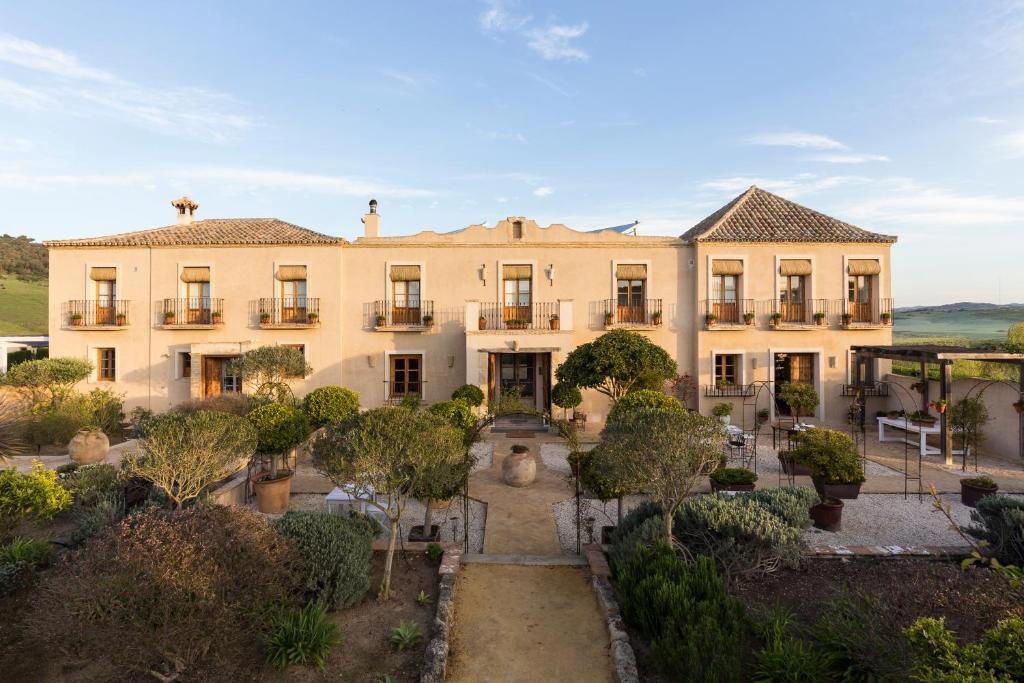
Restaurants in Sanlúcar de Barrameda
Browse all →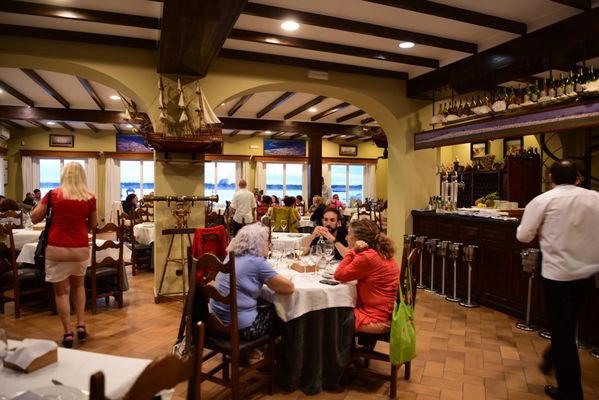
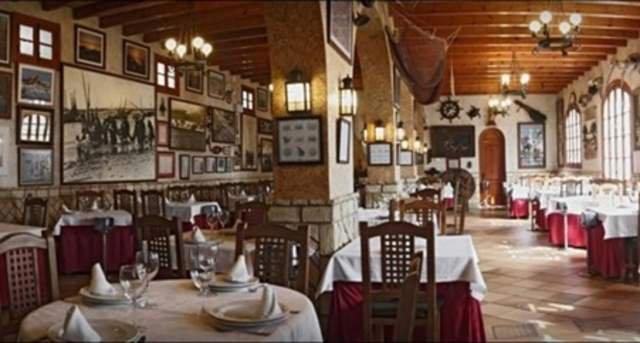
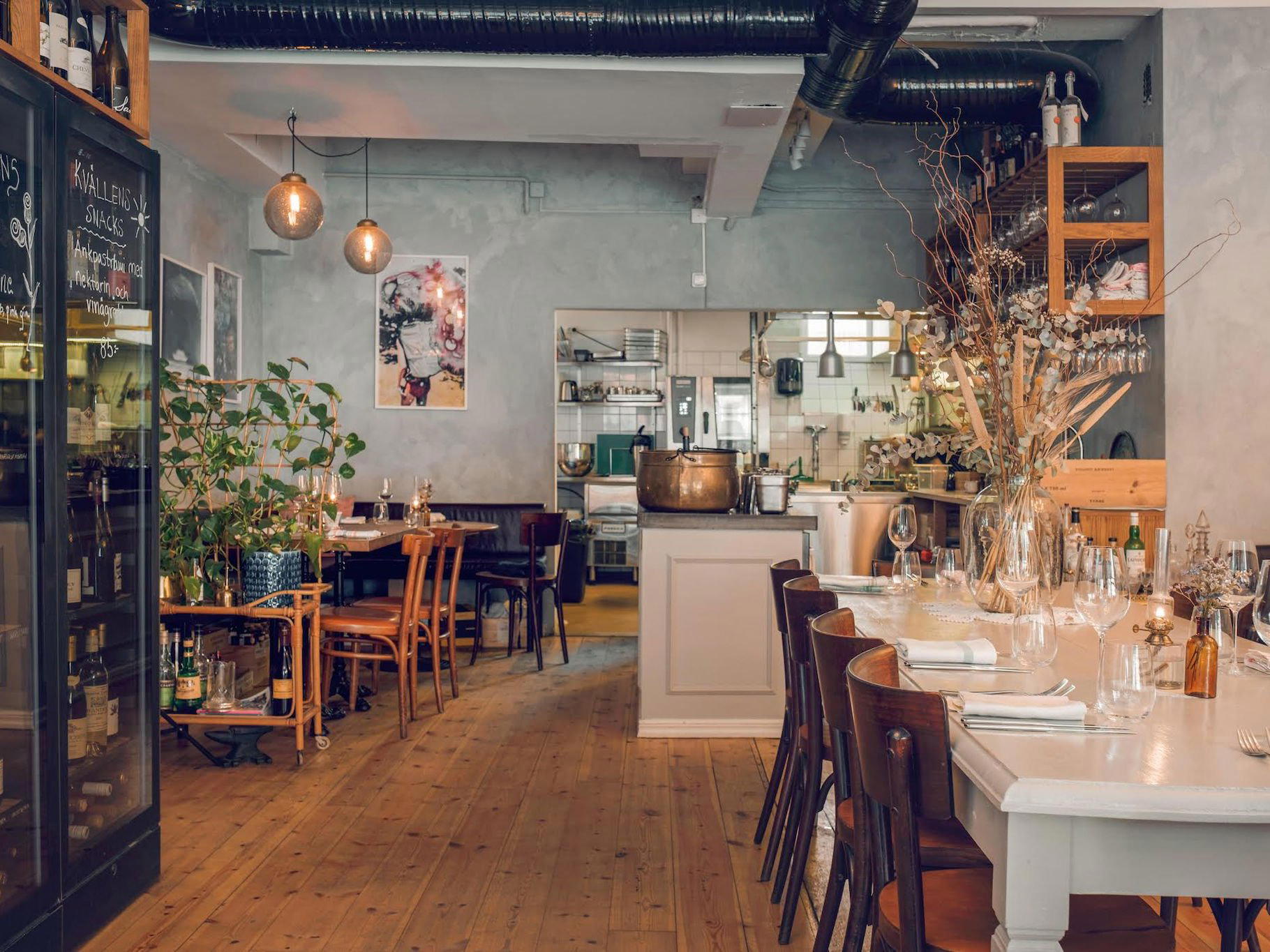
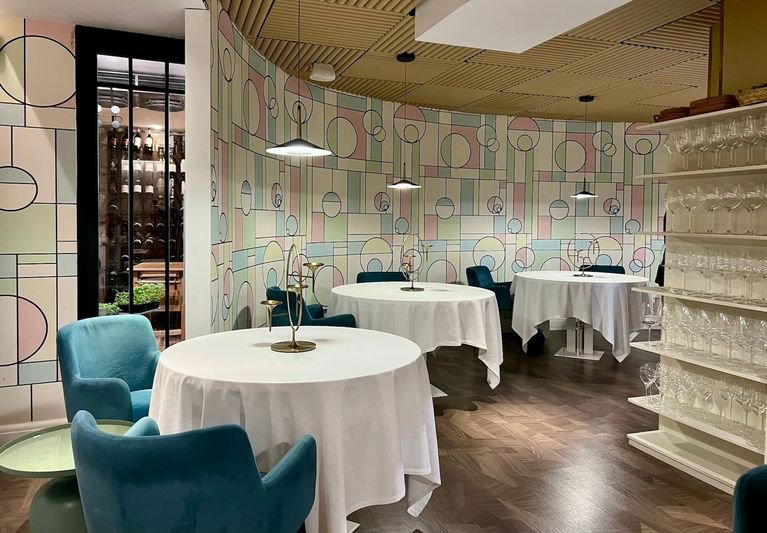
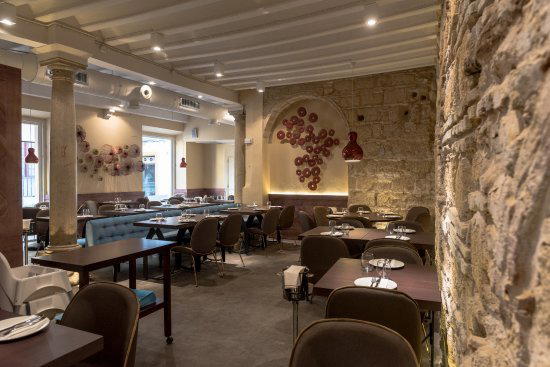
Details
- Rustic
- Classic
- Intimate
- Scenic
- Wine Education
- Solo Exploration
- Historic Building
- Barrel Room
- Organic
- Vineyard
- Palomino
- Moscatel
- Pedro Ximénez
- Fortified
- Still White
- Cave Tasting
- Barrel Room
- Spanish
- English
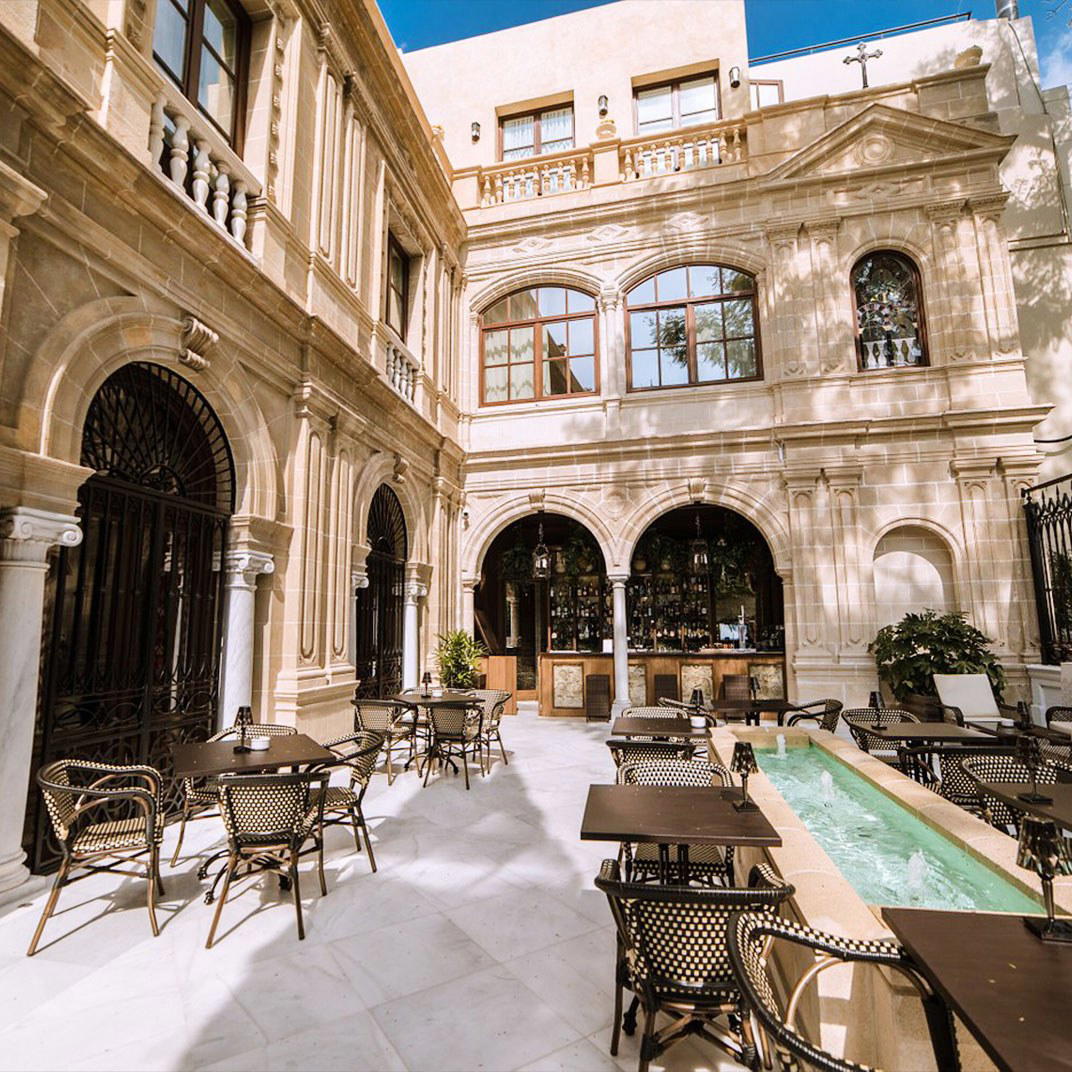
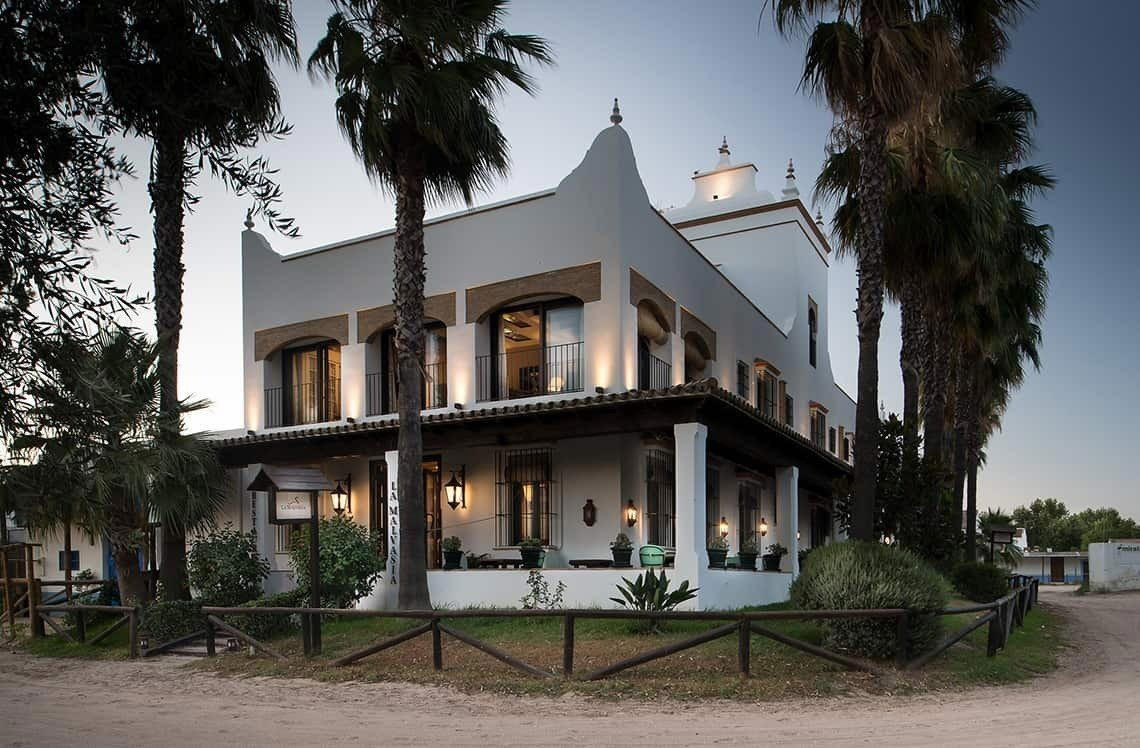
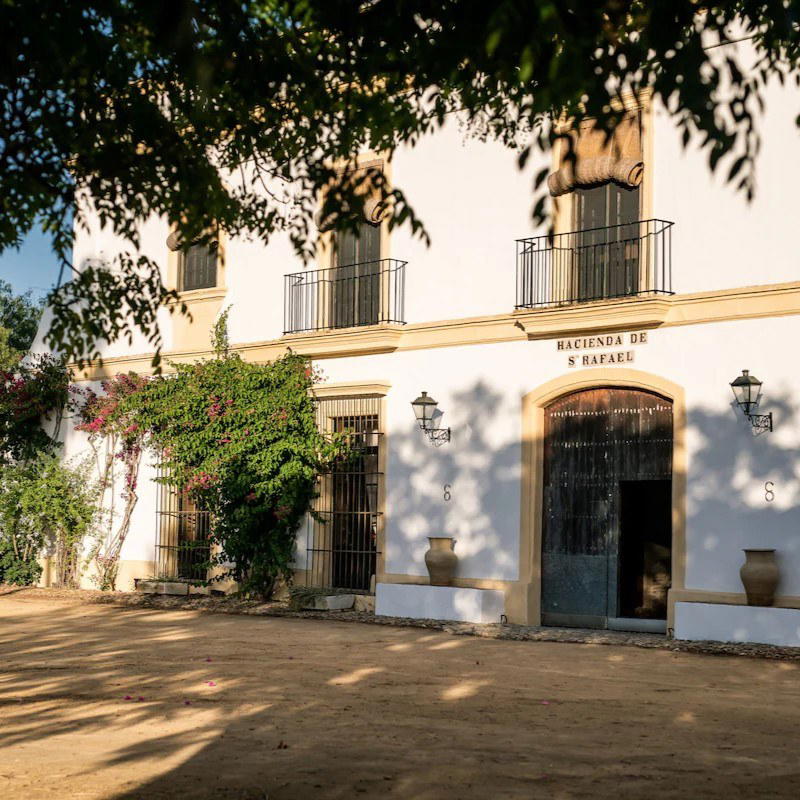
Historic, atmospheric bodegas with high ceilings optimal for flor development, infused with sea breezes and traditional solera aging.