Valdespino

Falstaff Winery - Listed
The house sits within the tighter comparable set of Jerez producers where provenance, solera depth, and format discipline carry more weight than volume or export scale.

Pearl is the En Primeur Club membership app, where members save venues, book tables and use the concierge.
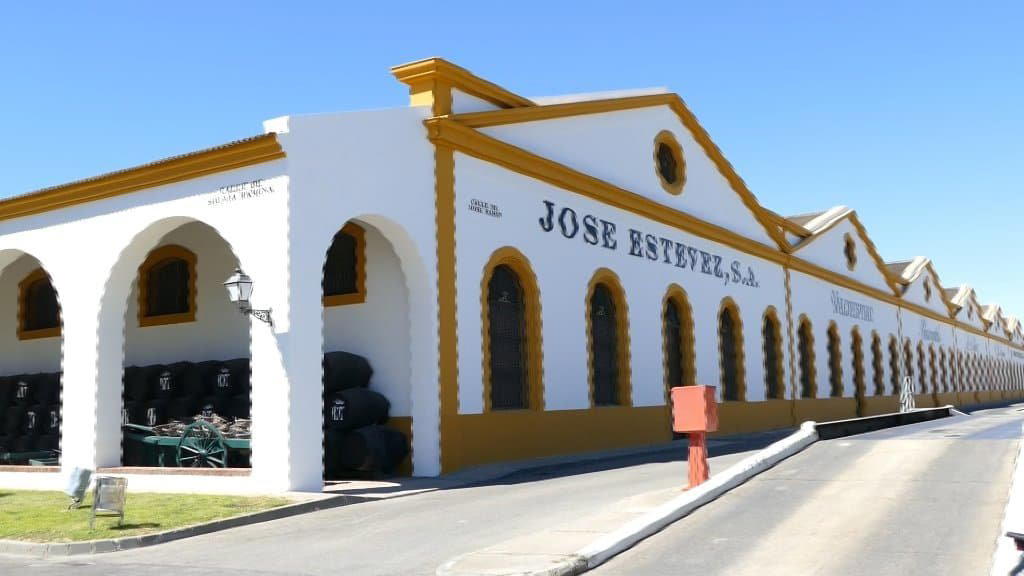
Where Sherry Talks Without Apology
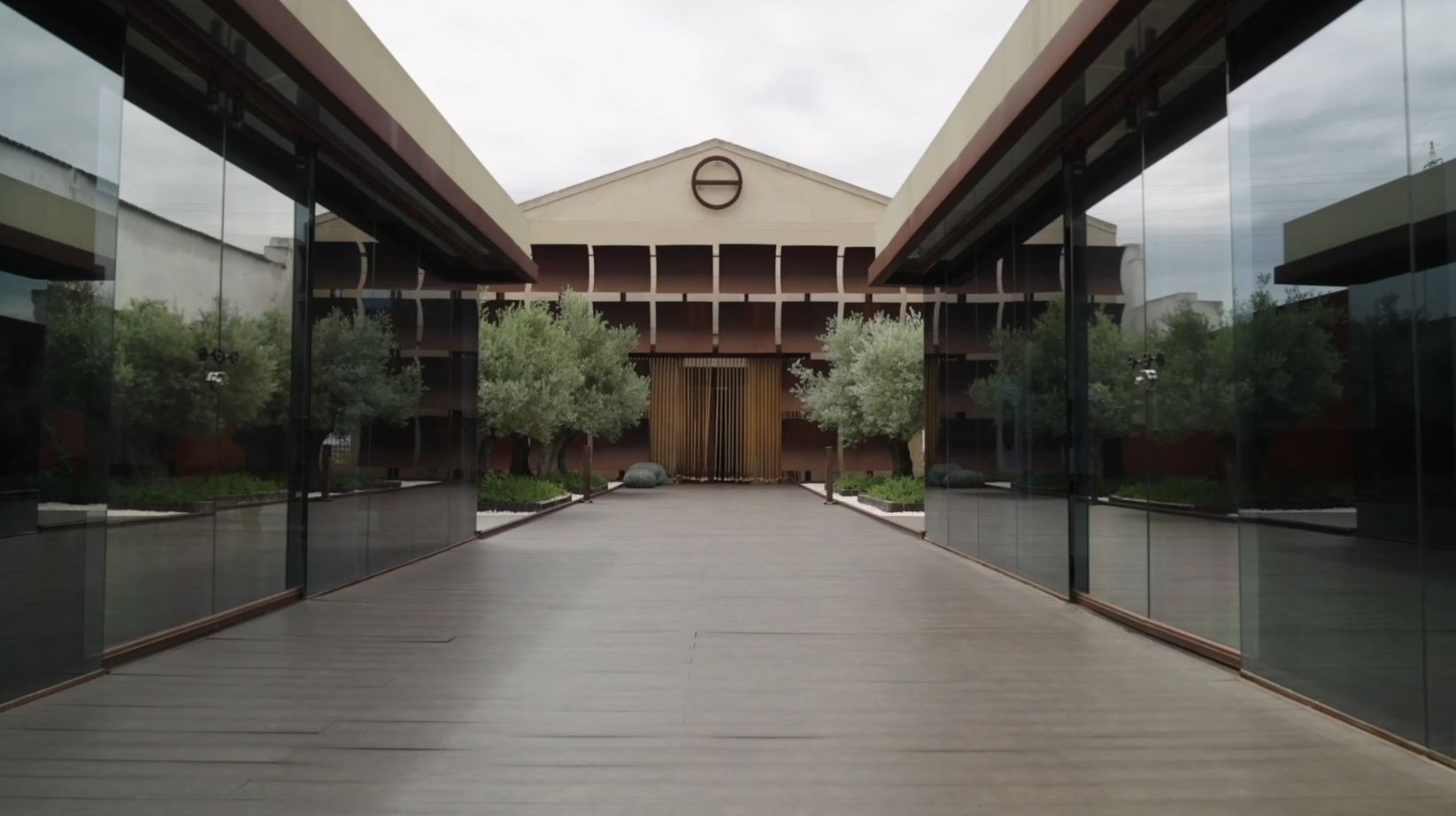
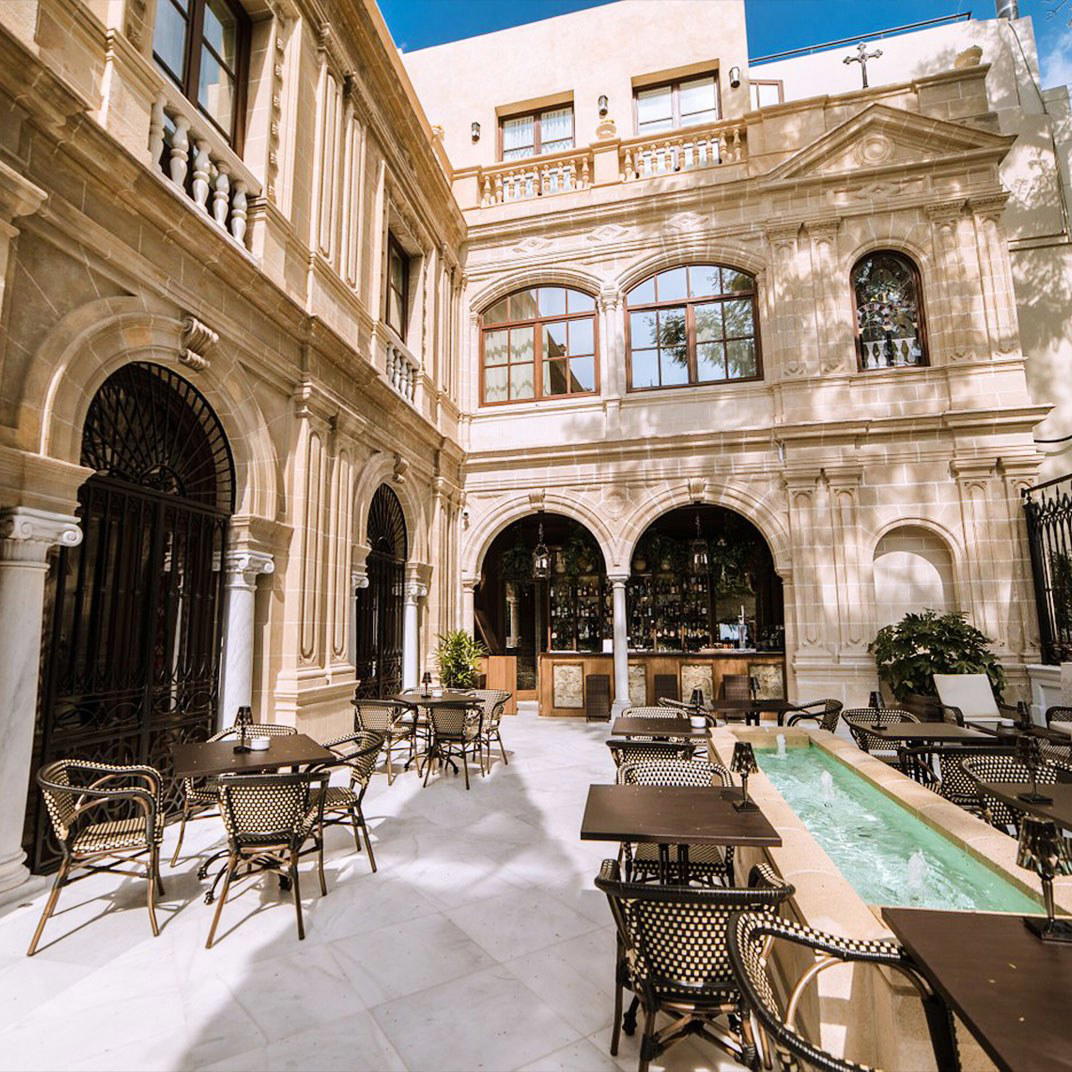
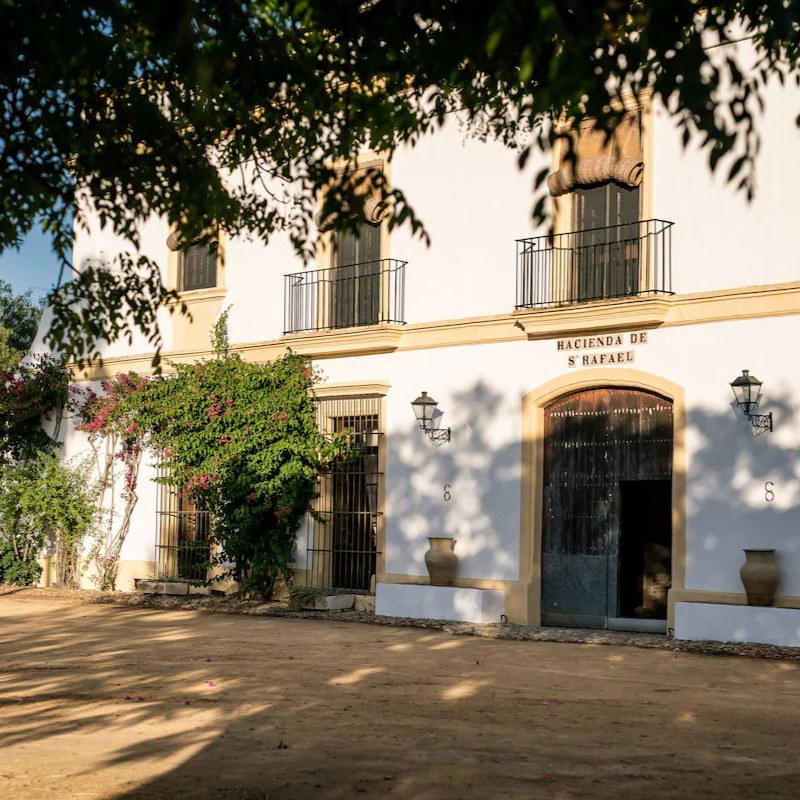
Approach Valdespino's estate on the edge of Jerez de la Frontera and the setting does some of the work before you taste anything. The address, Casa de la Viña de Valdespino, carries the literal logic of the Marco de Jerez: a house tied to a vineyard, not a warehouse district. This is how the older bodegas here have always identified themselves, by land rather than label, and arriving at Valdespino reinforces that the tasting experience ahead belongs to a specific tradition rather than a category showcase.
Jerez itself sits in an unusual position among Spain's wine regions. While destinations like the Ribera del Duero corridor, home to producers such as Emilio Moro in Pesquera de Duero and Arzuaga Navarro in Quintanilla de Onésimo, have attracted a new wave of tourist infrastructure around wine tourism, Jerez operates at a different tempo. The solera system requires patience that the visitor either accepts or finds uncomfortable. There is no harvest spectacle in the conventional sense, no single vintage to anchor a tasting story. What you get instead is depth: wines built across decades, sometimes generations, through fractional blending that no other region in Spain replicates at scale.
The Tasting Format and What It Asks of You
Tasting at a serious Jerez bodega is a different discipline from tasting at, say, a Catalonian house like Clos Mogador in Gratallops or a classic Rioja estate. There, vertical tastings move through time in a straight line. Here, the solera format means time is non-linear, layered rather than sequential. Understanding that distinction is the difference between a visit that frustrates and one that instructs.
Valdespino's position within Jerez puts it in the tier where the conversation about format matters. The Marco de Jerez's leading bodegas have split increasingly between high-volume operations targeting export supermarkets and smaller, more historically focused houses where the tasting room is closer in character to a private library than a tourist attraction. Williams & Humbert completes the city's core reference set at the premium tier.
What this peer positioning means in practice: a visit to Valdespino is not a casual drop-in. The estate format and the prestige tier it occupies suggest an experience that rewards preparation. Reading something about the solera system before you arrive is not pedantry; it is the minimum that allows the tasting to operate above the level of novelty.
Sherry's Identity Problem and Why It Matters Here
Sherry has spent the last fifteen years recovering from decades of category neglect. The recovery has been real but uneven. In London, Copenhagen, and New York, sommelier culture rehabilitated fino and manzanilla as aperitif wines and palo cortado as one of Spain's most intellectually interesting styles. In Jerez itself, the question of how bodegas present their heritage to visitors has become more pointed: houses that lean into the complexity and historical weight of the solera system attract a different visitor than those packaging the region for casual tourism.
Valdespino belongs firmly in the complexity camp. For context, Spain's wine tourism infrastructure has developed serious formal recognition at estates across the country, from the architectural ambition of Codorníu in Sant Sadurní d'Anoia to the Ribera institutions like Bodegas Protos in Peñafiel and the Rioja anchors CVNE (Cune) in Haro and Marqués de Cáceres in Cenicero.
Planning Your Visit
Jerez de la Frontera sits in Cádiz province in Andalusia, roughly an hour north of Gibraltar and forty minutes from Seville by train. The city's wine district clusters near the cathedral and the historic centre, with estates spreading outward toward the vineyard land on albariza soils. Valdespino's address at Casa de la Viña de Valdespino places it within this tradition. The city is accessible year-round, but late spring and early autumn offer the most manageable temperatures for walking between sites. Summer in Jerez is aggressive; the bodegas themselves stay cool by necessity, their thick walls and cathedral-scale interiors having served as natural climate control for centuries before air conditioning existed.
Given the estate's prestige tier, contacting Valdespino directly in advance of any visit is advisable. Drop-in arrangements at serious producers across Spain, whether at Abadía Retuerta in Sardón de Duero or Marqués de Griñón (Dominio de Valdepusa) in Malpica de Tajo, are rarely the format that yields the most from a visit. The same logic applies here. Arranging ahead also allows you to clarify what the format covers: guided bodega walk, seated tasting, or a combination.
For the broader Jerez context and to map your visit against the city's full dining and wine offer, the full Jerez de la Frontera guide covers the city's restaurant and bodega scene with neighbourhood-level detail. If you are building a wider Spanish wine itinerary, producers like Aberlour and Accendo Cellars in St. Helena represent the international reference points against which serious wine tourism programs benchmark their format.
What the Recognition Signals
It signals that the tasting experience here meets criteria for format quality, provenance depth, and the kind of staff engagement that separates a genuine estate visit from a functional tour. In a city with multiple bodegas competing for visitor attention, that distinction is the useful signal for how to allocate a finite amount of time.
Sherry's complexity rewards repeat visits more than almost any other Spanish wine category. A first visit to a house like Valdespino is the entry point into a longer conversation with the region, one that makes subsequent bottles of fino or oloroso considerably more legible. That is the practical argument for spending the time, and the prestige tier recognition is the evidence that this particular house is the right starting point.
Cuisine and Credentials
Comparable venues nearby, for context on price, style, and recognition.
| Venue | Cuisine | Price | Awards | Notes |
|---|---|---|---|---|
| ValdespinoThis venue (the venue you are viewing) | Palomino, Moscatel | $20–30 | Falstaff Winery - Listed | Not listed |
| Bodegas Tradición | Palomino, Pedro Ximénez | Not listed | Falstaff Winery - Listed | historic center |
| Lustau | Palomino, Pedro Ximénez | $20–30 | Falstaff Winery - Listed | center |
| Williams & Humbert | Palomino, Pedro Ximénez | $30–50 | Falstaff Winery - Listed | Jerez de la Frontera |
| Hidalgo La Gitana | Palomino, Moscatel | Not listed | Falstaff Winery - Listed | Sanlúcar de Barrameda |
| Fernet Capri Distillery | Winery | Not listed | Not listed | Córdoba |
Recognition history
Dated appearances from independent guides and award organizations, with the underlying list record or original source where available.
Falstaff Winery - Listed
Falstaff
Continue exploring
More in Jerez de la Frontera
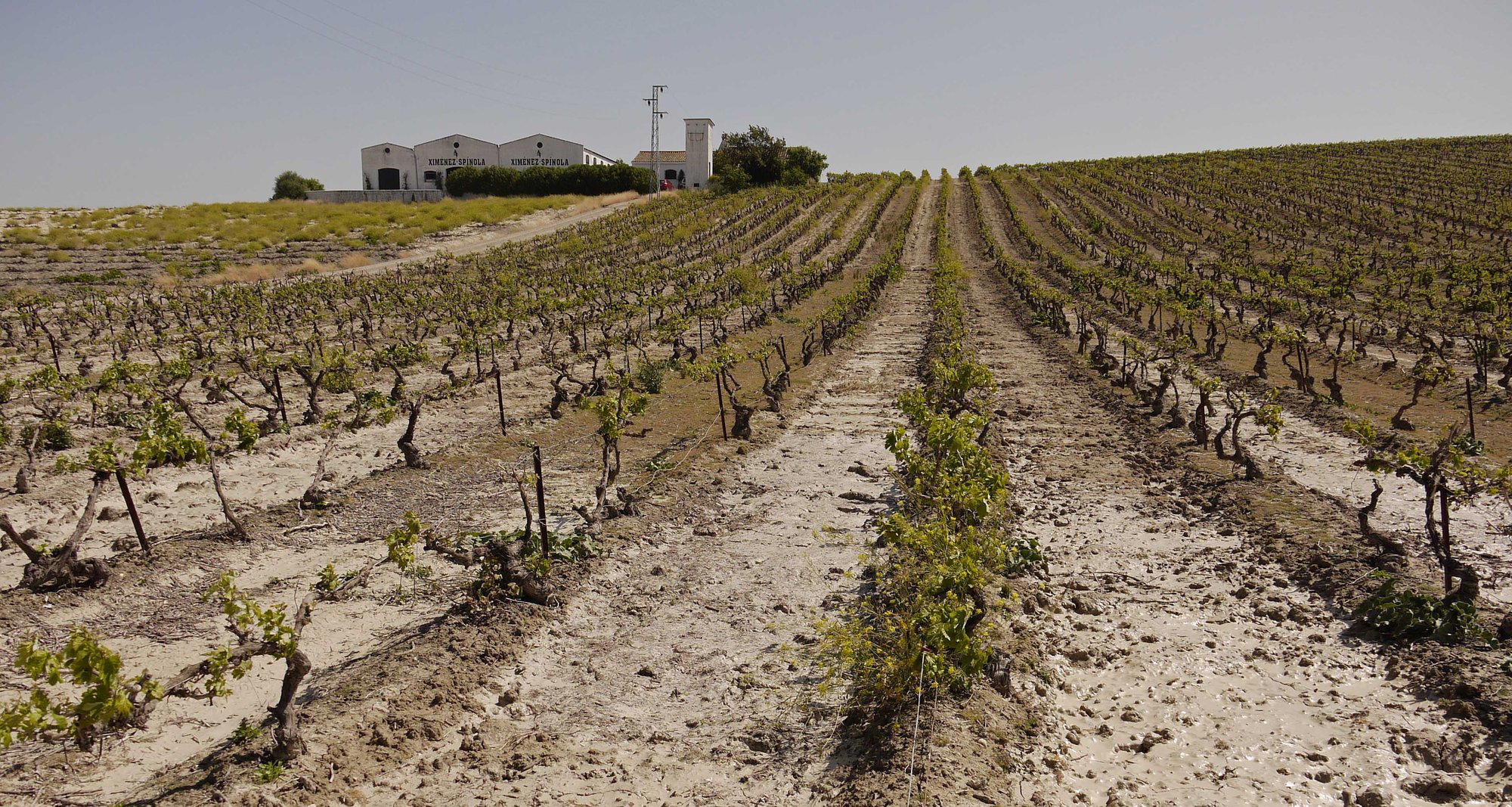
Wineries in Jerez de la Frontera
All wineries in Jerez de la Frontera →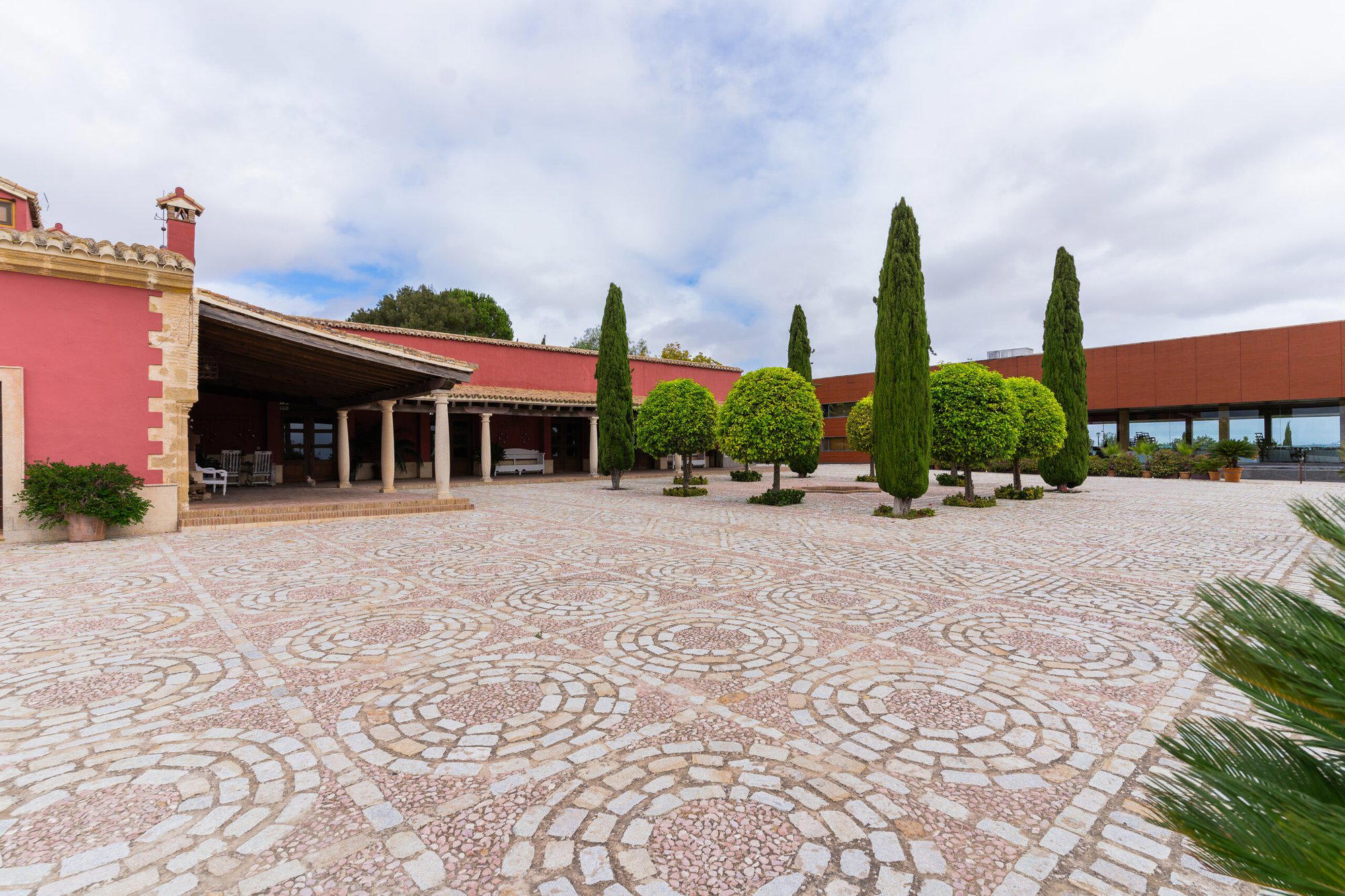
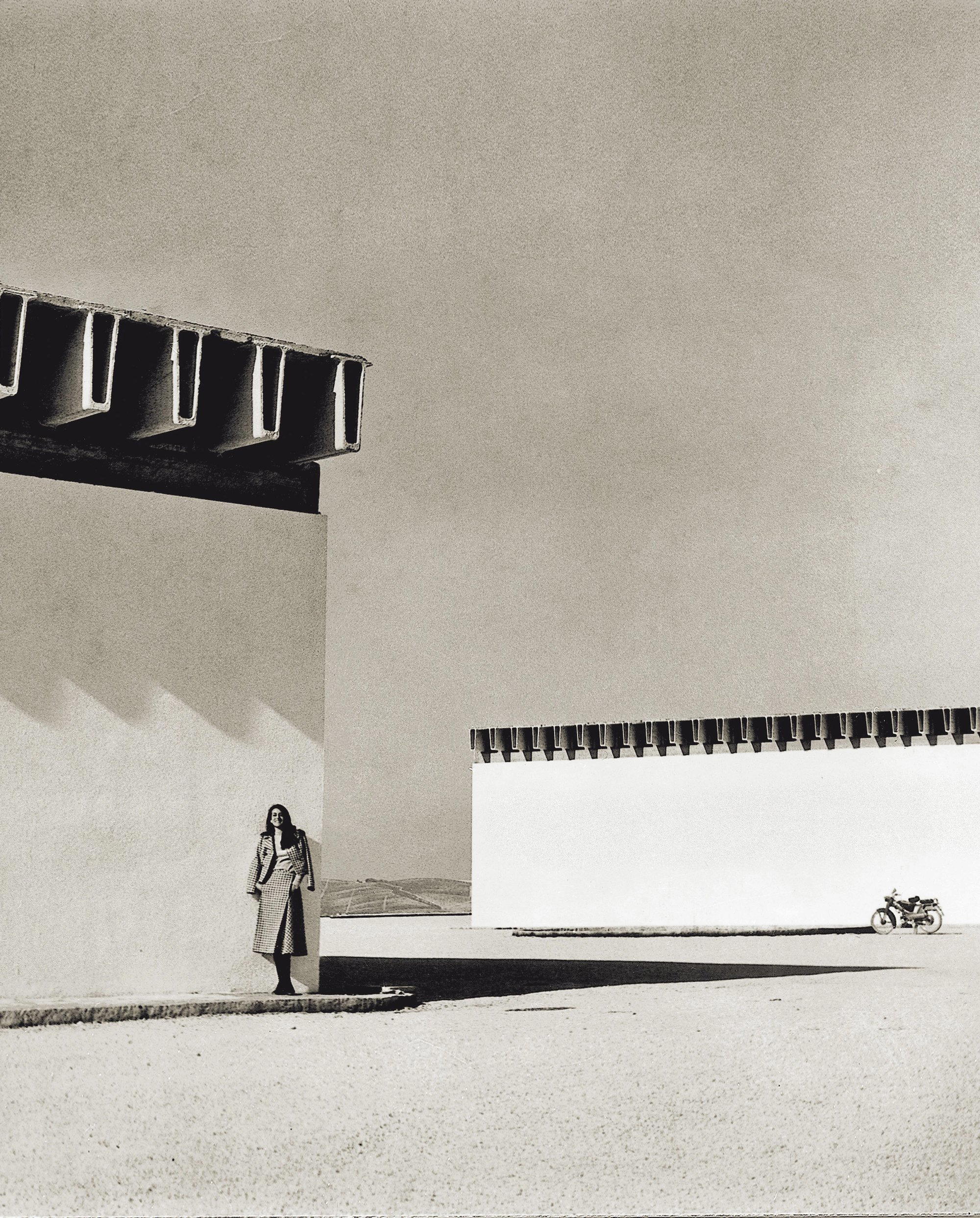

Bars in Jerez de la Frontera
Browse all →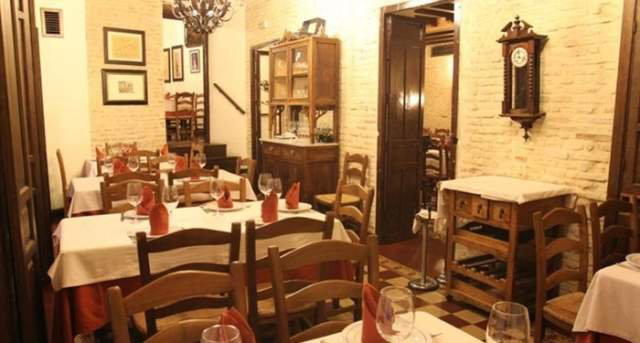



Details
- Classic
- Sophisticated
- Historic
- Well Known
- Wine Education
- Special Occasion
- Corporate Event
- Group Outing
- Historic Building
- Private Tasting
- Design Destination
- Vineyard
- Palomino Fino
- Pedro Ximénez
- Muscat Of Alexandria
- Fortified
- Still White
- Dessert
- Guided Tour
- Wine Tasting
- Spanish
- English
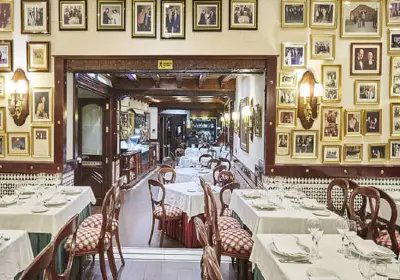
Traditional sherry bodega atmosphere with historic, artisanal character; tours also feature horses and a contemporary art gallery.