Arzuaga Navarro


World's 50 Best #64 · Falstaff Winery - 3 Stars
The property represents the appellation's estate-winery model at its most considered, pairing production with hospitality on a single site.

Pearl is the En Primeur Club membership app — saves, bookings, and concierge access live there. Same editors, same standards.
- Address
- N-122, 325, 47350 Quintanilla de Onésimo, Valladolid
- Phone
- +34 983 68 11 46
- Website
- arzuaganavarro.com
- Directions
- Get directions
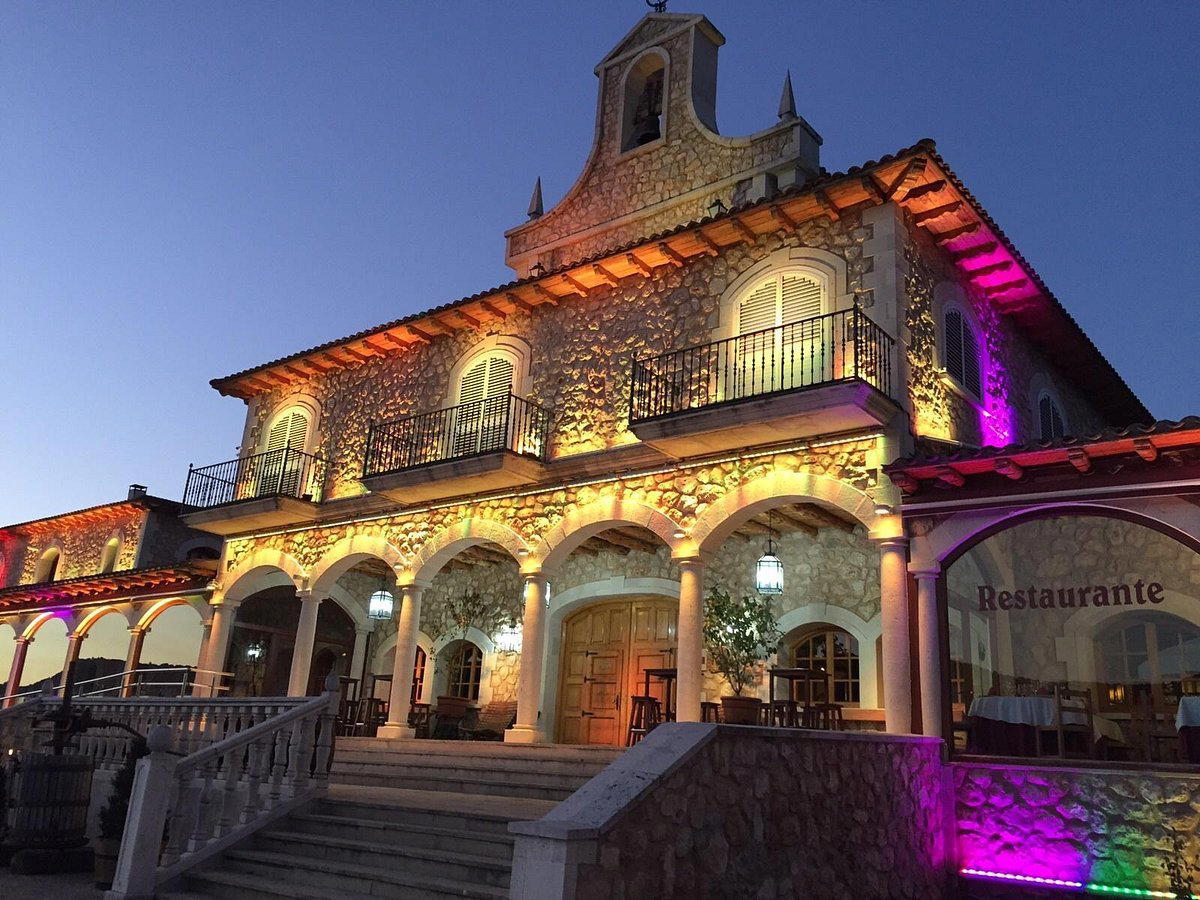
Where the Meseta Speaks Directly Into the Glass
The N-122 road threading through Valladolid province is, for serious wine travellers, less a highway than a sequence of significant addresses. The plateau here sits at roughly 700 to 800 metres above sea level, and the temperature swings between summer afternoon heat and cold nights compress the growing season into something almost violent in its intensity. That compression is the engine of Ribera del Duero's character: grapes that accumulate sugar under fierce sun while retaining the acidity that elevation and cold nights preserve. Emilio Moro in Pesquera de Duero and Bodegas Protos in Peñafiel anchor the eastern end of this corridor; Arzuaga Navarro, at kilometre marker 325 in Quintanilla de Onésimo, occupies a position closer to the western stretch where the river bends and the soils carry a higher proportion of limestone and clay.
That classification matters in context: Ribera del Duero has spent three decades building an international identity largely on the back of Tempranillo (locally called Tinto Fino), and the estates that receive prestige-level recognition are those whose terroir expression is consistent enough to be legible across vintages. On the Duero plateau, that consistency is harder to achieve than it sounds. Late spring frosts, hail, and vintage-to-vintage rainfall variability mean that production discipline at the vineyard level determines the ceiling of what any winery can achieve.
The Terroir Case for Quintanilla de Onésimo
Within Ribera del Duero, sub-zonal distinctions matter more than the appellation's unified marketing suggests. The western municipalities, including Quintanilla de Onésimo, tend toward soils with more clay retention, which moderates vine water stress during the dry summers and contributes to rounder, more structured expressions of Tinto Fino compared to the sandier soils further east. The diurnal temperature variation at this latitude, often exceeding 20 degrees Celsius between day and night during September, is the single most discussed factor among winemakers working this stretch of the Duero. It is what allows ripe fruit phenolics to coexist with preserved natural acidity, the structural combination that defines the appellation's most sought-after bottles.
For comparison, producers working the high-altitude expressions of Spanish wine in other appellations face a similar calculus: Clos Mogador in Gratallops in Priorat works ancient slate soils at altitude, while Abadía Retuerta in Sardón de Duero, just upstream, sits on a notably different soil profile despite sharing the same river valley. The variation within a single appellation across even a few kilometres reinforces why estate wineries that control their own vineyards operate with a meaningful advantage over négociant-style producers buying fruit across multiple municipalities.
Arriving at the Estate
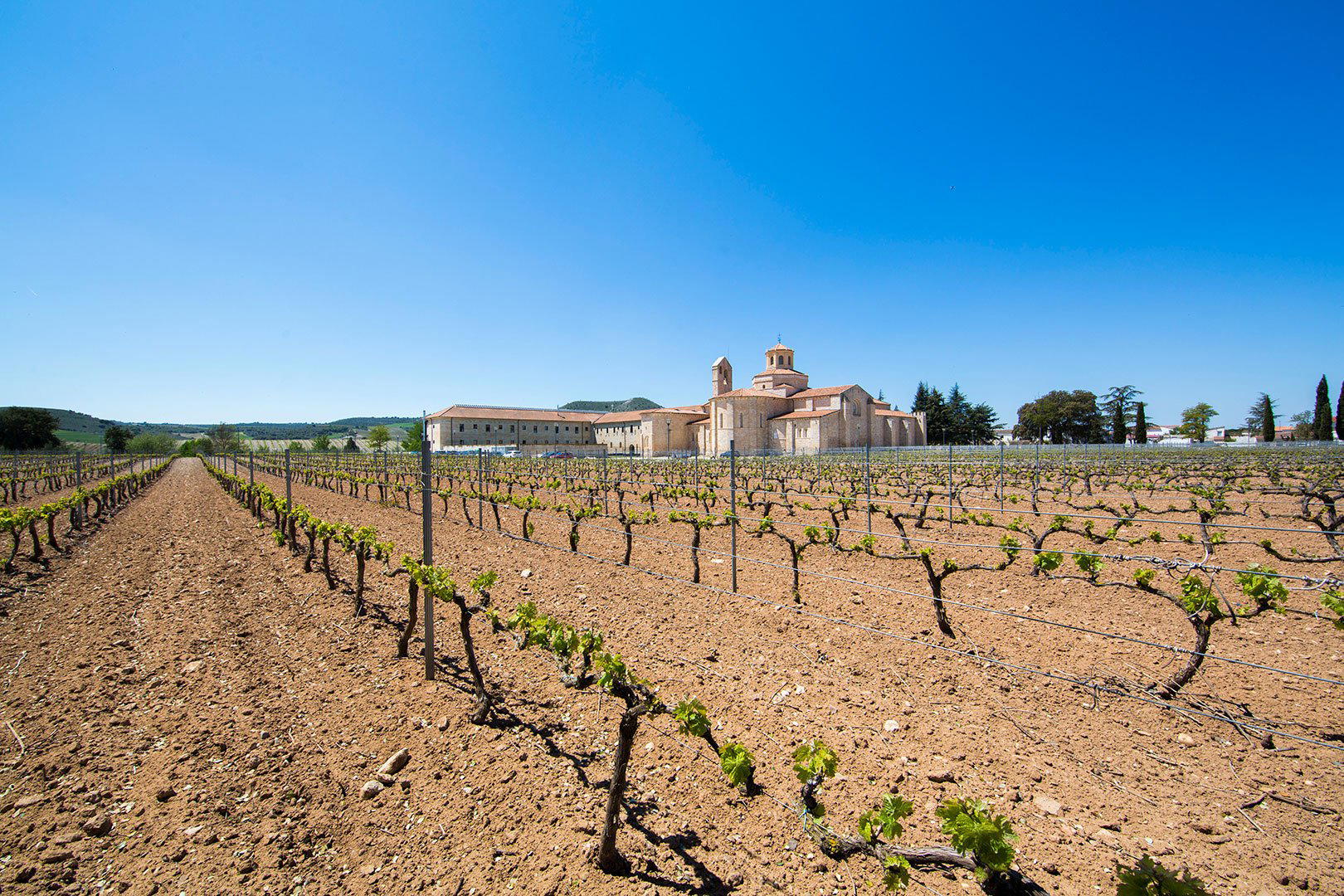
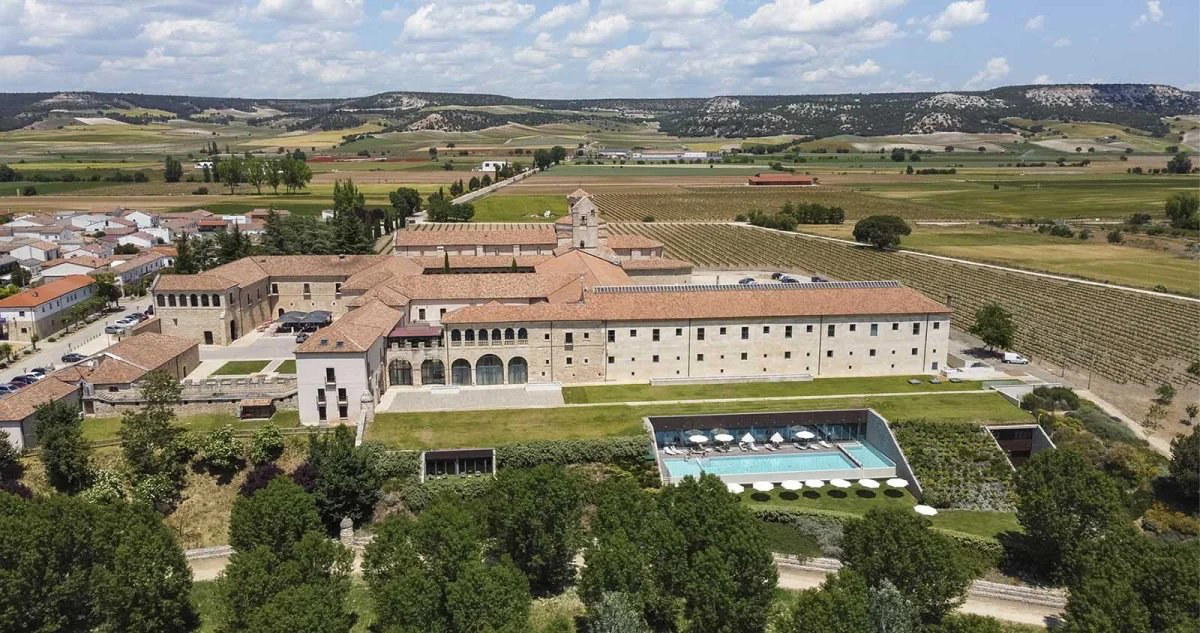
The approach to Arzuaga Navarro from the N-122 puts the Duero valley's spare, open character immediately in front of you. This is not a landscape that softens its edges: the vine rows run across a plateau that offers little shelter, the sky is wide, and the light in the late afternoon falls hard across the stone and clay. Estates in this part of Ribera del Duero tend to be designed for the full visit rather than a quick tasting stop, combining winery operations with hospitality facilities in a single compound. That model reflects a broader shift across Spain's premium wine regions, from Bodegas Ysios in Laguardia in Rioja Alavesa to Bodegas Vivanco in Valle de Mena, where architecture and cellar access have become part of the proposition alongside the wine itself.
Visitors travelling the Ribera del Duero route typically base themselves in Valladolid or Aranda de Duero and drive the N-122 corridor, building an itinerary across two or three days. Quintanilla de Onésimo sits between these anchors, which makes Arzuaga Navarro a logical midpoint stop. The estate model means that planning a longer visit, combining a cellar tour with lunch or a tasting session, is the format that gets the most out of the property. Booking ahead is standard practice for the appellation's prestige-rated producers, particularly from late spring through the October harvest period when demand peaks.
Ribera del Duero in Its Competitive Frame
Spain's premium wine geography has diversified considerably since Ribera del Duero received DO status in 1982. Rioja, the historic benchmark, now competes for critical attention with Ribera, Priorat, and a constellation of smaller appellations. The comparison set for a winery at this level includes CVNE in Haro and Marqués de Cáceres in Cenicero in Rioja, both operating at similar prestige tiers in their respective appellations, as well as Pingus, which represents the ultra-premium, micro-production end of Ribera del Duero itself.
The question of how Ribera del Duero's estate producers position against international Tempranillo benchmarks is partly one of soil expression. Where Rioja's blend of Garnacha and Graciano alongside Tempranillo produces a different aromatic register, Ribera's near-monovarietal Tinto Fino focus produces wines that stand or fall on the appellation's specific terroir argument. Arzuaga Navarro's location in Quintanilla de Onésimo, one of the appellation's historically recognised municipalities for quality viticulture, is itself a credential within that argument. For readers building a Spain wine itinerary that extends beyond a single region, properties like Marqués de Griñón in Malpica de Tajo and Codorníu in Sant Sadurní d'Anoia represent other reference points across Spain's production geography, while Lustau in Jerez de la Frontera and González Byass in Jerez anchor the sherry end of the country's wine spectrum. The Duero corridor, for all its seriousness, remains the strongest argument for Spain as a fine wine destination in international terms.
For a broader view of what Quintanilla de Onésimo and its neighbours offer across both wine and food, see our full Quintanilla de Onésimo restaurants guide. Visitors with a longer Duero itinerary may also find it useful to cross-reference with Accendo Cellars in St. Helena for a Napa Valley comparison on how single-estate Cabernet-focused producers position against appellation benchmarks, or with Aberlour in Aberlour for a different perspective on how geographic specificity functions as a quality signal in premium production.
Planning Your Visit
Arzuaga Navarro sits directly on the N-122 at kilometre 325 in Quintanilla de Onésimo, Valladolid, making it accessible by car from either direction along the Duero corridor without a detour. The harvest window from late September through October is the most atmospheric time to visit, when the vines are in full colour and cellar activity is at its peak, though the concentrated shoulder season means bookings fill earlier. Spring visits, particularly May and June before summer heat arrives, offer a quieter alternative with vineyards in their growing phase.
Fast Comparison
Comparable venues nearby, for context on price, style, and recognition.
| Venue | Cuisine | Price | Awards | Notes |
|---|---|---|---|---|
| Arzuaga NavarroThis venue — the venue you are viewing | Tempranillo, Cabernet Sauvignon | $30–50 | World's 50 Best #64 · Falstaff Winery - 3 Stars | Not listed |
| Bodegas Muga | Tempranillo, Garnacha | Not listed | World's 50 Best #53 · Falstaff Winery - 4 Stars | Barrio de la Estación |
| Marqués de Murrieta | Tempranillo, Graciano | Not listed | World's 50 Best #48 · Falstaff Winery - 5 Stars | Rioja Alta |
| Marqués de Riscal | Tempranillo, Graciano | Not listed | World's 50 Best #1 · Falstaff Winery - 2 Stars | Elciego |
| Pago de Carraovejas | Tinto Fino, Cabernet Sauvignon | Not listed | World's 50 Best #18 · Falstaff Winery - 4 Stars | Peñafiel |
| Gramona | Xarel-lo, Macabeo | Not listed | World's 50 Best #25 · Falstaff Winery - 5 Stars | Sant Sadurní d'Anoia |
Recognition history
Dated appearances from independent guides and award organizations, with the underlying list record or original source where available.
World's 50 Best Vineyards #64
World's 50 Best
Falstaff Winery - 3 Stars
Falstaff
Continue exploring
More in Quintanilla de Onésimo
Wineries in Quintanilla de Onésimo
Browse all →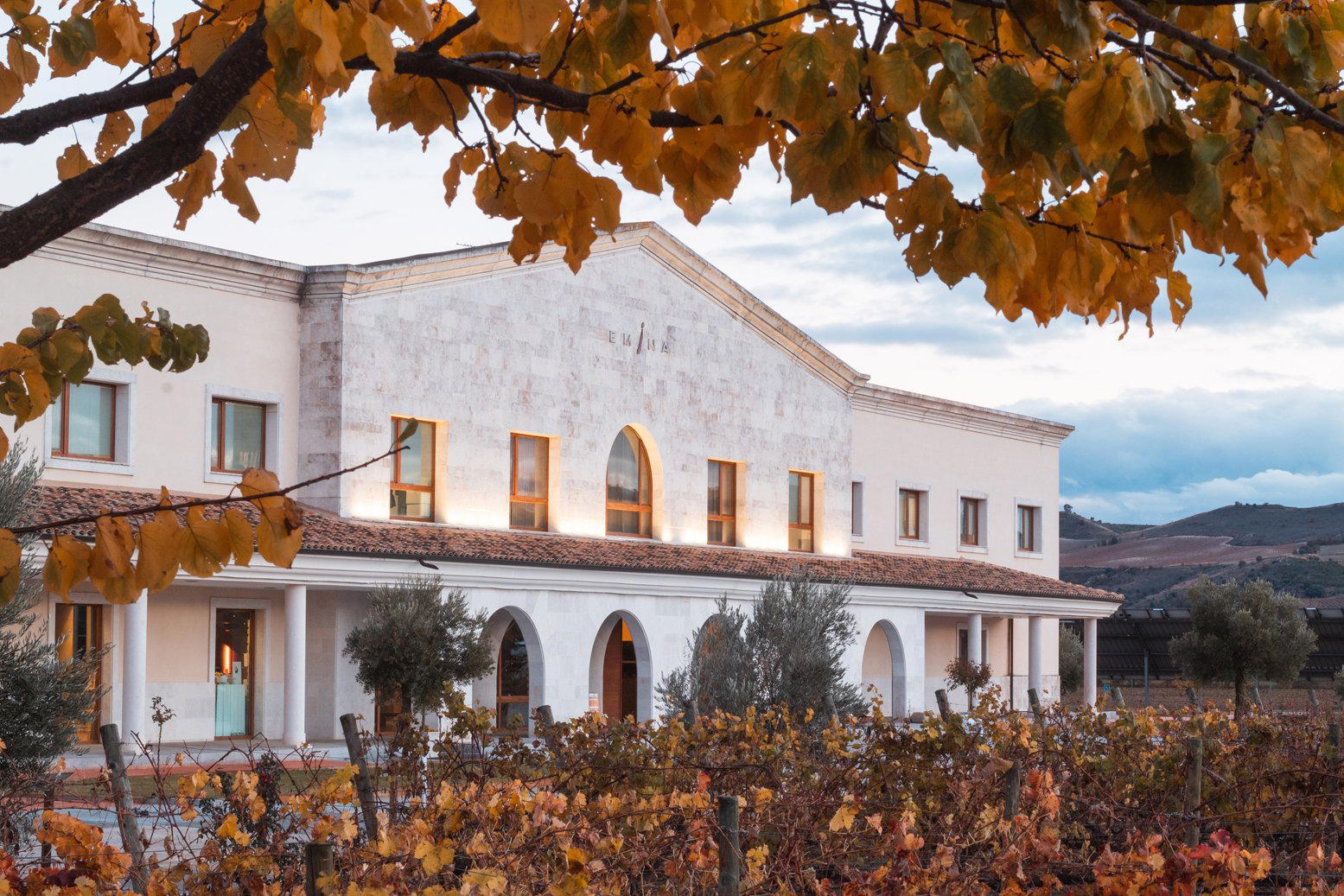
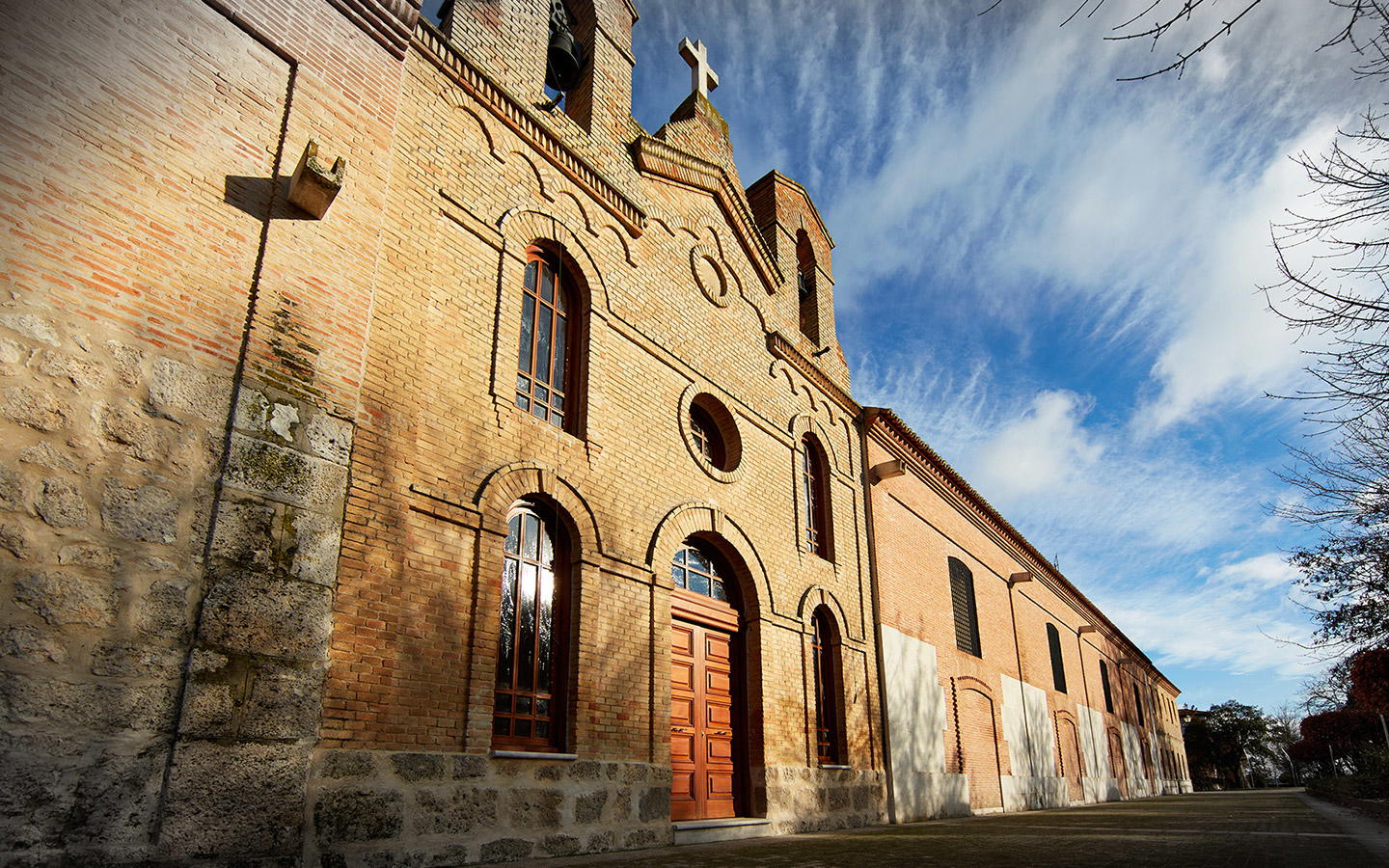
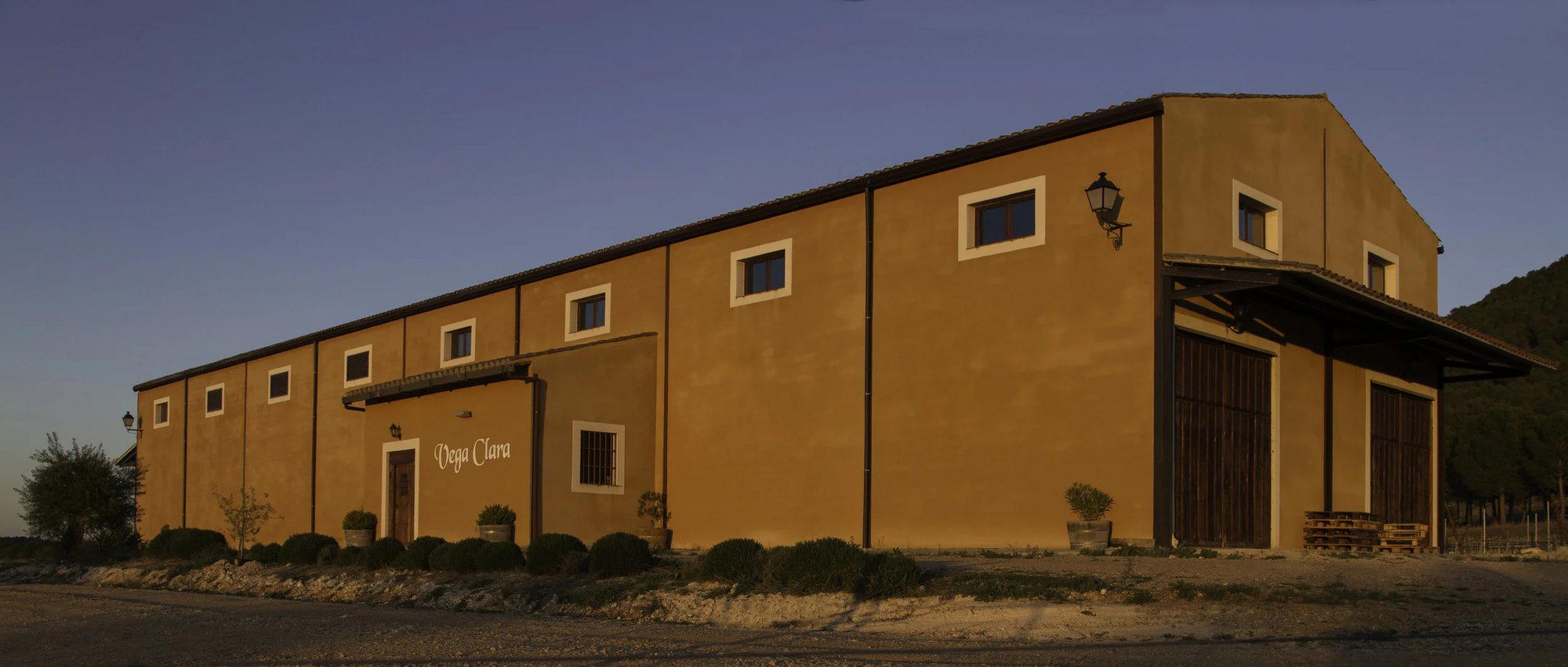
Bars in Quintanilla de Onésimo
Browse all →
Restaurants in Quintanilla de Onésimo
Browse all →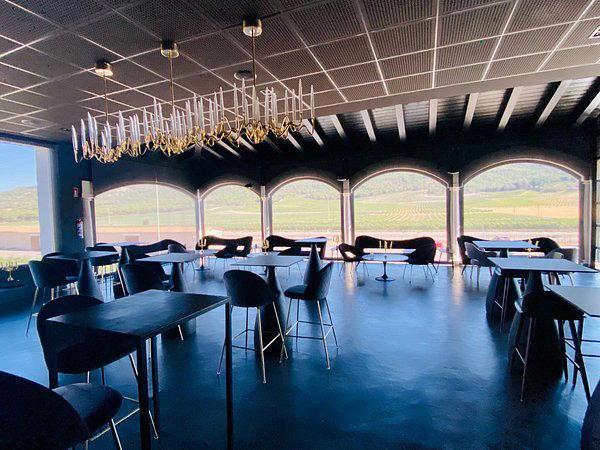
Details
- Rustic
- Scenic
- Elegant
- Wine Education
- Group Outing
- Special Occasion
- Vineyard Tour
- Estate Grounds
- Panoramic View
- Organic
- Vineyard
- Tempranillo
- Cabernet Sauvignon
- Merlot
- Chardonnay
- Pinot Noir
- Still Red
- Guided Tasting
- Spanish
- English
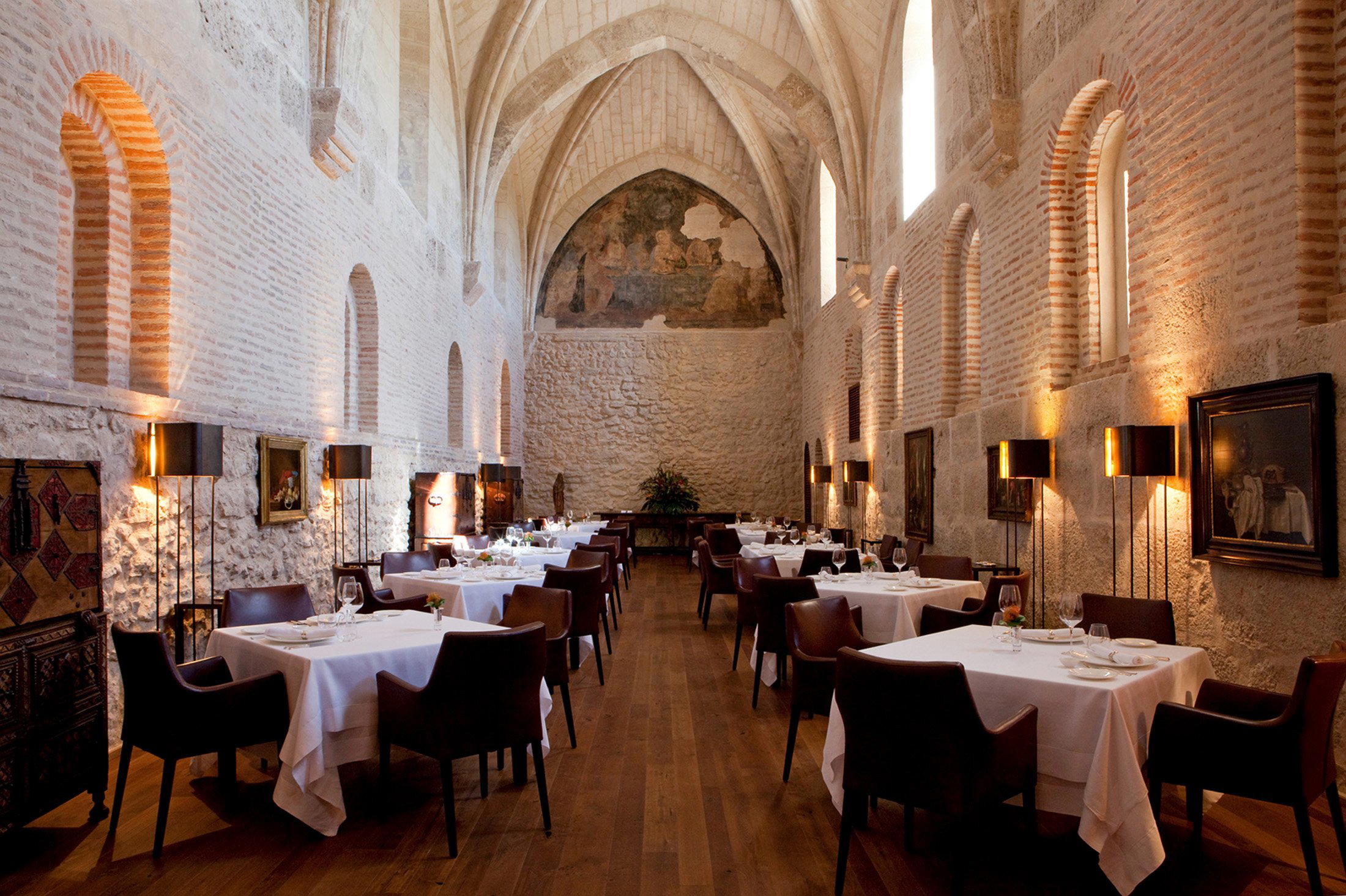
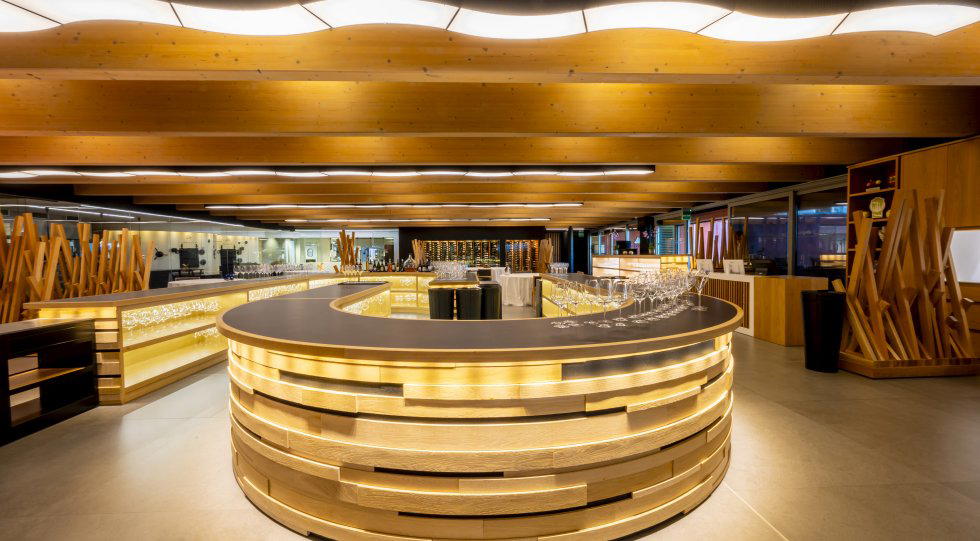
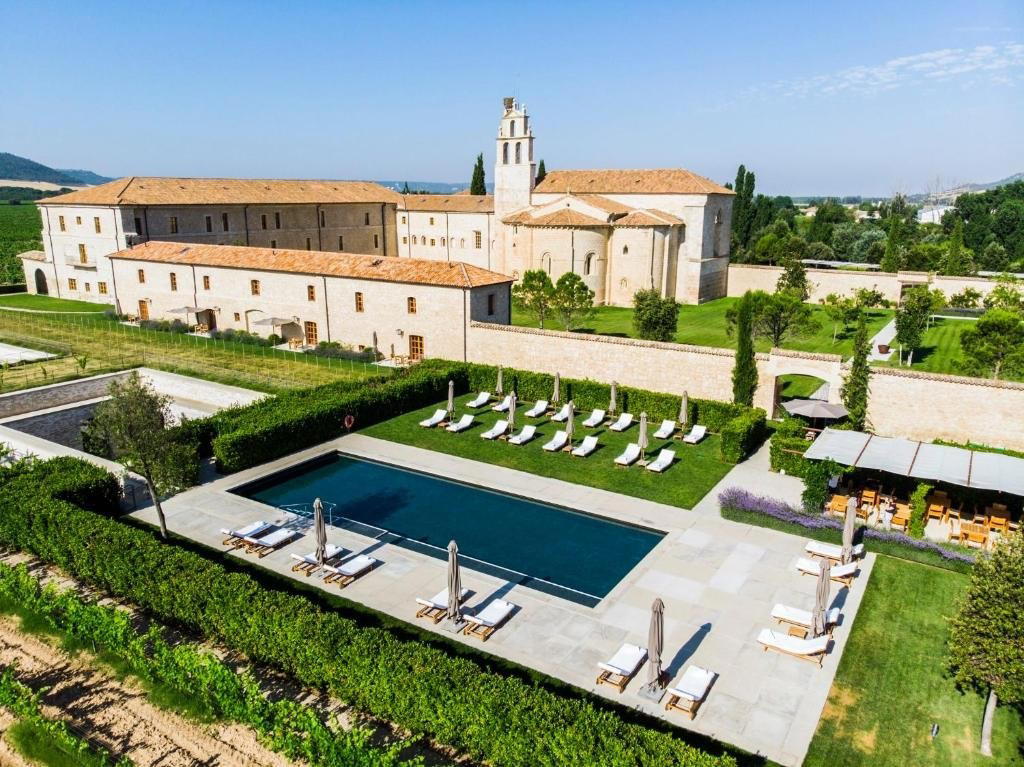
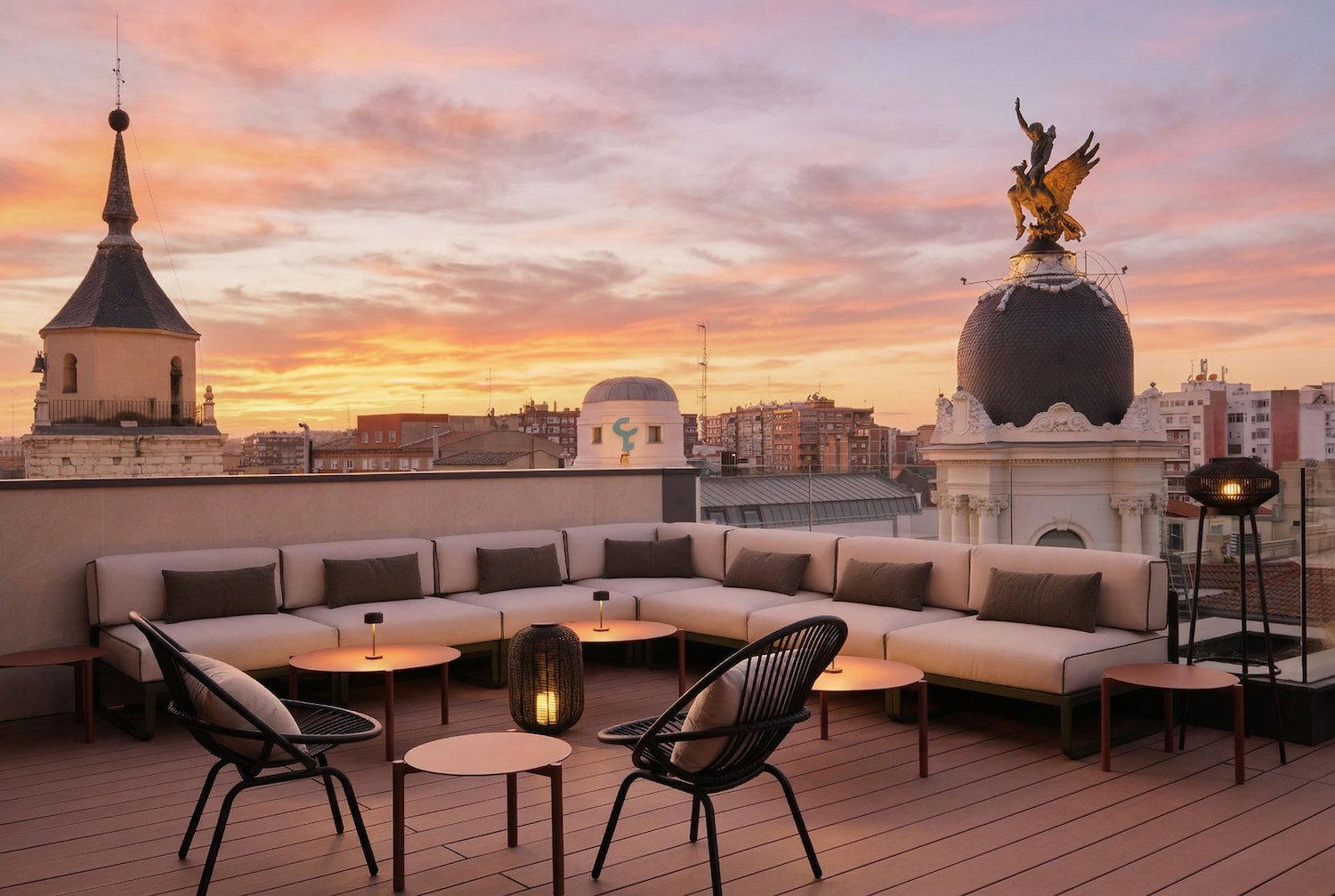
Rustic elegance with panoramic vineyard views, natural surroundings of pines and wildlife, and a sophisticated yet serene high-plateau atmosphere.