Skip to Main Content

UpcomingDrink over $25,000 of Burgundy at La Paulée New York

← Collection
CuisineModern Cuisine
LocationJerez de la Frontera, Spain
Michelin

Steps from the Royal Andalusian School, Albalá in Jerez de la Frontera refines Andalusian tapas and raciones with precise technique and a sherry-forward wine list—signature plates like tuna tartare, pan-fried fideos, and Iberian pork meatballs with octopus define its polished, local-first appeal.

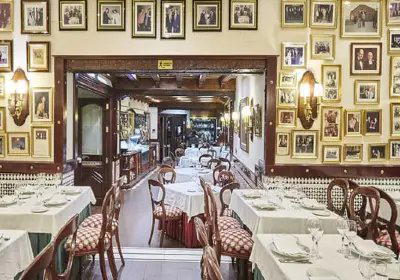
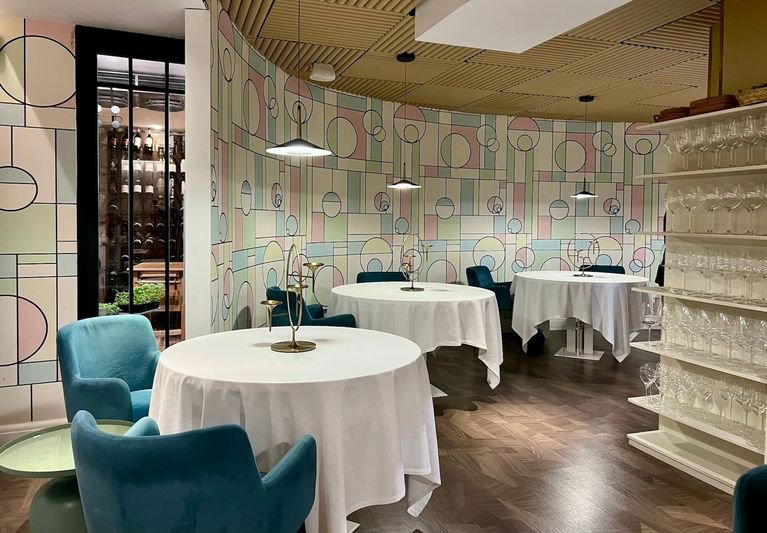
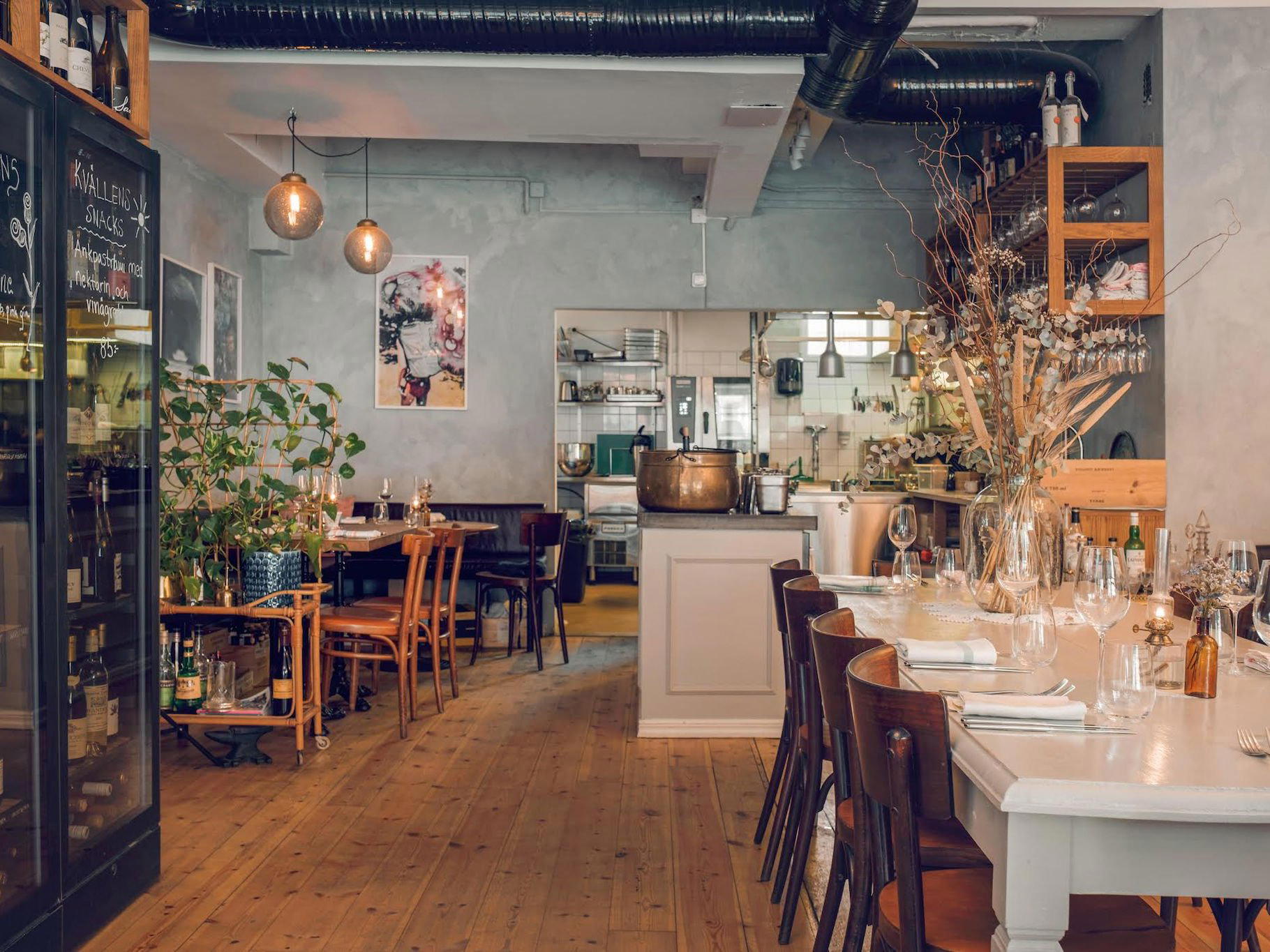
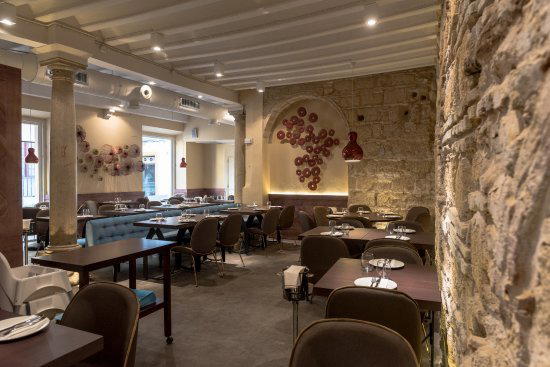
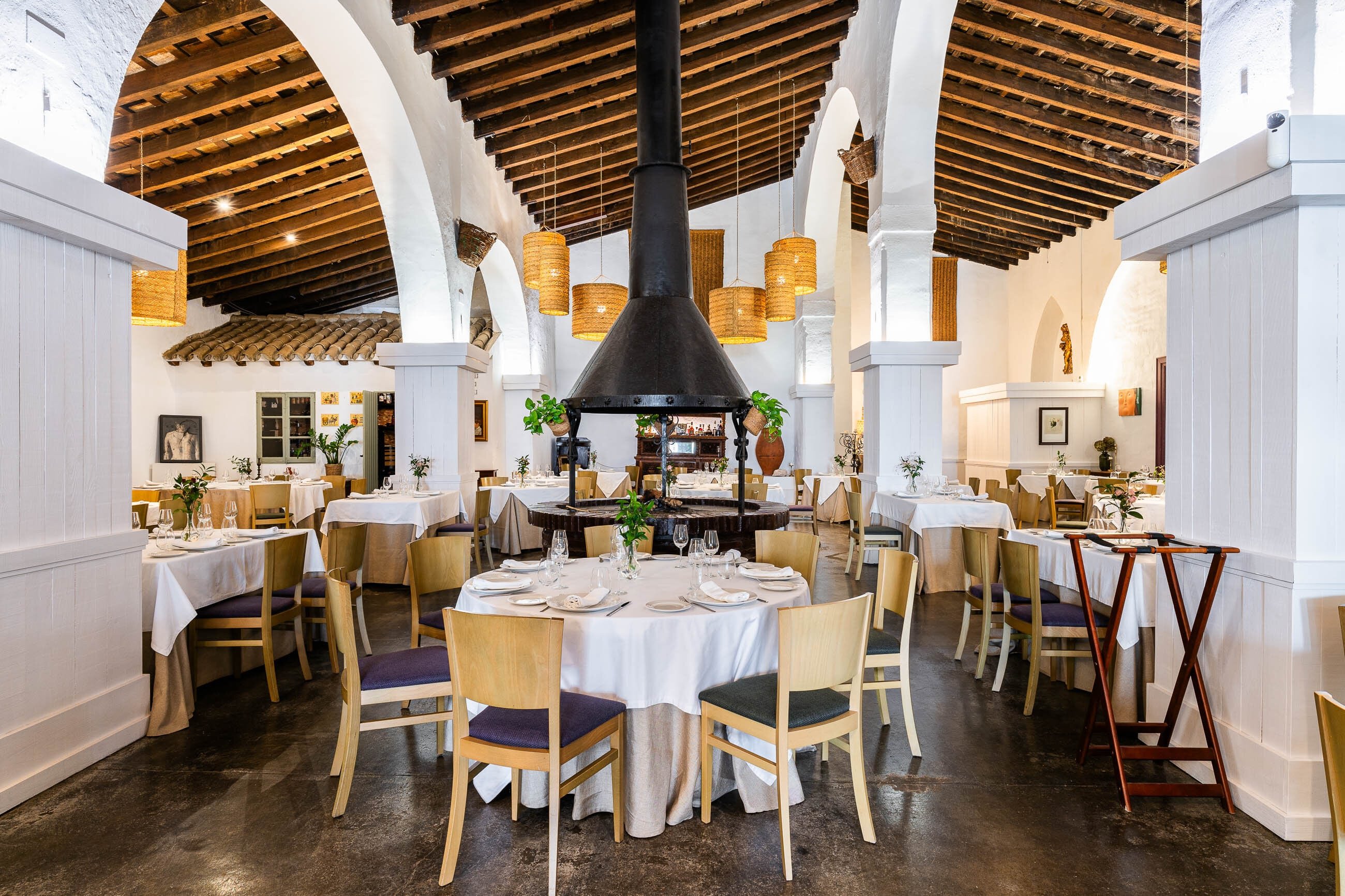
Albalá restaurant in Jerez de la Frontera, Spain
About

Where Jerez Eats on Its Own Terms

The street outside Albalá sits in the residential fabric of Jerez rather than its tourist centre, close to the Royal Andalusian School of Equestrian Art on Calle Divina Pastora. Arriving here, you are in a neighbourhood that feeds itself: no performance for passing visitors, no concessions to the wine-tour crowd that drifts through the sherry bodegas a few kilometres away. That positioning shapes everything about the meal before the food arrives.

Jerez de la Frontera occupies a particular tier in Andalusia's dining picture. At the leading sit rooms like LÚ Cocina y Alma, operating at €€€€ with two Michelin stars, and Mantúa, one star at a similar price point. Below that, the city runs on the informal logic of tapas and raciones, where the ritual of eating is less about a single composed experience and more about accumulation: small plates ordered over time, dishes shared and supplemented, the table reconfigured as appetite and conversation evolve. Albalá operates squarely in that middle register, at the €€ price point, and holds a Michelin Plate in both 2024 and 2025, a signal that the cooking meets a technical baseline worth noting even at these prices.

The Ritual of the Andalusian Table

The menu structure at Albalá encodes a very specific set of eating customs that define how southern Spain actually dines. The division into Para Picar (things to pick at) and Para Compartir (things to share) is not decorative; it maps a genuine sequence. You begin by grazing, a bite here and there while the table settles and orders accumulate. Then, as conversation deepens, larger shared plates arrive and the meal shifts gear. The Andalusian table does not progress through courses in the northern European sense; it layers.

Beyond these two headings, the menu opens into further sections covering stews and soups, fish and seafood, and meat dishes. The breadth matters because it reflects the full range of what the region eats at home rather than a curated shortlist assembled for tourists. Tuna tartare appears alongside pan-fried fideos — those thin, toasted noodles common across southern Spain — and Iberian pork meatballs arrive paired with octopus, a combination that places pork and seafood in dialogue in a way characteristic of this coastline. The kitchen is working within a clear modern Andalusian register: familiar base ingredients, restrained combinations, technical care applied without obscuring what the produce actually tastes like.

This approach places Albalá in a category that Spanish food culture handles with more fluency than most. The distinction between a well-run tapas bar and a Michelin Plate restaurant in this register is not theatrical: it lives in sourcing, in consistency, in whether the fideos have genuine caramelisation or merely warmth. The Plate recognition, awarded across two consecutive years, suggests the kitchen is maintaining that standard rather than peaking for inspection.

Context: Where Albalá Sits in the Jerez Dining Picture

Jerez is not a city that positions itself primarily through fine dining. Its identity in the food world is inseparable from sherry, from the bodegas, from the agricultural wealth of the Marco de Jerez. The restaurants that draw outside attention tend to sit at the high end: Albalá's Michelin-listed neighbours include LÚ Cocina y Alma and Mantúa for tasting-menu ambition, La Carboná in the contemporary mid-tier, and A Mar for traditional cooking. Akase represents the city's Japanese offering. What that map shows is a city with genuine range across formats and price points, and Albalá fills the à la carte, accessible-modern slot in that matrix.

Regionally, the Cádiz province is home to some of Spain's most discussed kitchens. Aponiente in El Puerto de Santa María has reshaped how the world thinks about Andalusian seafood at the highest level. Albalá operates at a different altitude entirely, but the broader standard that restaurants like Aponiente have set for ingredient quality and regional identity filters through to what diners in this province now expect even at accessible price points. Across Spain, the Michelin Plate tier encompasses a wide field: from neighbourhood bars maintaining honest cooking to modern kitchens pushing at what a mid-price menu can achieve. Albalá's two consecutive Plate awards place it firmly in the latter conversation.

For those mapping Spain's wider restaurant scene, points of reference like Arzak in San Sebastián, El Celler de Can Roca in Girona, DiverXO in Madrid, Azurmendi in Larrabetzu, and Cocina Hermanos Torres in Barcelona define what Spanish haute cuisine looks like at its furthest reach. Albalá occupies a fundamentally different register, though the culinary seriousness of those Spanish institutions is not irrelevant: it raised the baseline for what cooking at every level is expected to deliver.

Planning Your Visit

Albalá sits at the €€ price tier, making it one of the more accessible Michelin-recognised addresses in Jerez. The address , Conjunto Residencial Valdespino, Calle Divina Pastora, Bloque 6 , places it in a residential complex near the equestrian school, which means it is leading reached by car or taxi rather than on foot from the city centre. Given its 4.5 rating across 2,261 Google reviews, the room draws a local following rather than a tourist overflow, and reservations for weekend evenings are worth securing in advance. Phone and booking method are not confirmed in current records, so checking local listings before arrival is advisable. The à la carte format means pacing is yours to control: an unhurried table here can run from a few shared plates to a fully extended meal without any obligation to move through prescribed courses.

For a fuller picture of where Albalá sits within the city's food, drink, and hospitality offer, see our full Jerez de la Frontera restaurants guide, our bars guide, our hotels guide, our wineries guide, and our experiences guide.

Frequently Asked Questions

What do regulars order at Albalá?

The dishes Albalá lists as representative of its kitchen span the menu's main categories: tuna tartare from the fish and seafood section, pan-fried fideos from the sharing plates, and Iberian pork meatballs with octopus from the meat section. That pairing of Iberian pork with octopus is characteristic of the modern Andalusian approach to surf-and-land combinations, and the fideos signal a kitchen comfortable with the less glamorous staples of southern Spanish cooking. These dishes, confirmed in the restaurant's own records and cited in its Michelin listing, give a reliable guide to the kitchen's priorities: regional produce, restrained technique, and combinations that feel rooted rather than assembled for effect. Beyond those specifics, the à la carte structure with its Para Picar and Para Compartir headings encourages regulars to range across the menu rather than anchor to a single dish, so the order pattern typically reflects the size and appetite of the table rather than a fixed sequence.

Collector Access

Need a table?

Our members enjoy priority alerts and concierge-led booking support for the world's most difficult tables.

Access the Concierge