Lustau

Lustau is one of Jerez de la Frontera's most respected sherry producers. Operating from Calle Arcos in the heart of the sherry triangle, the bodega represents the solera tradition at a level that places it among the upper tier of Jerez producers alongside peers such as Valdespino and Bodegas Tradición.
Pearl is the En Primeur Club membership app — saves, bookings, and concierge access live there. Same editors, same standards.
- Address
- C. Arcos, 53, 11402 Jerez de la Frontera, Cádiz
- Phone
- +34 956 34 15 97
- Website
- lustau.es
- Directions
- Get directions
 Saves & bookings on Pearl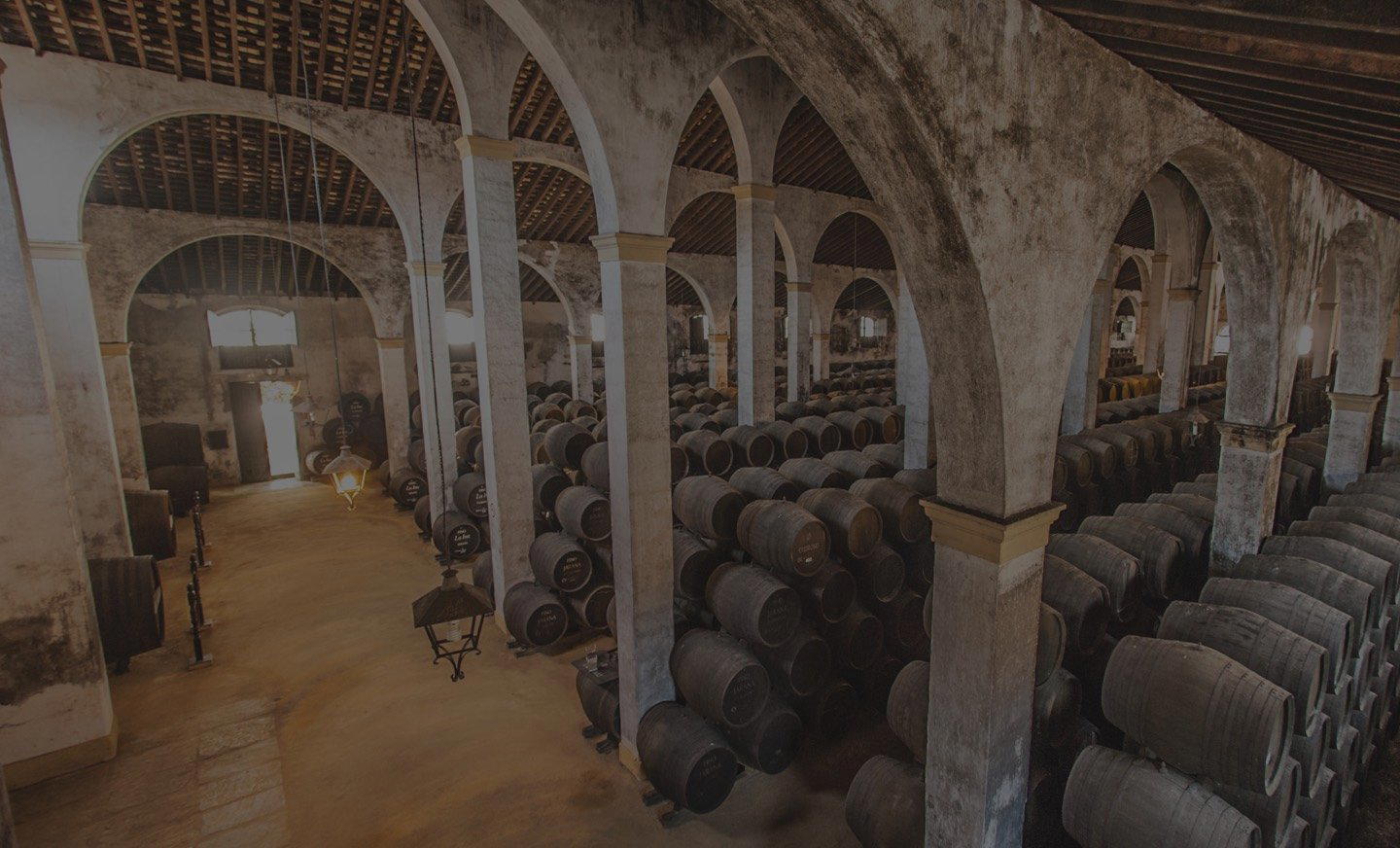
The Solera Tradition in Its Natural Habitat
Walk down Calle Arcos in Jerez de la Frontera on a still morning and the air carries the faint, oxidative scent that locals call the angel's share, the portion of sherry lost each year through the weathered walls of the bodegas lining the street. It is the byproduct of a production method that has been running continuously in this part of Andalusia for centuries, and Lustau, at number 53, sits inside that tradition with a depth of archive and solera stock that few producers anywhere in Spain can claim. The bodega sits at C. Arcos, 53 in Jerez de la Frontera, a short walk from the cathedral and the old merchant quarter.
Where Lustau Sits in the Jerez Competitive Set
Jerez's premium sherry producers divide, broadly, into two camps: large export-focused houses that built their reputations on commercial blends and volume, and smaller, archive-oriented bodegas whose value lies in aged soleras, almacenista stock, and category depth. Lustau occupies a particular position in the latter group. Its recognition in 2025 places it in the upper tier of Jerez producers, a cohort that includes Valdespino and Bodegas Tradición, two houses that similarly built reputations on category discipline and aged stock rather than on volume or single-varietal novelty. Williams and Humbert, another major Jerez name, operates at greater scale and with a different commercial footprint, which gives some sense of the range within the city's sherry production.
What distinguishes producers in this upper tier is not simply age of solera, though that matters, but the degree to which they maintain category breadth across the sherry spectrum: dry finos and manzanillas at one end, through amontillados and olorosos, into the oxidatively rich palo cortados and the sweet pedro ximénez and cream styles at the other. Lustau's range covers that full spectrum, and its almacenista program, a range of wines sourced from small private stockholders and bottled individually, has shaped the bodega's profile.
The Almacenista Approach and What It Signals
The almacenista tradition is specific to the sherry triangle and has no direct equivalent in other Spanish wine regions. Small private producers, typically without bottling or export infrastructure, maintain their own soleras and sell wine to larger bodegas for blending. Lustau reversed that logic by bottling almacenista wines under the stockholder's name, preserving the individual character of each solera rather than merging it into a house blend. That decision, sustained over decades, positioned the bodega as a reference point for sherry diversity at a time when the category was contracting commercially and losing drinkers to other wine styles.
This is the context in which Lustau's 2025 recognition makes most sense. The recognition reflects not a single wine or vintage but a sustained commitment to category representation, quality across a wide range of styles, and a role in maintaining the almacenista tradition as a living production method rather than a historical footnote. Spanish wine regions that have built comparable reputations for depth and category seriousness, among them Ribera del Duero producers like Bodegas Protos in Peñafiel, Emilio Moro in Pesquera de Duero, and Arzuaga Navarro in Quintanilla de Onésimo, or Rioja houses such as CVNE in Haro and Marqués de Cáceres in Cenicero, tend to share a similar characteristic: they treat their appellation as a discipline, not just a geographic label.
Sherry as a Category, Not a Souvenir
One of the recurring misreadings of Jerez is that sherry is a regional specialty leading encountered on-site and left there, the way certain travelers treat local liqueurs. The producers in Lustau's comparable set have spent the better part of two decades dismantling that assumption by placing aged single-cask and almacenista wines in serious retail and restaurant programs internationally, alongside producers like Clos Mogador in Gratallops, whose Priorat wines occupy an equivalent niche as serious, cellar-worthy Spanish wine that requires context to be fully appreciated.
The diversity within the sherry category itself demands attention. A well-aged palo cortado from a Lustau solera occupies a completely different sensory and structural register than a fino served chilled at a tapas bar, even though both carry the same geographic designation.
Planning a Visit
Lustau's bodega at Calle Arcos 53 is in central Jerez, within walking distance of the city's main monuments and a short drive from Sanlúcar de Barrameda and El Puerto de Santa María, the other two corners of the sherry triangle. Jerez de la Frontera has its own airport with connections to several European cities, and the train from Seville takes under an hour, making the city accessible as a day trip or a longer stay.
Bodega visits at Lustau typically include guided tours of the production facilities and solera halls, with tastings structured to move through the category range. Given the depth of styles available, visits focused on aged or single-stockholder wines reward some advance research into the almacenista lineup. Abadía Retuerta in Sardón de Duero through Codorníu in Sant Sadurní d'Anoia, will find that Jerez operates on a different production logic and benefits from a separate visit rather than being folded into a single southern Spain sweep.
Lustau's position in Jerez is comparable to a reference house in any serious wine region: a producer whose range functions as a map of the category rather than a single point of interest.Aberlour in Aberlour or Accendo Cellars in St. Helena, occupy a similar role within their own categories: the visit is as much about understanding the tradition as it is about tasting the wine. At Lustau, those two things are the same experience, conducted in a building that still smells like the century of production it has housed. For those seeking comparable depth in a different part of Spain, Marqués de Griñón in Malpica de Tajo offers an instructive contrast in how a single estate can define an entirely new appellation through producer-led advocacy.
Price and Recognition
Comparable venues nearby, for context on price, style, and recognition.
| Venue | Cuisine | Price | Notes |
|---|---|---|---|
| LustauThis venue — the venue you are viewing | center, Palomino, Pedro Ximénez | $$ | Not listed |
| Bodegas Tradición | historic center, Palomino, Pedro Ximénez | $$$ | Not listed |
| Williams & Humbert | Not listed | $$$ | Jerez de la Frontera, Palomino, Pedro Ximénez |
| Valdespino | Jerez de la Frontera, Palomino, Moscatel | $$$ | Not listed |
| Destilería Ánima | Winery | Not listed | Not listed |
| Hidalgo La Gitana | Not listed | $$ | Sanlúcar de Barrameda, Palomino, Moscatel |
Recognition history
Dated appearances from independent guides and award organizations, with the underlying list record or original source where available.
Falstaff Winery - Listed
Falstaff
Continue exploring
More in Jerez de la Frontera
Wineries in Jerez de la Frontera
Browse all →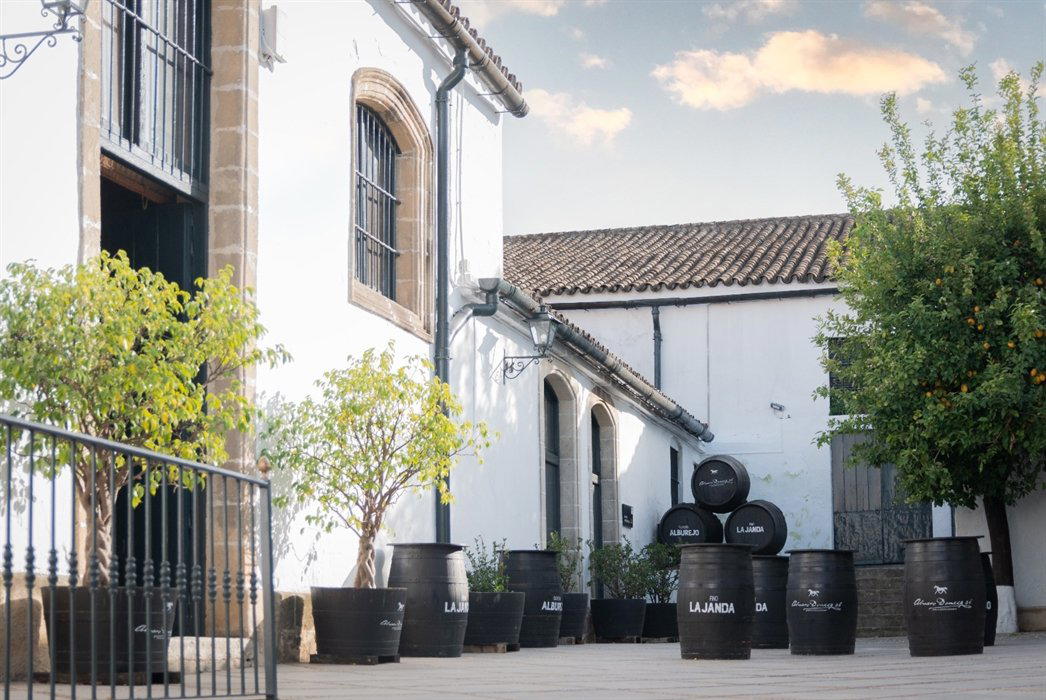


Bars in Jerez de la Frontera
Browse all →
Restaurants in Jerez de la Frontera
Browse all →





At a Glance
- Classic
- Elegant
- Historic
- Well Known
- Wine Education
- Special Occasion
- Barrel Room
- Historic Building
- Jerez Xérès Sherry DO
- Palomino
- Pedro Ximénez
- Moscatel
- Fortified
- Guided Tasting
- Barrel Tasting
- Winemaker: official source · checked
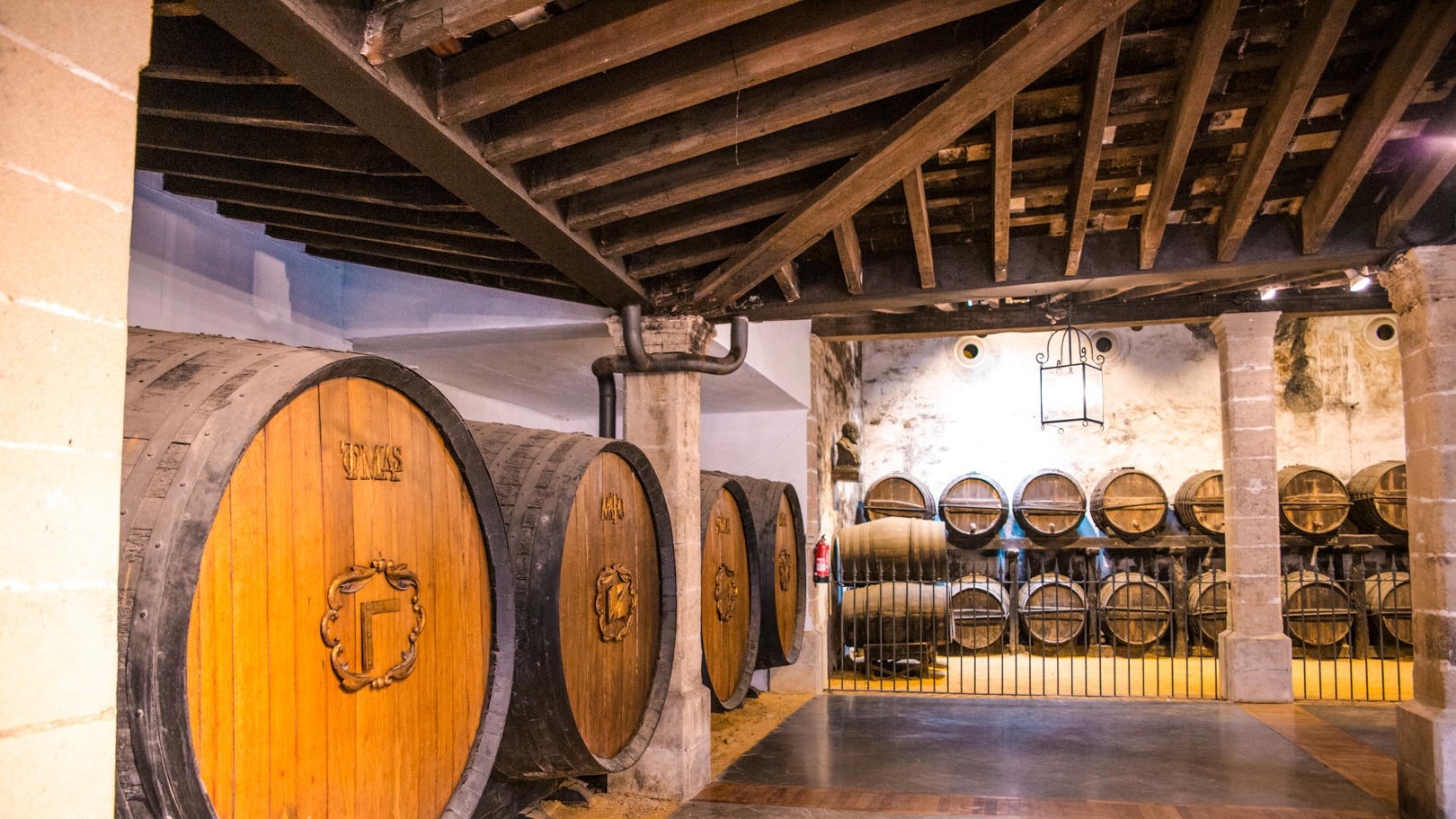
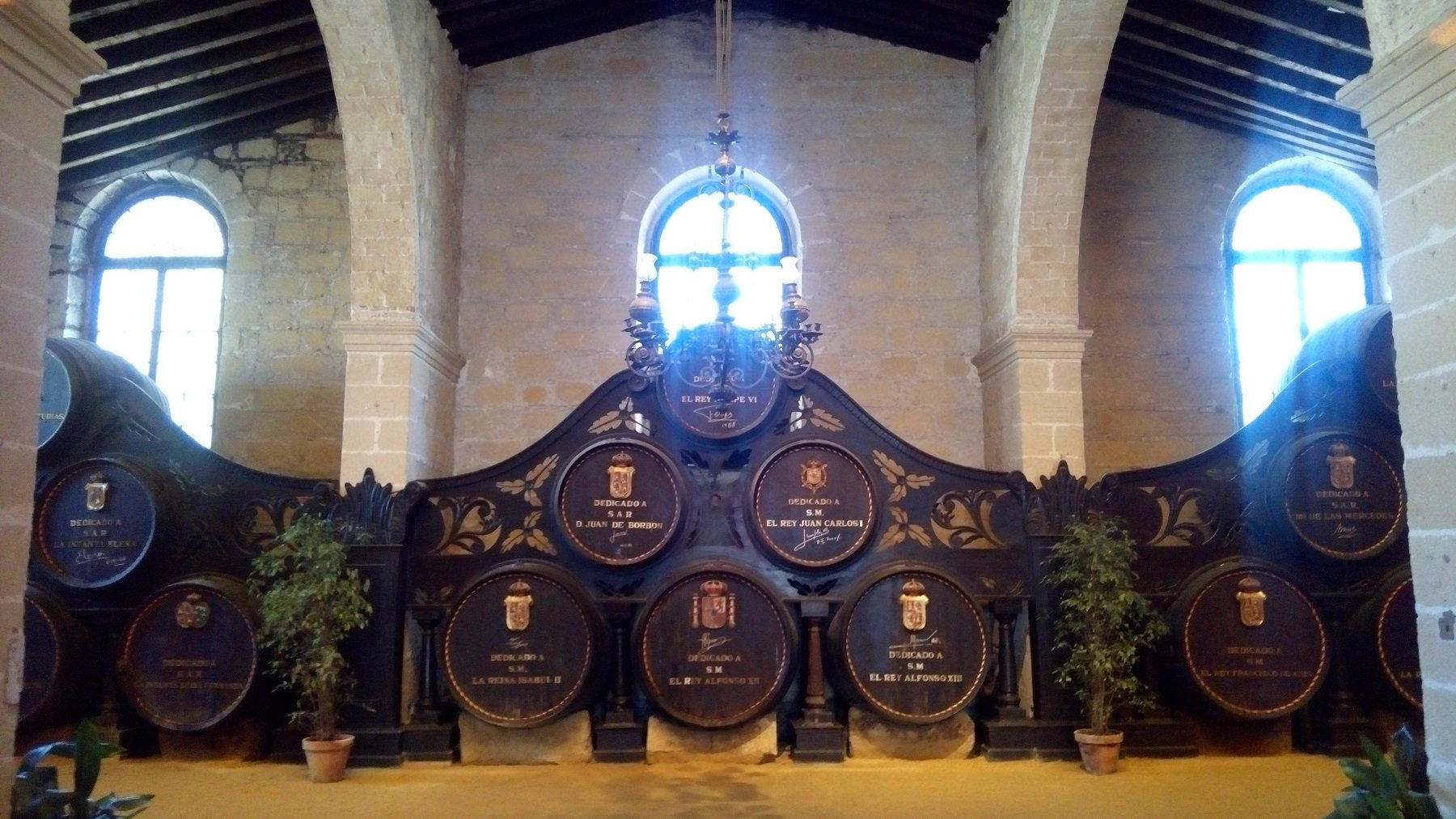
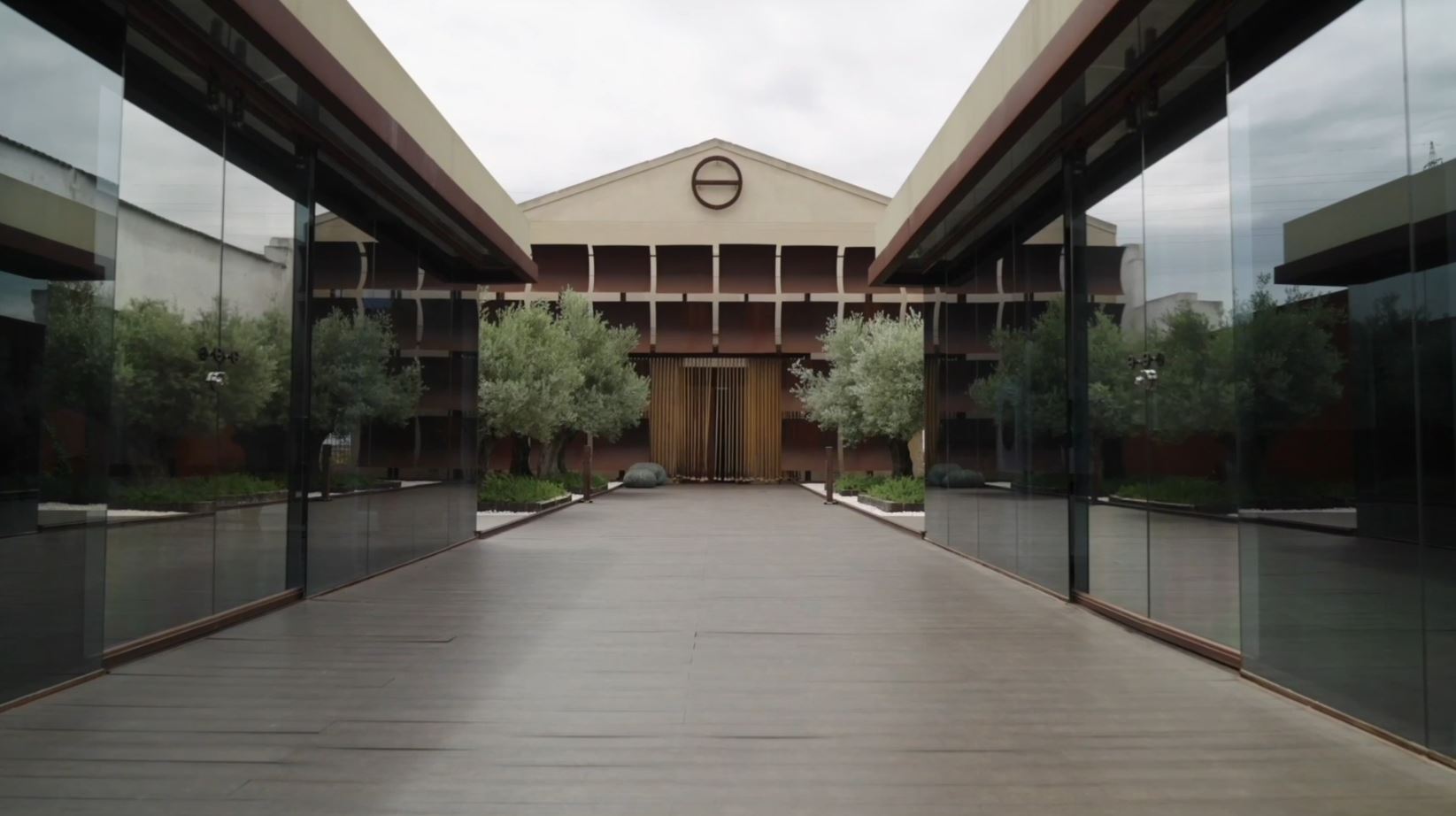
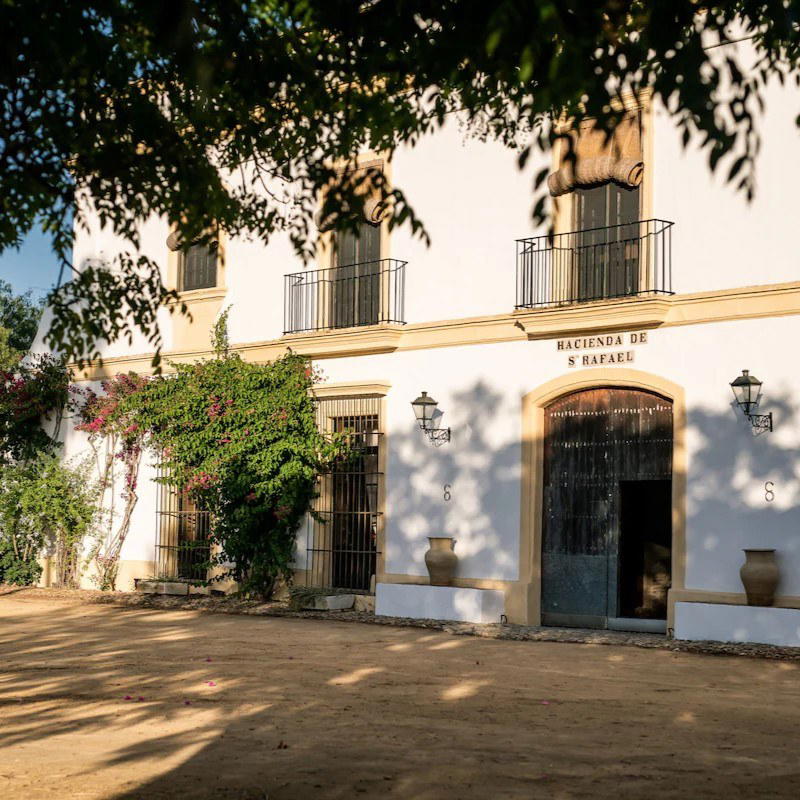
Atmospheric historic bodegas with pleasant sherry aromas permeating the maturation buildings and beautiful stained glass windows.