Clos Mogador

Clos Mogador sits at the heart of Gratallops, in the Priorat region of Catalonia, where slate and quartzite soils produce some of Spain's most concentrated and age-worthy red wines. Visiting requires planning, but the terrain alone justifies the effort.
Pearl is the En Primeur Club membership app — saves, bookings, and concierge access live there. Same editors, same standards.
- Address
- Cami Manyetes, s/n, 43737 Gratallops, Tarragona
- Phone
- +34 977 83 91 71
- Website
- closmogador.com
- Directions
- Get directions
 Saves & bookings on Pearl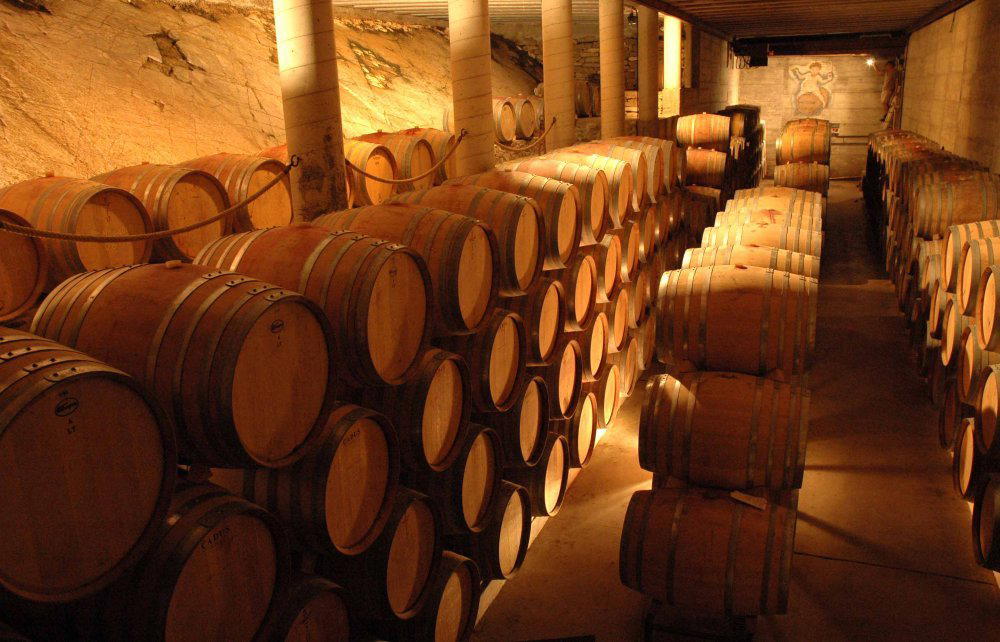
Priorat's Slate Terroir and What It Demands of a Winemaker
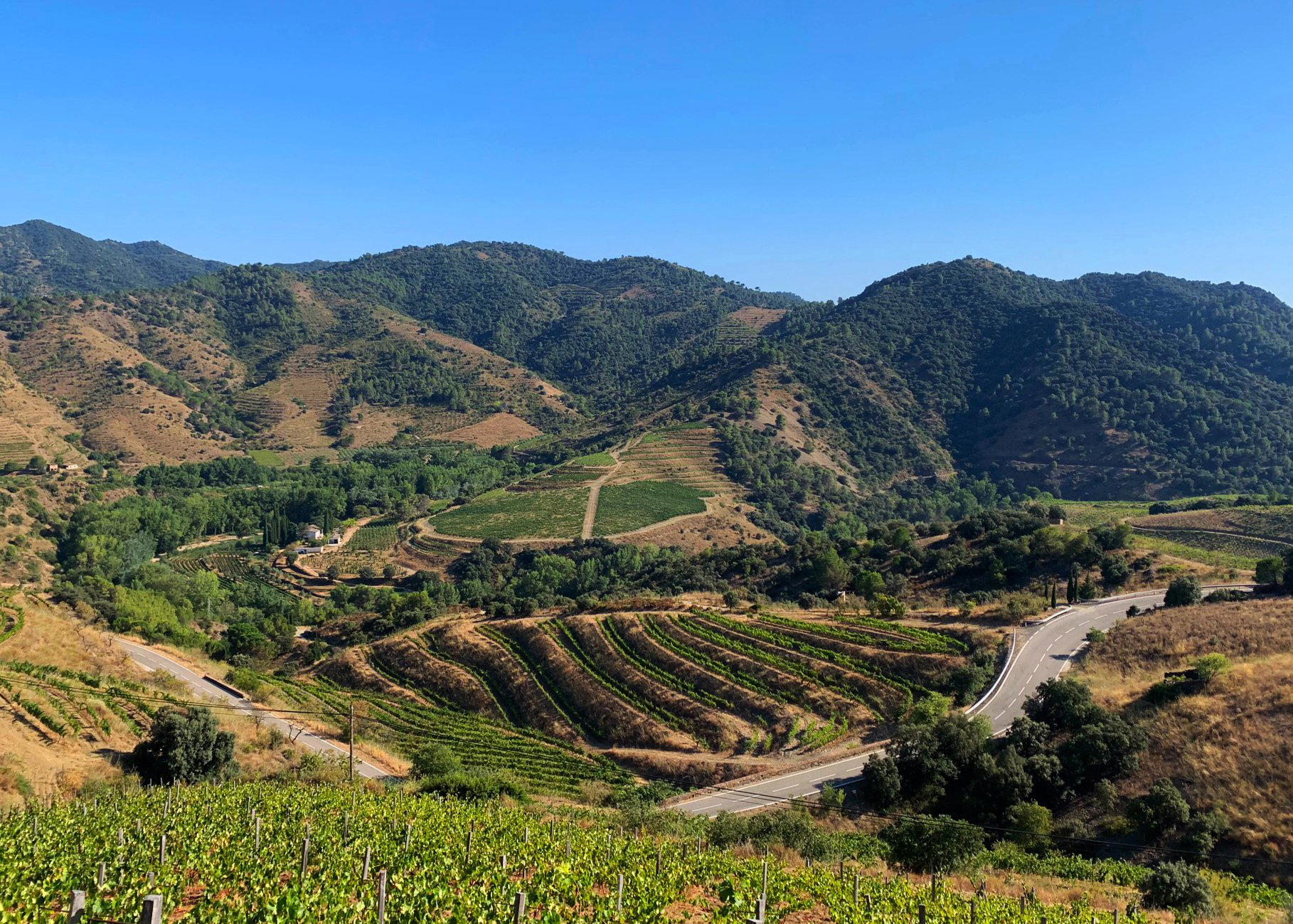
The Priorat comarca sits inland from Tarragona, carved into a series of steep, near-vertical slopes where the soil is almost entirely llicorella, the local word for the dark slate and quartz schist that gives the region its identity. Vines planted here yield very little, typically under one kilogram per plant, and the resulting wines carry a mineral density and aromatic complexity that places Priorat in a different register from any other red wine zone in Spain. This is the context in which Clos Mogador operates, not as an exception but as one of the estates that established the modern understanding of what this appellation can produce.
Gratallops, the small village at the centre of Priorat's DOCa zone, became the focus of serious winemaking attention in the late 1980s when a small cohort of producers began treating the appellation's Grenache and Carignan as fine-wine material rather than bulk commodity. That shift in ambition transformed Gratallops into a reference point for premium Spanish viticulture.
The Winemaking Approach in Priorat's Upper Tier
Priorat's leading estates share certain convictions around viticulture and cellar intervention, though the precise expression differs. In the region's upper tier, old-vine Grenache and Carignan are typically harvested at full physiological ripeness without targeting refined alcohol as an end in itself. The llicorella soils do much of the work: they retain little water, stress the vines into producing small, intensely flavoured berries, and contribute a saline, graphite-edged quality to the wine that barrel treatment and extraction techniques cannot replicate artificially. Winemakers working in this zone tend to treat the cellar as a place to clarify and stabilise what the vineyard has already determined, rather than a place to construct or correct.
Clos Mogador's position among these estates reflects the same logic. The wines draw from old-vine parcels across the steep slopes around Gratallops, where yields remain extremely low and hand-harvesting is the only practical option given the gradient. This scale of effort is one reason why Priorat's premium tier sits at price points that align with leading Rioja and the better-known bottlings from neighbours such as Álvaro Palacios, whose L'Ermita and Finca Dofi also emerged from Gratallops in the same founding generation.
Where Clos Mogador Sits in the Spanish Fine Wine Picture
Spain's fine wine geography has expanded considerably over the past two decades. Ribera del Duero, with producers such as Emilio Moro in Pesquera de Duero and the monastic estate of Abadía Retuerta in Sardón de Duero, built an international profile for Tempranillo-based reds. Rioja retained its historical authority through houses like CVNE (Cune) in Haro and Marqués de Cáceres in Cenicero, while newer appellations such as the Pago system represented by Marqués de Griñón (Dominio de Valdepusa) in Malpica de Tajo pushed into single-estate territory. Within this map, Priorat occupies a distinct niche: it is the appellation most consistently compared to Burgundy or Northern Rhône in terms of terroir specificity, small-scale production, and the relationship between individual parcels and finished wine character.
The estate's output is limited by the vineyard area and by the inherent constraints of working this terrain, which means release quantities are modest relative to demand. This is a structural feature of the appellation, not a marketing strategy, and it places Priorat's leading estates alongside allocation-model producers elsewhere in Spain, from the structured releases of Bodegas Protos in Peñafiel to the historic volumes of Codorníu in Sant Sadurní d'Anoia, though the comparison is one of category rather than style.
The Experience of Visiting Gratallops
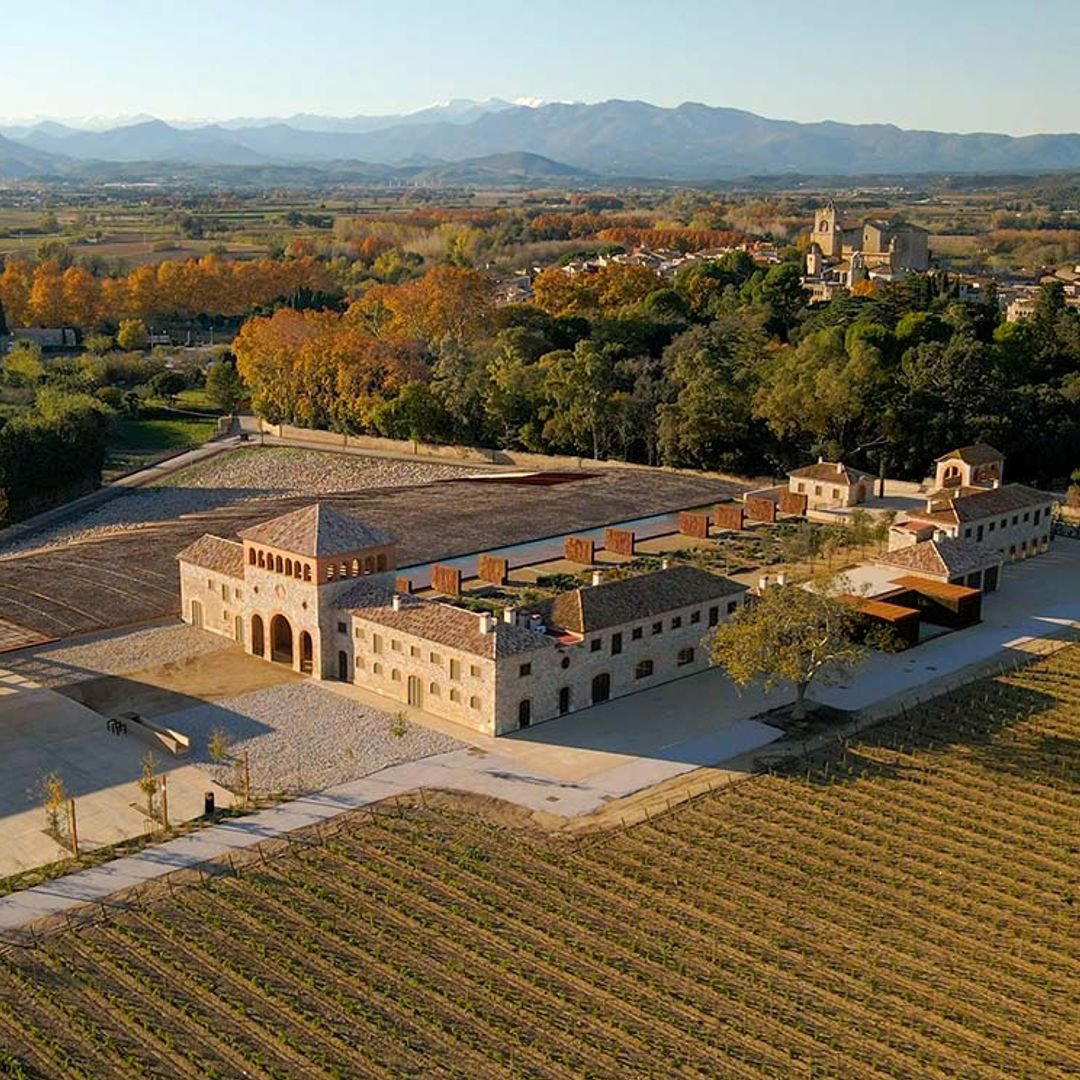
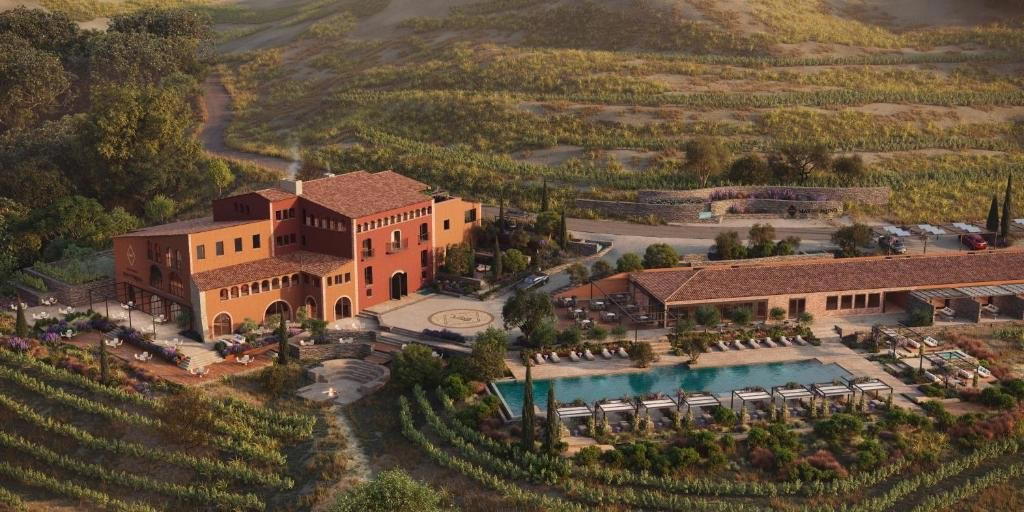
Arriving at Gratallops means leaving the AP-7 and climbing into a landscape that changes quickly. The roads narrow, the olive groves thin out, and the terraced vineyards take over the hillsides in a geometry shaped by decades of manual labour. The village itself has fewer than three hundred permanent residents, and the handful of wine estates that put it on the map are spread across the surrounding slopes rather than concentrated in any single zone. Cami Manyetes, where Clos Mogador's address places it, runs through a section of this terrain where the llicorella is close to the surface and the vine age is visible in the gnarled, low-trained growth of the older parcels.
Visiting a working Priorat estate at this level is not the same experience as touring a large-format winery in Rioja or the cava houses of Sant Sadurní. There is no visitor infrastructure in the industrial sense. The scale is intimate, the production is seasonal in rhythm, and appointments are typically necessary. For context on planning a wider visit to the area, our full Gratallops restaurants guide covers the village's broader offer, which includes a small number of restaurants and accommodation options suited to a wine-focused itinerary.
Planning a Visit: What to Know Before You Go
Clos Mogador's address at Cami Manyetes, s/n, 43737 Gratallops, Tarragona puts it in the heart of the DOCa Priorat zone, roughly an hour and a half from Barcelona by road. Visits to estates at this tier typically require advance arrangement and are not walk-in experiences.
Timing matters in Priorat. Harvest falls in September and October, when the estate is in production mode and visits may be limited. Late spring and early autumn, outside harvest, tend to be the periods when cellar visits and tastings are most accessible. The heat in July and August is significant at these altitudes and in the slate terrain, where temperatures can exceed those of the surrounding plain. Spring visits, roughly April through June, offer cooler conditions and the visual interest of the vine cycle moving through bud break and early canopy development.
Priorat sits within a wider Spanish fine wine circuit that rewards multi-day itineraries. Pairing a Priorat visit with Penedès, Montsant, or the coastal Tarragona area gives a layered picture of Catalan viticulture. For estates with a different regional emphasis, Bodegas Ysios in Laguardia, Bodegas Vivanco in Valle de Mena, and Arzuaga Navarro in Quintanilla de Onésimo represent different points on the Spanish premium wine map. For those extending itineraries well beyond Iberia, Lustau in Jerez de la Frontera offers a contrasting format entirely, while further afield Aberlour in Aberlour and Accendo Cellars in St. Helena show what premium production looks like across different traditions and climates.
Recognition history
Dated appearances from independent guides and award organizations, with the underlying list record or original source where available.
Falstaff Winery - 5 Stars
Falstaff
Continue exploring
More in Gratallops
Wineries in Gratallops
Browse all →
Bars in Gratallops
Browse all →
Restaurants in Gratallops
Browse all →


At a Glance
- Well Known
- Elegant
- Rustic
- Scenic
- Wine Education
- Special Occasion
- Romantic Getaway
- Barrel Room
- Vineyard Tour
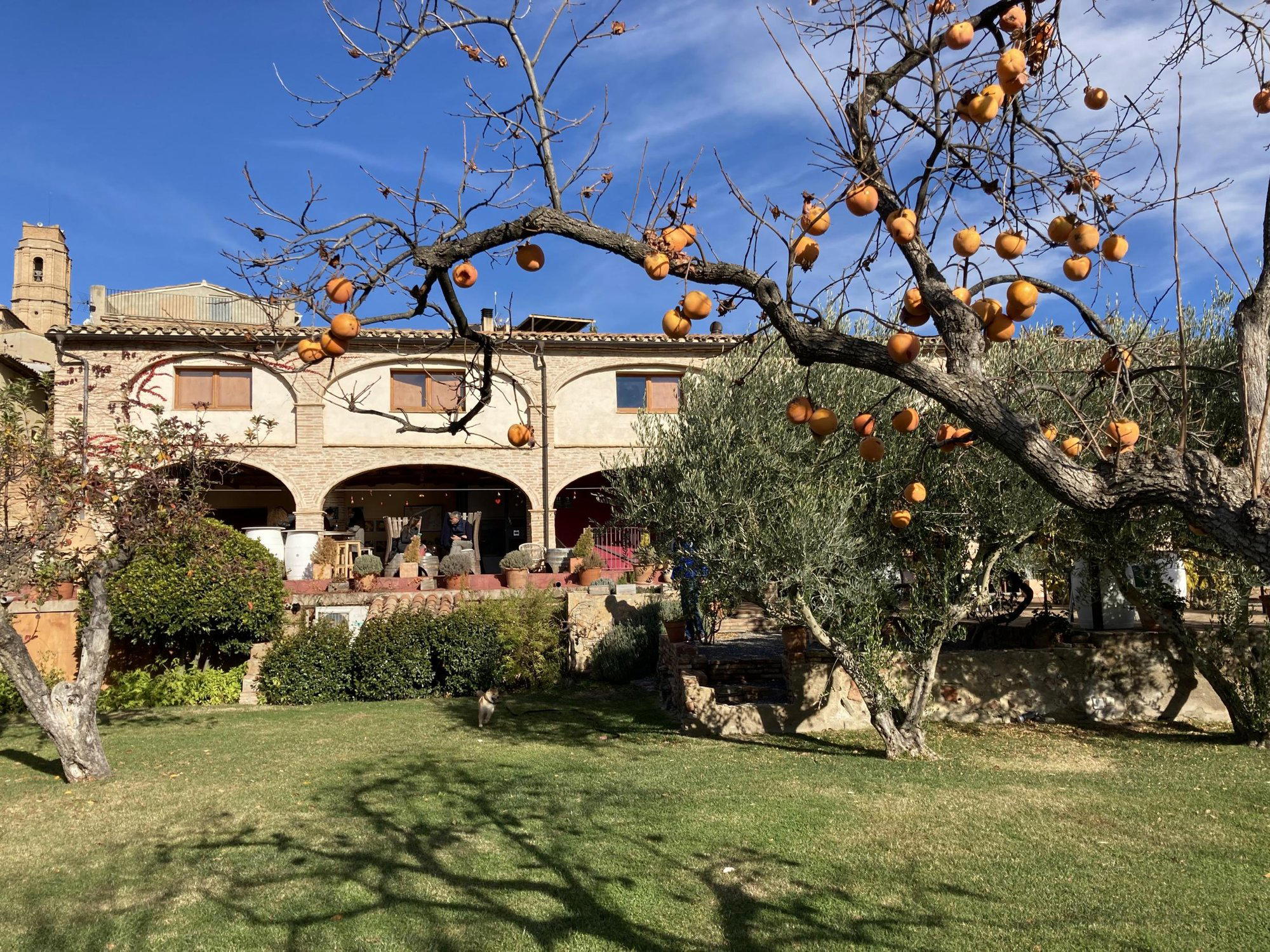
- Estate Grounds
- Cave Tasting
- Sustainable
- Vineyard
- Mountain
- DOQ Priorat
- Garnacha
- Carignan
- Syrah
- Cabernet Sauvignon
- Viognier
- Pinot Noir
- Still Red
- Still White
- Still Rosé
- Guided Cellar Tour
- Vineyard Walk
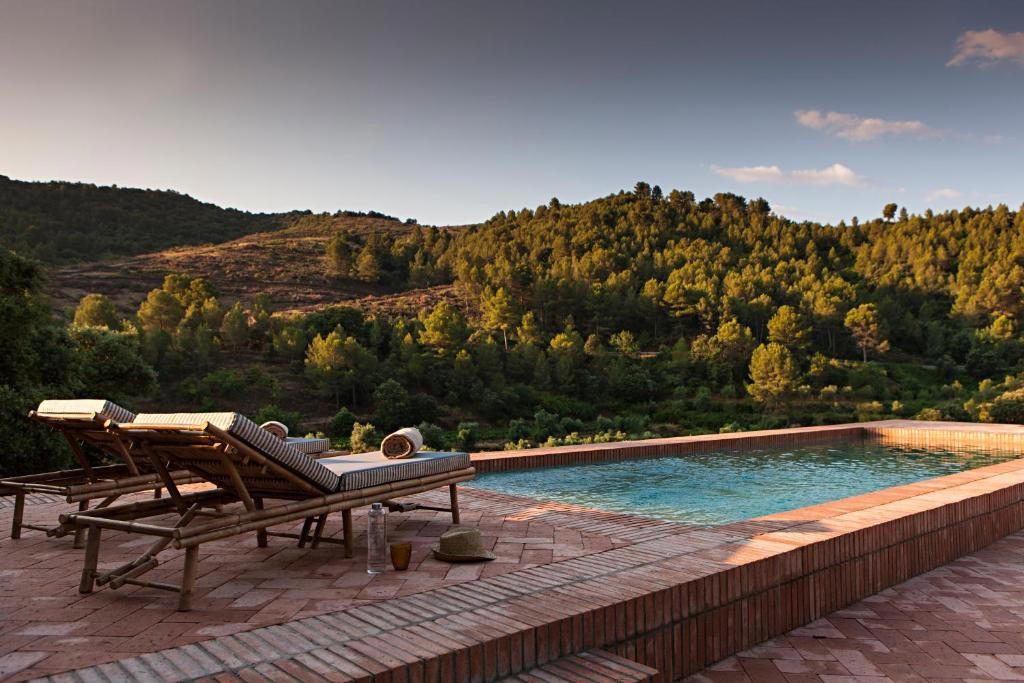
Historic stone amphitheater vineyard surrounded by 1,200-meter mountains with slate terroir; rustic elegance with artisanal winemaking traditions.
Know Before You Go
- Getting there
- Cami Manyetes, s/n, 43737 Gratallops, Tarragona