Mantúa




1 Michelin Star · Guía Repsol 2 Soles · Macarfi 8.4 Food Rating
Our verdict
Mantúa holds a Michelin star and ranks among Europe's top 500 restaurants (Opinionated About Dining, 2025), making it the reference point for contemporary fine dining in Jerez. Chef Israel Ramos works through two tasting menus — Arcilla and Caliza — that draw directly from Andalusian terroir, with dishes ranging from Cádiz-rooted cuttlefish stew to venison with mustard. The wine-pairing option, naturally, leans into the sherry heartland surrounding the restaurant.

Pearl is the En Primeur Club membership app — saves, bookings, and concierge access live there. Same editors, same standards.
- Address
- Pl. Aladro, 7, 11402 Jerez de la Frontera, Cádiz, Spain
- Phone
- +34 856 65 27 39
- Hours
- Mon ClosedTue–Sat 1:30–2:30 PM, 8:30–9:30 PMSun Closed
- Website
- restaurantemantua.com
- Directions
- Get directions
- Booking
- Book on CoverManager
The menu
What to order
- Tuna_salad
- Cuttlefish_stew
- Venison_with_mustard
Where Jerez Meets the Plate
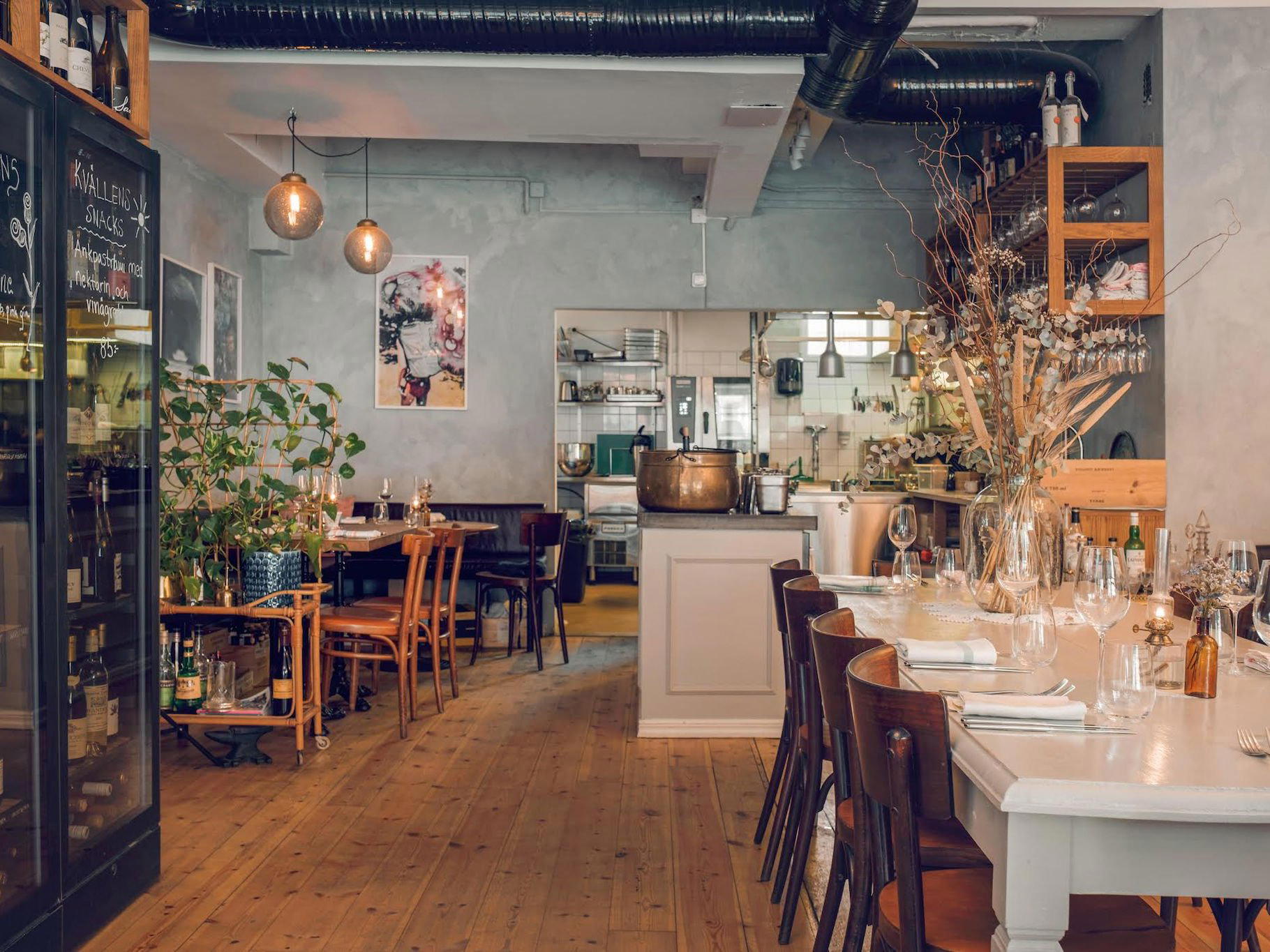
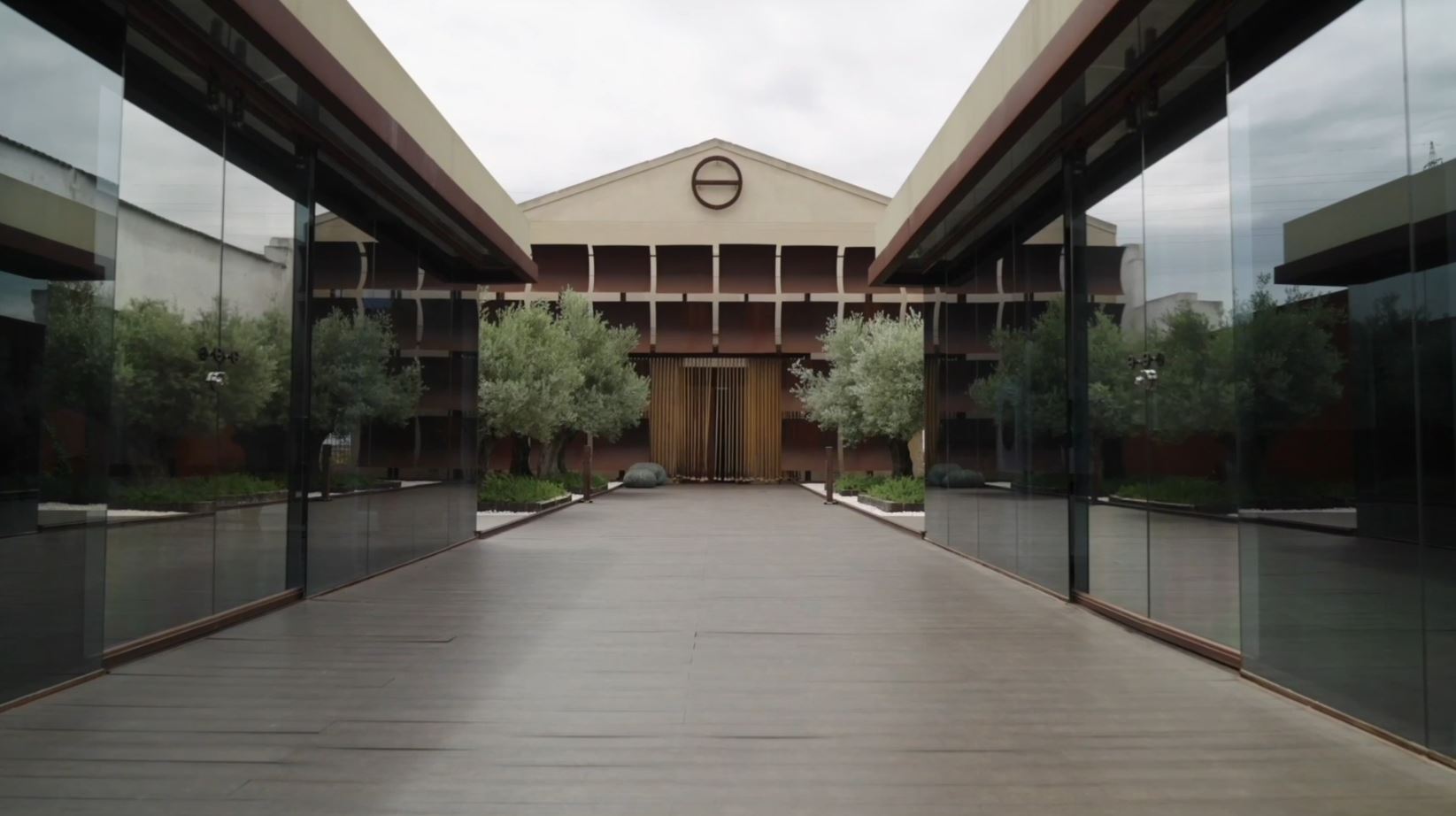
Approaching Plaza Aladro, the physical understatement of Mantúa's entrance signals something deliberate. The interior follows that logic: minimalist, unhurried, calibrated to focus attention on what arrives at the table rather than what surrounds it. In a city whose food identity has long been anchored to tapas bars, sherry bodegas, and the kind of informal abundance that defines Andalusian hospitality, a restaurant that strips back the decoration to this degree is making an argument about where Jerez's cuisine can go.
That argument, in 2024, earned Mantúa a Michelin star — the kind of external validation that positions a restaurant not just within its own city but inside a regional conversation that includes Aponiente in El Puerto de Santa María, one of the most decorated kitchens in Andalusia. Cádiz province, long overshadowed by the gastronomic gravity of Basque country and Catalonia, is increasingly producing kitchens that work from deeply local materials toward technically rigorous results. Mantúa is the clearest expression of that shift within Jerez itself.
Two Menus, One Terroir
The structure here is fixed: no à la carte. Chef Israel Ramos works exclusively through two tasting menus — Arcilla and Caliza, whose names reference the two soil types that define the sherry-producing vineyards surrounding the city. The naming is not decorative. It signals an approach where geography is the primary filter, and where the kitchen's job is to translate a specific patch of Andalusia into a sequence of courses rather than simply to cook well.
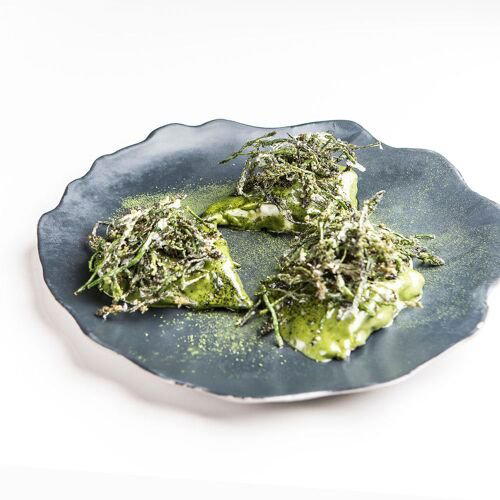
This framing connects Mantúa to a broader movement in Spanish fine dining, where terroir-led tasting menus have become the dominant format among ambitious kitchens. What separates the stronger examples from the weaker is the legibility of the connection: whether dishes actually taste like they come from somewhere, or whether the terroir language is branding layered over a generically modern menu. At Mantúa, reviewers have consistently noted specific Cádiz roots, cuttlefish stew that reads as a contemporary reworking of traditional coastal cooking, and a tuna preparation that reflects the almadraba fishing culture that runs through this stretch of Atlantic coastline.
Venison with mustard, noted by Michelin inspectors as a dish that left its mark, represents the other axis of the menu: the inland Andalusia of sierra and dehesa, brought into dialogue with the coastal references. That range, from sea to hinterland within a single tasting sequence, is structurally similar to what the better Catalan kitchens do with mar i muntanya, the tradition of combining seafood and meat that has defined Catalan cuisine for centuries. In Jerez, the logic is Andalusian rather than Catalan, but the editorial instinct is comparable: find the tension between two environments that meet in the same region, and build a menu around it.
The Sherry Dimension
The wine pairing at Mantúa carries a weight that pairings at restaurants in other cities simply cannot replicate. Jerez is the production heartland of sherry, and dining here without exploring that dimension would mean missing the most site-specific element of the experience. The bodega culture that surrounds the city, the solera systems, the chalky albariza soils, the fino and manzanilla styles that have defined this corner of Spain for centuries, provides a pairing library that no sommelier working outside the region can access with the same depth.
The name Mantúa itself points directly to this heritage: the restaurant takes its name from a grape variety once grown across the Jerez wine region, now largely displaced by Palomino but embedded in the area's agricultural memory. The choice signals that the kitchen's relationship to the region extends beyond the menu and into the wine culture that shaped the city's identity. For visitors arriving from elsewhere in Spain or from abroad, engaging with the pairing option is the most efficient way to understand what makes Jerez's dining scene structurally different from what they'll find in Madrid, Barcelona, or the Basque coast.
For a broader picture of where to drink in the city, our full Jerez de la Frontera bars guide covers the sherry bars and tabernas that provide the essential counterpoint to formal dining like this. And for those wanting to visit the bodegas themselves, our Jerez de la Frontera wineries guide maps the key producers.
Mantúa in the Jerez Fine Dining Context
Jerez's top-end restaurant market is small but increasingly coherent. LÚ Cocina y Alma occupies the same price tier (€€€€) with a Modern Spanish-French approach that positions it as Mantúa's closest direct peer, both kitchens working at the formal end, both representing a city that has historically been underweighted in Spain's gastronomic conversation. Below that tier, La Carboná offers contemporary cooking at €€€, with a more accessible entry point. A Mar at €€ and Akase (Japanese) represent the mid-market alternatives for evenings when the tasting menu format feels like too significant a commitment. Albalá adds another modern cuisine option to a scene that has diversified considerably over the past decade.
Within the wider Andalusian and national frame, Mantúa's Opinionated About Dining ranking of 438th in Europe (2025), up from 403rd in 2024, places it inside a competitive set that includes restaurants in cities with far higher international dining traffic. That upward trajectory matters: it suggests a kitchen gaining in assurance rather than coasting on an initial award. For comparison, the restaurants that tend to anchor Spain's international reputation, Arzak in San Sebastián, DiverXO in Madrid, El Celler de Can Roca in Girona, Quique Dacosta in Dénia, and Azurmendi in Larrabetzu, operate in cities that receive sustained international attention. Mantúa's position in that same ranked list, from a city most international visitors treat as a day trip from Seville, is an editorial fact worth noting.
Elsewhere in Andalusia, Manzil in Seville and Cenador de Amós in Villaverde de Pontones represent the contemporary Spanish fine dining register that Mantúa belongs to, though each with its own regional framing. The common thread across these kitchens is a move away from classical Spanish cooking toward menus that treat their specific geography as raw material for a more personal creative process.
Planning Your Visit
Mantúa operates Tuesday through Saturday for both lunch and dinner, with a narrow service window at each sitting: lunch runs from 1:30 PM to 2:30 PM and dinner from 8:30 PM to 9:30 PM. Monday and Sunday are closed. Those tight sittings are standard practice for Spanish tasting menu restaurants, where the kitchen needs to coordinate a multi-course sequence for all tables simultaneously, but they do mean that arrival time matters more than in a broader-format restaurant. At the €€€€ price point, Mantúa sits at the top of the Jerez market; factoring in the wine pairing, which the Michelin entry specifically endorses, will materially affect the final bill. The restaurant's address is Plaza Aladro, 7, in the centre of Jerez. For accommodation, our Jerez de la Frontera hotels guide covers the options closest to the old city. For the broader dining picture across the city, our full Jerez de la Frontera restaurants guide maps everything from traditional tapas to formal dining. For a wider sense of what the city offers beyond the table, our Jerez de la Frontera experiences guide covers flamenco, equestrian culture, and bodega visits.
What Do Regulars Order at Mantúa?
There is no à la carte at Mantúa, so the question of what to order resolves to which tasting menu and whether to add the wine pairing. Between the two menus, Michelin inspectors have specifically cited the cuttlefish stew, the venison with mustard, and the tuna salad as dishes that defined the kitchen's character. The cuttlefish preparation is particularly noted as a point where contemporary technique and the deep culinary tradition of Cádiz's coastal cooking converge without one overriding the other. The wine pairing, given the restaurant's location in the sherry heartland and its name drawn from the region's viticultural history, is as much an argument about place as about matching flavours to food. Among the two menus, Arcilla and Caliza reference different soil types in the surrounding vineyards; the distinction in menu content between the two is not detailed in public records, making the choice at the point of booking the most reliable guide. See our full Jerez restaurants guide for the broader context of where Mantúa sits relative to the city's other serious kitchens.
Frequently asked questions
What awards or recognition does Mantúa have?
Mantúa has received recognition including: A restaurant named after a grape variety that was once grown widely in the Jerez wine region, Mantúa has a minimalist feel and its own personality thanks to the emphasis placed on offering guests an array of unique and different sensations ….
What do regulars order at Mantúa?
There is no à la carte at Mantúa, so the choice comes down to which of the two tasting menus — Arcilla or Caliza — and whether to add the wine pairing. Michelin's notes single out the tuna salad starter, venison with mustard, and the cuttlefish stew as dishes that define the kitchen's approach. The wine pairing is widely treated as the default rather than an upgrade, given that Jerez is the production heartland of sherry and the list reflects that geography directly.
What price level is Mantúa?
Pricing at Mantúa is listed as €€€€.
Is Mantúa open every day?
Hours at Mantúa: Monday closed Tuesday 1:30 PM-2:30 PM 8:30 PM-9:30 PM Wednesday 1:30 PM-2:30 PM 8:30 PM-9:30 PM Thursday 1:30 PM-2:30 PM 8:30 PM-9:30 PM Friday 1:30 PM-2:30 PM 8:30 PM-9:30 PM Saturday 1:30 PM-2:30 PM 8:30 PM-9:30 PM Sunday closed.
Comparison Snapshot
| Venue | Cuisine | Price | Awards | Notes |
|---|---|---|---|---|
| MantúaThis venue — the venue you are viewing | Modern Andalusian Fine Dining | $100–150 | 1 Michelin Star · Guía Repsol 2 Soles | Not listed |
| LÚ Cocina y Alma | Andalusian-French Fusion Fine Dining | $150–200 | 2 Michelin Stars · La Liste Top Restaurants | Modern Spanish - French, Modern Cuisine |
| La Carboná | Modern Spanish with Sherry Pairings | $50–100 | Michelin Plate · Guía Repsol 1 Sol | Contemporary |
| La Marea de Marcos | Spanish Seafood Marisquería | $30–50 | Not listed | Marisqueria |
| Venta Esteban | Traditional Spanish Mediterranean | $30–50 | Not listed | Andalusian |
| A Mar | Seafood and Mediterranean | $50–100 | Michelin Plate · Macarfi 7.4 Food Rating | Traditional Cuisine |
Recognition history
Dated appearances from independent guides and award organizations, with the underlying list record or original source where available.
Michelin 1 Star
Michelin
Guía Repsol 2 Soles
Guía Repsol
Macarfi 8.4 Food Rating
Macarfi
Opinionated About Dining Top Restaurants in Europe Ranked #438
Opinionated About Dining
Full recognition history (7 entries)
Michelin 1 Star
Michelin
Michelin 1 Star
Michelin
Opinionated About Dining Top Restaurants in Europe Ranked #403
Opinionated About Dining
Continue exploring
More in Jerez de la Frontera
Restaurants in Jerez de la Frontera
Browse all →
Bars in Jerez de la Frontera
Browse all →
Hotels in Jerez de la Frontera
Browse all →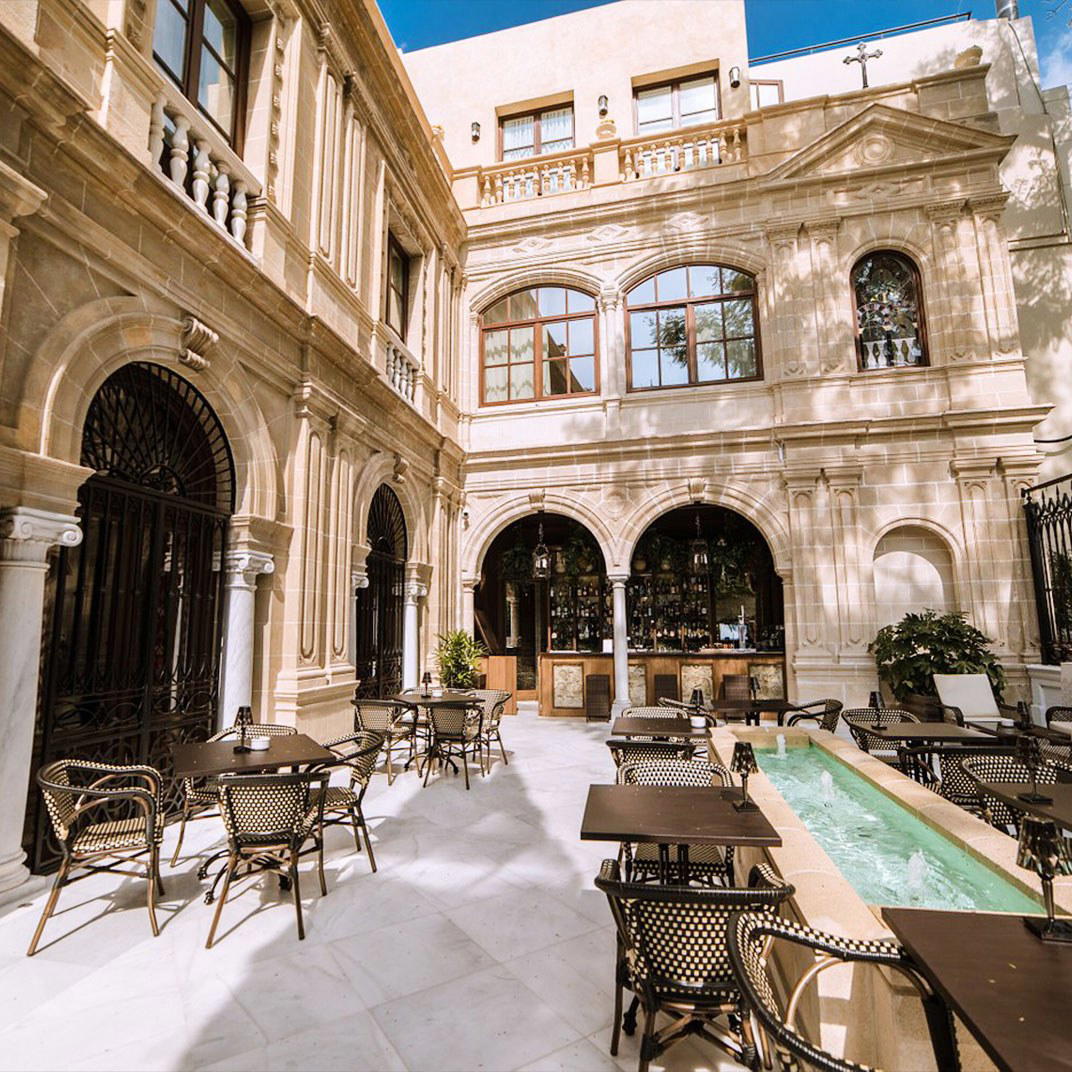
Details
- Elegant
- Minimalist
- Intimate
- Sophisticated
- Cozy
- Date Night
- Special Occasion
- Open Kitchen
- Extensive Wine List
- Local Sourcing
- Tasting Menu
- Sherry
- Wine Pairing
Current opening hours
- Monday
- Closed
- Tuesday
- 1:30–2:30 PM, 8:30–9:30 PM
- Wednesday
- 1:30–2:30 PM, 8:30–9:30 PM
- Thursday
- 1:30–2:30 PM, 8:30–9:30 PM
- Friday
- 1:30–2:30 PM, 8:30–9:30 PM
- Saturday
- 1:30–2:30 PM, 8:30–9:30 PM
- Sunday
- Closed
Hours can change for holidays and private events. Last verified .
Minimalist decor with warm, tranquil atmosphere, elegant without being stuffy, and widely spaced tables for an intimate dining experience.