
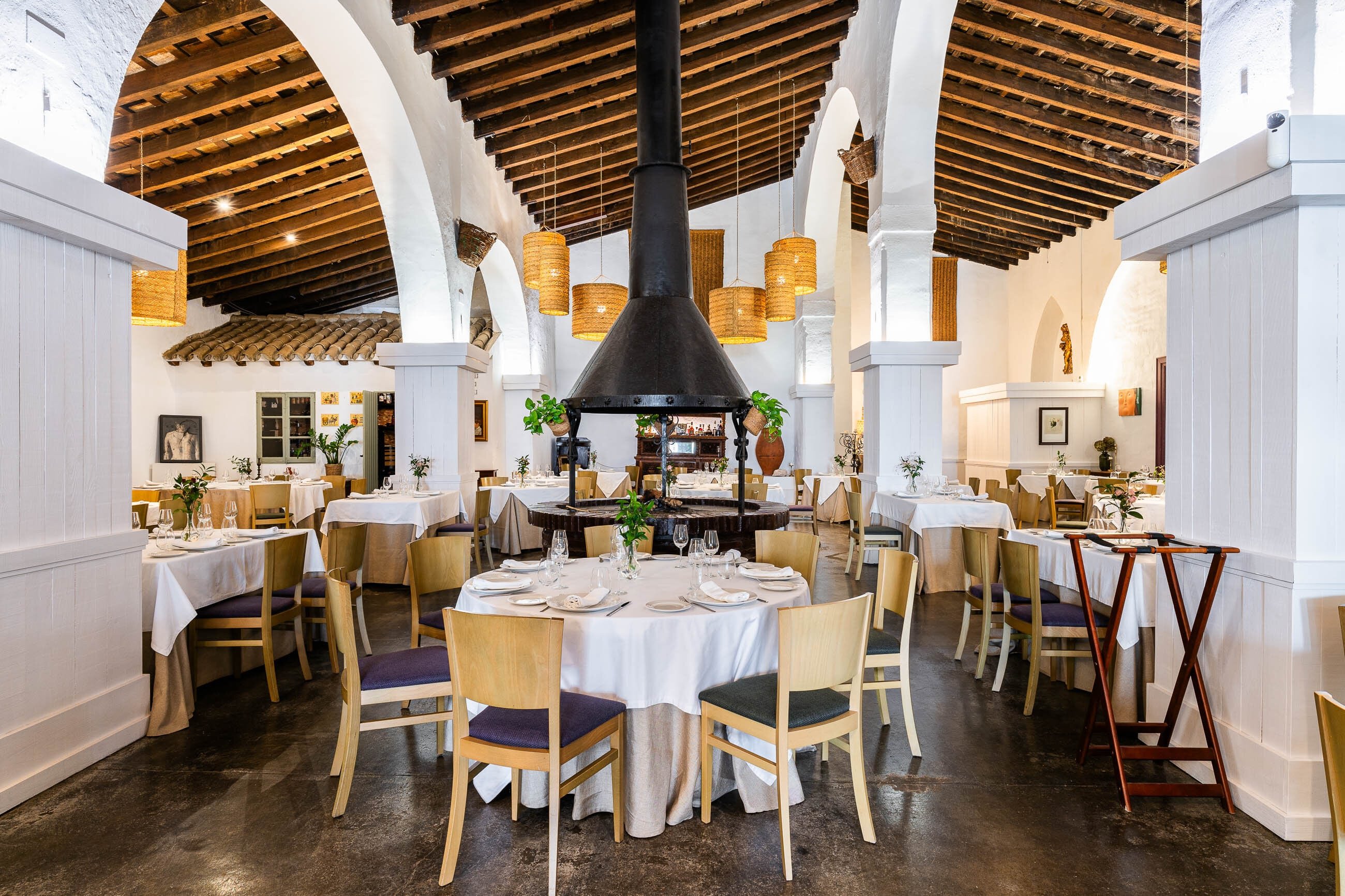
Halfway between Seville and the coastal city of Cádiz, in the Andalusian countryside, Hacienda de San Rafael occupies a five-acre estate which still serves as a working farm, producing olive oil alongside what’s now a thriving, if still small-scale, hospitality concern. Brothers Anthony and Patrick Reid are also the proprietors of Corral del Rey, in Seville proper, and their talent for human-scale luxury boutique hospitality is just as evident here as it is there. The rooms start out at a generous 45 square meters, and flank a central courtyard. Their interiors are an eclectic mix of Andalucian, Indian, and Zimbabwean elements, and they’re exceedingly comfortable, with king beds, private verandas, and splendid marble baths. Meanwhile the Casita Suites and Pool Suites take things up a notch or two. They’re villas, each with a private pool, and each one a self-contained residential experience, and a luxurious one, at that. To this the estate adds three swimming pools, set in citrus and olive groves, as well as a pair of outdoor bars and a restaurant that features stronger examples from market-fresh Andalusian cooking. Pair it with Corral del Rey for a powerful city-country combination, or just hole up here and live the good life, Andalusian style.
Pearl is the En Primeur Club membership app — saves, bookings, and concierge access live there. Same editors, same standards.
- Address
- N-4, Km.594, 41730 Las Cabezas de San Juan, Sevilla, Spain
- Phone
- +34 954 22 71 16
- Website
- haciendadesanrafael.com
- Directions
- Get directions
 Saves & bookings on Pearl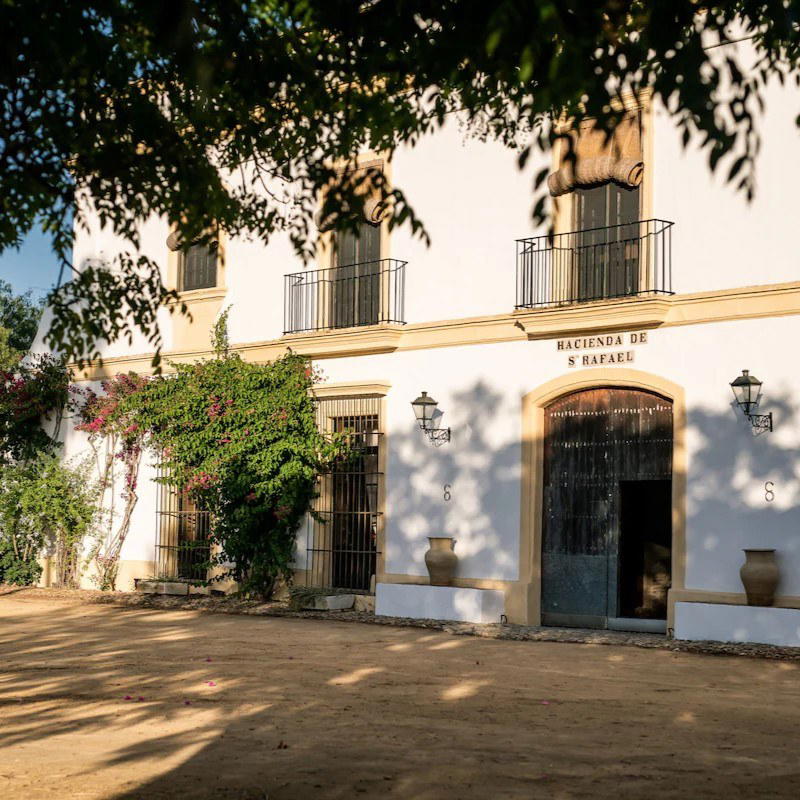
Andalusian Agriculture Meets Considered Hospitality
The approach to Hacienda de San Rafael along the N-4 corridor south of Seville tells you something about how Spanish rural hospitality has repositioned itself over the past two decades. Working haciendas that once measured their value in olive harvests now compete in a different register, offering guests the spatial grammar of a working estate without any of its austerity. The property sits amid olive groves on the Campiña plain, where the flat agricultural land between Seville and Jerez has become one of Andalusia's more credible addresses for a particular kind of stay: unhurried, grounded in landscape, and distant enough from the city to feel deliberate rather than convenient.
Hacienda de San Rafael holds a MICHELIN Selected designation in the 2025 Michelin Hotels guide, and rates 4.7 on Google from 76 reviews. That distinction positions it alongside a selective cohort of Spanish rural properties where the quality signal comes from editorial credibility rather than chain affiliation or room-count scale. For travellers who use Michelin's hotel selection as a filter, the designation carries real information: this is a property that passed a specific editorial threshold.
The Hacienda Typology in Andalusia
The hacienda as a hospitality format has a particular logic in Andalusia. Unlike the urban palacio conversion model favoured in Seville's historic centre, where properties such as Casa Palacio Don Ramón and Hotel Casa 1800 Sevilla work within tight street grids and courtyard footprints, the hacienda model spreads laterally across land. The architecture answers to agricultural history: long white walls, shaded corridors, a chapel or water feature at the centre, and working outbuildings converted into amenity space. The result is a fundamentally different spatial experience from anything achievable in a city-centre conversion.
This format has found a specific market among travellers who want proximity to Seville's cultural programme without sleeping inside it. The city's Santa Cruz quarter and its cathedral-adjacent hotels serve visitors on a compressed schedule. The hacienda model attracts a different itinerary: two or three nights, a day trip into Seville, afternoons in the grounds, evenings that belong to the property rather than to the city's bar circuit. It is the same logic that operates at wine estate properties elsewhere in Spain, where the stay is structured around the land rather than around urban sightseeing. Properties like Abadía Retuerta LeDomaine and Terra Dominicata pursue the same premise in wine country further north.
Dining in the Hacienda Context
The dining programme at a Michelin-recognised hacienda property operates under different pressures than an urban restaurant. Captive-audience hospitality, where guests are staying on the property and often have limited immediate alternatives, creates an obligation that the leading rural hotel kitchens treat seriously. In the hacienda context specifically, the larder logic of Andalusia applies with particular force: the province produces jamón from Jabugo and Pedroches, fino and manzanilla from Jerez and Sanlúcar, fresh seafood moving inland from the Atlantic coast, and a vegetable tradition anchored in Moorish agricultural inheritance. A kitchen working in this geography has direct access to one of Spain's most coherent regional supply chains.
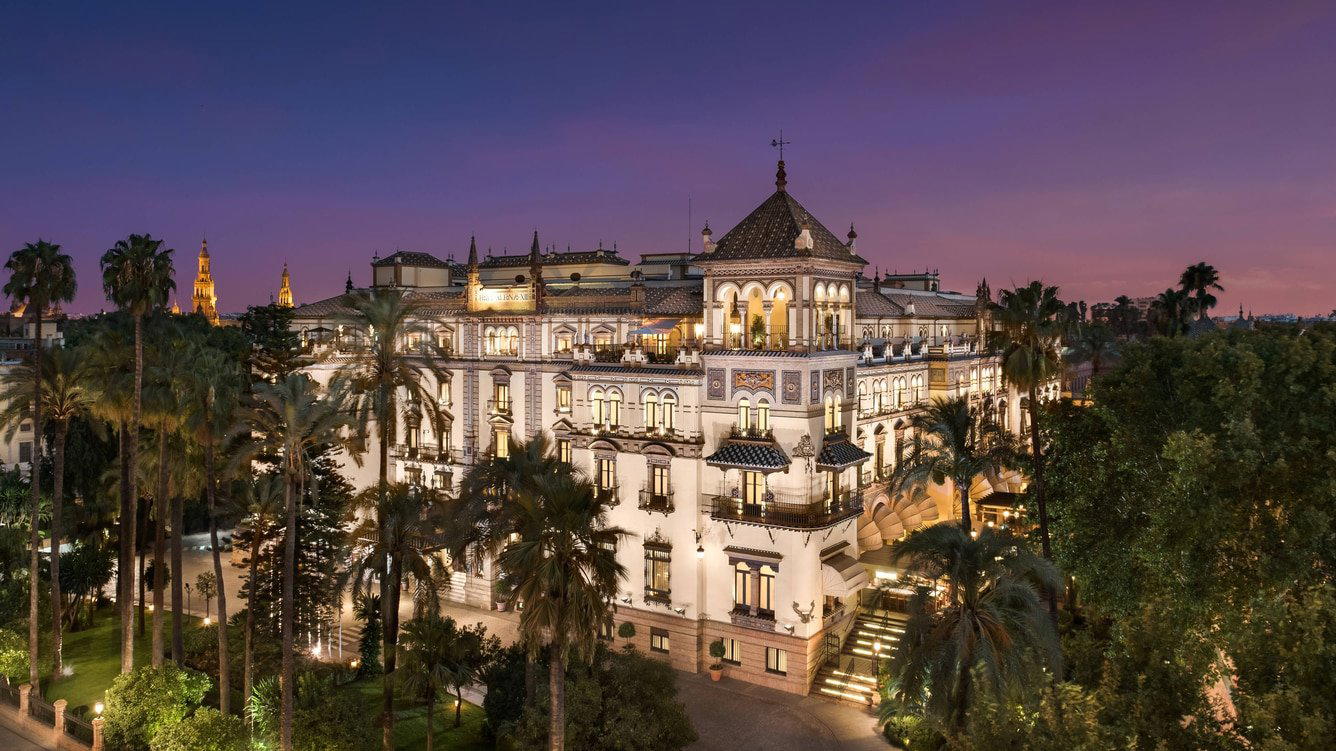
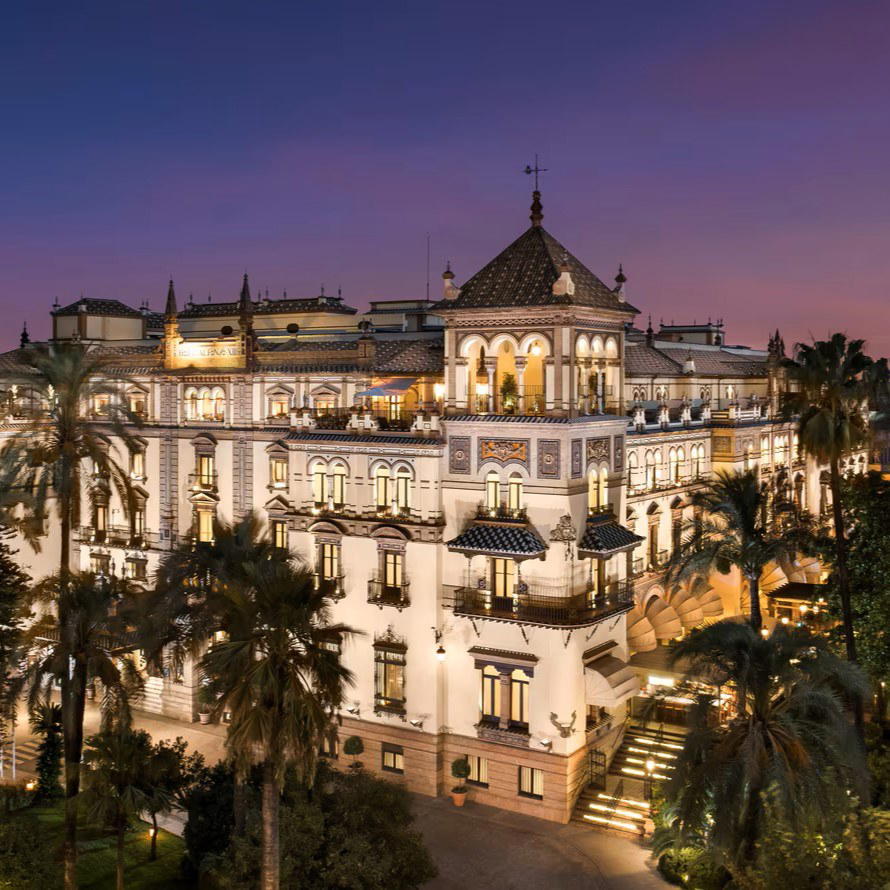
For travellers comparing this property against Seville's urban hotel dining options, the relevant comparable set shifts. Hotel Alfonso XIII anchors formal dining inside one of the city's grande dame properties. Cristine Bedfor Sevilla, with its Spanish-rooted positioning, operates a tighter boutique programme. Neither competes on the same axis as a hacienda property whose setting is itself the primary dining asset.
Where It Sits in Spain's Rural Luxury Tier
Spain's premium rural hospitality sector has consolidated around a recognisable set of property types. Wine estate hotels, monastery conversions, and working agricultural haciendas each occupy a distinct niche. The hacienda model, concentrated in Andalusia, competes for a guest who might otherwise look at coastal alternatives. Properties such as Marbella Club Hotel on the Costa del Sol or Balearic options including Cap Rocat and Hotel Can Ferrereta attract broadly comparable travellers, but the hacienda stay is structured around interior Andalusia's specific character rather than around coastline or sea light.
In the wider Spanish rural-luxury field, the Michelin Selected designation gives Hacienda de San Rafael a credential shared with a relatively small number of properties. The comparable wine estate tier, where Atrio Restaurante Hotel in Extremadura and Torre del Marqués Hotel Spa and Winery operate, generally combines accommodation credibility with a more explicitly defined food and wine programme. The hacienda model's argument is different: it is the architectural and agricultural setting that earns the distinction.
Practical Considerations
The property sits on the N-4 at kilometre marker 594, placing it between Seville and Jerez de la Frontera. That positioning makes it accessible from Seville without requiring city-centre navigation, and puts the sherry triangle within reach for day excursions. Travellers arriving from Seville's Santa Justa station or from the airport will find the location is most practically managed with a hire car, both for the arrival itself and for the wider Andalusian itinerary the location supports. Booking is recommended. Travellers weighing smaller city-centre options in Seville might also consider Gravina 51, Cavalta Boutique Hotel, H10 Casa de la Plata, or Hotel Lobby as urban alternatives with different spatial logic.
A Pricing-First Comparison
Comparable venues nearby, for context on price, style, and recognition.
| Venue | Price | Awards | Notes |
|---|---|---|---|
| Hacienda de San RafaelThis venue — the venue you are viewing | $$$$ | Not listed | Not listed |
| Triana House | $$$$ | Not listed | Triana, Boutique luxury B&B in historic Triana quarter |
| Parador de Carmona | $$$ | 4-Star | Carmona, Andalusi palace in a reconstructed Moorish fortress |
| Gravina 51 | $$$$ | 4-Star | Casco Antiguo, Restored historic palacio with contemporary classic interiors |
| Hotel Casa 1800 Sevilla | $$$ | 4-Star | Santa Cruz, Restored 19th-century Andalusian mansion with traditional courtyards |
| Cristine Bedfor Sevilla | $$$ | 4-Star | Feria, Boutique hotel in restored historic theater |
Recognition history
Dated appearances from independent guides and award organizations, with the underlying list record or original source where available.
Michelin Selected
Michelin
Continue exploring
More in Seville
Hotels in Seville
Browse all →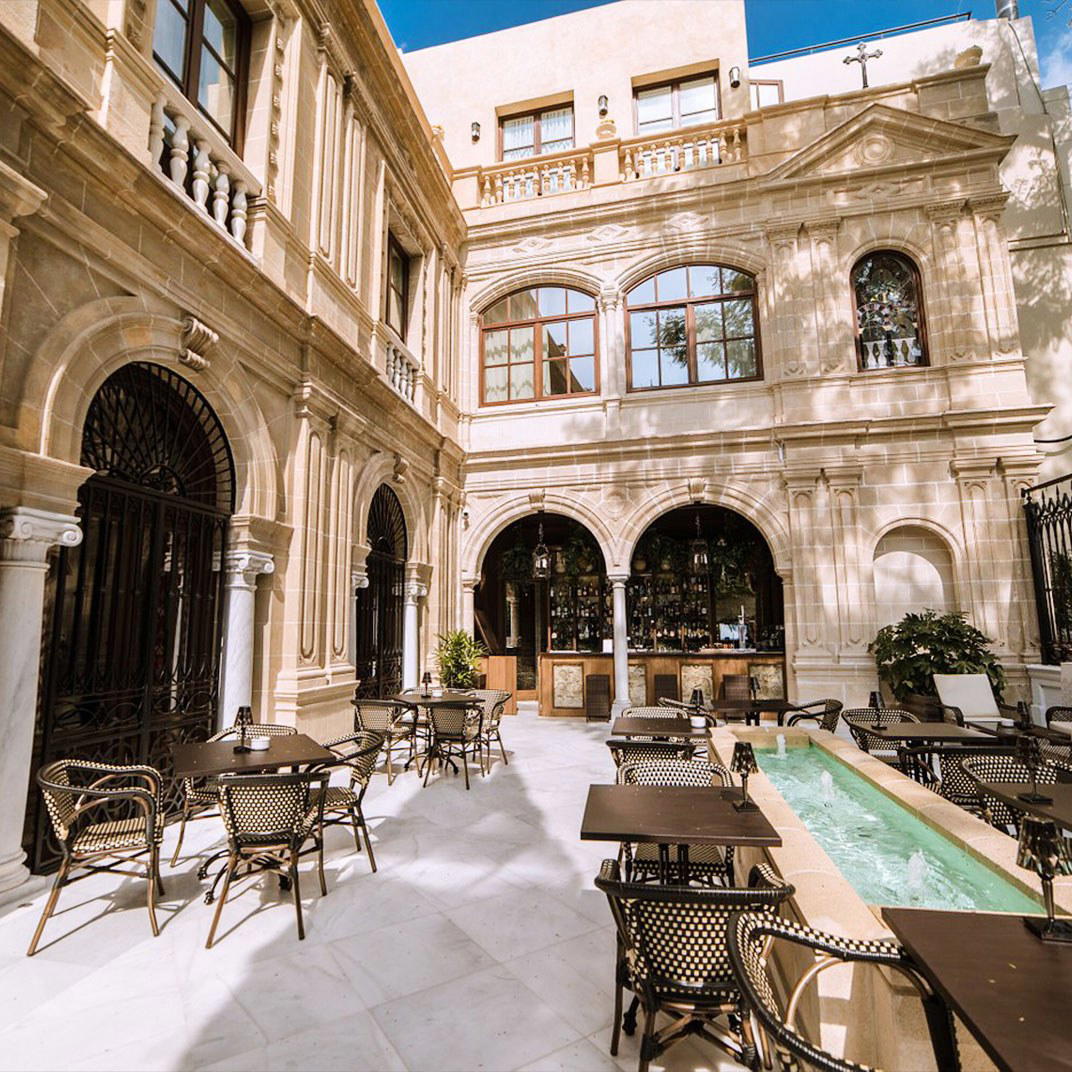
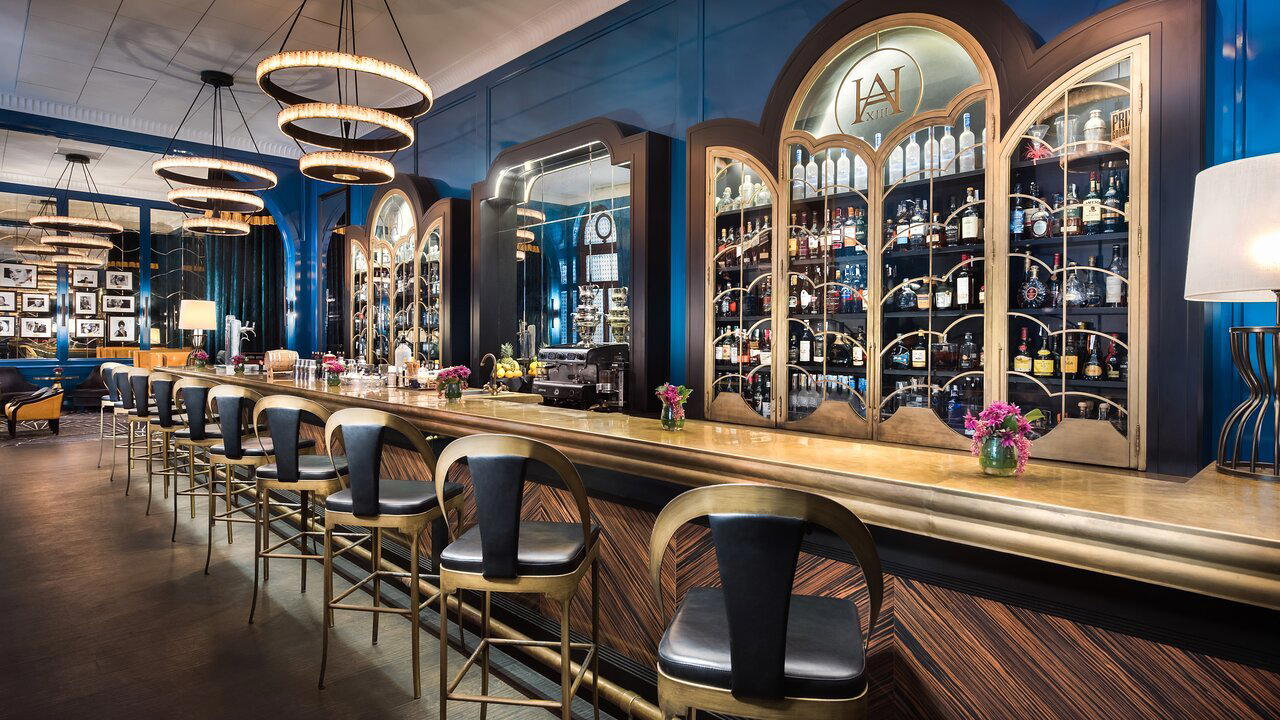
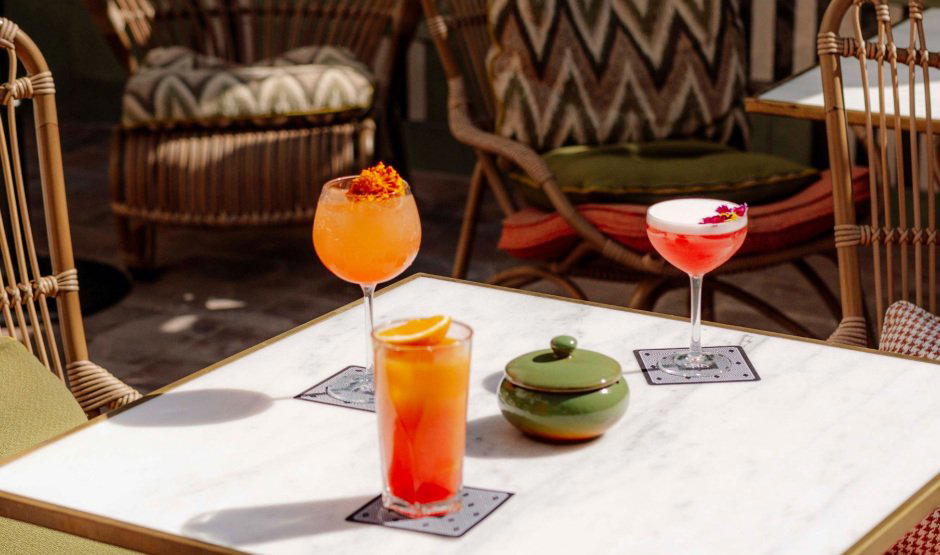
Bars in Seville
Browse all →
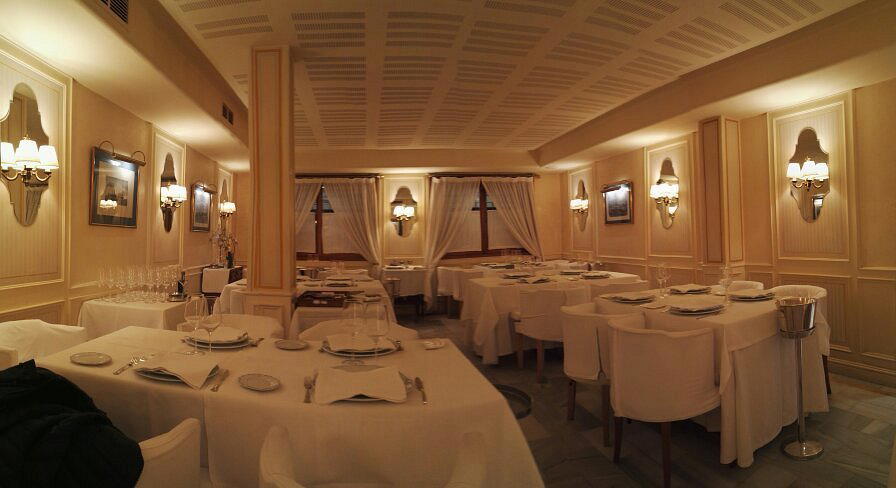
Restaurants in Seville
Browse all →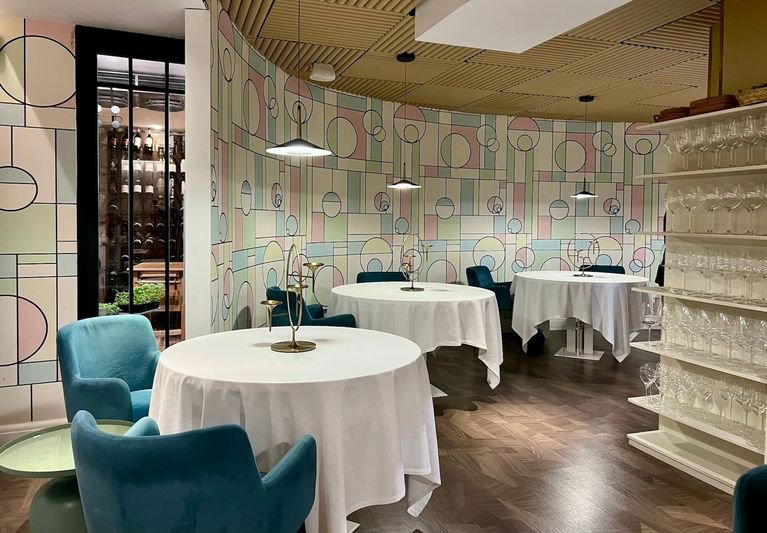
At a Glance
- Romantic
- Elegant
- Rustic
- Scenic
- Cozy
- Intimate
- Sophisticated
- Ornate
- Romantic Getaway
- Honeymoon
- Weekend Escape
- Anniversary
- Private Villa
- Garden
- Historic Building
- Terrace
- Pool
- Wi Fi
- Spa
- Room Service
- Concierge
- Restaurant
- Garden
- Pool
- Wi Fi
- Spa
- Room Service
- Concierge
- Restaurant
Secluded and relaxing with timeless elegance, featuring generous gardens, soothing natural sounds, and a charming home-from-home atmosphere.