Williams & Humbert

One of Jerez de la Frontera's most storied sherry houses, Williams & Humbert has shaped the Denominación de Origen Jerez for well over a century.
Pearl is the En Primeur Club membership app — saves, bookings, and concierge access live there. Same editors, same standards.
- Address
- N-4, Km 641, 11408 Jerez de la Frontera, Cádiz
- Phone
- +34 956 35 34 00
- Website
- williams-humbert.com
- Directions
- Get directions
 Saves & bookings on Pearl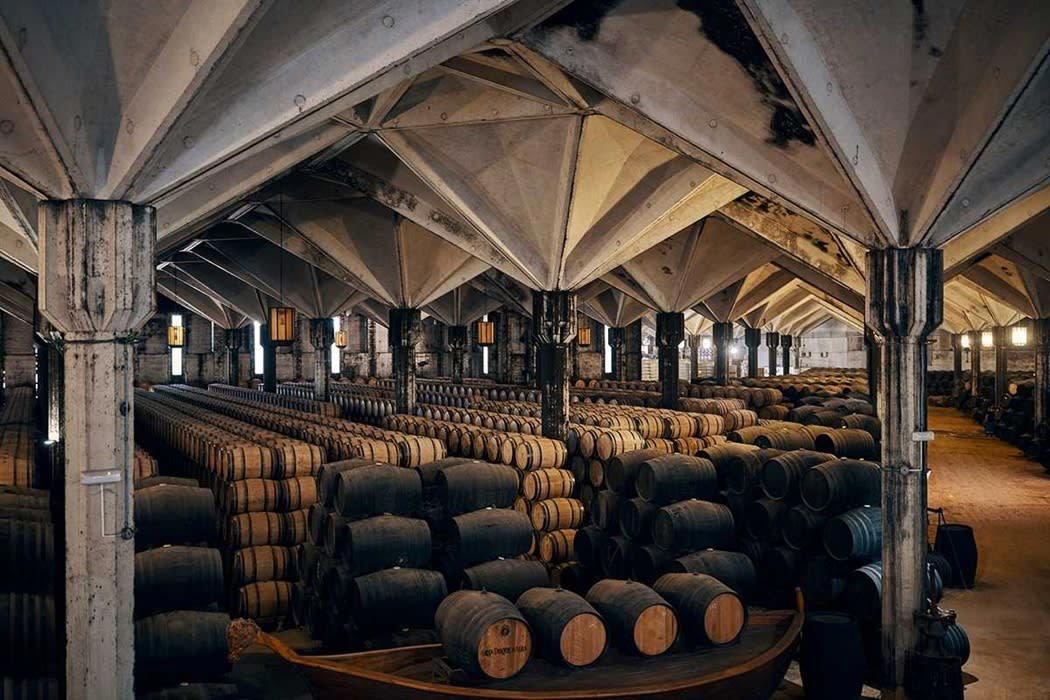
The Road Into Sherry Country
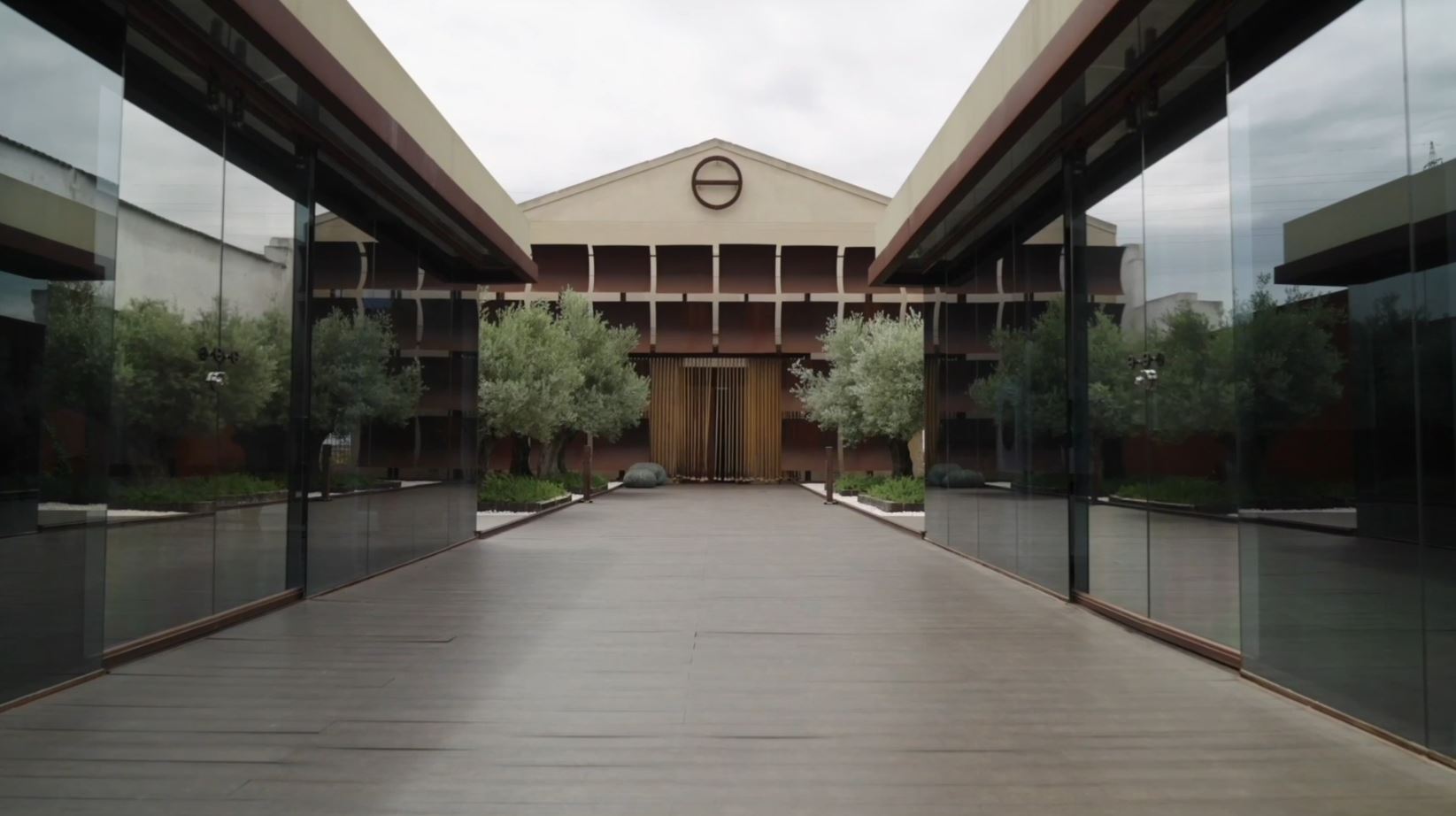
Approaching Jerez de la Frontera along the N-4 from Seville, the landscape shifts before the city announces itself. Chalky albariza soil catches the afternoon light along the roadsides, and the low, whitewashed profiles of bodegas begin to appear at intervals. At kilometre 641, Williams & Humbert occupies a substantial footprint along that corridor, its scale a reminder that Jerez's sherry trade was never a cottage industry. The grandes bodegas here were built to age wine in volume, and the architecture reflects that ambition: long cathedral-like naves designed for solera stacks, thick walls that hold cellar temperatures steady through Andalucía's fierce summers.
That physical setting is not incidental. The geography of the Jerez triangle, the triangle formed by Jerez, Sanlúcar de Barrameda, and El Puerto de Santa María, determines everything about how sherry ages. Williams & Humbert's position within this zone places it inside the Denominación de Origen Jerez-Xérès-Sherry, where the combination of the Poniente wind off the Atlantic and the moisture-retaining albariza soils creates conditions that no other wine region replicates. Fortified wine traditions exist across Spain and Portugal, but the Jerez triangle produces a style of biological and oxidative ageing through the solera system that remains specific to this corner of Cádiz province.
A House Inside a Long Tradition
Sherry has spent the better part of three decades fighting its way back from unfashionability. The category peaked in British export markets in the mid-twentieth century, collapsed through the 1980s and 1990s, and has been rebuilding credibility since the early 2010s, when fine-dining wine directors in London, New York, and Copenhagen began treating aged amontillado and palo cortado with the same seriousness they applied to grand cru Burgundy. That rehabilitation has not been uniform across producers. The houses that benefited most were those with deep solera stocks, documentary provenance, and the scale to supply allocated volumes to serious buyers.
Williams & Humbert sits among the larger, historically significant producers in Jerez, a group that also includes Lustau, Valdespino, and Bodegas Tradición. Each occupies a distinct position within the category. Tradición has staked its identity on old single-vintage wines and a private art collection that complicates any simple categorisation of what a bodega visit can be. Valdespino, the oldest continuously operating sherry house in the denomination, emphasises provenance and single-vineyard sourcing. Lustau built its modern reputation on an almacenista programme that brought micro-producer wines to export markets. Williams & Humbert operates at a different register, with a range that spans the stylistic breadth of the denomination and a visitor operation scaled to handle serious interest without the appointment-only friction that some smaller houses require.
For context on what that tier represents, it is worth noting that the same framework assesses wineries as different in character as Bodegas Protos in Peñafiel, Clos Mogador in Gratallops, Codorníu in Sant Sadurní d'Anoia, CVNE (Cune) in Haro, and Emilio Moro in Pesquera de Duero. The Prestige designation signals a house operating with documented quality credentials and a visitor experience calibrated to the expectations of wine-serious travellers rather than casual drop-ins.
The Solera and the Space
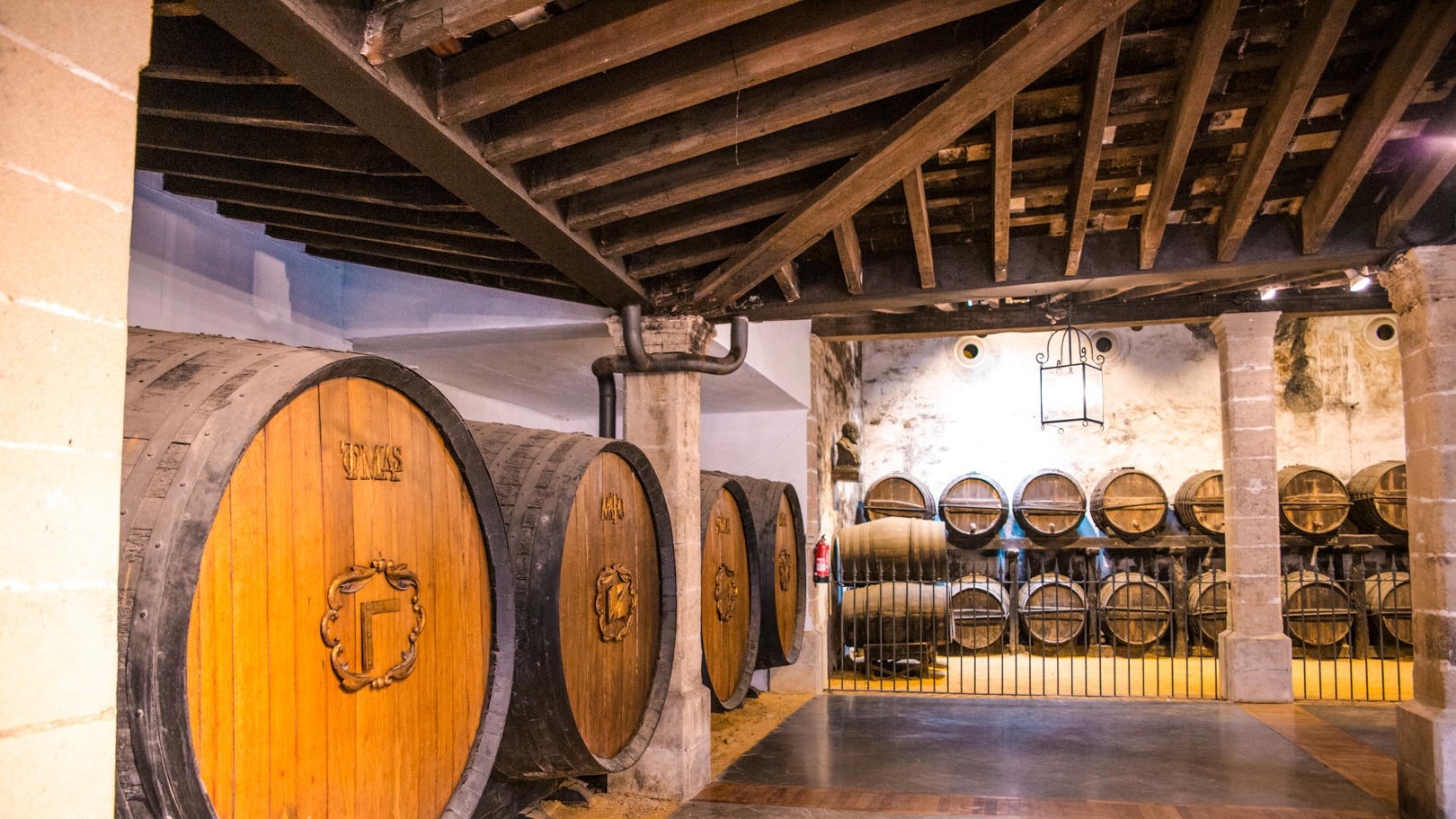
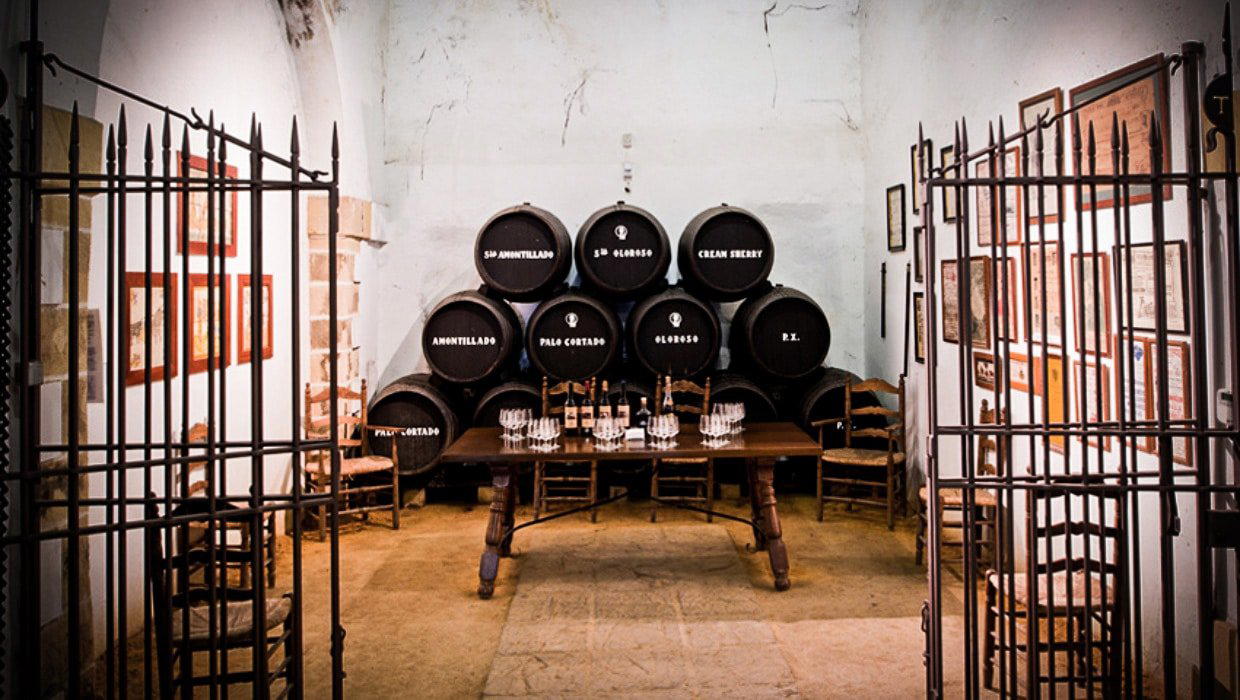
The bodega visit at a house of this scale is primarily an encounter with space and time. Solera ageing is a fractional blending system in which wine is progressively drawn from the oldest barrels and replenished from younger additions, creating a continuum that means no single bottling carries a vintage year. The practical effect, standing inside the nave of a large Jerez bodega, is that the barrels around you contain wine that is simultaneously young and old, and the air carries the acetaldehyde-and-dried-fruit scent that marks sherry ageing in a way no description fully captures. This is the material reality behind the critical rehabilitation of the category: the complexity being discussed in fine-dining contexts is the product of decades of patient accumulation.
Williams & Humbert's winemaking addresses the full stylistic range the denomination permits: fino aged under the biological flor yeast that keeps the wine pale and sharp, amontillado that transitions from biological to oxidative ageing, oloroso aged purely oxidatively into richness, and palo cortado, the rarest and most contested category, which combines oxidative depth with a fino-like precision on the palate. Visitors who arrive with even a basic understanding of these distinctions will find the bodega format considerably more legible than those encountering the category for the first time.
Planning the Visit
Williams & Humbert is located on the N-4 highway at kilometre marker 641, on the outskirts of Jerez de la Frontera rather than in the historic city centre. Visitors must arrange visits in advance, as the bodega operates by appointment only. The city centre bodegas, including those of Bodegas Tradición and Valdespino, require separate travel from this location.
Jerez rewards visitors who spend at least two days, treating morning bodega visits and afternoon tapas separately.
For travellers building a Spain wine itinerary across regions, those houses represent the range of styles the country's denominations produce. Williams & Humbert, however, operates in a category with no domestic equivalent: sherry's solera system, its climate dependency, and its centuries-long export history make Jerez a distinct destination rather than simply another Spanish wine stop on a touring circuit. Even for those who regularly visit producers as different as Aberlour in Aberlour or Accendo Cellars in St. Helena, the ageing logic and sensory register of a Jerez bodega offers something that sits outside the standard framework for evaluating wine production.
Just the Basics
Comparable venues nearby, for context on price, style, and recognition.
| Venue | Cuisine | Price |
|---|---|---|
| Williams & HumbertThis venue — the venue you are viewing | Not listed | $$$ |
| Valdespino | Jerez de la Frontera, Palomino, Moscatel | $$$ |
| Lustau | center, Palomino, Pedro Ximénez | $$ |
| Bodegas Tradición | historic center, Palomino, Pedro Ximénez | $$$ |
| La Orden del Libra Gin | Winery | Not listed |
| Fernet Capri Distillery | Winery | Not listed |
Recognition history
Dated appearances from independent guides and award organizations, with the underlying list record or original source where available.
Falstaff Winery - Listed
Falstaff
Continue exploring
More in Jerez de la Frontera
Wineries in Jerez de la Frontera
Browse all →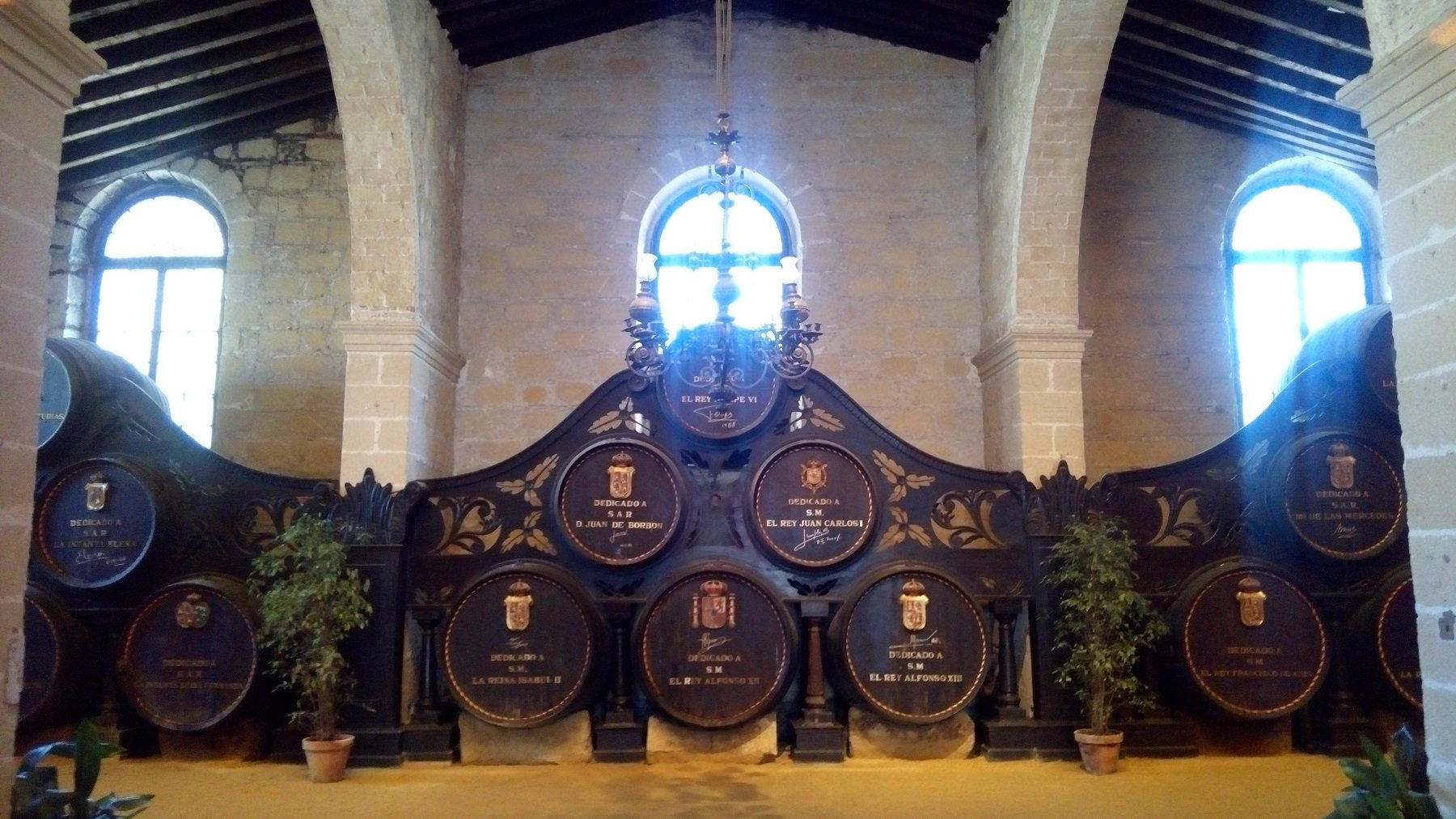

Bars in Jerez de la Frontera
Browse all →
Restaurants in Jerez de la Frontera
Browse all →



At a Glance
- Classic
- Well Known
- Elegant
- Sophisticated
- Wine Education
- Group Outing
- Special Occasion
- Barrel Room
- Historic Building
- Estate Grounds
- Organic
- Sustainable
- Vineyard
- Jerez Xérès Brandy DO
- Palomino
- Pedro Ximénez
- Fortified
- Dessert
- Solera Tasting
- Vintage Tasting
- Blending Demonstration
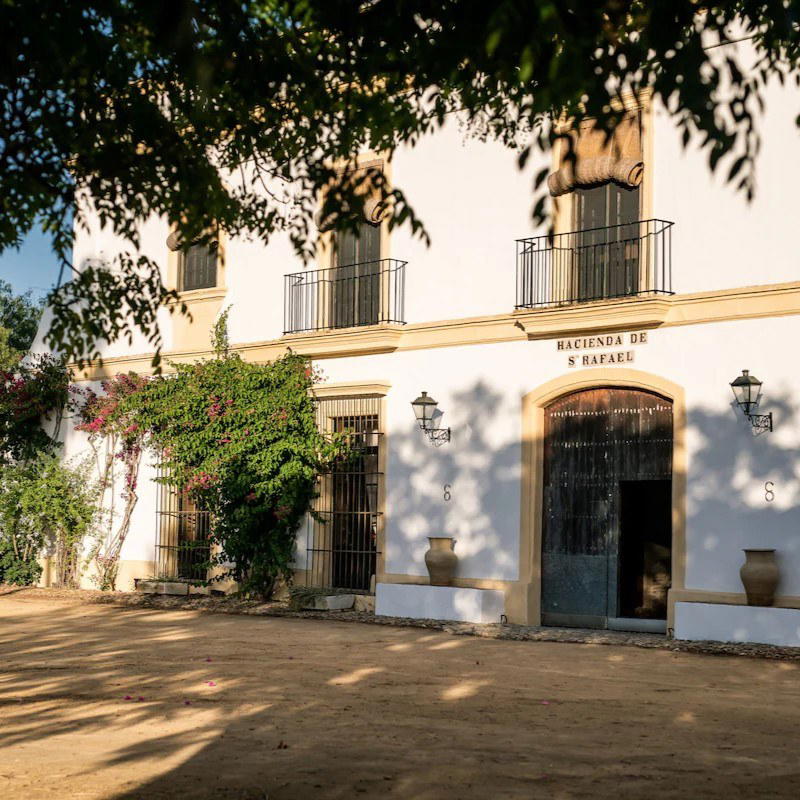
Industrial-scale modern facility with traditional solera cellars; climate-controlled concrete building with 180,000 m² housing seven interconnected cellars.