Guido Berlucchi
Guido Berlucchi in Corte Franca's Borgonato district sits at the heart of Franciacorta, one of northern Italy's most serious sparkling wine zones.. For visitors to the region, it functions as a reference point for understanding what this appellation can achieve.
Pearl is the En Primeur Club membership app — saves, bookings, and concierge access live there. Same editors, same standards.
- Address
- Via Duranti, 4, 25040 Borgonato BS
- Phone
- +39 030 984381
- Website
- berlucchi.it
- Directions
- Get directions
 Saves & bookings on Pearl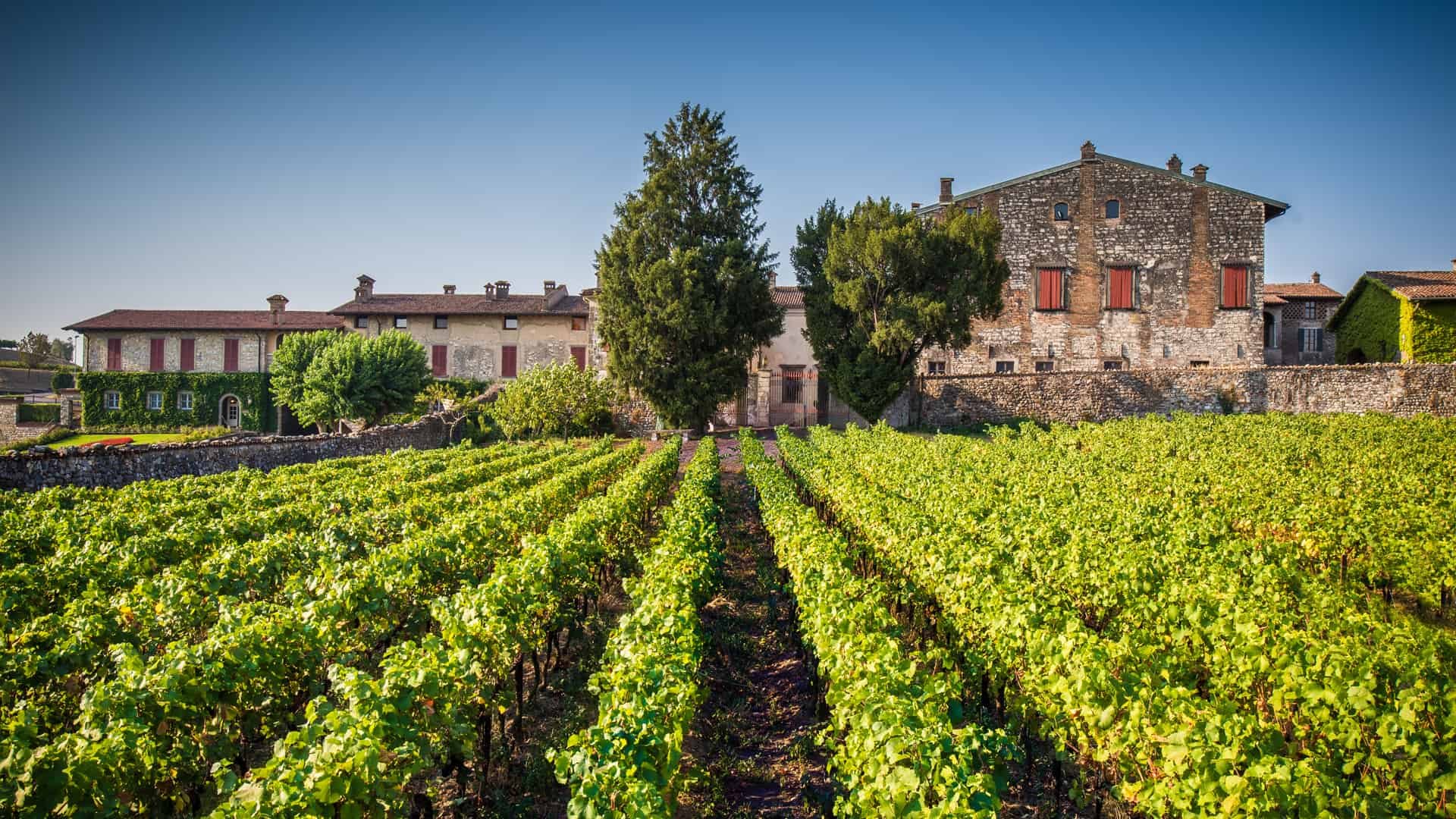
The Ground Beneath the Bubbles: Franciacorta's Terroir Story
Franciacorta is, by any measure, a young appellation on the global sparkling wine map. The zone sits in Lombardy's lake district, south of Lake Iseo, where morainic soils deposited by ancient glaciers create a patchwork of drainage conditions, mineral profiles, and mesoclimates that the region's producers have been methodically learning to read since the 1960s. The local terrain, gravel, sand, and clay in varying proportions across the hills around Brescia, produces base wines with a structural character that differentiates Franciacorta from the chalk-driven profiles of Champagne or the volcanic notes of Trentodoc. Understanding any serious producer here begins with understanding that ground.
Guido Berlucchi, based in the Borgonato fraction of Corte Franca along Via Duranti, operates from within this landscape rather than simply making wine in it. The address places it in one of the zone's more historic pockets, where the moraine ridges concentrate the kind of mineral-laden subsoils that give Franciacorta its most compelling base material.
What the Morainic Soils Actually Deliver
Franciacorta's distinguishing geological feature is its glacially deposited terrain, a mix of pebbles, coarse sand, and fine clay that varies dramatically across short distances. This variability is not incidental; it is the foundation of the appellation's argument for complexity. In zones with higher gravel content, drainage is rapid and vines stress early, concentrating phenolics and producing base wines with pronounced tension. In clay-heavier parcels, water retention moderates development and yields rounder, more textured material.
The primary grape varieties authorised in Franciacorta DOCG, Chardonnay, Pinot Nero, and Pinot Bianco, each respond differently to these soil types. Chardonnay, which dominates most Franciacorta blends, is particularly sensitive to mineral composition, translating subsoil salinity into the wine's mid-palate structure. This is partly why Franciacorta Satèn and Blanc de Blancs expressions from the zone carry a different textural signature to their Champagne equivalents, the calcium-carbonate influence is lower, the silica and iron content higher, and the resulting wines tend toward richness rather than austerity.
Berlucchi in the Context of the Franciacorta Appellation
Within the Franciacorta producer hierarchy, the gap between entry-level cooperative bottlings and prestige-tier estates is substantial. At the upper end, producers compete on vineyard sourcing, extended lees ageing (Franciacorta DOCG requires a minimum of 18 months for non-vintage and 30 for vintage, with Riserva mandated at 60), and the degree to which individual cuvées reflect specific parcel characteristics rather than a house style averaged across multiple sites.
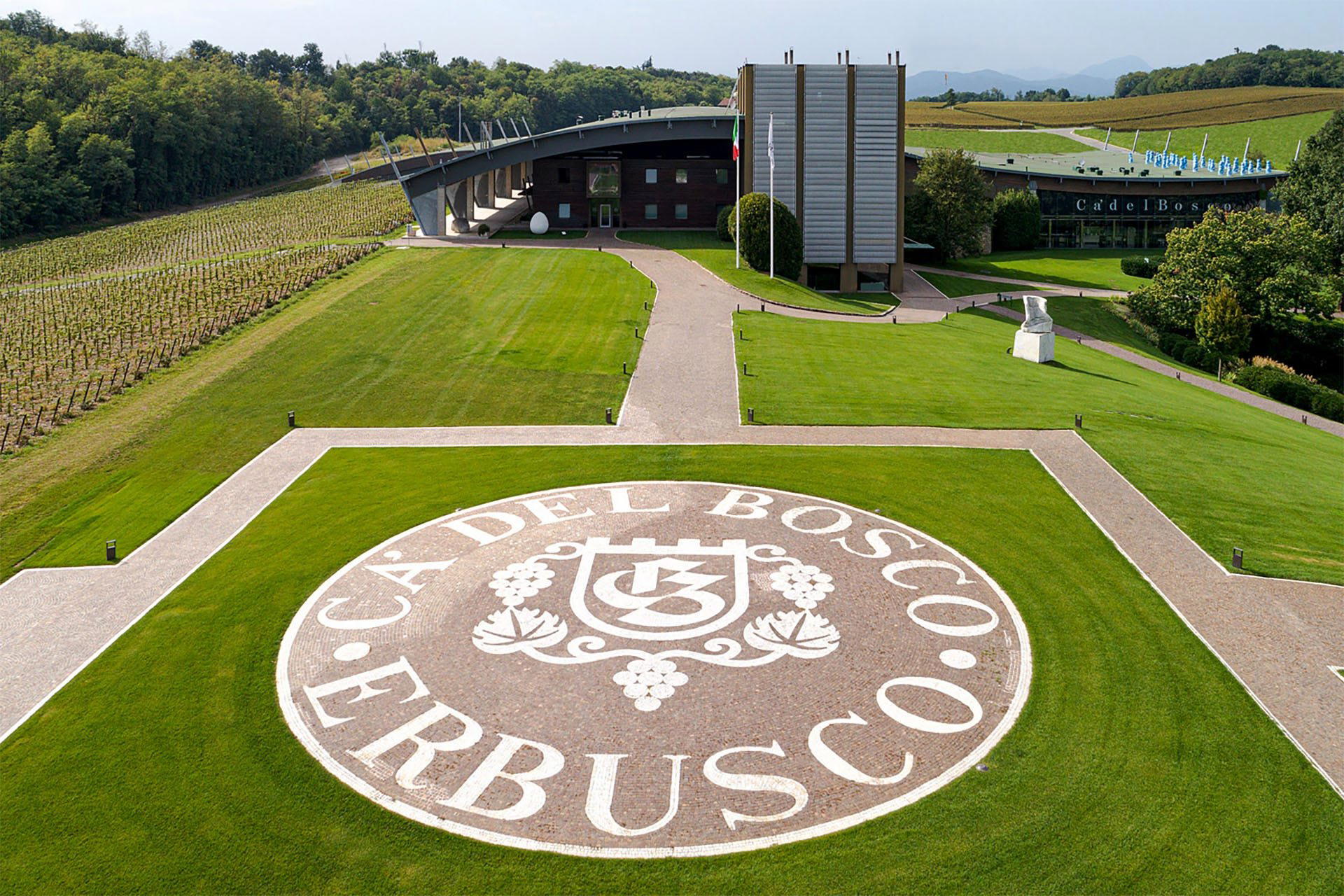
That award framework, which evaluates across quality, consistency, and broader prestige signals, reflects a level of production seriousness that separates it from the broad middle of the appellation. For context, Ca' del Bosco in Erbusco occupies similar prestige-tier territory within Franciacorta, and both producers operate in a comparable set where appellation leadership and vineyard specificity are expected rather than notable.
The comparison also extends outward. Italy's premium sparkling wine conversation has historically centred on Franciacorta and Trentodoc, and the discipline found at this level in Corte Franca echoes the commitment visible in other Italian wine zones, from the Barolo-focused estates like Aldo Conterno in Monforte d'Alba to the Tuscan producers anchored in their own terroir logic, such as Castello di Volpaia in Radda in Chianti and Lungarotti in Torgiano. Across these zones, the pattern is consistent: appellation seriousness at this level requires treating site as the argument, not just the backdrop.
The Experience of Visiting Corte Franca
Corte Franca is not a destination that announces itself aggressively. The territory sits between Brescia and Lake Iseo, accessible by car from Milan in under an hour, a logistical reality that gives the zone its unusual character as a serious wine region within easy reach of one of Europe's major metropolitan centres. The approach to Borgonato in particular, through vine-lined roads and past old stone estate buildings, carries the visual grammar of a working wine district rather than a curated tourist circuit.
Visiting Guido Berlucchi along Via Duranti places you in this working environment. The address is the Borgonato estate, which has historical depth in the Franciacorta story. Arrangements for visits should be confirmed directly with the estate. For broader orientation to what the zone offers,
The season matters here. Spring and autumn visits align with vineyard activity and typically offer one textured experience of what the appellation is actually producing. Summer brings harvest momentum but also higher visitor numbers across the zone. Winter, outside of holiday periods, is the quietest window and often particularly useful for serious tasting appointments.
Franciacorta in the Broader Italian Drinks Conversation
Italy's premium drinks identity is not limited to still wine. The country's distilling tradition runs in parallel, producers like Nonino Distillery in Pavia di Udine, Distilleria Marzadro in Nogaredo, Distilleria Romano Levi in Neive, and Poli Distillerie in Schiavon (Vicenza) represent a grappa and spirits culture that draws from the same agricultural tradition as the wine zones. Campari in Milan extends that conversation into aperitivo culture, which is inseparable from how Franciacorta is consumed in Lombardy, the region's sparkling wine is, after all, the aperitivo of choice across Brescia and Milan in a way that says something about local identity rather than marketing positioning.
Sicily's Planeta in Menfi and the international reference points of Aberlour in Aberlour or Accendo Cellars in St. Helena are reminders of how producers at this prestige tier compete in a global attention economy where site specificity is the only durable differentiator. For Franciacorta, the morainic argument is the answer to that challenge. For L'Enoteca Banfi in Montalcino or Poggio Antico in Monte San Vito, it is Sangiovese on Brunello's galestro soils. The underlying logic is the same: place makes the wine worth the conversation.
Planning Your Visit
Guido Berlucchi is located at Via Duranti, 4, 25040 Borgonato BS, in the Corte Franca municipality of Brescia province. Travel from Milan is practical by car via the A4 motorway, with the Rovato exit placing visitors within a short drive of the estate. Advance contact with the estate to arrange tasting visits is advisable; no booking infrastructure is publicly listed through third-party platforms, so direct outreach is the appropriate channel. Visits are by appointment only.
How It Stacks Up
Comparable venues nearby, for context on price, style, and recognition.
| Venue | Cuisine | Price | Notes |
|---|---|---|---|
| Guido BerlucchiThis venue — the venue you are viewing | Pinot Nero, Chardonnay | $$$ | Not listed |
| Gini | Garganega, Corvina | $$$ | Monteforte d'Alpone |
| Lamoreaux Landing Wine Cellars | Winery | Not listed | Lodi |
| Tenuta Brancalupo | Sagrantino, Trebbiano Spoletino | $$$ | Montefalco |
| Bellavista | Chardonnay, Pinot Noir | $$$ | Erbusco |
| Distillerie Berta | Barbera, Nebbiolo | $$$ | Casalotto di Mombaruzzo |
Continue exploring
More in Corte Franca
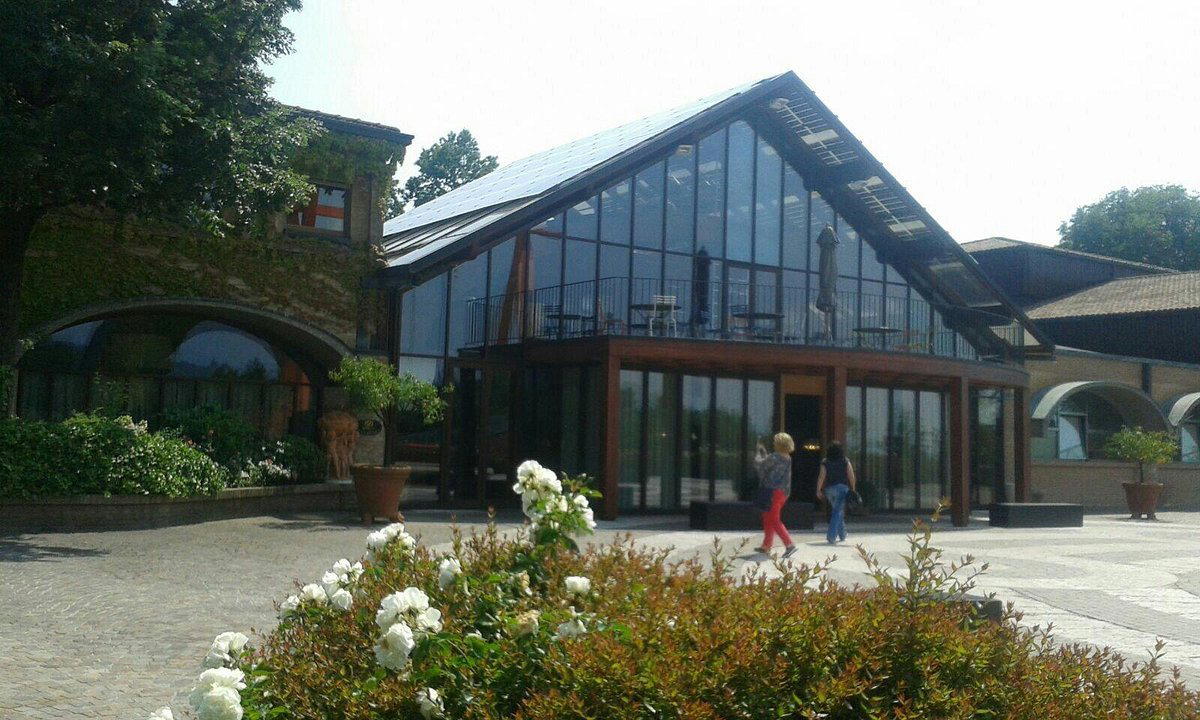
Wineries in Corte Franca
Browse all →
Bars in Corte Franca
Browse all →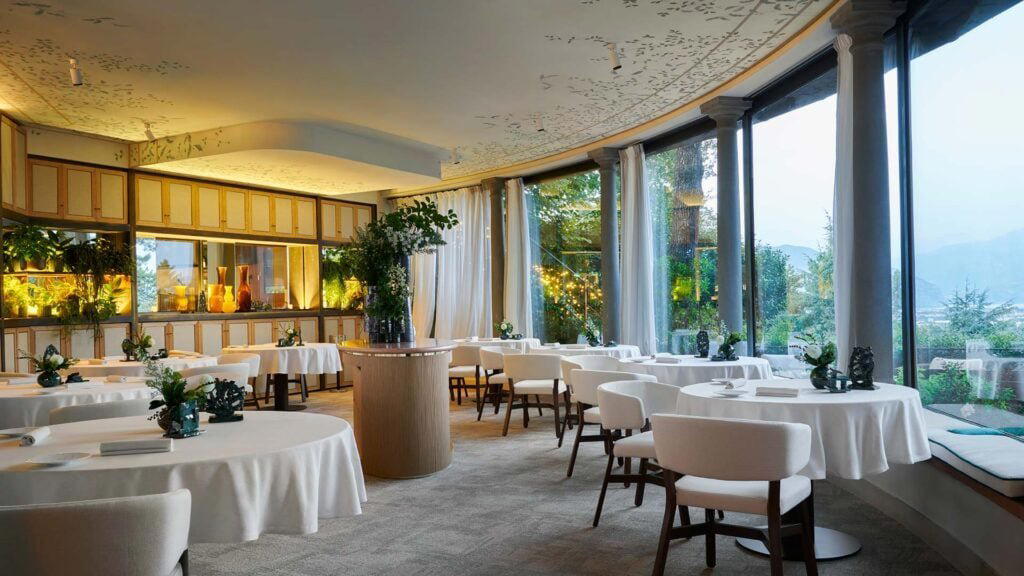
Restaurants in Corte Franca
Browse all →
At a Glance
- Elegant
- Classic
- Well Known
- Sophisticated
- Wine Education
- Romantic Getaway
- Celebration
- Group Outing
- Special Occasion
- Cave Tasting
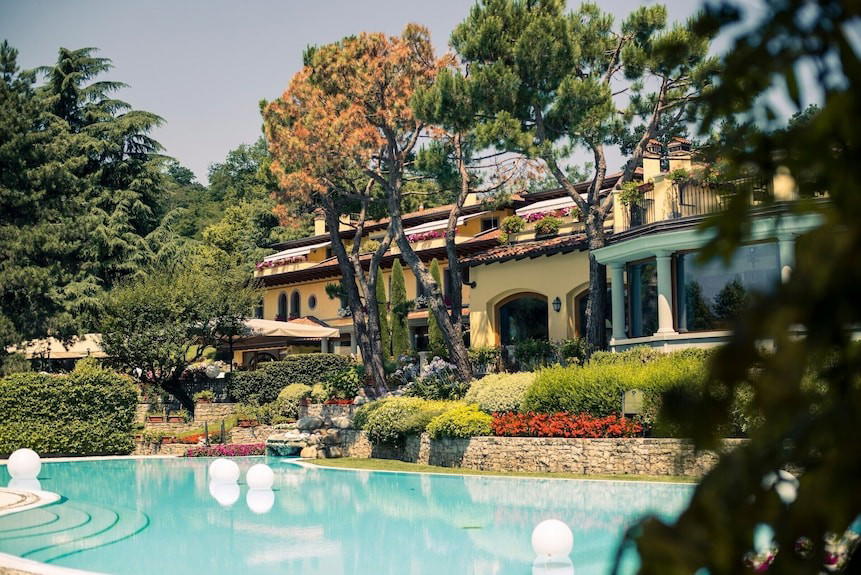
- Historic Building
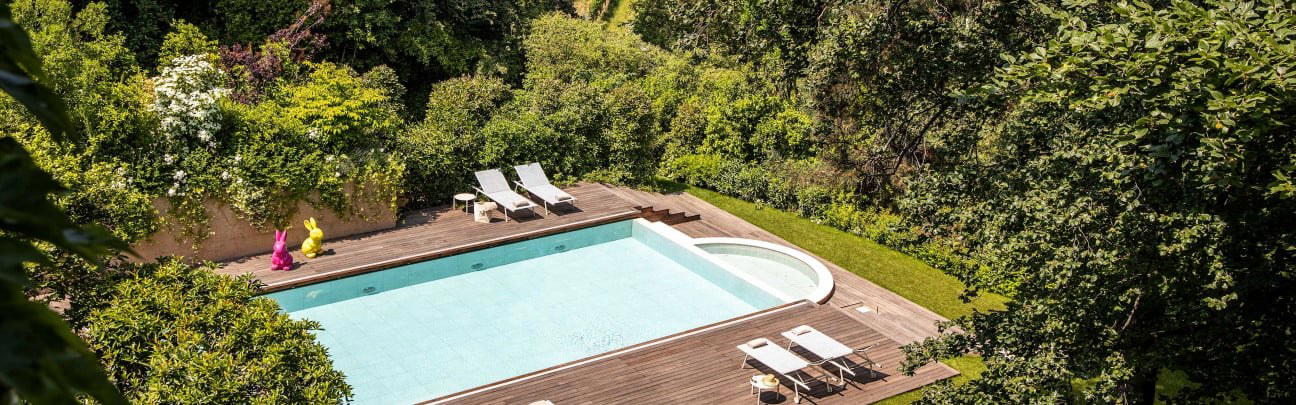
- Estate Grounds
- Private Tasting
- Sustainable
- Vineyard
- Garden
- Franciacorta DOCG
- Pinot Nero
- Chardonnay
- Sparkling
- Guided Tasting
- Cellar Tour
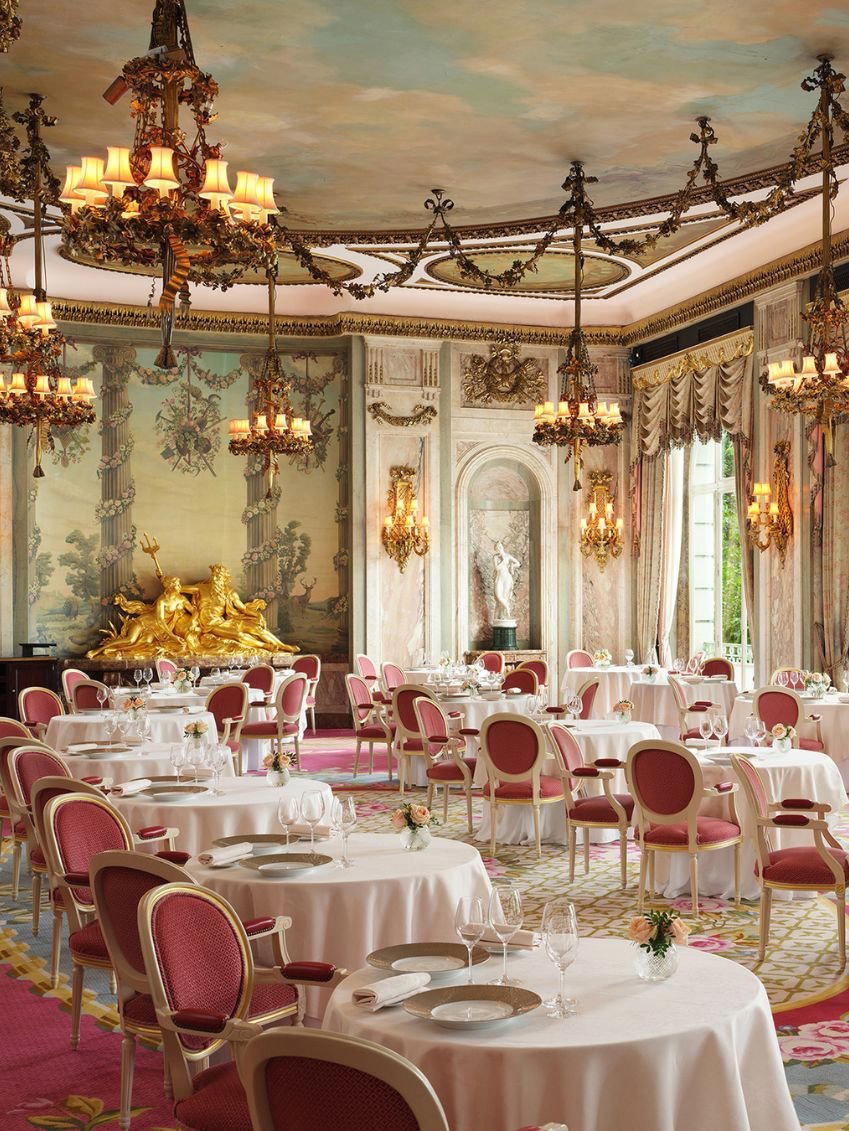
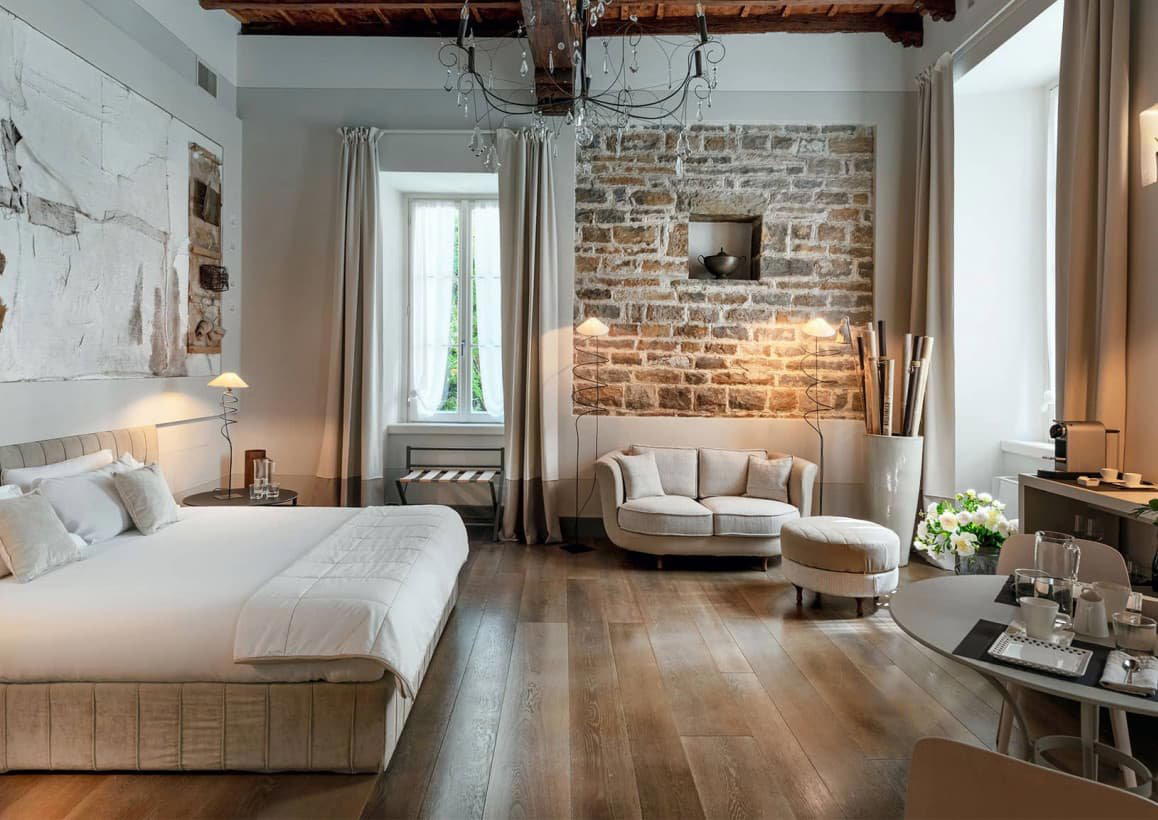
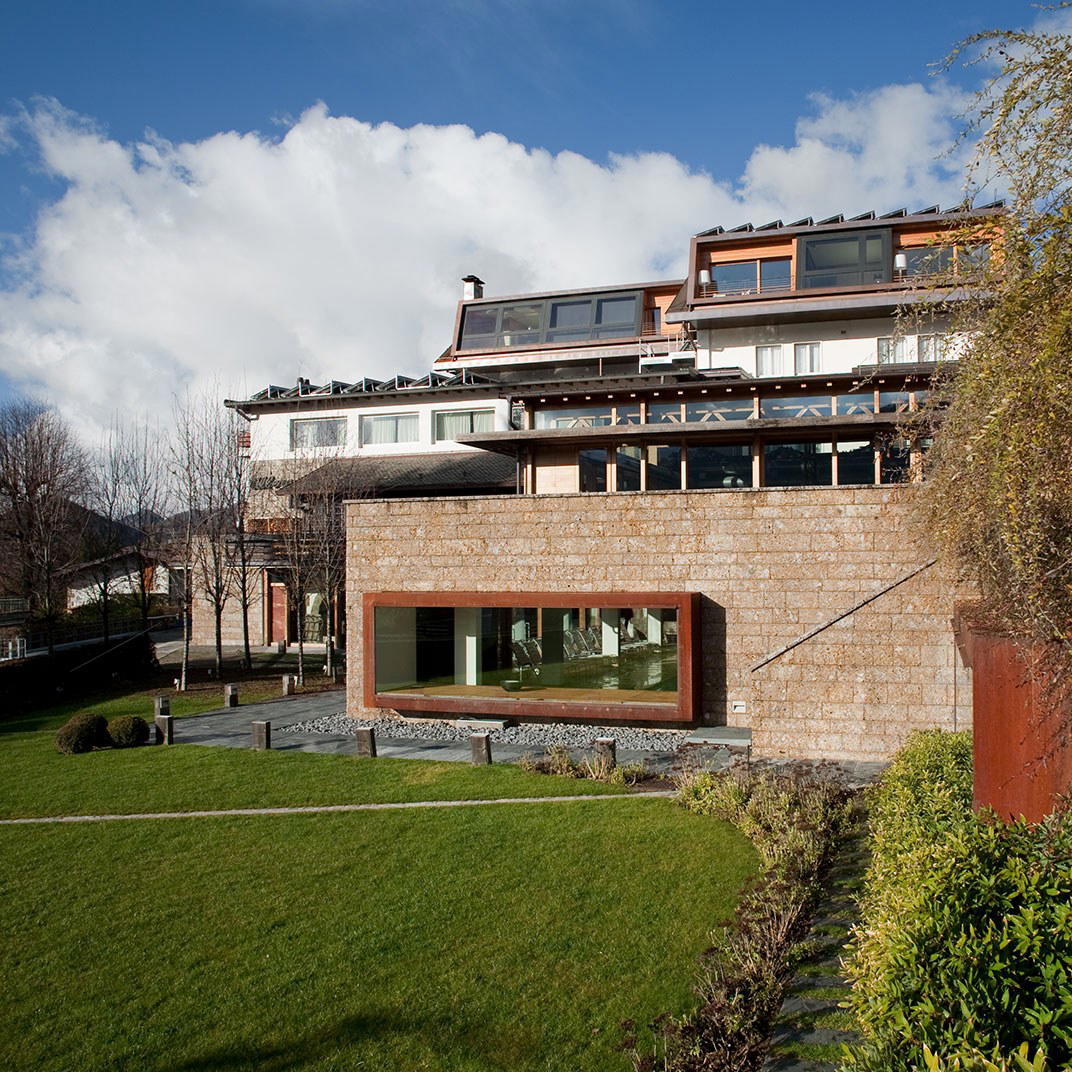
Refined and timeless, with frescoed rooms in the historic palazzo and cool, cavernous cellars that evoke centuries of winemaking tradition.