

Positioned at the intersection of two ancient Roman roads in Bergamo's historic upper city, GombitHotel occupies a setting where medieval stonework and centuries of civic life converge. The property places guests at the physical and cultural centre of Città Alta, within walking distance of the Piazza Vecchia and the Romanesque basilica. For travellers treating Bergamo as a destination rather than a stopover, this is a considered base.
Pearl is the En Primeur Club membership app — saves, bookings, and concierge access live there. Same editors, same standards.
- Address
- Via Mario Lupo, 6, Bergamo 24129, Italy
- Phone
- +39035247009
- Website
- marriott.com
- Directions
- Get directions
 Saves & bookings on Pearl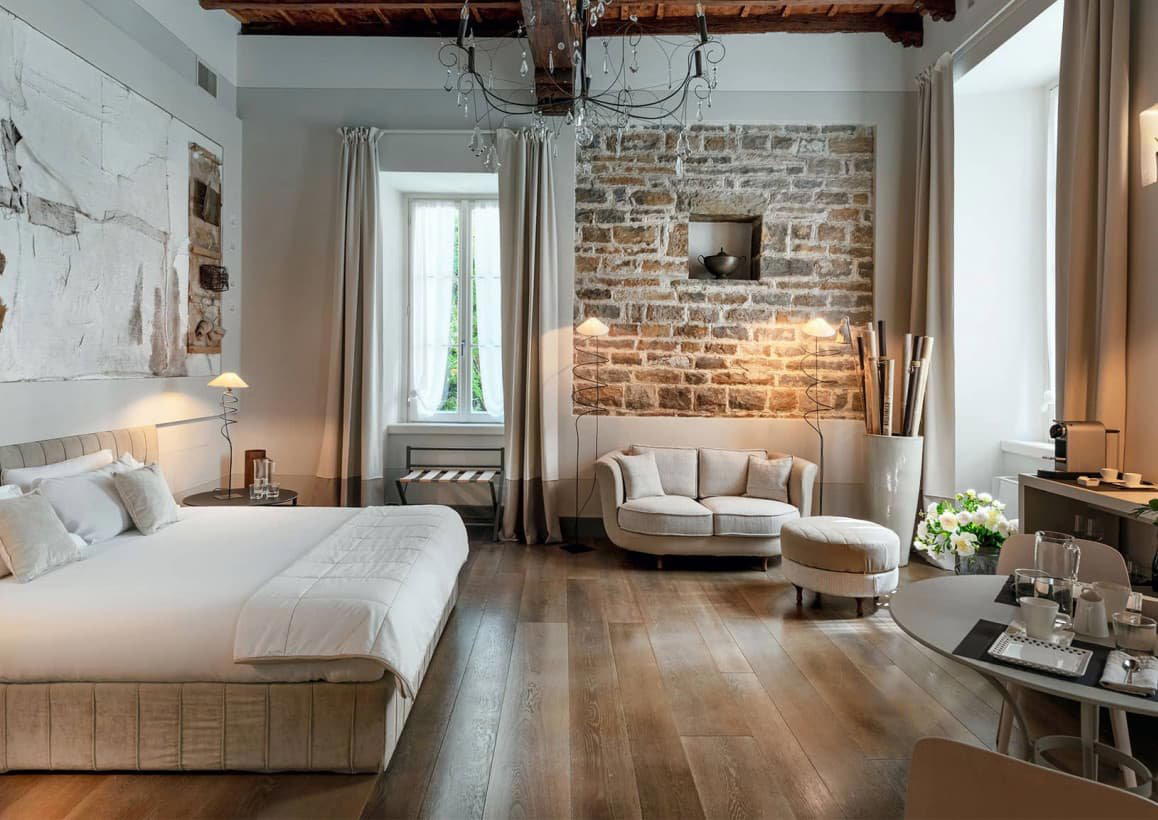
Where Two Roman Roads Still Cross
Bergamo's Città Alta operates on a different register from most northern Italian historic centres. The funicular ride up from the lower city deposits you into a walled environment where the medieval street plan still follows the bones of a Roman settlement, where the Venetian bergamasco dialect once held its own against both Milanese and Venetian authority, and where the Piazza Vecchia remains among the more architecturally coherent public spaces in Lombardy. Hotels that sit within these walls are not simply choosing a postcode. They are accepting a set of physical constraints, a scale, and a responsibility to the fabric around them that properties in the lower city or on the valley floor never face.
GombitHotel occupies the intersection of two ancient Roman roads, a fact that positions it not just geographically but historically. Roman road intersections were the structural logic of Italian urban settlement, and many of Bergamo's narrow upper-city lanes trace precisely those original alignments. To stay at that crossing is to sleep at the grid point from which everything else was measured. Few hotels in the Città Alta can make that claim about their address with any geological seriousness, and fewer still carry it into their identity as a reason for guests to pay attention to the physical environment around them.
The Architecture of Constraint
Properties inside UNESCO-recognised historic centres across Italy face a consistent challenge: how to offer contemporary comfort without violating the visual and structural character of buildings that predate the concept of hospitality by several centuries. The Città Alta presents this problem in a particularly concentrated form. Facades must respect the stone and render palette of the surrounding streets. Interventions to the building envelope require negotiation with municipal heritage bodies. The result, across Italy's walled upper cities from Bergamo to Civita di Bagnoregio, is that particularly successful properties tend to operate by refinement rather than spectacle: they make the existing architecture do the work.
This is the design tradition GombitHotel inhabits. The Roman road intersection at its address sits near the Torre del Gombito, the twelfth-century tower that gives both the street and the hotel their name. That tower is one of Bergamo's most legible medieval landmarks, and its presence immediately contextualises the scale and materiality of what surrounds it. A hotel operating in this visual field cannot compete with the architecture. It can only position itself as a considered resident of it. When it works, as it does in comparable design-led small properties elsewhere in Italy such as Corte della Maestà in Civita di Bagnoregio or Castel Fragsburg in Merano, the building and the setting become inseparable from the experience of staying there.
Bergamo Alta as a Context for Staying
Bergamo is increasingly visited in its own right rather than as a transit point for Milan Bergamo Airport, though it took some time for the tourism infrastructure to catch up with what the city actually offers. The Città Alta's status as a UNESCO World Heritage Site, confirmed in 2017 as part of a broader recognition of Venetian defensive works across northern Italy, consolidated a shift in how international visitors approach it. The upper city now draws guests who treat it as the destination rather than the day trip, which changes what a hotel there needs to provide.
The Piazza Vecchia, roughly a ten-minute walk through the upper city's lanes from Via Mario Lupo, contains the Palazzo della Ragione, the Biblioteca Civica Angelo Mai, and the civic tower. The Basilica di Santa Maria Maggiore and the Cappella Colleoni, directly adjacent to it, represent one of the denser concentrations of medieval and Renaissance decorative achievement in northern Italy. Luca Marenzio, Giovanni Battista Moroni, and Gaetano Donizetti were all Bergamaschi, and the city's cultural calendar reflects that heritage with particular intensity around its annual Donizetti Festival in autumn. For guests whose visit aligns with that programme, accommodation inside the walls removes the logistical friction of moving between the lower and upper city after evening performances.
Italy's small, design-conscious hotel sector has produced a number of properties that draw explicit comparisons to GombitHotel's positioning: intimate, architecturally embedded, culturally oriented rather than amenity-led. Passalacqua in Moltrasio operates in a similarly heritage-dense environment on Lake Como, with a comparable emphasis on the building's historical identity as the primary guest experience. Casa Maria Luigia in Modena takes a different approach, with a contemporary culinary programme layered over a historic farmhouse structure. Both illustrate the range within which properties of this type operate. GombitHotel's specific asset is the Città Alta itself, which requires no supplementary programming to justify a stay.
The Northern Italian Hotel Tier This Property Occupies
Italy's premium small hotel sector has diversified considerably over the past decade. At one end, international groups have brought brand infrastructure to historic properties: Aman Venice, Four Seasons Hotel Firenze, and Bulgari Hotel Roma all operate in landmark buildings with full-service programmes and amenity sets that compete globally. At the other end, a smaller cohort of independently run properties competes on specificity and architectural authenticity rather than scale. GombitHotel belongs to that second cohort. Its competitive comparable set is not the international luxury brands but properties like Borgo San Felice Resort in Castelnuovo Berardenga or Rosewood Castiglion Del Bosco in Montalcino, where the building and its location are the primary argument for staying, with service and food operating in support of that premise.
For readers already familiar with EALA My Lakeside Dream in Limone sul Garda or Forestis Dolomites in Plose, the logic of GombitHotel is recognisable: a property that uses its physical and geographical specificity as the primary proposition, asking guests to engage with place rather than consume a standardised luxury experience. The Città Alta supports that premise more robustly than most sites in northern Italy could.
Planning a Stay: What to Know
Via Mario Lupo 6 is accessible on foot from the upper funicular station, though the lanes of the Città Alta are narrow and car access is restricted, as it is throughout the historic centre. Guests arriving by car will need to use designated access points and parking areas at the walls' edge; the municipality enforces these restrictions consistently. The Donizetti Festival runs through October and November and represents the highest-demand period for accommodation inside the walls. Bergamo's position forty-five kilometres northeast of Milan and with direct rail connections to Milano Centrale makes it viable as both a standalone destination and a pairing with Milan.
A Quick Peer Check
Comparable venues nearby, for context on price, style, and recognition.
| Venue | Cuisine | Price | Awards | Notes |
|---|---|---|---|---|
| GombitHotelThis venue — the venue you are viewing | Historic boutique in renovated medieval tower with contemporary accents. | $$$ | 4-Star | Not listed |
| Petronilla | Historic boutique hotel blending past intimacy with modern design. | $$$ | 4-Star | Citta Bassa |
| Starhotels E.c.ho. | Eco-contemporary urban boutique | $$$ | 4-Star | Stazione Centrale - Ponte Seveso |
| Una Hotel Siracusa | Urban design hotel with heritage chic loft elements and wellness oasis. | $$$ | 4-Star | Grottasanta |
| Worldhotel Casati 18 | Recently renovated boutique hotel blending historic architecture with modern Italian design | $$$ | 4-Star | Porta Venezia |
| Schwarzer Adler | Concept Living | Concept living apartment hotel fusing historic roots with modern luxury. | $$$ | 4-Star | Vipiteno main square |
Recognition history
Dated appearances from independent guides and award organizations, with the underlying list record or original source where available.
Design Hotels Member
Design Hotels
Michelin Selected
Michelin
Continue exploring
More in Bergamo
Hotels in Bergamo
Browse all →
Bars in Bergamo
Browse all →
Restaurants in Bergamo
Browse all →
At a Glance
- Modern
- Elegant
- Cozy
- Sophisticated
- Intimate
- Romantic Getaway
- Weekend Escape
- Anniversary
- Historic Building
- Wi Fi
- Room Service
- Concierge
- Street Scene
- Wi Fi
- Room Service
- Concierge
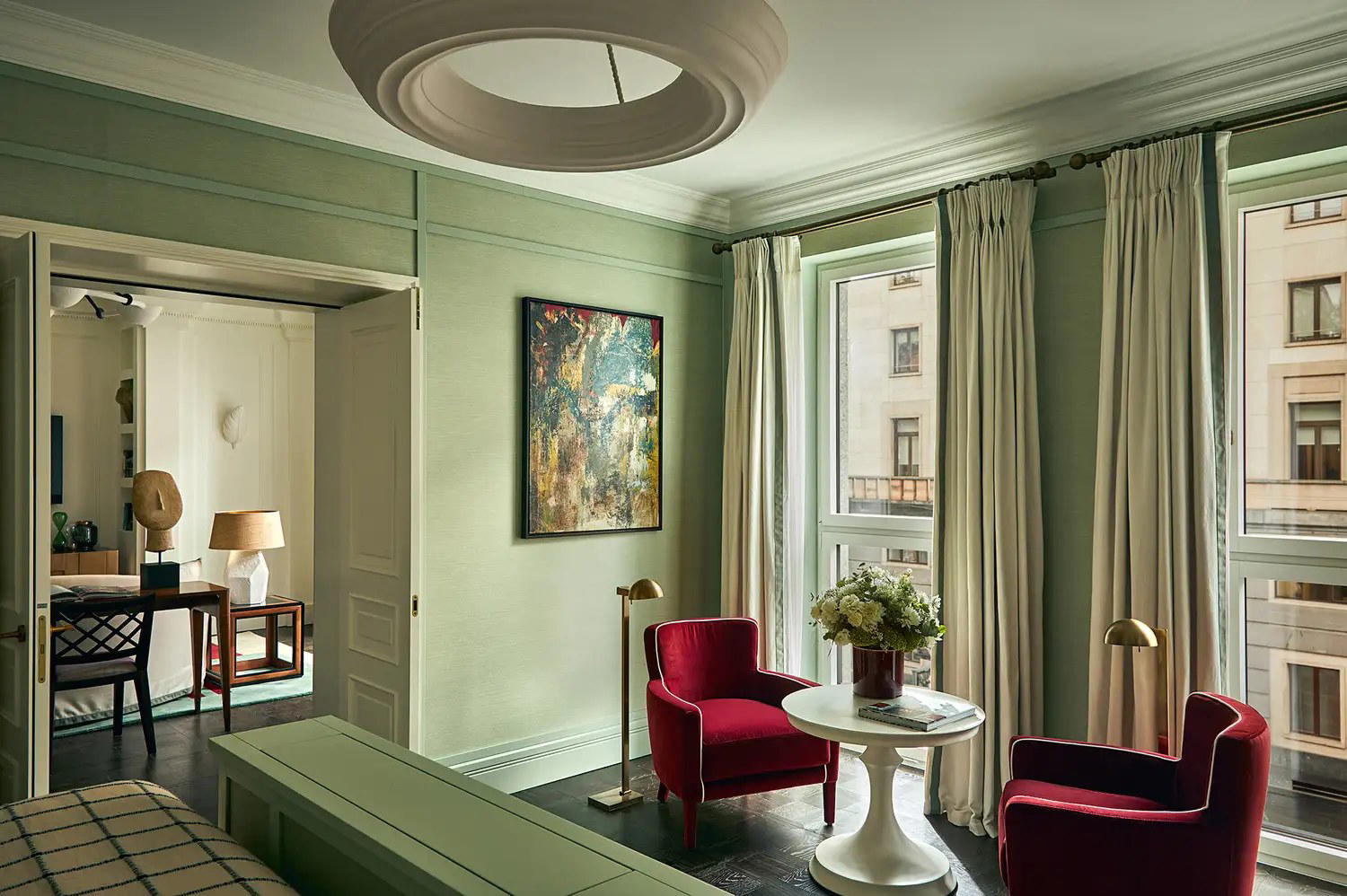
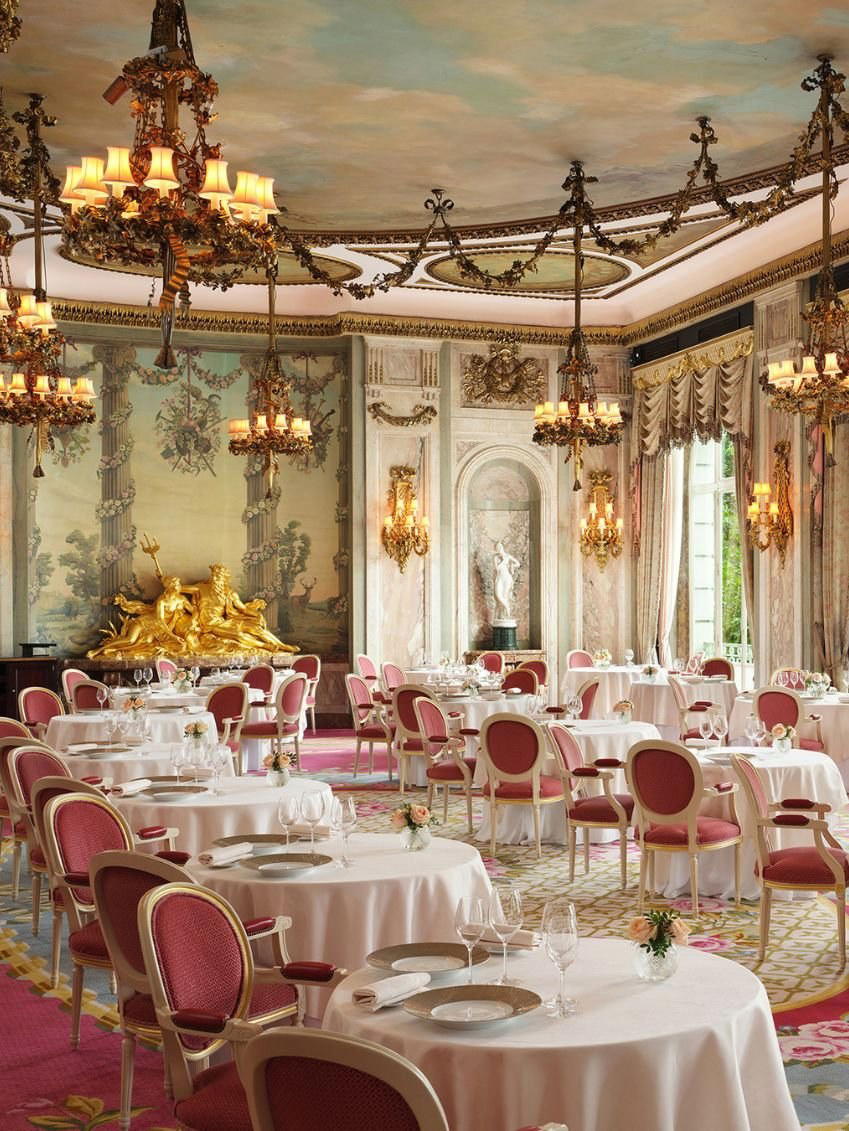
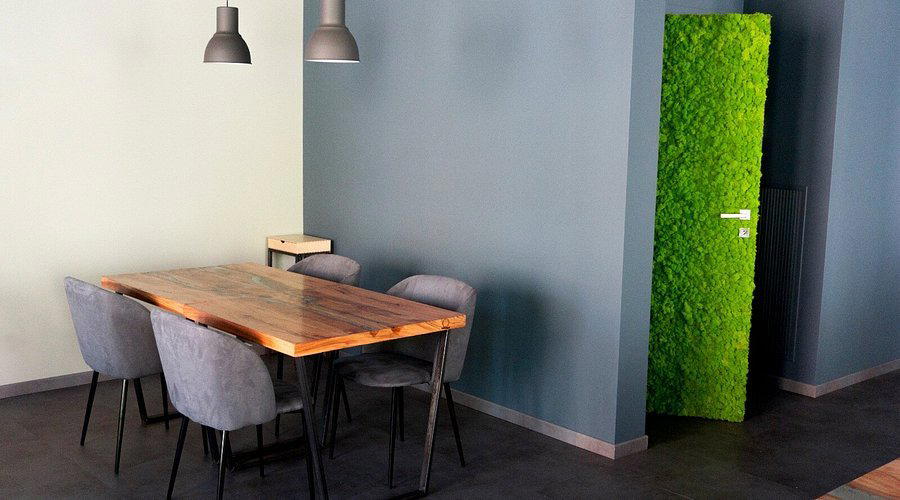
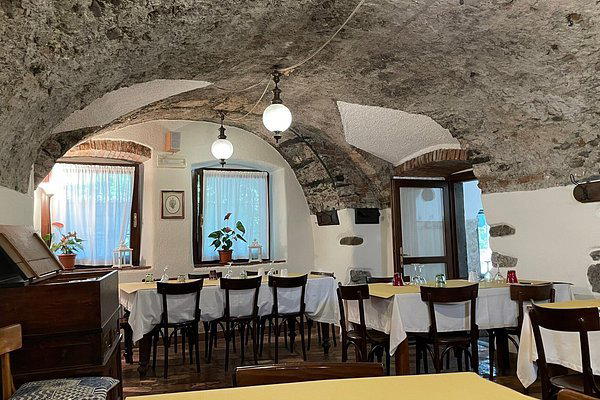
Sophisticated and cozy atmosphere with tasteful modern decor, natural fabrics, and a quiet historic charm appreciated in guest reviews.