Centro del Bitto Storico Ribelle
The centre preserves and promotes Bitto Storico, a raw-milk cheese aged for years — sometimes decades — according to pre-industrial methods banned under EU standardisation.

Pearl is the En Primeur Club membership app — saves, bookings, and concierge access live there. Same editors, same standards.
- Address
- Via Nazionale, 31, 23010 Gerola Alta SO, Italy
- Phone
- +39 0342 690081
- Hours
- Mon 2–6 PMTue ClosedWed–Fri 2–6 PMSat–Sun 10 AM–7 PM
- Website
- storicoribelle.com
- Directions
- Get directions
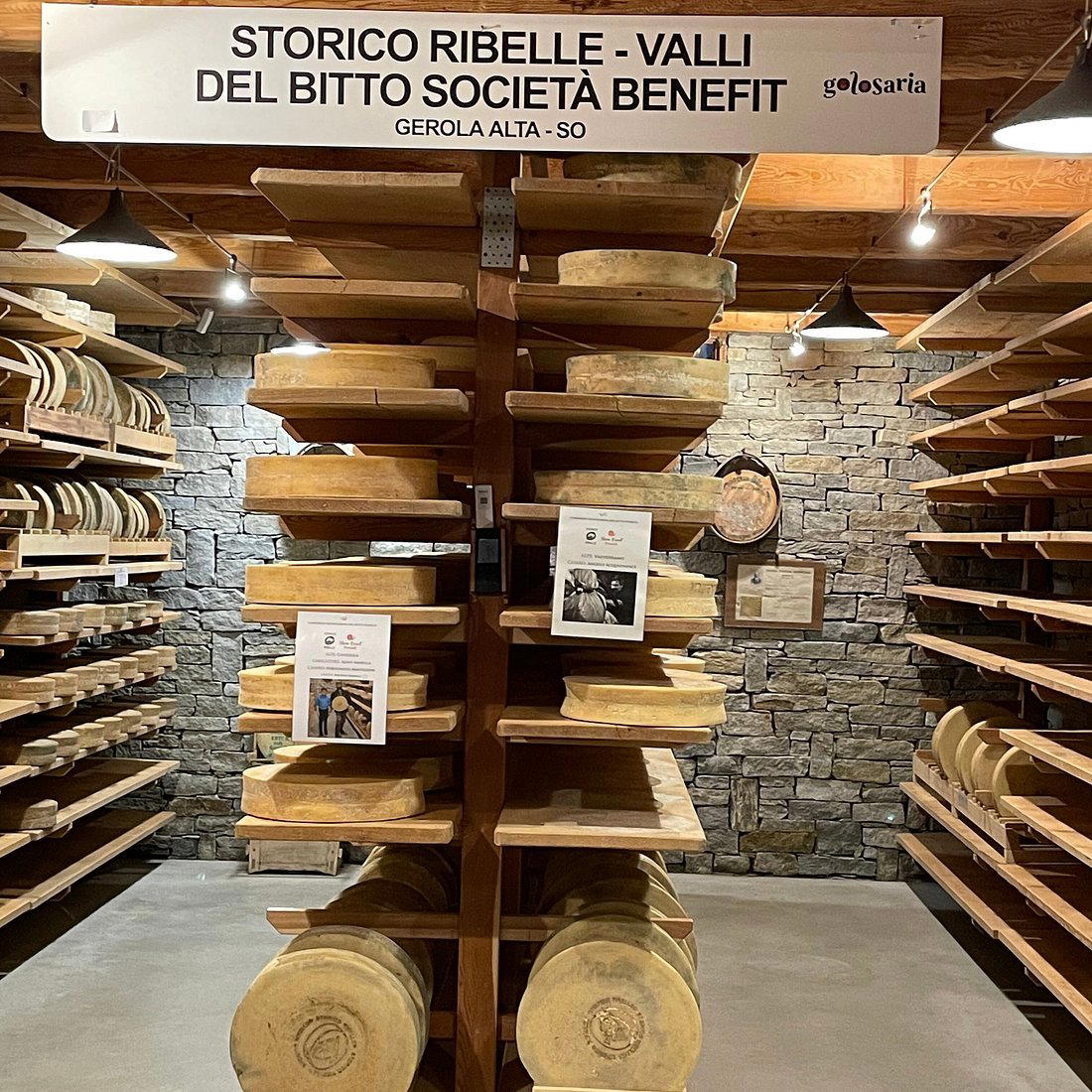
Where Alpine Tradition Meets Quiet Defiance
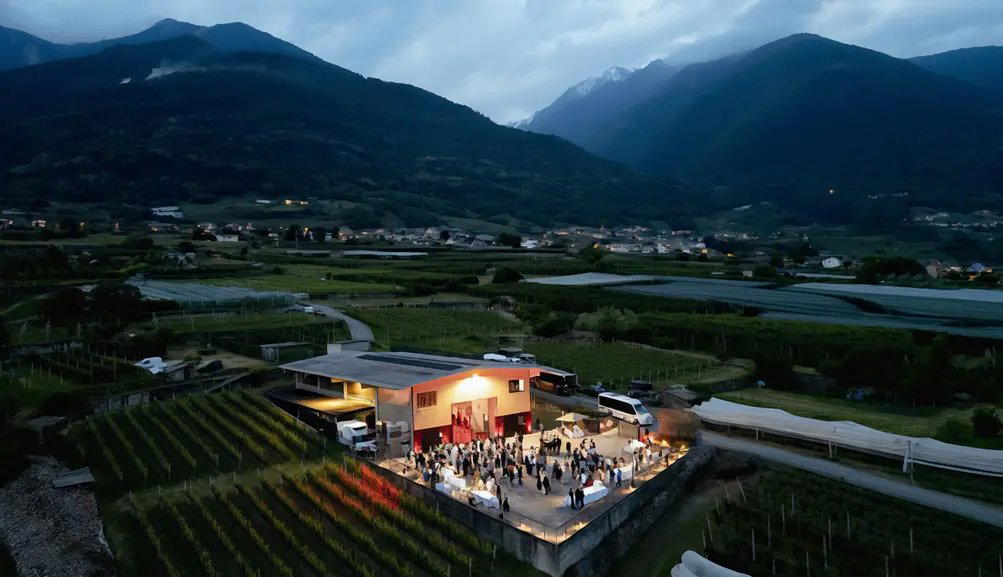
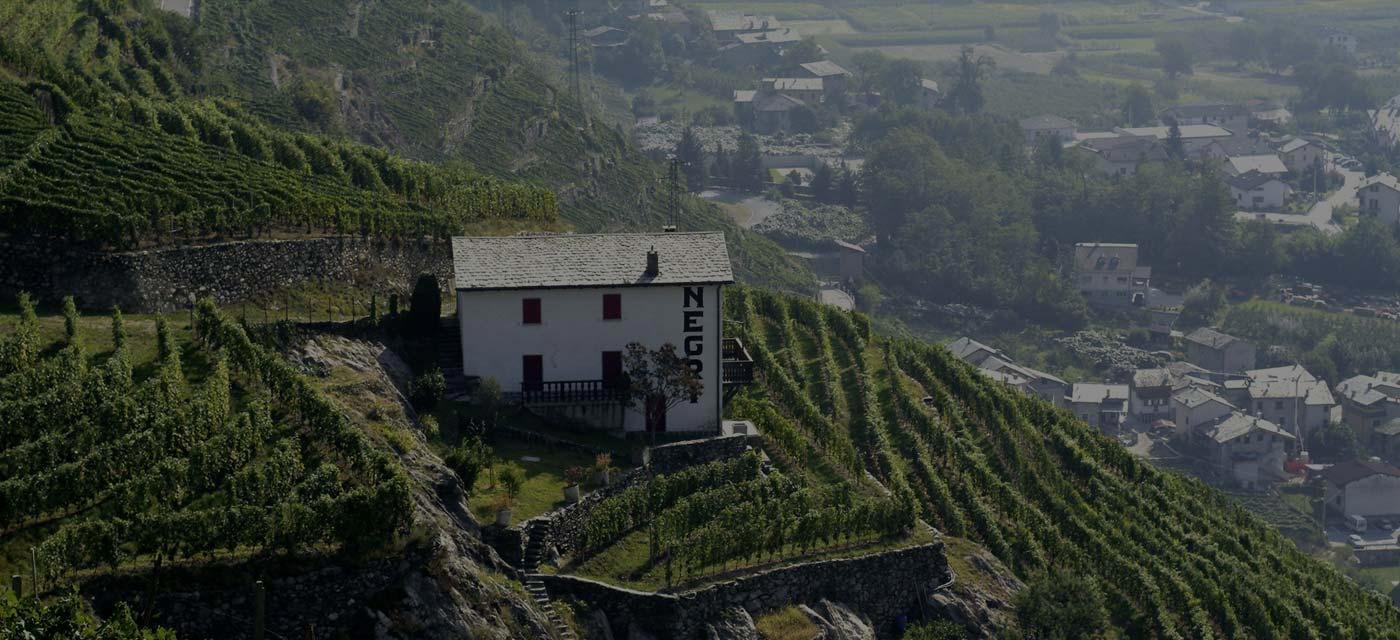
The road to Gerola Alta climbs through the Valtellina valley in tightening switchbacks, the Orobie Alps pressing close on either side. By the time the village appears, the altitude and the silence have already done their editorial work: this is not a place you stumble into. The exterior offers nothing theatrical. The weight of what happens here is entirely in what is kept, catalogued, and defended inside.
The word ribelle — rebel — is not marketing language. It is a precise description of the centre's founding purpose. When European Union dairy regulations standardised production methods across protected designation cheeses in the late 1990s and early 2000s, a group of producers in the Valtellina refused to comply. The issue was specific: the regulations permitted the addition of goat's milk and approved industrial starter cultures, changes that a core group of herders and affineurs argued would fundamentally alter the cheese they had been making for centuries. That group broke from the official Bitto PDO consortium and established their own designation, Bitto Storico, operating outside the protected label but within a self-imposed set of standards they considered historically authentic. The Centro is where that position is maintained, documented, and explained.
The Drink of the Mountains: What Bitto Storico Actually Is
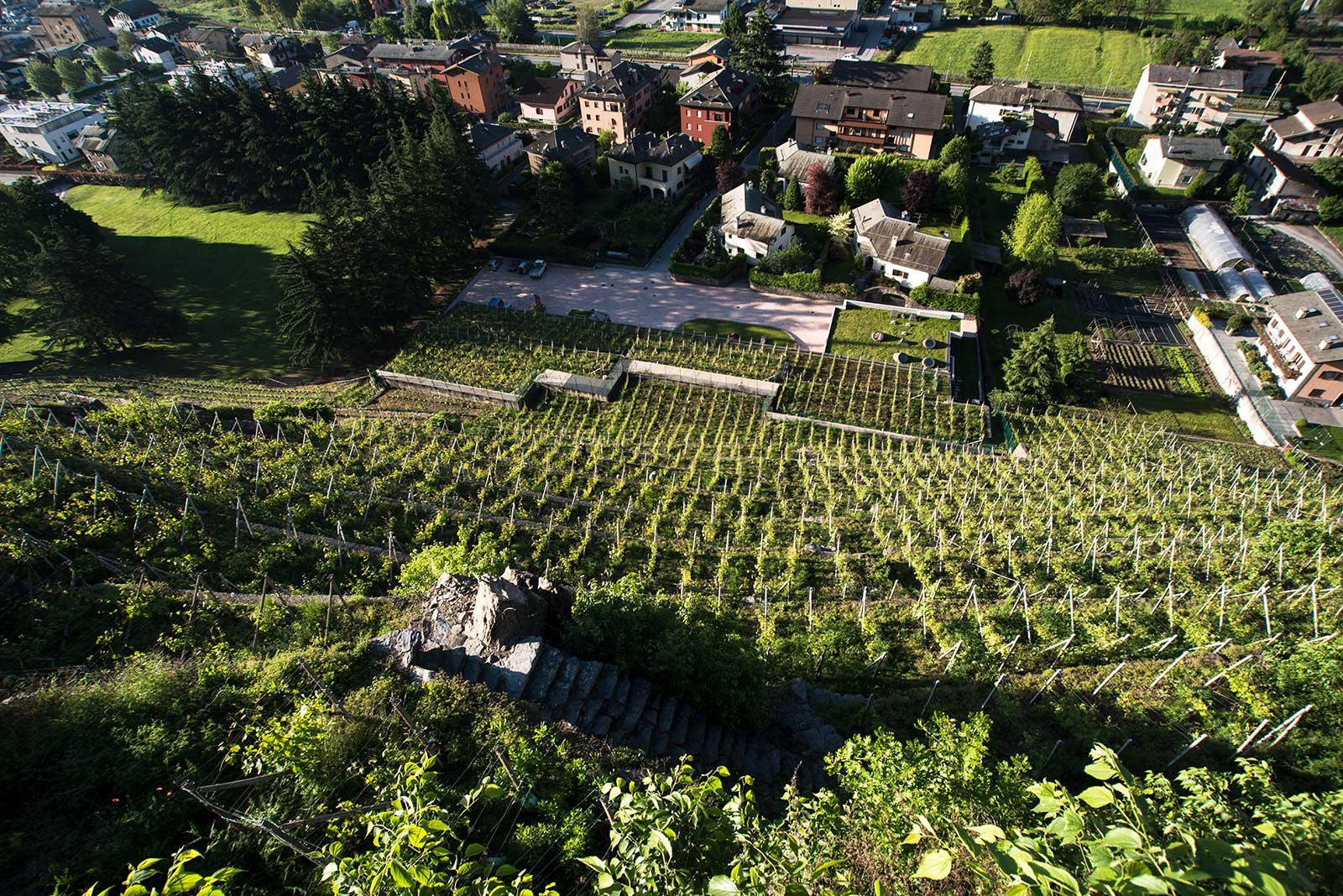
There is no cocktail programme here in the conventional sense, but if this centre is known for any single thing that functions as its signature offering, it is aged Bitto Storico served as the Valtellina has always consumed it: alongside local wines, particularly Sforzato di Valtellina and Valtellina Superiore, the DOCG-classified reds produced from Nebbiolo grapes grown on the terraced slopes below. In a region where the pairing of aged alpine cheese and tannic mountain wine has centuries of precedent, the combination operates less like a menu decision and more like a cultural fact.
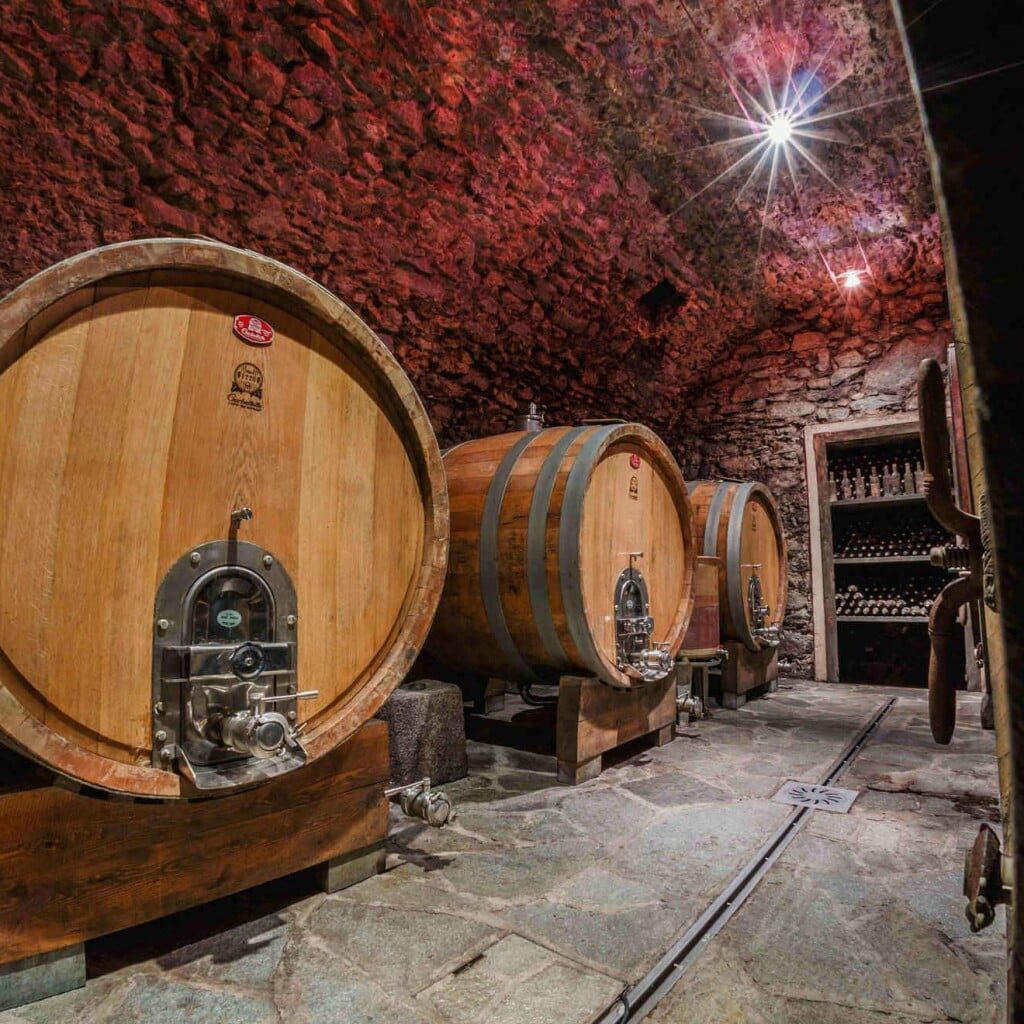
Bitto Storico is made exclusively from the raw milk of Bruna Alpina cows, sometimes with a small addition of raw goat's milk from the Orobica breed, a practice the producers argue is historically documented and ecologically appropriate to the high pastures where the animals graze in summer. The cheese is aged in the centre's facilities, with some wheels held for multiple years and occasionally for much longer. Wheels aged beyond ten years are documented in the Valtellina's slow-food literature, with certain examples reaching twenty years or more, a duration that puts Bitto Storico in a small group of Italian aged cheeses that genuinely compete with the longest-aged Parmigiano Reggiano on the market in terms of crystalline texture and flavour concentration. The Presidia programme run by Slow Food International has documented and supported dozens of endangered production traditions, and Bitto Storico sits within that framework as one of the more publicly contested cases. Visitors arriving with that context will find the centre considerably more legible than those expecting a conventional cheese shop or tasting room.enprimeurclub.com/cities/gerola-alta">our full Gerola Alta restaurants guide. In Milan, 1930 in Milan has built its reputation on historical cocktail documentation and precise technique. In Rome, Drink Kong treats its programme as a research exercise. In Florence, Gucci Giardino positions itself within a conversation about Florentine cultural heritage. In Naples, L'Antiquario grounds its work in archival research into the city's drinking history.
None of these venues maps directly onto what the Centro del Bitto Storico Ribelle does, but the underlying logic is related: the recovery and preservation of something that standardisation and commercial pressure have put at risk. In that sense, the centre belongs to a category of Italian cultural institutions, alongside places like Enoteca Historical Faccioli in Bologna, which has maintained a similar archival commitment to natural wine, that treat what they offer not as a product but as a position.
The comparison is also useful for understanding where the centre sits on the spectrum between accessible and specialist. Venues like Fauno Bar in Sorrento or Cascate del Mulino in Manciano serve a broadly curious visitor looking for a regional experience with low barriers to entry. The Centro del Bitto Storico Ribelle is pitched at a different type of visitor: one who already knows what Bitto is and has a reason to seek out its most contested, historically rigorous interpretation. It is not unwelcoming, but it does not explain itself twice.enprimeurclub.com/bars/lost-found-nicosia">Lost and Found in Nicosia and Bar Leather Apron in Honolulu, venues where depth of knowledge is assumed rather than performed for the visitor.
Getting There and What to Expect
Gerola Alta sits in the province of Sondrio in Lombardy, roughly accessible from the regional rail network at Morbegno, with road travel required for the final climb into the valley. Visitors planning a trip from Milan or the major Lake Como gateway towns should account for the alpine driving conditions, which are seasonal and require some planning in winter months.
The broader Valtellina region rewards a longer stay, with Sforzato di Valtellina and Valtellina Superiore wines available from producers throughout the valley. Turin's specialist coffee and food culture, covered through venues including Bistrot Torrefazione Samambaia in Turin, and the wine bar tradition documented at Al Covino in Venice, give some indication of the northern Italian appreciation for slow, serious consumption that the Bitto Storico tradition fits within.
A Quick Peer Check
| Venue | Price | Awards |
|---|---|---|
| Centro del Bitto Storico RibelleThis venue — the venue you are viewing | Not listed | Not listed |
| Drink Kong | $50–100 | World's 50 Best #32 · Falstaff Bar - 96 Falstaff Points |
| Freni e Frizioni | $10–20 | World's 50 Best #31 · Falstaff Bar - 94 Falstaff Points |
| L'Antiquario | $20–30 | World's 50 Best #28 · Top 500 Bars Best Bars #65 |
| Nottingham Forest | $10–20 | World's 50 Best #38 · Top 500 Bars Best Bars #268 |
| 1930 | Not listed | World's 50 Best #22 · Pinnacle Guide 1 Pin |
Continue exploring
More in Gerola Alta
Bars in Gerola Alta
Browse all →

Restaurants in Gerola Alta
Browse all →
Hotels in Gerola Alta
Browse all →
Details
- Rustic
- Cozy
- Scenic
- Casual Hangout
- Historic Building
- Seated Bar
- Natural Wine
- Mountain
Current opening hours
- Monday
- 2–6 PM
- Tuesday
- Closed
- Wednesday
- 2–6 PM
- Thursday
- 2–6 PM
- Friday
- 2–6 PM
- Saturday
- 10 AM–7 PM
- Sunday
- 10 AM–7 PM
Hours can change for holidays and private events. Last verified .
Cozy and authentic alpine atmosphere focused on cheese heritage and tastings.