Doña Paula
The address places it within the dense winery corridor that defines Mendoza's premium production belt, where altitude, alluvial soils, and a century of Malbec cultivation create a reference point for Argentine fine wine.

Pearl is the En Primeur Club membership app — saves, bookings, and concierge access live there. Same editors, same standards.
- Address
- Ruta 40 s/n, 5507, M5500 Luján de Cuyo, Mendoza, Argentina
- Phone
- +54 9 261 341-5739
- Hours
- Mon–Sat 9 AM–5 PMSun 9 AM–6 PM
- Website
- donapaula.com
- Directions
- Get directions
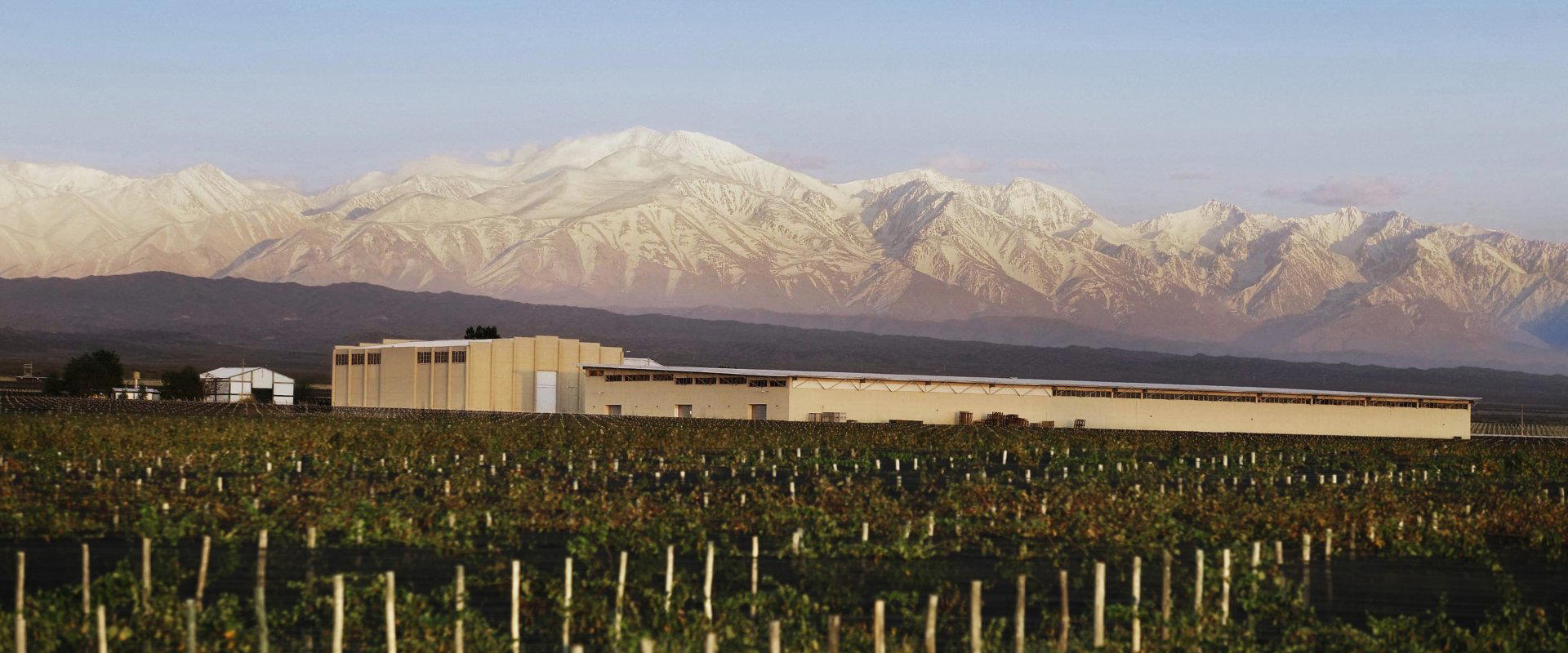
Carrodilla and the Winery Corridor That Shapes Doña Paula
Approach Carrodilla from Mendoza city and the shift is gradual but unmistakable. The suburban grid gives way to low vineyard walls, poplar windbreaks, and the kind of dry, high-altitude light that makes every surface look slightly overexposed at midday. This sub-district of Luján de Cuyo sits at the older, more established end of the appellation, where families planted before appellation boundaries had names and where the soil profiles have been mapped and remapped for decades. Doña Paula, at Mariano Boedo 505, occupies this terrain — a winery whose address places it inside one of the most studied wine-growing corridors in South America.
Luján de Cuyo was Argentina's first officially recognised Denomination of Origin, a distinction that carries weight in a country where wine geography is still asserting itself internationally. That recognition came partly because of the concentration of serious producers in this strip of land between the Mendoza River and the Andes foothills, and partly because of the measurable consistency in the Malbec produced here compared to higher-altitude zones to the south. Doña Paula operates within that established framework, drawing on sub-appellation credibility that newer Mendoza producers in Valle de Uco or San Patricio del Chañar are still building — producers like Familia Schroeder in San Patricio del Chañar, whose terroir story is compelling but younger in institutional terms.
That distinction matters in Luján de Cuyo, where the field is dense. Neighbours such as Bodega Lagarde, Bodega Norton, and Chakana Winery all occupy the same appellation and compete for the same international buyer attention. At the extreme upper end of that competition sits Cheval des Andes, a Franco-Argentine joint venture that operates in a separate price and prestige bracket entirely.
Across Argentina's broader wine geography, this rating sits comfortably alongside other recognised Mendoza houses. Producers like Escorihuela Gascón in Godoy Cruz and Bodega DiamAndes in Tunuyán occupy different geographic sub-zones but draw on the same Andean altitude logic. Further afield, Bodega El Esteco in Cafayate and Bodega Colomé in Molinos represent the northern Argentine alternative, where higher latitudes and different grape variety emphasis create a distinct reference point.
Place as Product: What Carrodilla Contributes to the Glass
The argument for Luján de Cuyo Malbec has always been geological as much as agricultural. The alluvial fan soils deposited by Andean meltwater over centuries create natural drainage that keeps vine roots working, while the altitude, typically between 900 and 1,100 metres across the appellation, slows ripening enough to retain acid structure that lower-elevation South American viticulture often loses. Carrodilla sits at the valley-floor end of this range, which historically produced Malbec with more immediate fruit weight and approachability than the leaner, more austere wines from higher sub-zones. That floor position is neither a disadvantage nor a selling point in isolation; it is a style decision with consequences throughout the winemaking process.
The density of serious producers in this corridor, including Durigutti Winemakers, whose focus on old-vine Malbec has drawn international critical attention, means that Carrodilla and its surroundings are not short of benchmarks. Visitors comparing estates in a single afternoon have access to a range of interpretations of essentially the same raw material: similar soils, similar climate, different winery philosophies. That compression of comparison is one of the features that makes Luján de Cuyo a reference destination rather than simply a wine-producing zone. See our full Luján de Cuyo restaurants and wineries guide for a complete map of the appellation's producers.
Visiting Doña Paula: Practical Considerations
Doña Paula's address at Mariano Boedo 505, Carrodilla, places it within practical reach of central Mendoza city, where most visitors base themselves. The Carrodilla sub-district runs along the western edge of the greater Mendoza urban area, making it one of the more accessible parts of the appellation for day visits without a dedicated driver. That accessibility cuts both ways: it means less logistical friction for independent travellers, but also that the estate sits closer to suburban Mendoza than the more remote properties in Agrelo or Vistalba.
Seasonally, the most productive time to visit Mendoza's winery corridor runs from late February through April, when harvest activity overlaps with cooler afternoon temperatures and the vineyards are at their most visually expressive. By contrast, the deep winter months of June and July bring cold nights and dormant vines, but also a quieter visitor environment and, at some estates, the opportunity to observe barrel work and blending sessions that are less accessible during peak season. Neither window is universally superior, the choice depends on whether you are there for the agricultural spectacle of harvest or the technical depth of cellar access.
For context on how Argentine producers across different scales and geographies approach their wine programs, it is worth cross-referencing operations as different in character as Rutini Wines (La Rural) in Tupungato, Fratelli Branca Distillery in Buenos Aires, and internationally recognised benchmark houses such as Aberlour or Accendo Cellars in St. Helena, each of which operates within a very different prestige and production logic, but all of which illuminate by contrast what a mid-tier Mendoza producer like Doña Paula is doing and why.
Same-City Peers
Comparable venues nearby, for context on price, style, and recognition.
| Venue | Cuisine | Price | Awards | Notes |
|---|---|---|---|---|
| Doña PaulaThis venue — the venue you are viewing | Malbec, Cabernet Sauvignon | $50–100 | Not listed | Not listed |
| Bodega Vistalba | Malbec, Cabernet Sauvignon | Not listed | Not listed | Vistalba |
| Bodega Alta Vista | Malbec, Cabernet Sauvignon | $20–30 | Falstaff Winery - Listed | Chacras de Coria |
| Benegas Lynch | Malbec, Cabernet Franc | Not listed | Falstaff Winery - Listed | Luján de Cuyo |
| Viña Alicia | Malbec, Cabernet Sauvignon | Not listed | Not listed | Luján de Cuyo |
Continue exploring
More in Luján de Cuyo
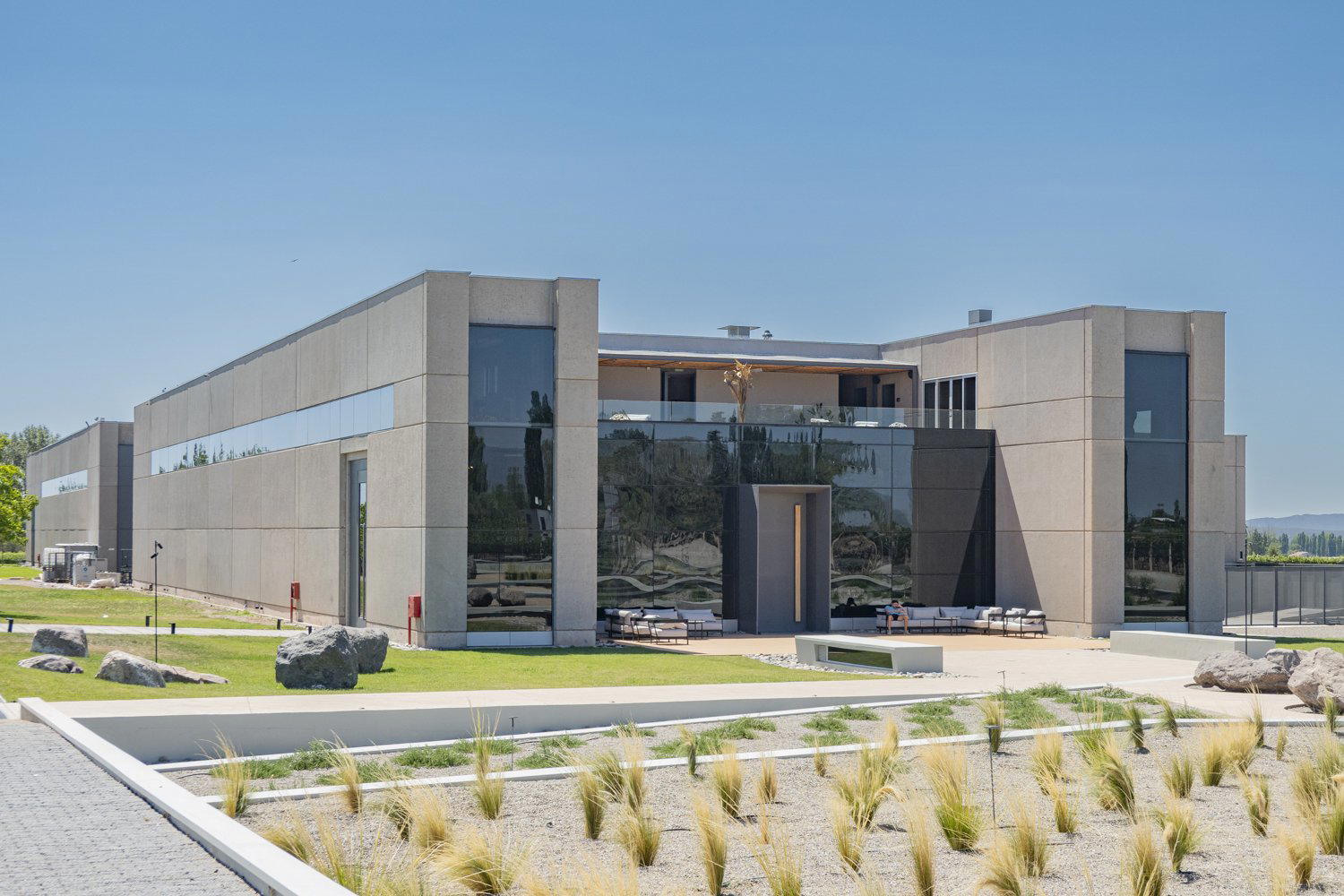
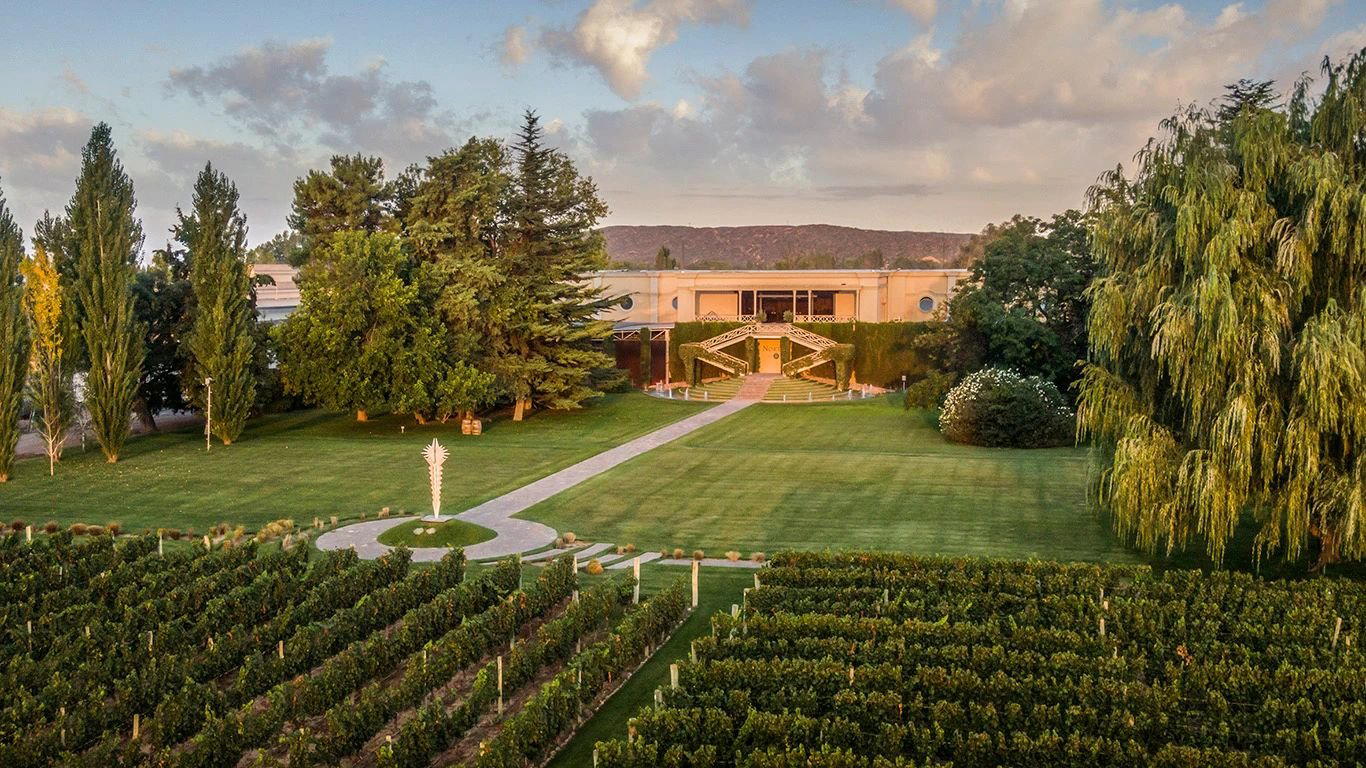
Wineries in Luján de Cuyo
Browse all →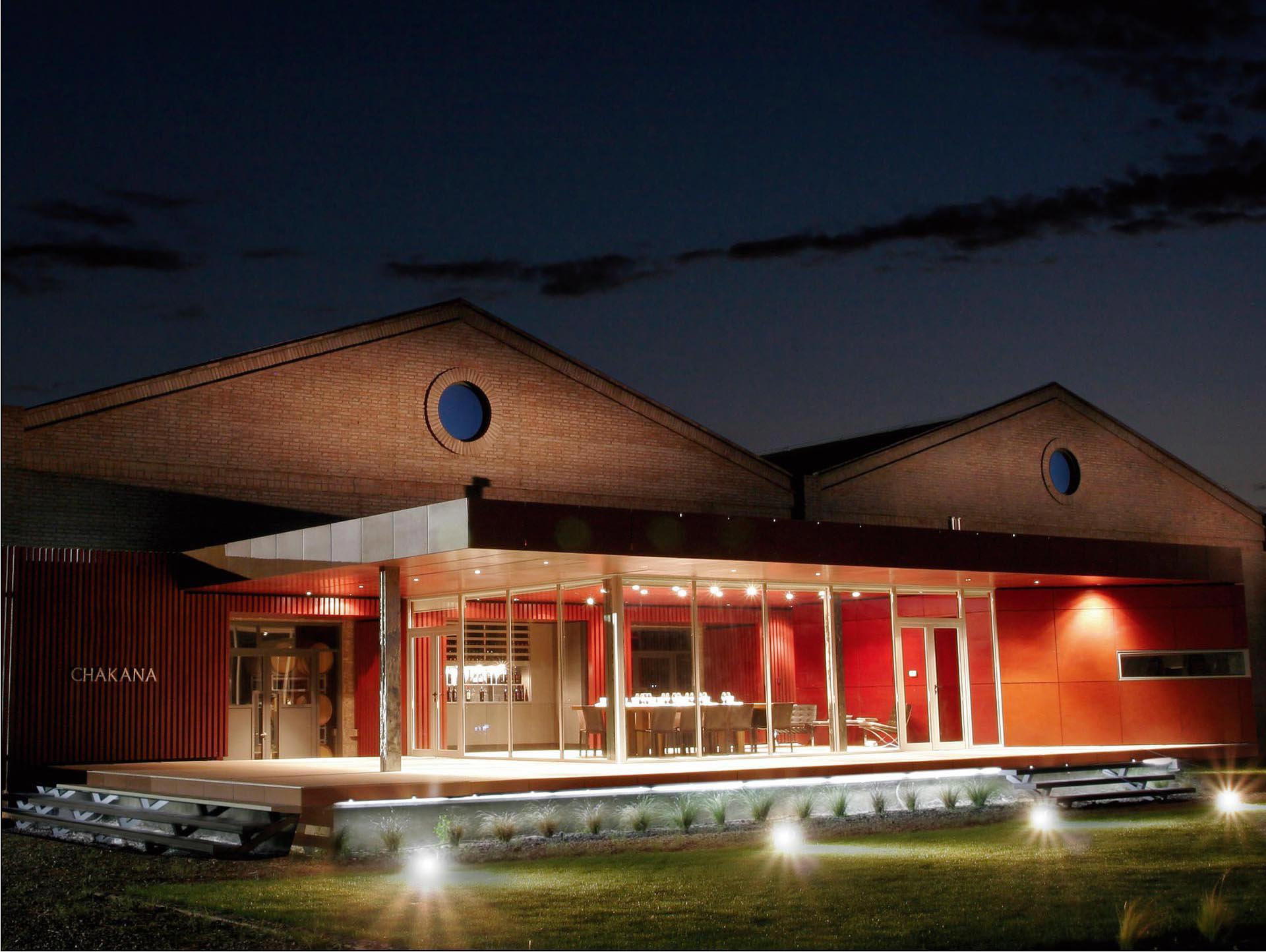
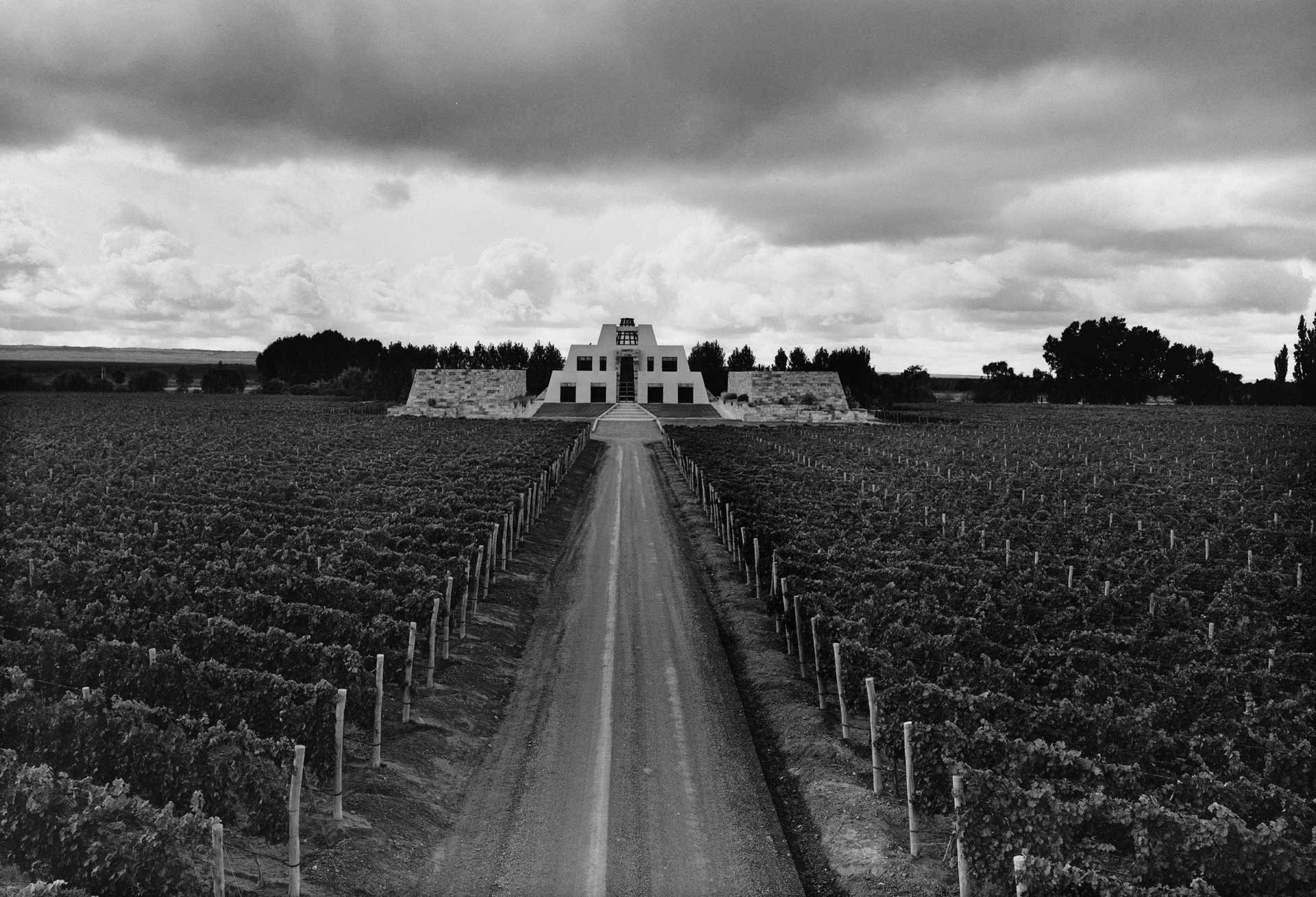
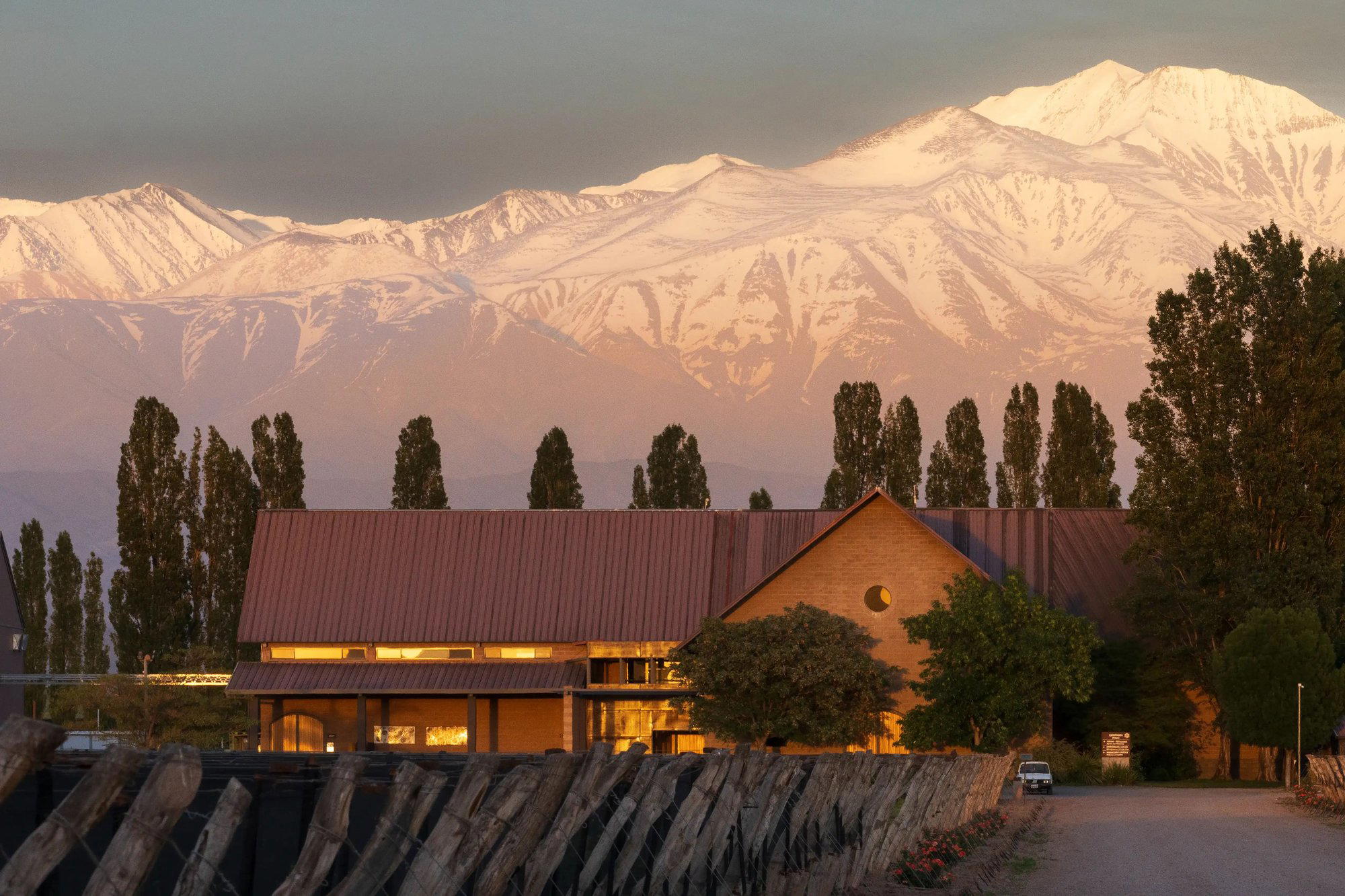
Bars in Luján de Cuyo
Browse all →
Restaurants in Luján de Cuyo
Browse all →
Details
- Scenic
- Elegant
- Romantic
- Sophisticated
- Romantic Getaway
- Wine Education
- Special Occasion
- Group Outing
- Celebration
- Vineyard Tour
- Estate Grounds
- Terrace
- Panoramic View
- Private Tasting
- Garden
- Sustainable
- Vineyard
- Mountain
- Garden
- Malbec
- Cabernet Sauvignon
- Cabernet Franc
- Sauvignon Blanc
- Chardonnay
- Still Red
- Still White
- Wine Tasting With Lunch
- Cooking Class
- Private Tasting
- Spanish
- English
Current opening hours
- Monday
- 9 AM–5 PM
- Tuesday
- 9 AM–5 PM
- Wednesday
- 9 AM–5 PM
- Thursday
- 9 AM–5 PM
- Friday
- 9 AM–5 PM
- Saturday
- 9 AM–5 PM
- Sunday
- 9 AM–6 PM
Hours can change for holidays and private events. Last verified .
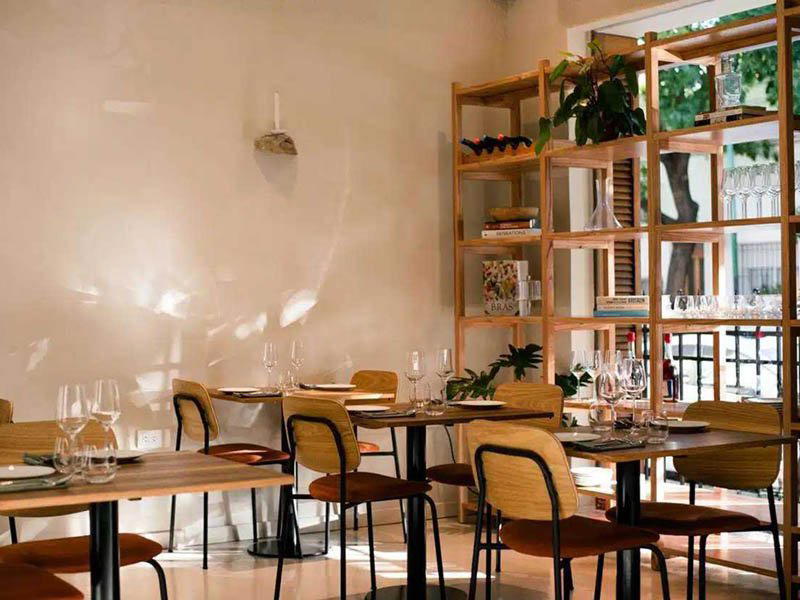
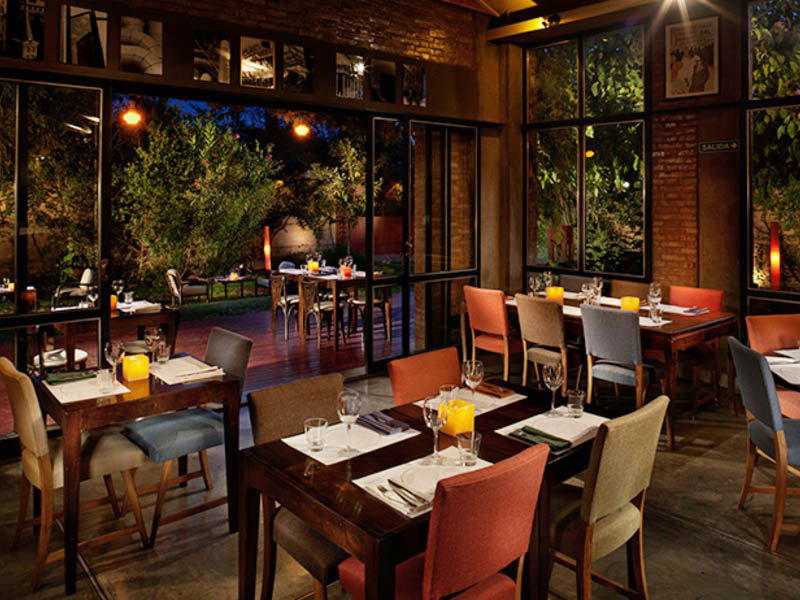
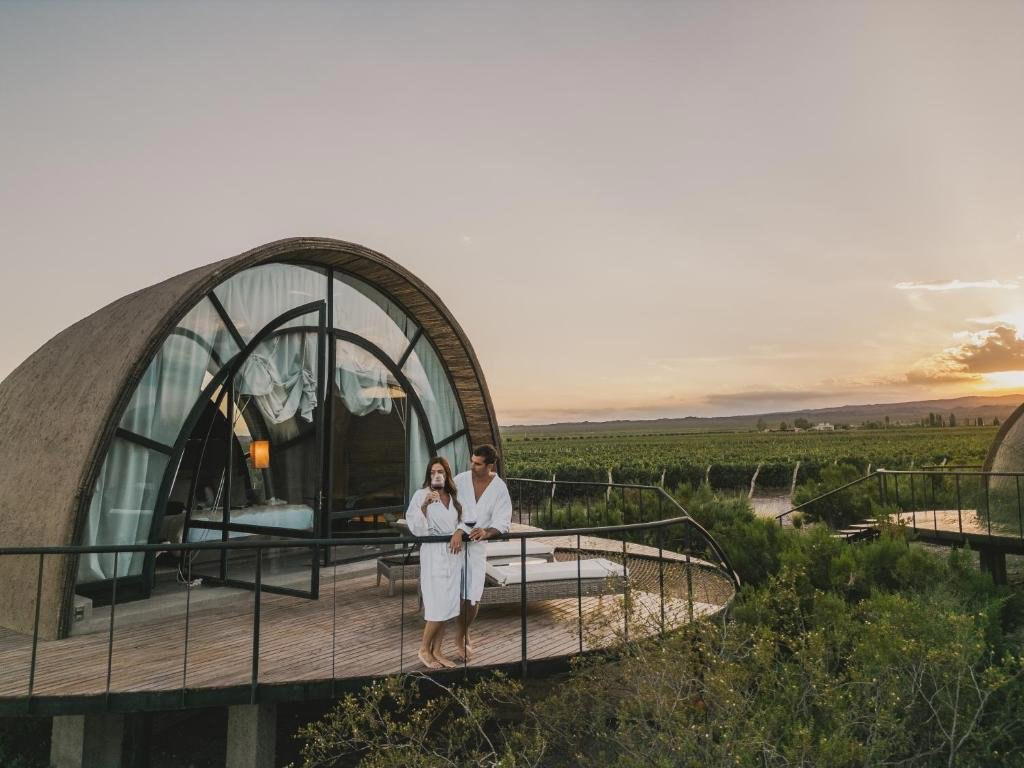
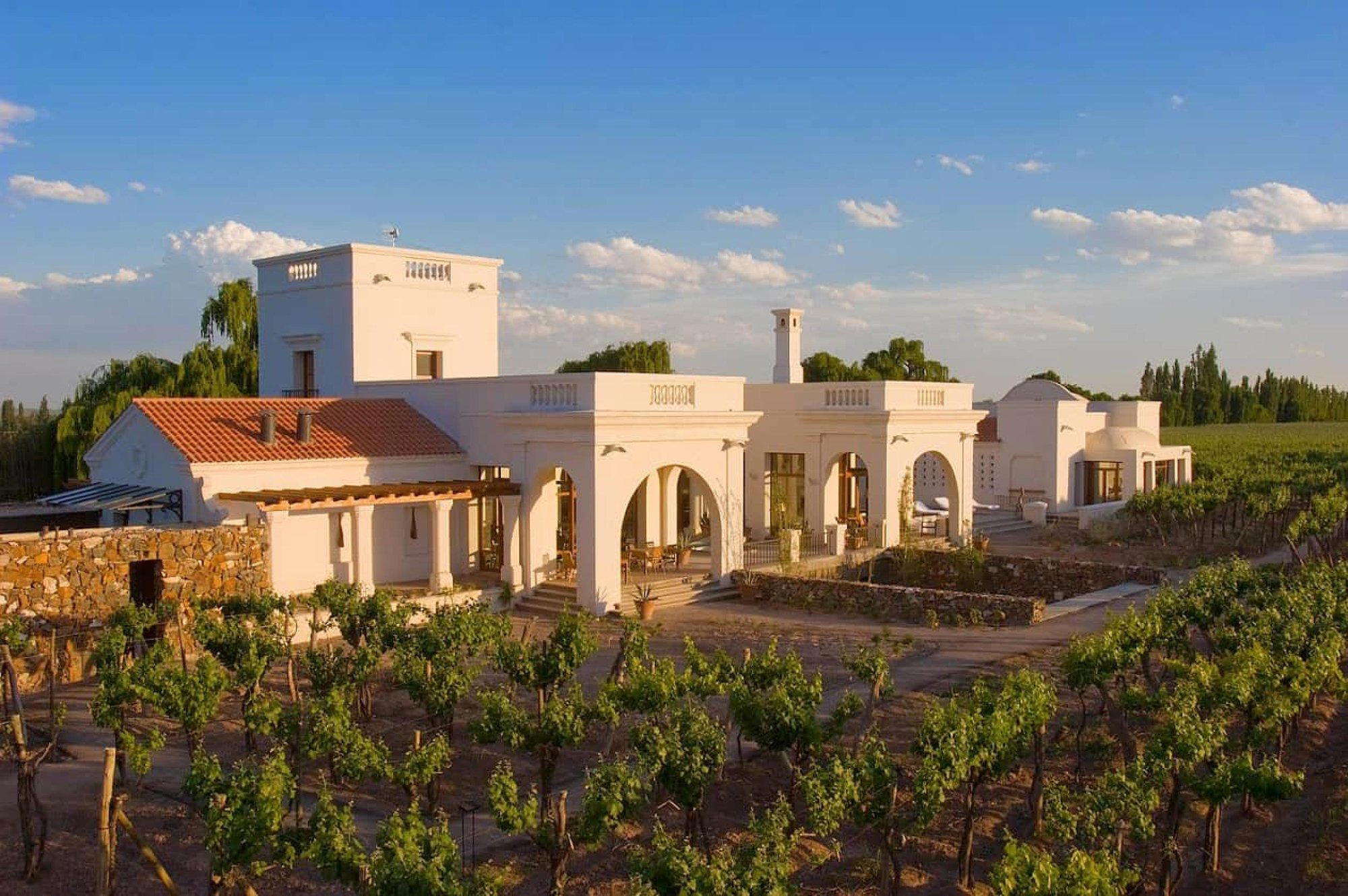
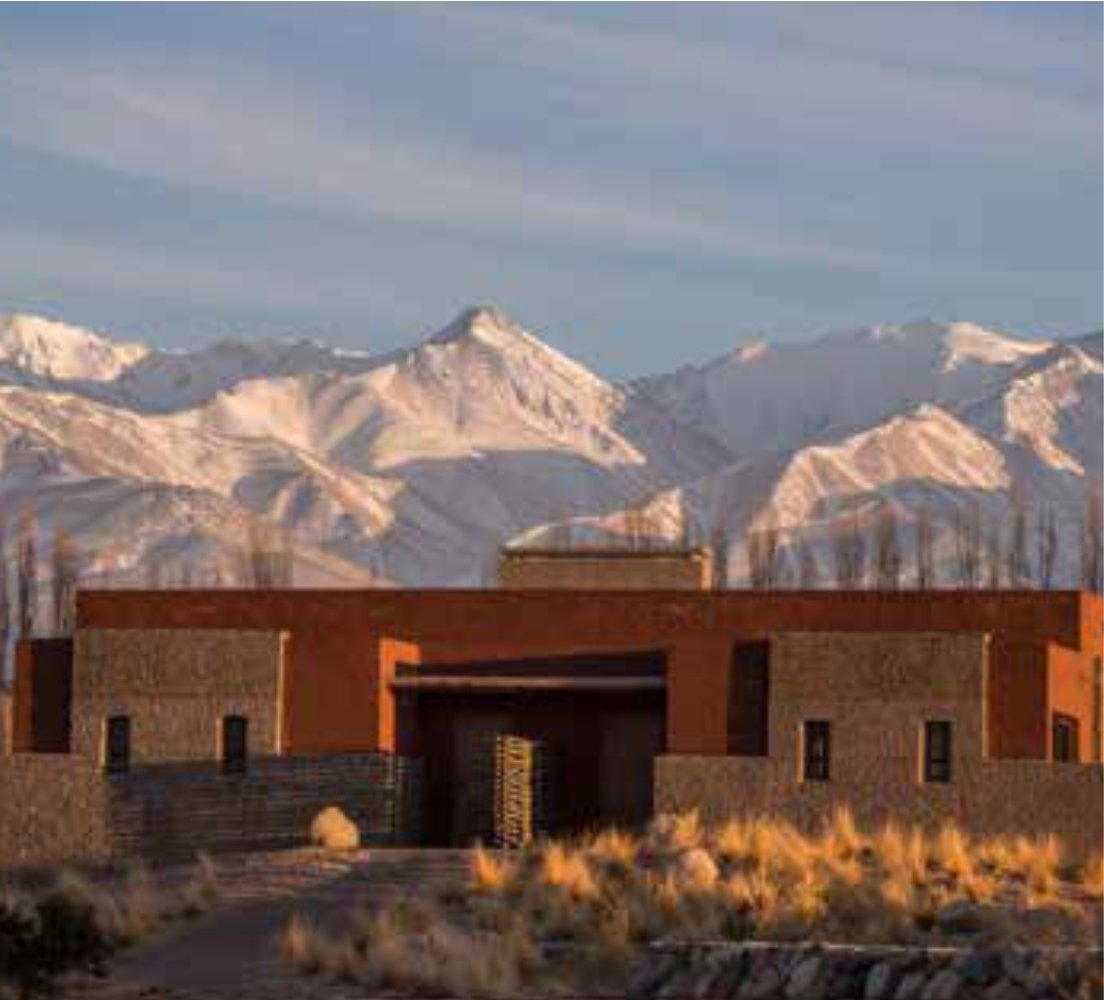
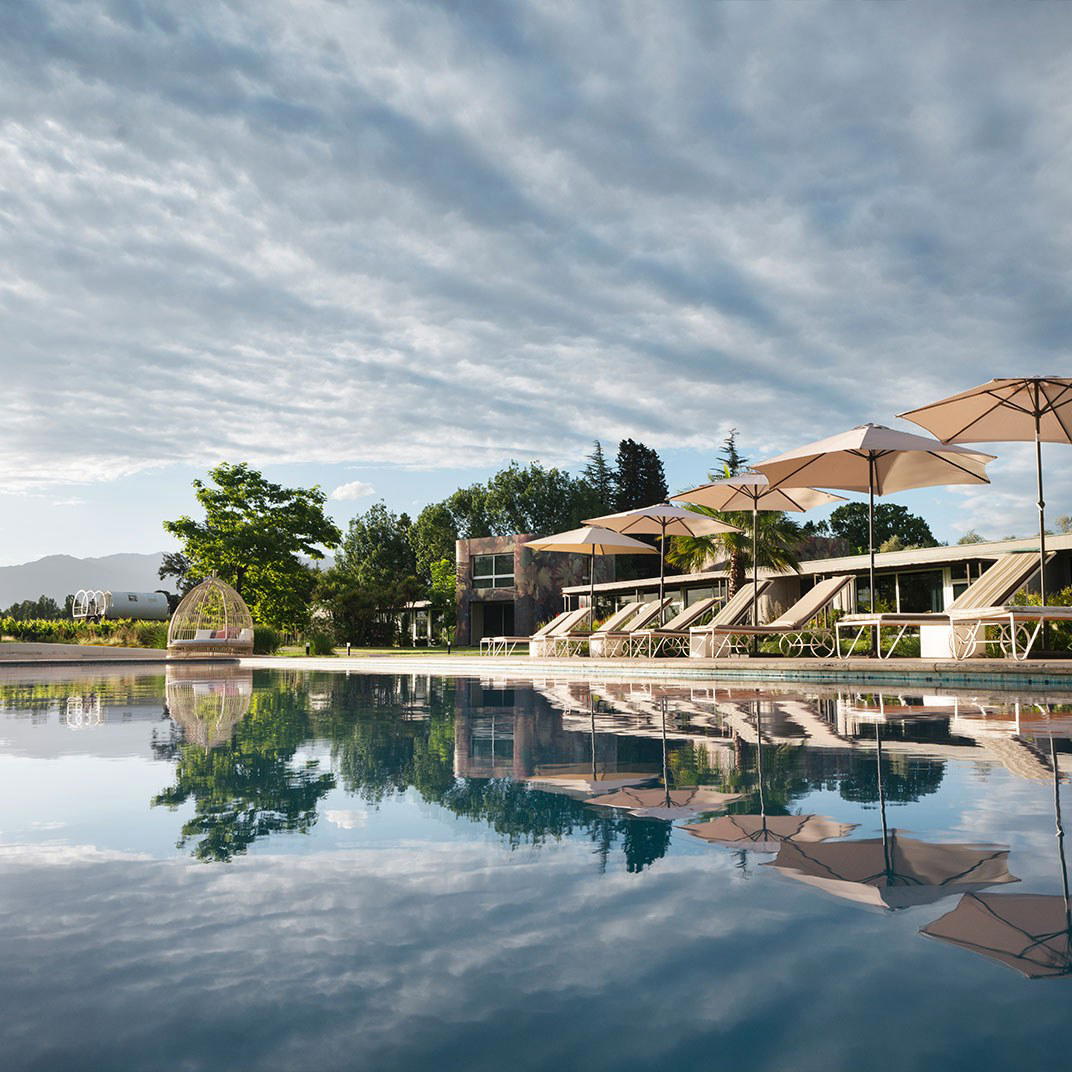
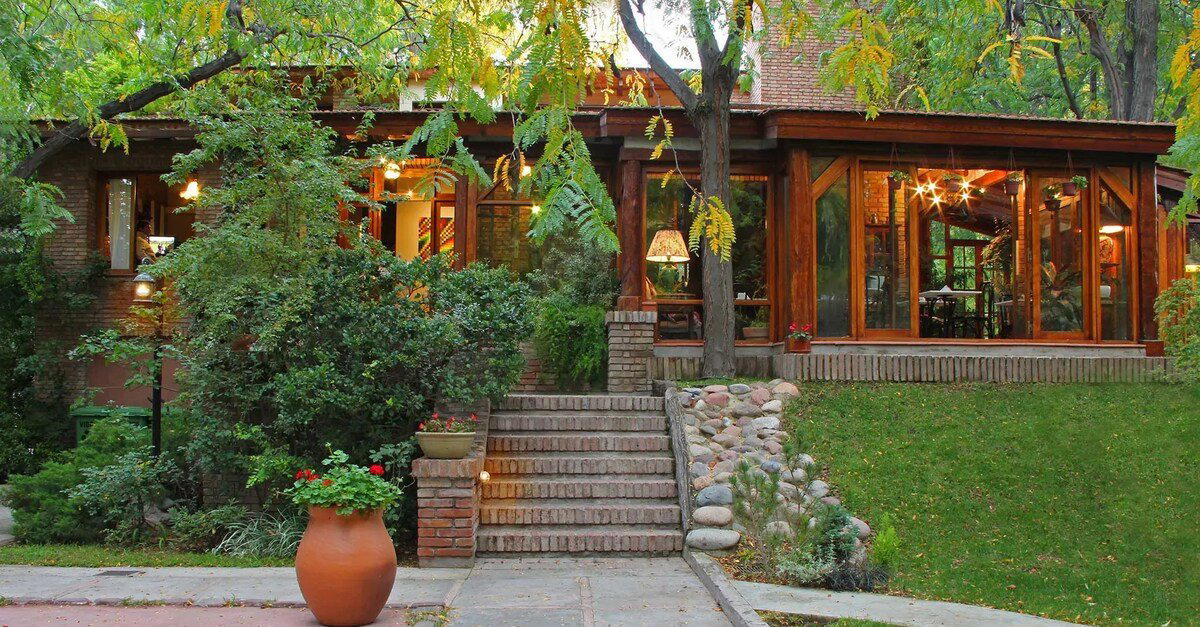
Peaceful and tranquil setting with natural light from expansive views, transmitting calm and serenity through manicured estate grounds and refined tasting spaces.