Viña Alicia
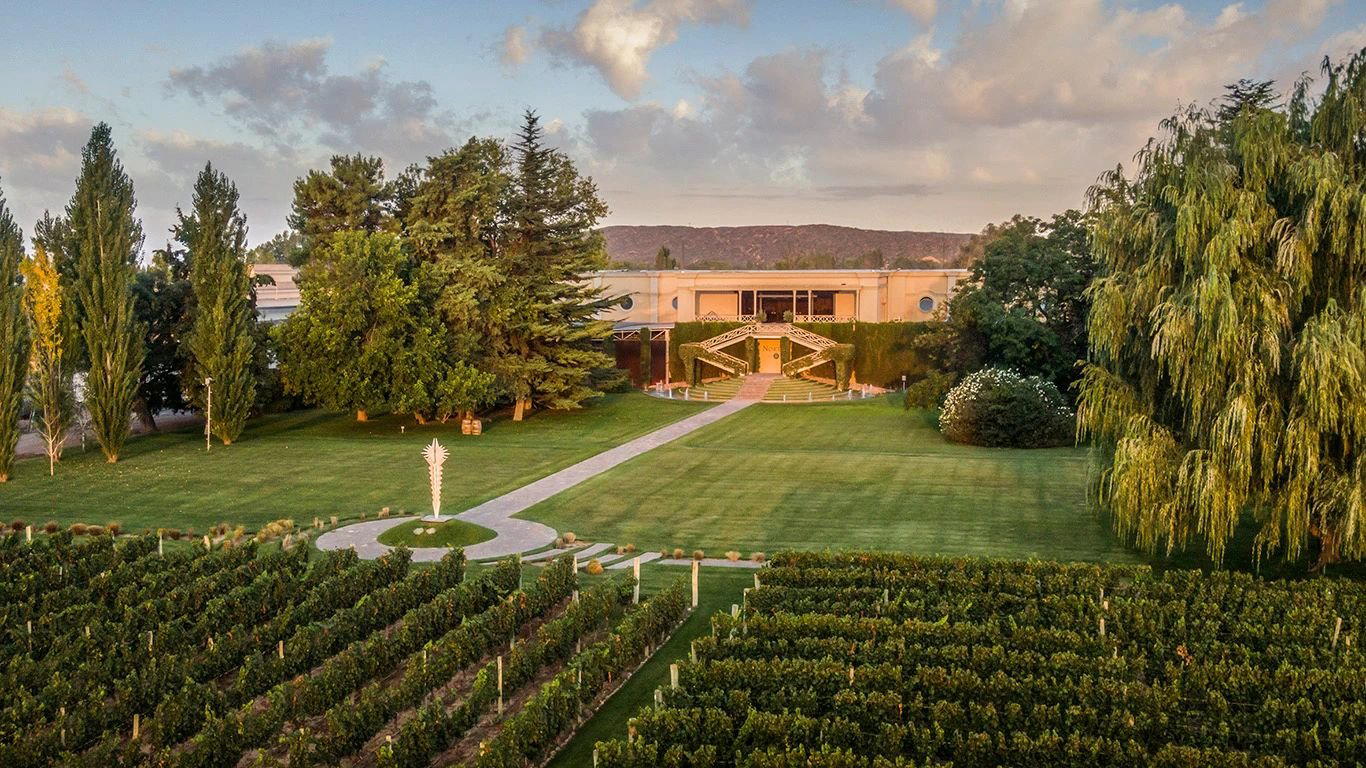
Viña Alicia sits in the Anchorena district of Luján de Cuyo, where the foothills of the Andes shape both elevation and vine stress in measurable ways.. Plan ahead: properties at this tier book on reputation rather than walk-in availability.

Pearl is the En Primeur Club membership app — saves, bookings, and concierge access live there. Same editors, same standards.
- Address
- Terrada &, M5507 Anchorena, Mendoza
- Phone
- +542614987385
- Website
- vinaalicia.com
- Directions
- Get directions
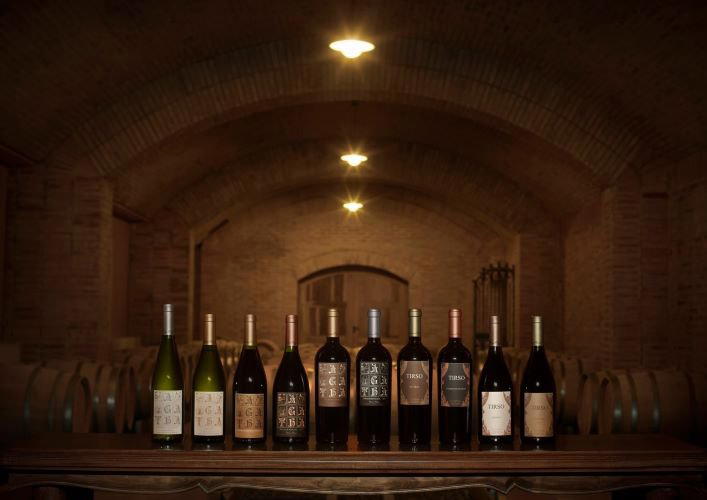
Where Luján de Cuyo's Altitude Argument Gets Specific
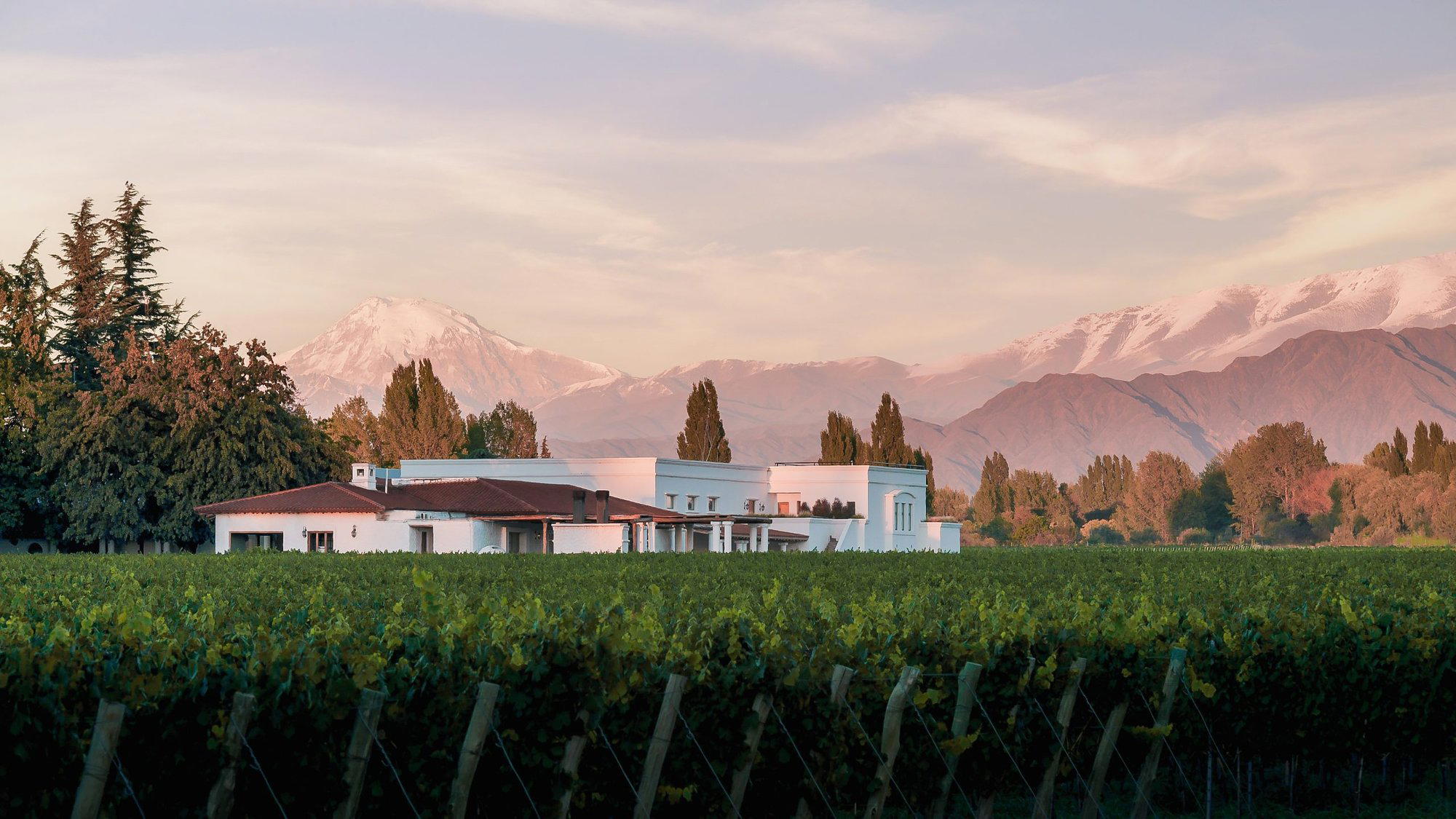
The road into Anchorena, a sub-district of Luján de Cuyo sitting at the western edge of Greater Mendoza, runs past vine rows already refined enough to feel the temperature differential that defines premium Mendoza fruit. This is the part of Mendoza where winemaking stops being a volume exercise and becomes, almost by necessity, a collaborative discipline. The plots are smaller, the yields tighter, and the decisions made in the cellar and the vineyard need to align in ways that larger industrial operations rarely require. Viña Alicia occupies this territory, both geographically and philosophically, at Terrada and Anchorena in the M5507 postal zone of the Luján de Cuyo appellation.
Within Luján de Cuyo, that places Viña Alicia in a selective cohort that includes properties like Cheval des Andes, Bodega Lagarde, and Chakana Winery, each of which argues its case through site specificity rather than brand volume.
The Anchorena Terroir and What It Demands of a Team
Luján de Cuyo was Argentina's first officially recognised wine appellation, a designation that reflects how consistently the sub-region produces fruit with structural character. The western sections, closer to the Andean foothills, benefit from alluvial soils deposited over millennia by meltwater streams, a mix of stones, sand, and clay that drains well and forces vine roots downward. Anchorena sits within this western band, where diurnal temperature swings of fifteen degrees or more between summer day and night preserve acidity in the grapes, a condition that distinguishes Luján de Cuyo's premium tier from the flatter, warmer plains to the east.
These conditions demand close reading across an entire growing season, not just at harvest. Properties that handle this terrain well tend to have tight internal communication between viticulture and cellar work, because the signals in the vineyard are subtle and time-sensitive. The collaborative structure that defines premium small-producer Mendoza, where the person making decisions in the vineyard is in daily conversation with whoever is managing fermentation, is less a marketing claim here than a practical requirement of the site. Viña Alicia operates in that context, where the integrity of the final bottle depends on whether those decisions across the team compound correctly over twelve to eighteen months.
For comparative reference, neighbouring appellations and regions handle this differently. Bodega DiamAndes in Tunuyán sits further south in the Uco Valley and operates at even higher elevations, while Bodega Colomé in Molinos takes the altitude argument to its most extreme expression in Salta. The Luján de Cuyo model represents a different calculation: moderate but consistent altitude, established vine age in the leading blocks, and a long track record of Malbec performance that gives winemaking teams reliable baseline data to work from.
How the Prestige Tier Works in This Appellation
Mendoza's premium winery sector has stratified considerably over the past decade. At one end sit the internationally distributed, award-heavy houses that operate at scale and price against import-market expectations. At the other end, a smaller cohort of estate-focused producers deliberately limits output and targets collectors and hospitality buyers who are willing to pay for allocation access.
Within Luján de Cuyo, the peer comparison is instructive. Bodega Norton operates at a significantly larger scale and distributes across dozens of export markets; Durigutti Winemakers occupies a smaller, more specialist position that has built reputation through focused varietal work. Viña Alicia's positioning is closer to the latter model, where the size of the operation shapes the style of the wines as much as any single decision about oak or extraction. These are properties where you can trace the influence of each season's character across the range in a way that is harder to detect when blending across large volumes.
Elsewhere in Argentina's wine geography, the contrast becomes even clearer. Bodega El Esteco in Cafayate works with Torrontés and high-altitude Cabernet Sauvignon under very different climatic conditions, while Rutini Wines in Tupungato brings a longer institutional history to its approach. The range of serious producers operating across Argentina's wine regions has expanded significantly, and a visit to Luján de Cuyo now sits naturally alongside exploration of those other zones rather than substituting for it.
Visiting Viña Alicia: Practical Considerations
Viña Alicia is located at Terrada and Anchorena in M5507, a sub-district of Luján de Cuyo that requires private transport or a taxi from central Mendoza city. The drive from Mendoza's centre runs approximately thirty to forty minutes depending on traffic through the suburban corridor, and the address places the property in a working agricultural zone rather than a tourist strip. This is not a winery built around walk-in cellar-door tourism; contacting the property in advance to confirm visit formats and availability is the appropriate approach for any serious itinerary.
Luján de Cuyo's harvest season runs from late February through April, when picking decisions become the operational focus and vineyard visits carry more immediacy. Post-harvest visits in May and June offer a different kind of access, when cellar work is active and winemaking conversations are easier to have at length. Both windows have value; the choice depends on whether you want to see the raw material or the craft in progress. For broader context on how to build a Luján de Cuyo itinerary across multiple producers, the full Luján de Cuyo restaurants and wineries guide maps the appellation's dining and drinking options across price points and styles.
For international visitors building a wider Argentine wine itinerary, the logical extensions from Luján de Cuyo run either south into the Uco Valley to properties like Familia Schroeder in San Patricio del Chañar or north toward Salta and Cafayate. The contrast between Mendoza's established appellation structure and the higher-altitude northern regions sharpens your understanding of what Luján de Cuyo's specific conditions actually contribute to the glass. Rounding out a broader spirits and fermentation tour, Fratelli Branca Distillery in Buenos Aires and Escorihuela Gascón in Godoy Cruz offer different lenses on Argentine beverage culture within a manageable geographic range. For those tracing international reference points, Aberlour in Scotland and Accendo Cellars in St. Helena represent the kind of small-production, terroir-driven approach that Viña Alicia's Prestige designation aligns with in its own regional context.
Credentials Lens
Comparable venues nearby, for context on price, style, and recognition.
| Venue | Cuisine | Price | Awards | Notes |
|---|---|---|---|---|
| Viña AliciaThis venue — the venue you are viewing | Malbec, Cabernet Sauvignon | Not listed | Not listed | Not listed |
| Bodega Casarena | Malbec, Cabernet Sauvignon | $50–100 | Not listed | Perdriel, Luján de Cuyo |
| Bodega Vistalba | Malbec, Cabernet Sauvignon | Not listed | Not listed | Vistalba |
| Las Perdices | Malbec, Syrah | Not listed | Not listed | Agrelo |
| Bodega Alta Vista | Malbec, Cabernet Sauvignon | $20–30 | Falstaff Winery - Listed | Chacras de Coria |
| Benegas Lynch | Malbec, Cabernet Franc | Not listed | Falstaff Winery - Listed | Luján de Cuyo |
Continue exploring
More in Luján de Cuyo
Wineries in Luján de Cuyo
Browse all →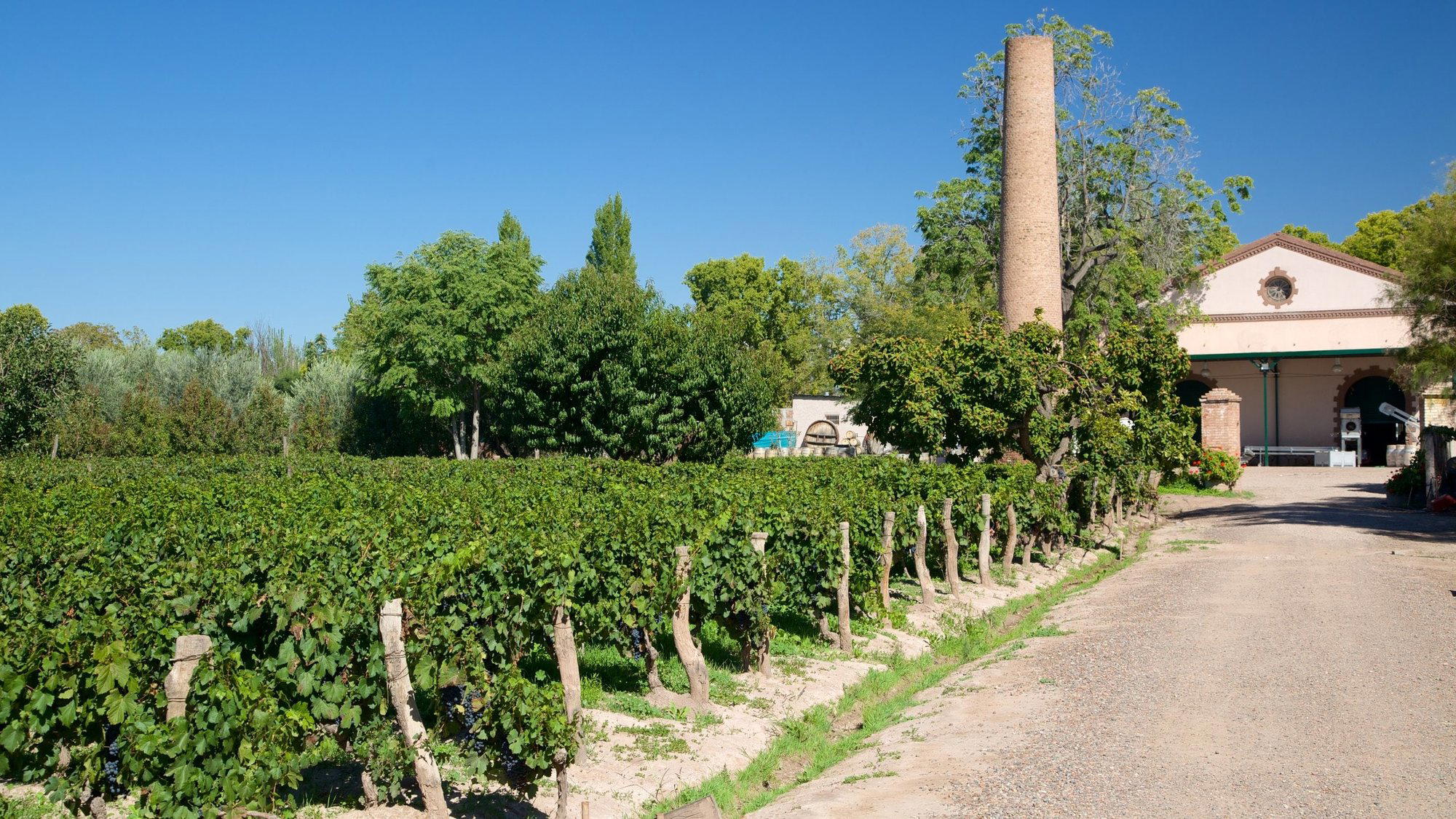
Bars in Luján de Cuyo
Browse all →

Restaurants in Luján de Cuyo
Browse all →
Details
- Rustic
- Intimate
- Scenic
- Elegant
- Wine Education
- Solo Exploration
- Special Occasion
- Vineyard Tour
- Estate Grounds
- Cave Tasting
- Sustainable
- Vineyard
- Garden
- Malbec
- Cabernet Sauvignon
- Nebbiolo
- Petit Verdot
- Albariño
- Cabernet Franc
- Merlot
- Still Red
- Still White
- Cave Tasting
- Spanish
- English
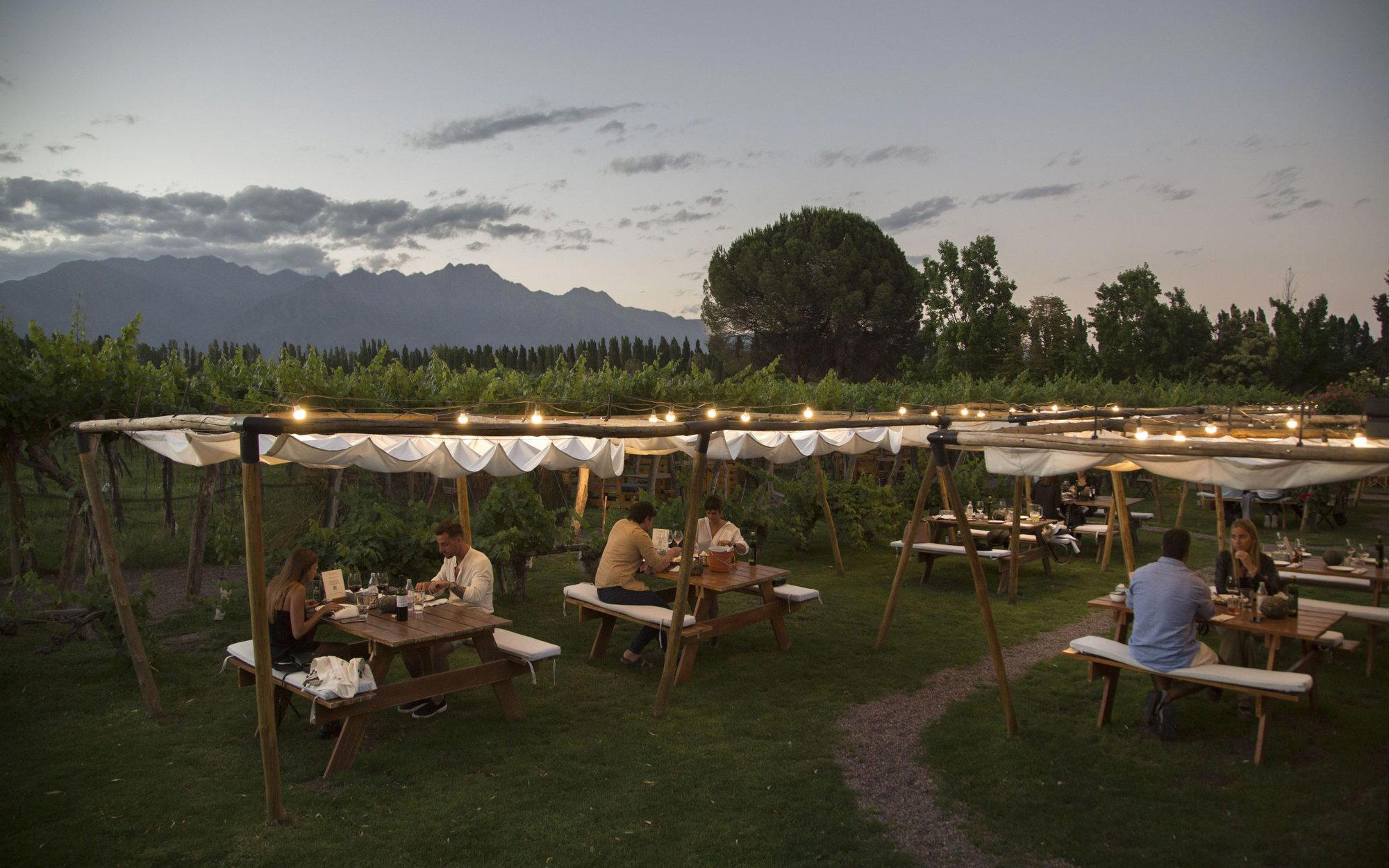
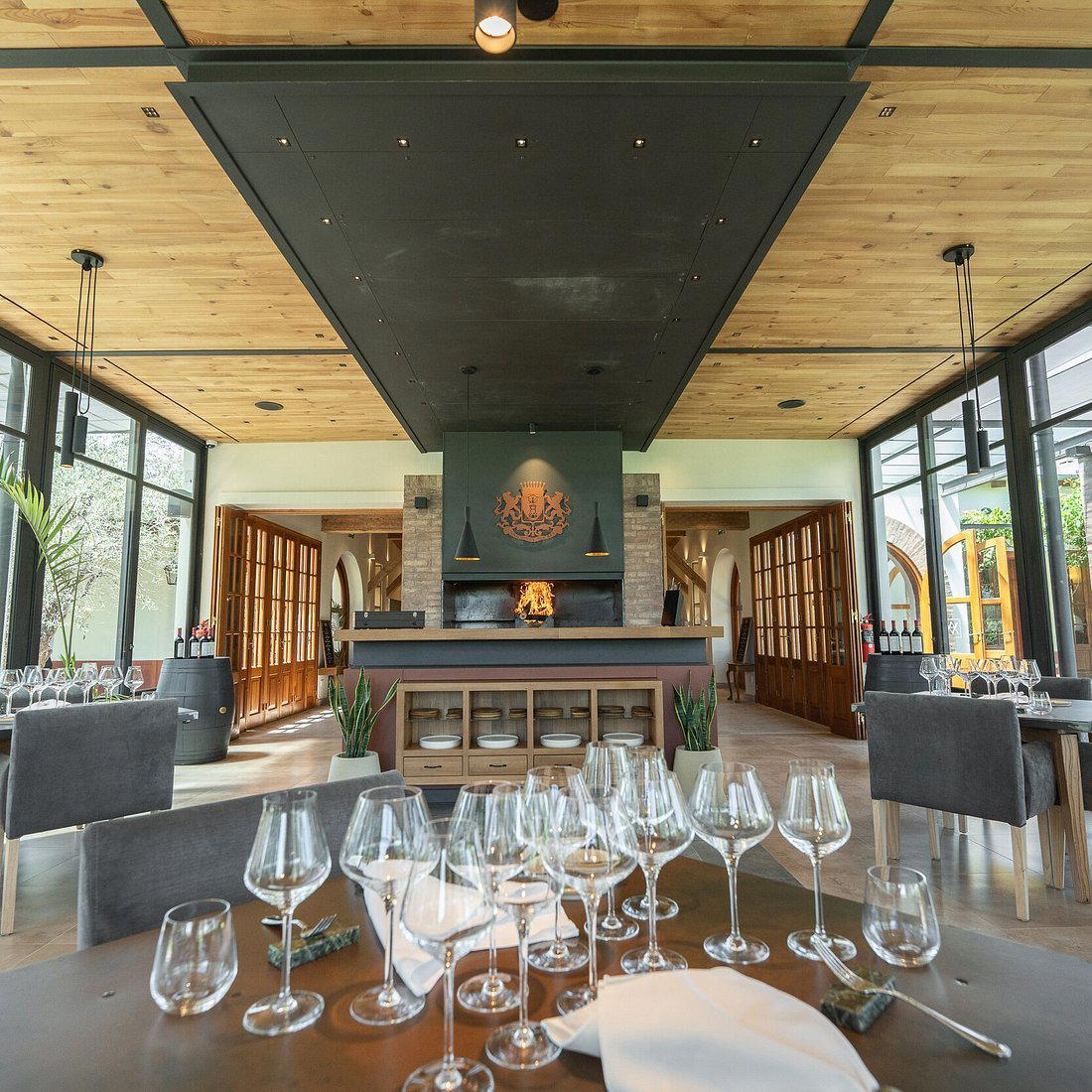
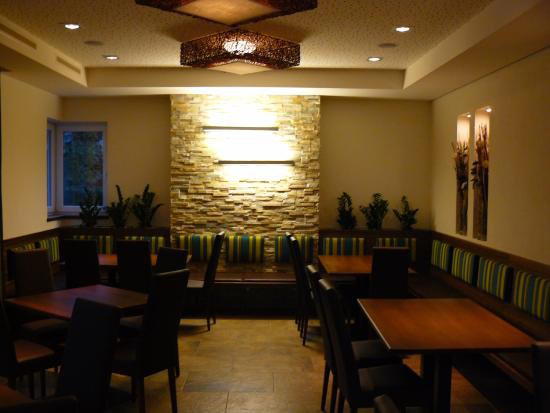
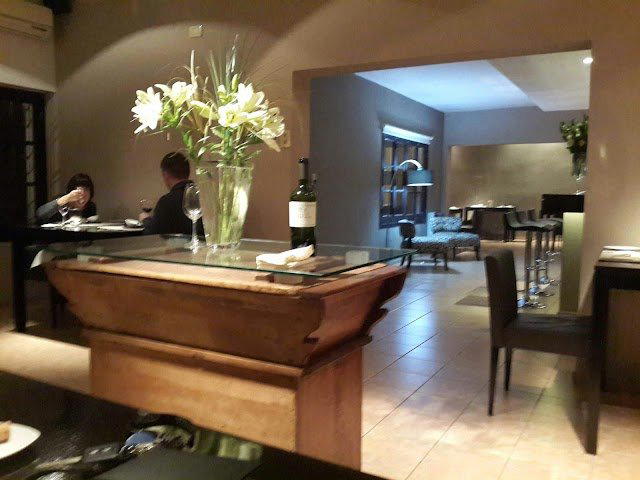
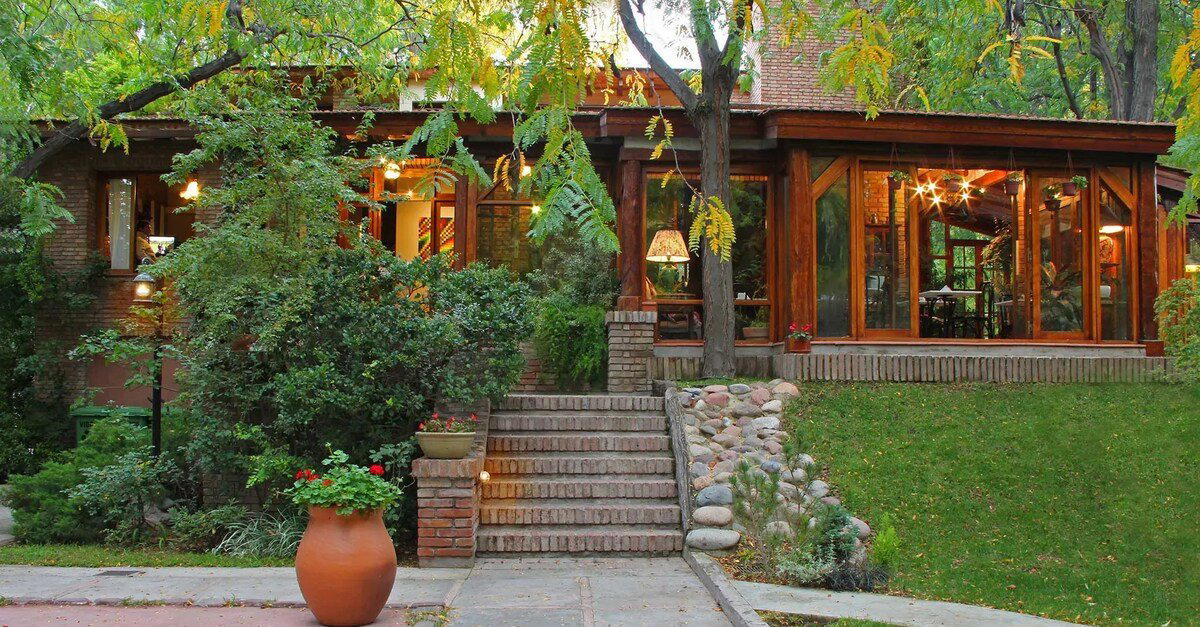
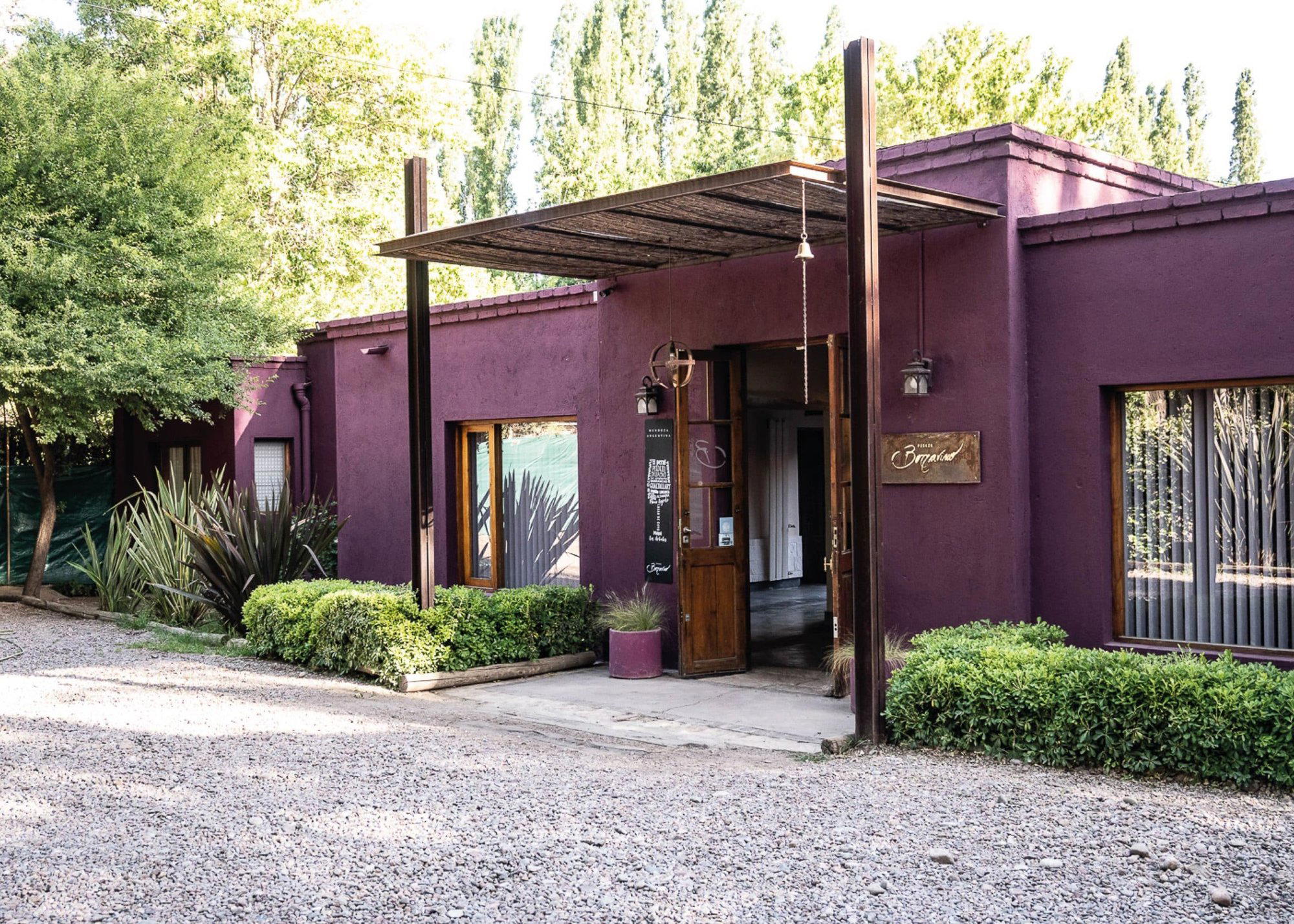
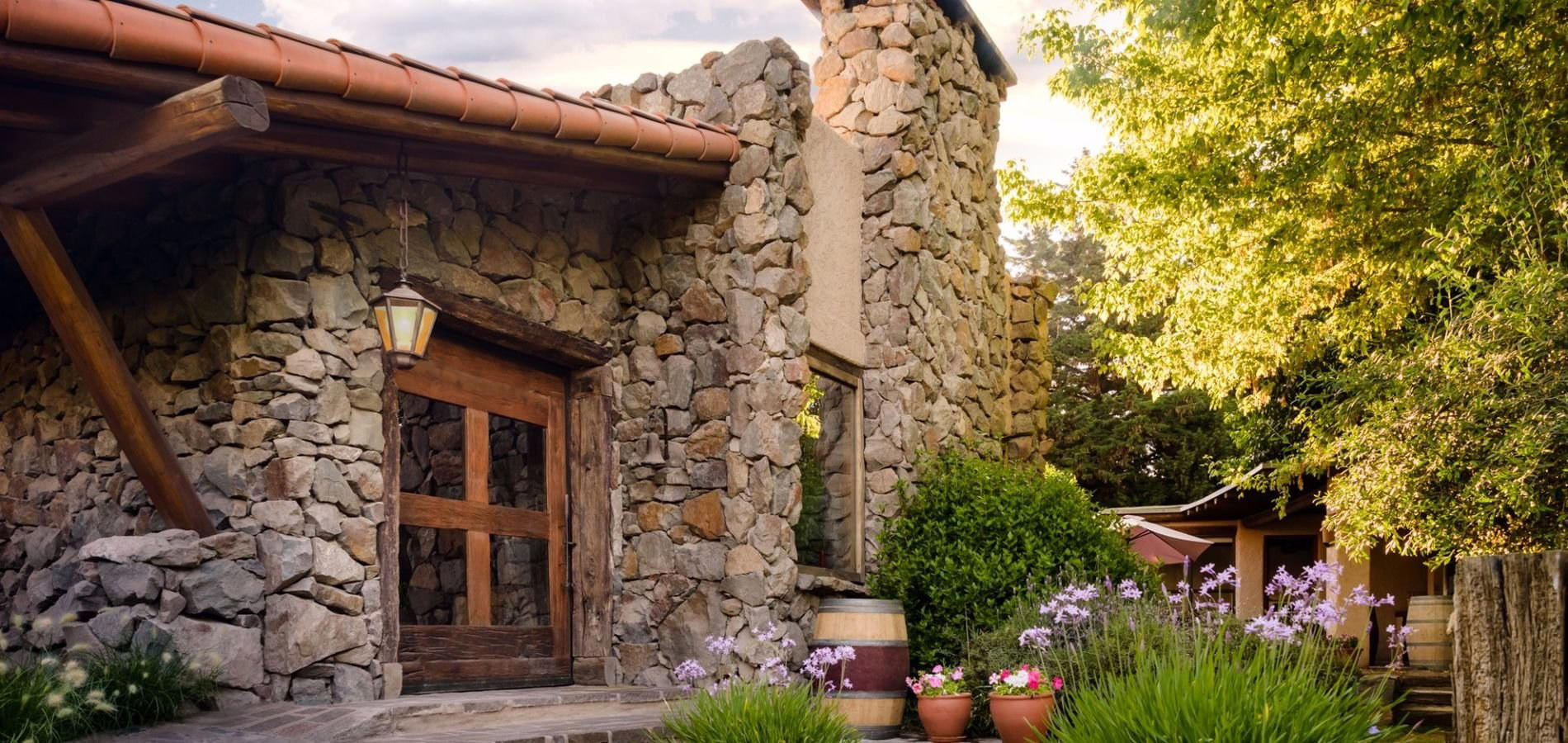
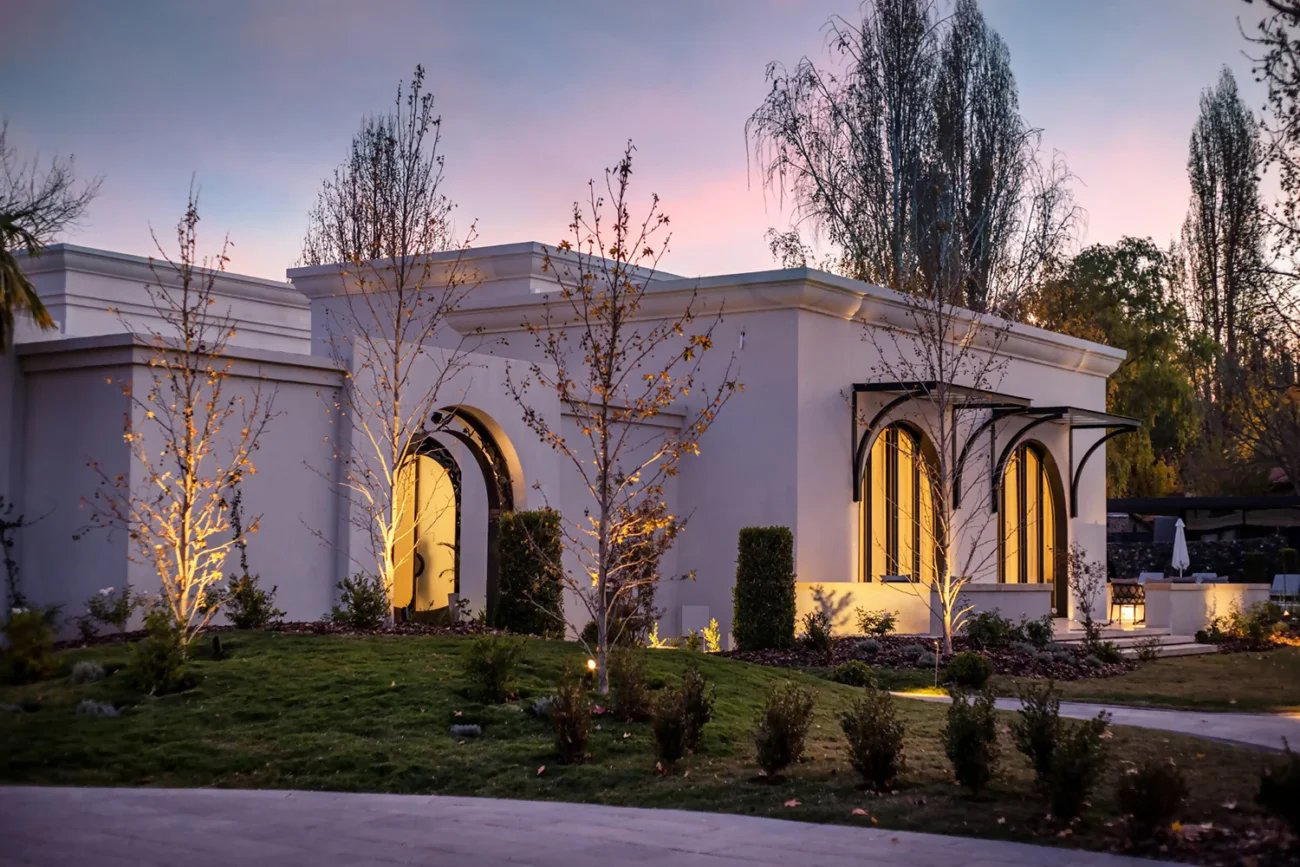
Sleek tasting room in a small boutique winery with warm welcome and cava tastings, surrounded by picturesque vineyards.