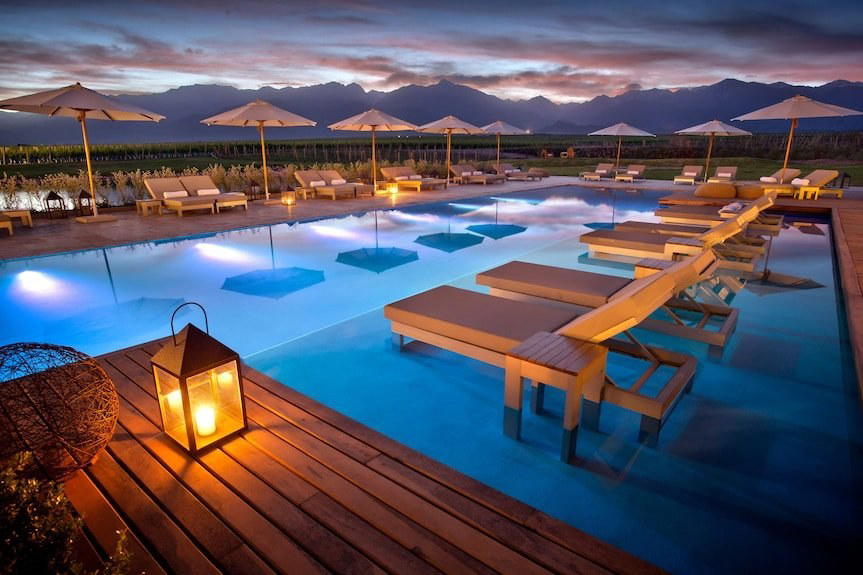
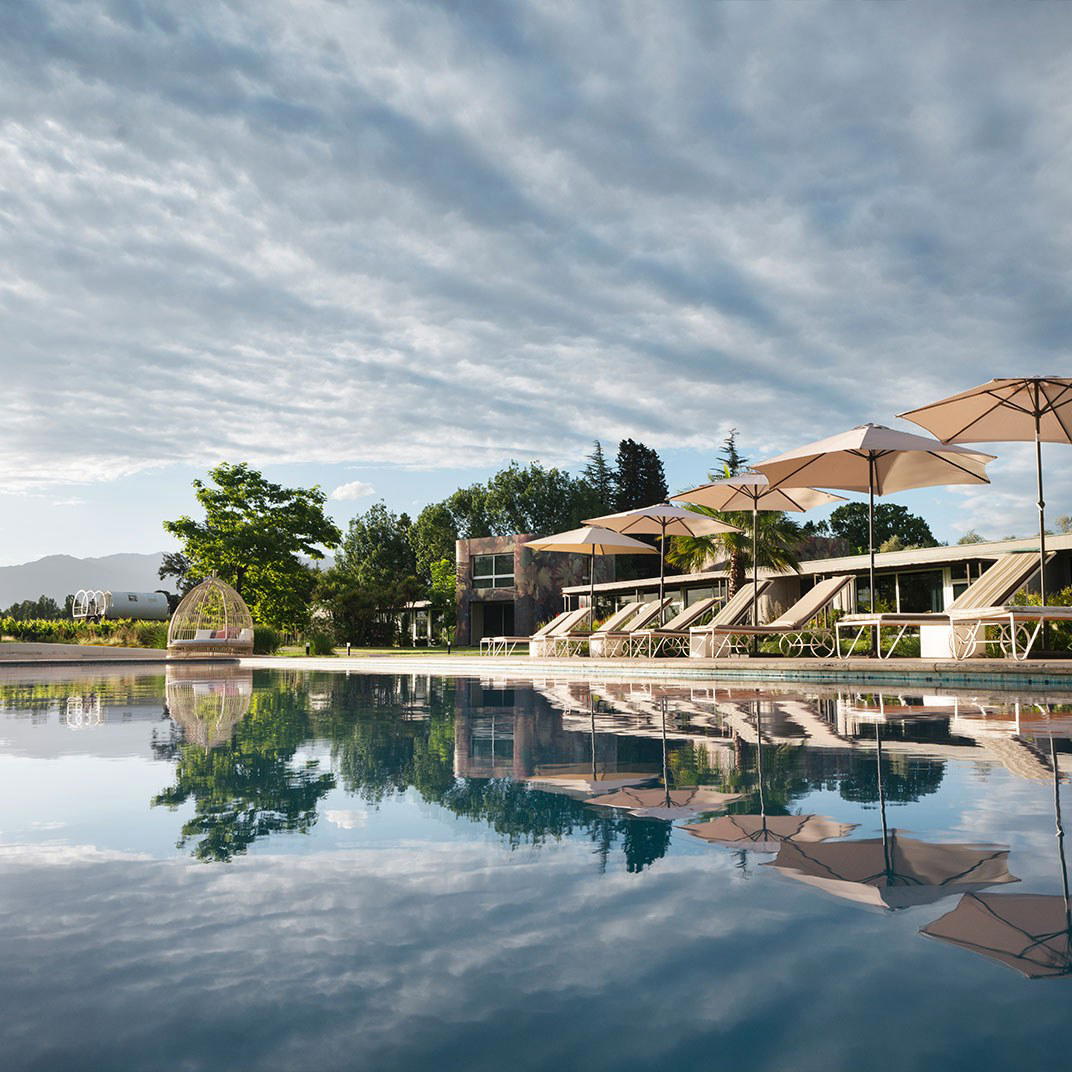
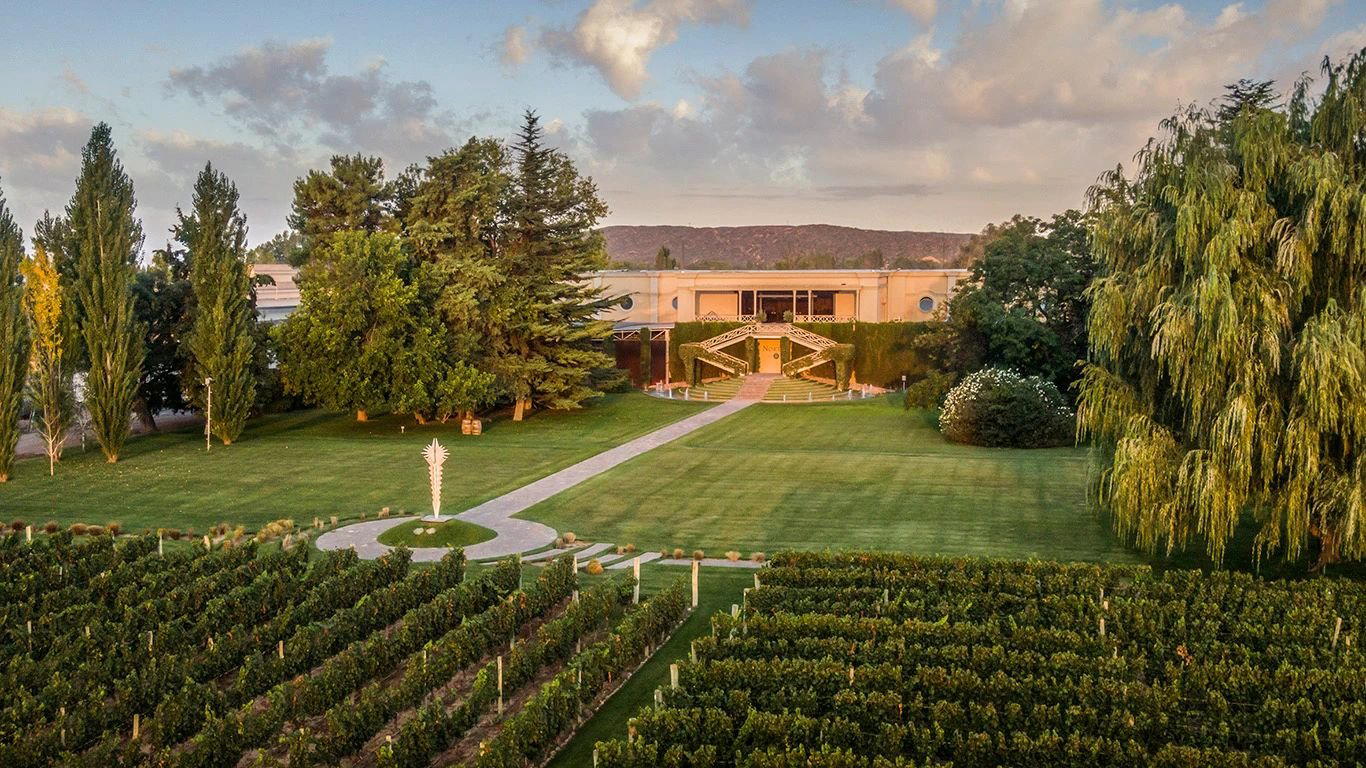
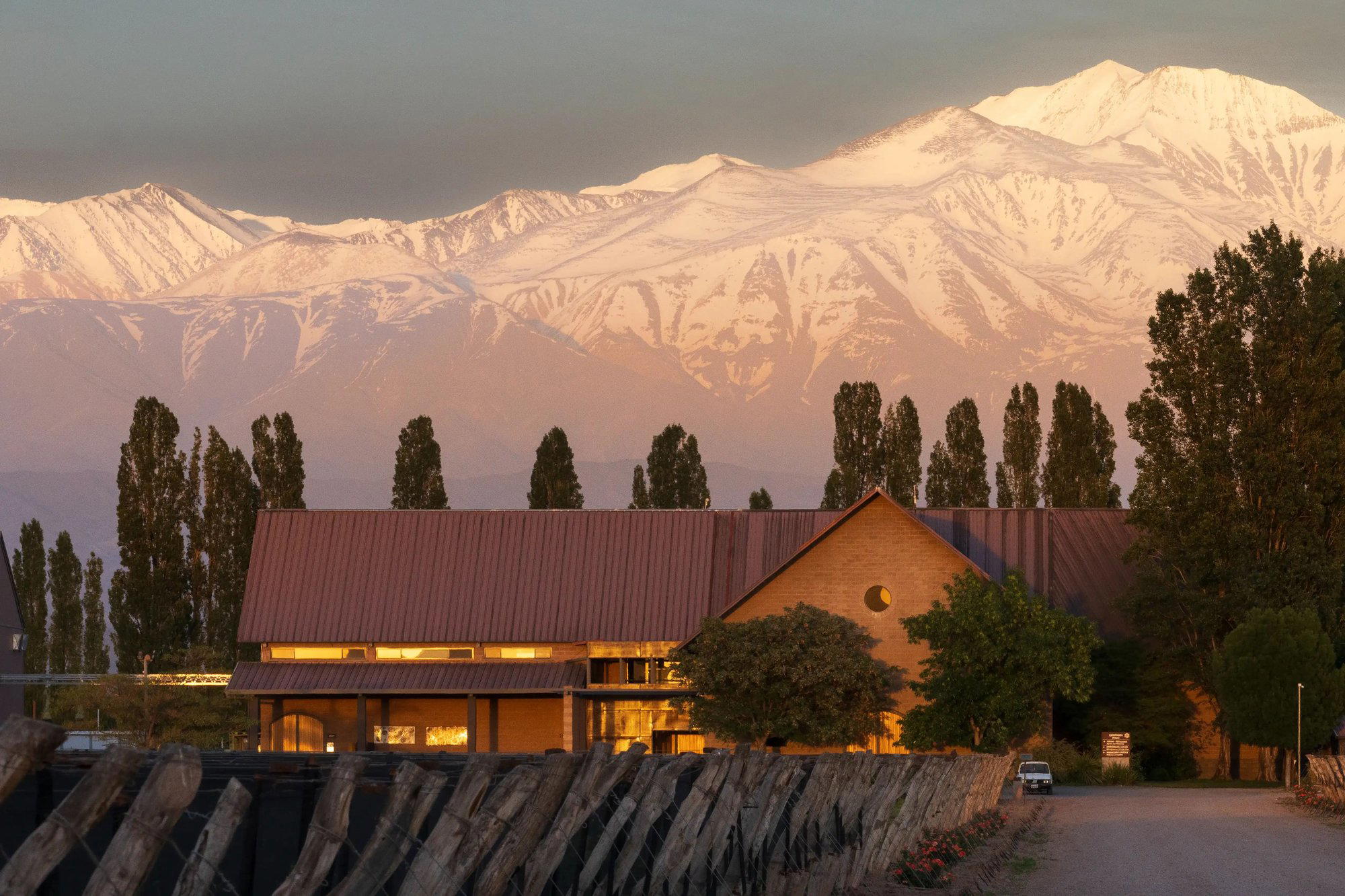
Set against the Andes foothills in Tupungato, one of Mendoza's cooler, less-trafficked wine valleys, Lodge Atamisque occupies a remote position that places it firmly in the landscape-immersion tier of Argentine luxury lodging. The property sits at altitude, with the Cordillera as constant backdrop, appealing to travellers who want the Mendoza wine experience without the bustle of the Luján de Cuyo circuit.
Pearl is the En Primeur Club membership app — saves, bookings, and concierge access live there. Same editors, same standards.
- Address
- Calle La Gloria 2054, San José Tupungato, Argentina
- Phone
- +54 9 261 699 1132
- Website
- fincaatamisque.com
- Directions
- Get directions
 Saves & bookings on Pearl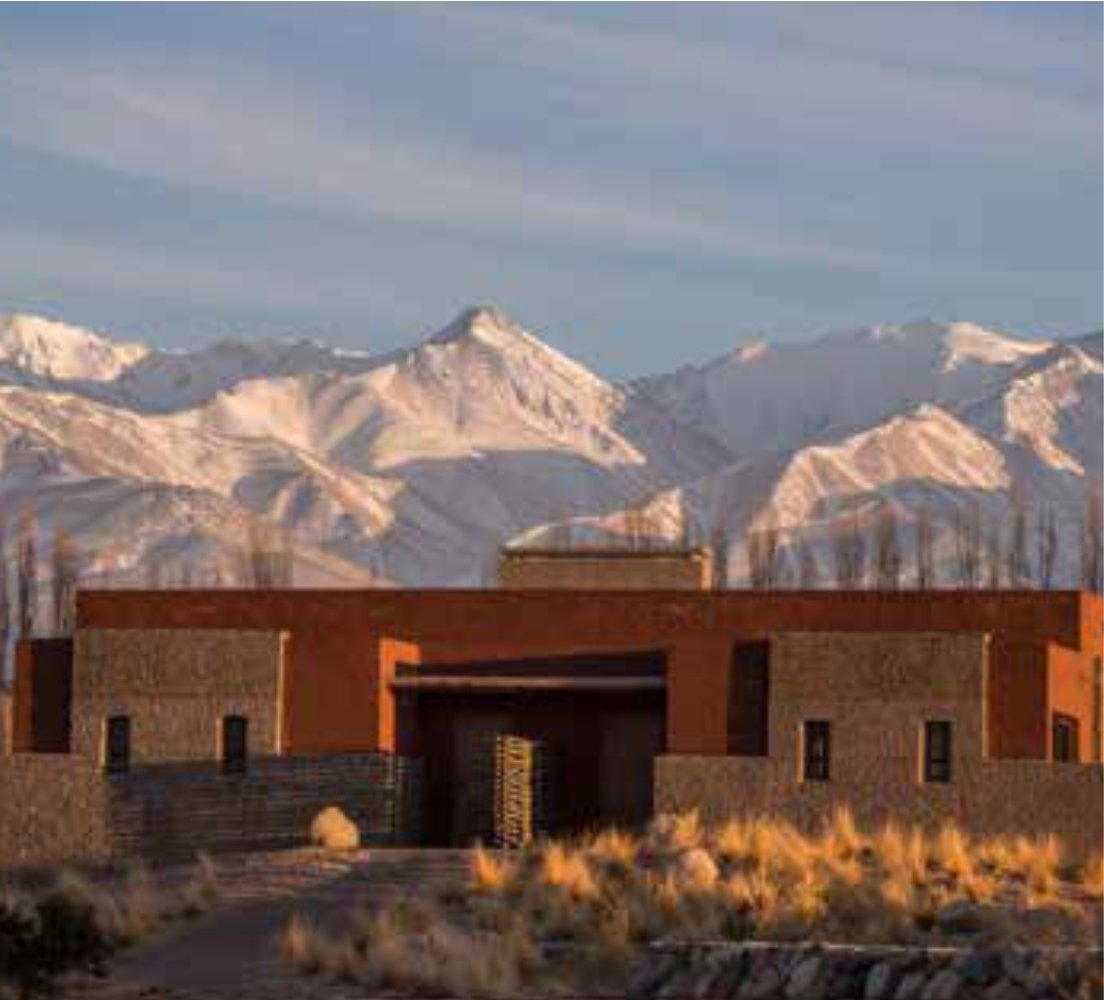
Where the Uco Valley Ends and the Mountains Begin
The road into Tupungato does not announce itself with billboards or hotel signage. The Uco Valley, Mendoza's cooler southern extension, has developed its premium lodging offer more quietly than the better-known Luján de Cuyo appellation to the north, and Lodge Atamisque sits at the far end of that quieter trajectory. Positioned on Calle La Gloria in San José Tupungato, the property places guests within reach of some of Argentina's highest-altitude vineyards, a growing zone that now commands serious international attention for Malbec and Chardonnay produced at elevations above 1,000 metres.
The choice to stay in Tupungato rather than closer to Mendoza city reflects a particular travel logic: you come here for the terrain, not for access to urban infrastructure. The Uco Valley's hospitality tier has gradually filled with properties that share this philosophy, from the vineyard-embedded model at Casa de Uco in Tunuyán to the quieter, design-conscious offer of Cavas Wine Lodge in Alto Agrelo. Lodge Atamisque occupies the Tupungato end of this corridor, where the foothills grow steeper and the thermal variation between day and night makes for a growing environment that winemakers increasingly seek out.
The Architecture of Remoteness
Argentine wine country lodging has split into two distinct design approaches. The first borrows the language of the grand European estate: stone facades, symmetrical gardens, a visual vocabulary imported from the Old World. The second takes its cues directly from the Andean landscape itself, using local materials and low horizontal profiles to make the surrounding terrain the primary spectacle rather than the building. Lodge Atamisque, by its name and Tupungato positioning, belongs to the latter tradition, where the architecture functions as a frame rather than a focal point.
This approach carries its own discipline. When a property deliberately subordinates itself to a landscape this dramatic, every design decision either reinforces or undermines the effect. The Andes at this latitude are not gentle backdrop; the Cordillera at Tupungato rises sharply enough to define the horizon at close range, and properties that try to compete visually with that scale tend to look strained. The more considered lodges in this zone keep sight lines open, use terraces and outdoor spaces strategically, and allow the quality of light, which changes fast and dramatically at altitude, to do the interior work that artificial design might otherwise attempt.
For comparison, Awasi Mendoza in Luján de Cuyo has demonstrated how this low-intervention design philosophy translates commercially in the Mendoza region, operating with limited keys and a tightly controlled guest-to-staff ratio that has become a marker of the upper tier. Chozos Resort by AKEN Spirit in Agrelo represents a different interpretation from the same regional moment. Lodge Atamisque's address in Tupungato places it in a part of the valley where that design conversation has fewer participants, which concentrates the proposition considerably.
The Tupungato Wine Argument
Staying in Tupungato is, in part, a statement about where you think particularly interesting Mendoza wine is being made. The Uco Valley broadly, and Tupungato specifically, has attracted attention from serious producers who cite the cooling effect of altitude and the rocky, well-drained soils of the Andean piedmont as key differentiators from the flatter, warmer zones closer to Mendoza city. Visiting the region from a base like Lodge Atamisque means proximity to this source, rather than an hour's drive south from the city.
For a broader picture of how Mendoza's wine lodging tier has developed, the contrast with Algodon Wine Estates in San Rafael, further south in a different appellation entirely, is instructive. San Rafael produces under different climatic conditions, and properties there draw a guest profile that often prioritises estate size and sport activities alongside wine. Tupungato's offer is narrower and more altitude-defined. Argentina's broader wine country hospitality, from the northwestern vineyards near Colomé Winery in Molinos to the Patagonian south, demonstrates how the country's lodging has learned to build around terroir identity rather than generic luxury signifiers.
Placing This Within Argentina's Wider Lodge Spectrum
Argentina's premium lodge category spans an unusual geographic range. The estancia tradition, still alive at properties like Estancia El Ombú de Areco in San Antonio de Areco, Estancia La Bandada in San Miguel del Monte, and Estancia Los Potreros in Río Ceballos, offers a fundamentally different experience to wine-country lodging: the pampas, horsemanship, and the rhythm of agricultural life rather than viticulture and mountain terrain.
Further south, the Patagonian lodge circuit at Charming Luxury Lodge in Bariloche, Correntoso Lake and River Hotel in Villa La Angostura, Explora El Chaltén, and Estancia Cristina in El Calafate draws from glacier and lake scenery rather than vineyard altitude. At the far southern end, Arakur Ushuaia Resort and Spa operates in a climate category of its own. Lodge Atamisque's Tupungato placement sits within the Andean-altitude wine lodge tier, a smaller comparable set than the estancia circuit or the Patagonian adventure category, but one with a specific and loyal following. Awasi Iguazu in Puerto Iguazu and House of Jasmines in La Merced Chica extend this picture of how Argentina's premium lodging has carved out distinct regional niches, each answering a different version of the country's natural offer.
Planning a Stay
Tupungato sits roughly 80 kilometres south of Mendoza city, reachable by road in under two hours from Mendoza's Governor Francisco Gabrielli International Airport. The Uco Valley harvest season runs from late February through April, when daytime temperatures are warm and vineyard activity is at its most visually dramatic. Winter months, June through August, bring cold nights and snow on the higher peaks, which sharpens the mountain backdrop considerably for those less focused on winery visits. For broader context on what Tupungato's dining and lodging offer looks like relative to the wider city, Tupungato's current food and wine scene adds useful context for a stay here. Guests travelling through Buenos Aires before or after the Mendoza leg might consider the contrast of Home Hotel in Buenos Aires or La Urumpta Hotel, AKEN Mind in Córdoba for a design-led urban counterpart to the valley lodge experience.
In Context: Similar Options
Comparable venues nearby, for context on price, style, and recognition.
| Venue | Cuisine | Price | Awards | Notes |
|---|---|---|---|---|
| Lodge AtamisqueThis venue — the venue you are viewing | Contemporary luxury winery lodge with industrial-chic design elements integrated into a rural wine estate setting. | $$$$ | 5-Star | Not listed |
| Awasi Mendoza | Spanish colonial adobe villas set in vineyards | $$$$ | 5-Star | Luján de Cuyo |
| Awasi Mendoza | Spanish colonial luxury wine lodge | $$$$ | 5-Star | Lujan De Cuyo |
| Susana Balbo Winemaker's House & Spa Suites | Winemaker's private estate turned luxury spa retreat | $$$$ | 5-Star | Chacras de Coria |
| Hotel & Spa Termas Cacheuta | rustic mountain resort | $$$ | 4-Star | Cacheuta |
| SLS Buenos Aires Puerto Madero | Luxury contemporary design hotel blending Buenos Aires cultural energy with international sophistication, featuring residential towers and curated art collection. | $$$$ | 5-Star | Puerto Madero |
Continue exploring
More in Tupungato
Hotels in Tupungato
Browse all →
Bars in Tupungato
Browse all →
Restaurants in Tupungato
Browse all →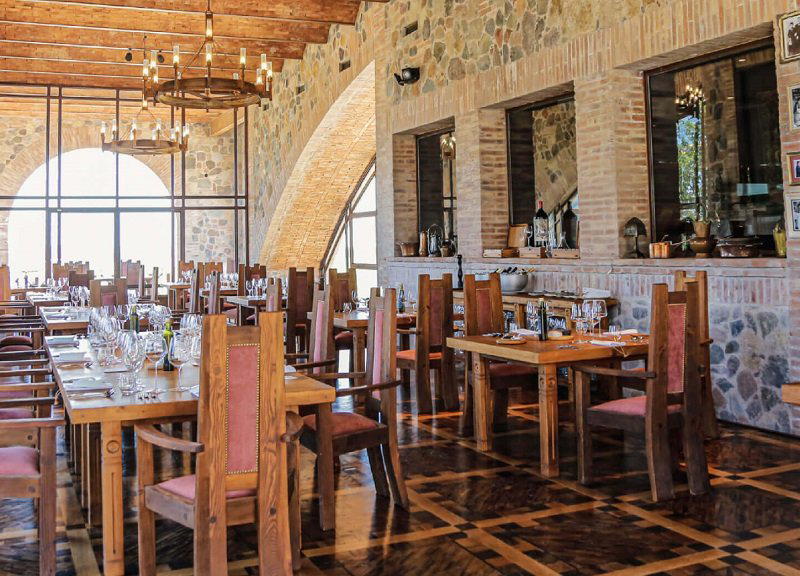
At a Glance
- Romantic
- Quiet
- Scenic
- Rustic
- Elegant
- Sophisticated
- Romantic Getaway
- Honeymoon
- Anniversary
- Wellness Retreat
- Weekend Escape
- Private Villa
- Golf Course
- Garden
- Terrace
- Panoramic View
- Private Dining
- Destination Spa
- Wi Fi
- Restaurant
- Bar
- Room Service
- Parking
- Golf Course
- Mountain
- Vineyard
- Garden
- Wi Fi
- Restaurant
- Bar
- Room Service
- Parking
- Golf Course
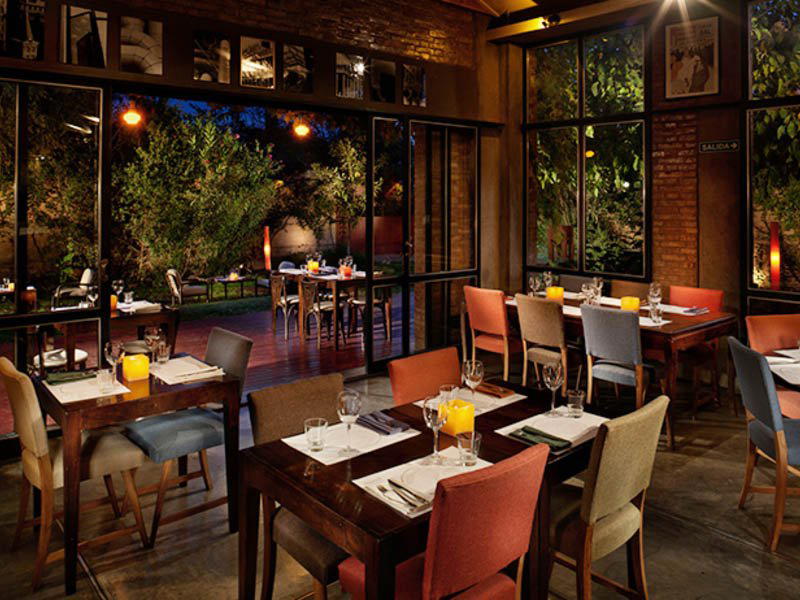
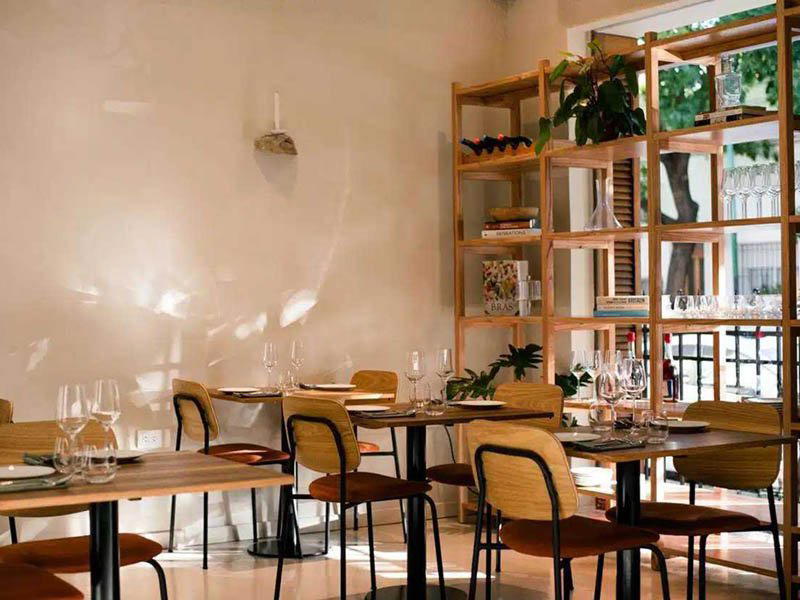
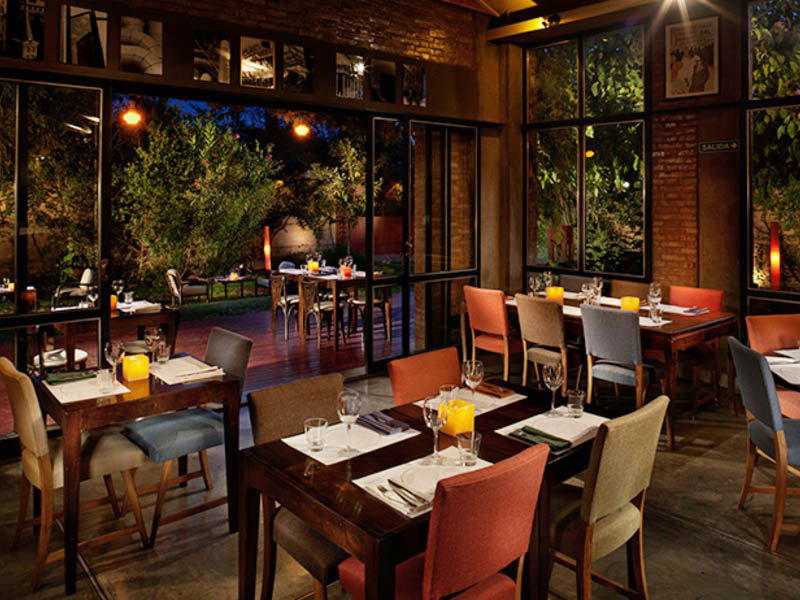
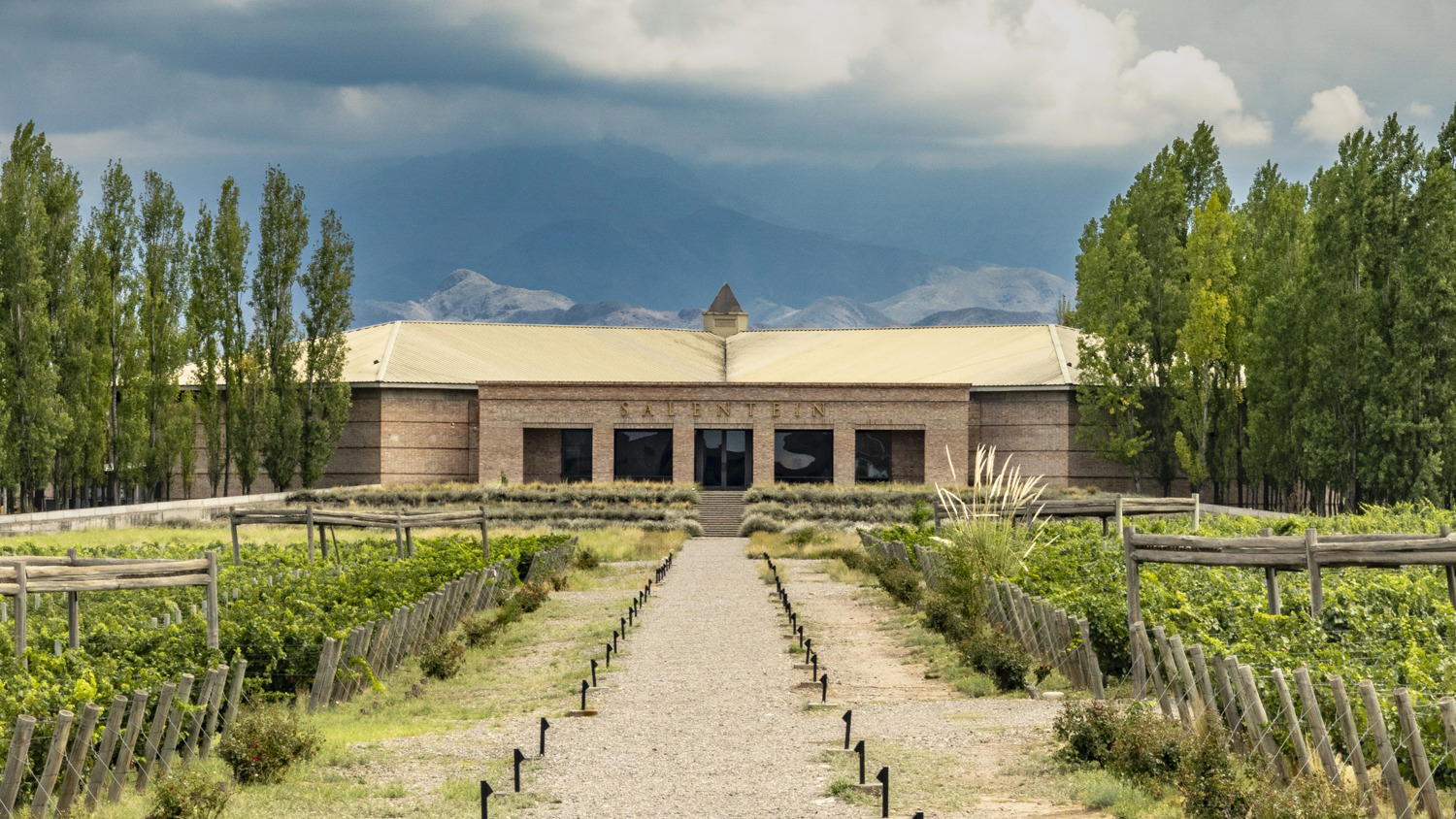
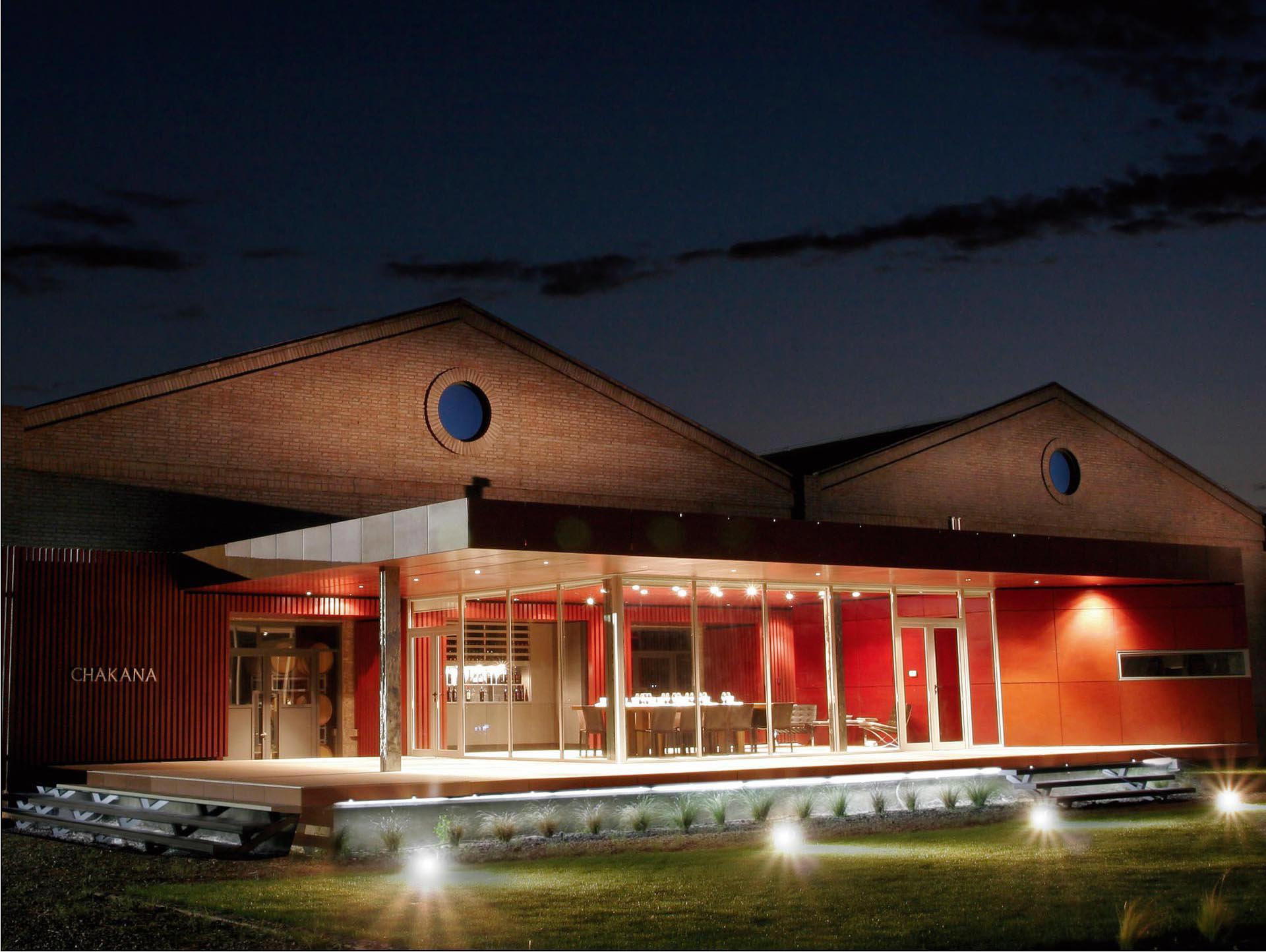
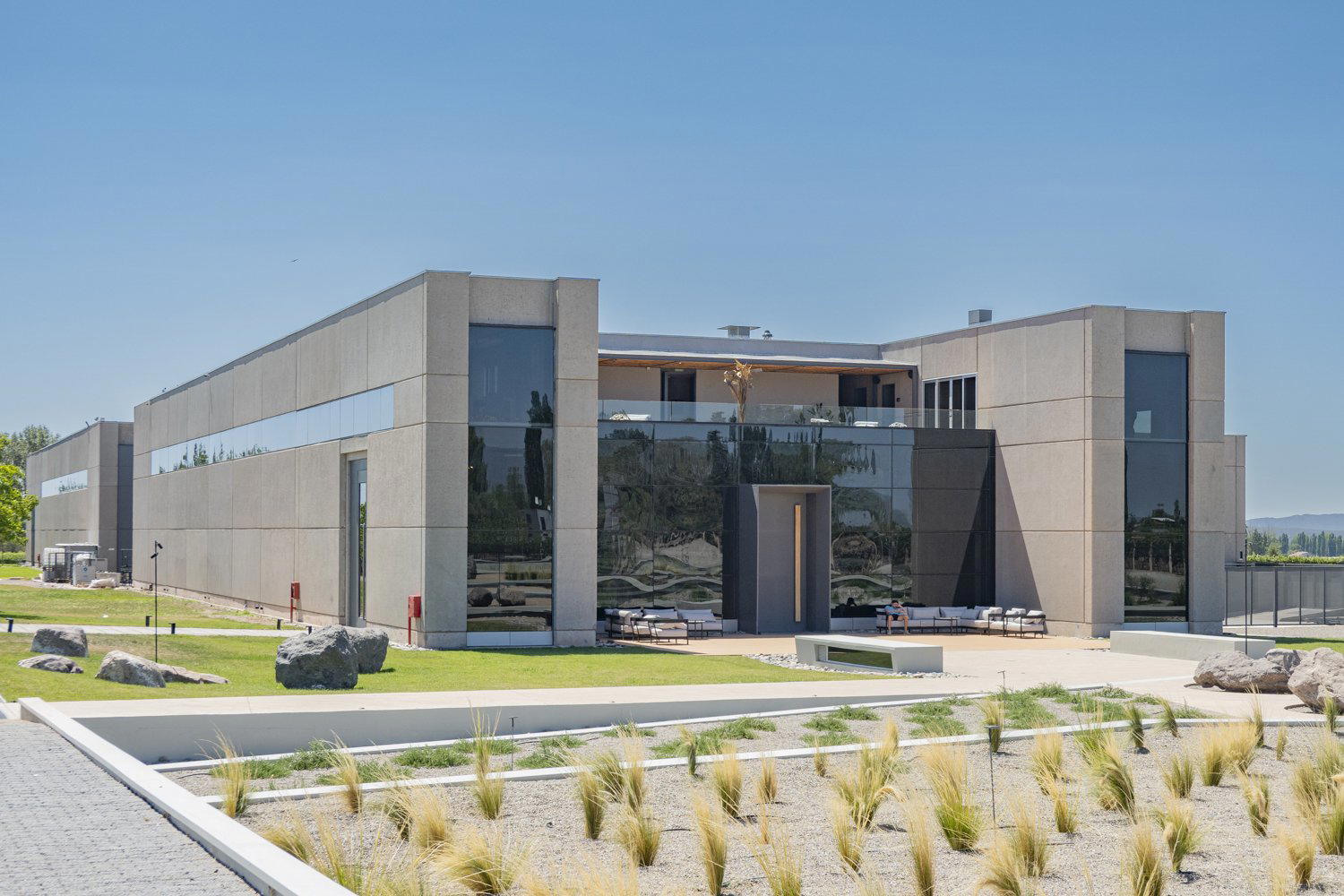
Contemporary industrial interiors with exposed stone and wood complemented by period furniture and expansive windows; peaceful rural setting with clear starlit nights and vineyard vistas; intimate and tranquil atmosphere.