Bodega Benegas

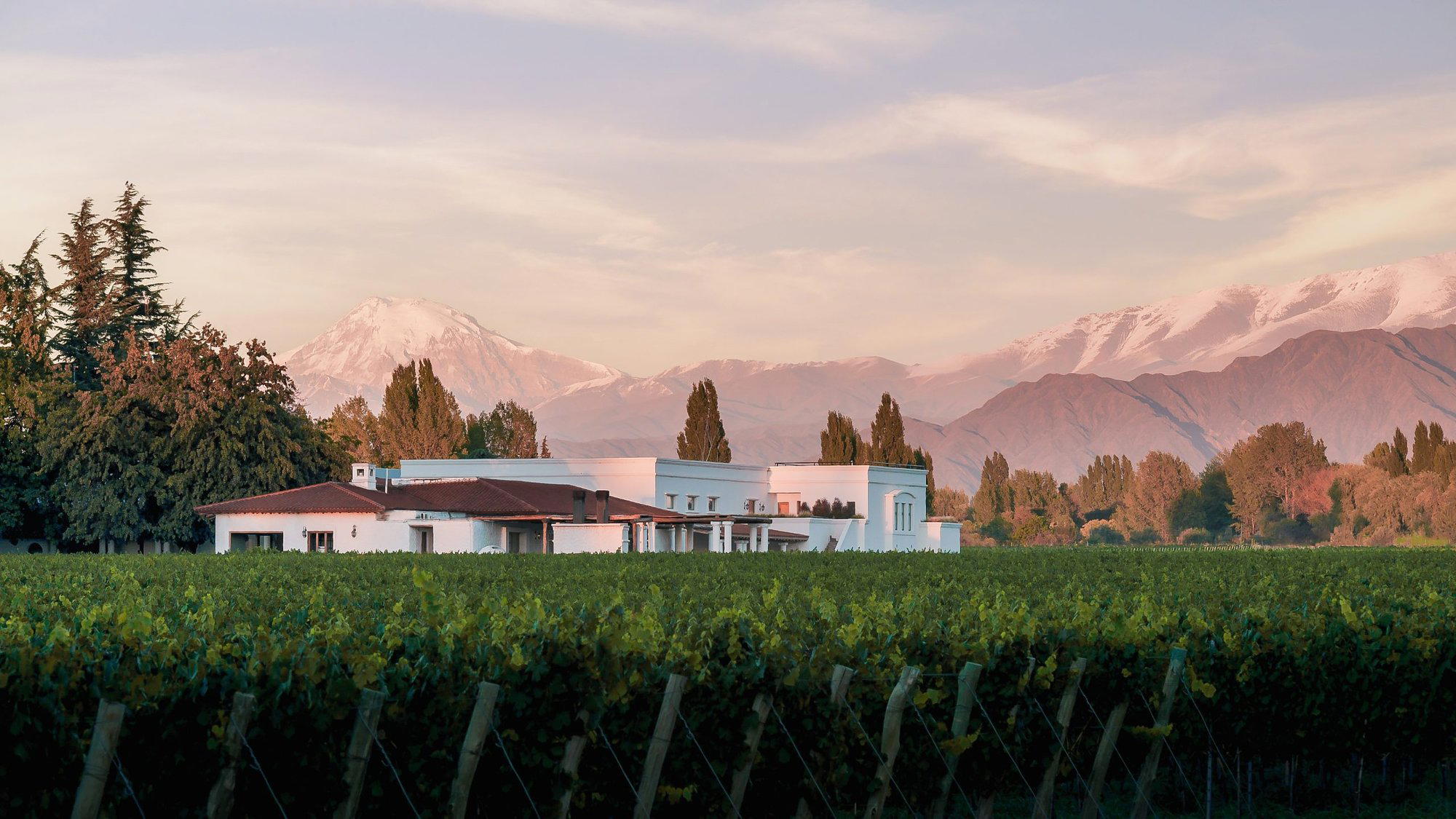
Bodega Benegas is a Luján de Cuyo winery. Located at Aráoz 1600 in Luján de Cuyo, the estate operates within one of Argentina's most concentrated appellations for high-altitude Cabernet and Malbec blends, where family lineage and vineyard age carry as much weight as winemaking technique.
Pearl is the En Primeur Club membership app — saves, bookings, and concierge access live there. Same editors, same standards.
- Address
- Aráoz 1600, M5507 Luján de Cuyo, Mendoza
- Phone
- +54 9 261 608-3470
- Website
- benegaswinery.com
- Directions
- Get directions
 Saves & bookings on Pearl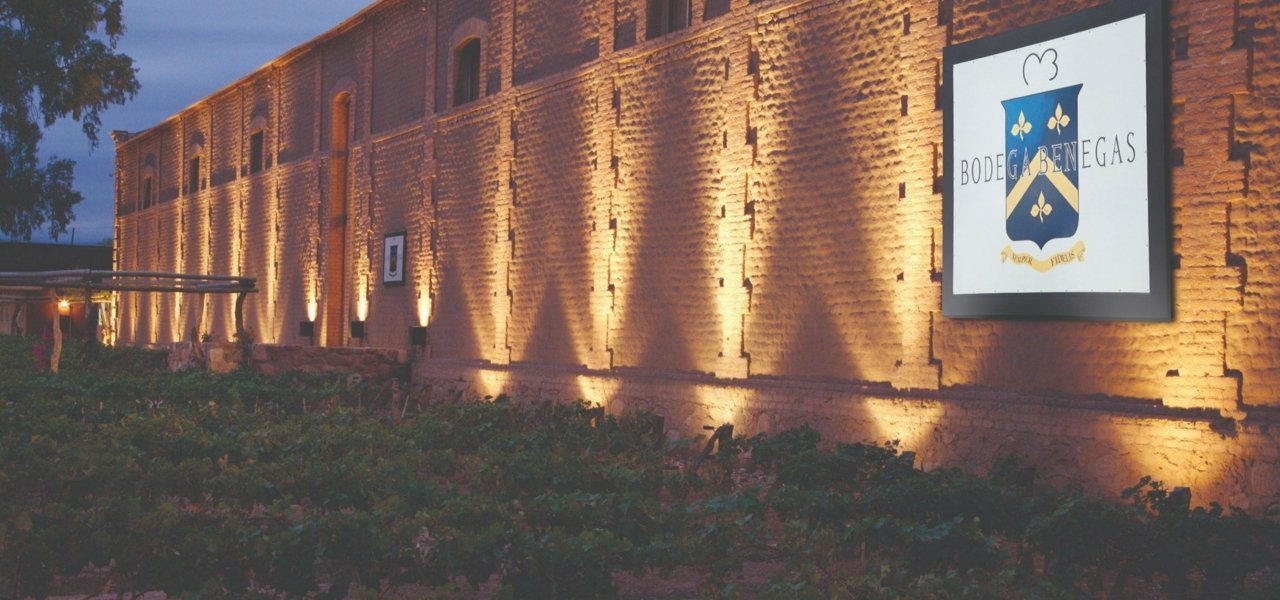
Where Luján de Cuyo's Winemaking Lineage Runs Deepest
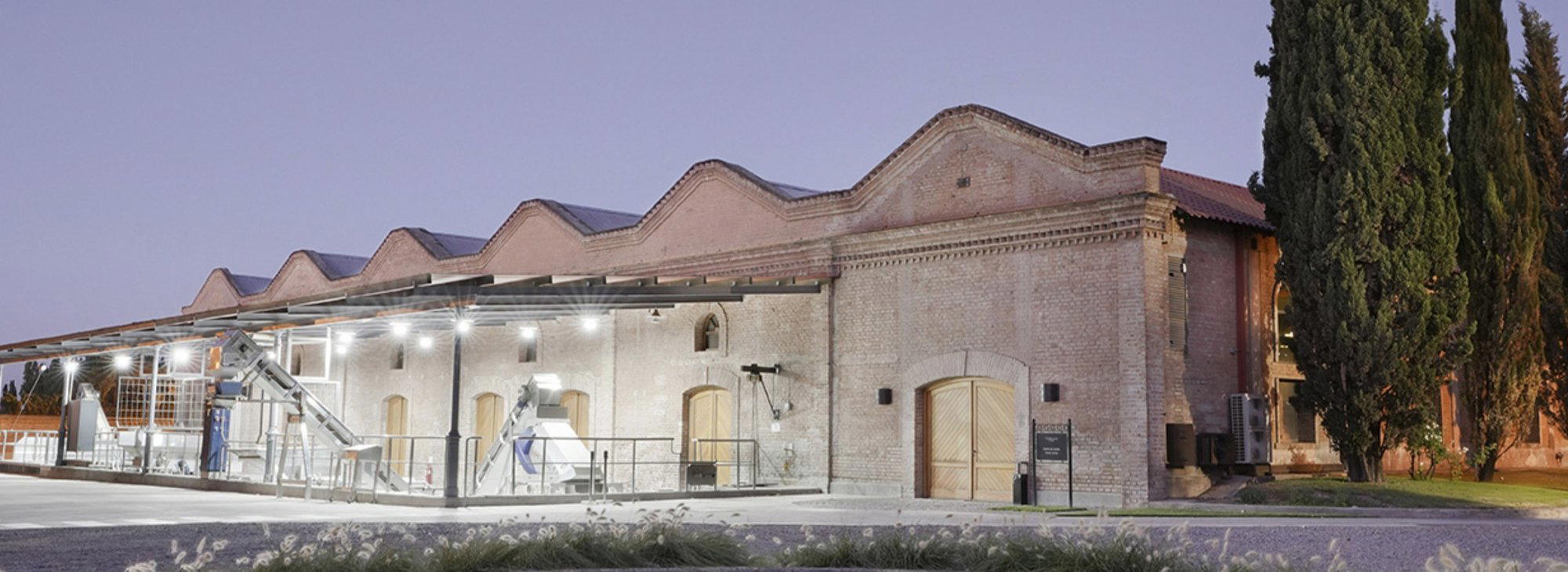
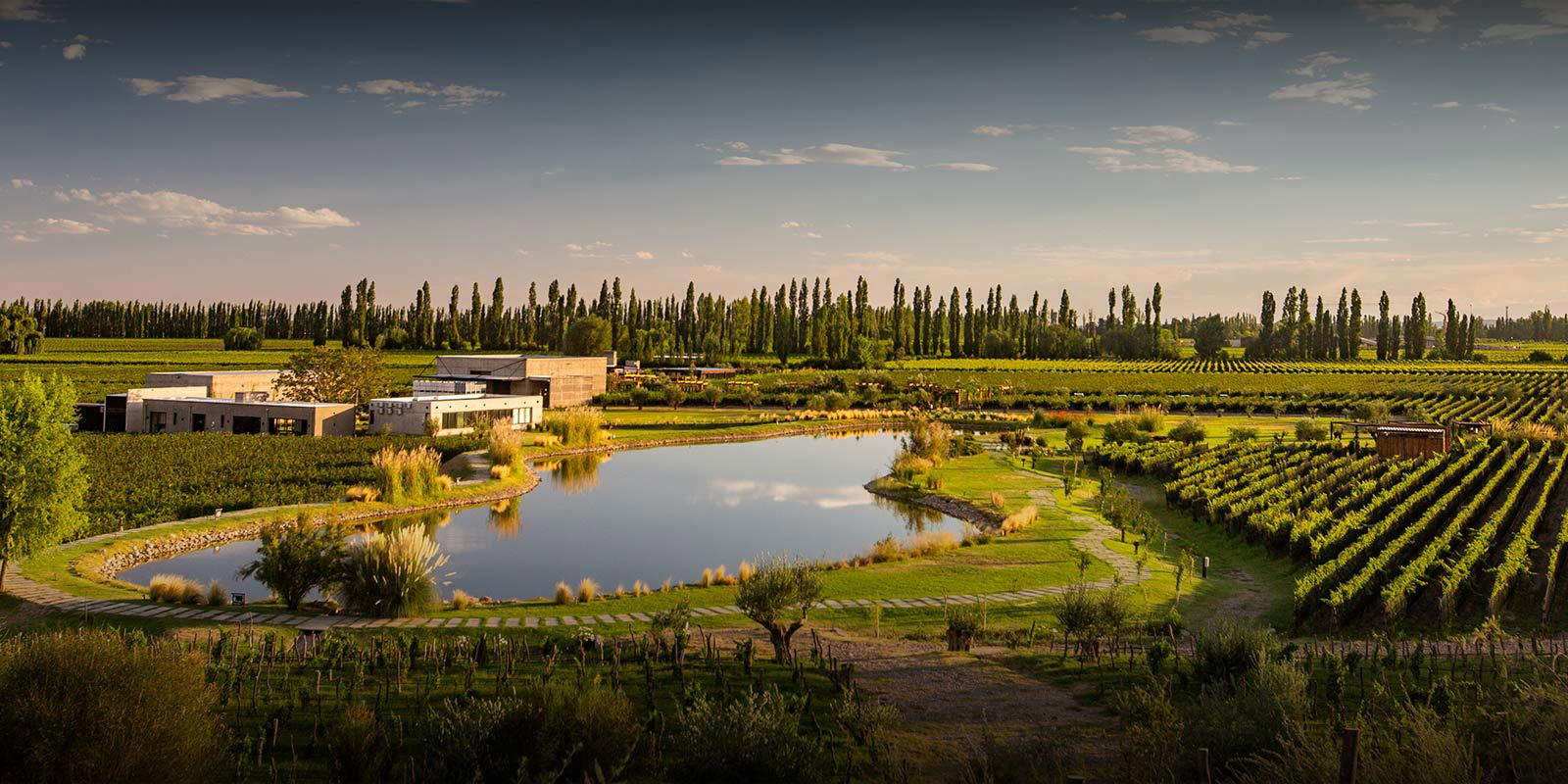
The road through Luján de Cuyo's older vineyard blocks tells a story that newer Mendoza appellations cannot yet replicate. This is the zone where Argentina's first formally demarcated wine district took shape, where alluvial soils deposited by Andean meltwater meet dry desert air, and where estates like Bodega Benegas have had enough decades to accumulate the kind of rootstock age that changes what ends up in the bottle. Arriving at Aráoz 1600, you are entering a part of the appellation where the vines predate the recognition that now accompanies the region's wines. That context is not incidental; it is the foundation on which the property's current reputation rests.
In a department where Cheval des Andes and Bodega Lagarde anchor the prestige segment, reaching a two-star rating signals that the wines are being evaluated against a demanding comparable set, not against the regional average.
A Winemaking Philosophy Shaped by the Appellation's Logic
Luján de Cuyo's identity as a wine district has always been built around a specific argument: that altitude, old vine material, and the particular mineral character of its soils can produce Malbec and Cabernet Sauvignon with more structural complexity than lower-elevation Mendoza zones. Producers in this part of the appellation tend to work with that argument rather than against it, which means extended hang time, restrained extraction, and a preference for wines that age rather than wines that perform immediately on release.
Bodega Benegas sits within that tradition. The family name itself carries weight in Mendoza's longer history, connected to an era when the region's winemaking ambitions were shaped by European settler families who brought both capital and technical knowledge. That lineage does not automatically translate into quality, but it does mean the estate approaches its vineyard material with a longer memory than most recent entrants to the premium segment. For context, compare the position of Bodega Benegas to newer, internationally funded projects like Bodega DiamAndes in Tunuyán, which brings Bordeaux capital and technique to a different sub-appellation. Both are valid models; they simply represent different answers to the question of what Mendoza fine wine should look like.
The winemaking approach in this part of Luján de Cuyo typically prioritises vine age and site specificity over stylistic novelty. Where producers like Chakana Winery have oriented their identity around biodynamic certification and organic practice, and where Durigutti Winemakers have built their reputation on artisanal micro-parcel production, the winery operates from a position of family continuity and estate-driven identity. These are not competing philosophies so much as different routes to the same destination: wines that express something specific about where they come from.
Positioning Within Mendoza's Premium Tier
Argentina's fine wine market has stratified considerably over the past decade. At the apex sit a handful of allocation-only labels and internationally distributed icons. Below that, a growing number of prestige producers compete for the attention of a global audience that now approaches Argentine wine with more sophistication than the early Malbec boom years encouraged.
That positioning is significant because it defines the audience. These are not entry-level wines for the casual consumer, nor are they collector trophies that sit unopened for decades. They occupy the space where serious drinkers and hospitality buyers look for depth and regional character at a price point that still allows regular consumption. In Luján de Cuyo, this cohort also includes Bodega Norton, whose larger production scale gives it a different commercial profile but whose premium single-vineyard lines compete on similar terms. Understanding that competitive set helps calibrate expectations before a first visit or a first purchase.
For visitors with broader itineraries, this part of Mendoza sits in productive dialogue with the wider Argentine wine map. The high-altitude drama of Bodega Colomé in Molinos represents one extreme of what elevation does to Argentine wine. At the other end, the Calchaquí Valley work of Bodega El Esteco in Cafayate offers a regional contrast that sharpens understanding of why Luján de Cuyo's alluvial terroir produces the structural weight it does. Further south, Familia Schroeder in San Patricio del Chañar shows how Patagonian latitudes push Argentine viticulture in yet another direction. Rutini Wines in Tupungato and Escorihuela Gascón in Godoy Cruz complete a picture of how diverse Mendoza's premium production has become. The winery's Luján de Cuyo address anchors it firmly in the historical and geographical core of that story.
Planning a Visit
Luján de Cuyo sits roughly 15 kilometres south of Mendoza city, accessible by remis (private car hire) or by organised wine tour. The harvest season from late February through April draws the largest visitor numbers and offers active winery atmosphere; the shoulder months of October through December carry better weather for vineyard walks without the crowds. Contacting the estate directly via Aráoz 1600 is one reliable approach. The wider Luján de Cuyo wine district rewards at least two full days of exploration, particularly when combined with visits to nearby producers.
A Pricing-First Comparison
Comparable venues nearby, for context on price, style, and recognition.
| Venue | Cuisine | Price | Notes |
|---|---|---|---|
| Bodega BenegasThis venue — the venue you are viewing | Luján de Cuyo, Malbec, Cabernet Franc | $$$ | Not listed |
| Bodega Casarena | Not listed | $$$ | Perdriel, Luján de Cuyo, Malbec, Cabernet Sauvignon |
| Viña Alicia | Not listed | $$$ | Luján de Cuyo, Malbec, Cabernet Sauvignon |
| Bodega Mendel | Not listed | $$$ | Luján de Cuyo, Malbec, Cabernet Sauvignon |
| Bodega Alta Vista | Not listed | $$$ | Chacras de Coria, Malbec, Cabernet Sauvignon |
| Bodega Norton | Perdriel, Malbec, Cabernet Sauvignon | $$$ | Not listed |
Recognition history
Dated appearances from independent guides and award organizations, with the underlying list record or original source where available.
Falstaff Winery - Listed
Falstaff
Continue exploring
More in Luján de Cuyo
Wineries in Luján de Cuyo
Browse all →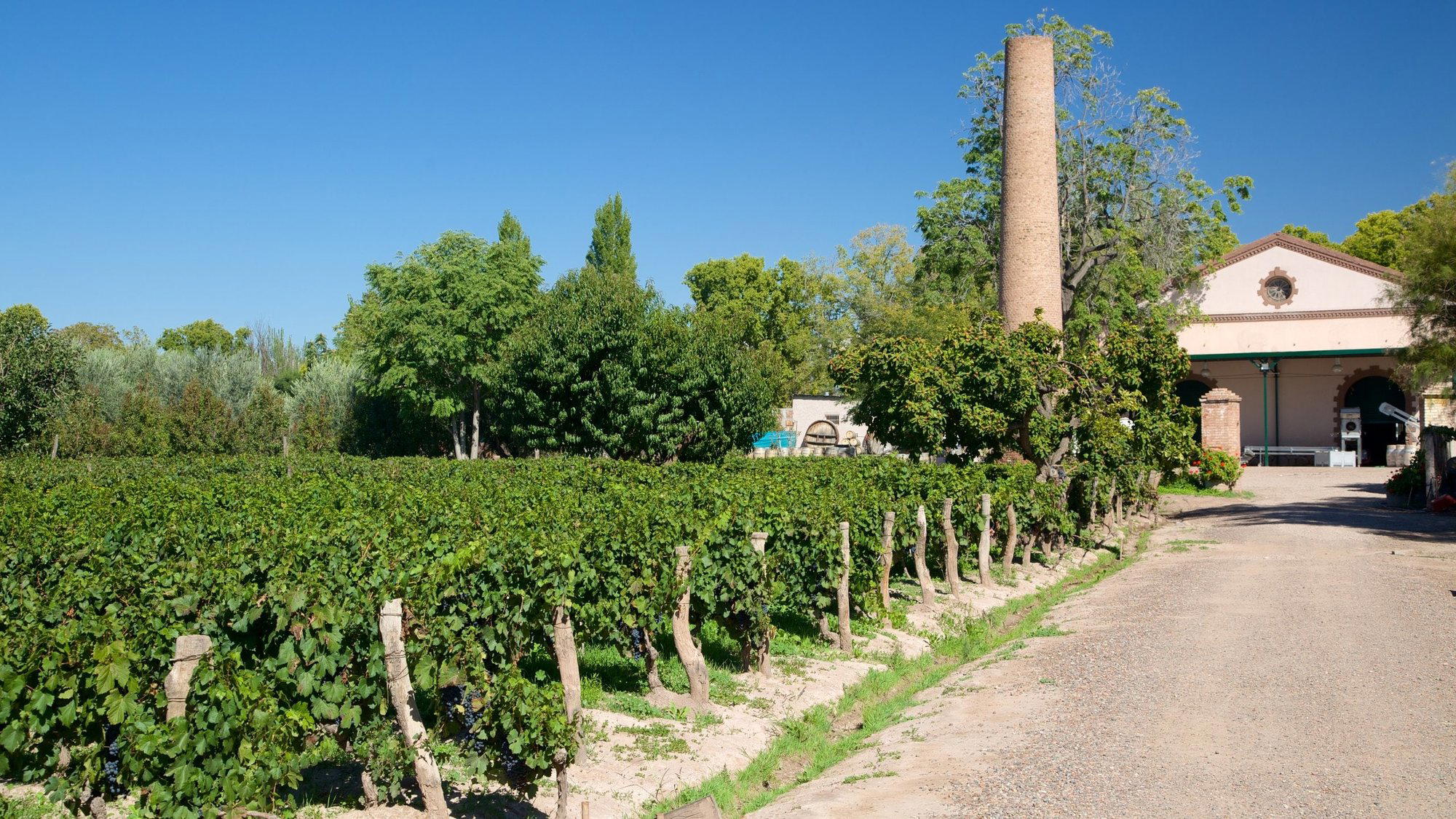
Bars in Luján de Cuyo
Browse all →
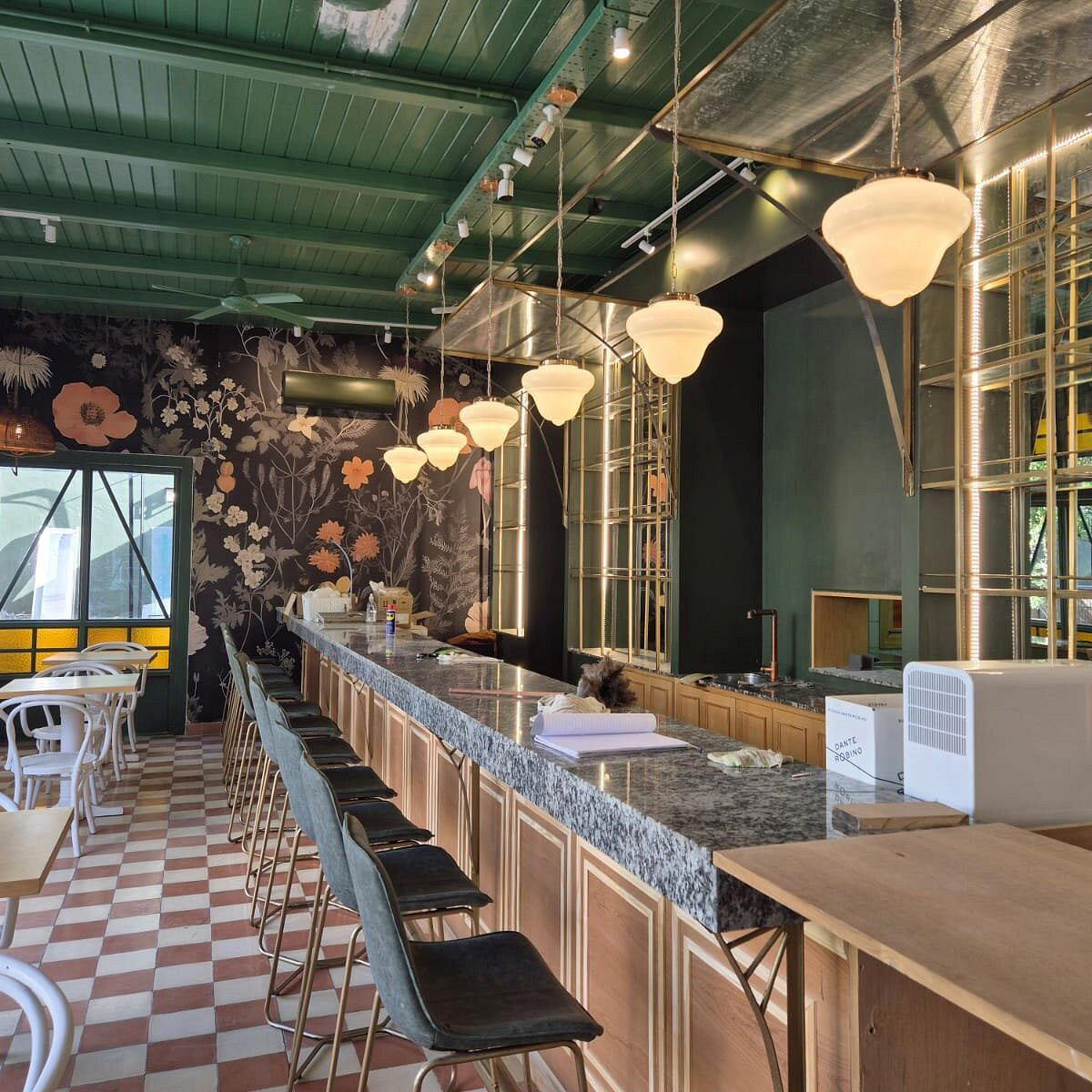

Restaurants in Luján de Cuyo
Browse all →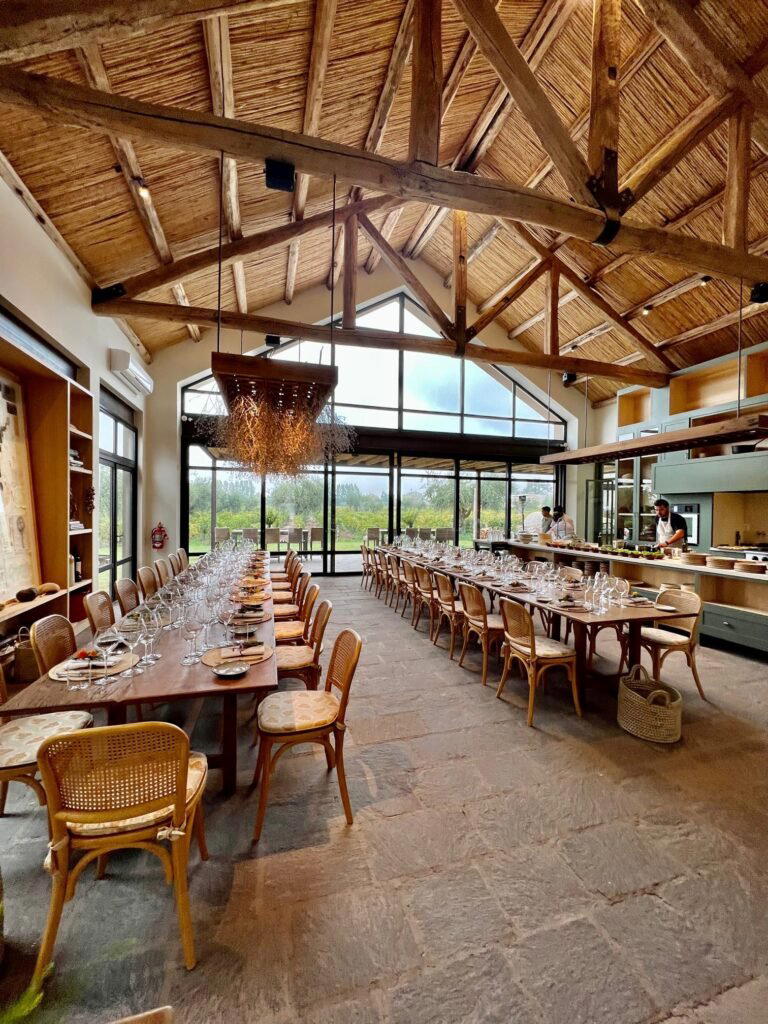
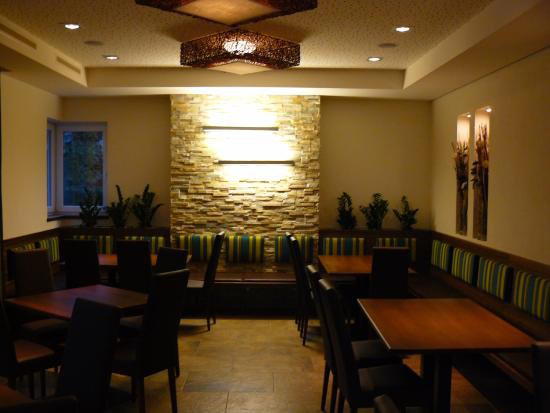
At a Glance
- Classic
- Historic
- Elegant
- Rustic
- Wine Education
- Special Occasion
- Vineyard Tour
- Historic Building
- Sustainable
- Organic
- Vineyard
- Luján De Cuyo
- Malbec
- Cabernet Franc
- Cabernet Sauvignon
- Merlot
- Petit Verdot
- Chardonnay
- Pinot Noir
- Syrah
- Sangiovese
- Still Red
- Cellar Tasting
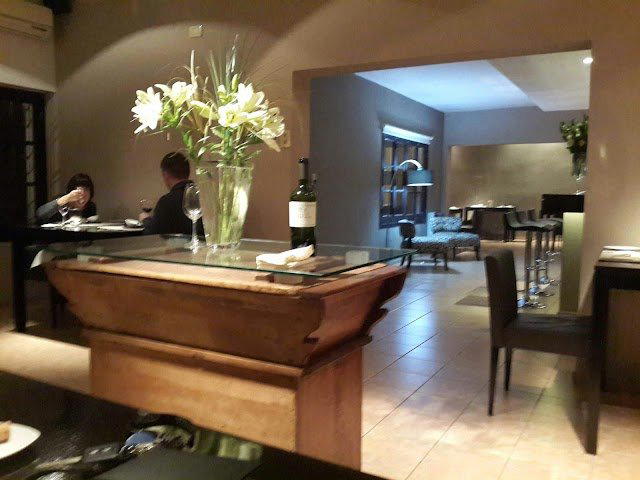
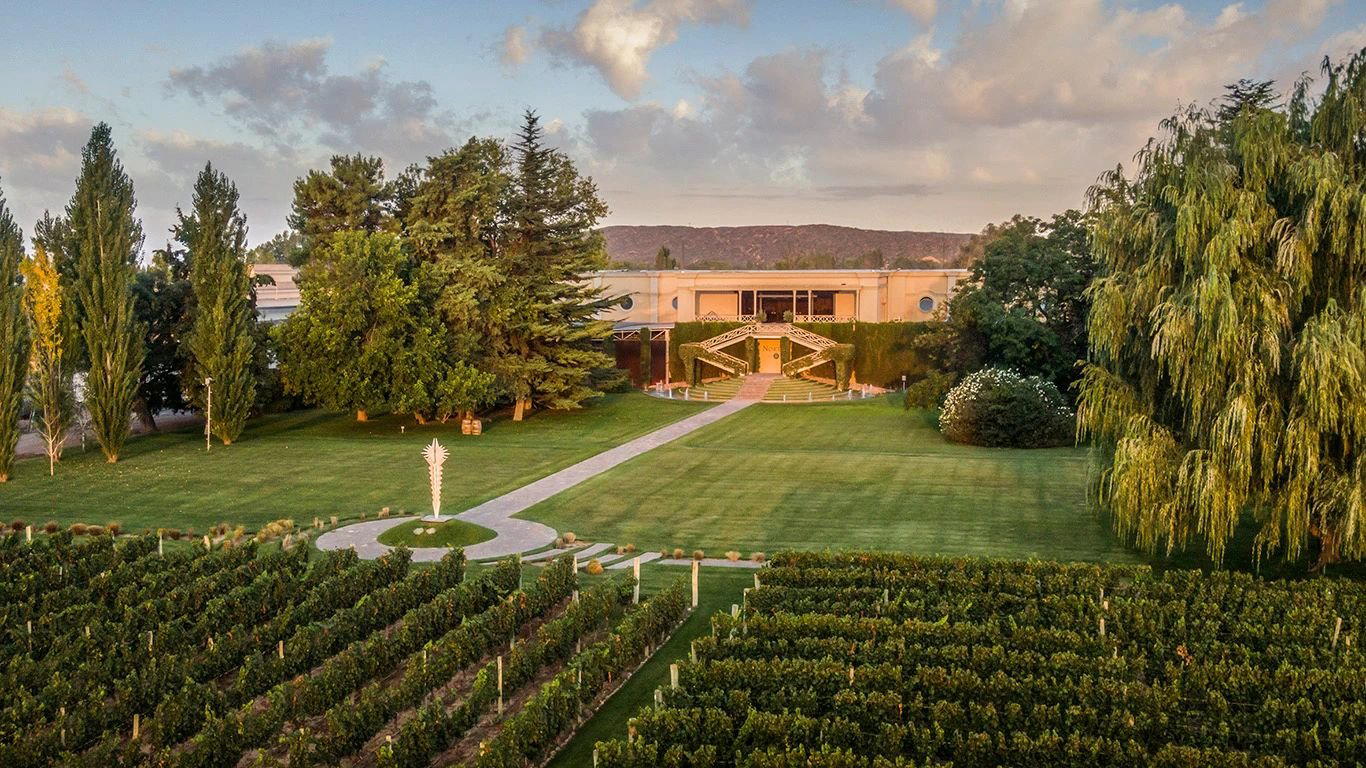
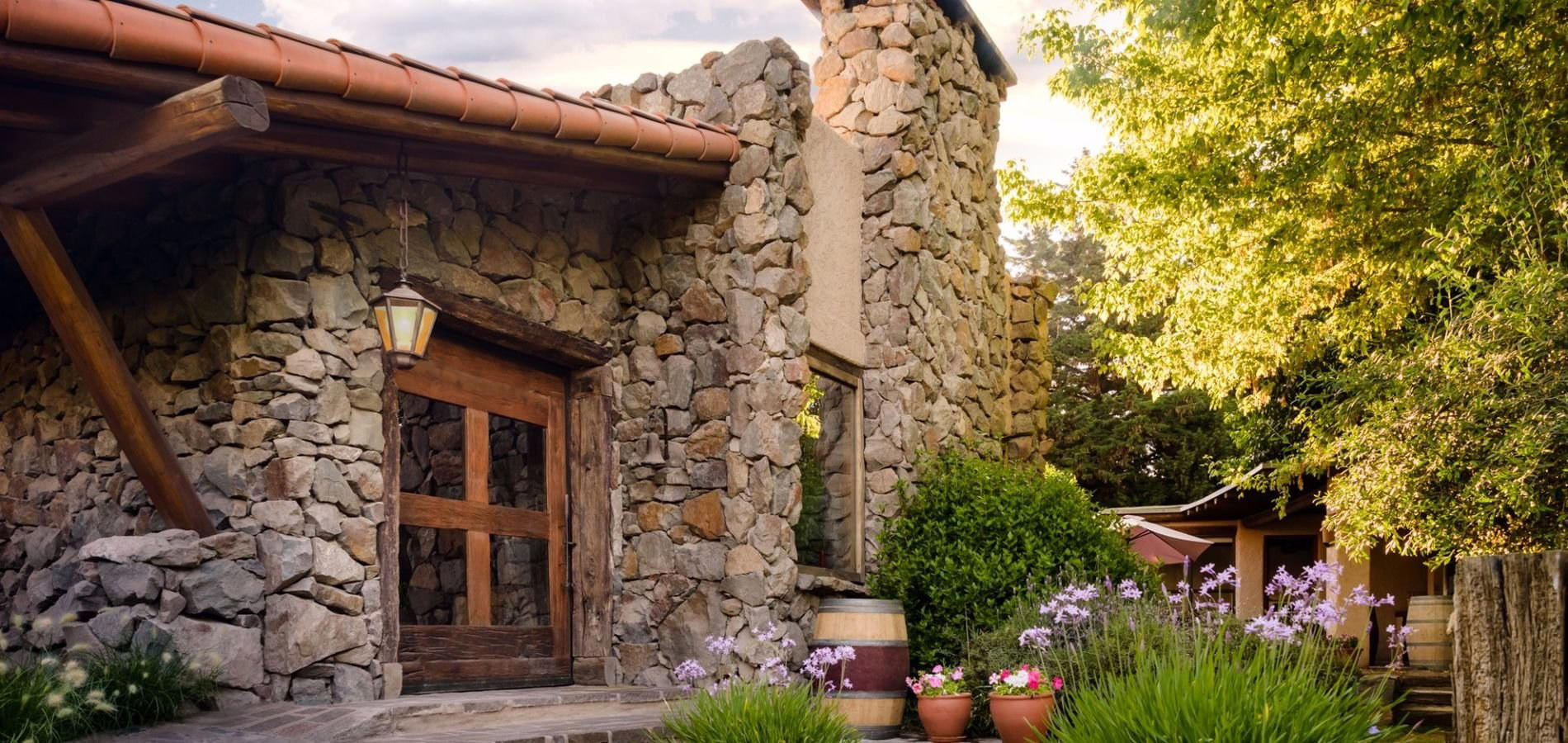
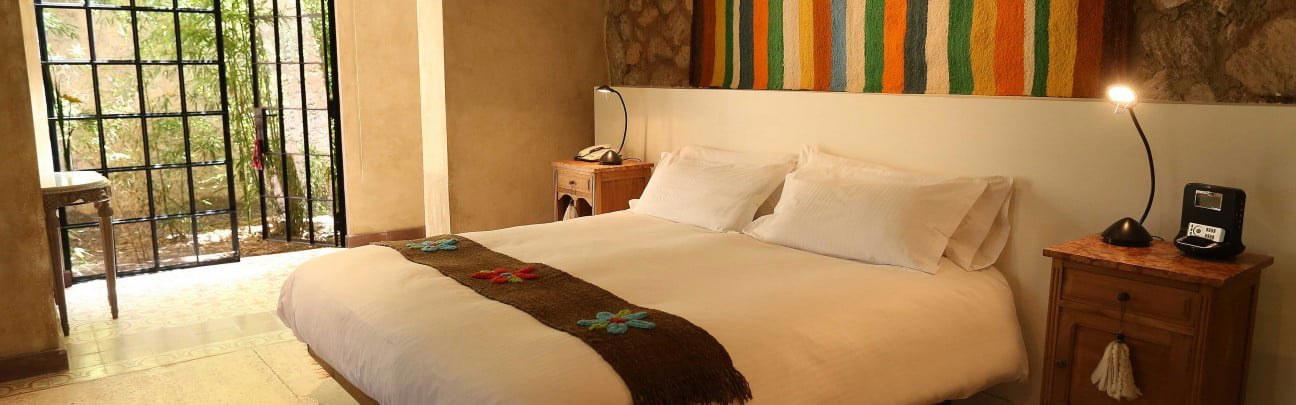
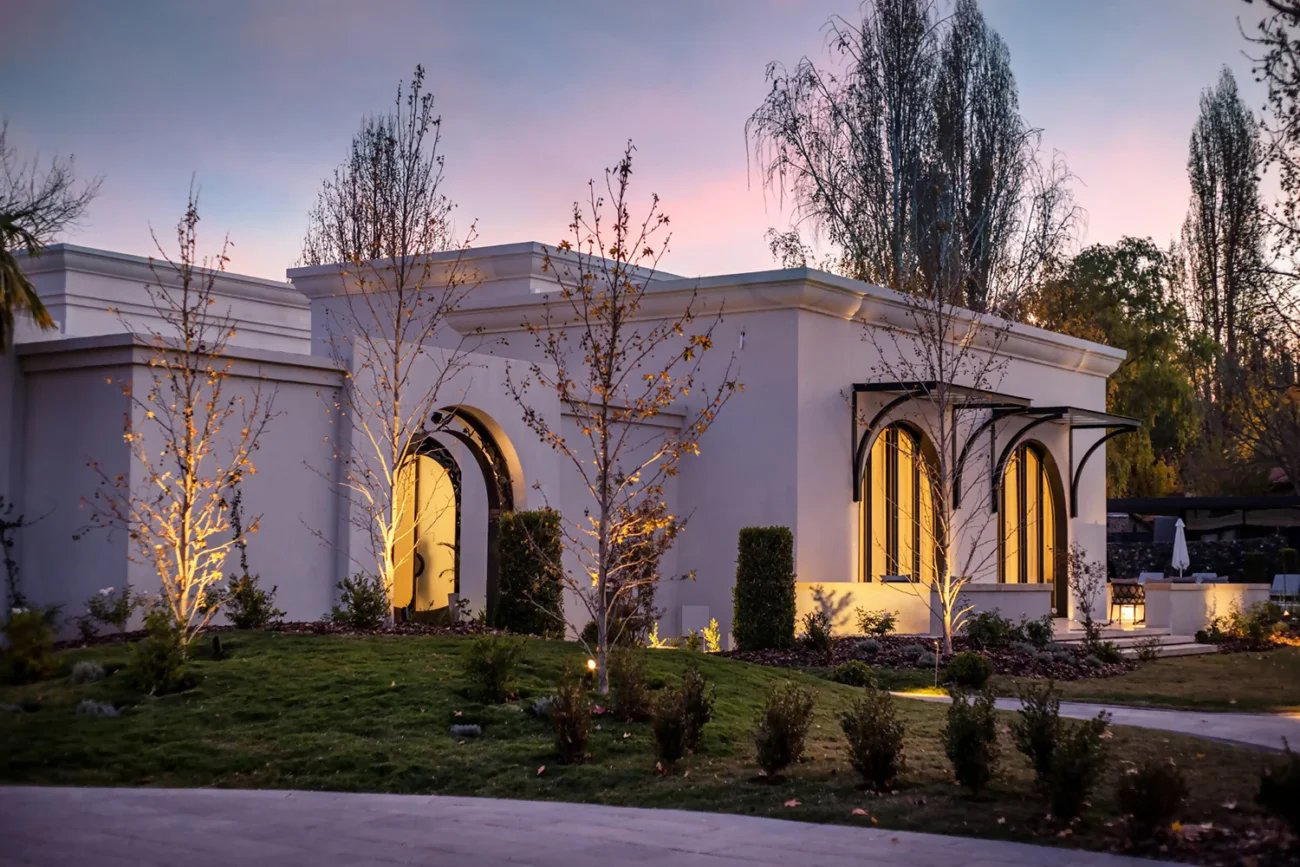
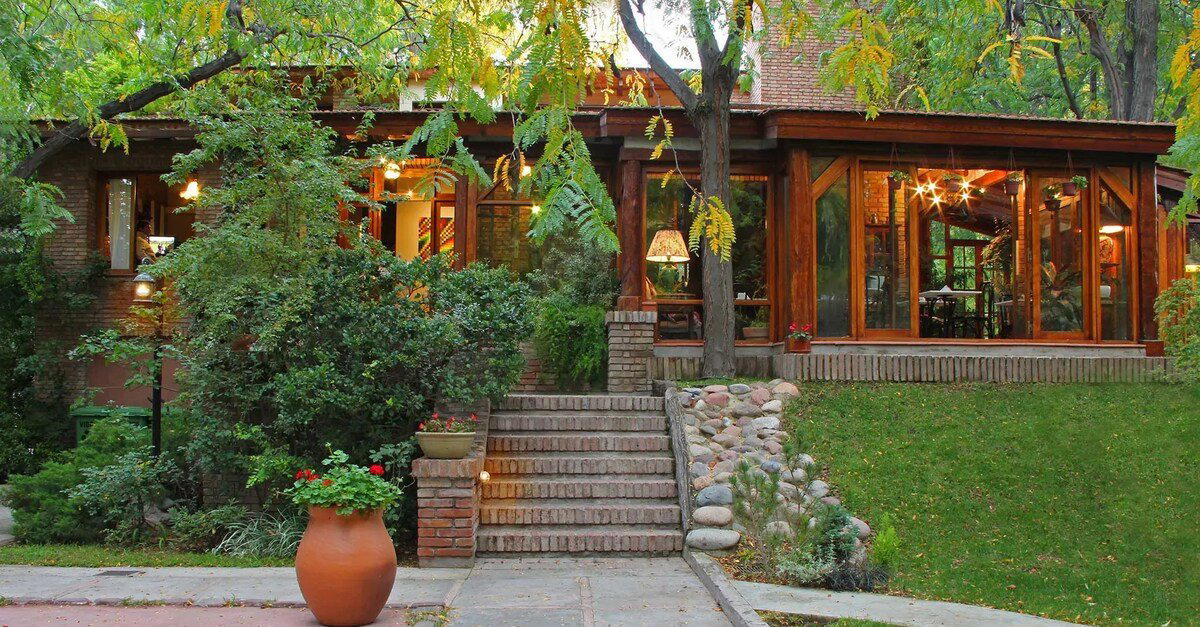
Historic stone cellars with a regal atmosphere, featuring a museum of artifacts and a long table for tastings amid the purity of traditional winemaking.