
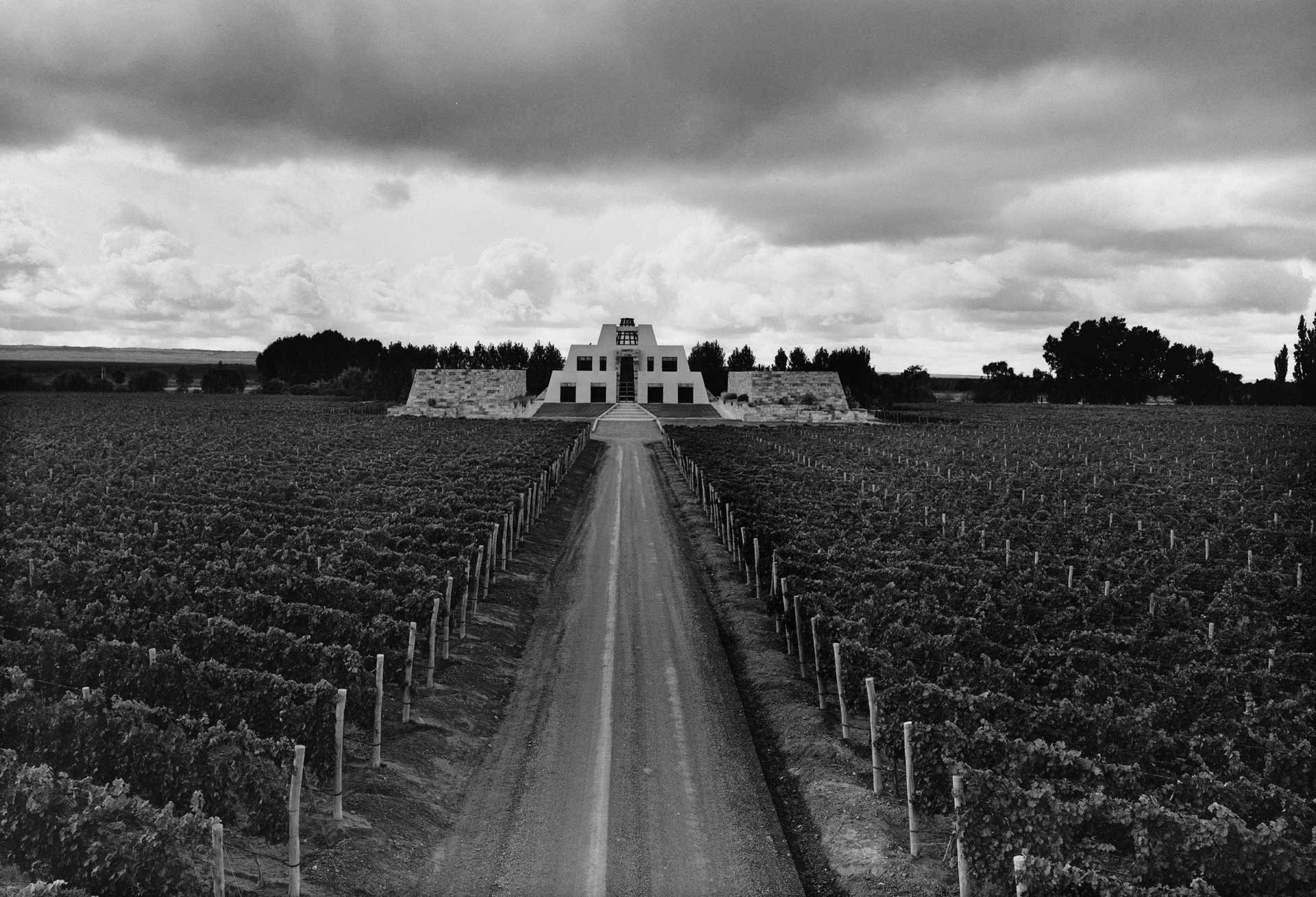
Ruda sits in Gualtallary, the high-altitude sub-zone that has reshaped how Argentina's wine community thinks about Malbec and terroir. The address alone, La Costa S/N in Tupungato, positions it at the edge of the Andes where elevation and alluvial soils define what ends up in the glass. For visitors building an itinerary around Argentina's most talked-about wine corridor, Ruda is a logical anchor point.
Pearl is the En Primeur Club membership app — saves, bookings, and concierge access live there. Same editors, same standards.
- Address
- La Costa S/N, Gualtallary, M5561 Tupungato, Mendoza, Argentina
- Phone
- +54 9 261 618-8114
- Website
- linktr.ee
- Directions
- Get directions
 Saves & bookings on Pearl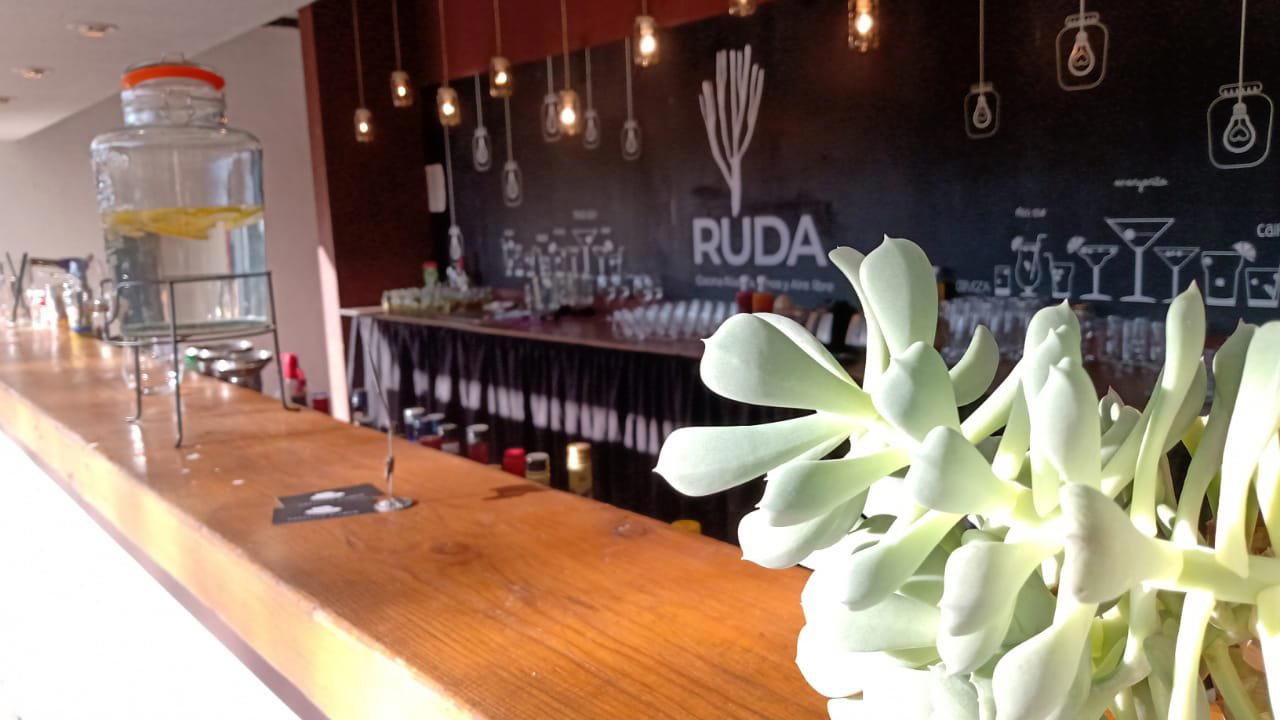
Where the Andes Meet the Plate: Dining in Gualtallary
The road into Gualtallary does not announce itself with signage or ceremony. It unspools through vineyards planted at elevations that most of Argentina's wine country would consider inhospitable, with the Andes rising sharply to the west and a stillness in the air that has more to do with altitude than isolation. This is the sub-zone that changed the conversation around Mendoza wine in the 2000s and 2010s, pulling serious producers away from the lower valley floors toward rocky, calcium-rich soils and diurnal temperature swings that can exceed 20 degrees Celsius in a single day. Ruda sits in this zone, at La Costa S/N in Tupungato, and the address is itself an editorial statement about where serious Argentine dining has chosen to locate itself.
Gualtallary's Position in the Wider Mendoza Scene
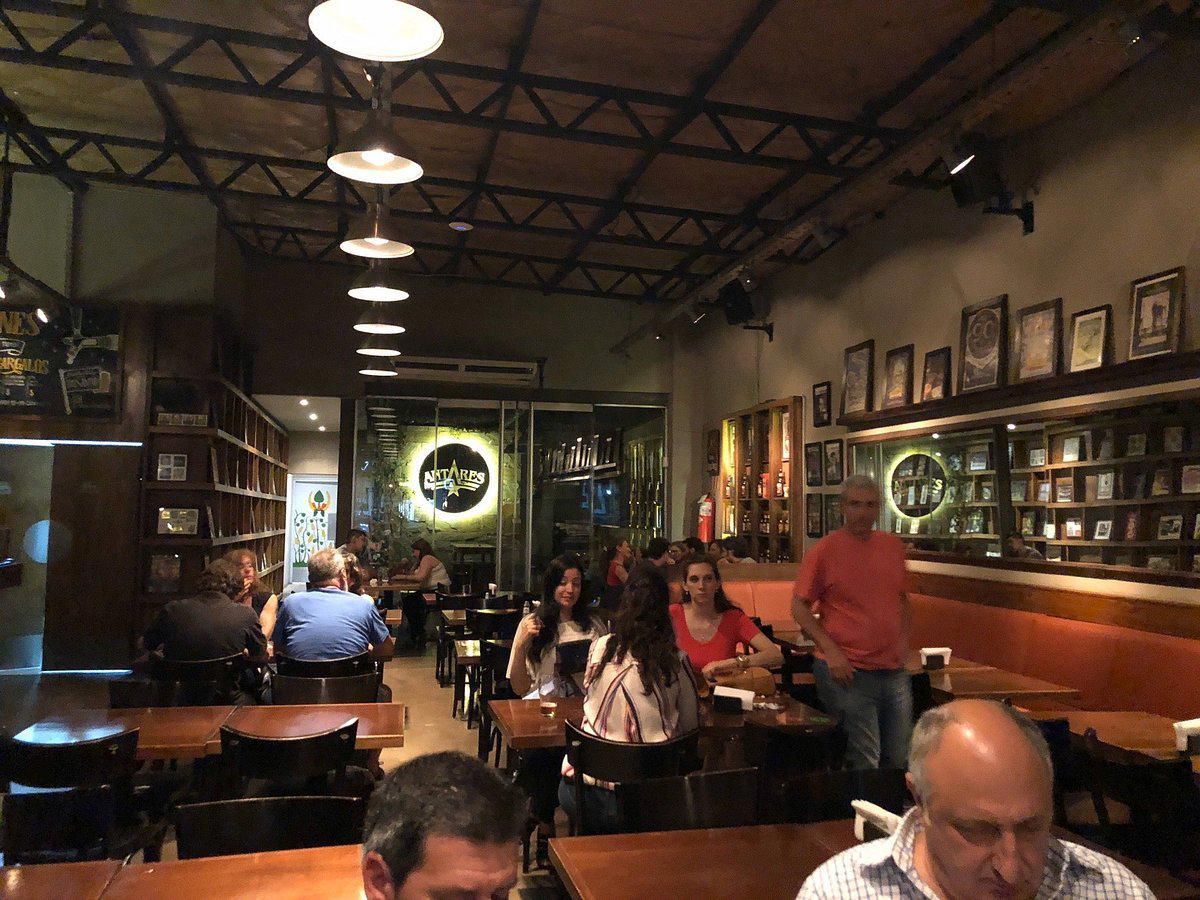
Mendoza's dining geography has been shaped, in large part, by its wine geography. The city centre supports a range of restaurants across every price tier: Azafran anchors the formal end of downtown dining, while Antares Mendoza and Bianco & Nero Arístides operate in a more casual register closer to the Aristides Villanueva corridor. But the more consequential shift in recent years has been the emergence of destination dining that is physically embedded in wine country itself. Gualtallary is the furthest expression of that shift. It sits roughly 80 kilometres southeast of Mendoza city by road, in the Uco Valley, and the drive through Tupungato is part of the experience, not an inconvenience to be minimised. Operations like Ampora Wine Tours have built entire itineraries around this corridor precisely because the distance from the city is proportional to the concentration of serious wine production.
Ruda fits this pattern of winery-adjacent or winery-embedded dining that has developed across Argentina's premium wine regions. In Molinos, further north in Salta, Colomé Winery has long demonstrated how a remote wine estate can create a complete hospitality proposition. In Cafayate, Chato's Wine Bar operates in a similar spirit, grounding its offer in regional wine identity. Ruda's position in Gualtallary places it in this broader Argentine tradition of terroir-driven hospitality, where the landscape outside the window is not decorative but directly connected to what arrives at the table.
What the Location Demands of a Kitchen
Cooking at this altitude and in this climate places particular demands on a kitchen. Gualtallary's growing season is shaped by cold nights, intense Andean sunlight, and the kind of water scarcity that forces precision in agriculture. Local producers working in these conditions tend toward leaner, more mineral-driven yields than those of the lower Luján de Cuyo zone. A kitchen embedded in this territory that takes its location seriously will reflect those constraints: shorter supply chains, ingredients tied to what the high desert and adjacent Andean foothills can actually produce, and a menu calendar that moves with the season rather than against it.
This is the culinary logic that has made Gualtallary interesting beyond wine. The region's brief but intense summer, with harvests typically running from late January through March, creates a window of maximum local abundance that overlaps with the Argentine holiday calendar. Visitors planning around harvest season, roughly February and March, find the area at its most active, with winery hospitality programs running alongside the picking and sorting operations. Timing a visit to Ruda around this window connects the table to the region's defining annual rhythm.
The Broader Shift in Argentine Wine Hospitality
Argentina's wine regions have, over the past two decades, moved from a model where foreign visitors flew into Buenos Aires and took day trips to a model where the wine country itself is the destination. Ampora Wine Tours has documented this shift in how itineraries are now structured, with multi-day stays in the Uco Valley increasingly common. Internationally, this pattern echoes what happened in Napa in the 1990s and in Burgundy before that: as wine reputation concentrates around a specific sub-zone, hospitality infrastructure follows, and particularly credible restaurants become those that can demonstrate genuine rootedness in the terroir rather than proximity to an airport.
Gualtallary is now at the stage where its reputation precedes the visit. Producers including Achával Ferrer, Zuccardi, and Cheval des Andes have made the sub-zone globally recognisable to wine buyers, which means travellers arriving at a restaurant like Ruda are not discovering the area so much as completing an itinerary built around prior knowledge. That context matters for how a kitchen positions itself: it is not educating guests about Gualtallary, it is deepening an engagement that may have started in a Buenos Aires wine shop or a London restaurant list.
For those building an Argentina itinerary from scratch, the broader Mendoza restaurants guide provides a useful orientation across the city's dining tiers before committing to the longer drive into the Uco Valley. And for travellers whose frame of reference is high-quality bar and cocktail programming in other markets, the gap between somewhere like Jewel of the South in New Orleans, Kumiko in Chicago, or Bar Leather Apron in Honolulu and what Gualtallary offers is instructive: Argentina's premium hospitality identity is organised around wine and table rather than cocktail culture, and Ruda sits firmly within that tradition.
Planning a Visit
Gualtallary is not walkable from Mendoza city, and Ruda's address at La Costa S/N in Tupungato requires either a rental car or a driver. One coherent approach is to build a full Uco Valley day or overnight stay, pairing a visit to Ruda with winery appointments in the same sub-zone. Confirm availability and hours directly before travelling, particularly outside the main summer and harvest season when operating schedules may shift.
The Short List
Comparable venues nearby, for context on price, style, and recognition.
| Venue | Cuisine | Price | Notes |
|---|---|---|---|
| RudaThis venue — the venue you are viewing | Tupungato, Bar | $$$ | Not listed |
| VinoBien | Not listed | $$ | Carrodilla, Luján de Cuyo, wine_bar |
| Antares Mendoza | Not listed | $$ | Arístides Villanueva, beer_bar |
| PH bar-restaurante | Not listed | $$ | Aristides Villanueva, cocktail_bar |
| Azafran | Not listed | $$$$ | Centro, wine_bar |
| Por Aca | Not listed | $$ | Luján de Cuyo, beer_bar |
Recognition history
Dated appearances from independent guides and award organizations, with the underlying list record or original source where available.
Star Wine List
Star Wine List
Continue exploring
More in Mendoza
Bars in Mendoza
Browse all →
Restaurants in Mendoza
Browse all →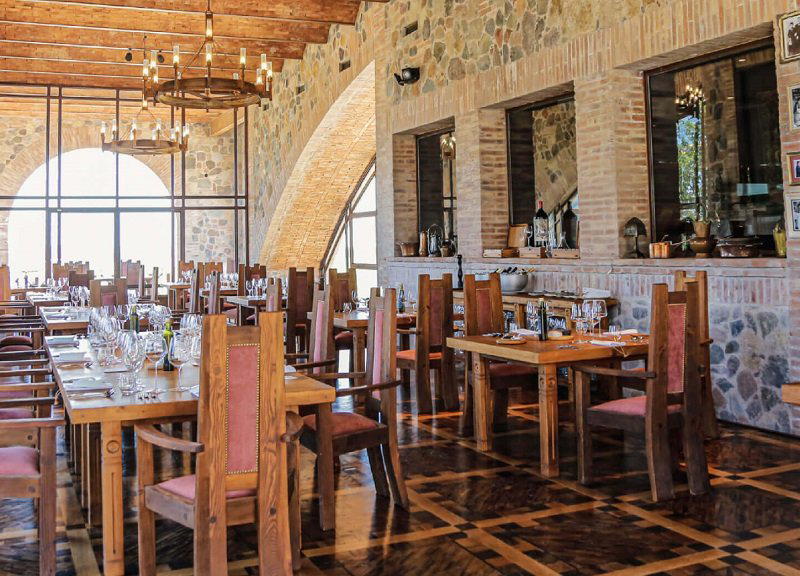
Hotels in Mendoza
Browse all →
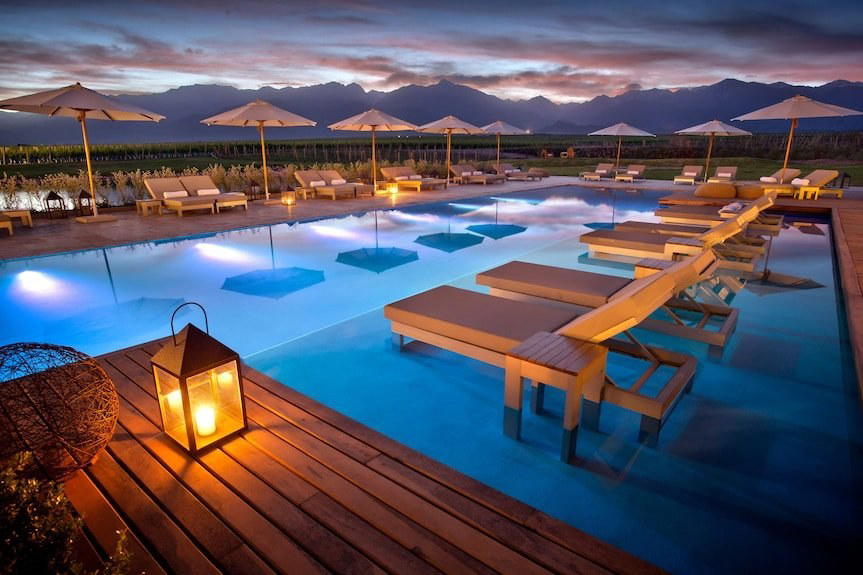
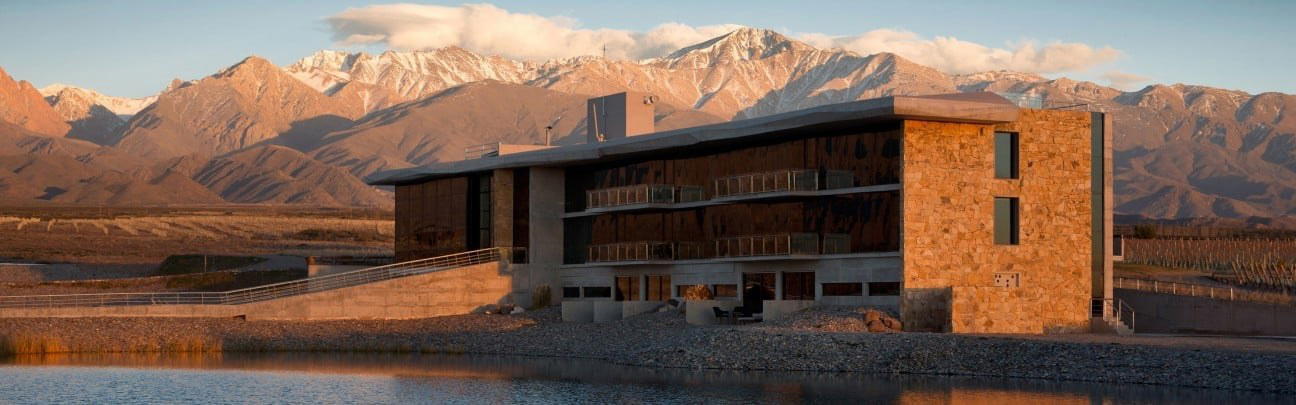
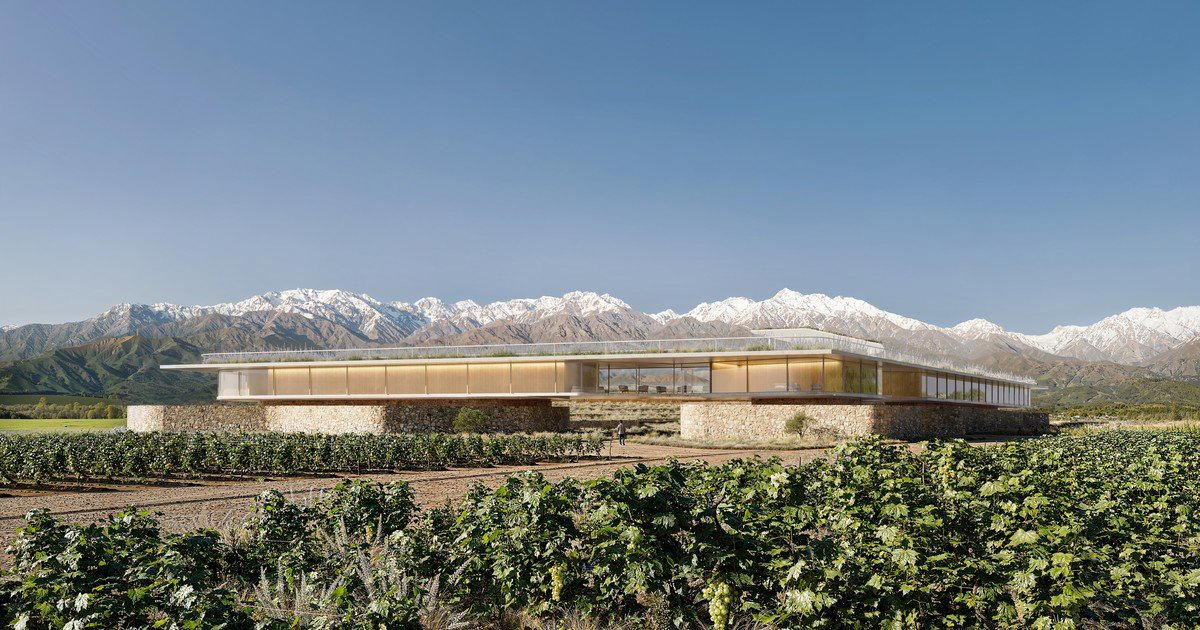
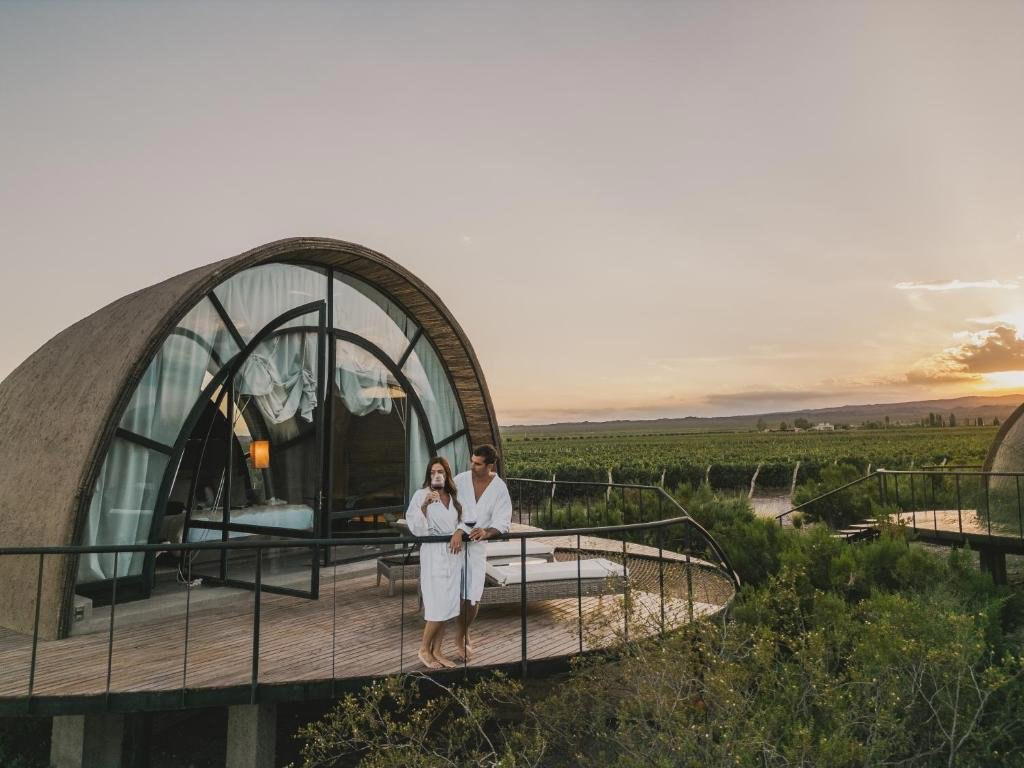
At a Glance
- Rustic
- Trendy
- Scenic
- Date Night
- Special Occasion
- Panoramic View
- Outdoor Terrace
- Communal Tables
- Conventional Wine
- Mountain
- Vineyard
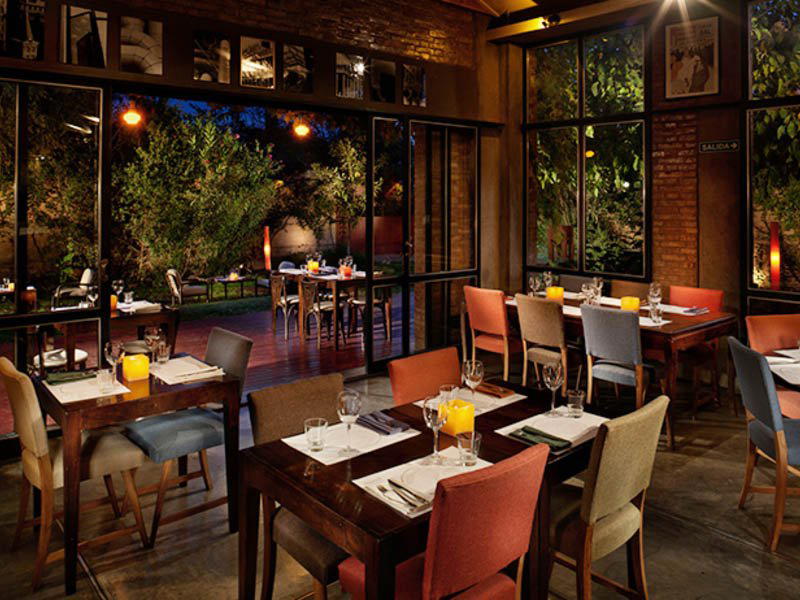
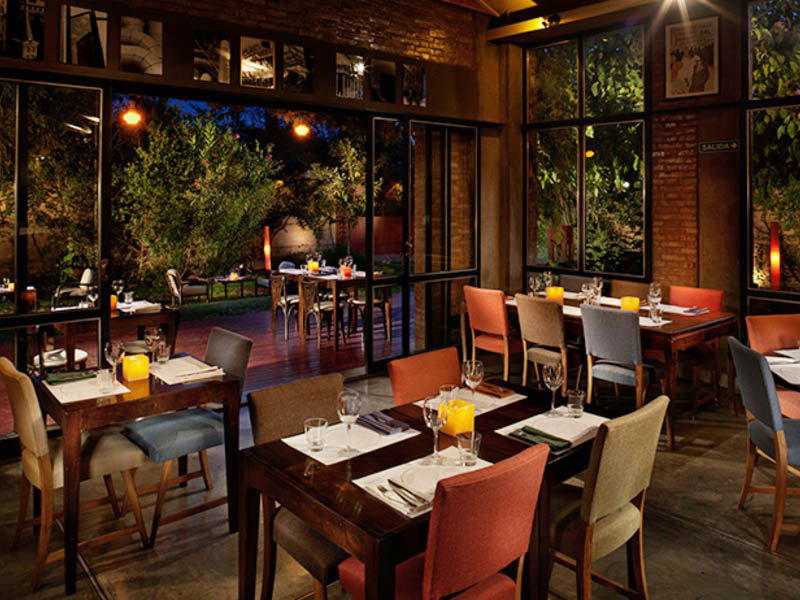
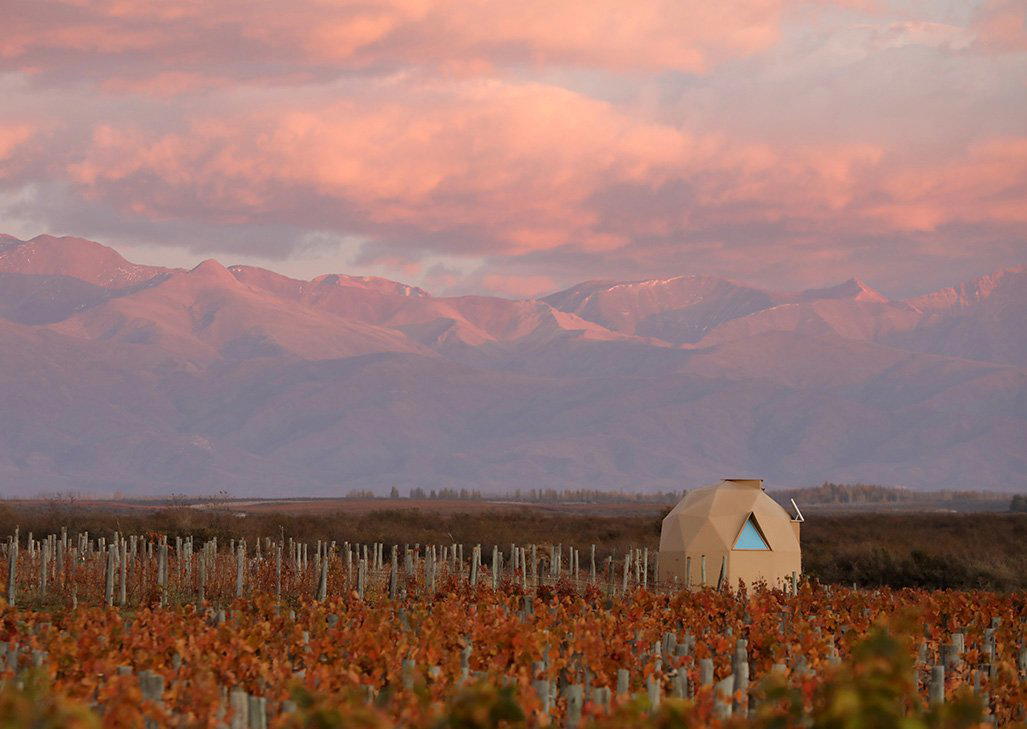
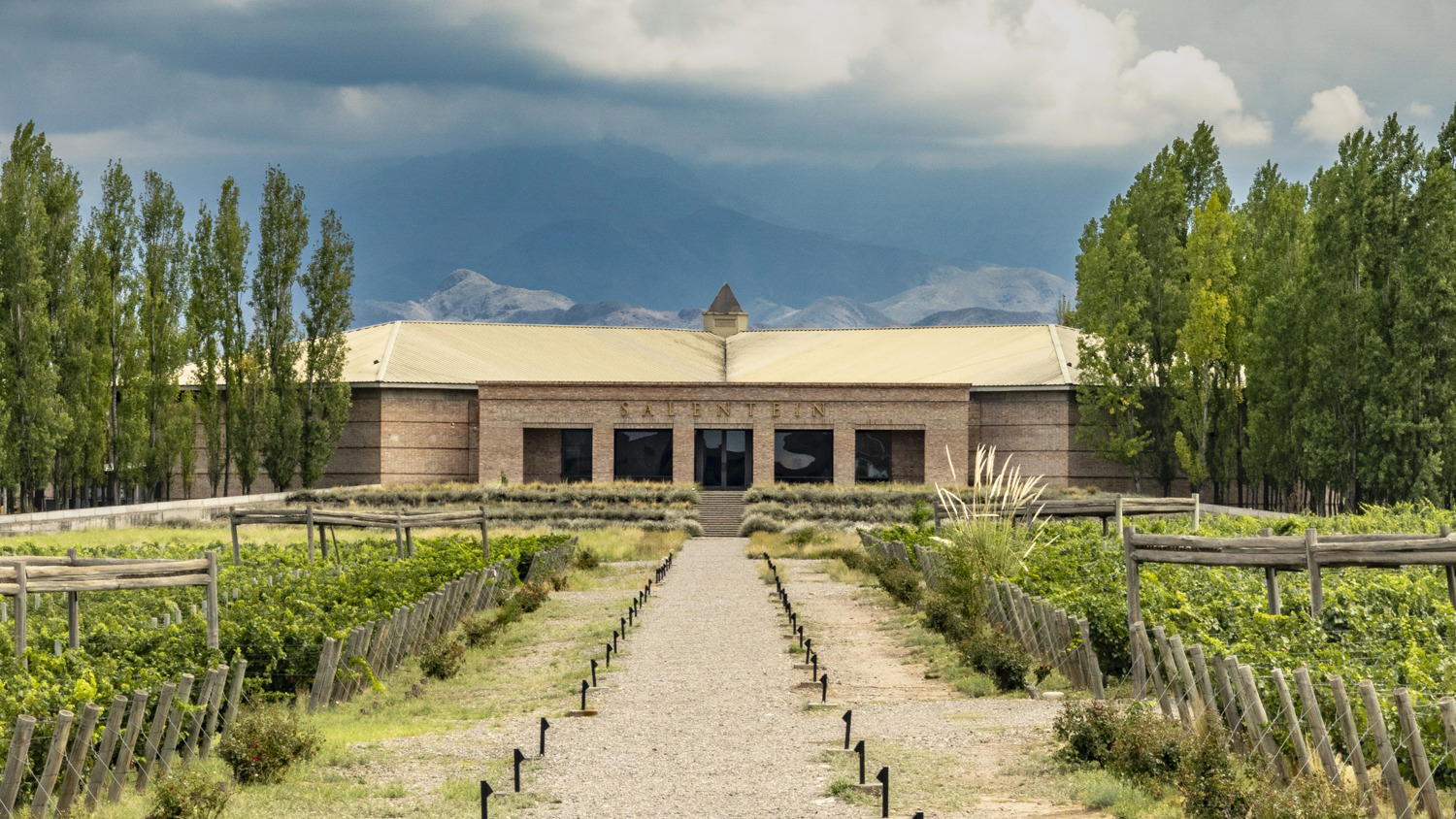
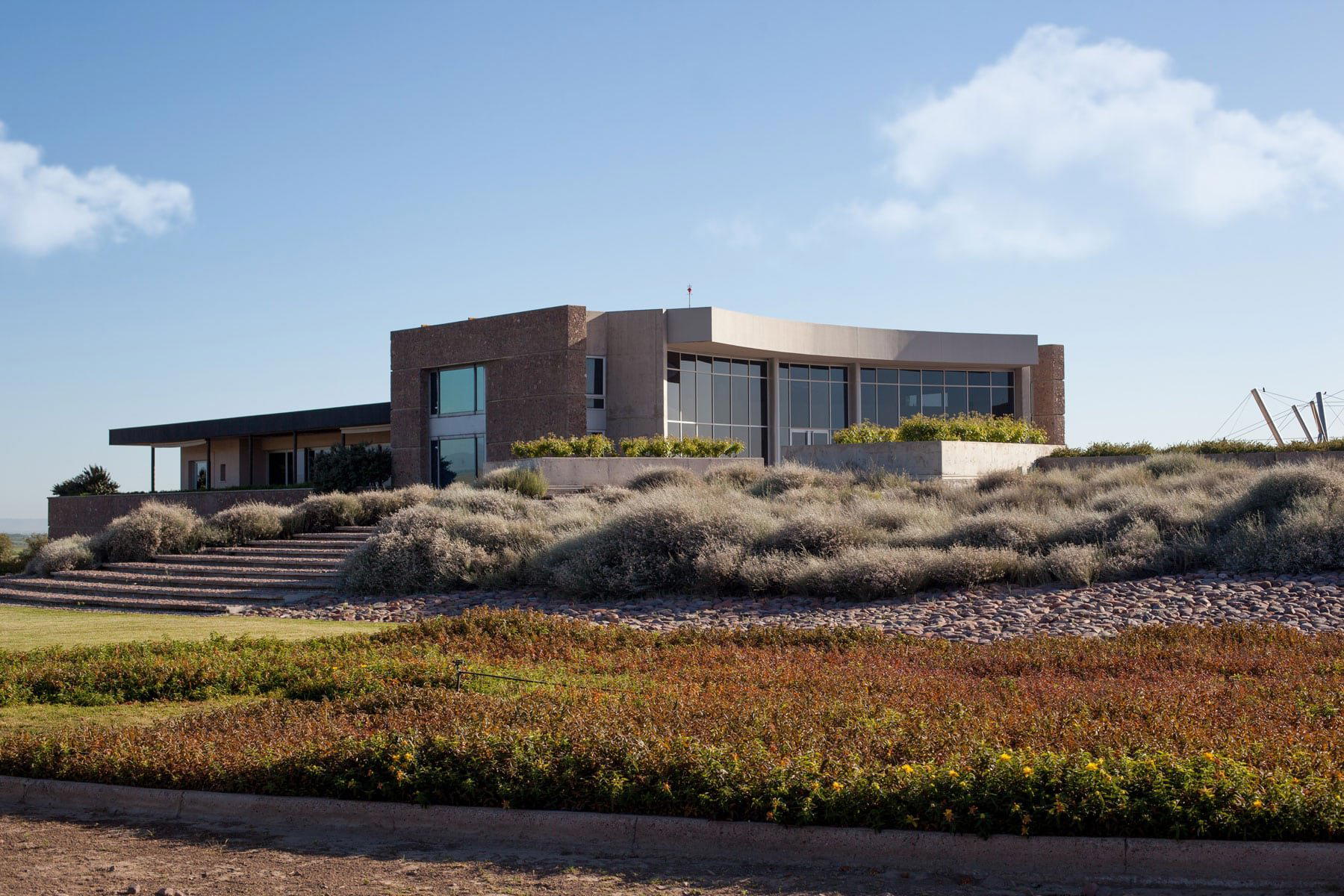
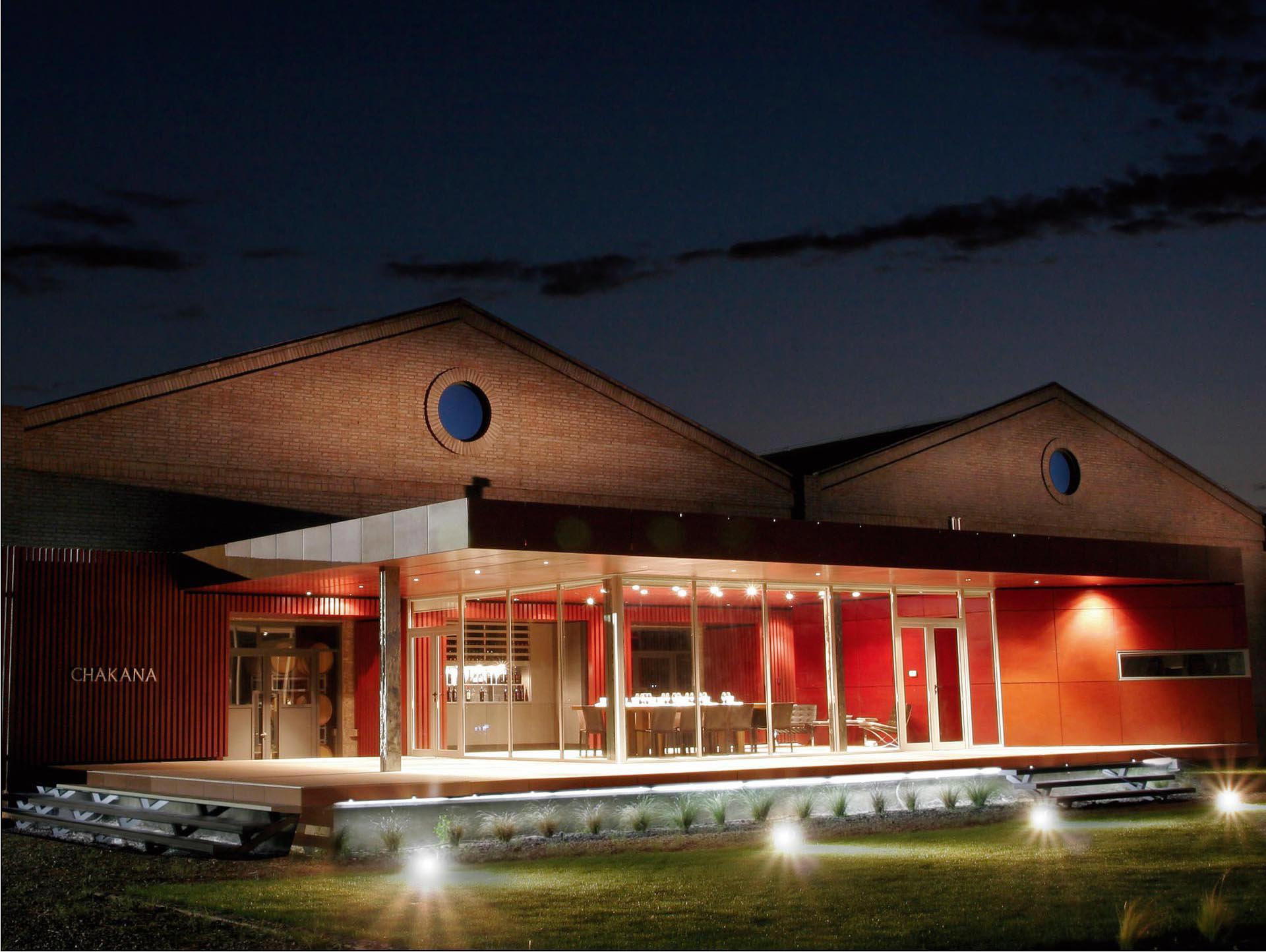
Relaxed natural setting with cool trendy decor, wild mountain views, and good background music creating a welcoming, leisurely lunch atmosphere.